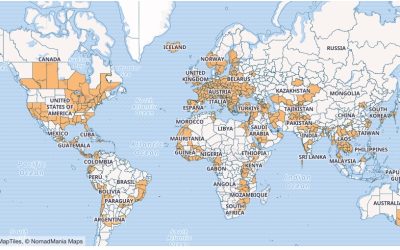
Over the past months, NomadMania has carried out the largest overhaul of its Masterlist of Regions since the platform was founded. Covering every continent, the project introduced 80 brand-new regions around the world, bringing the total to 1,381 NomadMania regions and reshaping how countries are divided, explored, and counted.
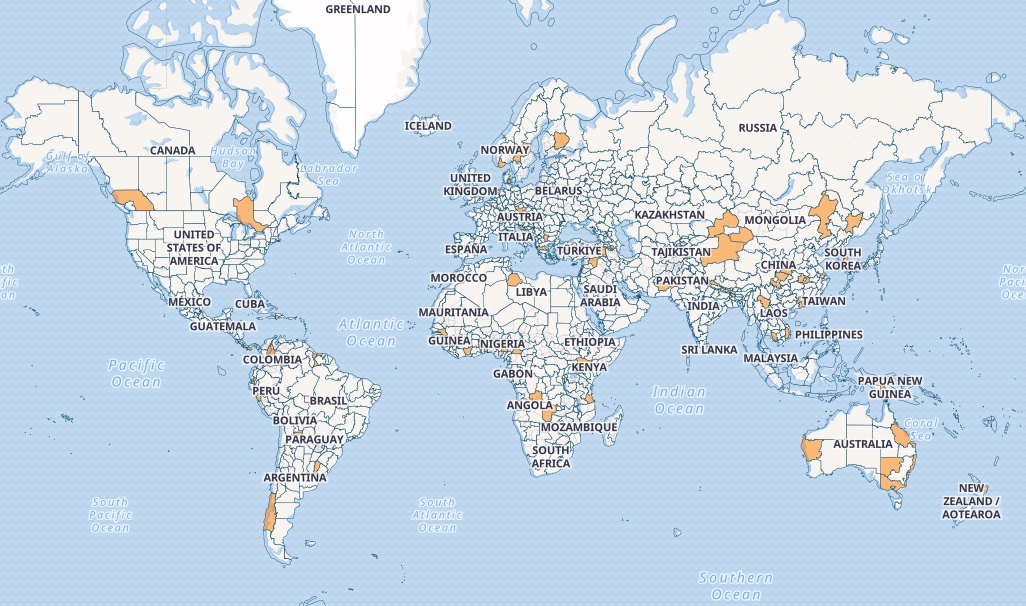
The goal of the review was not simply to increase numbers. Instead, it aimed to create a more balanced and meaningful regional framework that better reflects geography, culture, travel logic and the real experience of exploring a country in depth.
Some countries had long been considered under-divided relative to their size or diversity. Others contained huge metropolitan areas that deserved their own identity, while certain isolated mountain ranges, islands, indigenous territories, or historical regions had never been properly represented before.
In making these decisions, we were guided by the Optimal Score and the Roadmap specifically developed for this project, as well as hundreds of suggestions and discussions from NomadMania members. The result is a more coherent framework — one that rewards deeper travel and makes regional exploration feel more logical, engaging, and representative for travelers everywhere.
Let’s summarize everything below so you don’t miss any of the changes.

Batch 1 — Testing a New Regional Philosophy
The first batch acted as a pilot project for the new methodology. Rather than focusing on large-scale restructuring immediately, it targeted a smaller group of countries where additional regions were based on the community vote.
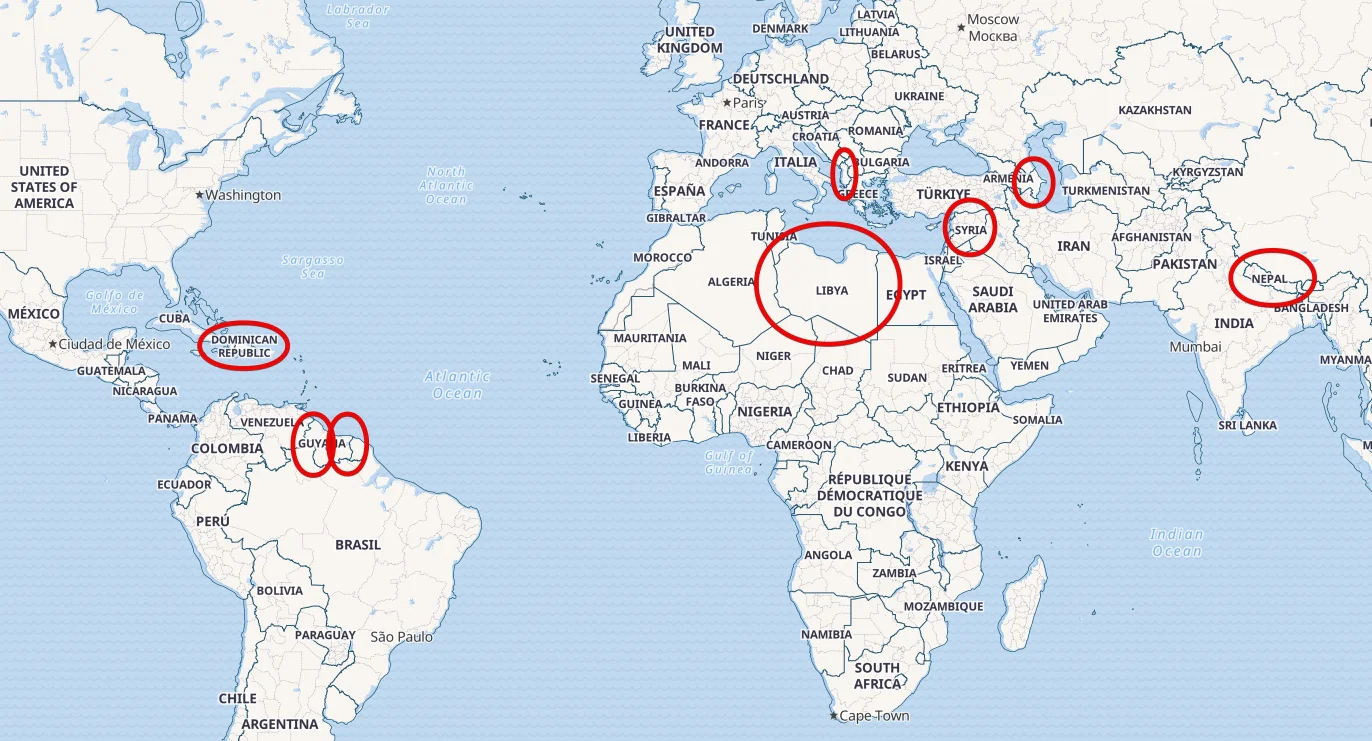
New regions:
- Albania → Coastal
- Azerbaijan → Karabakh
- Dominican Republic → Southern
- Guyana → Berbice-Corentyne
- Libya → Tripolitania – Interior
- Nepal → Himalayas
- Suriname → West Coast
- Syria → Northeast
Details: Regions Batch 1 – Countries Based on Poll Votes.
Batch 2 — Examples of the Community Involvement
The second batch (1 and 2) expanded the review into some countries from where we received feedback early on the project stage. In many places around the world NomadMania members started gathering to discuss regions.
New regions:
- Cambodia → Cardamom & Elephant Mountains
- Canada → Ontario East
- Denmark → Funen
- Finland → Eastern
- Norway → Southern
- Vietnam → Central Highlands
- Vietnam → Phu Quoc
Details:
– Batch 2.1 – Regional Changes in Continental Southeast Asia.
– Batch 2.2 – Regional Changes Based on Member Input.
Batch 3 — Europe Rebalanced
Europe may appear compact compared to other continents, but many countries had surprisingly few internal divisions despite strong historical and metropolitan identities. Batch 3 focused heavily on capital regions and long-standing cultural areas.
Vienna, Budapest, Lisbon, and Prague all gained stronger representation through newly defined metropolitan or central regions. Elsewhere, historical landscapes such as Croatia’s Kvarner and Sweden’s Bergslagen finally received recognition within the system.
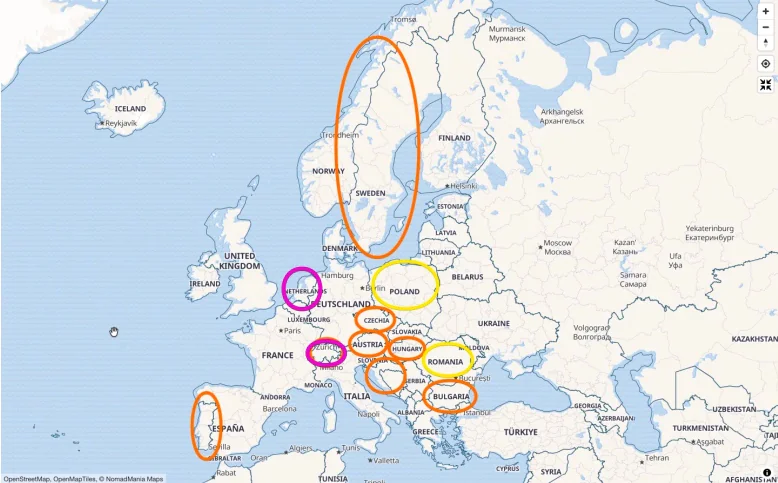
New regions added
- Austria → Greater Vienna
- Bulgaria → North
- Croatia → Kvarner
- Czechia → Bohemia South
- Hungary → Budapest & Pest County
- Netherlands → Northeast
- Portugal → Lisbon & Vale do Tejo
- Sweden → Bergslagen
- Switzerland → Bern Canton
- Switzerland → Central Switzerland
Details: Batch 3 – Regional Changes – European Countries.
Batch 4 — Asia Balanced
Asia’s fourth batch focused on countries with enormous populations and major internal contrasts. Several changes recognised rapidly growing urban centres, while others highlighted isolated cultural or geographic zones.
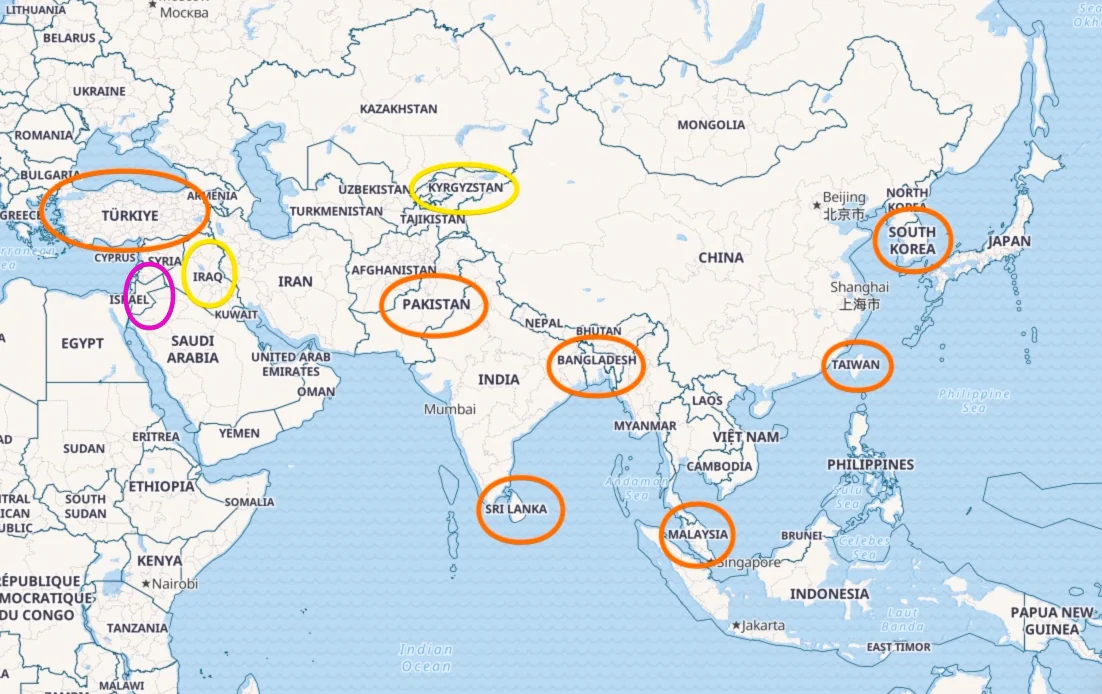
New regions added
- Bangladesh → Rangpur
- Malaysia → Kelantan & Terengganu
- Pakistan → Balochistan North
- South Korea → Gyeongsang
- Sri Lanka → Eastern Coast
- Taiwan → Central
- Turkiye → Inner Western Anatolia
- Turkiye → Eastern Anatolia – Far East
Details: Batch 4 – Regional Changes – Asian Countries.
Batch 5 — Africa’s Major Expansion
Africa became one of the largest and most important components of the review. Many African countries had historically been somewhat underrepresented being divided into relatively few regions despite their immense size and diversity.
The new additions reflected historical kingdoms, inland versus coastal distinctions, isolated cultural landscapes, and important population centers. Casamance in Senegal, Barotseland in Zambia, Volta in Ghana, and Abuja/FCT in Nigeria were among the most notable additions. Kenya, Mauritania, and Ghana also underwent broader internal redesigns to create more balanced regional structures overall.
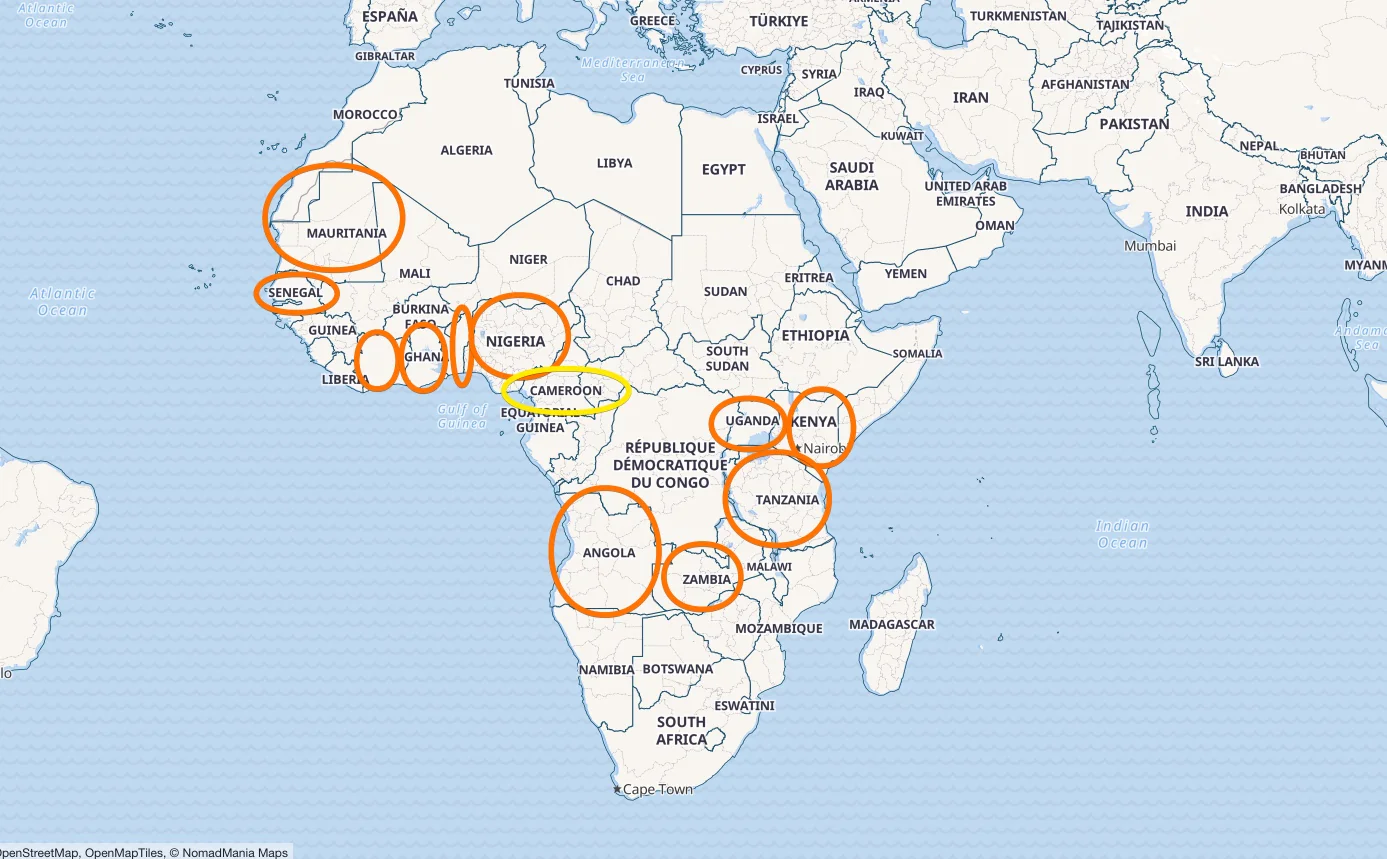
New regions added
- Angola → Northeast
- Benin → Central
- Cameroon → Adamawa
- Côte d’Ivoire → East Central
- Ghana → Volta
- Kenya → Rift Valley – North
- Mauritania → North Coast
- Nigeria → Middle Belt Central
- Senegal → East
- Tanzania → Coastal South
- Uganda → East (Tambacounda)
- Zambia → West (Barotseland)
Details: Batch 5 – Regional Changes – African Countries.
Batch 6 — Latin America Refined
Latin America’s regional review focused heavily on geographical and cultural diversity. The continent’s travel reality often changes dramatically between coasts, mountains, jungles, and interior plains, and the new system sought to reflect this more accurately.
Several new regions emphasized Amazonian areas, Caribbean coasts, Andean interiors, and historically distinct territories.
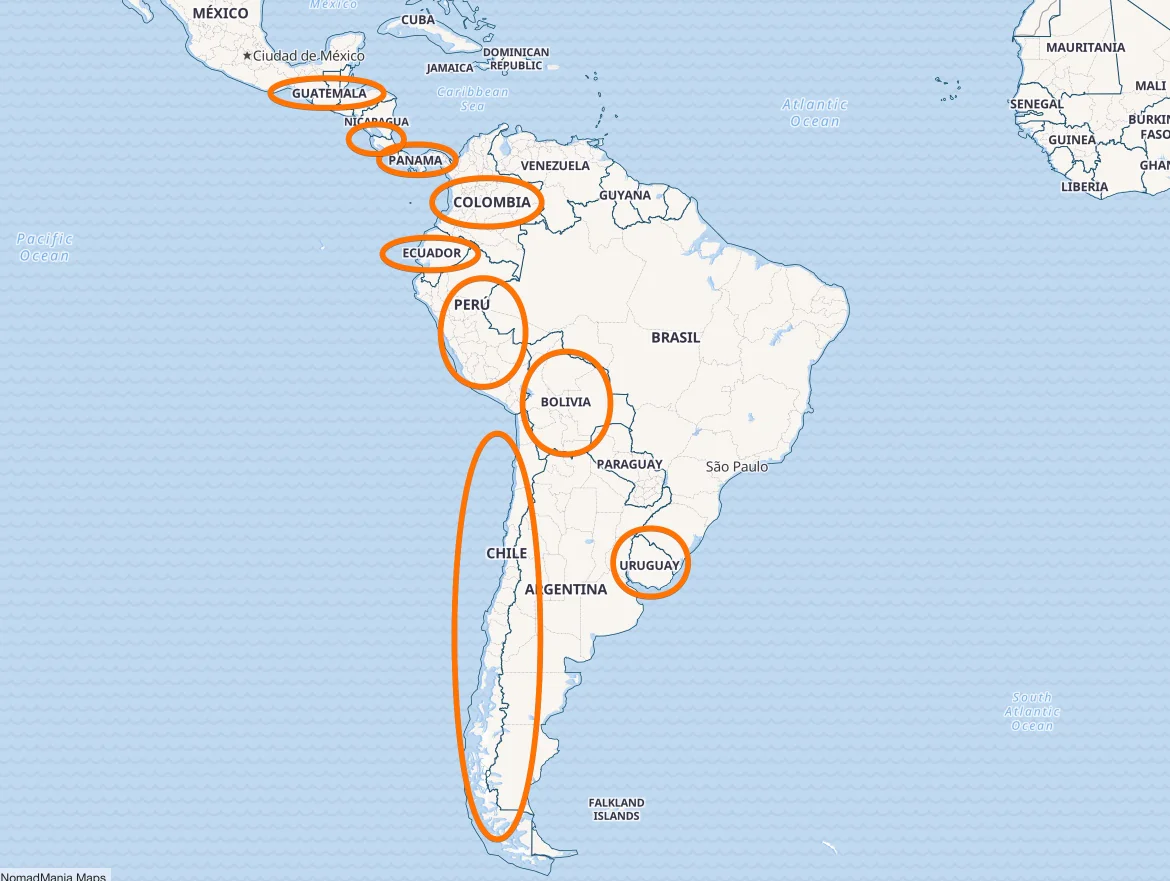
New regions added
- Bolivia → Tarija
- Chile → Chilean Patagonia
- Colombia → Andes Northeast
- Costa Rica → Pacific South
- Ecuador → Andes South (Cuenca)
- Guatemala → Caribbean
- Panama → Pacific West
- Peru → Ancash
- Uruguay → Western Littoral
Details: Batch 6 – Regional Changes – Latin American Countries.
Batch 7 — Australia and Oceania
Australia was refined and gained 6 new regions recognizing the unique identities of Far North Queensland, Central Australia, the Southwest, and the Southeast Coast. Papua New Guinea and New Zealand also received new divisions better aligned with geographic and travel realities.
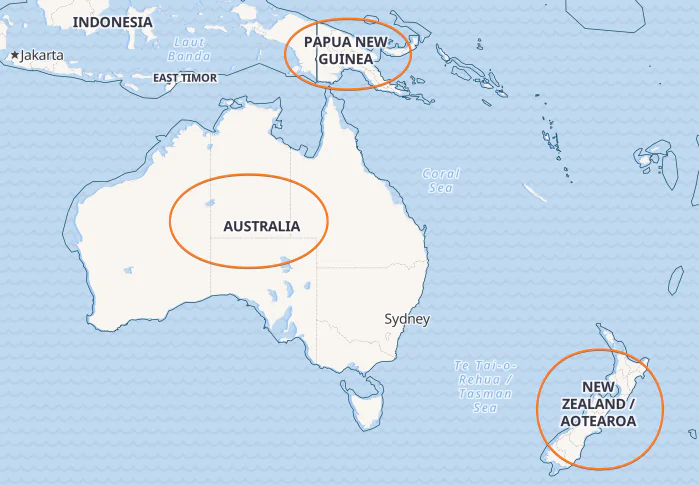
New regions added
- Australia → New South Wales – Coastal (beyond Sydney)
- Australia → New South Wales – Outback
- Australia → Victoria (beyond Melbourne)
- Australia → Queensland – Central
- Australia → Torres Strait Islands
- Australia → Western – Gascoyne & Midwest
- New Zealand → North Island – Central
- Papua New Guinea → Western
Details: Batch 7 – Regional Changes – Australia, NZ and PNG.
Batch 8 — The China Overhaul
China became the single biggest transformation of the entire Regions Review. Given the country’s enormous size, population, and diversity, the previous system was widely considered too limited.
The overhaul introduced 13 entirely new regions, creating a detailed internal regional system of this relatively little known but such a fascinating country.
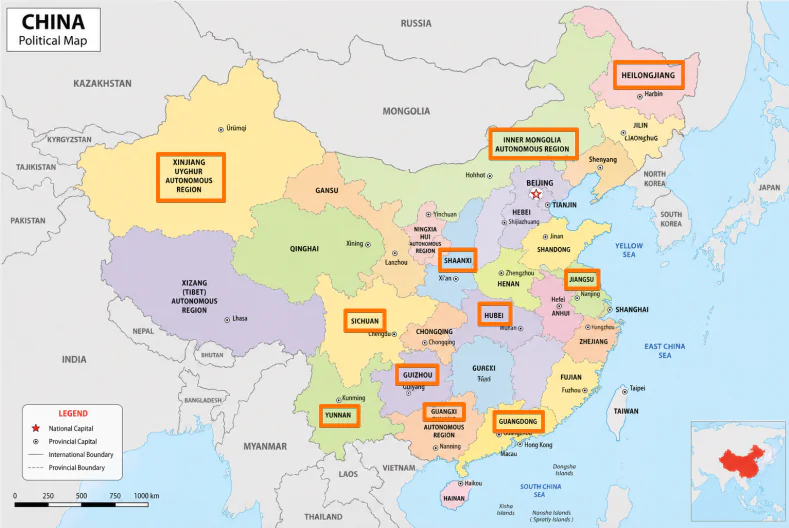
New regions added:
- Guangdong – Pearl River Delta
- Guangdong – East (Chaoshan)
- Guangdong – North
- Heilongjiang – East
- Hubei – East (beyond Wuhan)
- Inner Mongolia – East
- Jiangsu – Southeast
- Shaanxi – South
- Sichuan – East
- Xinjiang – Dzungaria – East
- Xinjiang – Dzungaria – North
- Xinjiang – Tarim – East
- Yunnan – Southwest
Details: China, Reimagined: Batch 8.
Final Batch — Remaining Global Adjustments
Before the completion of the Regions Review Project we had a final good look on everything and made the following tweaks which addressed several underrepresented countries.
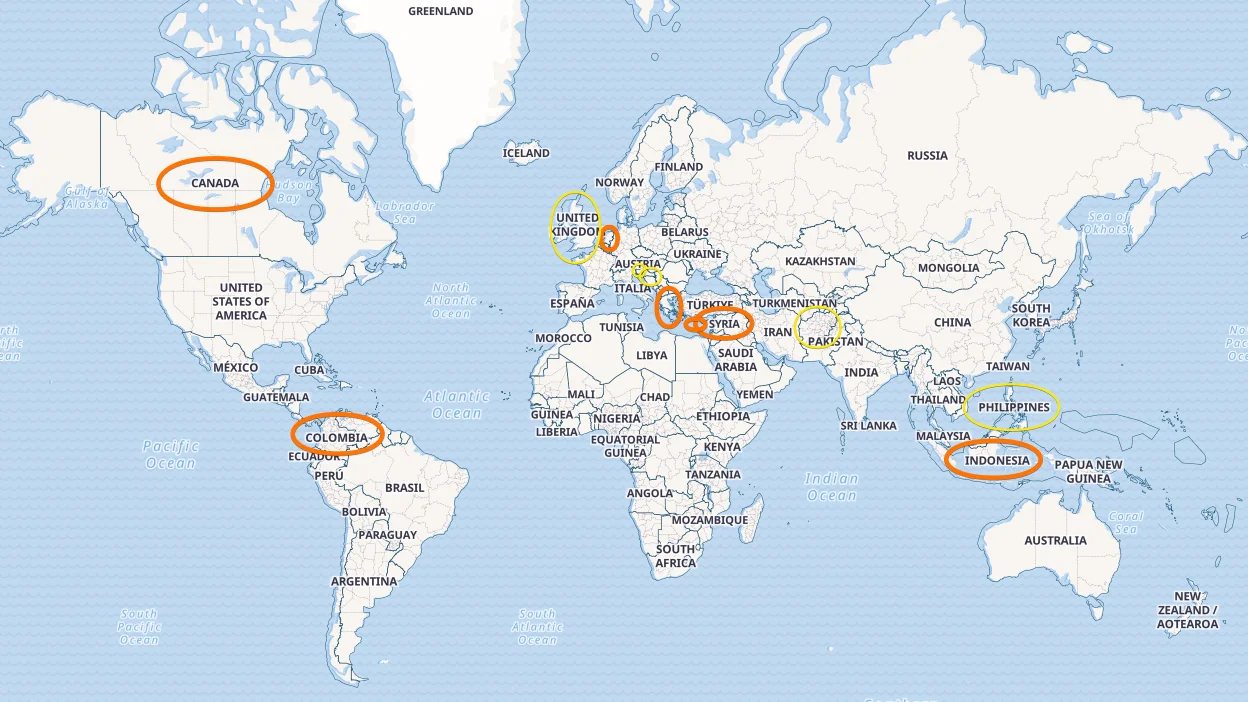
- Canada – British Columbia South
- Colombia – Magdalena River Basin
- Cyprus – Inland (Nicosia)
- Greece – Thessaly and Epirus
- Indonesia – Highland Papua
Details: Final Batch of Regional Updates.
A New Era for NomadMania
With the completion of the Regions Review Project, which took more than half a year, NomadMania’s Masterlist of Regions now reflects the world in a far more nuanced and balanced way than before. The project encourages travelers to explore countries more deeply and to learn more about the places they are visiting.
Please note that during this project we also adjusted several internal regional divisions to improve representation and overall balance. These are areas we will continue to monitor, although the total number of regions is expected to remain stable unless major geopolitical changes occur in particular countries.
The Great Regions Review is therefore not just an expansion of numbers — it is a redefinition of how NomadMania represents the philosophy of travel itself, serving as a central backbone of our platform and a strong foundation for many upcoming features and projects. Stay tuned.