Sevcan Akesi has become one of the most recognisable and active faces of the NomadMania community in Türkiye since joining the organization as Türkiye Envoy in 2024. What began with a simple invitation soon evolved into a deeply meaningful role through which she helped build a thriving travel community by organising large-scale meetups, fostering international collaborations, and bringing together passionate travellers from across the world.
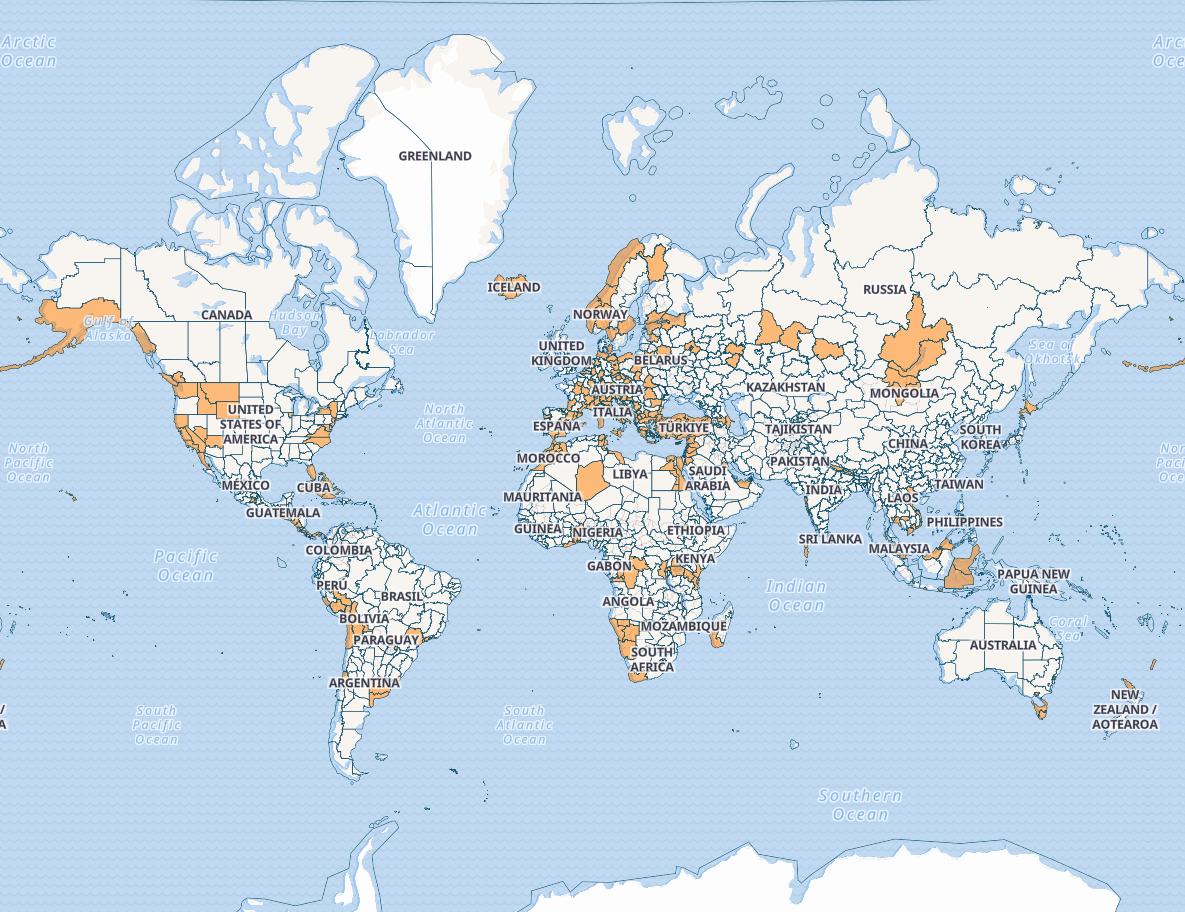
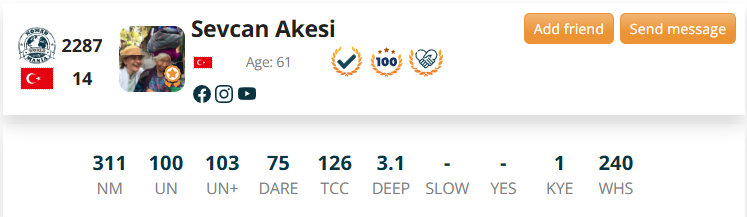
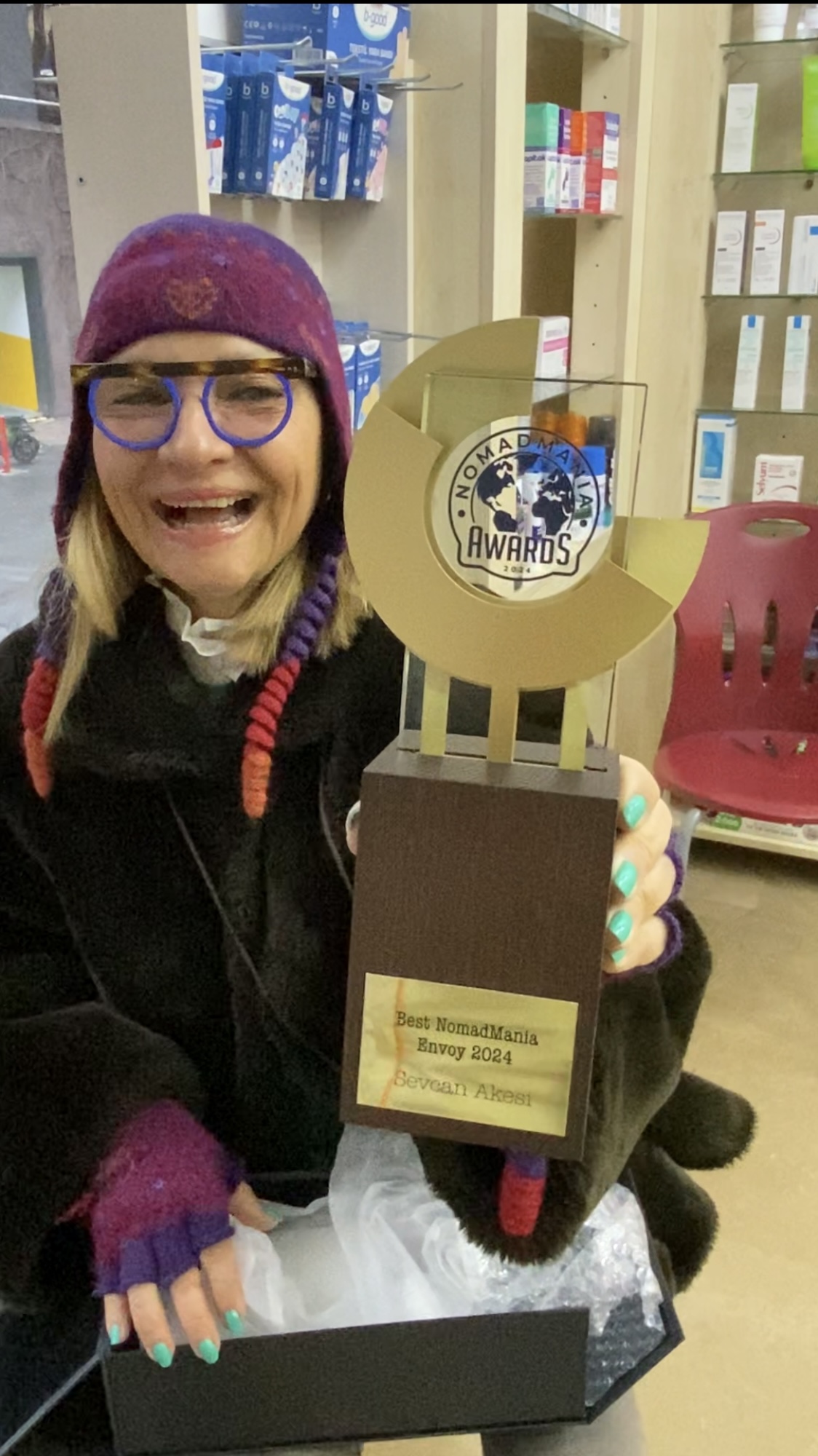
Under her leadership, NomadMania Türkiye rapidly expanded its presence through successful events in Istanbul, Cappadocia, and even internationally in Crete alongside fellow Envoys. Her enthusiasm, professionalism, and genuine love for connecting travellers earned her the prestigious “Best Envoy Award” at the 2024 NomadMania Awards in Bangkok, further solidifying her role as an inspiring ambassador for both Türkiye and the global NomadMania family.
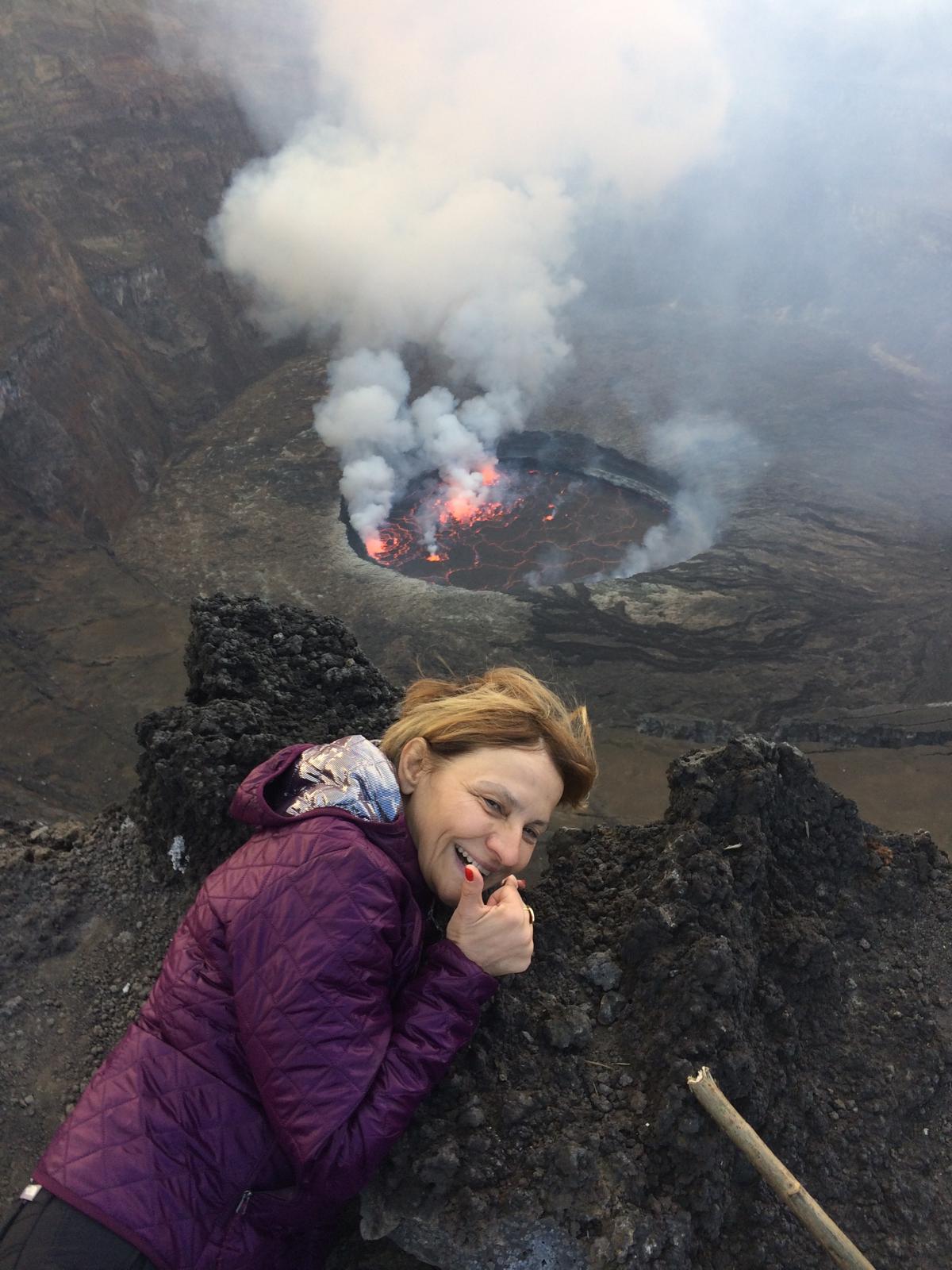
Beyond her role in the travel community, she is an Istanbul-based dentist, painter, and ceramic artist, as well as the author of two travel books (Sen Hiç Mavi Ateş Böceği Gördün mü? and Rotamızdaki Kadınlar). A passionate nature enthusiast and admirer of volcanoes, she brings creativity, curiosity, and a deep appreciation for the world’s landscapes into every aspect of her work and travels.
In this exclusive interview, Sevcan opens up about her remarkable journey, her passion for meaningful travel, and the experiences that shaped her worldview and we are very happy to present it to you, giving readers an insider look into the life and mind of one of NomadMania’s most beloved Envoys.

Sevcan, tell us something about your early years and how your love for travel developed.
I was born in Istanbul, which I consider one of the most beautiful cities in the world. I also feel very lucky to be the child of an Istanbul family. My father used to say, “People need to take at least two vacations a year to perform well in their jobs.” Meanwhile, research says we need at least 7 vacations a year to reduce stress and depression. It’s a fact that my father loved to travel. I guess this passion for travel must have been passed down to me from him.
The first trips I remember were to the Marmara and Avşa Islands in the Sea of Marmara, which we visited every summer. Back then, ferries departed from the Karaköy pier in Istanbul to Marmara and Avşa Islands. The ship, which left early in the morning, would arrive at Marmara Island around 2 PM.
This journey, which lasted about 6 hours, seemed endless. And if you’re going on to Avşa Island, add another hour to your travel time. Back then, there wasn’t even a pier on Avşa Island. Imagine, passengers were taken from the ship to lifeboats in the middle of the sea – children, adults, the elderly, young people, with their suitcases… And then we’d disembark. We used to stay at the Çınar Hotel, the only hotel on the island at the time. We’d go to Aba to eat rabbit stew.
We’d buy brightly painted baskets from Romanians who came from Çanakkale. My father would have special small baskets made for us. I would have them painted in the colors I wanted. Marmara Island was also beautiful in its own way.
Two-story wooden fishermen’s houses, cafes under majestic plane trees, cotton candy, colorful candies, ice-cream vendors, the ever present smell of fish in the streets, island wines in the cellars, the sound of fishing boats’ engines approaching the shore, and the fishermen selling their freshly caught fish on the pier – these are my unforgettable island memories…
The year I finished primary school, we went on a long Aegean- Mediterranean trip. Before this holiday, my father bought me a Lubitel camera as a graduation gift. I took my first black and white photographs with this camera. Nature, archaeological sites, and museums always fascinated me since I was a child.
You are from Turkey. To what extent do you consider yourself a ‘typical’ representative of your country? How has this affected you as a traveller?
In Turkey, the culture of traveling, or even taking vacations, is not very developed. In some regions, people haven’t even left their villages, let alone their cities. Of course, financial difficulties might be a factor, but I have friends who have the same social status as me.
They tell me, “Why bother going all the way there? There are documentaries on TV, I watch those.” This creates a huge gap in thinking and lifestyle between me and those friends. From this perspective, perhaps I don’t have a typical Turkish mindset. Traveling is a part of my life, and I feel very lucky to be able to travel.
What are some of the places in Türkiye that are really worth visiting, places that travellers might not know about?
Turkey is a country incredibly rich in natural beauty, history, and cultural heritage. Although it’s now beginning to be explored by travelers, I want to start by addressing Göbekli Tepe, also known as Karahantepe or Taştepeler, one of the most important archaeological finds in history, now considered the starting point of history.
Located within the borders of Şanlıurfa in southeastern Anatolia, 12,000 years ago, these hunter-gatherer people, who hadn’t yet settled down, built religious centers in and around Göbekli Tepe using flint stones and human power, without any tools or machinery.
This demonstrates the genius of Neolithic people. Included in the UNESCO World Heritage List in 2018, it remains shrouded in mysteries that scientists are still unable to unravel. Dating back 7,000 years before Stonehenge and 7,500 years before the Egyptian Pyramids, this magnificent archaeological site is definitely worth seeing.
In the Eastern Aegean region, in Ulubey, Uşak, there is the ancient city of Blaundus, and the Uşak Archaeology Museum where you can see the treasures of Croesus. For those seeking natural beauty, the Ulubey Canyon, the second largest canyon in the world after the Grand Canyon in the USA, has a truly impressive view.
In Aydın, the Arapapıştı Canyon, with its magnificent scenery and steep slopes, can be called Turkey’s fjords. In Kütahya, the ancient city of Aizanoi, the place where the world’s first stock exchange was established, and the Temple of Zeus here are among the best-preserved temples in Anatolia.
In Central Anatolia, the Salt Cave in Çankırı, In the Western Black Sea region, the Güzelcehisar Lava Columns in Bartın, volcanic rock formations dating back 80 million years, and the Valla Canyon in Pınarbaşı, Kastamonu, are among the places worth seeing. Furthermore, as part of the Ministry of Culture and Tourism’s “Legacy for the Future” project and “Night Museum” initiative, the ancient cities of Ephesus (Izmir), Hierapolis (Denizli), and Side, Patara, Aspendos, and Syedra in Antalya are illuminated at night, offering visitors a unique experience.
You have had a long career as a prominent dentist and professor. How do you manage to combine your career with being a traveller?
My years as a research assistant were spent under demanding conditions, where my only chance to explore was by adding a few days to the conferences I attended. Upon being promoted to associate professor, I found more opportunities to travel, but my most extensive journeys began after my retirement from the university. Although retired from academia, I continue to practice at my clinic in Nişantaşı, Istanbul. My patients know me as a traveler; they follow my journeys on Instagram and patiently wait for my return.
The first thing they ask when they arrive is, ‘Where was your last stop, and where are you headed next?’ Sharing my travel experiences not only builds a bond but also helps them overcome their dental anxiety.
What is your personal rule-book on the dos and dont’s of travel?
As a traveler, the rules of my destination become my own. Before traveling, I conduct extensive research, especially when heading to a different geography or immersing myself in an unfamiliar culture. Behavior considered normal at home can be perceived very differently elsewhere, potentially leading to difficult situations.
Challenging destinations and arduous journeys require extra caution and strict adherence to protocol; they are not to be taken lightly. Just as we heed the warnings of guides in rugged African regions, we cannot simply wander aimlessly or enter places at will; such negligence can cost a life or the lives of your team members.
I experienced a stark example of this in Namibia. While we were in Etosha National Park tracking the ‘Big Five’ in jeeps, a member of our group suddenly jumped out to take a photograph. In that environment, a predator attack was a very real possibility. Our team leader was very upset. Beyond the physical danger, such actions carry heavy fines under park regulations. These are risks one simply must not take.
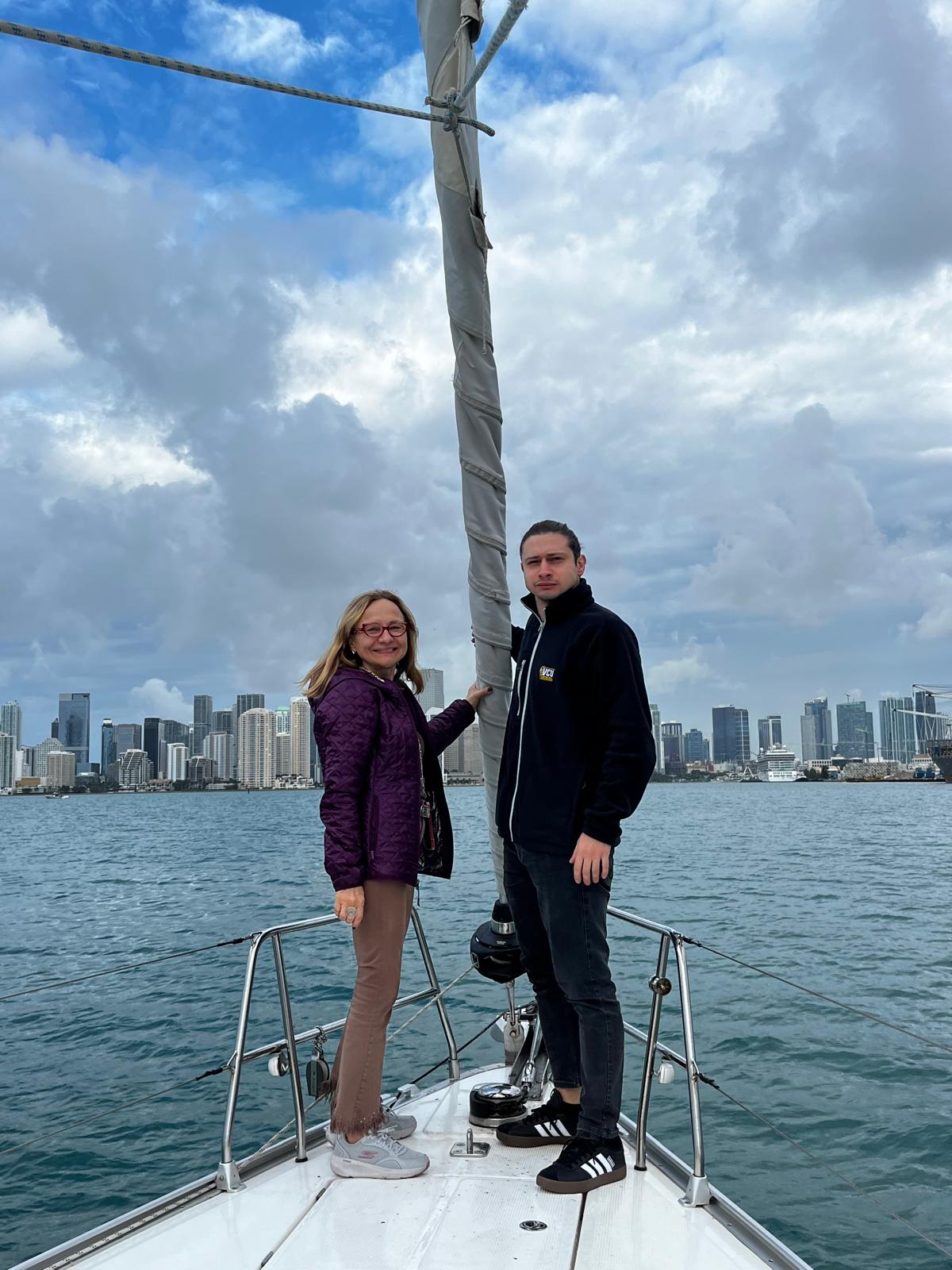
The sea is perhaps where rules are the clearest and most unforgiving. You do not gamble with the ocean. Half of my travel itineraries are spent at sea; for five years, we have undertaken long voyages across the world’s oceans on a sailboat. On our boat, smoking and alcohol are strictly prohibited. The captain’s word is law, followed to the letter. Especially in stormy weather, no
one goes on deck without a life jacket or deviates from instructions. In these moments, every person has a specific duty; no one interferes with another’s task, nor can they. Again, a single wrong move could cost a life.
What are some memorable positive experiences from your adventures?
My son, my close friend Betül, and I were in Yosemite National Park in September 2015. We were spending the night at a hotel near the park’s entrance, overlooking mountains and forest on one side and a river on the other. We’re on the 4th floor, and our room had a balcony overlooking the river. Betül’s bed is on the balcony side.
She went to bed early, and I was chatting with my son on the other side. Suddenly, I heard sounds coming from Betül, as if she wanted to speak but couldn’t, as if her tongue was tied. I couldn’t understand what was happening; I asked her what was wrong, but she couldn’t answer. I thought she was having a dream, but she wasn’t asleep; she was trying to scream, but no sound came out, and she couldn’t speak.
I realized something was wrong and immediately ran to her. And what did I see!!! A huge raccoon next to her bed. She had never seen a raccoon before, so she was in great panic and all she could say was “Ayyy ayyy” out of fear.
The raccoon is a predatory mammal that lives in North America. Sometimes they can be dangerous and even aggressive. This mischievous raccoon climbed up trees and vines one night and got into our room. With its striped tail and dark eyes, it stood before Betül.
Of course, we were all very scared that evening. But how could we have known that a raccoon would climb to the 4th floor of the hotel and get into our room? Early in the morning, Betül bought a plush raccoon from the hotel shop, so that she wouldn’t forget this mischievous raccoon and the eventful night. We were very scared that night, but the next day we laughed a lot about it.
And how about a negative experience ?
Perhaps the most unforgettable are the moments when we came face-to-face with death. One such experience was a trip to Virunga National Park in the Democratic Republic of Congo, where we climbed Mount Nyiragongo to see silverback gorillas. After climbing the mountain, we searched for the gorillas for about 2.5 hours, accompanied by rangers who protected and guided us.
Unexpectedly, a father gorilla came running after us, knocked one of our five-person group to the ground, and walked past us. These gorillas, weighing at least 250-300 kg, could very well have crushed us to death, not just injured us.
How have travels changed you compared to who you were, say, 20 years ago?
Perhaps it was the African continent that helped me mature and changed my perspective on life and humanity. It was many years ago, during my first trip to Central Africa. Bagamoyo, a town on the easternmost coast of Tanzania, on the Indian Ocean, is one of the most important trading ports opposite Zanzibar. At that time, it was a relatively unknown place, and its people weren’t accustomed to foreigners. Since 2006, it has been on Tanzania’s
UNESCO World Heritage Tentative List. It was very clear that it possessed a very rich cultural heritage. This was evident as soon as you entered the town. But there was a much more painful reality in the town: poverty, despair, and perhaps living as if 150 years in the past.
The first place we encountered upon entering the town was the fish market, where people communally fed themselves. A strong smell of fried fish permeated the air, burning your nostrils. Fish were being cooked in enormous pans, and people were queuing to eat the fried fish spread out on newspapers. But you could read the pain on their faces.
Because it was one of the main centers of the slave trade, and they are descendants of a society that experienced that suffering. And not much has changed in their lives except for being freed from slavery. When a man, whom I made eye contact with said, “Why are you looking at me? I’m hungry,” it deeply affected me.
That day I felt the dire conditions that many, who are not as lucky as us, live in. Perhaps that’s when my interest in Africa increased, and I tried to understand people around the world. This certainly matured me a lot.
The fact that Bagamoyo is an 8th century Swahili settlement, with Kaole ruins from the 13th century, two of the oldest mosques and 30 tombs showing the earliest influences of Islam in East Africa, and its status as the capital of German colonial rule in the 19th century, makes it very valuable. This coastal town was also the final stop for slave and ivory caravans.
The old slave market, the small underground cells where slaves were kept crammed together like sardines… Seeing these places and listening to the stories was very sad. When caravans reached Bagamoyo, slaves and ivory traders were sent to Zanzibar in dhows and then shipped all over the world. Captive
African men were taken ashore and sold to Europeans. In the Caribbean, they were traded for molasses, as molasses was used to make rum. It is known that over 40 million people were enslaved worldwide. And of course, there was also sex slavery, where women and children were forced into prostitution.
Bagamoyo, which in Kiswahili means “put your heart into it” or “leave your burden in your heart,” or “lose all hope” because of the slave trade. What a terrible tragedy, isn’t it? Mapopo Island, home to thousands of bats; the Ruvu River, teeming with hippos, various birds, and crocodiles; the Mwakambuni coral reef; and the mangrove forests all offer breathtaking natural beauty, but unfortunately, even these beauties cannot
erase the tragedy humanity has been experiencing. All these experiences have made me a much more sensitive person over the years. Isn’t that the purpose of being a traveler anyway?
You have travelled both as part of groups and alone. What do you prefer and why?
In fact, I don’t enjoy traveling alone at all. In fact, I wouldn’t even want to go to the cinema alone. I’m a person who loves to share. I like to share life with my friends and loved ones. Shared experiences, memories, enabling us to carry the past experiences into the future together are very important to me.
Wouldn’t it be even better to experience the beauty of nature by sharing it with your friends? For example, in January, we, as the NomadMania family, witnessed the Voodoo Festival in Benin, together. It was a wonderful experience for me.
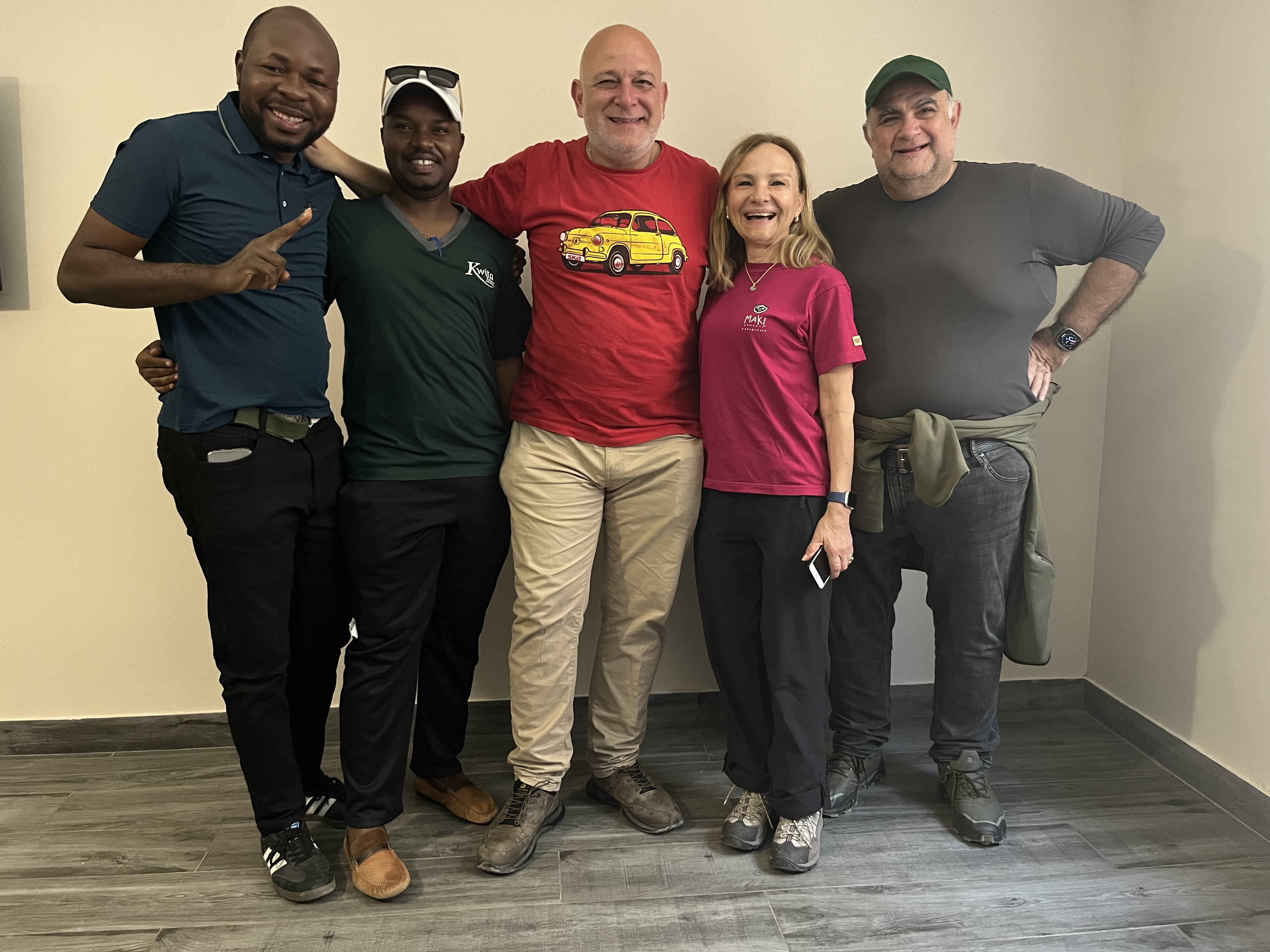
And we accumulated memories that we can remember and talk about when we are together years later. That’s why I prefer to travel with the people I love. For example, traveling with the NomadMania group makes me very happy. Perhaps being with real travelers is the best part. I hope we will have many more wonderful trips together.
You’ve been NomadMania Envoy for Türkiye ever since we launched the programme more than two years ago. How do you see your role and what do you enjoy most about being our Envoy?
It all started on June 24, 2024, with the message “Would you be interested in becoming the NomadMania Envoy to Turkey?” It even started in Turkish: “Merhaba Sevcan! Türkiye NomadMania envoyu olmakla ilgilenir misiniz?” Yes, exactly like that. When I first read it, I thought it might be a fake message.
Because why would I get such a message? NomadMania doesn’t know me at all. After waiting a few days, I replied, thinking, “What if it’s true?” and that’s how we got to these wonderful, friendly days. Of course, I was very excited; I was facing an international travel organization with over 50,000 members worldwide.
Becoming the Turkey Envoy of this organization made me both very proud and it required great responsibility. As a principled academic, I quickly learned what I needed to do and started working. During this period, Orest Zub, gave me a lot of support.
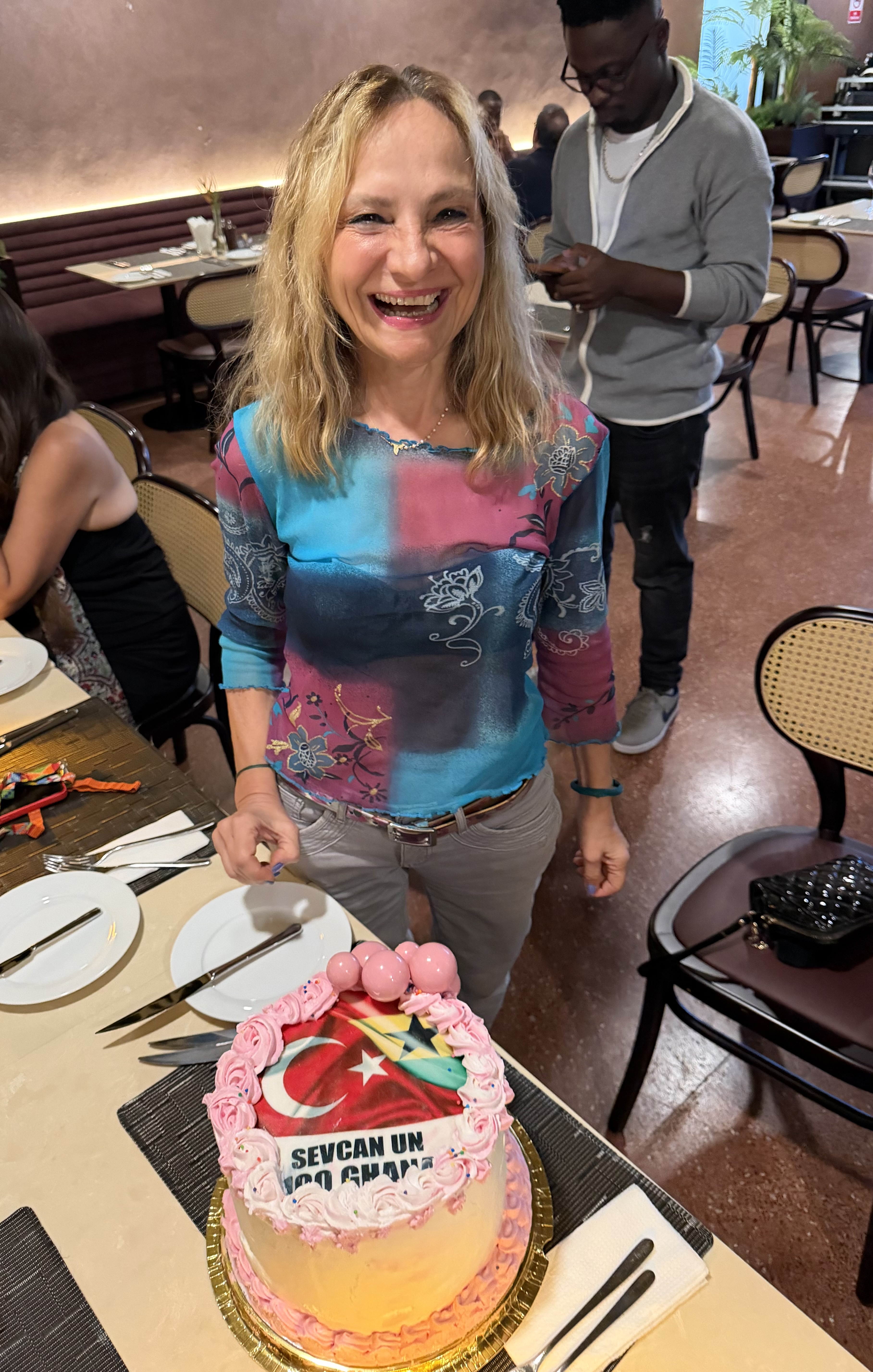
The first meeting we held in Istanbul in October 2024 was fantastic, with over 100 participants. NomadMania Turkey was progressing well. On November 19th of the same year, I was awarded the “Best Envoy Award” at the NomadMania awards ceremony in Bangkok. This important award made me extremely happy. I was receiving an award that could be called the Traveler Oscars. A magnificent awards ceremony was held in Bangkok, which I also attended.
As a traveler, what more could I ask for? Of course, to work harder and undertake different projects. In the following days, in February 2025, we held our second meeting in Cappadocia, a location much loved by travelers, with support from Cappadocia University and the Kayseri Governorship. The third meeting was legendary; we had now opened ourselves to international collaborations. We held it on the island of Crete with the Greek Envoy Vassilis Stamatelopoulos, and his wonderful hospitality. And Vassilis was chosen as the “Best Envoy” of 2025. It was a very well-deserved choice.
Meanwhile, my work within the country continues. Being a part of this magnificent organization makes me extremely happy. I had also served on the board of directors of the Turkish Travelers Club with our late professor, Prof. Dr. Orhan Kural, who was the founder and president of the club. I remember him with much respect.
Where is your next trip and what excites you most about it?
What I’m most excited about is my son’s Graduation Ceremony for completing his Master’s Degree in Virginia, USA on May 8th, followed by the 6th NomadMania Conference in Ouro Preto, Brazil, and the amazing trips before and after the conference. French Guiana, Suriname, and Guyana are particularly intriguing for me before the conference. Our second trip after the conference will be to the Northeast region of Brazil. Pedro Peticov, the Travel Experience Manager, a Brazilian who has won our hearts with his warmth, friendliness, and cheerful demeanor, will be hosting us on this trip. All these wonderful encounters and getting to know different cultures excite me greatly.
And finally our signature question – if you could invite four people from any period in human history to an imaginary dinner, who would your guests be?
1. Hippocrates
Because I am a doctor. Health is very important in our lives. We can only travel well if we are healthy.
2. Alexander the Great
A great genius. A statesman and a soldier, and the oldest traveler. When Aristoteles claimed the earth was round, Alexander, as his student, believed that he would reach the great sea if he continued going to the east. Aristotle usually asked Alexander to tell them about his travels whenever he returned.
3. William Shakespeare
Communication is very important. The words we choose help us to express ourselves best. We need to articulate more and nice words while we speak during our meetings.
4. Mustafa Kemal Ataturk
Founder of the Republic of Türkiye. A genius who has been an inspiration to many statesmen that came.