Europe can feel like a patchwork of familiar tourist trails, but for a nomadic traveller willing to move with intention, there are quieter, more varied routes waiting. These aren’t just cities you tick off a list, but places you can spend days or even weeks, digging into local rhythms. Some spots suit long, slow explorations; others are compact bases where you can hop to nearby attractions without wasting time on long transfers.
The region has options for every type of nomad: coastal retreats in the UK, farmhouse stays in France, islands in Greece, food-focused towns in Italy, and small cities surrounded by nature in Slovenia. Choosing the right base can define your experience, letting you balance active exploration with stretches of low-key living. This guide highlights routes that combine practical access with deeper, more unusual experiences.

Pet-Friendly Coastal Bases in the United Kingdom
Those planning dog-friendly breaks for nomads in the UK will find it easy to set up a temporary base here without worrying about strict regulations or hidden fees. The country has a surprisingly strong offering for those travelling with their pets.

Cornwall, St Ives and Padstow, for example, provide a mix of coastal walking trails and small local eateries willing to welcome furry friends. Pubs with gardens often allow dogs, and some beaches remain accessible year-round.
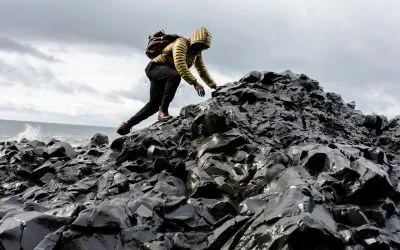
Further north, Northumberland has long stretches of beach where dogs can roam off-leash. Bamburgh Castle is nearby, and it’s worth exploring the walking paths along the coastline for quieter stretches. Many local cottages cater to pet owners, and the slower pace of this part of England suits those looking to work remotely while their dogs stretch their legs.
Even within Scotland, the Highlands have small coastal towns like Ullapool where dogs are welcome in local cafés, and hiking options abound. Setting up in one town lets you explore nearby lochs and villages without constantly packing up. It’s a good fit for dog-friendly breaks, with lots of fresh air and little traffic.
Farmhouse and Village Bases in France
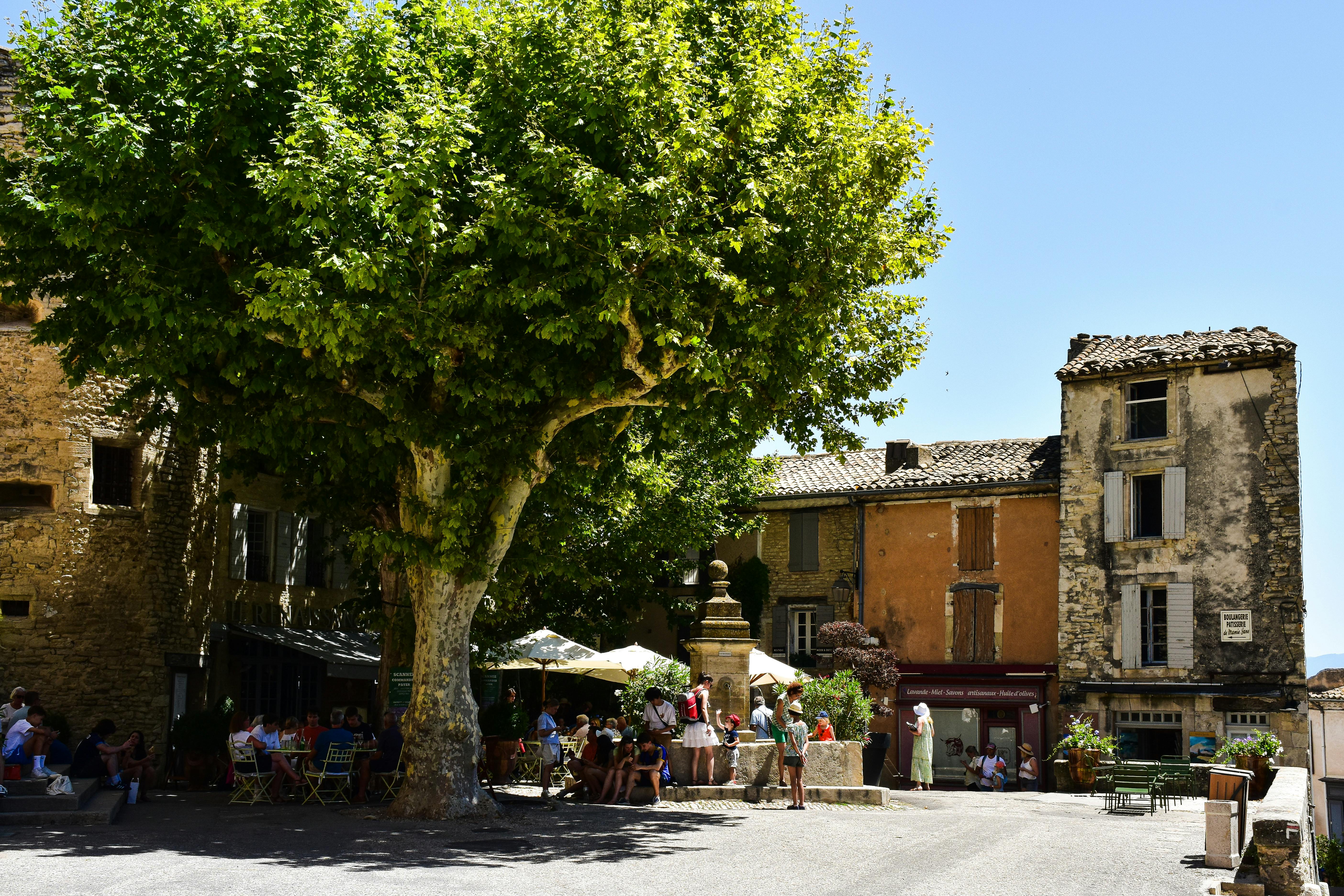
France is not just about Paris and Provence. In regions like Dordogne and Limousin, small villages with stone farmhouses make ideal nomad bases. Renting a gîte or a renovated barn puts nomads near quiet markets, boulangeries, and countryside trails without the need for a car to get basic groceries. Staying in a village like Saint-Cirq-Lapopie or Collonges-la-Rouge gives access to the surrounding vineyards, rivers, and historical sites.
The pace here is slower, so it’s easier to balance work and exploration. You can spend a morning walking to a market in the village, then a few afternoons exploring medieval ruins or nearby walking trails. Locals are often welcoming, and a bit of French goes a long way when negotiating long-term rentals or discovering hidden spots.
Even outside peak season, the region remains pleasant. Roads are quiet, cafés open early, and there’s space to settle into a routine. Choosing a farmhouse or village base encourages immersion into local life, which is often what nomads are after. It’s a steady place to live while still having Europe close at hand.
Seasonal Island Bases in Greece
For a mix of relaxed and active travel, the Greek islands offer several seasonal bases. Islands like Naxos, Paros, and Rhodes are quiet outside the summer peak but still have enough infrastructure for remote work or extended stays. Nomads can time visits to coincide with affordable and relaxing Greek package holidays, which often include flights, local transport, and accommodation.
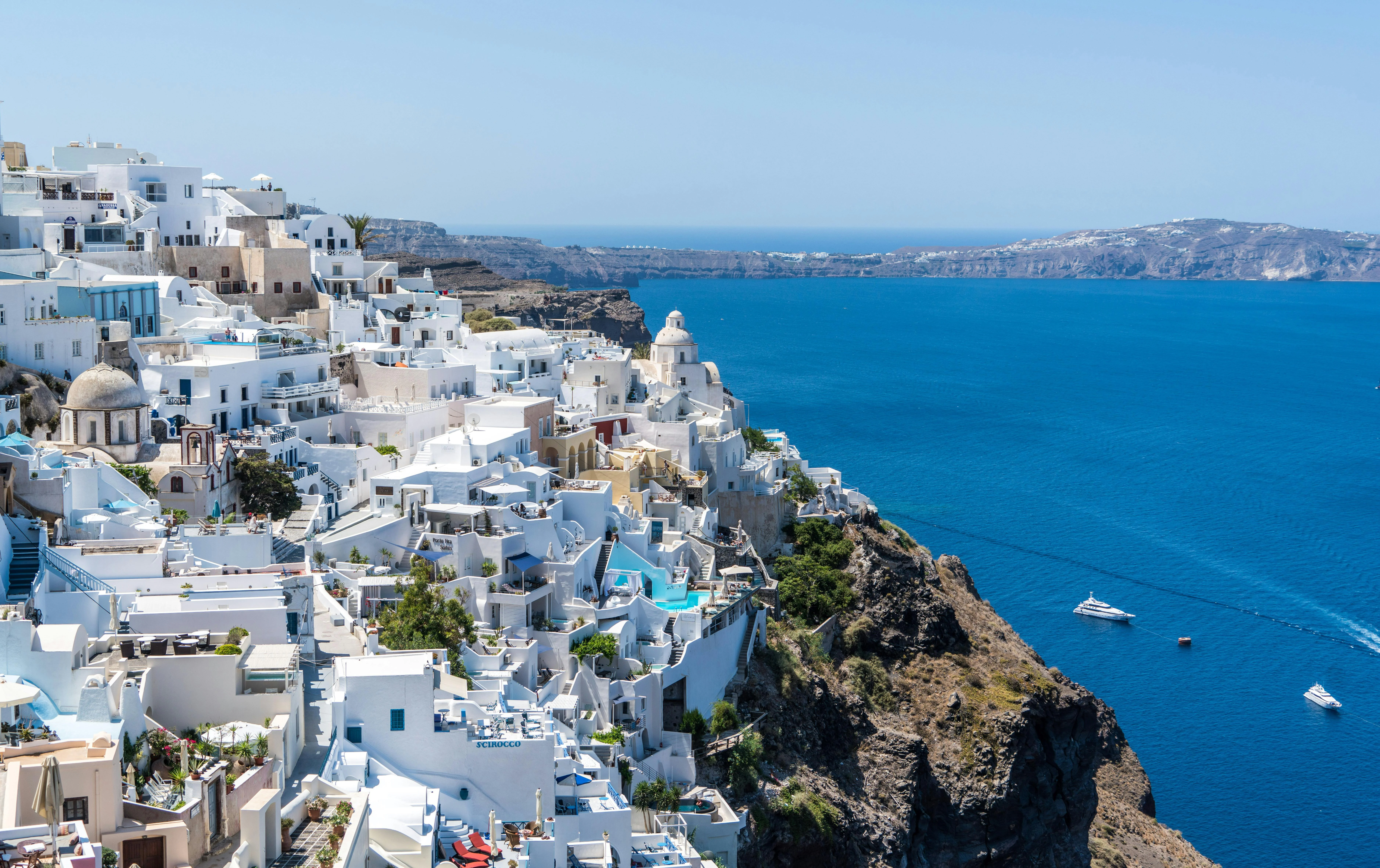
Smaller islands tend to have villages rather than towns, with stone-paved streets, bakeries, and little ports. From a base in Chora on Naxos, you can rent a scooter to explore remote beaches or inland hiking paths. Paros has ferry links to nearby islands for day trips, allowing nomads to explore with a steadier living situation.
Seasonal tourism brings a rhythm to these islands. During spring or autumn, the weather is pleasant, locals are easier to interact with, and prices drop. Staying for a month or two allows deeper engagement than the usual short holiday, making it possible to get to know small neighbourhood cafés and family-run tavernas.
Food and Small Towns in Italy
Italy is often framed around Rome, Venice, and Florence, but there are countless small towns where food is central, and the crowds are manageable. Places like Alba in Piedmont, Modena in Emilia-Romagna, and Orvieto in Umbria have regular markets, trattorias, and wine bars where locals linger. Spending time in these towns gives access to regional specialties like truffles, balsamic vinegar, or fresh pasta, often without the lines and hefty fees of bigger cities.
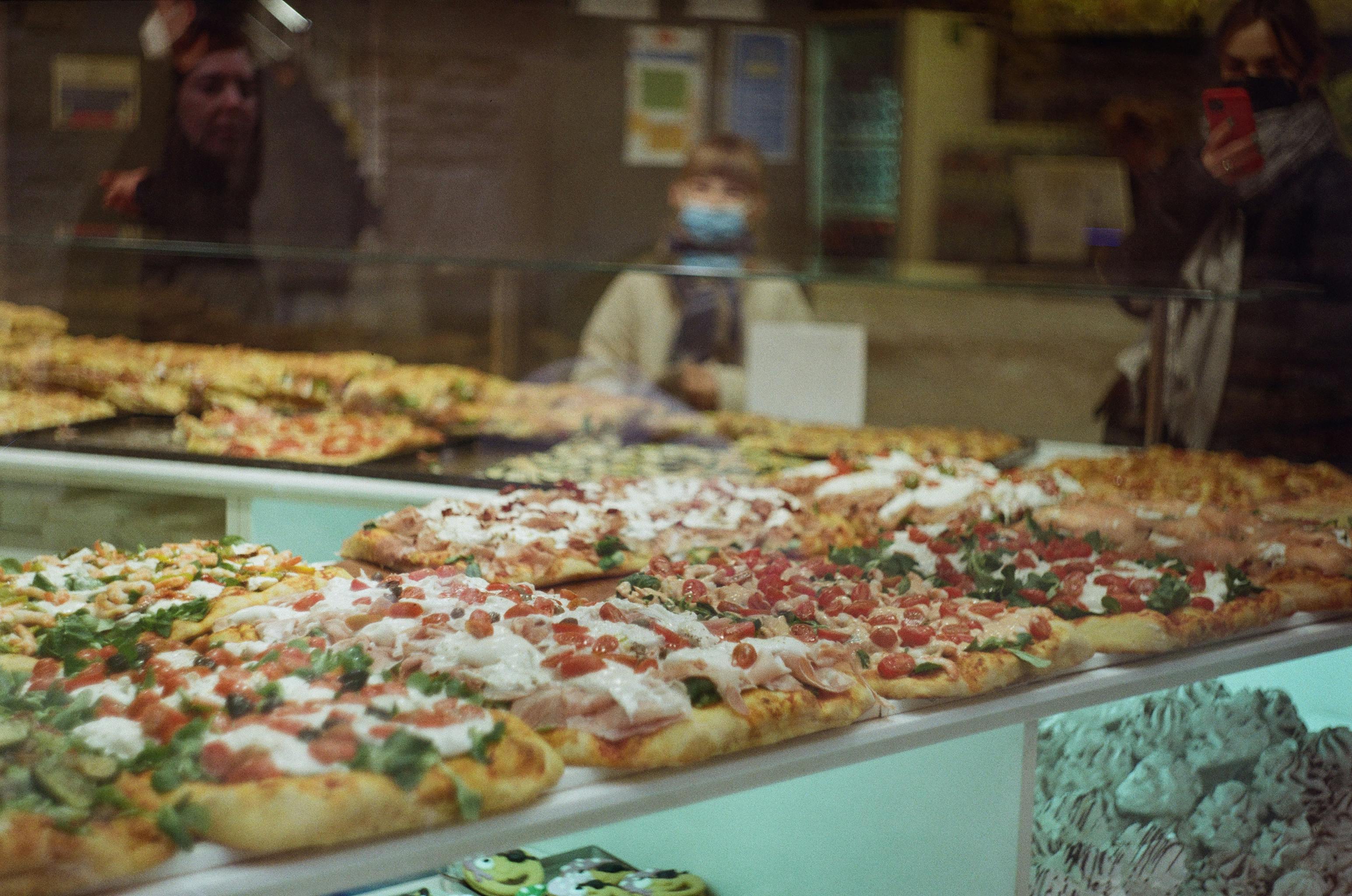
Many towns are walkable, letting travellers explore streets, piazzas, and local shops without a car. For those working remotely, cafés with reliable Wi-Fi are surprisingly common, and evening strolls reveal neighbourhood gelaterias, small wine bars, and community events.
Beyond food, these towns offer easy access to the surrounding landscapes. From Alba, for example, you can drive to Langhe vineyards or hilltop villages. Small-town bases provide rhythm and routine, letting nomads integrate work and exploration seamlessly while indulging in the local food scene.
Compact Cities and Nature in Slovenia
Slovenia is small but layered. Ljubljana, Maribor, and Kranj offer compact city life with cafés, coworking spaces, and public transport that make daily tasks simple. At the same time, national parks like Triglav and the Soča Valley are within reach, so a weekend hike or a day near rivers and lakes is always doable.
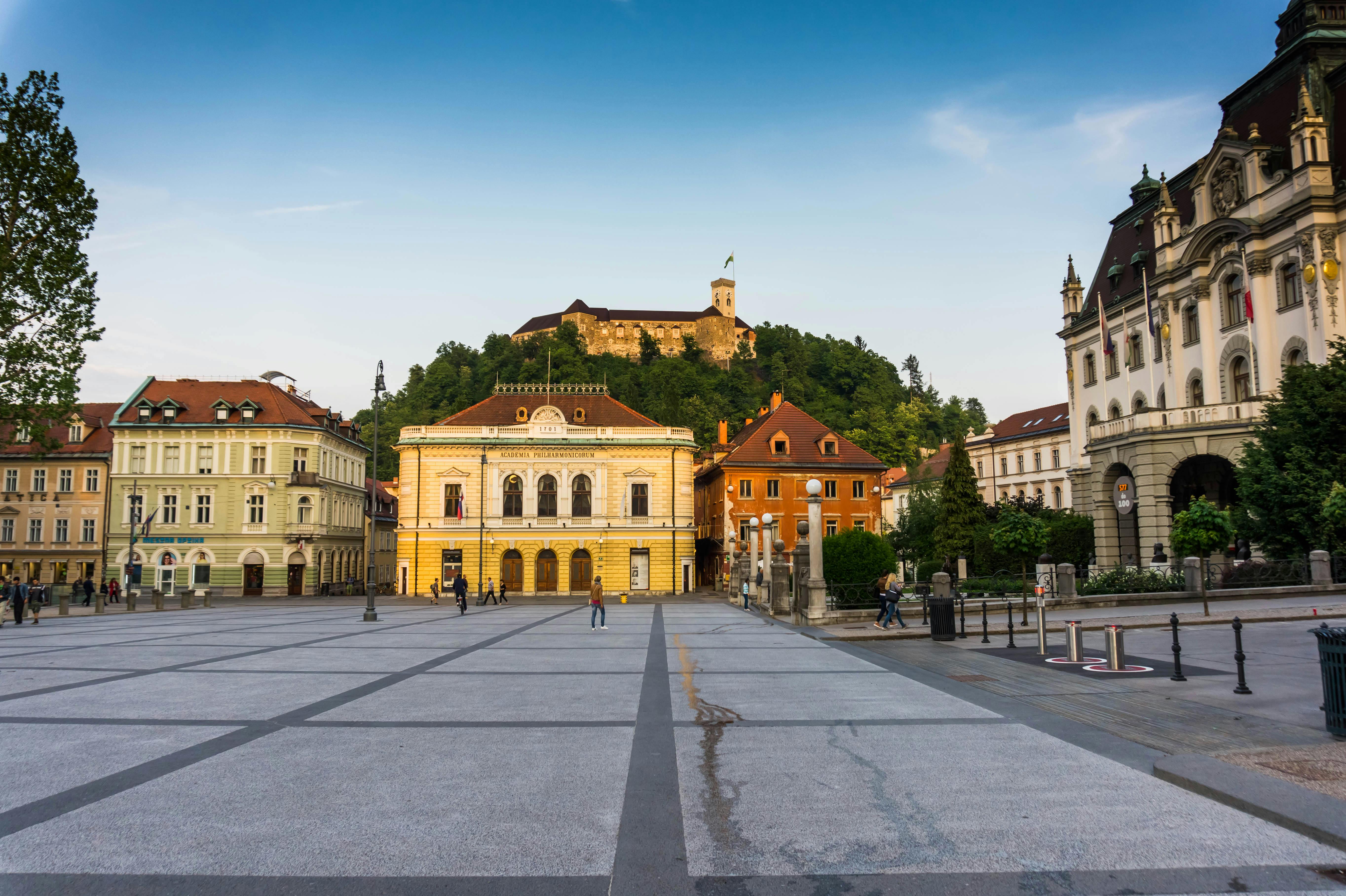
Bled, with its lake and castle, is more touristy but manageable outside peak hours. Staying nearby gives nomads the chance to mix a city base with nature excursions. Many smaller towns have similar setups: friendly locals, accessible markets, and outdoor routes for running, walking, or cycling.
Slovenia’s appeal lies in this balance. Nomads don’t need to compromise between urban and outdoor experiences. A compact city provides infrastructure, shops, and social spaces, while nature is often just a short drive or train ride away.
Could staying longer in Europe’s varied bases change how you approach nomadic travel?
Spending more time in Europe’s varied bases gives nomads a chance to slow down, notice routines, and pick up on local rhythms that short stays often miss. It’s more about finding cafés where you can work for a few hours, markets that feel familiar, and neighbourhoods you start to recognise by name.
Shifting between coastal towns, villages, islands, food towns, and small cities lets you balance activity and relaxation, keeping each week fresh without the stress of constant packing. Over time, these choices shape how you travel, turning trips into longer stretches of lived experience rather than brief snapshots.