*** updated December 31, 2025
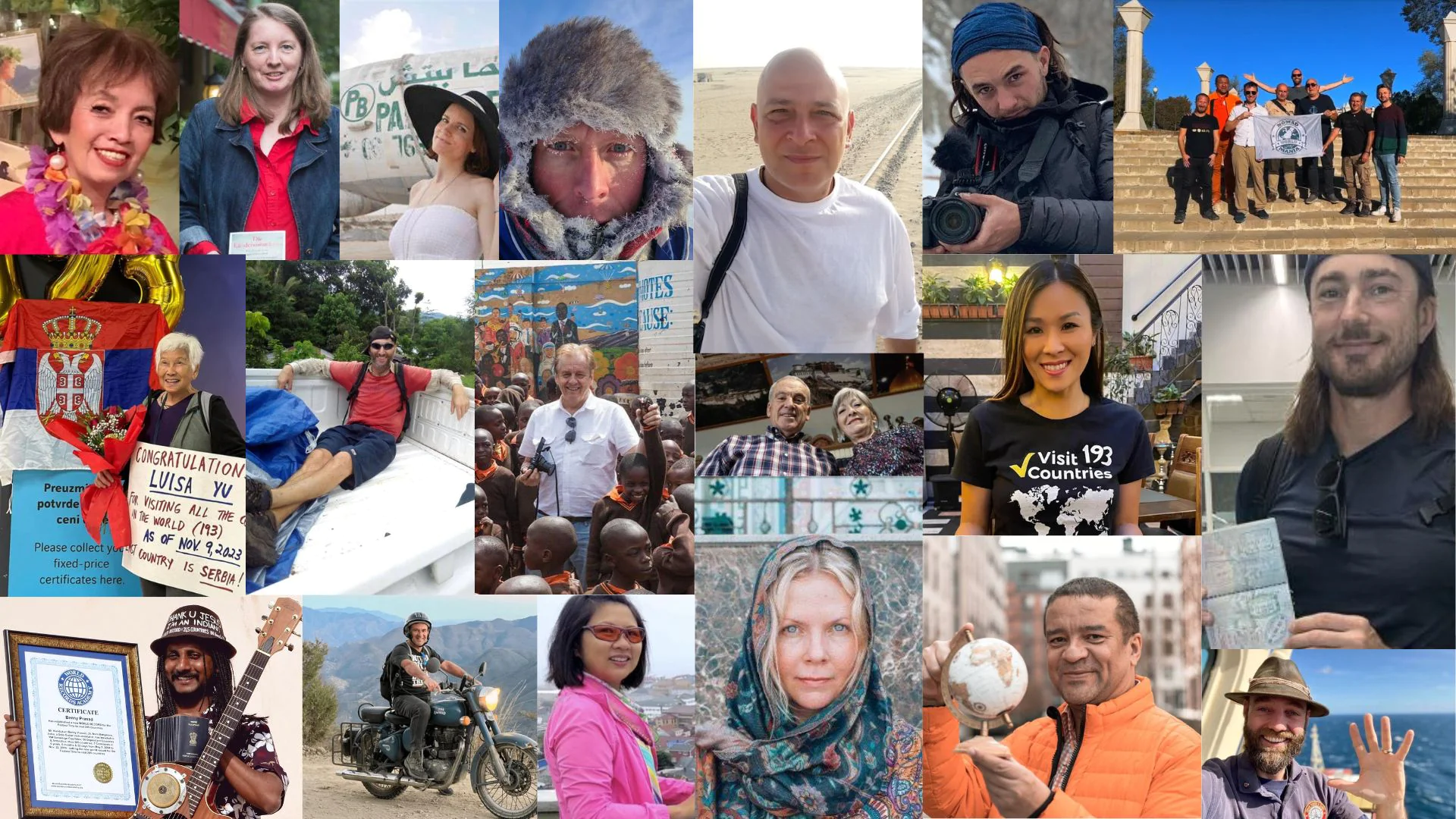
Have you ever wondered who the people who visited every country are? Is it even possible? You may have asked yourself how many there are. Who was the first to do it?
The concept of travel and ‘seeing the whole world’ is clearly not new. The Greek traveller and geographer Pausanias, who lived in the 2nd century AD, is perhaps considered one of the first travel writers. Through his opus ‘Description of Greece’, he aimed to travel far and wide to complete his findings. The desire to ‘go everywhere’ may have been there, but before the modern era, there were obvious limitations in transport. A very small percentage of people could afford to travel anyway. So, even big travellers of their day were often confined to a couple of continents at best. Even a book like Jules Verne’s Around the World in 80 Days only takes in 11 of today’s countries, we believe.
The Travelers’ Century Club (TCC) was founded in 1954, yet none of its initial members visited every country. A few sovereign countries were ‘closed’ for a long time, among them Albania, Bhutan and DPRK (North Korea). Only diplomats or government representatives could attempt visits there and we assume even those could be cumbersome.
Based on our information, the first person who can legitimately claim to have been to every country – as the countries stood at the time – is Finnish journalist and writer Rauli Virtanen (recipient of NomadMania’s Lifetime Achievement in Travel Award 2023). Rauli visited his last country, Bhutan, in 1988 at the age of 40.

Rauli Virtanen 🇫🇮, probably the first person to visit every country in the world
That is less than 40 years ago. And yet, as we are here at the end of 2025, this year alone there are 79 people who claim to have finished their quest to visit every country this year alone. 19 of those are women. Only 3 of these exclusively use passports from what we can call ‘Low Passport Index’ countries.

The concept of ‘Visiting Every Country’
We must remember that the idea of visiting every country is by no means fixed. In 1939, there were only 73 sovereign countries; by 1959, there were around 20 more; and then in the 1960s there was an explosion of ‘new’ countries; by 1972, we can count 148 countries.
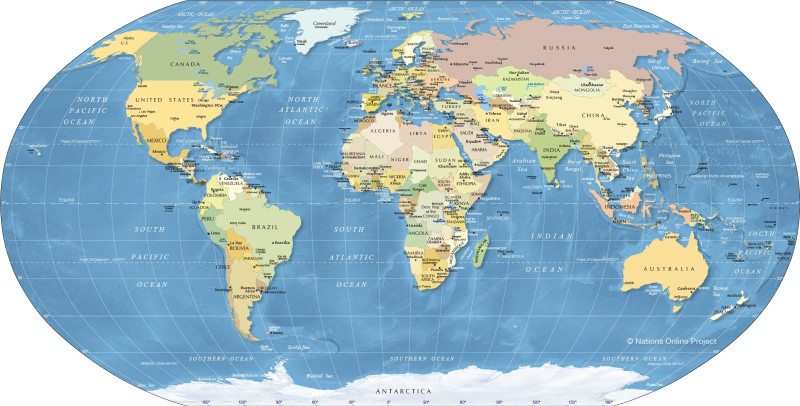
Political Map of the World. Map source: Nations Online
As recently as 1950, only 4 countries in Africa were independent, compared to today’s 54. The independence of a few Caribbean and Pacific states in the late 1970s and 1980s drove numbers up. As did the collapse of the Soviet Union and Yugoslavia in the early 1990s. But there seem to be very few ‘new’ countries after 1994 – only 3 newly independent ones in the UN.
For our analysis below, we are taking the current 193 United Nations (UN) members as constituting ‘every country.’ We accept those who visited every country according to the countries at the time of completion as having achieved it.

Lucy Hsu 🇺🇸
Of course, some people use other standards to define ‘every country’ but the 193 is indisputable and the least problematic. Especially as clearly sovereign, universally recognised countries not in the UN before, like Switzerland or Tuvalu, joined at the start of this century.
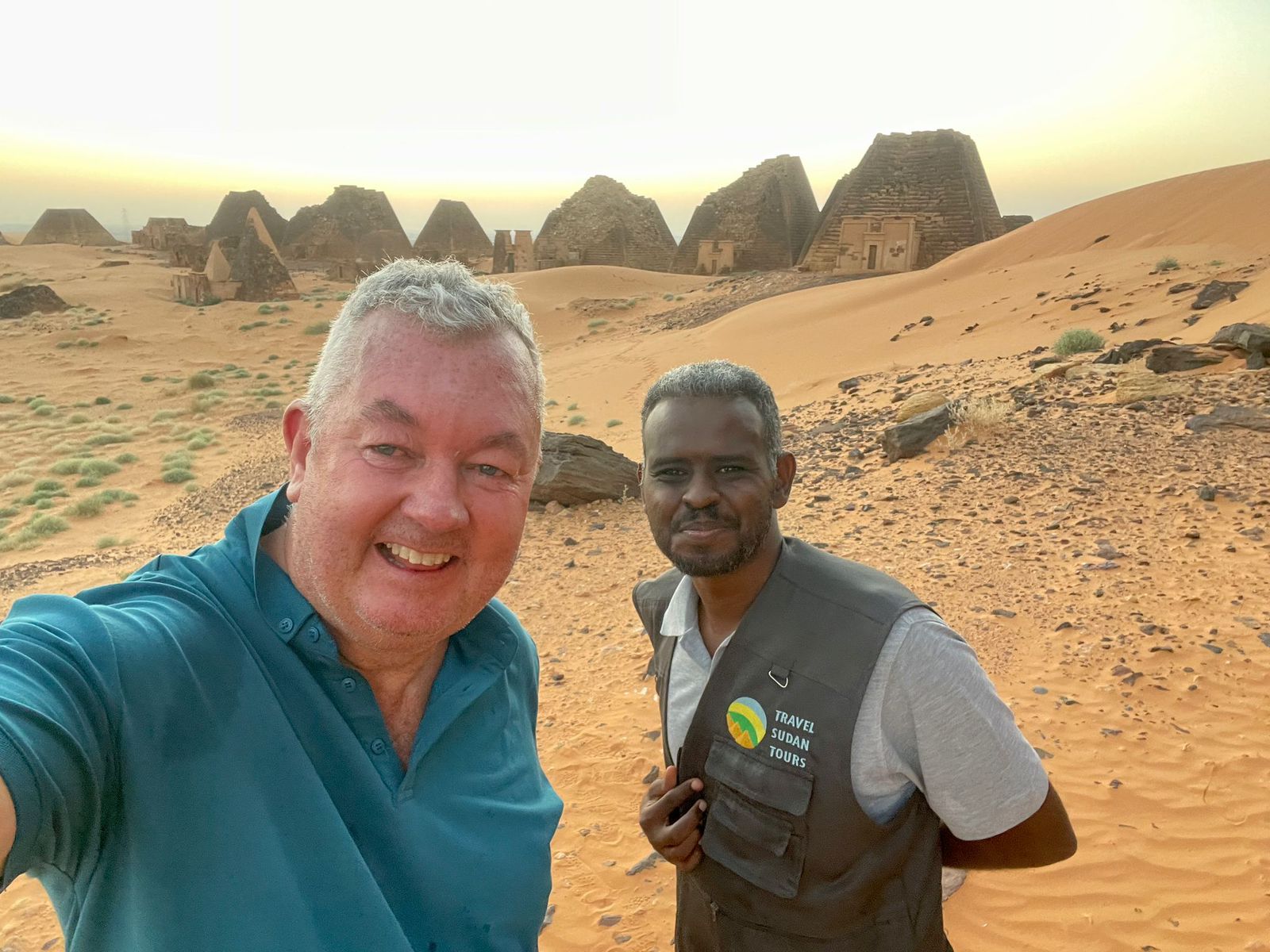
Darren McLean 🇦🇺, a knowledgeable expert on the Dependent Territories of the World, beyond UN Countries.
Independence of Countries
In the period since the early 20th century, countries gained independence frequently. The longest interval since 1898, when the Philippines achieved their sovereignty, was 11 years between 1932 (Iraq) and 1943 (Lebanon). Until now, that is.
The current period of 14 years since South Sudan’s independence in 2011 is the longest without a ‘new country’ since the end of the 19th century. That’s the longest in more than 125 years. It doesn’t look like a ‘new’ one is coming up before 2027 at best. For many, the creation of a new internationally recognized sovereign country will be really big news.
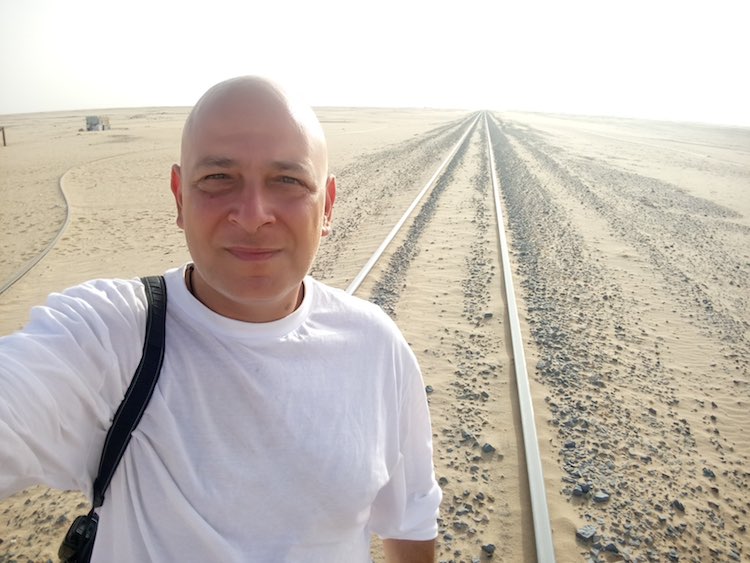
Harry Mitsidis, NomadMania founder, has visited every country twice
We believe this is the most detailed report ever composed on the subject of Visiting Every Country. We will look at some of the interesting statistics around this. How many we believe have done it, what is their general profile in terms of nationality, age, gender and ethnicity. And as an interesting bonus, which countries are generally left last.
Throughout January 2024, we ran a Poll about your views on visiting every country… Read the results here!
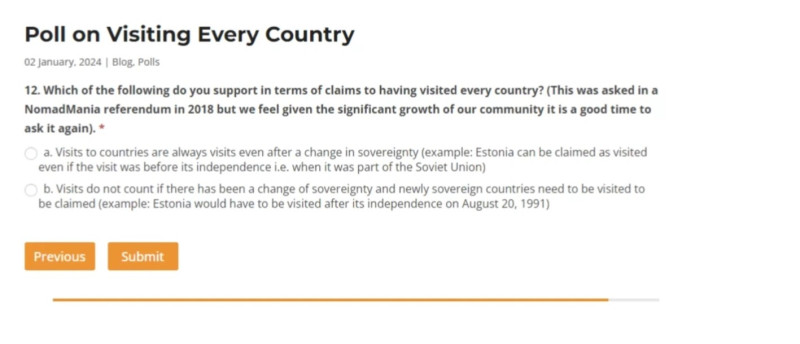 One of the questions from NomadMania’s Poll on visiting every country
History of Visiting Every Country
Following Rauli Virtanen in 1988, the 1990s saw more interest in visiting every country. By the dawn of the Millennium, we can count almost 20 people who have achieved this. Many of these travellers were members of the TCC, so the majority were from the United States.
Until 2008, we have 55 people and the variation in nationalities grows – we count 16 nationalities. Still, 62% are white, male and above the age of 50; 91% are white and male. In each of the years until 2010, far less than 10 people that we know of complete per year. There are a few ‘spikes’ in 2003 and 2008, when more than 5 achieve what is then 191 or 192.
The increase begins in earnest in 2010, which was a record for the time, with 12 people reaching 192. The following year South Sudan becomes independent and joins the UN, so we can really talk of 193. We note an average of around 10 UN Masters per year after that. But then, in 2016, we see an increase to 16. This is followed by a leap to a massive 48 people completing a visit of all of the world’s 193 UN countries in 2019.
In 2020, the year the pandemic spread, we only find 12 people completing it, the vast majority until mid-March of that year. The following year only 11 people achieved it, which is still an accomplishment given covid restrictions were in force. The numbers have bounced back significantly since then, and in 2023 we count at least 54 new UN Masters.
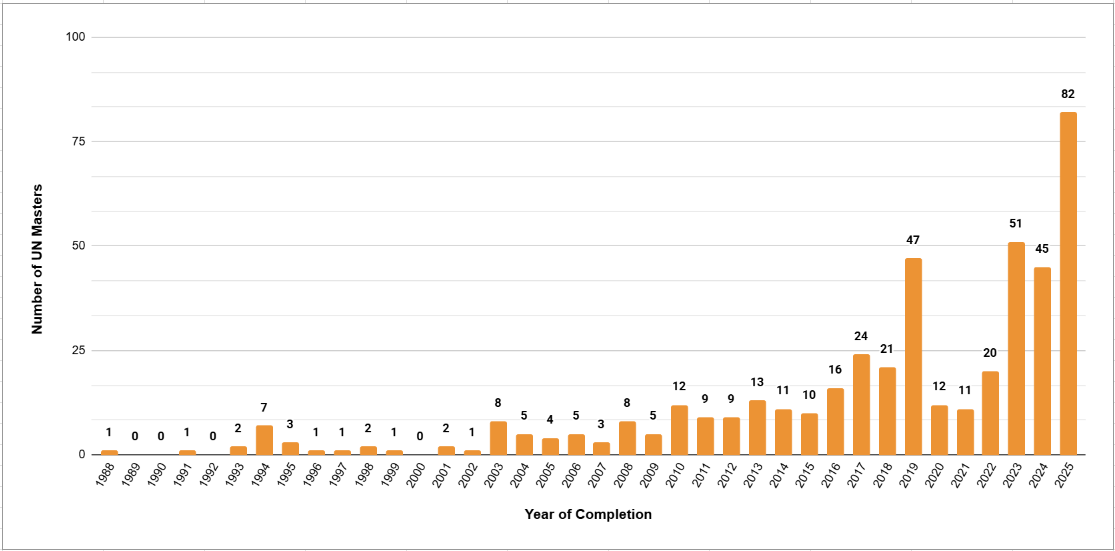
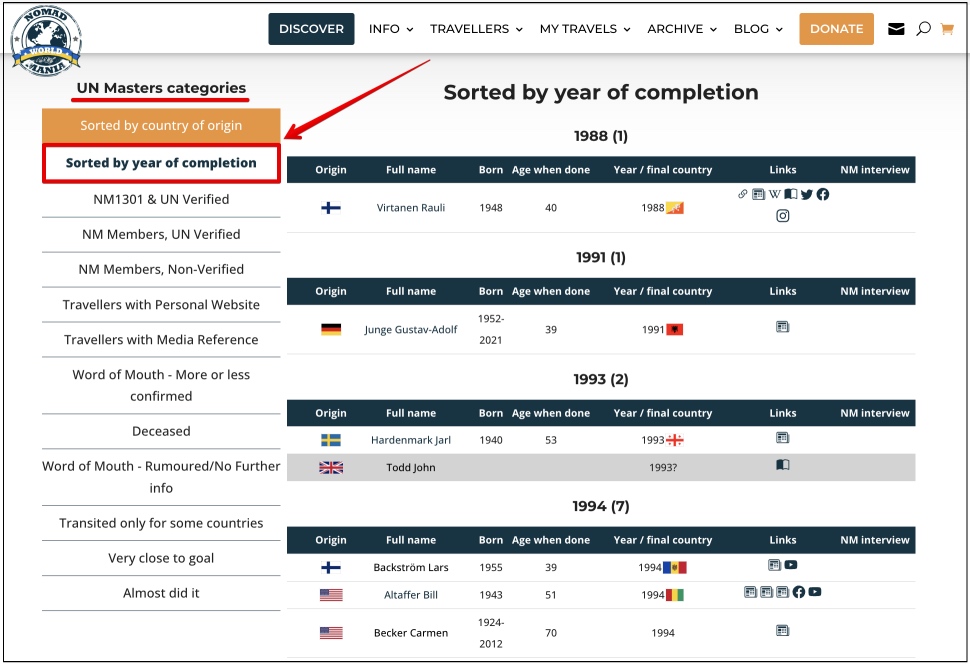
People Who Visited Every Country in The World by Year of Completion by December 31st 2025.
Yet, nothing could prepare us for our record year of 2025 – 82 people have claimed it. While many think this is because of the opening of North Korea for the first time since the pandemic, our data suggests that even without this event, the number of 54 would have been surpassed in 2025.
Every Country TWICE
A further development is the aim of some to visit every country not just once, but twice. So far, we are aware of 4 travellers who have been confirmed to have visited every country twice. 2 more are actively aiming for this, including 80-year old Spaniard Juan Luis Galatas. He is only missing North Korea second time round.
His much younger fellow countryman Alvaro Rojas completed this feat in 2025, becoming the youngest person in the world to reach all 193 countries twice. The first traveller known to have achieved this ‘double’ is Norwegian Gunnar Garfors. The other two are Polish-Kenyan Slawek Muturi and NomadMania founder Harry Mitsidis.

During the UN Masters Weekend online show
Meanwhile, the mix in terms of ethnicities, ages and profiles is considerably more diverse than it was as recently as 2008; we will look at this in the next sections.
How Many People Visited Every Country? Part I
The inevitable question of ‘how many’ runs into a lot of obvious issues. To name a few:
- Many people are under the radar for various reasons i.e. privacy, not being particularly sociable or not on social media. They are not aware of travel communities like ours, or don’t want to be known, so we can’t reach them.
- We assume there must be more people in countries like China and especially Japan. Is there really nobody from South Korea? But they are difficult to track due to linguistic and cultural limitations.
- The eternal question of ‘what counts as a visit’ will lead to different interpretations of the number. Following our NomadMania polls on ‘what is a visit’ in 2022, strict standards were adopted. Visits to the DMZ as North Korea or the Golan Heights as Syria are rejected by the vast majority of the NomadMania community. Also not accepted are airport transits or putting a foot across a line.
.
However, both Guinness and the TCC have invariably accepted such visits in the past, it would seem. For this reason, we note people we know have claimed 193 in this way in a special rubric in our UN Masters list. Our general numbers in this report are based on the claim itself rather than our interpretation of the claim.

Ultimately, if we include everyone we know of with a claim, we get a number of 521 people as of December 31, 2025. Even as we researched this report, we celebrated a few new UN Masters. Of this number of 521, 34 are in the ‘transited’ rubric and 36 are known to be deceased while 29 are in the ‘Word of Mouth’ rubric.
Let’s use the number of 515 as a base for the following sections and the statistics, and we’ll come back to this discussion after that.
People Who Visited Every Country by Nationality
The indisputable champion in terms of country of origin is the United States, with 154 people claiming 193; that’s almost a third of the total UN Masters.
Based on our data, we can count a total of 65 countries (of 197) with at least one UN Master to represent them; that includes countries which may be represented by people using other passports too. That’s almost a third of the total number of countries. Recent new ‘entries’ to the ‘countries’ listing include: Argentina, Cyprus, Lebanon, Paraguay, Slovenia, Thailand, Trinidad and Tobago and Venezuela (2 travellers).
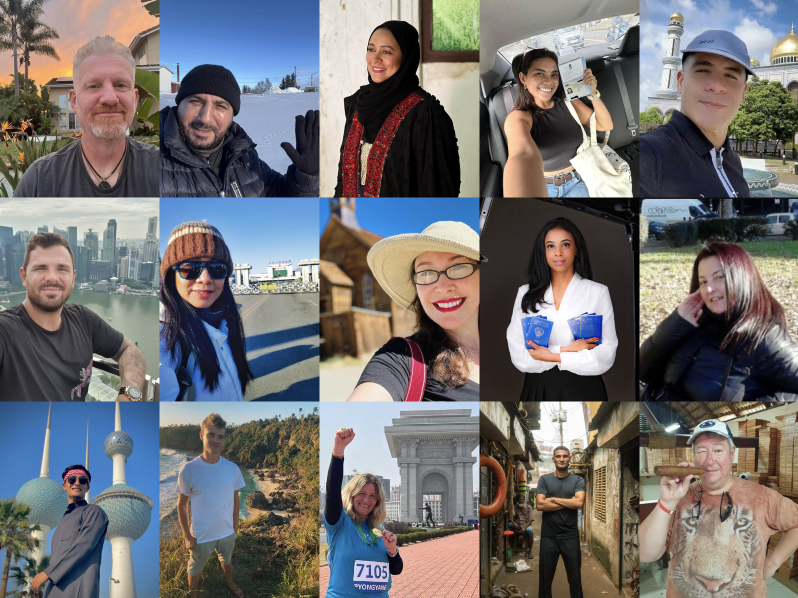
If we compare the number of UN Masters with the overall population of the country in question, the true champion emerges and that is none other than Finland. With a population of approximately 5,650,000, Finland has 19 UN Masters, one for every 297,000 people. Compare this to the United States which has one for almost every 2.2 million. Or to Finland’s western neighbour Sweden, which has 7 more but almost double the population, and Norway, with a similar population but 8 UN Masters that we know of. In general, the entire Nordic region is very well represented in UN Masters with a total of 66, almost 13% of the total.
Runners-up in terms of total number are Germany and the United Kingdom, with 37 and 36 UN Masters respectively. There is a surprising lack of UN Masters from France, where at best we have information on only 6 travellers – they obviously hide very well!

In Asia, China (including Hong Kong) leads the pack with 34 an impressive UN Masters – however we have very little first-hand confirmation of many of these who are TCC members. We believe our number for Japan is undercounted, while in China six of the people are foreign-born with other passports too.
The only representation from Africa is a lone citizen from South Africa (Angus Stenhouse), and citizens of Uganda (Jessica Nabongo) and Kenya (Slawek Muturi) who also have other passports and don’t live in Africa permanently.

Slawek Muturi and Jessica Nabongo
Use our Location Sharing App Feature to Meet Other Travellers on the Road
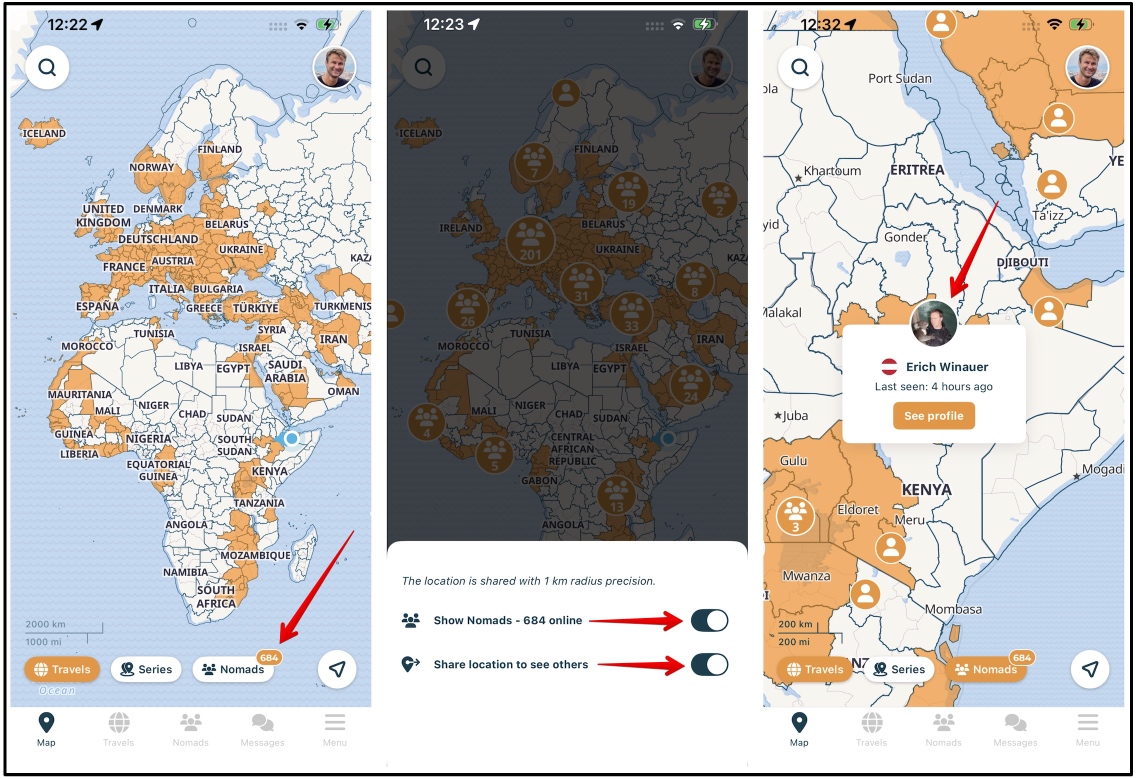
- Download the NomadMania app (iphone/android)
- Click “Nomads” on the map screen
- Enable Location Sharing services
- See who is around all over the world
- Reach out to meet up or simply chat
In terms of Central and Latin America (including Mexico), Brazil has a notable 7 UN Masters claims while Mexico now has 3; Colombia (Leon Hochman) and Panama (Jaime Aleman) each have one, as well as Venezuela two who both finished in 2025, Nicolas Maza and Andrea Munoz.
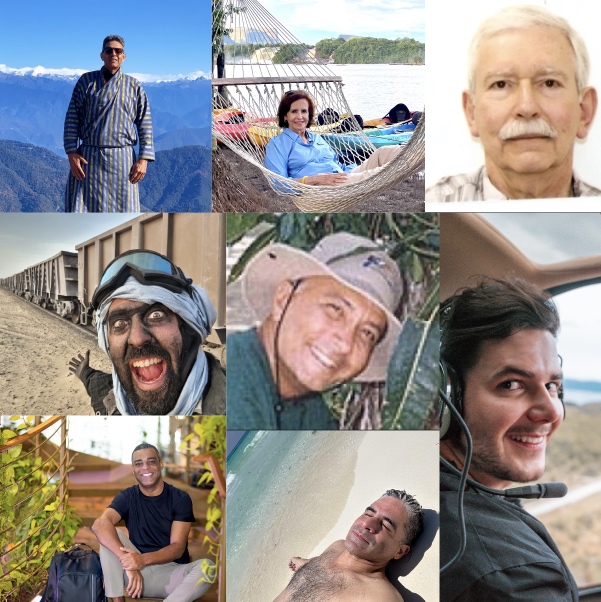
Just in February 2025, Nicolas Pasquali became the first Argentinian to achieve the goal while in North Korea but Ramiro Cristofaro then also achieved it; Paraguay also saw its first entry in 2025 with Igor Pangrazio completing in North Korea.
Australia (10) and New Zealand (7) are also relatively ‘high’ in terms of numbers compared to their populations.
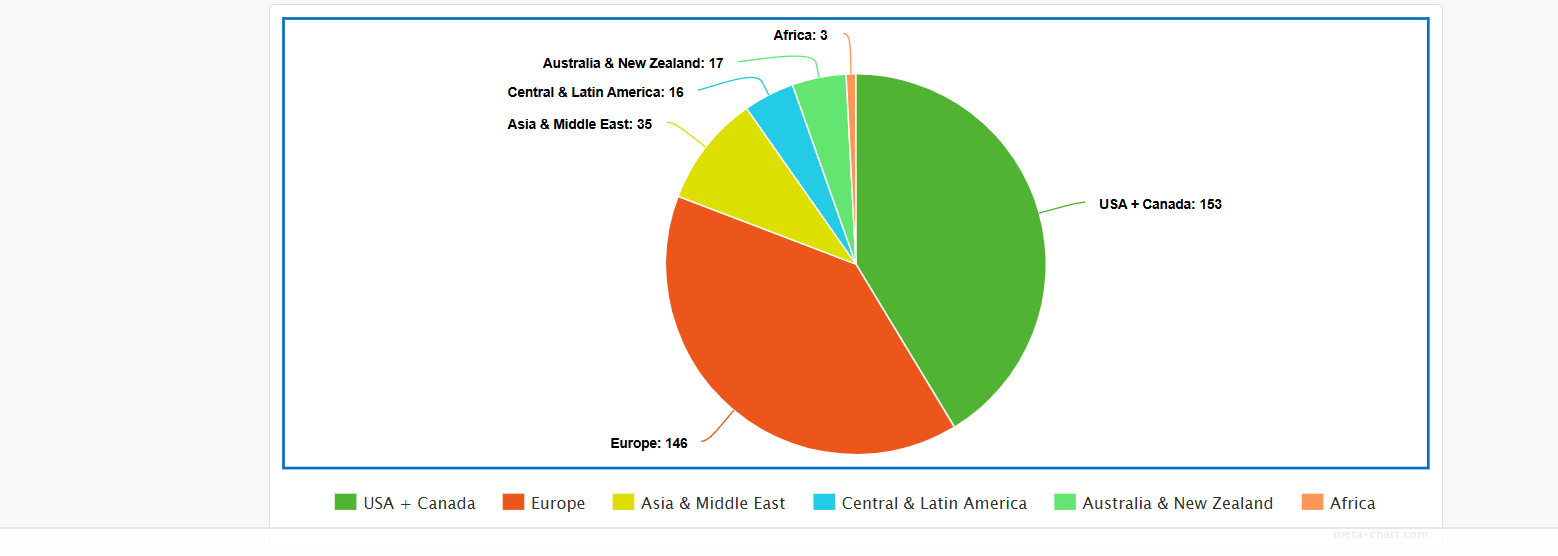
Nationalities of UN Masters, Sorted by Nationality
Other Interesting Number Crunching
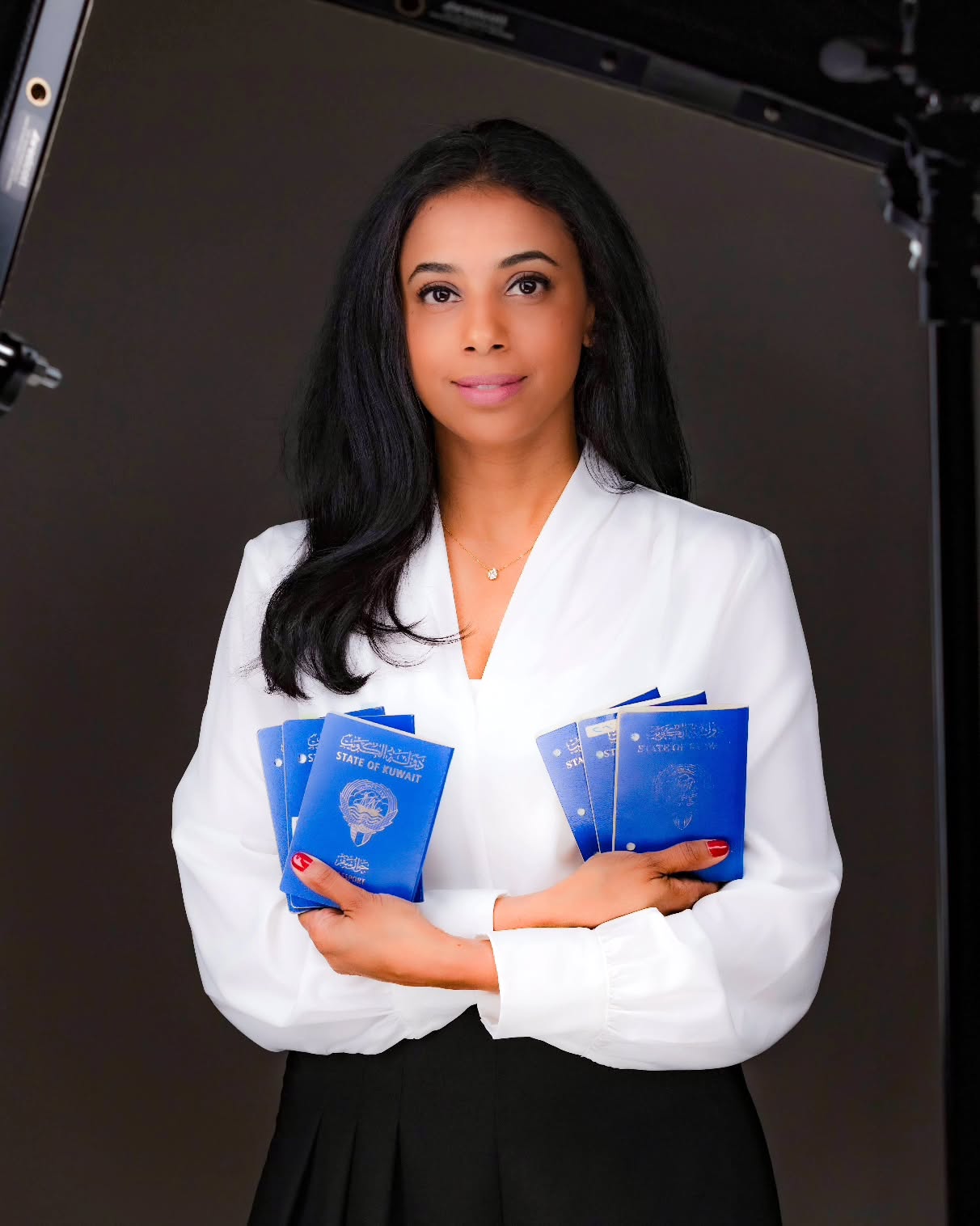
‘Developed’ countries which still do not have a UN Master that we know of include Chile, Estonia, Israel and South Korea. The first person from the Middle East (not including Turkey) to make the claim, Reza Hashemiha, is originally from Iran but also holds US citizenship. In 2023, we also seen the first Arab UN Master, Ali Hassan Sulaiman Allawati from Oman and since then there have been no less than 6 other UN Masters from the Middle East.
 |
 |
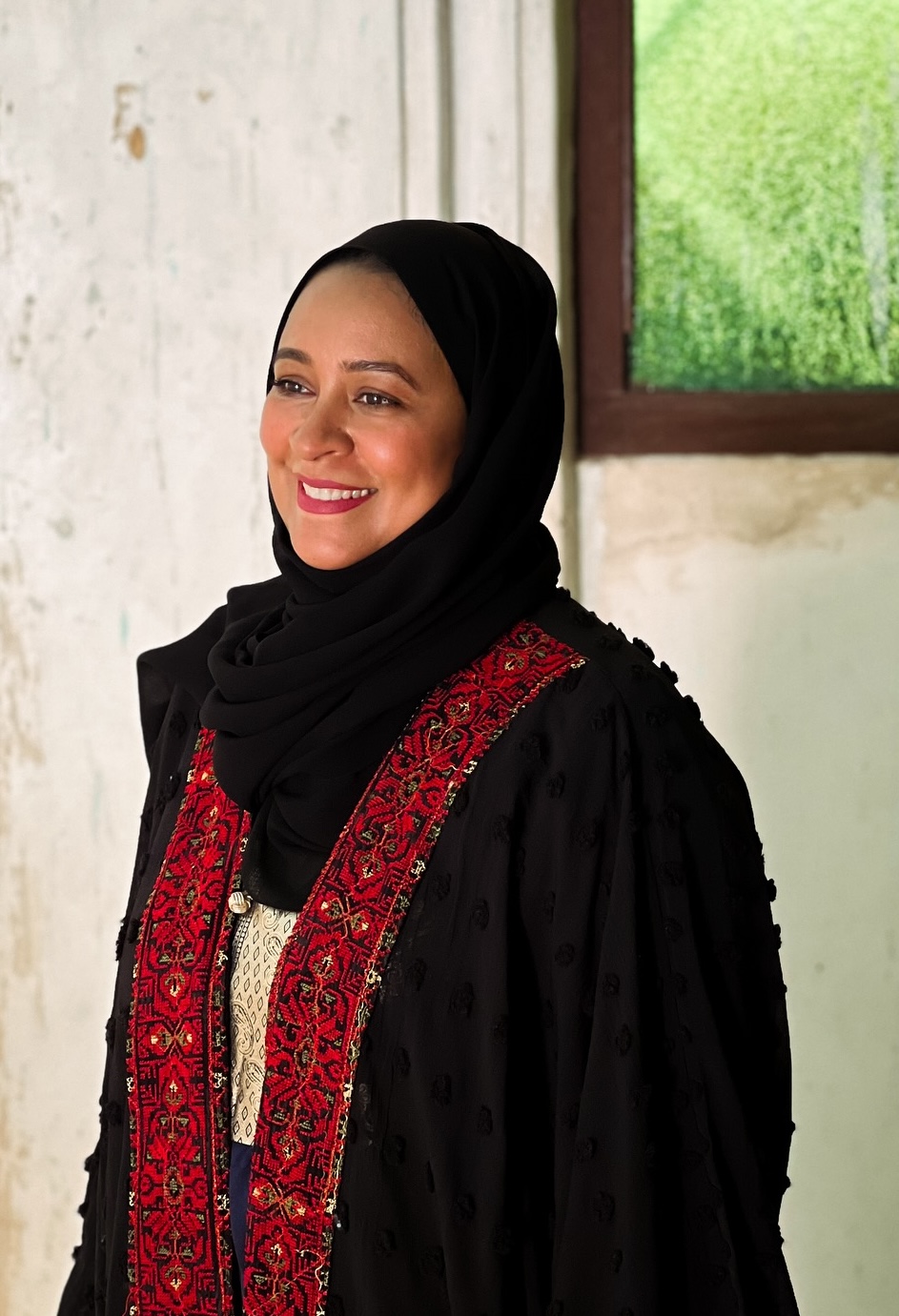 |
| Maryam Abdullah | Bader Alshuaib | Rasha Yousif |
Looking at travellers from Low Passport Index (LPI) countries – taking away China – who do NOT have a second passport, at best we can identify only 6-8 UN Masters. This is probably the highest number, as we can’t know if among those someone has a second passport as well. This is barely 1.5% of the total number even though LPI countries represent exactly 50% of the entire number of countries and closer to 70% of the world’s population.
We believe that the first LPI traveller to achieve the feat is Kashi Samaddar from India in 2008. Mr. Samaddar also claims to be the first person to visit all countries as of July 9, 2011 when South Sudan became independent, and has been certified as such by Guinness World Records.
The others are: Indian Benny Prasad and Ranjan Sharma, Kazakh Bolat Yerezhepov and the first woman doing the feat only with a low LPI passport, Kach Umandap. We also saw two entrants from Thailand this year, Nopparat Rattanawaraha and Nukpida Chanlenglert.
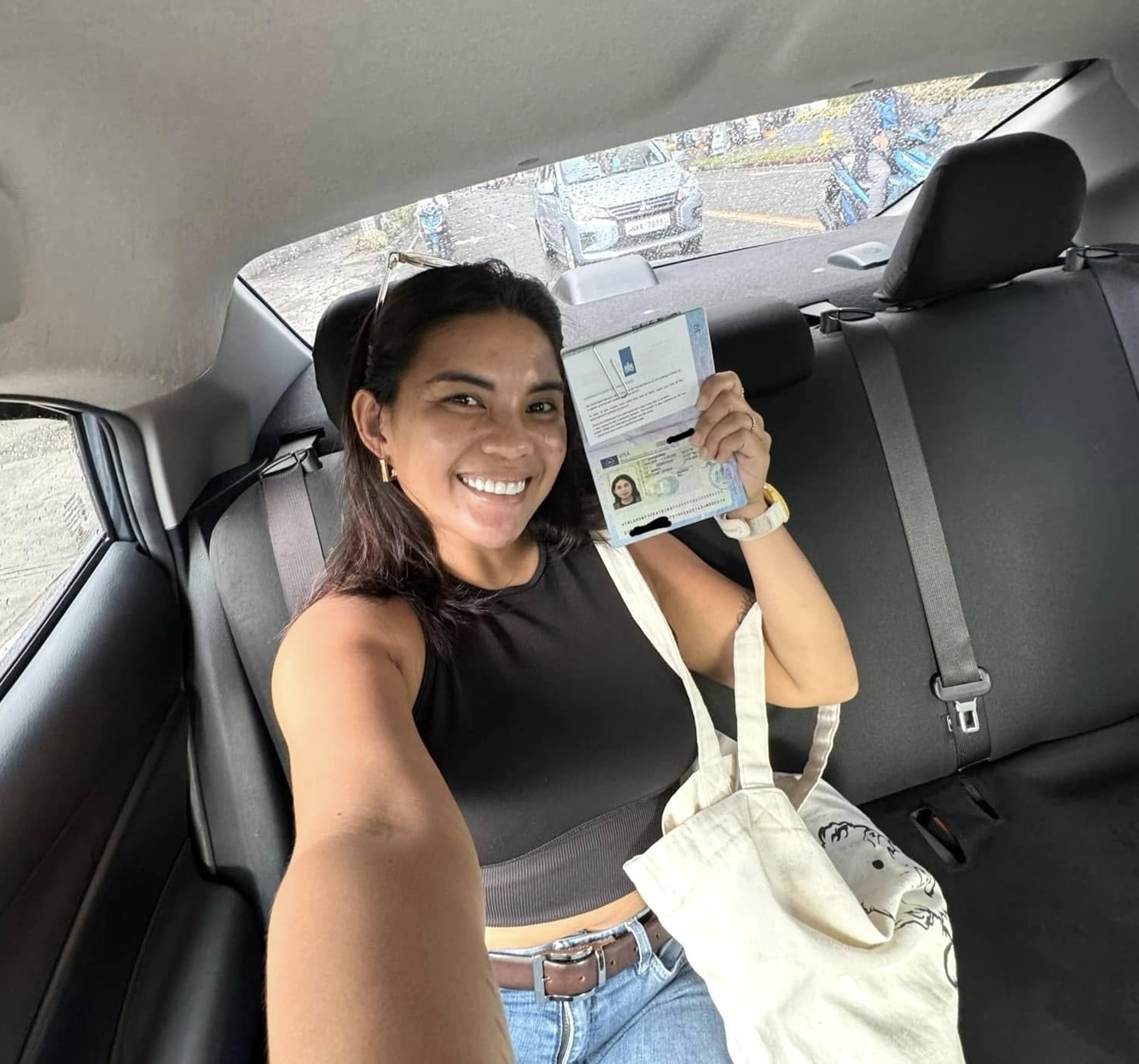
Kach Umandap 🇵🇭
The biggest countries by population with no UN Masters claims are Indonesia (our lone claimant with that flag is in reality British) and Pakistan. Compare this to the smallest country by population with a UN Master, Iceland.
The biggest country in terms of territory with no claim to a UN Master is Algeria. The smallest in terms of territory with claims are Singapore, Bahrain and Cyprus.
Apart from small countries (Liechtenstein and Luxembourg), the highest ranked Human Development Index country where we don’t know of a UN Master is South Korea.
Gender of UN Masters
For the purposes of this exercise, as we don’t have any information on non-binary individuals, we will look at gender as male or female. Based on what information we have so far, we can find the following general numbers:
- 431 men claim to have visited 193 (83.2%);
- 87 women claim to have visited 193 (16.8%).

Gender Distribution of People Who Visited Every Country in The World
It is worth comparing the percentages today with our first report in early 2024 – while women had 14.48% of the share then, now it’s 16.8%. Perhaps not a huge leap, but a step forward.
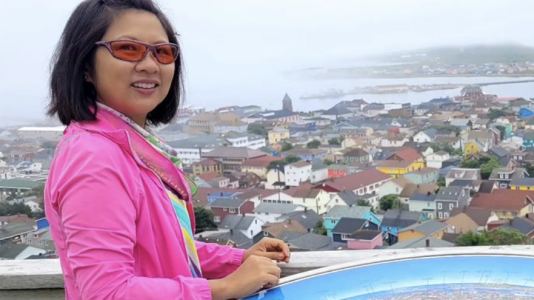
Ernestine Chan, who became a UN Master in the last days of December 2023
Of all the above people, 26 people did it as a couple, completing 193 together – of which 11 male-female couples, one same-sex (female) couple and one ‘couple’ of identical (male) twins. We also know of two brothers who have both done it, albeit not (always) travelling together. Despite reports of a Spanish-French family of 4 planning to do 193 coming from distant 2010, we can’t confirm this nor are we aware of any other family units or related individuals who have completed 193 together. We do know at least of one couple where both visited every country but not finishing at the same time and not necessarily travelling together for much of the route.
Women completing 193 in the earlier days until 2010 were generally as part of a couple and we believe the first one was Carmen Becker in 1994; Marian Speno may be the first ‘solo’ woman to make a claim and we believe she visited every country in 1998. Audrey Walsworth (2005) and Nina Sedano (2010) complete this early picture of solo women travellers in a very male-dominated UN Master environment.

Nina Sedano 🇩🇪
Things have changed since then. Of a total of 87 claims by women, at least 60 – almost 70% – have been made since 2019. This points to the clear trend that, if in the first years women UN Masters were rare, this is no longer the case.
Comparing the above with the numbers for 2025, of the 79 new UN Masters on our list for 2023, 19 are female. This is the largest number of women to complete 193 in a single year based on our info. It also means that more than a fifth of the women who have ever done it, did it within 2025! This is still a male-dominated field, however women represent 24% of the total in 2025, which is far more than the 16.7% total representation.
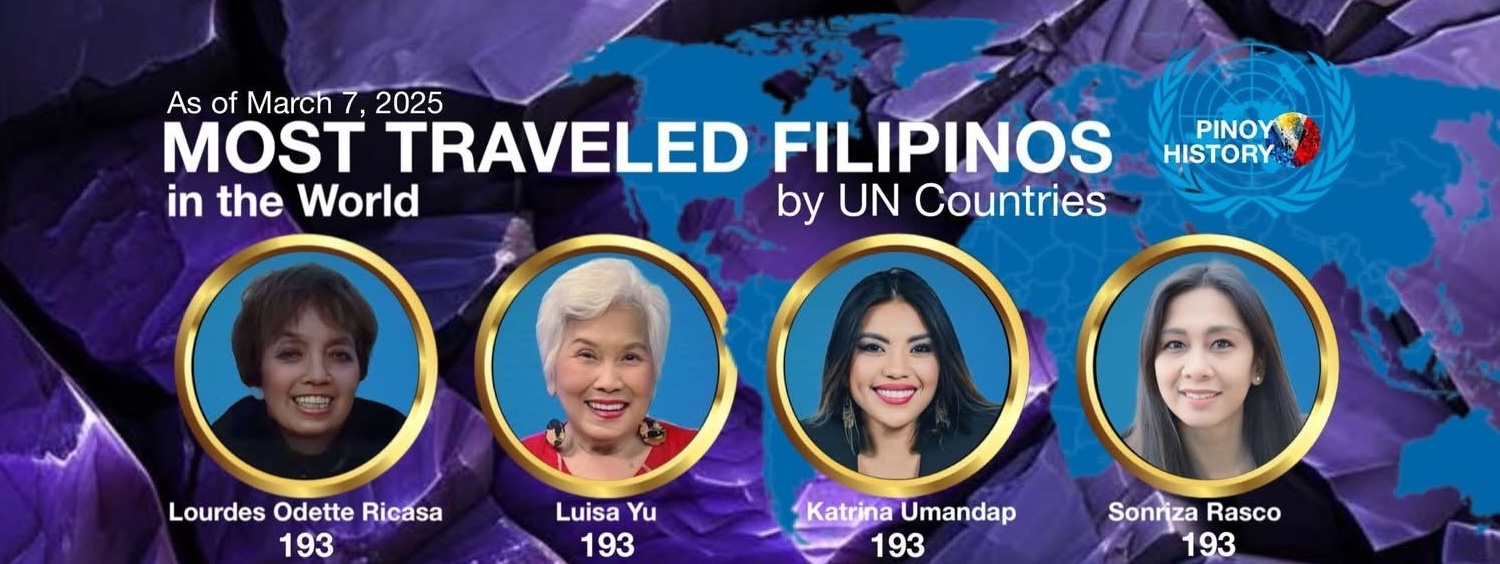
In the Philippines the first four UN Masters were women.
It is interesting that 35 of the 87 women are from the United States (40%) and it would appear that second in terms of women is China, with 9.
It is also worth mentioning that women completed 193 first in Bahrain, Hungary, Latvia, Mexico and the Philippines: in the latter case, five women! In Bahrain there is still no male UN Master that we are aware of.
Nevertheless, the picture is not always encouraging – in Finland, out of the 19 UN Masters, only one is a woman, and in Germany only 3 of the 36 that we know of are women, which is less than 10%. In France, there are no French-born women UN Masters (the one listed is French by marriage) and in Italy only as late as 2025 did Carla Zanellini become the first Italian woman to do it. Even in countries considered to be very egalitarian, the picture is not great – in Denmark, there is only Mette-Ehlers Mikkelsen, while there are 12 male UN Masters.
Ethnicity of UN Masters
Ethnicity is a very complex issue whose definition is outside the scope of this analysis. We will deliberately oversimplify here just to illustrate a few trends and we ask for understanding for our oversimplifications. We also note that NomadMania does not collect ethnicity data, so we make our analysis based on some assumptions rather than on ethnicity statements by the people involved. We ask for understanding as without these, this section itself would be impossible to compose.
In terms of naming of ethnicities, we will apply the UK standard classification as used in the 2021 UK Census. There ‘White’ is used, as is ‘Black, Black British, Caribbean or African’, while ‘Asian’ is used with subcategories. These are classified as Asian – Bangladeshi/Indian/Pakistani, while further East, they are classified as Asian – Chinese or Asian – other. No offence please in case of a divergence in terminology in different areas of the world.
In general, we believe that, of approximately 518 UN Masters, around 88 are not white, which is almost 17%.

Luisa Yu 🇵🇭
We believe there are (approximately):
- 6-8 Black, Caribbean or African UN Masters;
- 10-12 UN Masters with an Asian Bangladeshi/Indian/Pakistani background;
- Around 65-70 overall with an Asian – Chinese or Asian – other background not including the above.
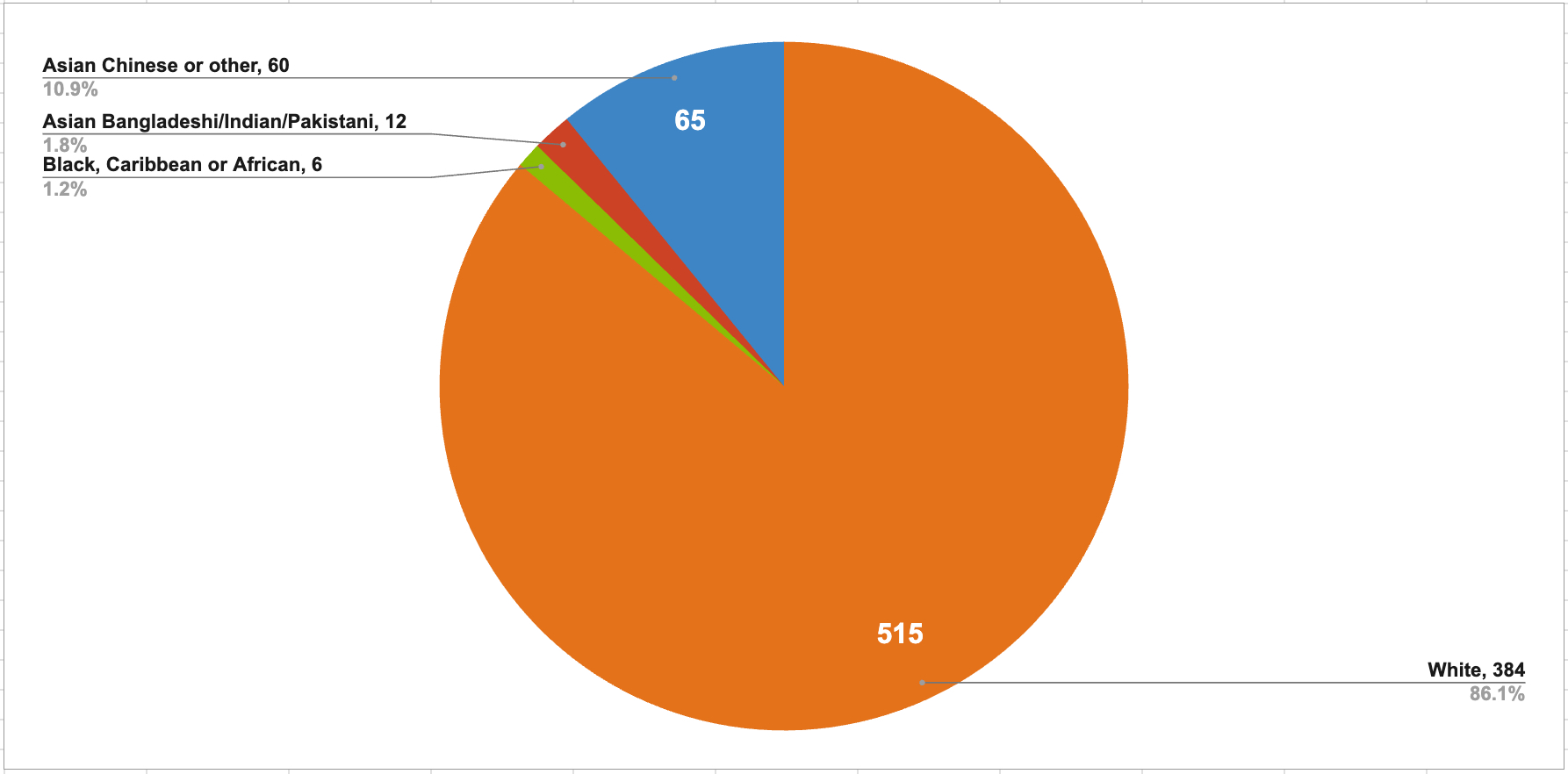
Ethnicity Distribution of People Who Have Been to Every Country In The World
Of the 153 United States citizens claiming 193, we identify 22 who are not white to the best of our understanding, which is around 14.4% (compared to almost 41% not white population of the United States overall) – a considerable increase from the 11% in our report from 2024.
Age of UN Masters
At what age do people become UN Masters? This has also changed slightly over time, though not as noticeably as may be believed. The ages listed in NomadMania’s UN Masters List are the ages on the date the person claims to have visited 193 if known, This implies that a person who did it when they were 39 and 350 days old will be listed as 39 rather than 40. Otherwise, if dates of completion are not known, the age is based on the year of birth and the year of completion.
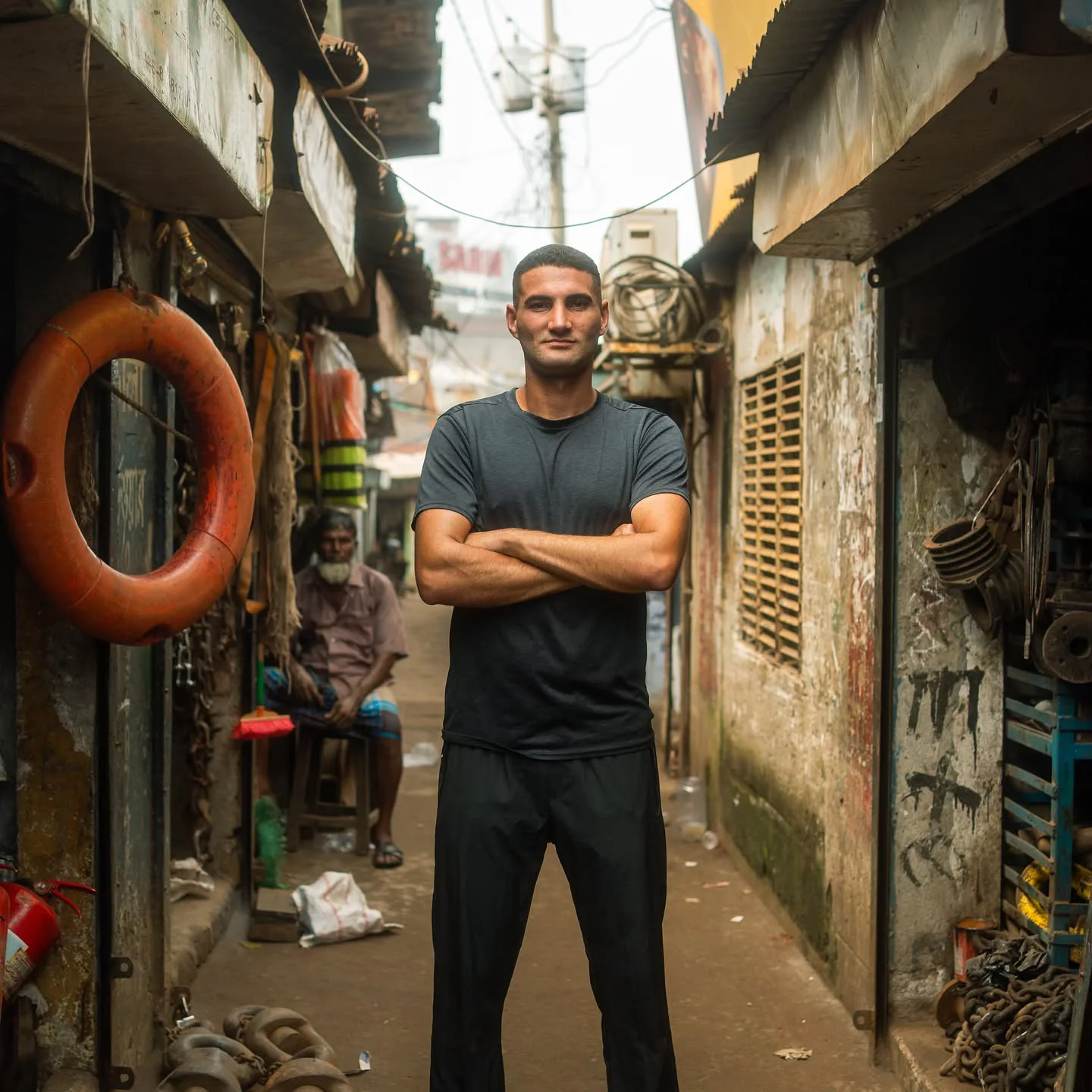
In general, we can perhaps divide age for this exercise into three categories:
- ‘The Fast and Furious’ (early 20s to early 30s)
- ‘Professionals or not’ (mid 30s to early 50s)
- ‘Life Purpose’ (mid 50s and above)
The average age of completion of 193 based on data for around 440 travellers is 53.2 years. Interestingly, we get almost the exact same average age when looking at the data of the female travellers alone – it’s 53.6.
However, if we only look at the data for 2025, the average is lower at exactly 50. That possibly points to a trend of younger, independent travellers who achieve their goal at an earlier age.
The data is very interesting when looked at per country. Here, we can only meaningfully compare countries where we have enough data i.e. at least 10 travellers to compare, and here are the average ages based on these, starting with the ‘oldest’ and heading down.
Netherlands: 61.7 ; Sweden 57.4 ; Finland 57 ; Denmark 56; United States 56 ; Germany 54.8 ; Spain 53 ; Canada 51.4 ; Italy 49.3 ; United Kingdom 48.9 ; Australia 48 ; Russia 45.9.
The above implies that the Dutch on average are more than 15 years older when they complete 193 compared to their Russian peers. Of course further variations of the data need to be examined, and remember we include all claims in this set, including those made for 193 which are not recognised by NomadMania.
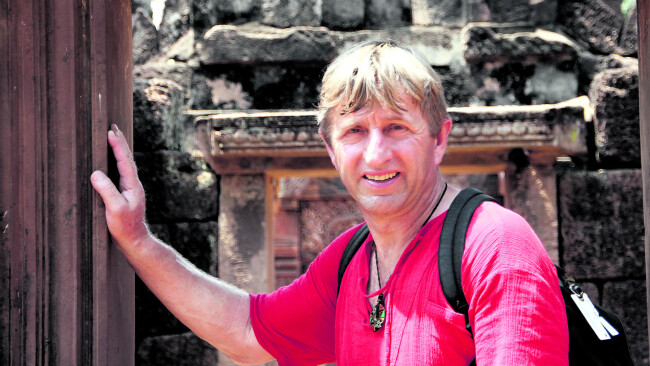
Kaiser Sepp 🇦🇹
Initially, it was mainly the older group that completed 193, with some examples of the middle group as well. For many years, Kaiser Sepp from Austria could claim to be the youngest, as he completed the countries at the age of 33 in 1995; this was followed by Italy’s Maurizio Giuliano who did it at 28 in 2004, the first under the age of 30.
Since then, there has been a slight increase in the early completers, even if some of them are listed in our ‘transit’ category. But though they may get a lot of publicity, we can at best only identify around 38 UN Masters in the ‘Fast and Furious’ category i.e. aged 33 and under. This is little more than 7% of the total.
The numbers for the other two categories are currently almost even.
If you’re observing that the numbers don’t quite add up to that’s because we have quite a few gaps in our understanding of the age of completion for around 50 of the UN Masters; nevertheless, we believe most of these to be in the ‘Life Purpose’ category.
The general numbers of age of completion per decade of age are as follows:
- Travellers in their 20s: 18
- Travellers in their 30s: 76
- Travellers in their 40s: 95
- Travellers in their 50s: 98
- Travellers in their 60s: 93
- Travellers in their 70s: 57
- Travellers in their 80s: 11
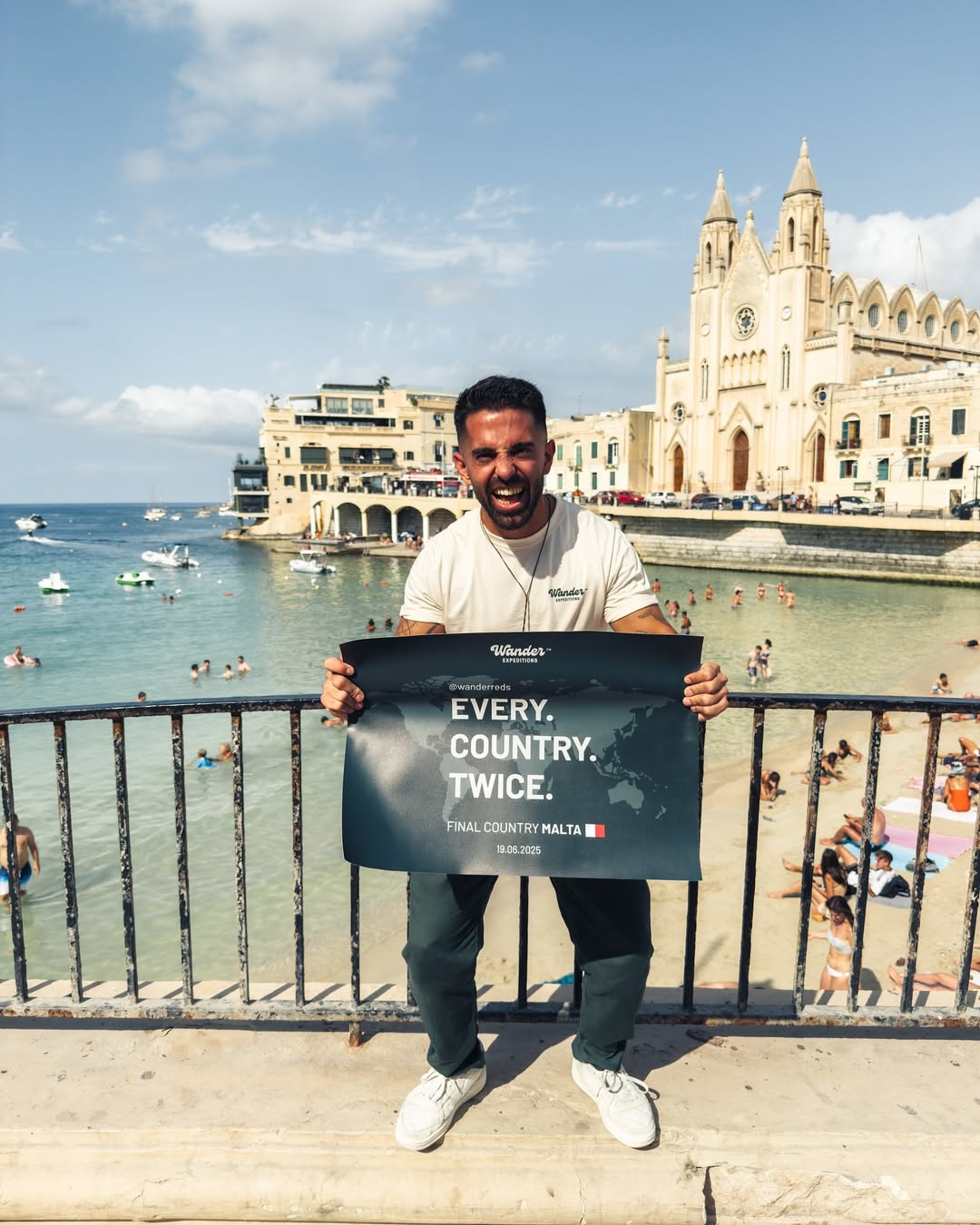
Alvaro Rojas the youngest verified UN Master to visit every country twice so far.
We can conclude that visiting every country is, in the most part, something that is achieved overall after a person’s 30s, but that it is a myth that the majority are much older individuals. Generally, it would seem that in recent years many people decide on this and see it to fruition in their late 30s and 40s. Others, with a slower pace and other life commitments are more likely to complete later in life.
Looking at the data for 2025, we can see the following:
- 6 in the ‘Fast and Furious’ age group (compared to 2 in 2024)
- 41 in the ‘Professionals or not’ age group (compared to 23 the previous year)
- 32 in the ‘Life Purpose’ age group (compared to 21 the previous year)
The number of people in the ‘Professional or not’ age group is clearly increasing, suggesting a possible over-time lowering of the average age if this trend persists.
General Profile of UN Masters
Neither NomadMania, nor any other organisation that we know of, gather specific information on ‘Visiting Every Country’ which could result in finding any commonalities. Our own experience suggests that UN Masters are extremely diverse in everything. From marital status to political opinions or sexual orientation to socioeconomic status and family background, there appear to be few common threads other than the obvious love of travel.
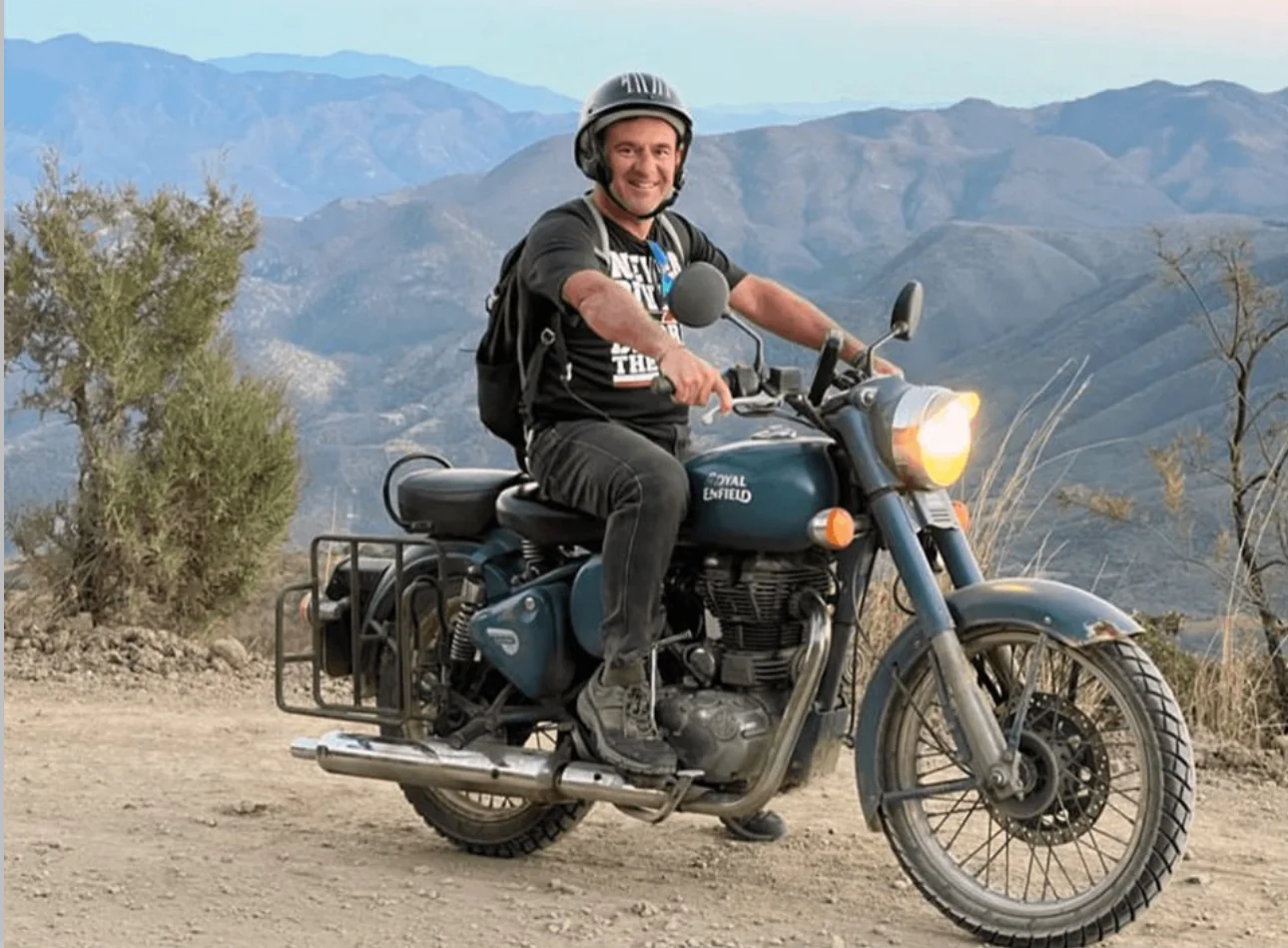
Carlos Useros Moyano from Spain.
In terms of travel styles too, UN Masters appear to come in all guises. Some achieved the feat while travelling in groups or with agencies who took care of many details. Others are hardened individualists who attempt uncompromising solo adventures. Billionaires who fly on private jets, or those on meagre budgets who have succeeded through getting sponsored by large organisations – UN Masters come with wallets of different sizes too.
There’s those who are into extreme physical feats of endurance as well and those with full-time jobs travelling when they can. Some are very slow travellers who are clearly not ‘in a hurry,’ others reach 193 in a matter of a few years.
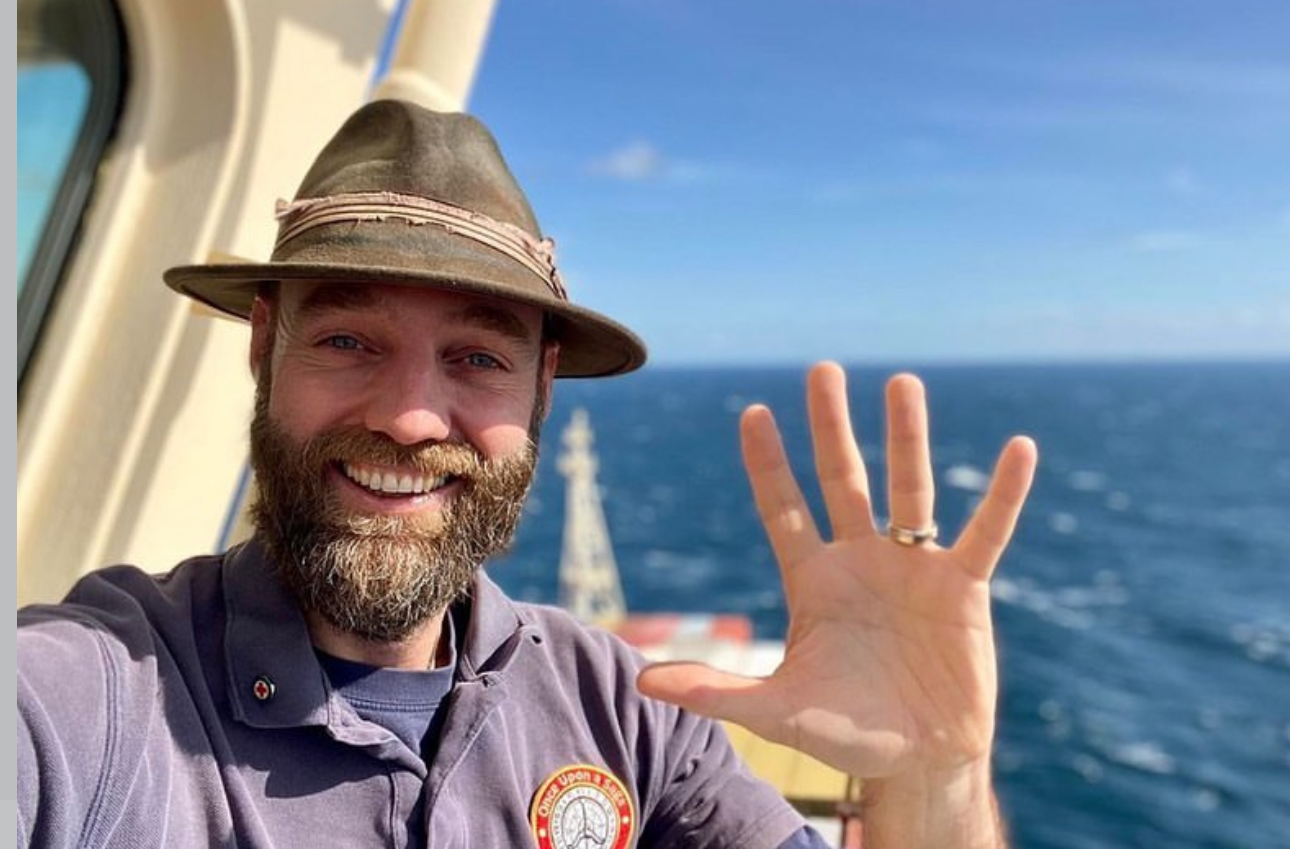
Torbjørn C. Pedersen 🇩🇰 known to visit every country without flying.
To illustrate the diversity of occupations, UN Master claims include: an internationally renowned singer, at least two flight attendants, a former tennis pro, the owner of a University, a plastic surgeon, some well-regarded academics, an electrics shop owner, a dentist, a dishwasher, a judge, a kindergarten teacher, a number of travel agents and travel industry professionals, government officials including some working for the UN or ambassadors, a real-estate mogul, a few top-rated journalists and many high-ranking business managers with years of experience in their field.
Conversely, and this is especially so for the younger UN Masters (but not only), some have turned their travels into their livelihood. For example, they offer/lead trips themselves based on their visibility in the travel world or turn into social media sensations and live off that. Some have authored books or are becoming motivational speakers/presenters with travel as a predominant theme.
All of the above leads to a basic understanding of the true diversity of UN Masters.

Jaime Alemán 🇵🇦 finishing his “Grand Slam of Travel” — all 193 UN countries, both poles, and space.
How Many People Visited Every Country? Part II
We return to this ‘thorny’ question and address it from a NomadMania perspective now.
Firstly, we believe that we must be ‘missing’ approximately 30% of those who have done it. This 30% may include those we have on our lists but we are not aware they have in fact completed 193. We think that often some media mention the feat or a traveller has acquaintances in the community. This leads us to information about them, and that implies they are ultimately included in the list.
We wish we got more help from the community itself!
Since its inception, we have divided our own UN Masters List into a number of categories which make sense to us. Obviously, NomadMania members get an advantage and are listed in the first 3 categories. First, those verified for both UN countries and regions; then, those verified for UN countries; and unverified in the third.
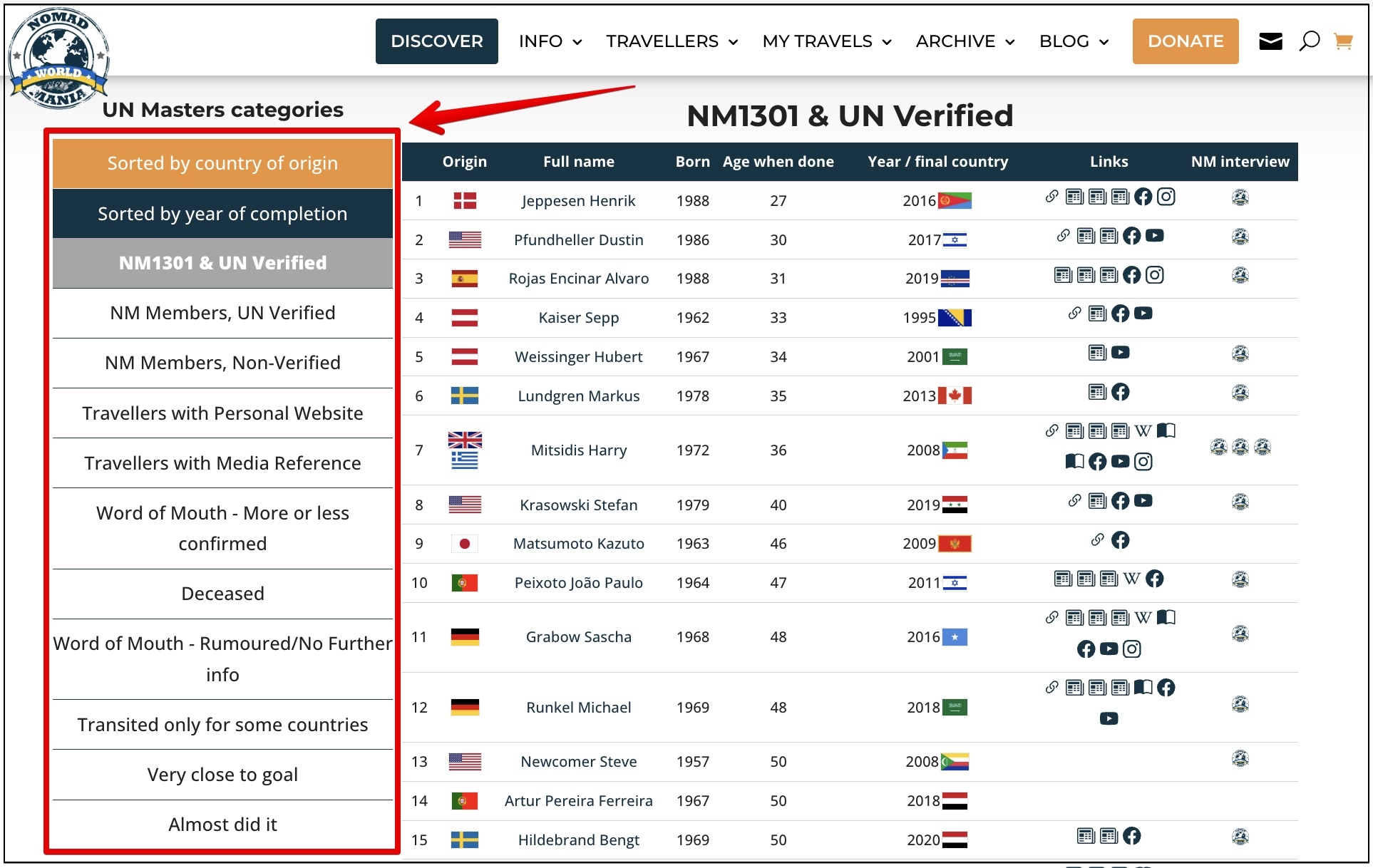
We then list travellers who are not NomadMania members but have their own websites and those who have a media reference. Based on these, there is a certain ‘legitimacy’ to the claim, unless we know otherwise.
We follow with those who we know to be deceased. Category 7 are those we have only heard have done it, or claim it in, for example, TCC archives. These have no other media reference and we have no way of communicating with them to corroborate.
We finally list those we believe claim it in a way that doesn’t satisfy NomadMania’s rules of a visit. These were expressed based on our community’s own perceptions. There are around 30 travellers in this category, some claiming more than 10 countries through quick airport transits, for example. We are not here to judge, but we want to be fair and consistent with our visit rules.
In any case, these travellers are legitimated by other organisations or the media. Some have made big claims about their travels that have garnered them global publicity. Therefore, they do earn their place in our UN Masters list overall.
Finally, we must note that we have a huge number of travellers who are almost there. More than 100 people that we know of – and here we are certainly missing many! – are less than 7 countries away from 193. Of these, more than 45 are only missing one country (24 of which still missing North Korea).

The Final Verdict
If we take all of the above into consideration, we can conclude the following:
The most ‘lenient’ number includes the estimated 30% we believe we don’t know about. This leads us to around 670 people having visited every country as of the December 31, 2025.
On the other hand, taking the strictest number, we consider only those we know of with great certainty. We do not count those who have not visited 193 based on NomadMania rules. Or those who are just ‘hearsay’ and we truly can’t confirm, as we don’t know more about them. In this case, the number is 454 people (including those deceased).
The lenient number means that there’s 1 UN Master in 12.3 million people.
The strict number, subtracting the 36 deceased, means that currently on earth there is 1 UN Master in approximately 20 million. So, strict or lenient, if you’re a UN Master – you’re much rarer than ‘one in a million.’

The Last UN Country
Since NomadMania does keep data on a UN Master’s last visited country, it is interesting to find trends in that. Which countries are generally chosen?
We have two different groups overall, with the overwhelming majority in the first group. There are few who are not in either of these two groups:
- UN Masters with a very difficult last country
- UN Masters with a very easy last country
The concept of ‘difficult country’ has changed a lot over time as well. In the first years, we find last countries such as Bhutan, or Albania or Bosnia and Herzegovina. None of these can be classified as ‘difficult’ to visit nowadays.
Central African Republic gets 5 mentions as last. Eritrea with 9 and Equatorial Guinea with 10 transcend time and are left last by quite a number of travellers across the decades. Presumably, this is because of their complex visa policies. Distant Nauru gets 12 people given its general obscurity. Perhaps surprisingly, complex African countries to visit such as DR Congo, previously hard Angola, Sudan or Niger rarely featured in the past.
However, Sudan became the final country for 11 travellers in 2025 after Port Sudan became accessible.
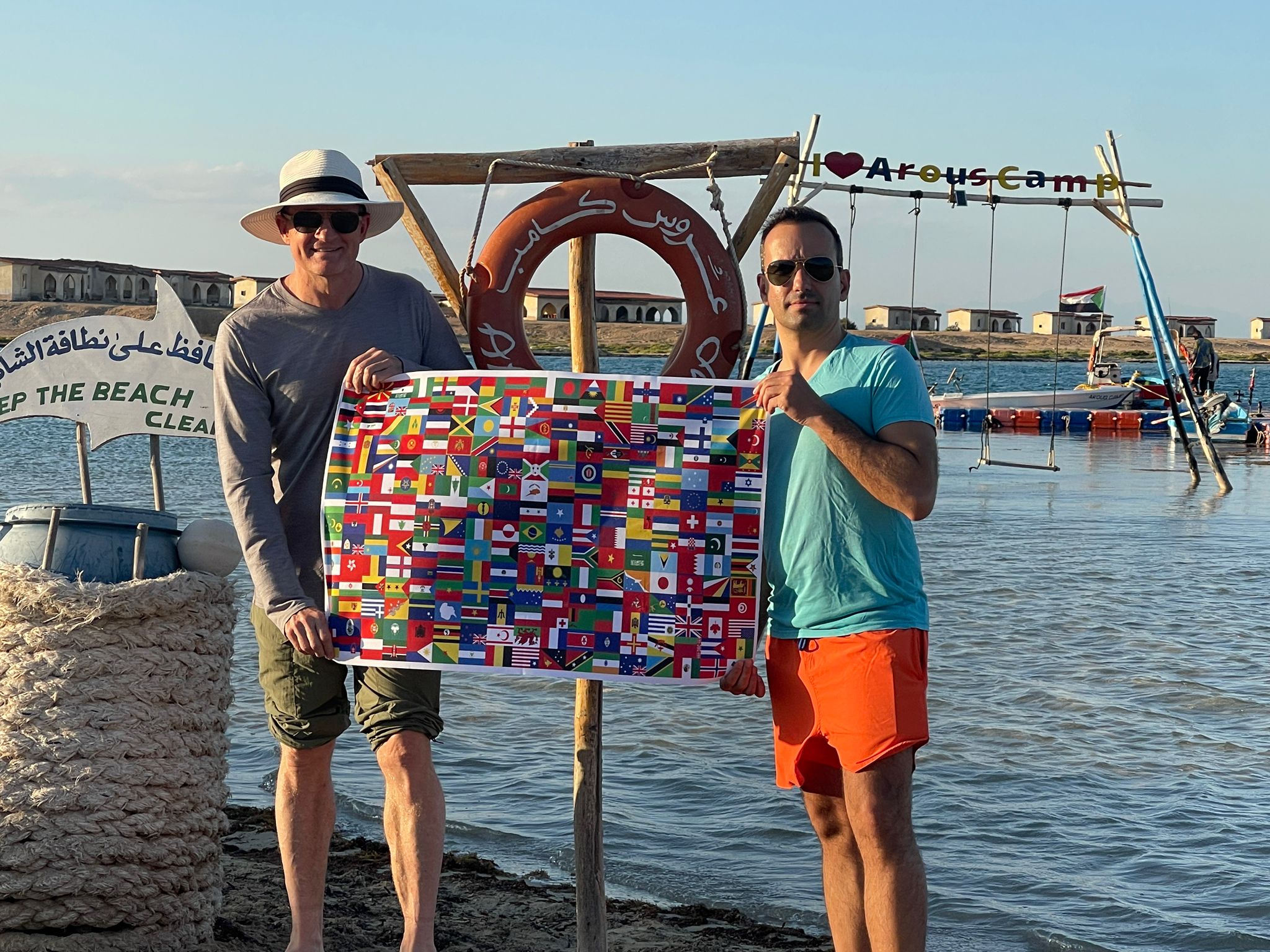
Recently Sudan became the last county for Andrew MacLeod 🇦🇺 and Vladimir Kosarev 🇷🇺 among others.
One of the ‘older’ popular last countries is Iraq, where we now have 14 claims. This was a frequent last country in the 1990s and until around 2017, but hasn’t ‘scored’ much lately. Likewise, Saudi Arabia with its notoriously hard to get visa until its recent change of policy gets a total of 15 claims.
Conversely, ‘newer’ popular last countries, both appearing as last for the first time in 2017, are Syria (17 claims) and Yemen (14 claims). Obviously wars make visiting countries harder and affect those that will be last.
While North Korea is mentioned occasionally, we believe many of these cases are really visits to the DMZ. However, 19 travellers that we know of have ended their country quest there in 2025 alone; we would say probably 21 as a total legitimate number overall, given the very few entries of North Korea as ‘last’ before the pandemic.
A recent popular last country is Turkmenistan, which was late to open after the pandemic and did so in early 2023. As many as 8 travellers completed 193 there in 2023 alone, for a total of 10 overall.
Afghanistan has been hard to get to since the late 1970s. Unsurprisingly, it has 20 UN Masters who celebrated their achievement there as early as 2001 and as recently as this year.
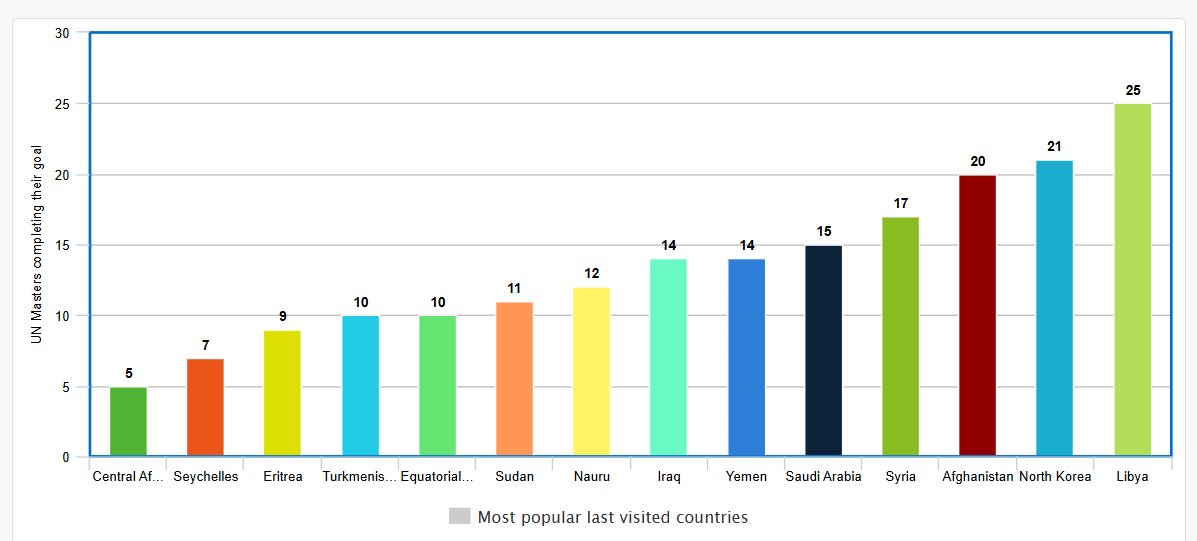
However, the absolute ‘mother’ of last countries is none other than Libya. It has a massive 25 mentions as last country visited, at least 15 of which since 2021. This is one more country that has been difficult to get to no matter when. Initially with complex visa policies, as of 2011, it has been very unstable and unsafe.
A few people have opted for ‘middle of the road’ countries as last, but these are the minority. Countries include Cuba, Guinea-Bissau, Laos, Madagascar, Palau, Samoa or Tonga.
Less than 10% of the total, deliberately – we suppose – leave an ‘easy’ country for last. Examples include: Andorra, Brazil, Canada, Cyprus, Iceland, Ireland, Liechtenstein, Malta, Norway, San Marino or the Seychelles. The latter seems to be a particular favourite, with 7 travellers ending their global conquest in the tropical island nation.
2025 has been rather mixed in this regard – 19 of the travellers reached 193 in North Korea, and a further 11 in Sudan. However, there are more than 40 other travellers and their range of ‘last countries’ varies immensely – from ‘easy’ Canada, Iceland, Japan, Peru, Slovakia and even Liechtenstein to a variety of ‘middle of the road’ countries such as Algeria, Chad, Ethiopia, Guinea-Bissau. The Pacific features heavily with Micronesia, Palau, Samoa and Tuvalu all being listed as ‘last countries’.
Given recent geopolitical developments we expect Mali, Niger and Venezuela to become hard to reach destinations, so their listings as ‘last country’ may well increase over the course of the future.
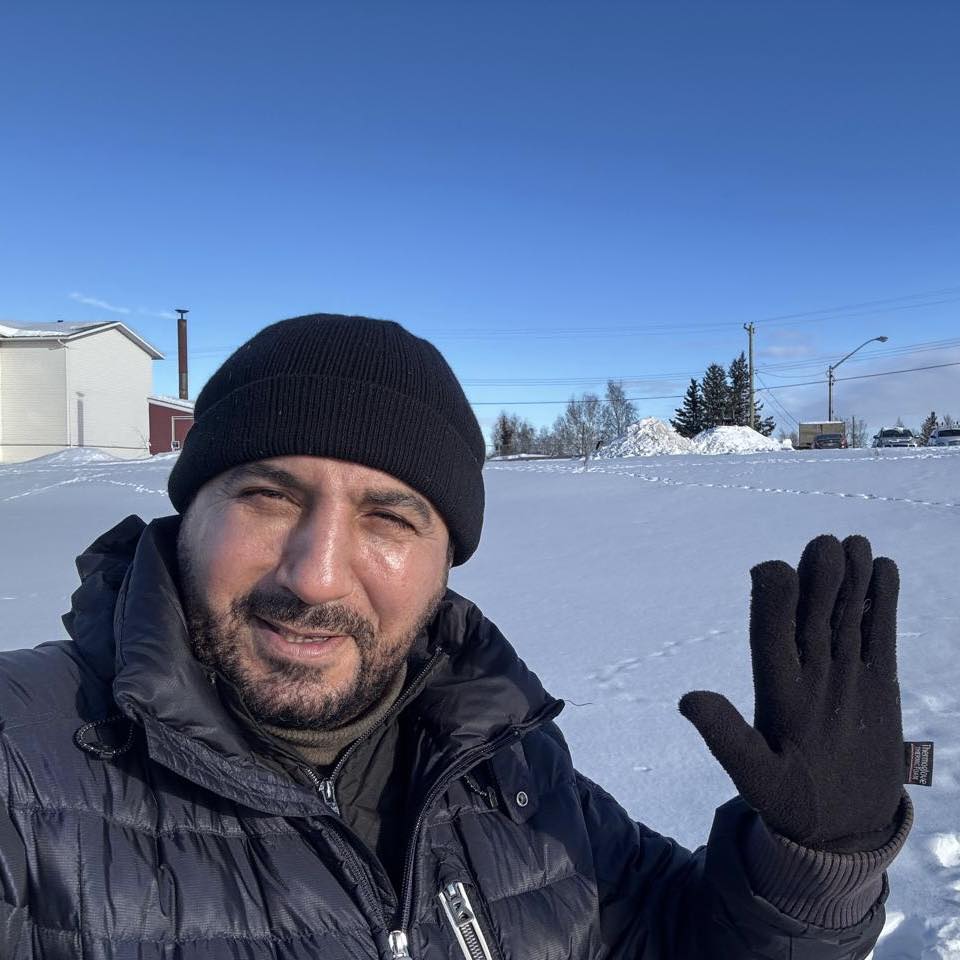
Mehraj Mahmudov from Azerbaijan finishing his 193 quest in “easy” Canada.
Conclusions and Expectations
The common profile of an older white male UN Master is indeed the majority, but things are changing. We can expect them to change more. An average age of 53 suggests that completion of every country generally occurs at a younger age than expected. More than half of the women (46 at last count) achieving it since 2022 indicates a longer-term equalisation of gender.
What does not seem to be changing at the same pace are the ethnicities and nationalities of UN Masters. Overwhelmingly and predictably, these come from developed countries. Those who represent developing countries more frequently than not have a second passport enabling them to travel more easily.
With the opening of North Korea and Sudan, many travellers have achieved their dreams in early 2025 – leading to a record number of 79 people claiming to have reached 193 in 2025.

Mette Ehlers Mikkelsen is one of 14 new UN Masters who visited North Korea for the Pyongyang Marathon in April 2025
We will continue adding to our NomadMania UN Masters List for now. More than ever, this is where we depend on you, the NomadMania community and beyond, for corrections and up-to-date information. We would especially like to ask for contributions from members of the TCC, particularly older members. We also wish to thank Ihab Zaki of Spiekermann Travel whose clarifications on year of visit were crucial in our analysis.
You can always contact us about UN Masters – even if you are not our member. Help us make our list even more useful and accurate so that everyone can benefit from it!
We will be updating this article – and the numbers – annually so that it stays relevant as we get new information.
First published: January 11, 2024 / slightly reviewed: January 30, 2024 / updated April 10, 2025 / this update: December 31, 2025.
*** This article is subject to copyright and no portions of it can be copied or quoted without an active link referring to this article as an original source.