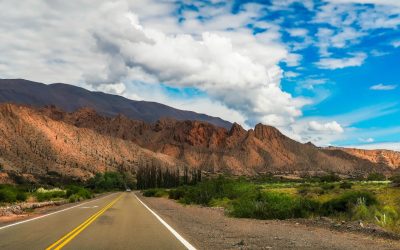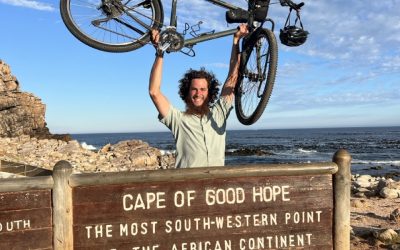
Michael Ballard and his son Ben Ballard recently embarked on an extraordinary overland journey across South America, travelling from the east coast of Brazil, which overlapped with Brazil’s Northeast Adventure to the west through Brazil, Colombia, Peru and Ecuador, following the Amazon and Napo rivers.. Undertaking such a journey is no small feat, requiring careful planning, adaptability and plenty of perseverance along the way. What makes their story particularly special, however, is the father-and-son bond behind this adventure.
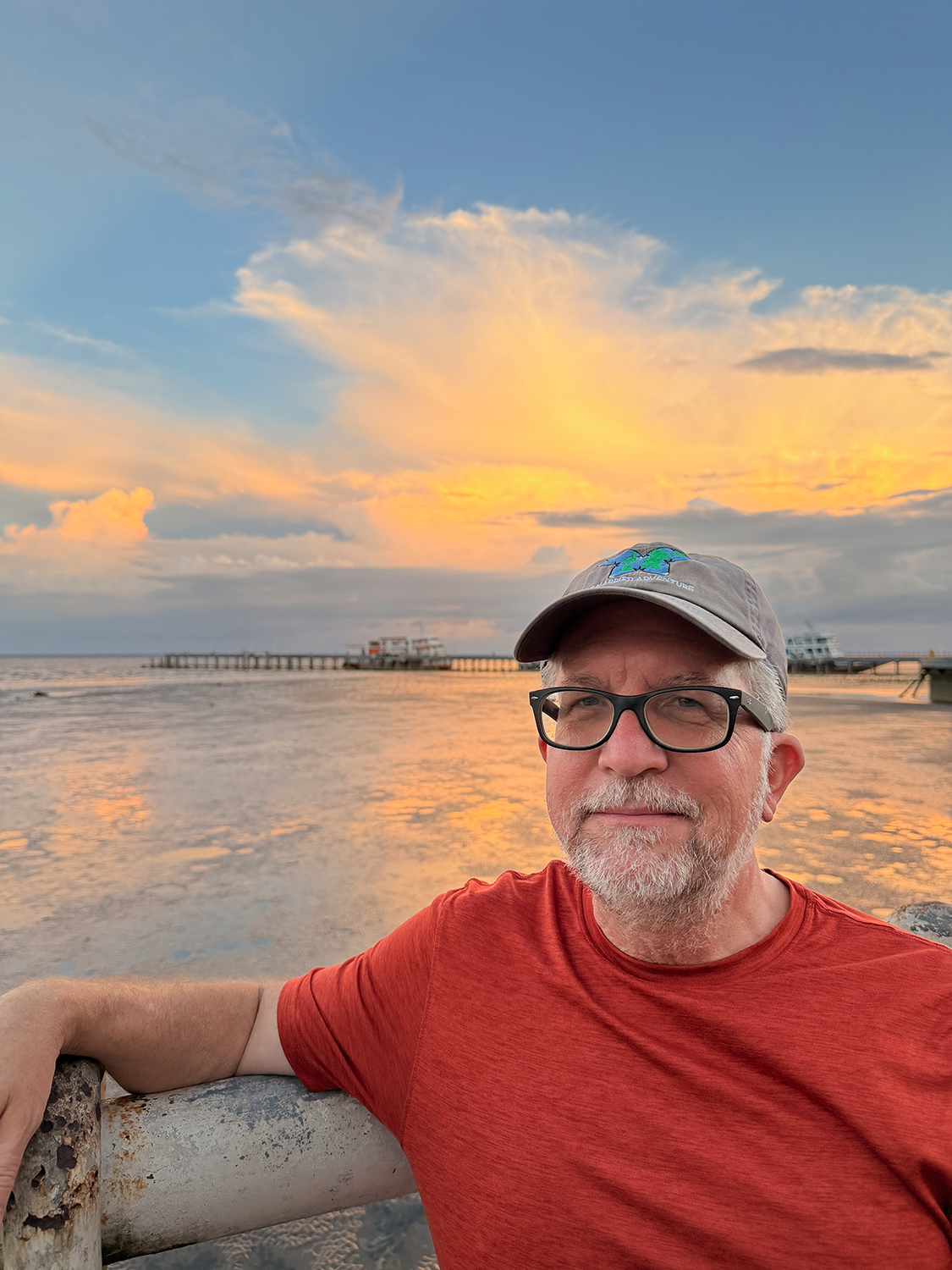
Michael reflects that he could not have completed the journey without Ben’s perseverance and calming presence. Now, they are sharing their experience with us through an exceptionally comprehensive and extensive guide, packed with firsthand accounts, practical advice, logistics and insights that could prove invaluable to anyone hoping to follow in their footsteps. We are incredibly grateful to have such a detailed account of this remarkable adventure, and invite you to experience it through their eyes.
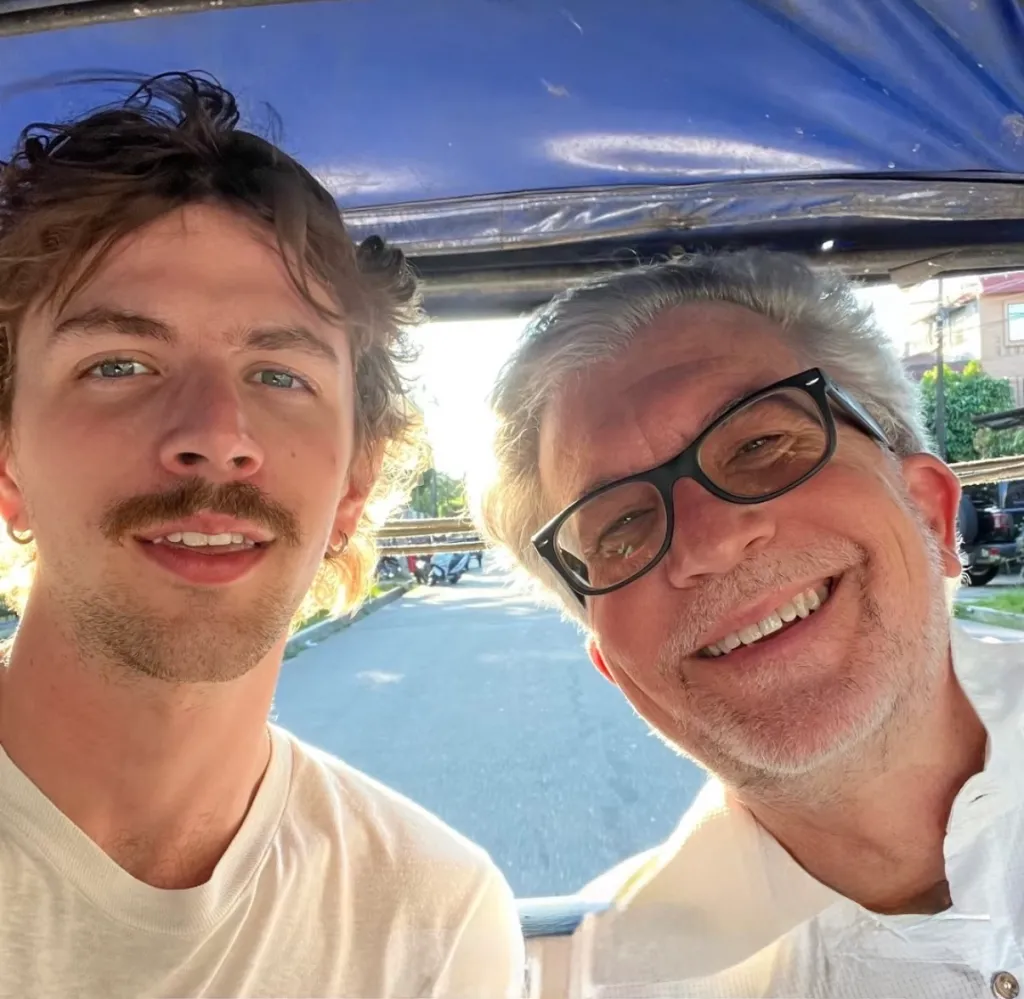
Michael writes:
My younger son, Ben, and I recently traveled up the Amazon and Napo rivers, crossing the entirety of South America from east coast to west, through Brazil, Colombia, Peru, and Ecuador by a series of boats, buses, cars, and even a tuk-tuk or two. I’m going to share our experience so you can be prepared if you would like to attempt the same.
Although the overland adventure actually began in Salvador, Brazil, continuing up to São Luís accompanying several members of NomadMania, this trip report will focus on the Amazon portion of the crossing that Ben and I did on our own.
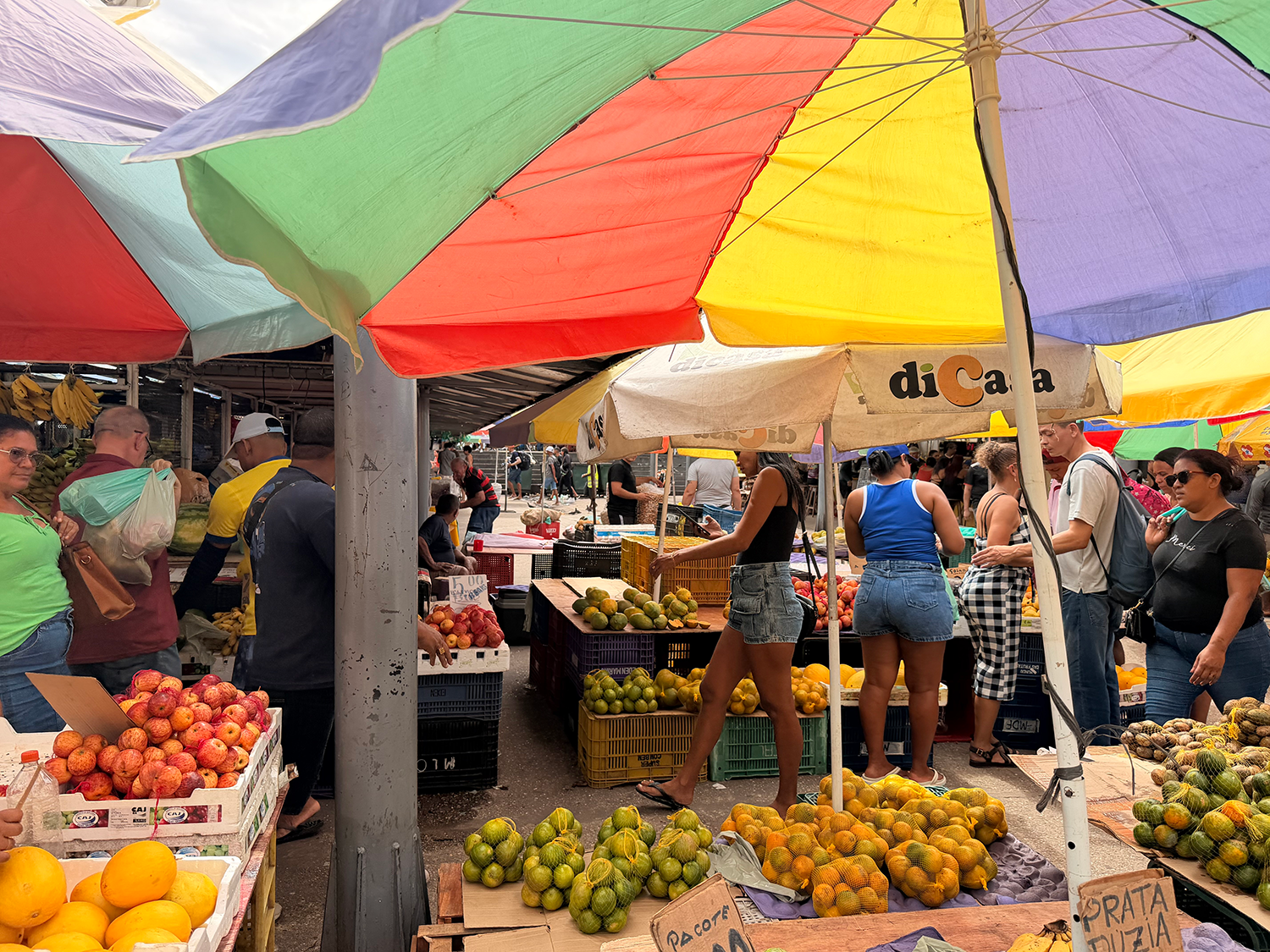
We started in Belém and crossed all of the Brazilian Amazon to the border city of Tabatinga by slow boat, stopping along the way in Macapá, Santarém, and Manaus to rest and resupply. In Tabatinga, Brazil, we crossed the very porous triborder to Leticia, Colombia, and then on to Santa Rosa, Peru, where our river journey continued using fast boats of various forms until we reached Coca, Ecuador. This is where the navigable river essentially ends and the road trip to the west coast begins.
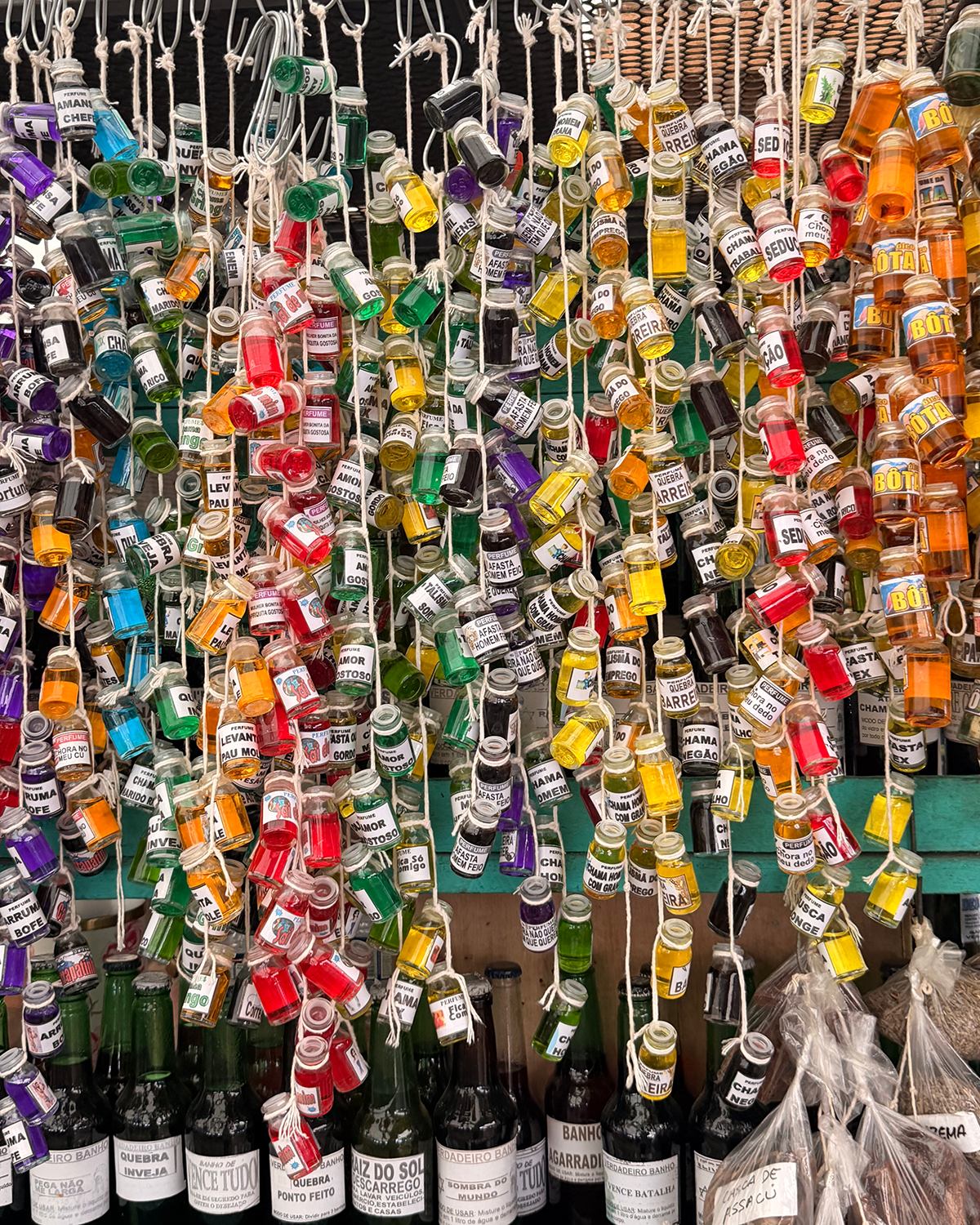
For this trip report, I will break the journey down into each leg, including information not only for the boats but also for our stops in each city and village along the way.
Overview
As I said, this trip was aboard various slow-moving supply boats and fast ferries and was not a luxury cruise by any means, although those options do exist. This trip also took place in July and August, just after the rainy season, making the river very full and moving swiftly, so our travel times took a bit longer than normal as we fought against the current.
There is not one single boat that travels the entire route, so you will have to book each leg of the trip separately between the main cities I mentioned earlier. But there are multiple vessel options for each leg leaving almost daily, and there is no such thing as a standard ship. They all differ in size, price, cleanliness, amenities, and even operating procedures.
While it is possible to book some legs online (we used BrazilBooking.com for three of the boats), you can also simply arrive at the port and book your ticket in person, even on the day of travel.
There are also multiple booking agents at each port selling tickets for the same ships at essentially the same prices. Just let them know where you want to go and on what date, and they will present your options.
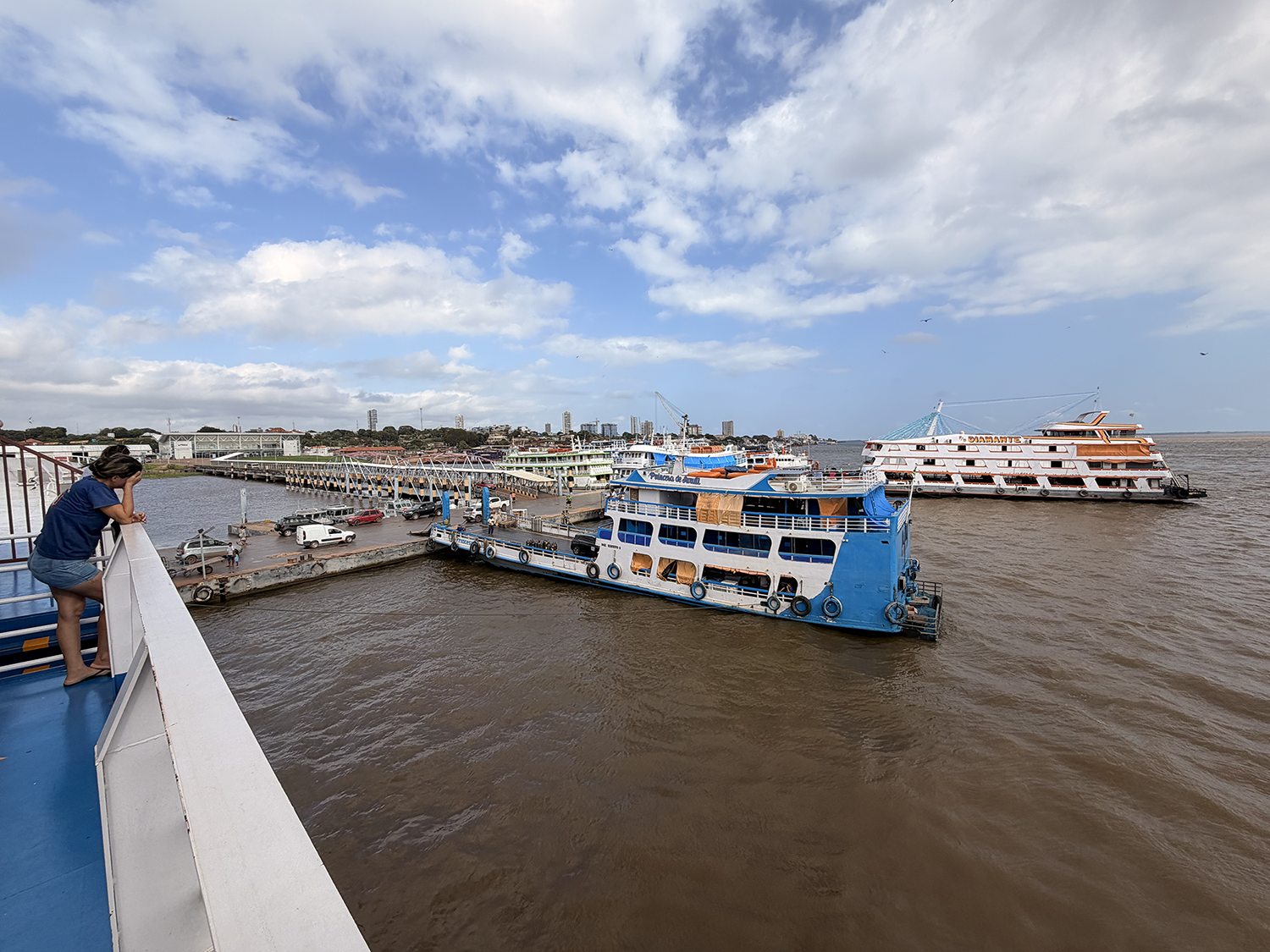
A word of caution. While nearly every vendor in Brazil accepts credit and debit cards, the machines often don’t work. And you should not rely on ATMs to get quick cash as many of them will refuse foreign cards or will have simply run out of cash to dispense. Have local currency on hand to buy your tickets just in case. You will need cash on most boats anyway to make purchases from the bars and snack shops, which are quite affordable at about US $3 for a beer.
Hot water doesn’t exist for most of this trip. Even if you’re staying in an upscale hotel in the major cities, you likely won’t get a hot shower. Just so you know.
Travel Time
We scheduled a generous six weeks to complete the crossing and, miraculously, hit that mark within a couple of days. Going upstream will definitely add days to your journey, and the boat departures change without warning. A boat scheduled to leave on Monday morning may not depart until late that same night. Or until Tuesday. And the schedule gets increasingly fluid the further up the river you go, so plan accordingly.
Accommodation on Slow Boats
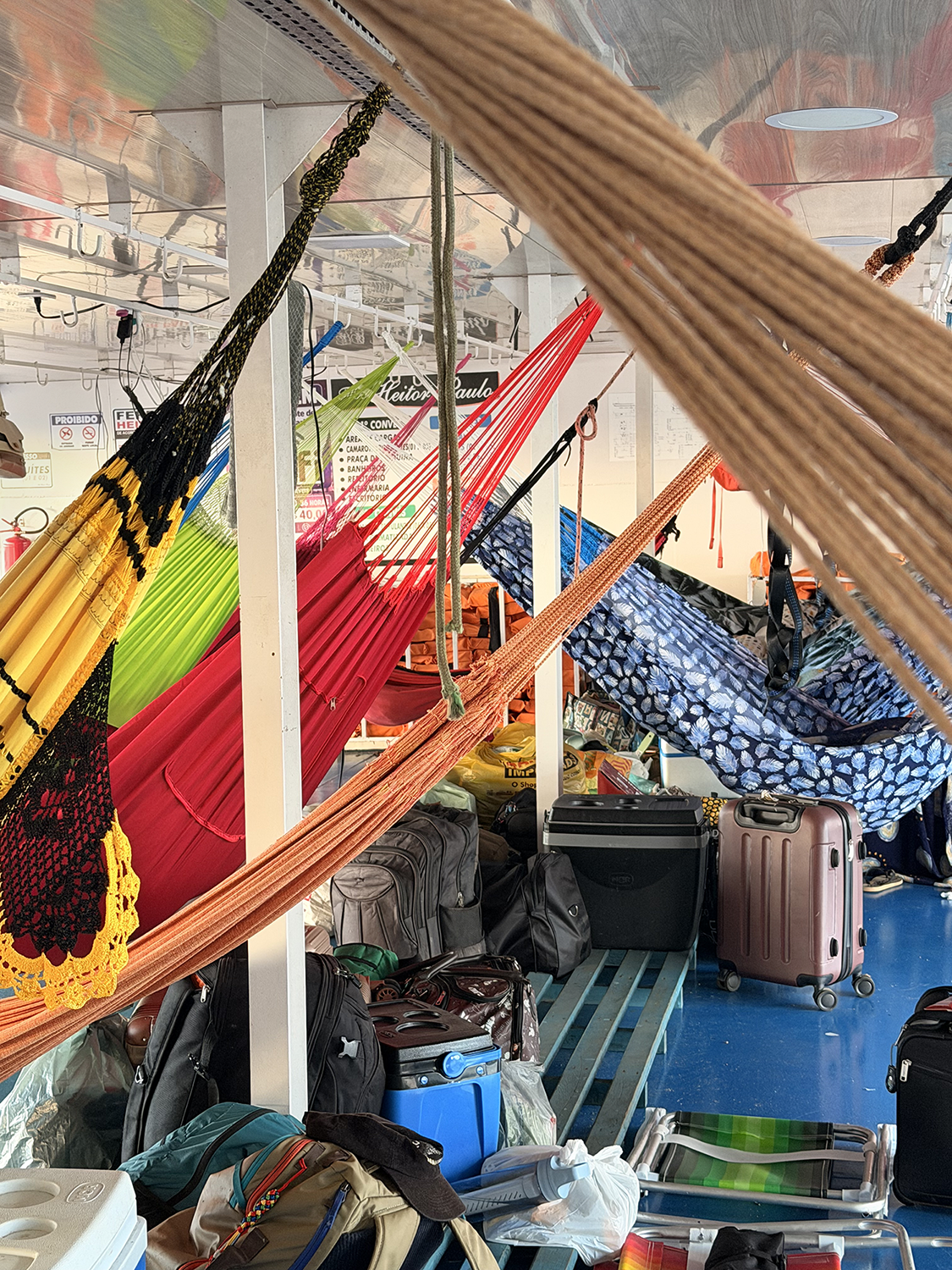
Almost all slow boats have two options for accommodation: a hammock space or an air-conditioned cabin. We wanted to experience both, so we opted for hammocks on the first two slow boats and stayed in a cabin for the next two.
Although every port and many boats sell affordable hammocks on the spot, we brought our own ultralight hammocks from home that included full-wrap mosquito nets. But it turns out that mosquitos weren’t a problem for us at all, even during July. The tiny black midges, however, were a menace for me as they were undeterred by nets, clothing, or insect repellant.
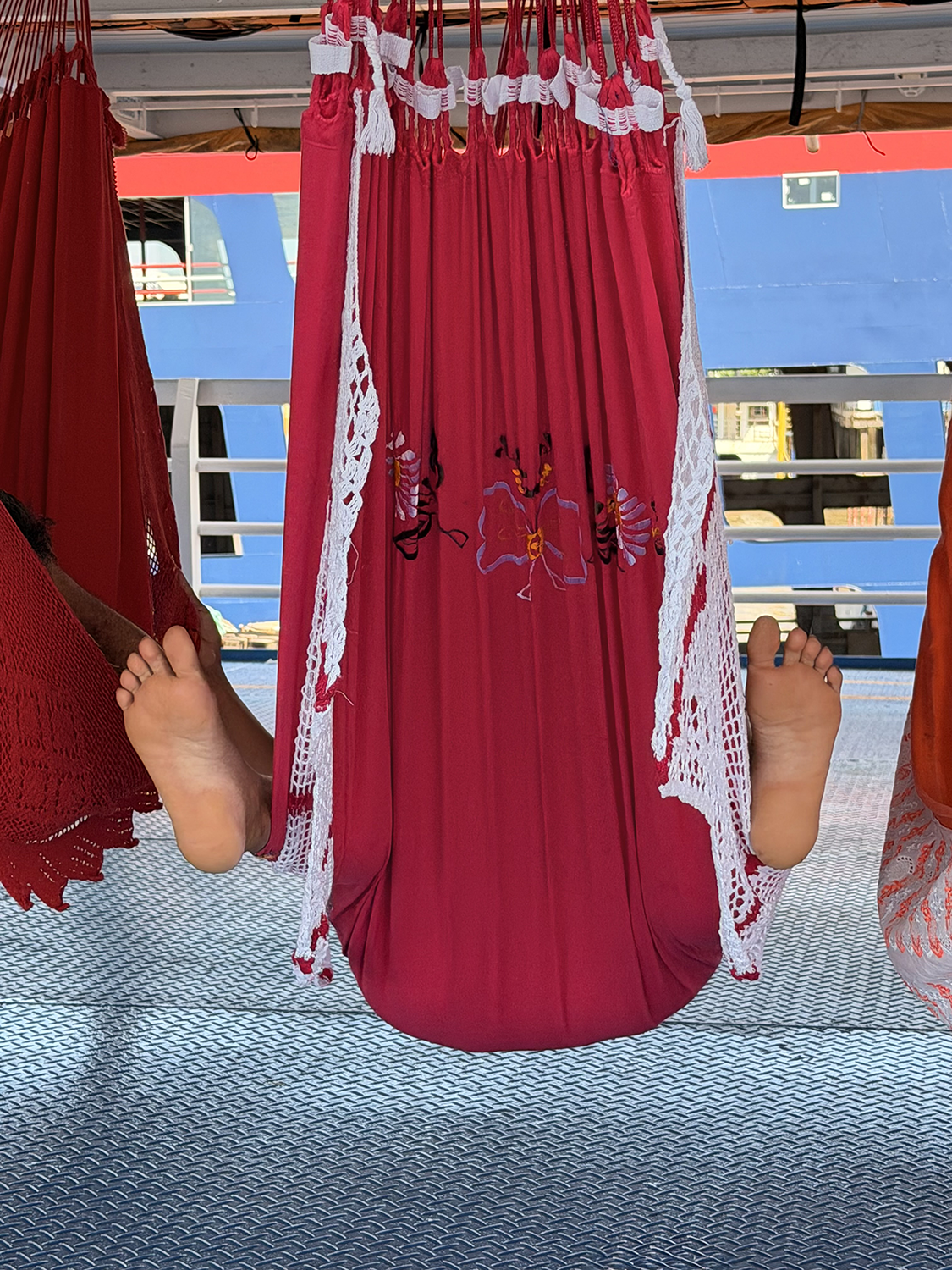
The hammock areas are very much a shared community. Although there are numbers posted on the mounting hooks designating what constitutes a hammock space, no one adheres to any rule that we could observe. The earlier you get on board, the better chance you have to claim a good location for your hammock. Somewhere toward the bow to cut down on engine exhaust and away from the walkways and bathrooms is preferable. Otherwise, people will accidentally bump into you as they move about throughout the night.
On many boats, there are at least two large hammock halls. One is typically enclosed on a lower deck, and the other is open on a higher deck. We did see one boat that had an air-conditioned hammock space, but we didn’t count on that. The enclosed hammock hall gets quite crowded and, without the AC running, can get stiflingly hot.
Ben and I opted for the open space on both legs where we used hammocks. Although the afternoon sun is brutal, there was almost always a pleasant cross breeze that made it tolerable. You will sweat for the first half of the night, but the second half can actually get chilly, so have socks and a light blanket at the ready.
Be aware that there aren’t many places to sit on most boats. If you’re in a hammock space, you’ll spend most of the day trying to sit comfortably in your hammock or on the few wooden benches provided. If you’re in a cabin, you’ll be sitting uncomfortably on the metal edge of the lower bunk. After the first leg, we added folding camp chairs to our supplies, and they made a world of difference.
Since the hammock halls are a shared accommodation, everyone will have their luggage and bags in the space as well, and the whole floor tends to become cluttered with stuff. Although we didn’t experience any nefariousness, other passengers warned us about the potential for theft, especially during the frequent stops at small villages along the way, saying that people would grab a bag and get off the boat before you could notice it was missing. We had a couple of thin cable ties and luggage locks to secure our things, but mostly we just stayed diligent and didn’t have a problem.
The cabin option solves most of these issues but creates a whole other set of concerns.
First, cabins come at a premium, costing considerably more than the hammock spaces. Sometimes as much as five times the price.
Second, while you typically do get air conditioning with a cabin, most are set to 22 degrees Celsius (71 degrees Fahrenheit) and don’t have a remote to change that. While this makes it quite comfortable at night, the AC can’t keep up with the heat of the day. And, without a breeze, this makes the cabin much like the hammock space: hot during the day, cool or cold at night.
Third, cabins often come with a private toilet and shower, but not always. Since this is one of the best potential amenities, ask the ticket agent during booking to be sure.
There will almost always be at least two meals per day with the possibility of three. Sometimes the meals are included in the cost of the ticket. Otherwise, you will need to pay around US $5 per service. And this is never really clear until you’re onboard, so have cash on hand. Also, meal times vary from boat to boat, and they don’t always announce when it’s served. When they run out of food, you run out of luck, so be sure to get in line as soon as you notice others going that way.
All meals will be served buffet style and typically consist of rice and/or noodles with beans and chicken or beef. Plates and cutlery are provided if you eat at the neighboring dining tables, but this space tends to be quite hot. Pro tip: bring a reusable bowl and plastic utensils on board with you so you can serve yourself a meal and take it back up to the higher decks for the breeze.
Accommodation on Fast Boats
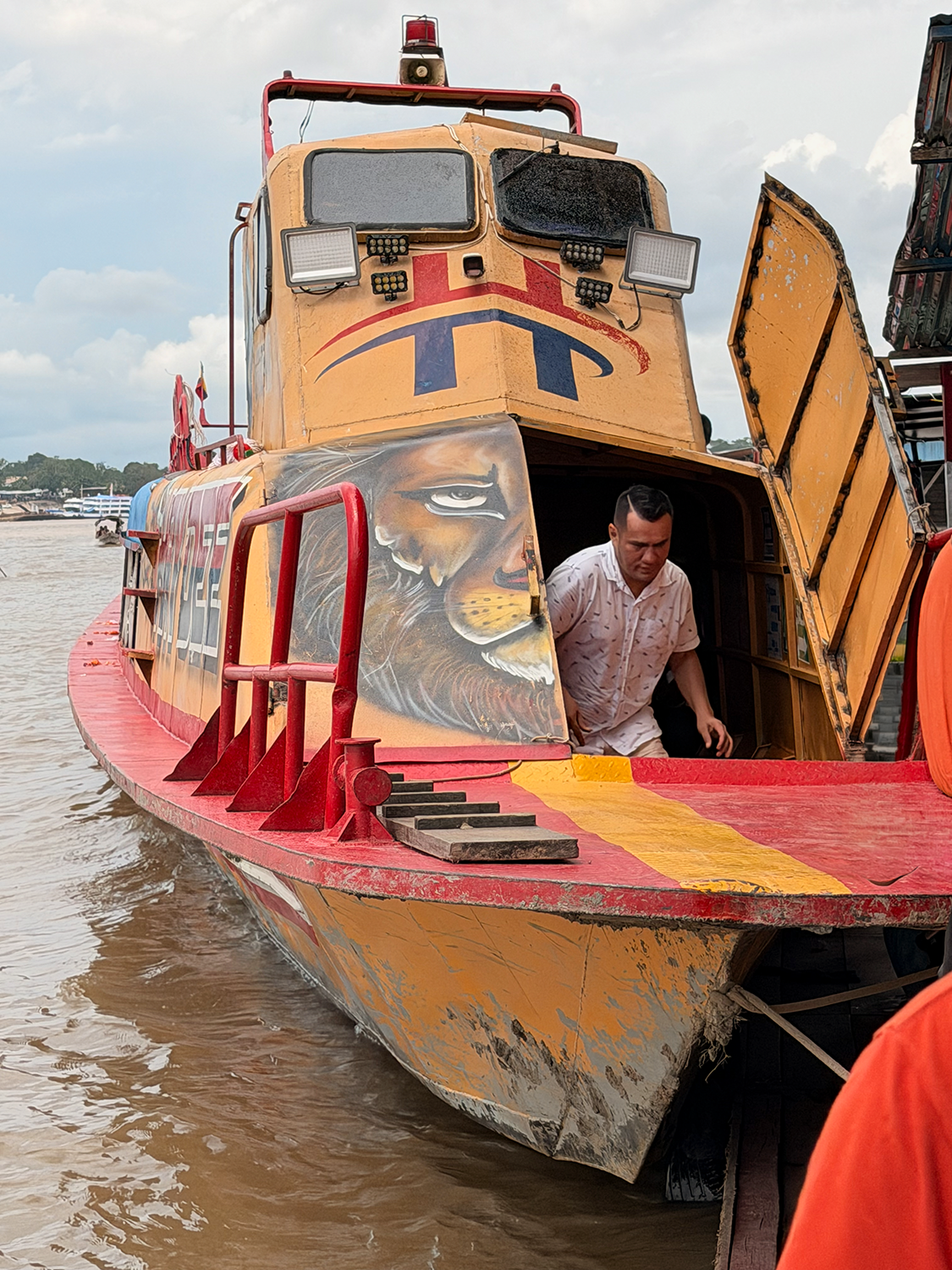
You get a seat, and that’s about it. Sometimes the seats are assigned and reserved; sometimes they are not. Sometimes they recline; sometimes they do not. Sometimes there is air conditioning; sometimes there is not.
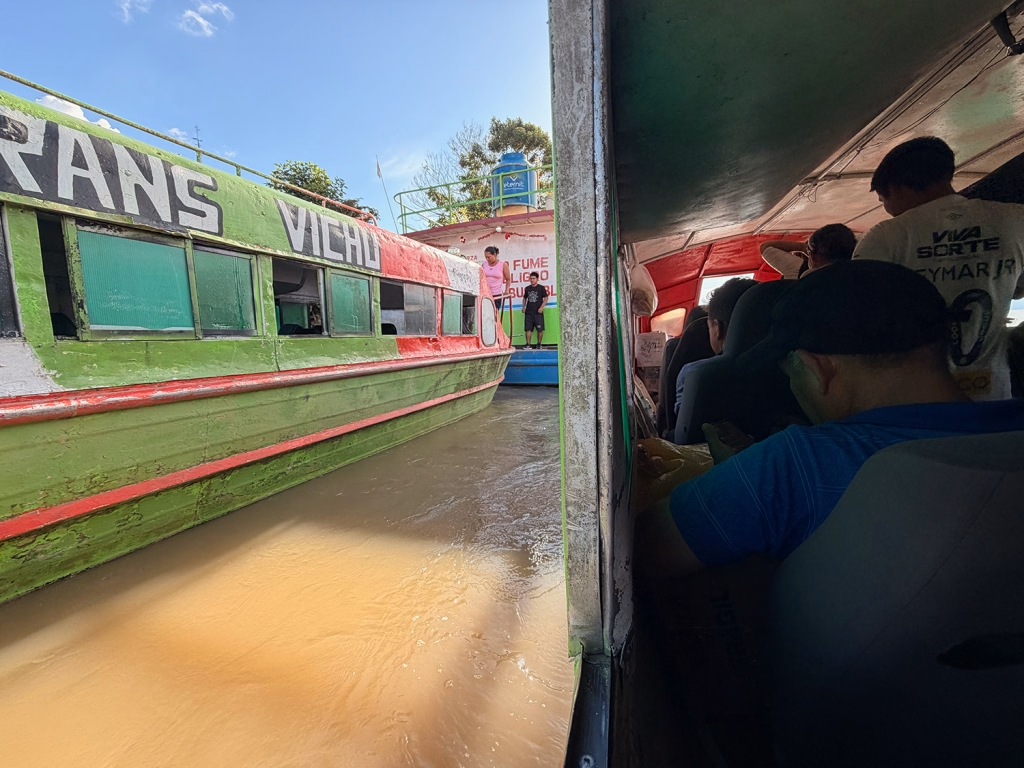
Your larger bags will either be stored on top of the boat (usually under a tarp) or in the back near the engines. Either way, they will likely get damp from the rain/humidity/spray, so be prepared for that. Smaller bags (think personal items/carry-ons for most airlines) will fit in overhead storage on the boat.
There is never a meal provided unless the boat captain is running behind schedule and decides to stop for the night. In that case, meals can be purchased in the village at local homestyle restaurants. On occasion, villagers will quickly board the fast boat at various stops and provide homemade snacks for purchase. Buy them. Seriously. Pe de moleque (peanut brittle), empanadas, and various fruits are the typical offerings. It’s some of the most delicious food I’ve ever experienced, and it’s critical for the local economies.
There is typically a single-stall toilet at the back of the boat, but there likely won’t be a sink and certainly won’t be a shower. You’ll be very glad you brought your own toilet paper.
Port Fees
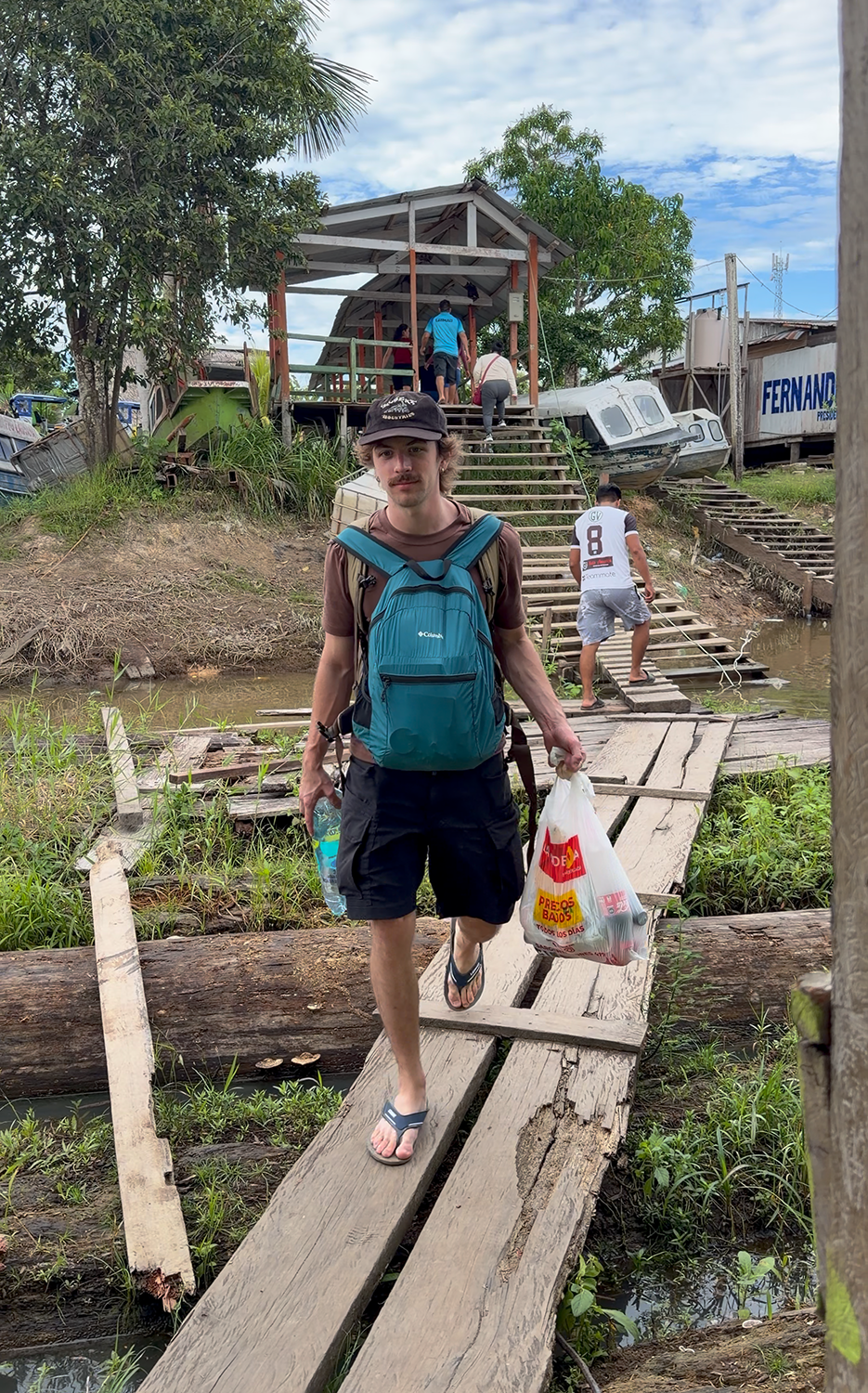
Although you may already have your ticket in hand, almost all ports in Brazil have an additional fee that isn’t included. The specific processes and prices differed in every major city, and there is no clear signage indicating where to go to pay this fee. But security won’t let you into the loading area until they see that you’ve paid it.
Look for signs that say “Agência de Passagens” or “taxa de embarque.” The cost is only about US $2 per person, but you can’t board without it.
Essential Items for All Boats and Shore Accommodations
Cash in local currency and plenty of it, as ATMs are rare on this journey
Drinking water or, better yet, a filtered water bottle
Snacks, and a plan to resupply yourself whenever you have a chance
A light blanket
A travel pillow
Ear plugs
Soap and other toiletries
Toilet paper
A portable, rechargeable fan, regardless of whether you’re in a hammock or a cabin
A well-sealed food bag, as the resident ant colonies will infest whatever they can find
Disclaimer
The following details of each leg are for the boats/villages/hotels/dates/directions/regulations of our trip during July and August of 2026. Things change often on this route and without warning, so do your own research and don’t hold me to blame if what I say here doesn’t match your experience. Peace!

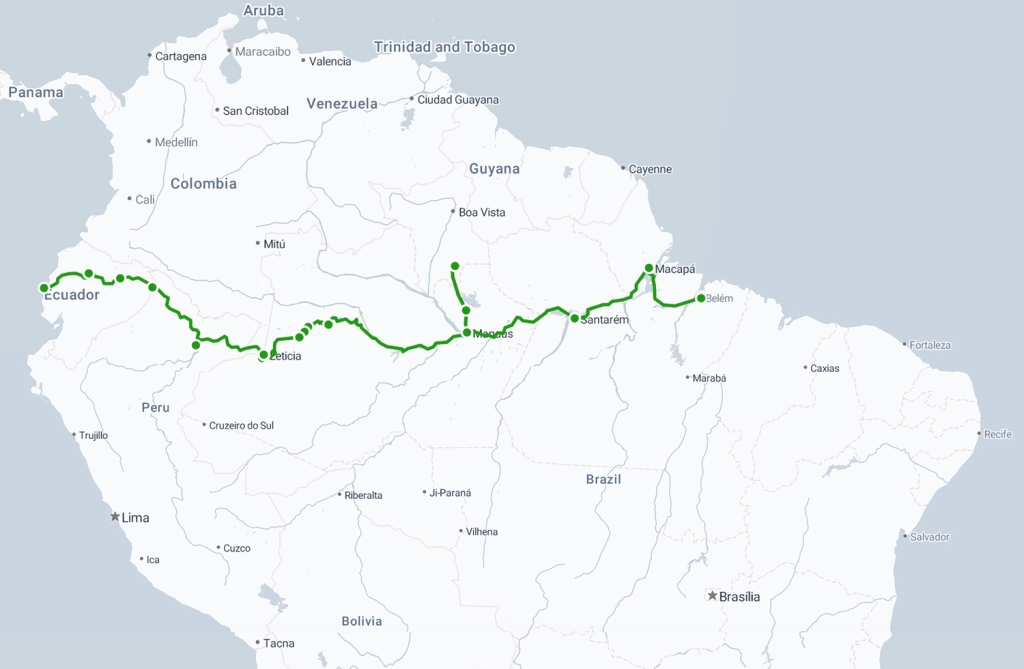
Our Journey, Complete with Each Travel Leg and Stop
- Belém (3 nights)
- Belém to Macapá (24 hours via slow boat: Ana Marques)
- Macapá (1 night)
- Macapá to Santarém (36 hours via slow boat: Heitor Paulo)
- Santarém (3 nights)
- Santarém to Manaus (56 hours via slow boat: Itaberaba I)
- Manaus (1 night)
- Side Quest to Presidente Figueiredo and the Equator (5 nights)
- Manaus to Tabatinga/Benjamin Constant (7 days via slow boat: Voyager V)
- Benjamin Constant to Tabatinga (About 45 minutes via fast boat)
- Tabatinga/Leticia/Santa Rosa Triborder (4 nights)
- Leticia to Santa Rosa (15 minutes via local water taxi)
- Santa Rosa to Iquitos (18 hours via fast boat: HAYDEE)
- Iquitos (6 nights)
- Iquitos to Cabo Pantoja with overnight in Santa Clotilde (total of 36 hours via fast boat: Trans Vichu)
- Iquitos to Indiana (45 minutes via fast water taxi)
- Indiana to Mazán (30 minutes via tuk-tuk)
- Mazán to Santa Clotilde (8 hours via fast boat: Trans Vichu)
- Santa Clotilde (12 hours overnight)
- Santa Clotilde to Cabo Pantoja (14 hours via fast boat: Trans Vichu)
- Cabo Pantoja (1 night)
- Cabo Pantoja to Nuevo Rocafuerte (2.5 hours via motorized canoe)
- Nuevo Rocafuerte (1 night)
- Nuevo Rocafuerte to Coca (aka Puerto Francisco de Orellana) (11 hours via public fast ferry: Pinta Brava)
- Coca (aka Puerto Francisco de Orellana) (1 night)
- Coca to Quito (9 hours via bus)
- Quito (1 night)
- Quito to Atacames (6 hours via rental car)
- Atacames (2 nights)
- Back to Quito and Departure (1 night)..
If you’d like to read the full account of each of the 25 steps the journey, including the detailed report, practical information and experiences behind every stage of this journey, you can find Michael and Ben’s complete guide on their website here: https://wemarriedadventure.com/2026/09/21/crossing-south-america-overland-via-the-amazon-and-napo-rivers/.