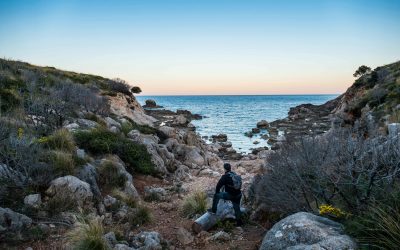
Slow travel is not about moving less – it’s about noticing more. The difference between passing through a city and actually being somewhere in it comes down to time, and the European cultural capitals that reward it most are the ones with enough depth that the surface takes two or three days to move through before anything underneath becomes visible.
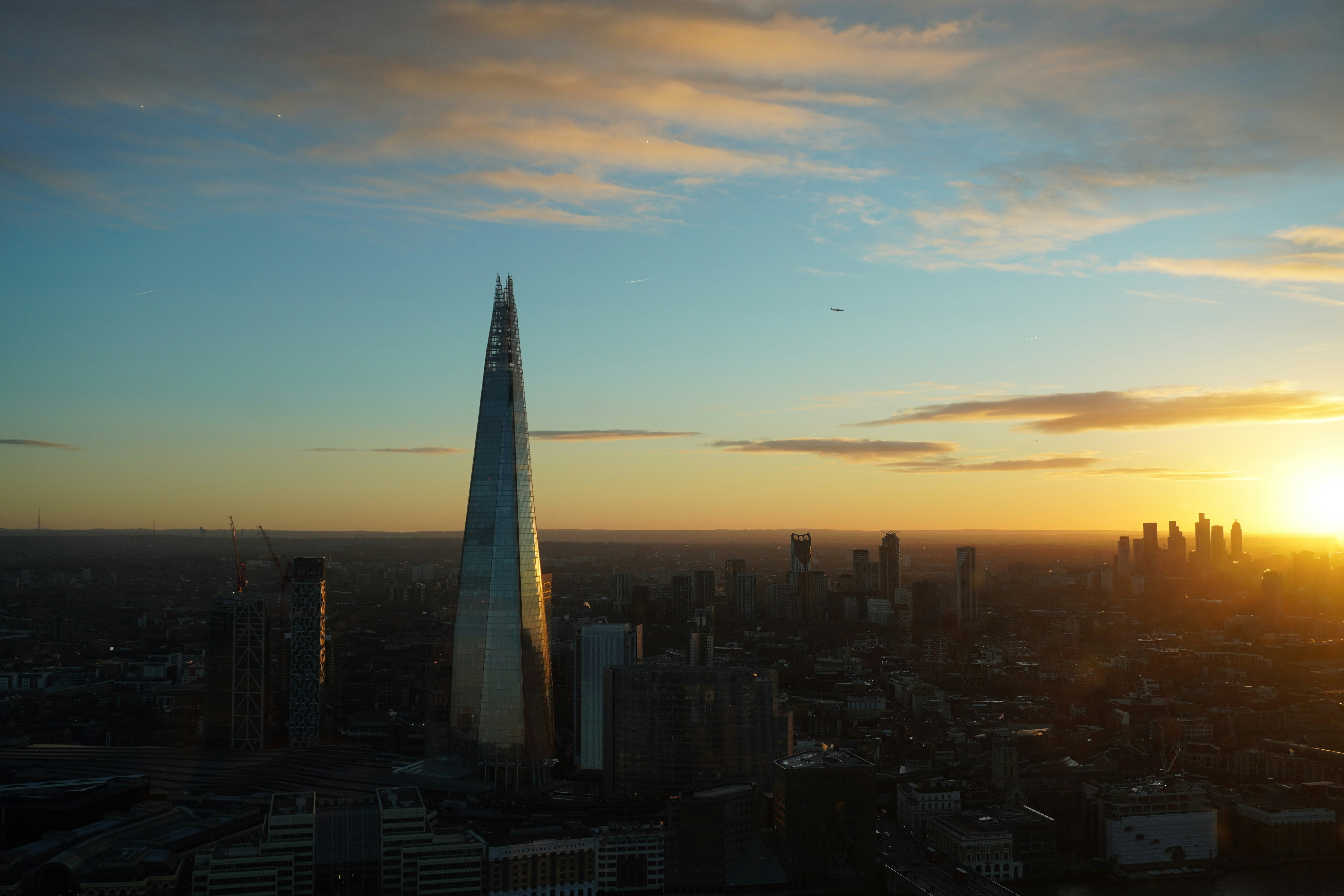

London: Layers Beneath the Landmark
London resists the slow travel approach more than most European capitals, partly because it is very large and partly because its reputation for not being pedestrian-friendly undersells what the city is actually like at ground level.
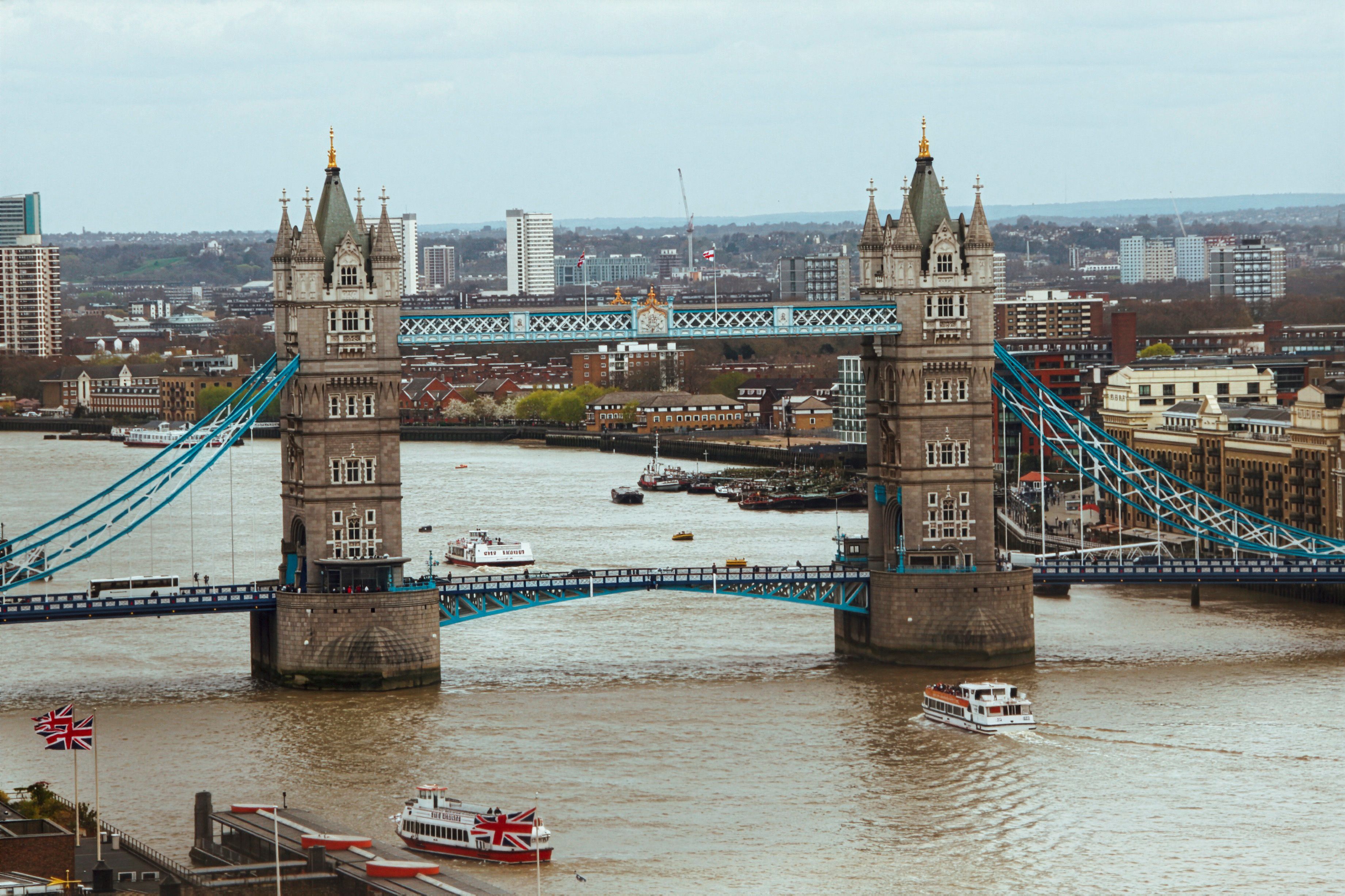
Walking between Southwark and Shoreditch along the south bank of the Thames and then crossing east at Tower Bridge covers around five miles and passes through five distinct urban characters.
The cultural institutions of Bankside, the food market at Borough, the medieval lanes of the City of London, the riverfront developments of Wapping, and the gentrified warehouses of Bermondsey – in a sequence that tells you more about how London accumulated itself than any museum dedicated to the subject.
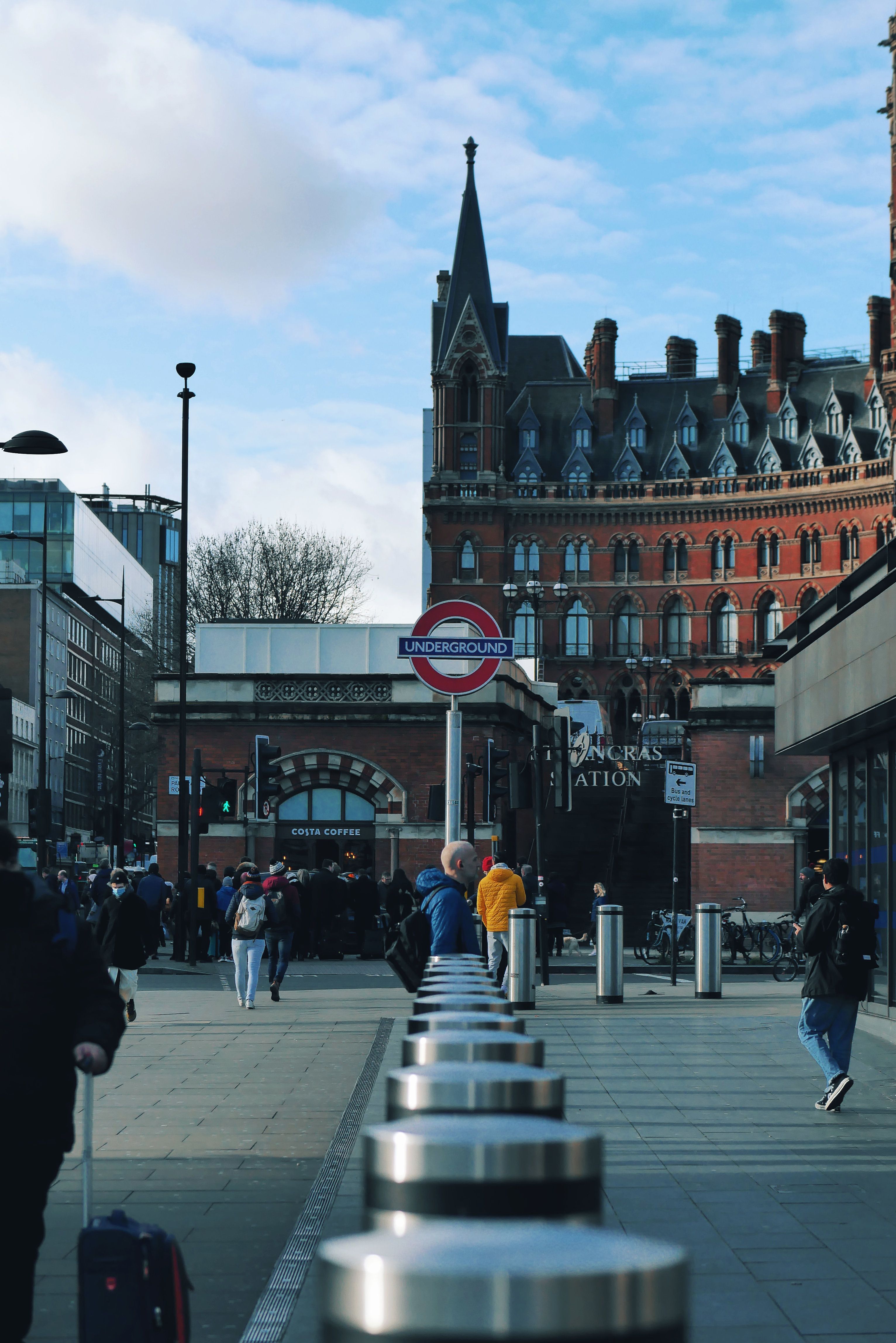
The London to Paris connection by Eurostar remains the most civilised way to move between the two cities – three hours from St Pancras to Gare du Nord, city centre to city centre, with the tunnel crossing and the approach through Kent giving a ground-level impression of the English countryside that the air route eliminates entirely.
For slow travellers, the Eurostar is the natural spine of a western European itinerary: it connects to the high-speed network at Brussels and Paris, which in turn connects to Amsterdam, Cologne, Lyon, Marseille, and the rest of the continent.
The station at St Pancras – the restored Victorian shed above the Eurostar platforms, with the Midland Grand Hotel facade rising behind it – is one of the better arguments for arriving somewhere by train rather than by air.
Paris: The Art of Staying Put
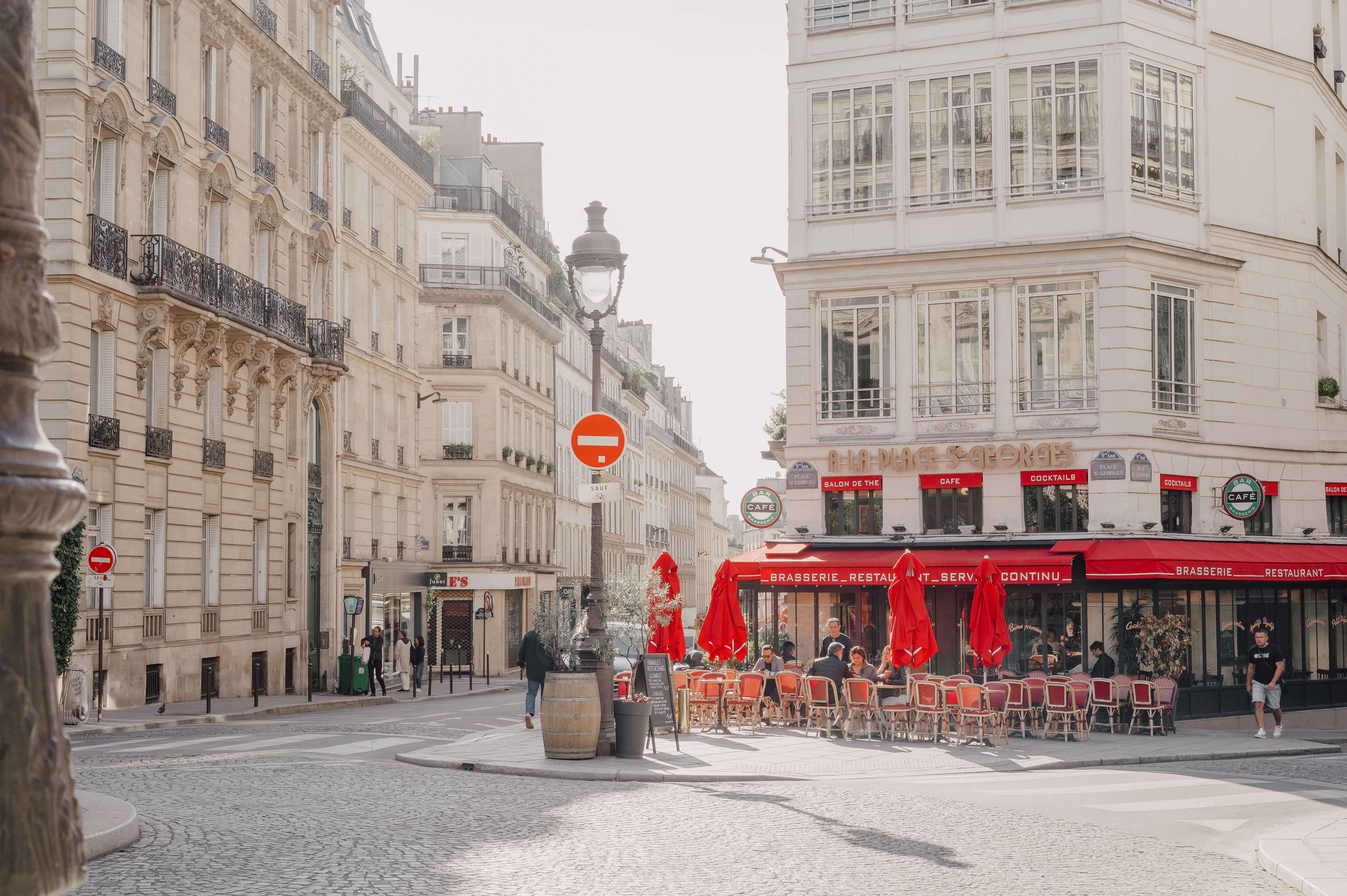
Paris rewards a different rhythm from London – smaller in area, denser in what each arrondissement contains, and better organised around the experience of sitting somewhere and watching the city rather than covering ground. The café culture that Parisians treat as ordinary is, for visitors from cities without it, a form of urban permission: to occupy a table for two hours over a single coffee, watching the street, is not considered eccentric.
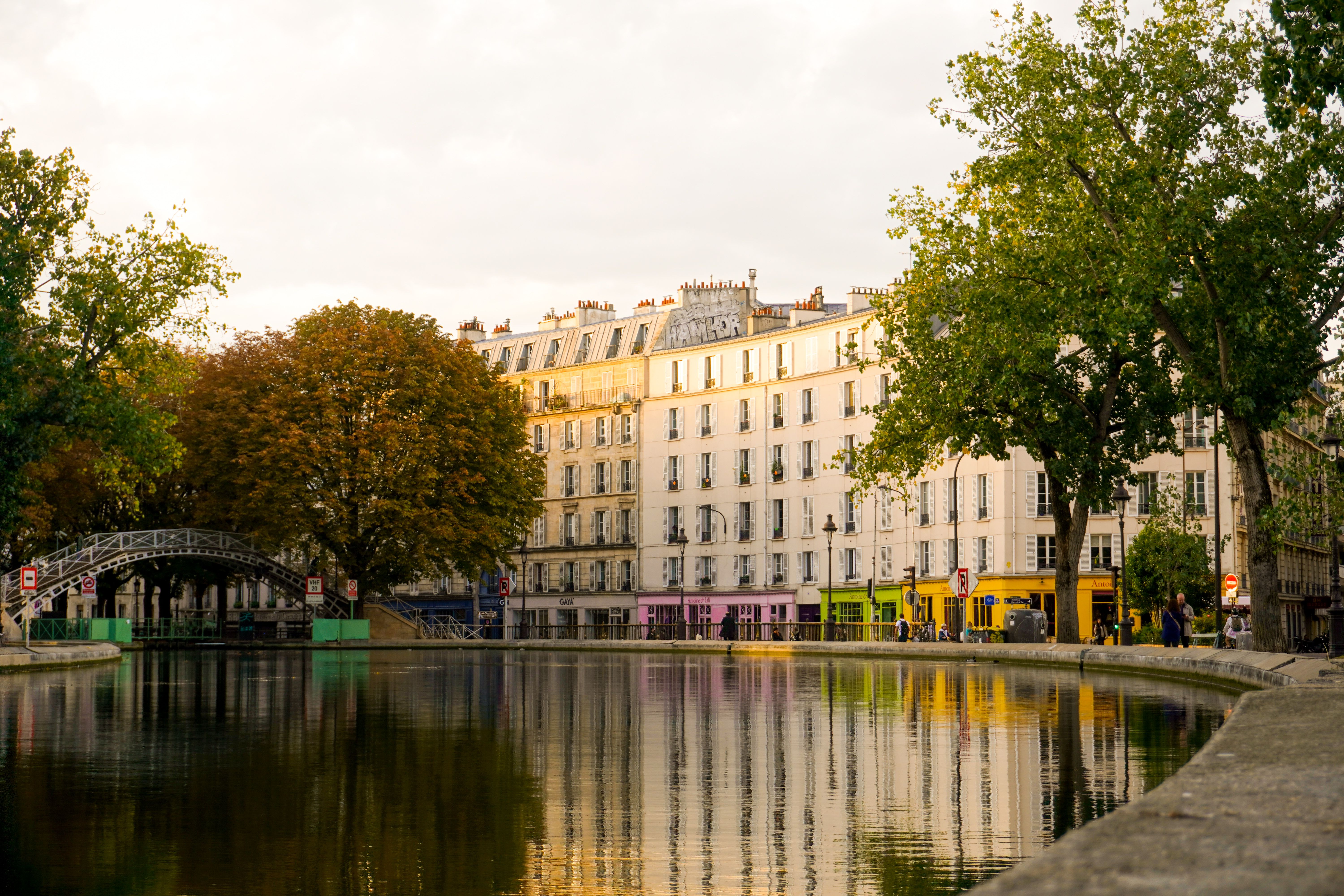
That permission is worth using deliberately. The best slow-travel approach to Paris picks a neighbourhood – the Marais, Belleville, the 11th arrondissement around Oberkampf, the Canal Saint-Martin area – and spends two full days in it before moving to another.
The Amsterdam to Paris Thalys train takes around three hours and twenty minutes and connects two of the most walkable cities in Europe in a journey that passes through the flat Belgian countryside and the industrial north of France.
Amsterdam’s arrival at Gare du Nord places you immediately in the 10th arrondissement, one of the most demographically mixed and culinarily interesting parts of the city, and the temptation to go immediately to the centre should be resisted for at least one evening.
The Canal Saint-Martin neighbourhood running north from the République is where the slow-travel approach to Paris begins naturally – the canal-side cafés, the independent bookshops, and the market at the top of the Richard-Lenoir boulevard give a version of the city that the tourist circuit of the Eiffel Tower and the Louvre doesn’t offer.
Amsterdam: Water and Light at Pace
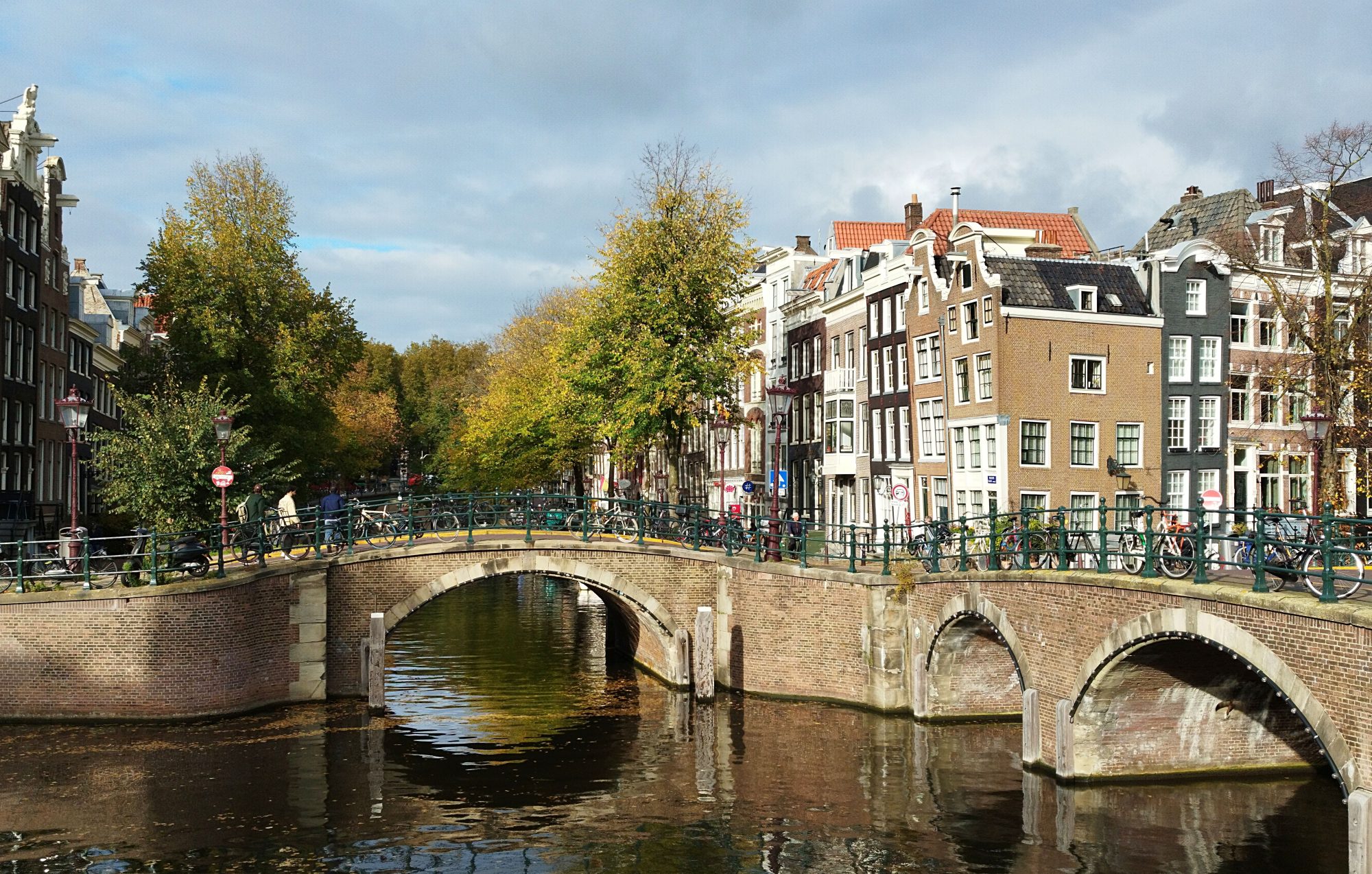
Amsterdam’s slow-travel case is built on its geography. The canal ring – four concentric waterways built in the 17th century that give the city its characteristic shape – creates a series of neighbourhoods that are internally walkable and connected to each other by bridges and ferries in a way that makes moving between them feel continuous rather than transited.
The Jordaan west of the Prinsengracht is the neighbourhood most associated with the city’s quality of life: the Saturday Noordermarkt with its organic produce and secondhand book stalls, the smaller galleries and art spaces in the streets around the Bloemgracht, and the quality of light on the canal water in the late afternoon that has been attracting painters since the 17th century.
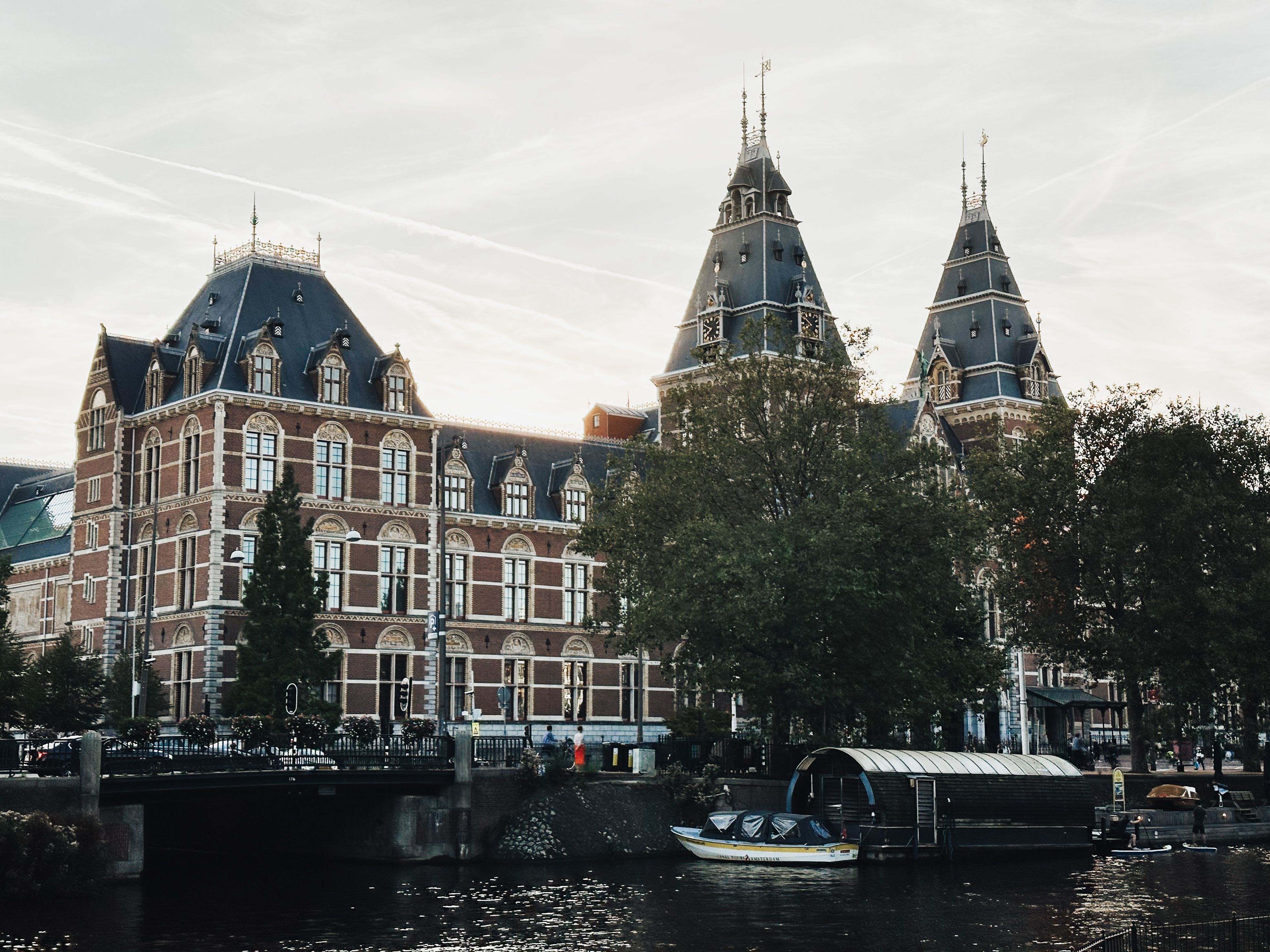
The Museumplein in the south of the city concentrates the Rijksmuseum, the Van Gogh Museum, and the Stedelijk Museum within a few hundred metres of each other – a density of first-rank collections that makes the area worth a full day.
The slow-travel approach to the Rijksmuseum is to resist the impulse to cover all 80 galleries and instead to spend two hours in the rooms covering the Dutch Golden Age, particularly the Vermeer room and the Night Watch hall. Both deserve more sustained attention than the flow of most museum visits allows.
Prague: The City That Rewards Walking Back
Prague’s advantage for slow travel is its compactness and its survival – the medieval street plan of the Old Town and the Baroque fabric of Malá Strana are intact enough that walking through them without an itinerary produces discoveries that a structured tour would miss.
The passages (průchody) that cut through the city blocks in the Old Town – covered arcades connecting streets through courtyards and galleries – are the specific version of this: known to residents, invisible on most tourist maps, and full of the kind of small businesses (cobblers, picture framers, locksmiths) that the main streets have pushed out.
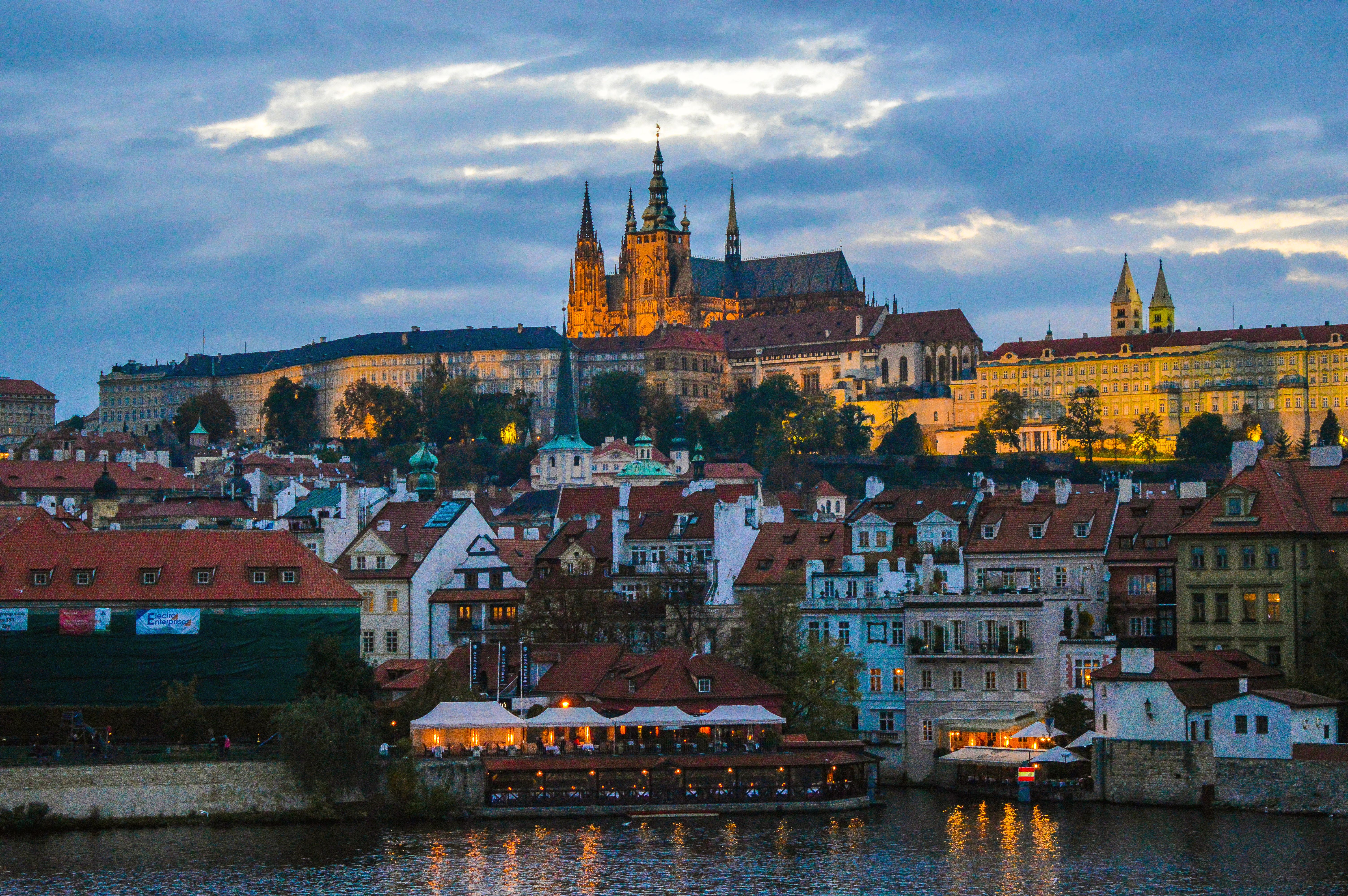
The Vltava in Prague functions differently from the Seine in Paris or the Thames in London – it is quieter, less commercially developed along its banks, and the islands in the river (particularly Střelecký Island and Císařský Island to the north) give access to stretches of water that feel genuinely removed from the city around them.
The slow-travel rhythm in Prague works well with mornings at the castle or the Old Town before the crowds arrive, midday in a neighbourhood away from the centre (Žižkov to the east, Vinohrady to the south), and evenings in the wine bars and jazz clubs of Malá Strana and the New Town.
Vienna: Coffee, Concerts, and the Long Afternoon
Vienna is the European capital most explicitly designed for the kind of time-rich engagement that slow travel requires. The coffee house tradition – the Kaffeehaus as a room of one’s own, available for an afternoon with a single order – structures the day in a way that makes extended stays feel purposeful rather than indulgent.
The cultural calendar gives the evenings shape: the Vienna Philharmonic, the Staatsoper, the Musikverein, and the Konzerthaus between them offer performances almost every evening of the year, and standing room tickets for the Staatsoper are available on the night for a fraction of the seat prices.
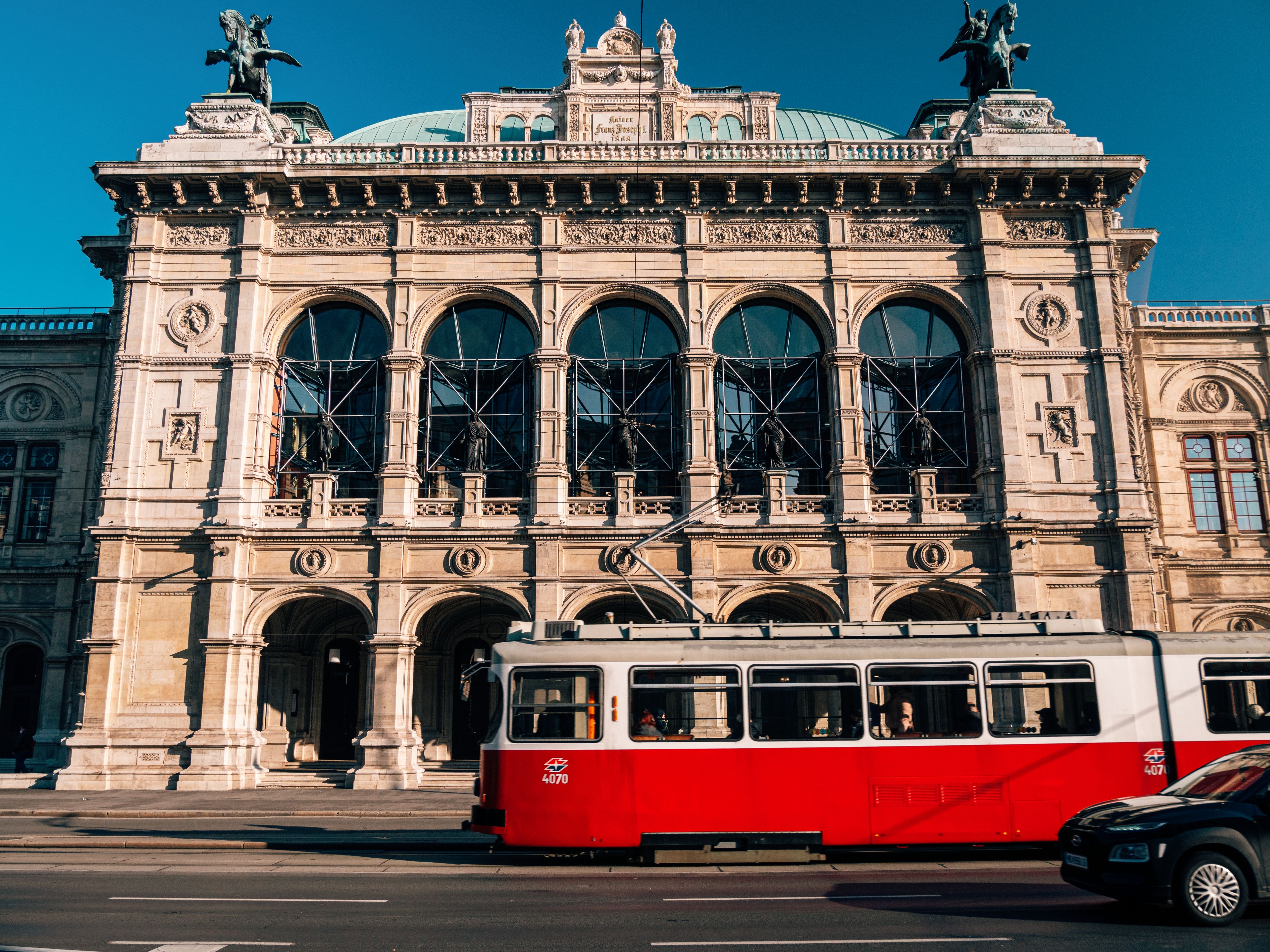
The city’s museums are exceptional and numerous enough that a week of slow travel could be organised entirely around them – the Kunsthistorisches, the Belvedere, the Leopold Museum (Schiele and Klimt), the Albertina (graphic arts), the Wien Museum (city history), and the technical and natural history collections in the Museumsquartier complex. The slow approach is to choose two or three and give each a full morning rather than attempting all of them in a competitive sprint through the city.
Conclusion
Europe’s cultural capitals reward slow travel in proportion to the time you’re willing to give them. London and Amsterdam repay the commitment most at the neighbourhood level; Paris and Vienna operate best when you let the pace of each district set your own rather than imposing a schedule from outside.
Prague rewards the visitor who returns to the same place twice and finds it different each time. All five cities have one thing in common: the most interesting version of each is the one that takes more than three days to access.