What does it take to see 150 countries — resilience, courage, or maybe just an unstoppable sense of curiosity? For Davide Cirelli, it’s all of the above, plus something most travellers could never imagine: a serious heart condition that should have limited his steps but instead fueled his determination.
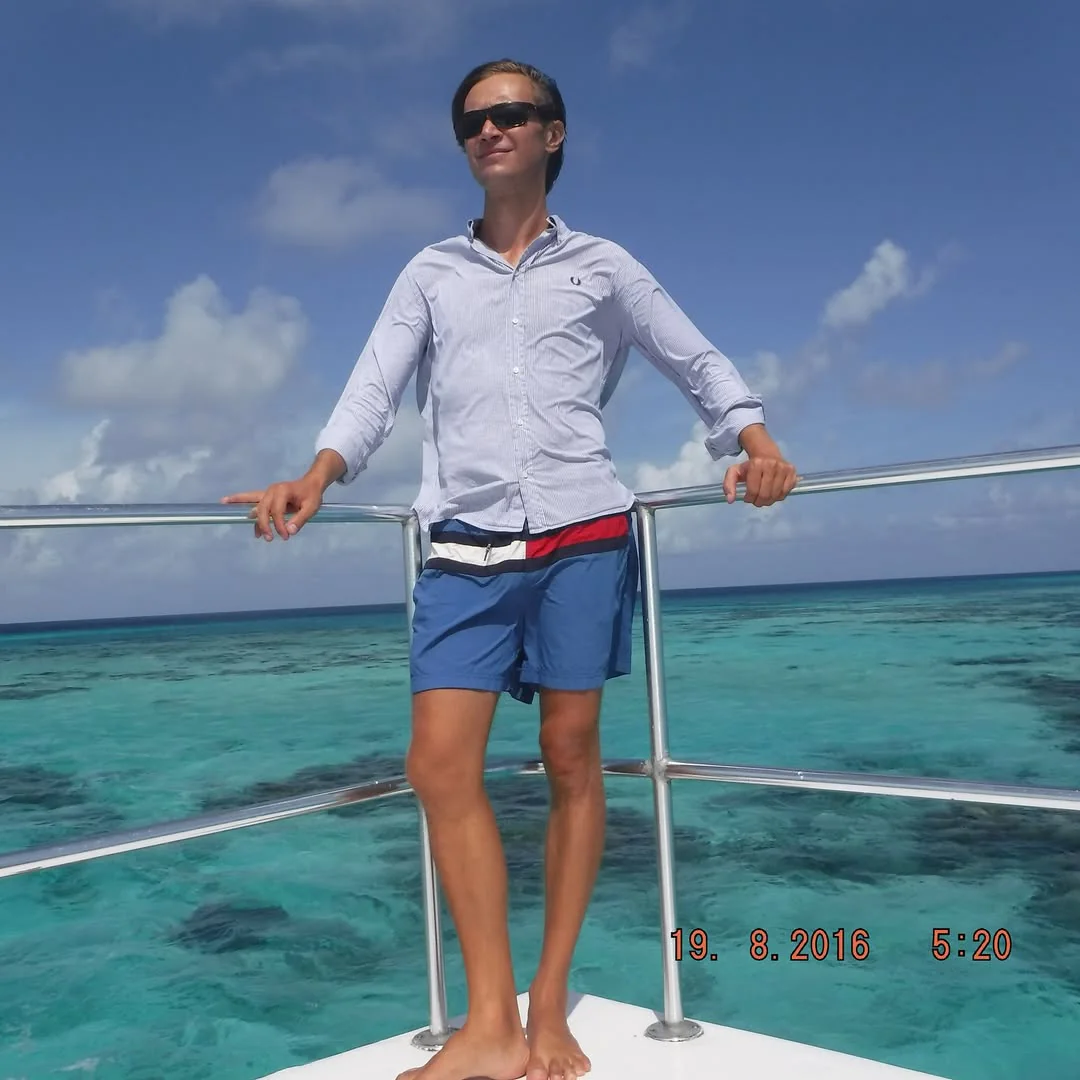
From the Erasmus program that first sparked his wanderlust, to navigating panic attacks at foreign hospitals, to creating the inspiring project #HalfHeartFullWorld, Davide’s story is not just about ticking countries off a list. It’s about rewriting what’s possible when passion collides with perseverance.
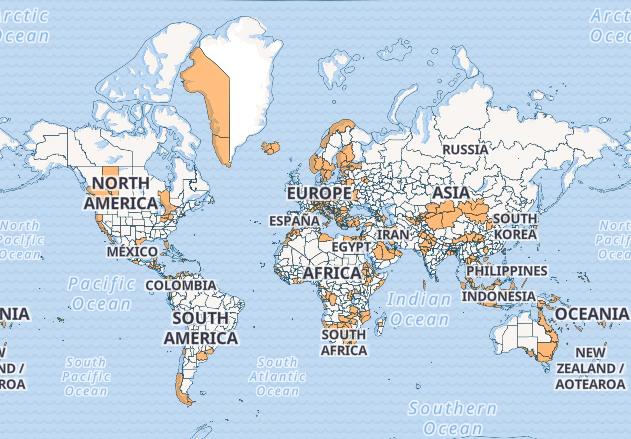
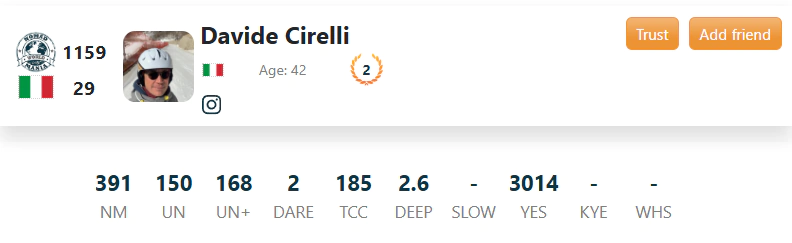
Davide, you’ve reached an incredible 150 countries. Can you take us back to the very beginning of your upbringing and what the spark was that made you fall in love with travel?
I actually started travelling very late in my life because for the first uh I would say nineteen twenty years I was busy trying to let’s say survive so I guess my travelling dates back to when I was at university and it started with the Erasmus program in Sweden where I lived for about a year. From there I never made it back living in my home country so I guess the Sparke has been definitely the Erasmus project which is something that has completely changed my life forever.
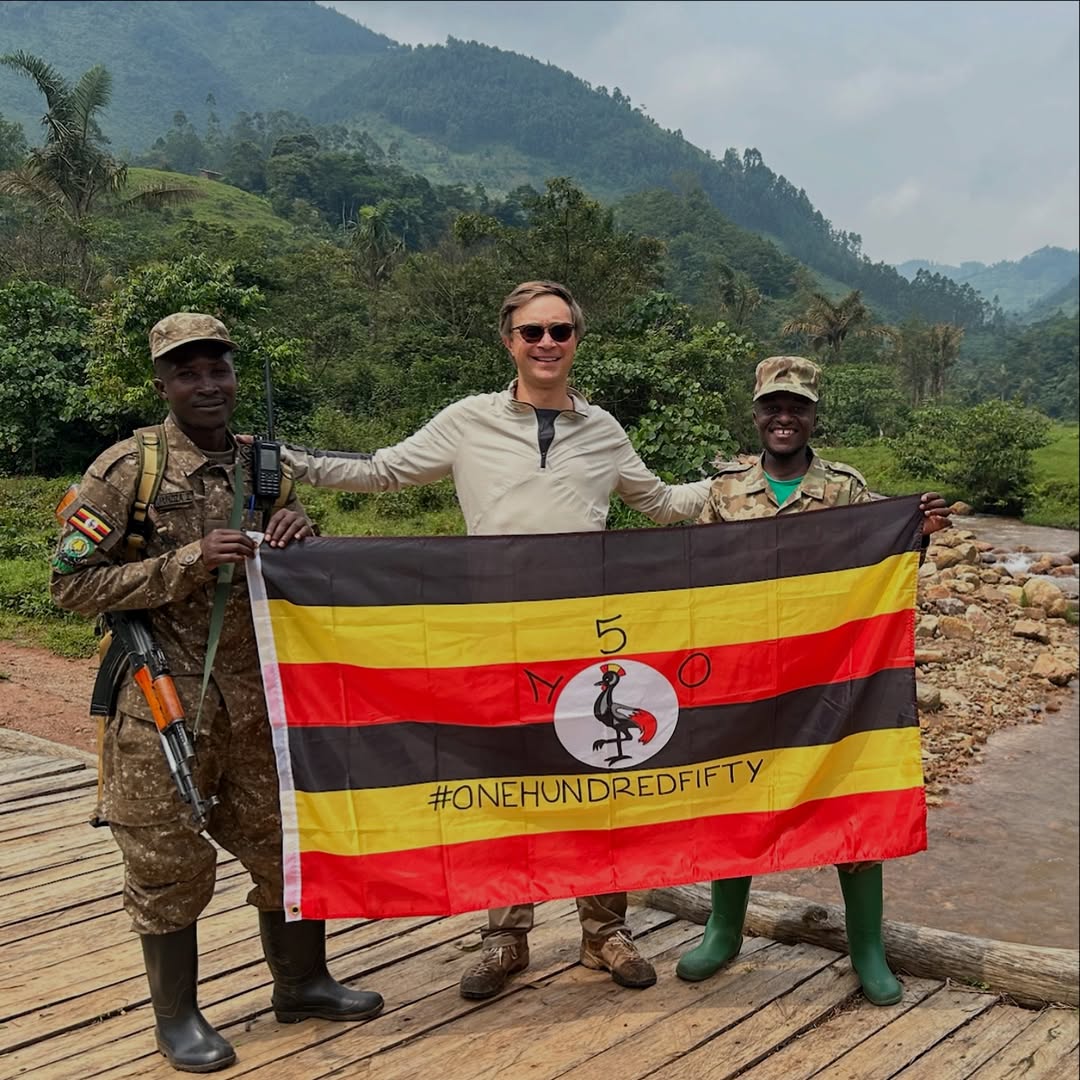
You’ve seen the world through a unique lens — both as an adventurer and someone living with a serious heart condition. How does that dual perspective make your travels richer?
Well the fact of having a serious heart condition is something that has always been pushing me to do more. My million dollar question would have always been whether I would have done the same if I didn’t have a heart condition or not. Frankly speaking the answer might be no as I think that my condition was something that has been pushing me to do more and more about work, about study and definitely about travelling. So I would say my heart condition been the engine behind me visiting up to 150 countries which is something that would have never imagined I could do in my life.
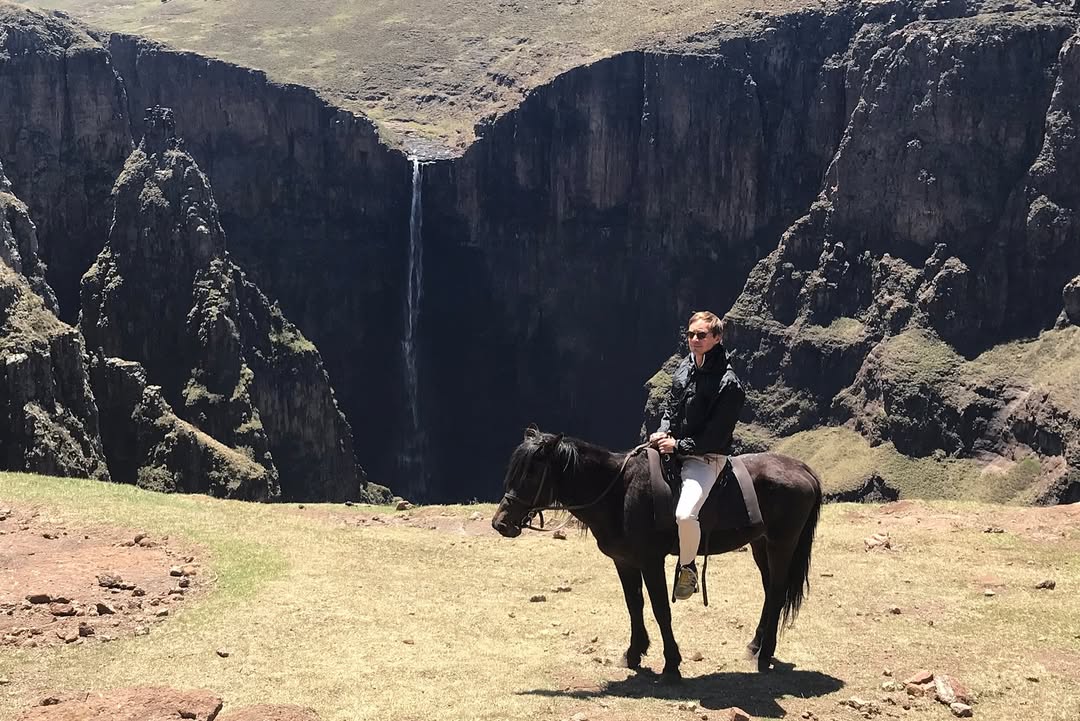
Your travels span 150 countries, many of which are not known for accessibility. Can you share some of the most challenging moments you’ve faced as a disabled traveller — and how you overcame them?
First of all let me be very clear about the fact that there are different types of disabilities. Some disabilities would make what I have done completely impossible to replicate. In a sense I was lucky that my disability which by no surprise it’s called invisible disability because from the outside I look normal but then from the inside my heart is sort of like divided in two or with a single ventricle. So I was actually lucky enough that my condition has been allowing me to travel even though I’ve always had to be like a million times more careful than other people. I have had so many challenging moments from panic attacks to doctors that whenever they see my ECG of my heart they panic and want to immediately admit me in a hospital. You overcame these moments with rationality, peace of mind and sometime with the remote support of your home doctor.
Travel isn’t always easy — have you ever faced a challenge that turned into one of your most unforgettable travel stories?
My first trip across the Atlantic Ocean took place when I was 18 at the end of college with a group of friends from Italy. We landed in Boston and crossed the US all the way to California. One night we decided to cross over to Tijuana mexico to finally be able to drink some beers and spend a few hours in a new country. In less than an hour our experience turned out to be a nightmare as the bouncers of a club asked for our passports to check our age and ultimately threatened us not to give them back. We had to give them everything, money, cameras, belts, watches, even shoes to get our passports back! We immediately rushed back to the US border in the middle of the night, under shock, barefoot and begging the immigration officers to “let us go to America” with a thick Italian (Spanish sounding like) accent which didn’t make things easier given that we were coming from mexico… 🙂 One of my best travel memories ever!
Your journey has a unique mix of medical reality and adventure. How do you balance the need to monitor your health with your determination to keep exploring?
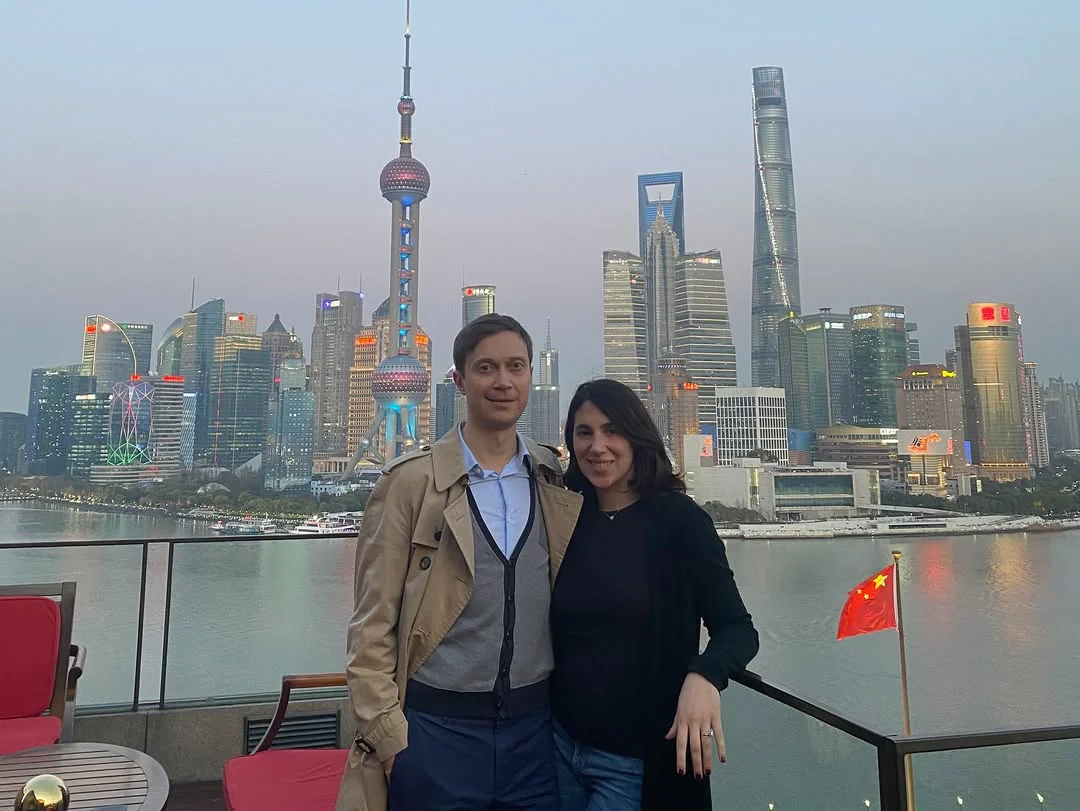
That’s a good question well first of all I’m not just travelling I mean I’ve been living abroad for the past more than 20 years. I’ve spent more than half of my life living abroad so the question is different as when I’m travelling I can do my medical examinations and blood test before and after when I go back home (wherever home is) While if I’m living abroad say for instance in China particularly during Covid, it is not possible to to fly back in case of problems so clearly you need to be 100 percent sure that before you move anywhere you already have a set of doctors which understand what your problem is what your pathology is what your condition is and that they’re basically able to treat it in case of problems. You need to get all the documentation prepared in advance send it to them in their language so they can understand what you’re saying and they need to be 100% aware of what your problems are so that once you go there and live in the country if you have a problem you always have someone that can take care of you. In those unlucky situations you have no time to google what is the best heart doctor with knowledge of your specific condition.

What inspired you to create the #HalfHeartFullWorld project, and what do you hope people with disabilities will take away from it?
Well the inspiration came from having many people surprised when I told them that I had already visited 150 countries. And that’s even before I told them that I have a severe disability: they were already quite shocked by the fact that I was able to visit more than ¾ of the world’s countries. When they hear about the condition, it is even more surprising and they encouraged me to tell people to get inspired. I simply want to tell my stories and hopefully some other people which are afraid of travelling might find the courage to do what I did or at least to step out of their zone of comfort zone.
Your “Half Heart, Full World” project is inspiring, but it’s also about practical encouragement. How do you think it benefits not just disabled travellers, but travellers in general and how does NomadMania play into that?
The way I like to think about my project is that if you are disabled, this could work as an inspiration to try to push you beyond your limit. Obviously in a very conscious way as I don’t want to push anyone into danger or anything like that: simply you need to be aware of your condition you need to know what your limits are and you need to push yourself to the limit. While if you are not disabled, you can think about someone like us and this leave you with no excuse to just travel the world. If you have no physical condition and if you can obviously afford it from an economic and family standpoint you have no excuse not to see our beautiful world!
You’ve crossed borders in some of the most remote corners of the world. Which destinations have left the deepest mark on you — and why?
The answer to this question depends on whether I’m visiting a country or whether I’m living in a country because the perspective you get is completely different. I didn’t like India as a traveller because it’s messy it’s complicated and so on but if you ask me which is the best place in which you have ever lived, I would definitely say India.
From all the places you’ve been, which country surprised you the most compared to what you expected?
One above all Iran. Iran has been the biggest surprise of my life. The first time I have been there I think at least 20 years ago, I was worried about the political situation, the regime, the strict rules and everything else. Instead it turned out to be one of the most spectacular places that I’ve ever seen in my life: best food ever and the people were just phenomenal. It’s a must go for any decent traveler.
What’s the most unexpectedly heartwarming encounter you’ve had with locals during your journeys?
An heartwarming encounter can refer to both humans or animals. in terms of humans I would say some villages in China really made me feel what it means to be helped by people that don’t know you, that have absolutely no idea where you come from, that they don’t understand why you are there as there is no mean of communication whatsoever. And yet they will try their very best to help you in any way they can. This to be honest happened back in 2006 when I was in China during my university time and I travelled to the countryside. When it comes to animals the most heartwarming encounter I’ve ever had in my life was with mountain gorillas in Uganda and Rwanda. That has been beyond real to me: it is like seeing ourselves into a mirror that was projecting us back in time when we were yet to evolve from primates into humans.
NomadMania celebrates extreme travellers like you. How has being part of the NomadMania community influenced your journey, your network, or your visibility as a disabled traveller?
Nomadmania is actually one of the best sources of reliable and trustworthy information about possibly any country in the world. if you decide to travel to a place where you’ve never been to and you’re lucky enough of being part of this community, you basically look around you in the website, ask people, read blogs and get all the information you want about pretty much any place in the world. What I would like to do in the future is to sort of like be able to provide more information for disabled travellers: what to do, how to travel, how to avoid most of the troubles et cetera et cetera. Also provide some sort of ranking of which are the least visited countries where it’s easier for a disabled traveller to go and which ones are the ones that are complete nightmare.
Many travellers have a ‘soul country’ — a place that instantly feels like home. If you had to choose just one country to live in forever, which would it be and why?
Well I like Europe I really do feel at home in Europe and it’s like a beautiful country made of several different regions in which people speak different languages have different food but share the same values so I guess one day I’d like to come back and live somewhere in Europe again. Whether it is in in Italy in my own country whether it is somewhere in Scandinavia or in the Nordics, whether it is going back to Paris or I don’t know maybe somewhere in Spain or Portugal or even Eastern Europe. I don’t know where as it doesn’t matter to me, I really do feel at home in Europe and that’s the place where I would like to to come back to at some point.
And finally, our signature question: if you could invite any four people — from any period in human history, alive or dead, even fictional characters — to an imaginary dinner, who would you invite and why?
I love this question, actually it would probably say Marco Polo, Ferdinandos Maghallanes, Christopher columbus and David Livingstone. Yes this is probably a good list of people that I would invite over for for dinner and I’ll let you guess why I picked these four! 😊