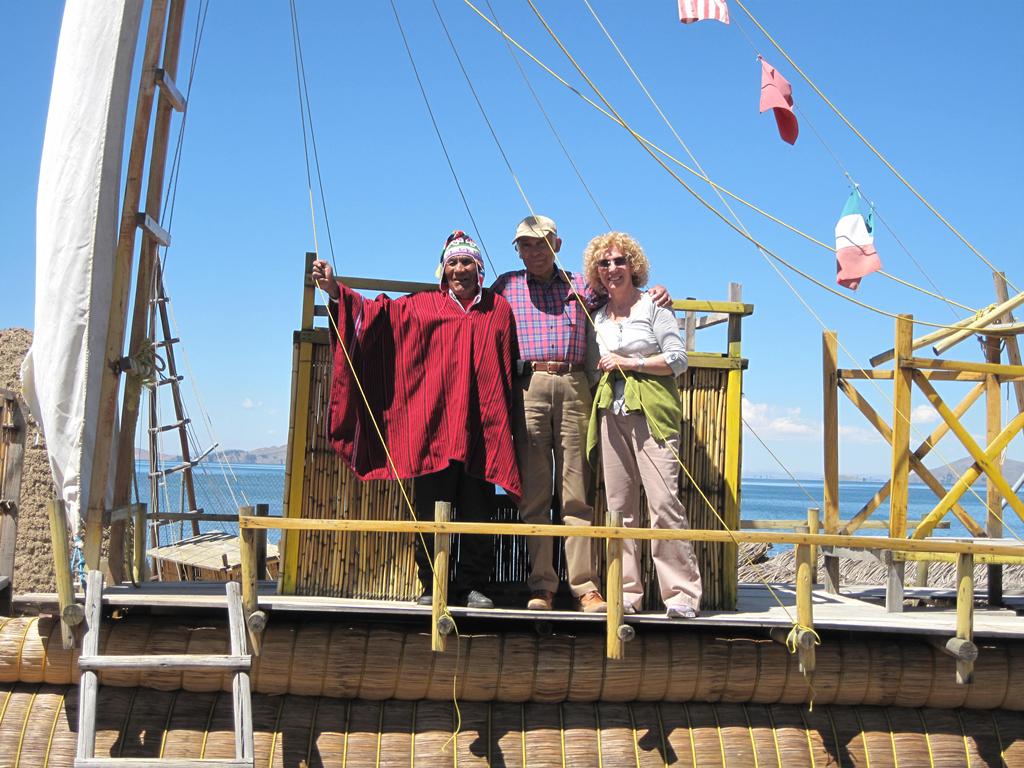
Caroline and Lucien D’Sa are extraordinary, lifelong globetrotter couple whose passion for exploration spans decades of immense change in the travel world, Lucien and Caroline are bound by an adventurous spirit, a deep love of history, and a shared curiosity for the world’s most fascinating people and places.
This dynamic pair continues to embrace global travel in their later years with remarkable energy, and we had a conversation about their impressive travel history. Here is their story.
Caroline and Lucien, tell us a little about your early lives and how your interest in travel began.
Lucien:
I was born on the beautiful island of Zanzibar — a neighbour, as it happens, to the late, great Freddie Mercury, or as his mother called him, “that Bulsara boy.” I started travelling as a child because my father, a civil servant, was entitled to long leave every three years.
We would travel in a second-class cabin (first-class cabins were reserved for whites) on a British India Steam Navigation Company ship to Goa via Mombasa, the Seychelles and Karachi. The leg from Karachi to Goa was on a smaller ship, and we could only manage passage by sleeping on the outside deck — which I thought was great fun.
I came to London in 1963 aboard a BOAC Comet via Nairobi, Khartoum and Benghazi, just months before the revolution in Zanzibar. My next holiday, in 1966, was to Spain — but just before I left, I discovered I had lost my British nationality when Zanzibar gained its independence.
Regaining my British citizenship meant visits to the Canadian Embassy (Tanzania had broken relations with the UK over apartheid South Africa, and the Canadians were handling British affairs) and to the Home Office, with a passport issued just in time. A flight from Lydd to Beauvais was followed by a long, uncomfortable journey in an old coach that broke down a couple of times on the way to San Sebastián — a week away for £28, all in.
Working in the technology industry, I went on to travel all over Europe and the United States, as well as to Singapore, Taiwan, Japan and Hong Kong. I set up my own company in 1984, after which I travelled regularly on business to New Zealand, Australia, the Philippines, Malaysia, Fiji, Hungary, Greece, the USA, Canada, Zambia and South Africa, to name just a few.
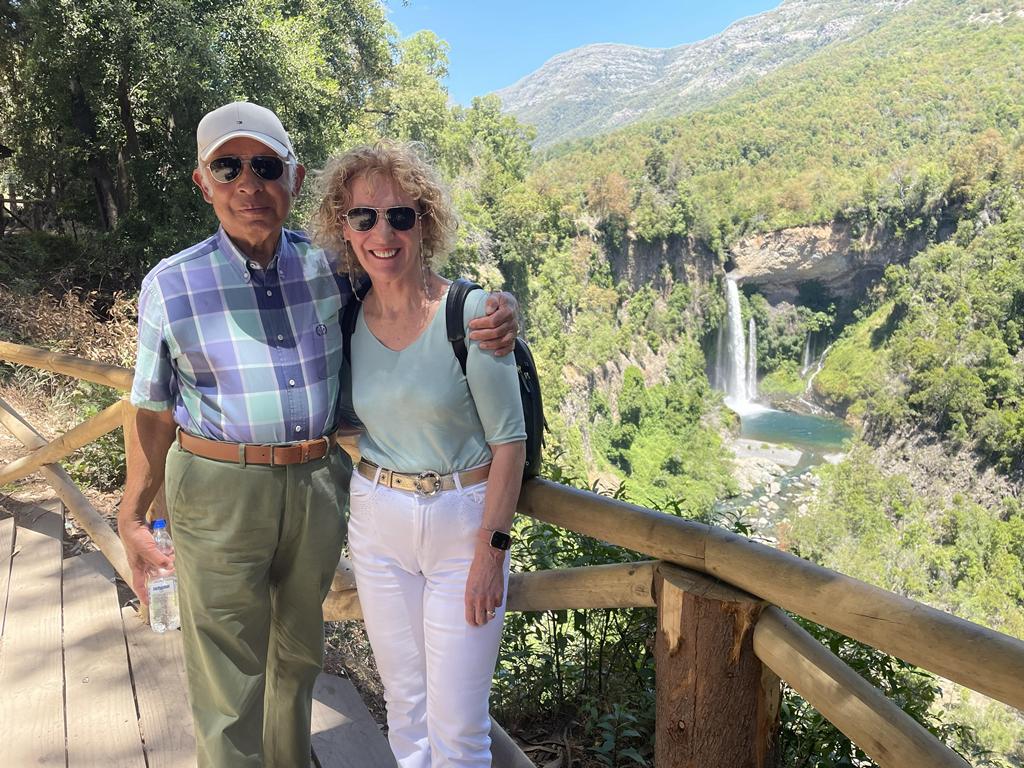
Caroline:
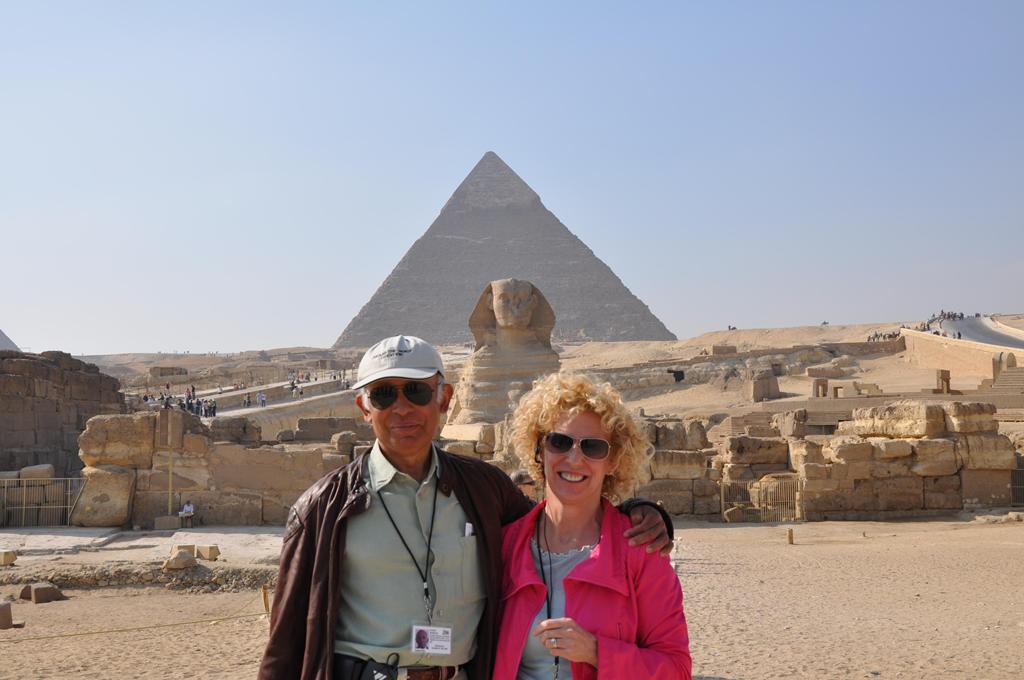
I grew up in the north-east of England, where in those days you holidayed at the coast. Leaving home for London at 18 gave me my first chance to explore the world. I had seen a photograph of my father in his army uniform in 1947, standing in front of the magnificent Sphinx in Palestine, and — being good at history and geography at school — I could not wait to whet my appetite.
I chose Athens, the ancient city of writers and mathematicians, and I still vividly remember the Acropolis and the Parthenon with no queues and very few people. My second trip was to Tunisia; seeing children living in pipes made me realise quickly how different the world could be.
When I met my first husband we worked for Guinness Overseas and went to Nigeria, which was certainly very different. I sadly never made it to Niger, which would have been possible then. Early in our relationship, Lucien invited me to Paris in his beautiful three-litre Ford Capri. I was terrified — he was, and still is, a very fast driver — but I suppose that was exactly what intrigued me. I then arranged for us to go to Bali, when there were still very few tourists, as well as Bangkok and Singapore, and we discovered that we both loved the mystery of travel.
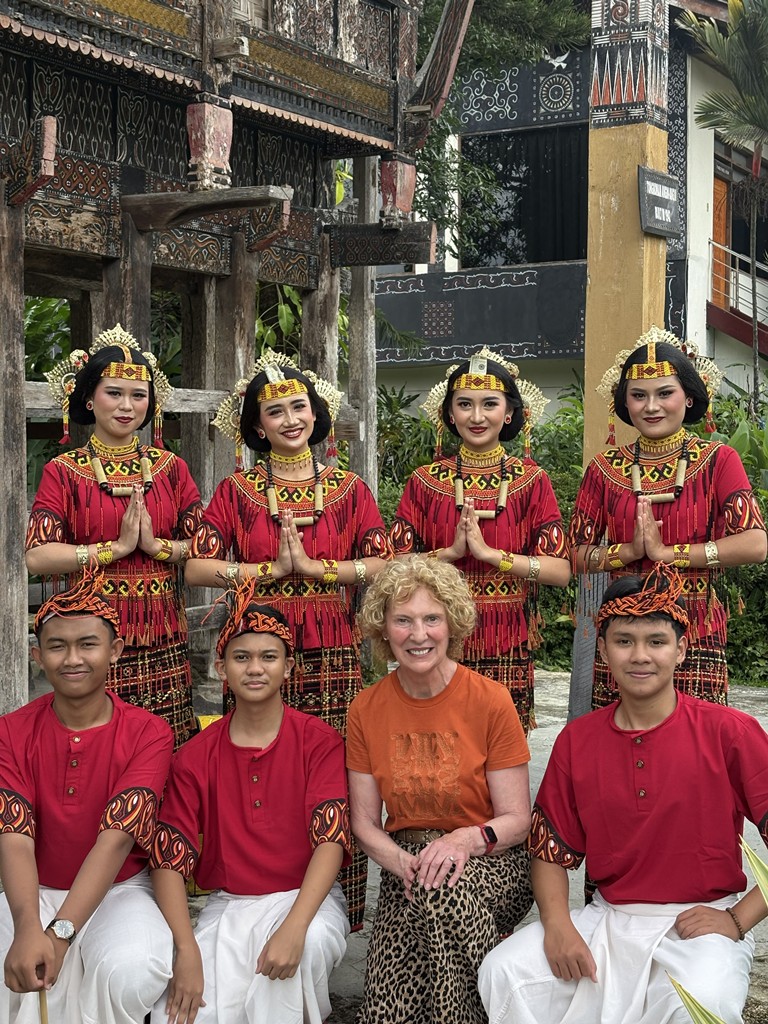

How do you feel the travel industry has changed overall during your lifetime? What are the positive and what are the negative changes?
The early days of travel were far less restrictive: no airport security, and far fewer passengers. Back then you could only book through a travel agent, as there were no mobile phones or internet. Now there is so much choice — you can book through an agent, directly yourself, or any number of ways in between.
The great catalysts for change were the Boeing 747 and Freddie Laker, with his Skytrain tickets to New York on a DC-10 for £32.50. On balance, the positives are accessibility, choice and price — travel that was once a privilege is now open to almost everyone. The downsides are the crowds, the queues and the loss of some of the romance and ease that came with quieter skies and emptier sites.
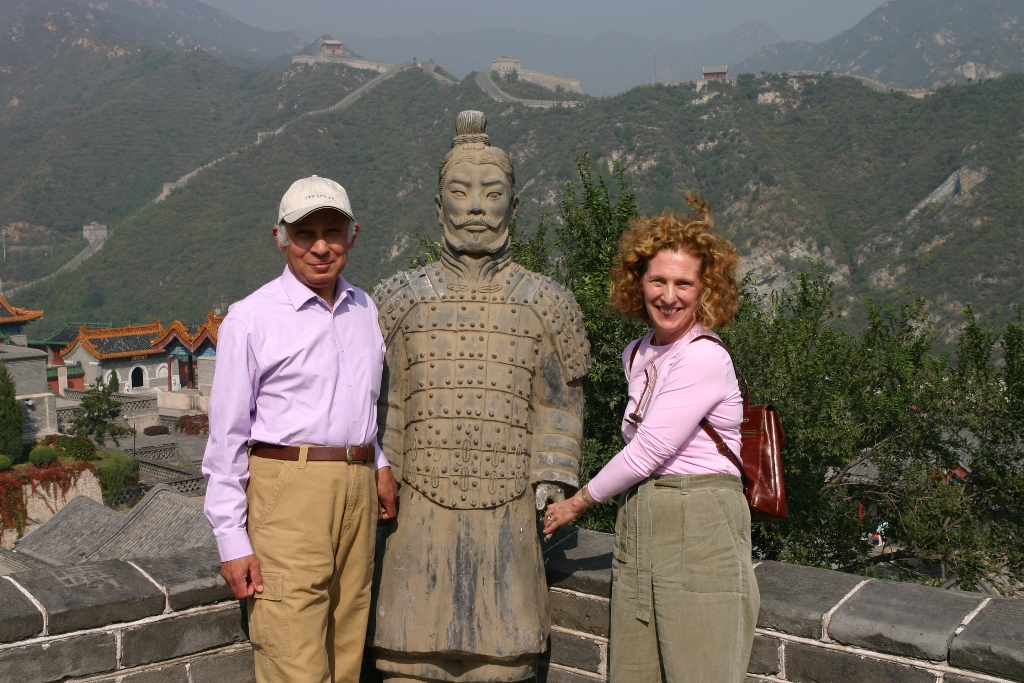
Do you consider yourselves typically British or not, and why?
Caroline: I consider myself an Anglophile. I love the UK — its diversity, its freedom of speech, its opportunities, our remarkable NHS — and I am proud to be of the generation in which women broke through the glass ceiling.
Lucien: Despite my early experiences — stateless for a time, and briefly Tanzanian — I am very happy to be British, although I never renounced my Portuguese nationality.
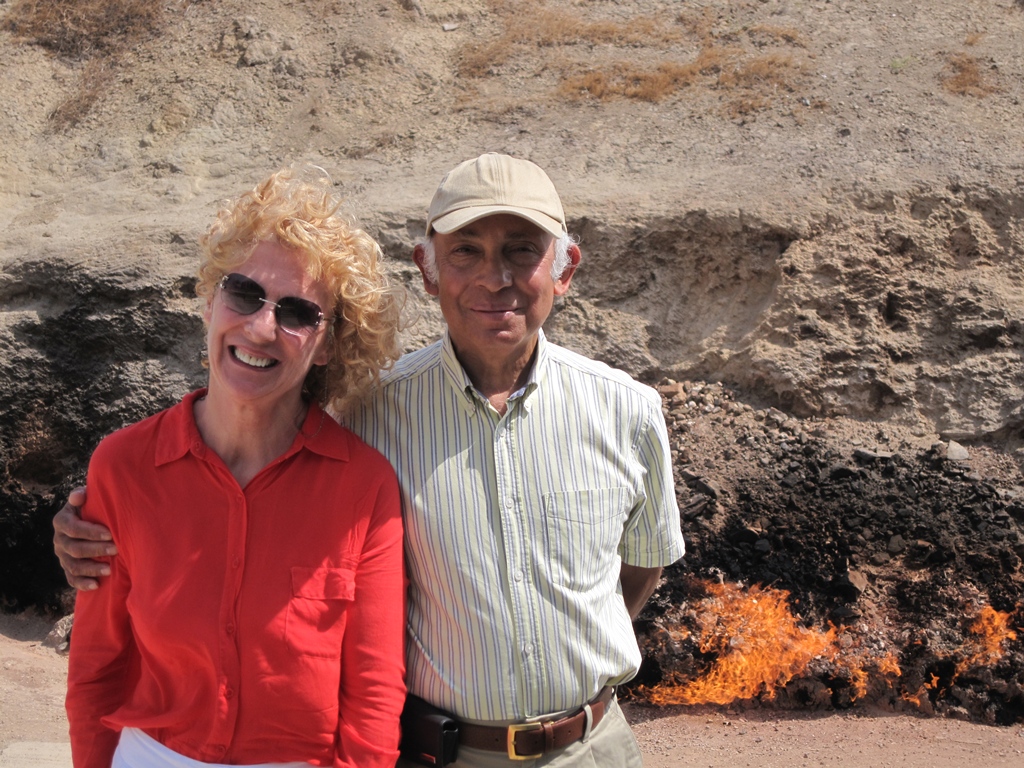
And, considering the UK, what is your favourite place in the country?
Our favourite place in the UK is London.
What are the pluses and minuses of travelling as a couple, in your opinion?
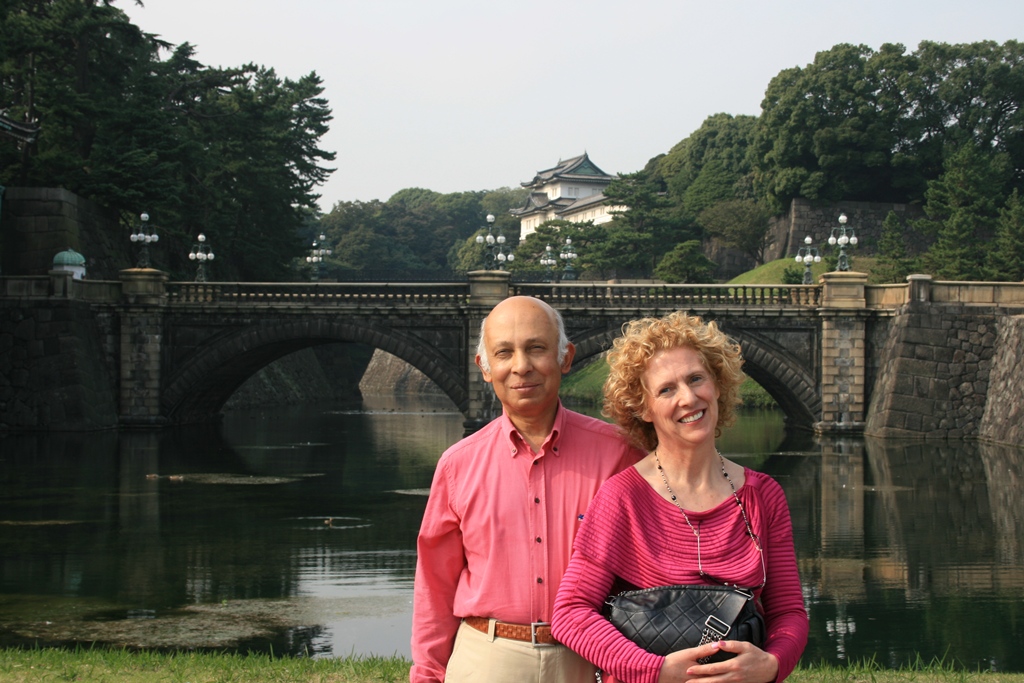
For us there are no minuses to travelling as a couple. I generally choose the destination, and Lucien is brilliant on the detail — he even checks flight schedules to see how often they run late in particular parts of the world. We love chatting as we go: about politics, about travel, and of course about our family and friends. Travelling together simply doubles the pleasure of the experience.
Focusing on the past 10 years or so, how does travel change for a couple in their late 60s and 70s? What specific issues develop in terms of travel at your age?
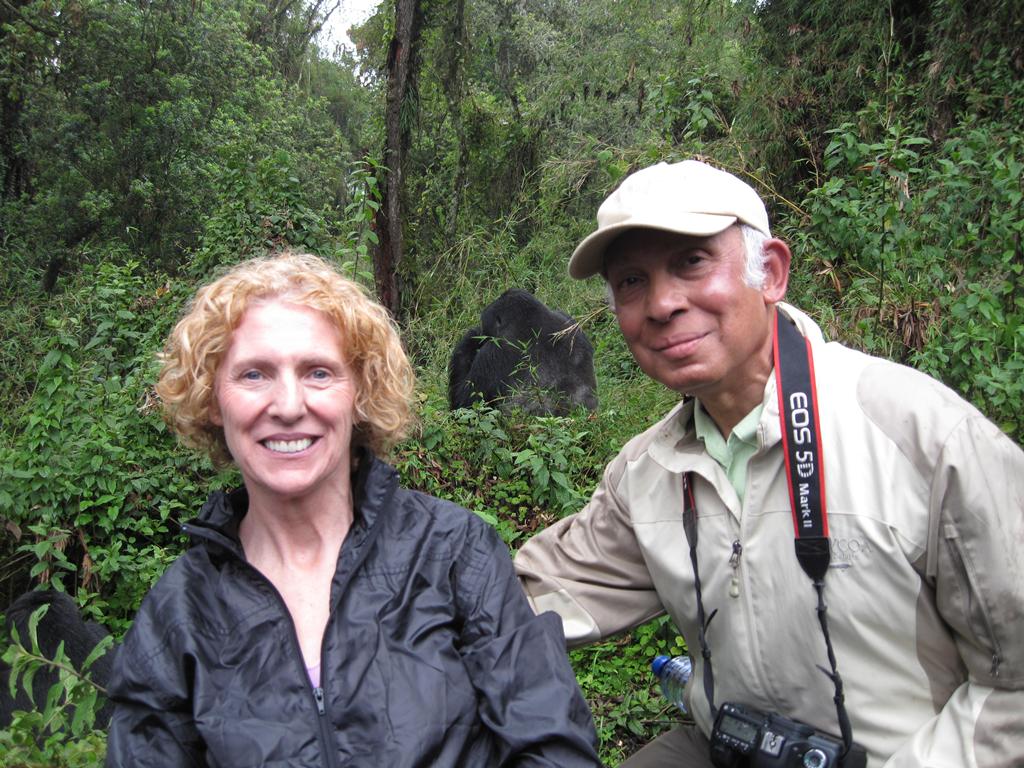
Honestly, age has made very little difference to our travels. We have both had cancer, but I think it is our positive, determined personalities that make the difference. Lucien is a private pilot and, in 2018, made the flight of his life from Johannesburg to land in Zanzibar, returning to Johannesburg via Mozambique.
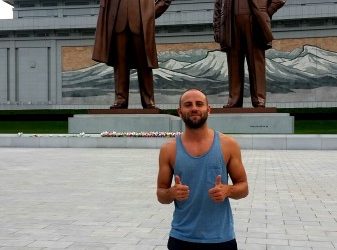
I have exercised for over 35 years, and that certainly helps too. I remember arriving in North Korea, where the guides were astonished by us — I think they had expected us to turn up with walking sticks!
Recount an outstanding travel story from your adventures that truly made an impact on you.
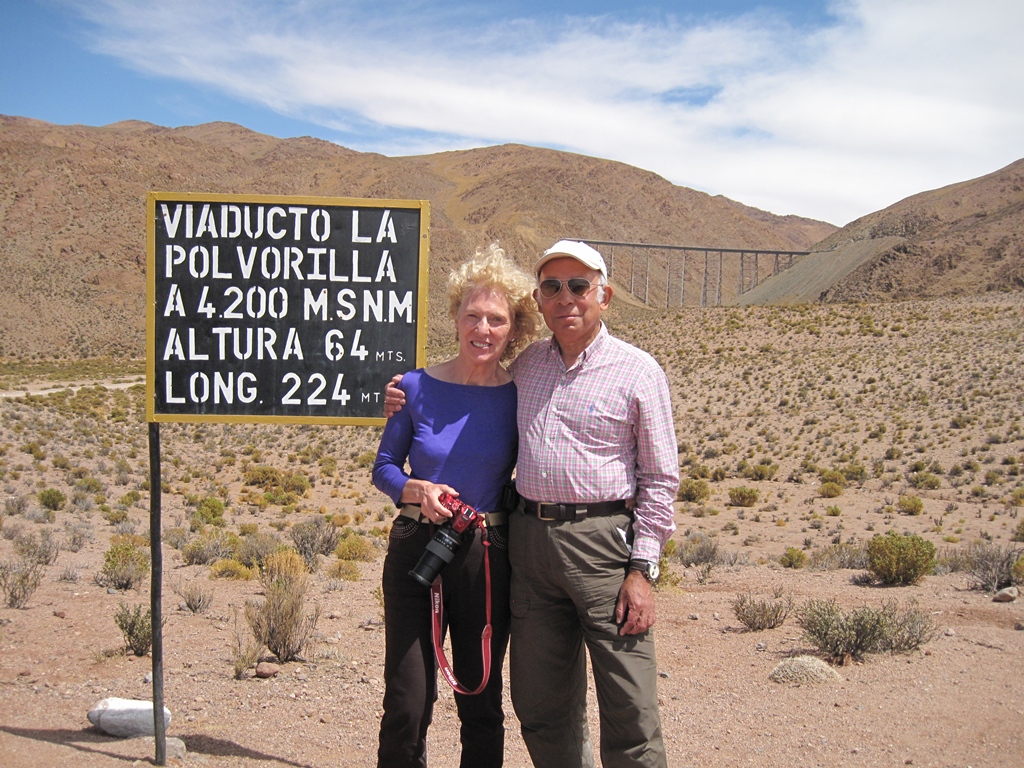
It is genuinely difficult to single out one experience, as we have been fortunate enough to have had so many: travelling in a submarine beneath the French Pacific; seeing the magnificent Iguazú Falls from a helicopter; or being aboard a Boeing 767 when the captain decided to show the passengers the Victoria Falls, flying quite low over them.
Yet, just as memorable, was meeting a young shepherd boy in the Sudanese desert as he gave his camels and donkeys a drink. He said he would gladly welcome us into his home — but first he had to look after his animals.
On a recent NomadMania trip to Balochistan we met a remarkable young American veteran who had sadly lost his legs fighting for his country in Afghanistan. Despite this, he was climbing across the rocks, never once holding the group up, and was wonderful fun. Daniel, I salute you. For me, this is what travel is all about — the experiences and the people.
What are some of your travel plans for the rest of the year, and what is still high on your overall bucket list of travel destinations?
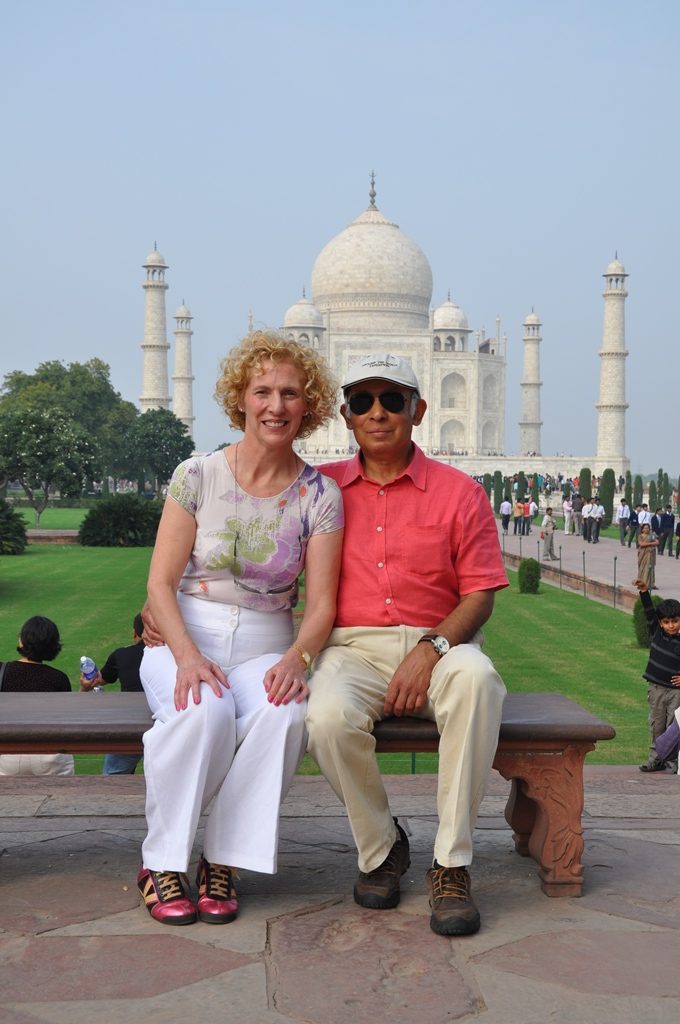
For a long time I have wanted to see the rest of Ireland — my hair stylist is from Galway and a close girlfriend is from Cork — so we are heading there shortly. In September we will travel all around China in a chartered plane. In November, “Inshallah,” we will journey from Basra to Erbil, as I particularly want to visit Uruk.
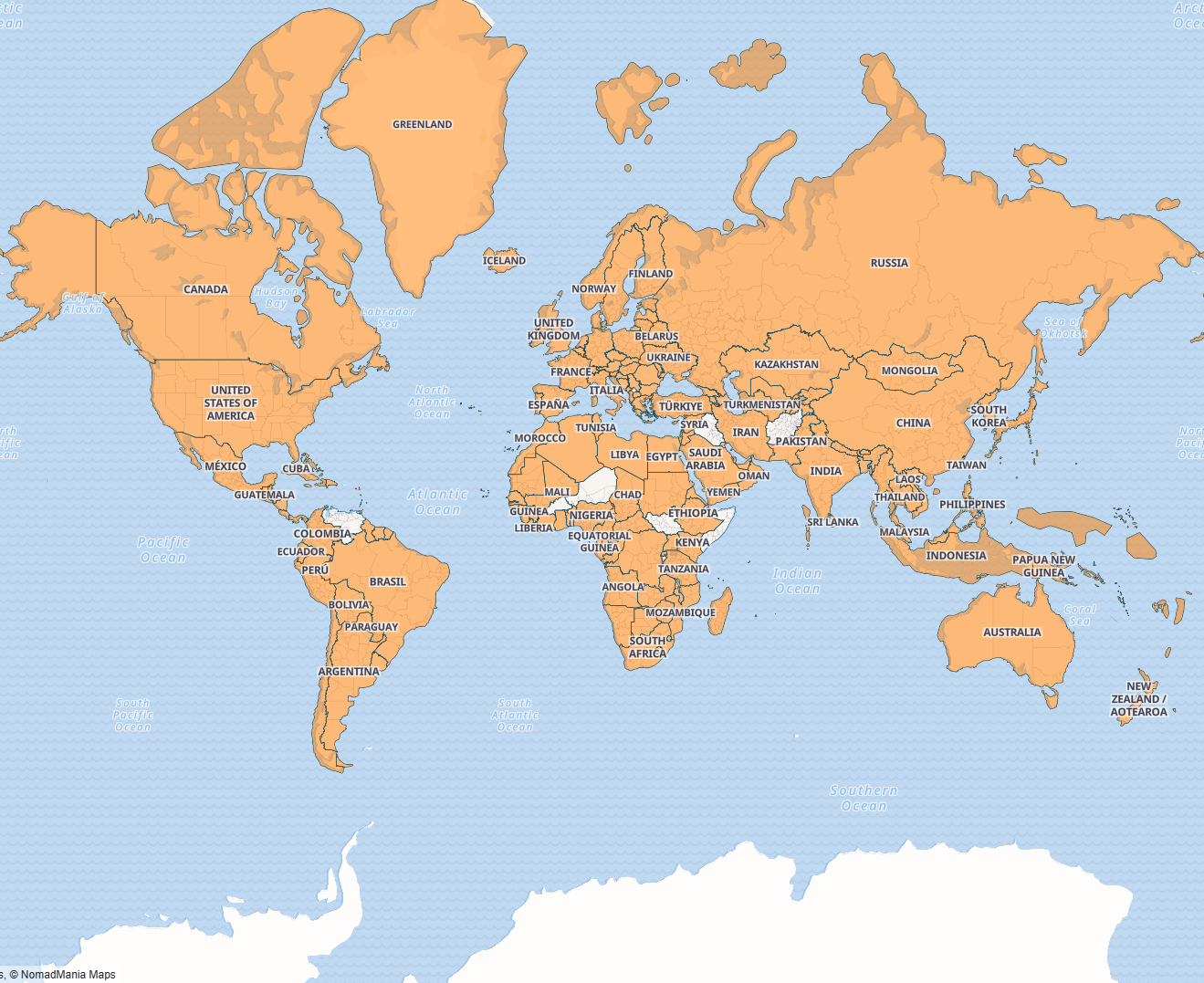
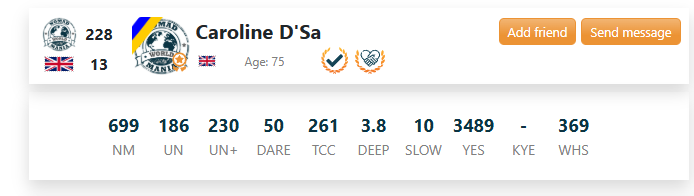
I have seven countries left, and they are either affected by Ebola, at war, or hit by earthquakes. I am not chasing all 193 UN countries — we much prefer to enjoy the experience of the places we visit.
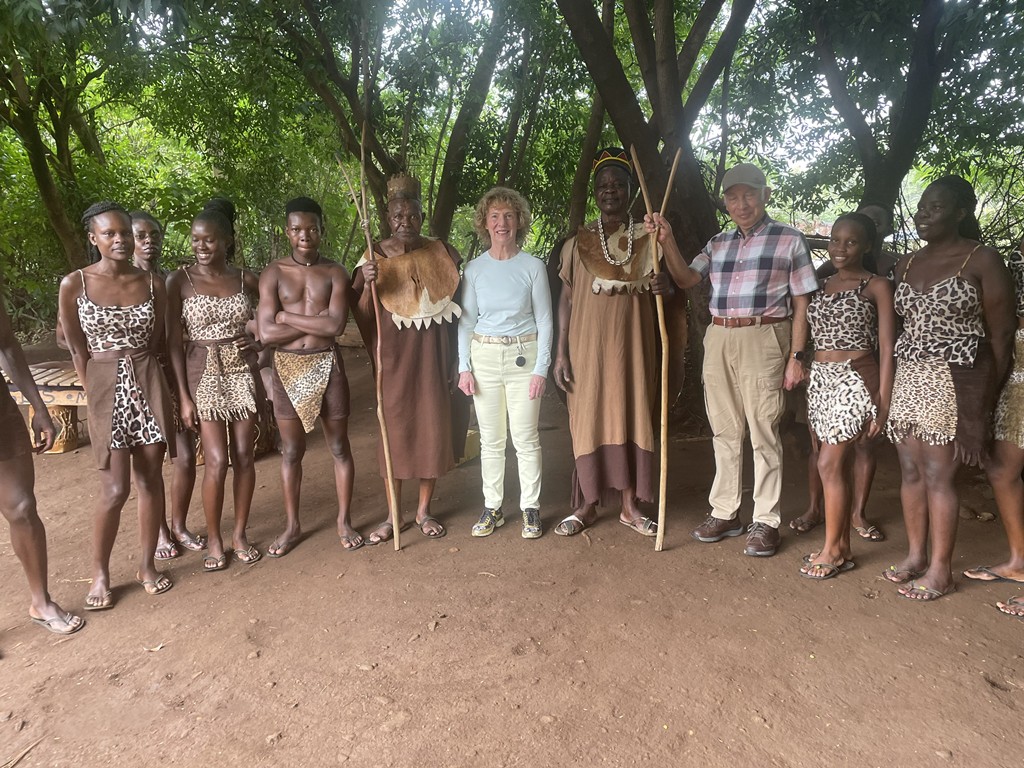
What do you like most about NomadMania?
I joined Best Travelled in 2016, ostensibly to keep track of the cities I had visited. What I found was that it encouraged you to see countries in depth, rather than simply visiting one destination and crossing the whole country off. Now I find exploring regions far more interesting.
The site is wonderful — it has become my encyclopaedia of travel planning. We have been on two recent tours with NomadMania and enjoyed them immensely, and we plan to do more. I would add, though, that at our time of life we are not quite true nomads!
Our signature question: if you could invite four people from any period in human history — even fictional characters — to an imaginary dinner, who would be on your guest list and why?
Caroline’s guests:
●James Cook — my great-grandfather worked on the farm where Cook’s parents were managers. He was also an extraordinary sailor who used fruit and vegetables to fight scurvy among his crew, among many other achievements.
●Charles Darwin — another remarkable man, famous for his theory of evolution by natural selection.
●Amelia Earhart — the first woman to fly solo across the Atlantic.
●George Stephenson — the father of the railways, which we use wherever we are in the world. I used to pass his locomotive, the Rocket, at Darlington Bank Top station every day on my way to work.
Lucien’s guests:
●Ferdinand Magellan — the great Portuguese explorer whose expedition set out in 1519 to circumnavigate the world. As a pilot, I am amazed at how he navigated without charts or weather forecasts, alongside the myriad of other challenges he faced.
●Father Lucian d’Sa — my great-uncle, the first non-white missionary in East Africa. I am intrigued by how he travelled from India, around East Africa, and even to France, in the 1890s.
●Julius Nyerere — the first president of Tanzania and, like Nelson Mandela, a humble man. He studied at the University of Edinburgh, a rare path for a Tanganyikan of his generation.
●Steve Jobs — whom I met when Apple was a start-up in Silicon Valley.