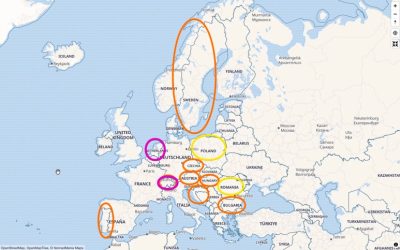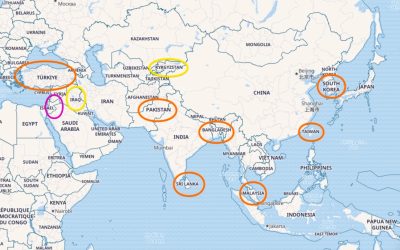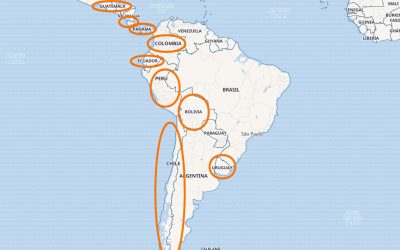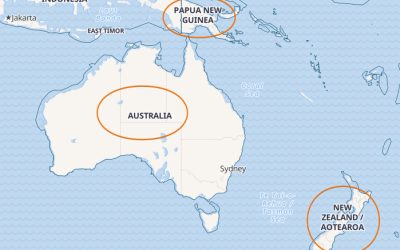
As we approach the final stages of the regional review process, we’ve taken a comprehensive look at what still needs to be addressed before releasing the last batch, which will be dedicated exclusively to China.
This current batch includes adjustments for several countries where changes had previously been postponed, as well as updates based on additional last-minute suggestions from the community.
As always, we strive to align our decisions with the NomadMania Roadmap, the Optimal Score methodology and common sense.
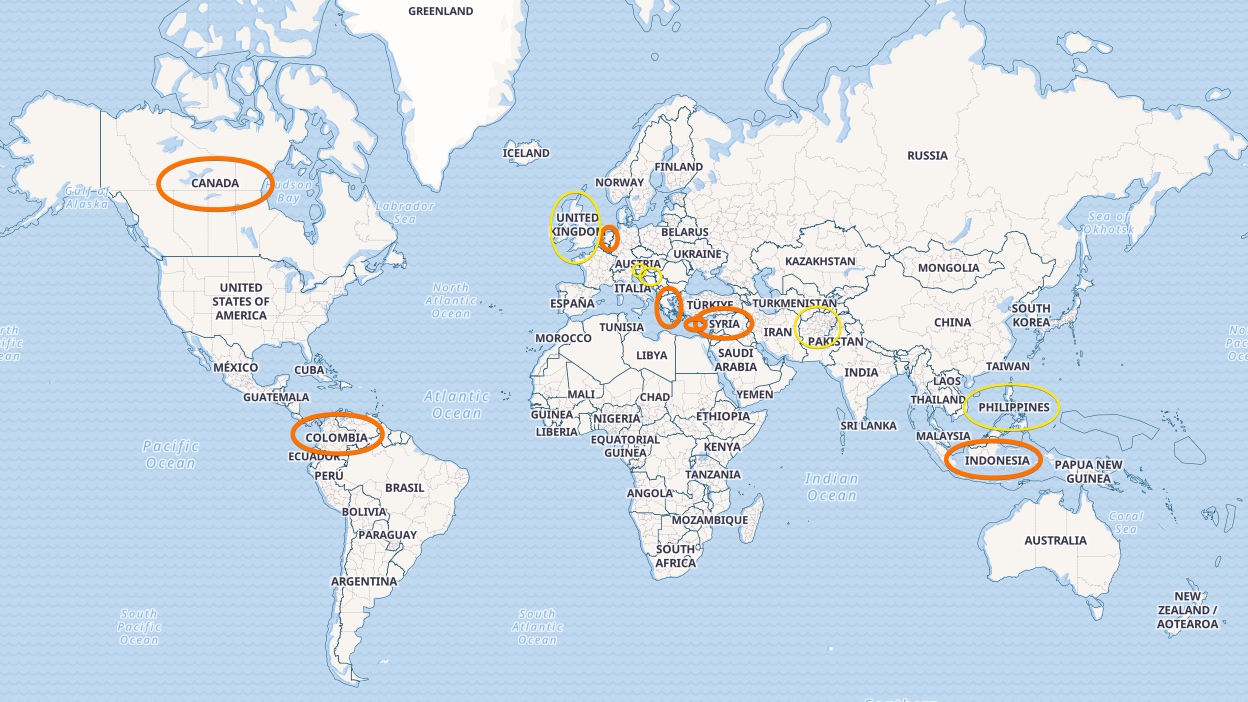
Below is an overview of the countries affected in this round:
Countries receiving new regions:
Canada, Colombia, Cyprus, Greece, Indonesia, Netherlands, Syria.
Countries with internal border fixes:
Afghanistan, Croatia, Slovenia, Philippines, United Kingdom.
Let’s dive into the details.

NEW REGIONS
Canada
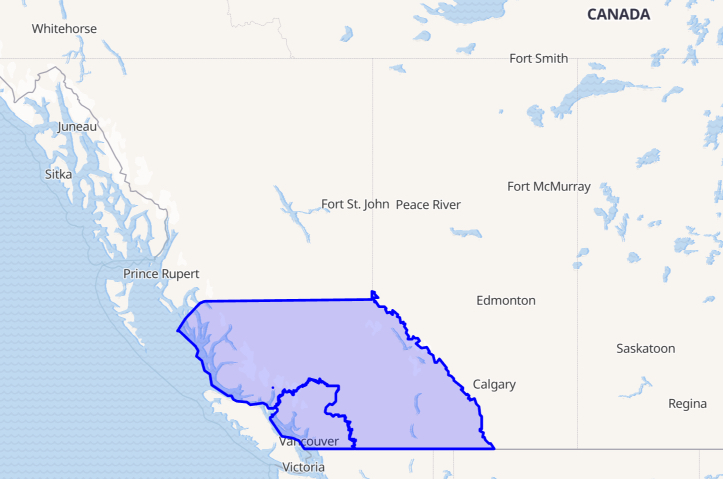
Lower Mainland (Vancouver) is split from the British Columbia South region inheriting a point.
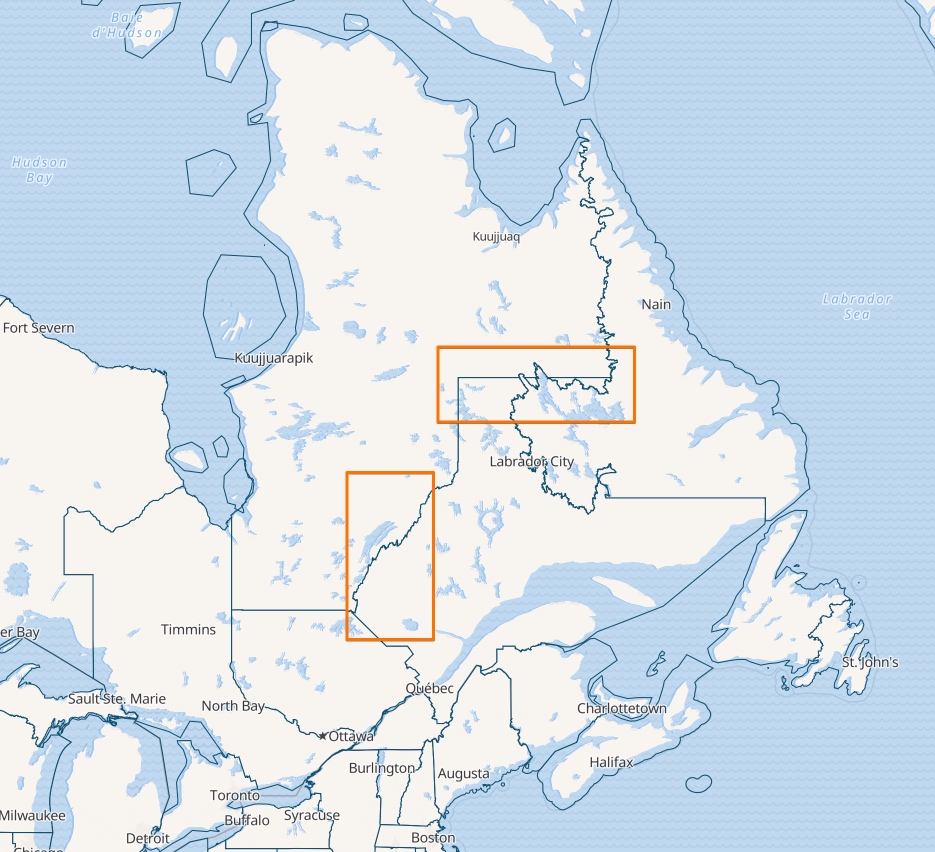
Minor adjustments have also been made to the internal borders of NomadMania regions on the Labrador Peninsula, aligning them according to the official provincial boundaries which in turn brings us some ideas for new DARE places.
Colombia
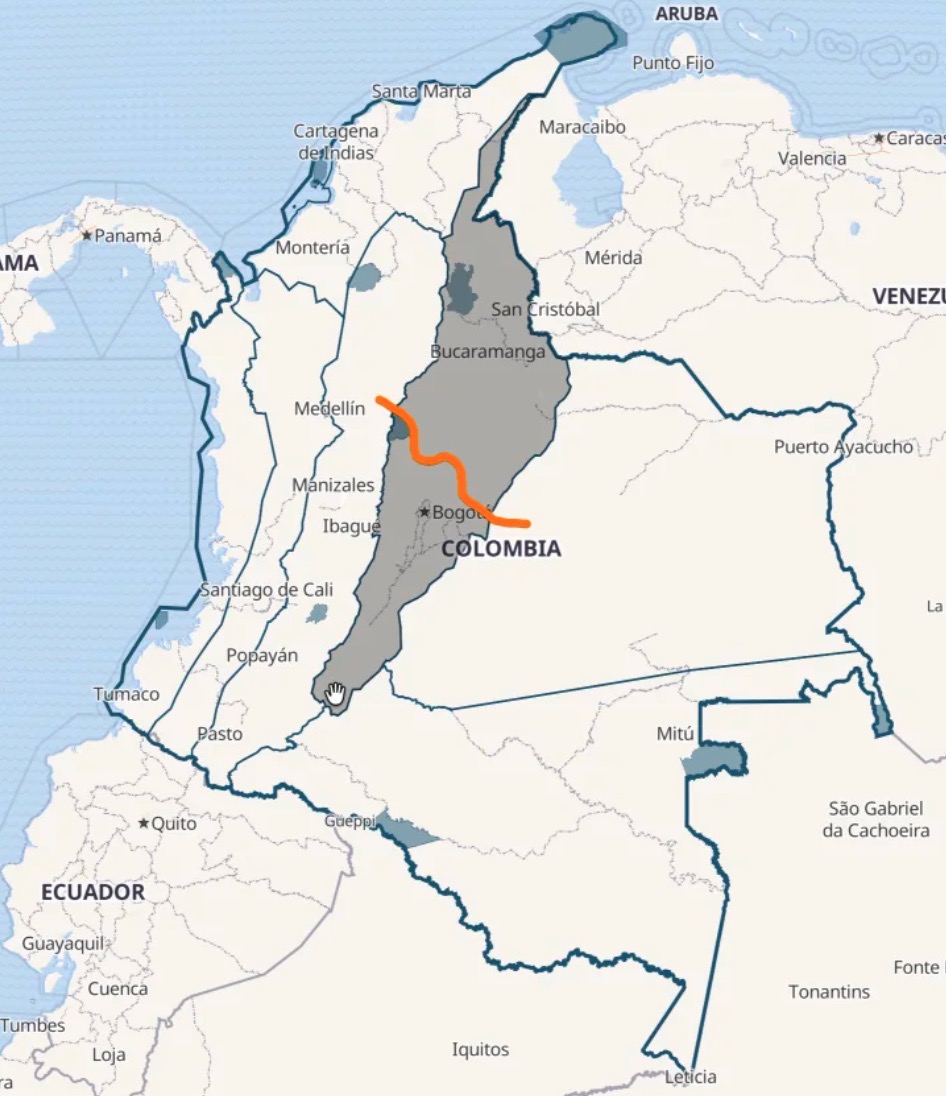
Colombia is one of the few countries where NomadMania regions have so far been defined primarily by geography rather than administrative boundaries. With that in mind — alongside strong input from local experts and the optimal scoring model— we are introducing a new region: the Magdalena River Basin, the country’s main geographical corridor separating the major Andean ranges.
We are also revising the division between the former Central and Western Andes regions. The updated approach introduces a north–south split, placing Medellín and Cali into distinct regions: Antioquia & Eje Cafetero, and the Central Massif, respectively.
Finally, the Urabá Gulf area is being reassigned to the Caribbean region, where it belongs geographically.
| Before | After |
 |
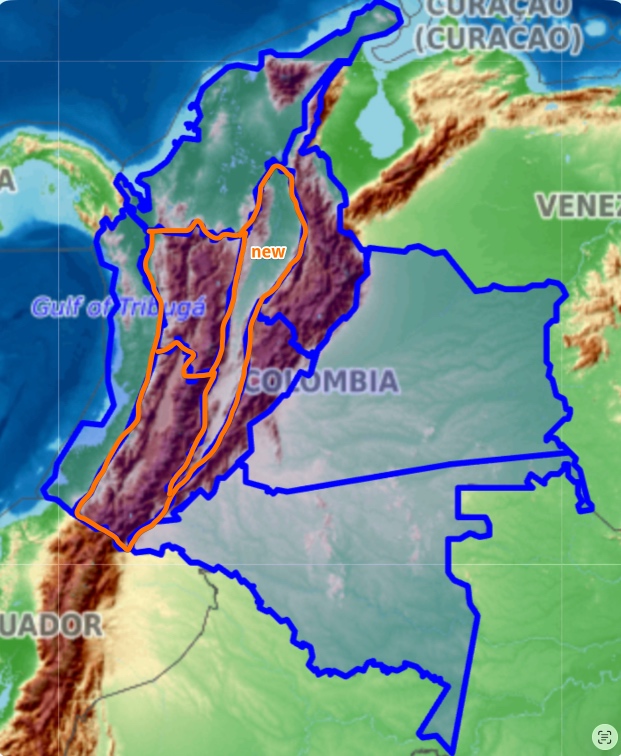 |
While working on Colombia’s mapping, we developed a dedicated physical map layer to ensure borders are drawn accurately in cases where geography is the defining factor and administrative boundaries are less suitable. This approach allows for more precise and meaningful regional divisions, particularly in areas shaped by major natural features.
Cyprus
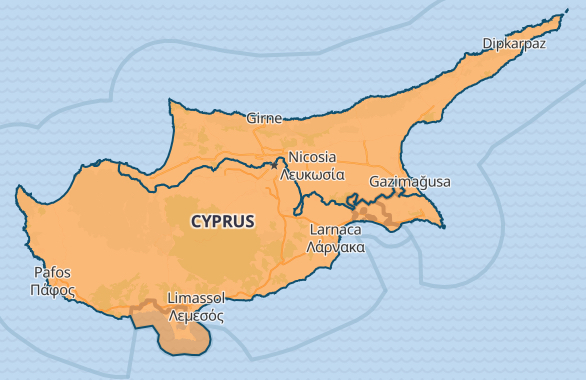
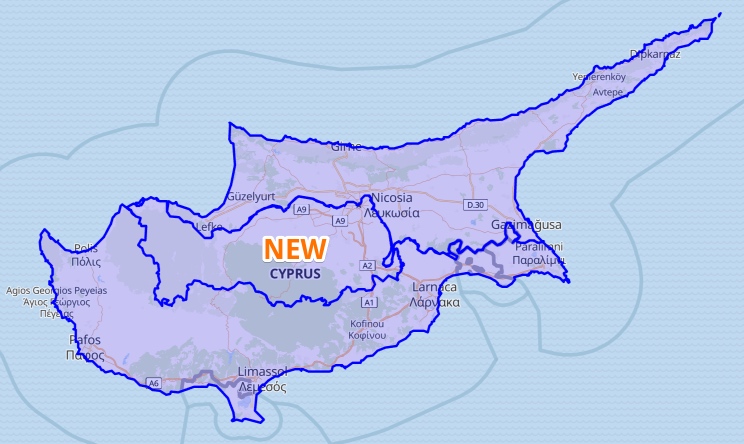
With an optimal score of 2.14, the Republic of Cyprus receives a new region — Inland (Nicosia). Northern Cyprus remains as it is, being considered one of the ‘Essential regions’..
| Before | After |
 |
 |
.
Greece
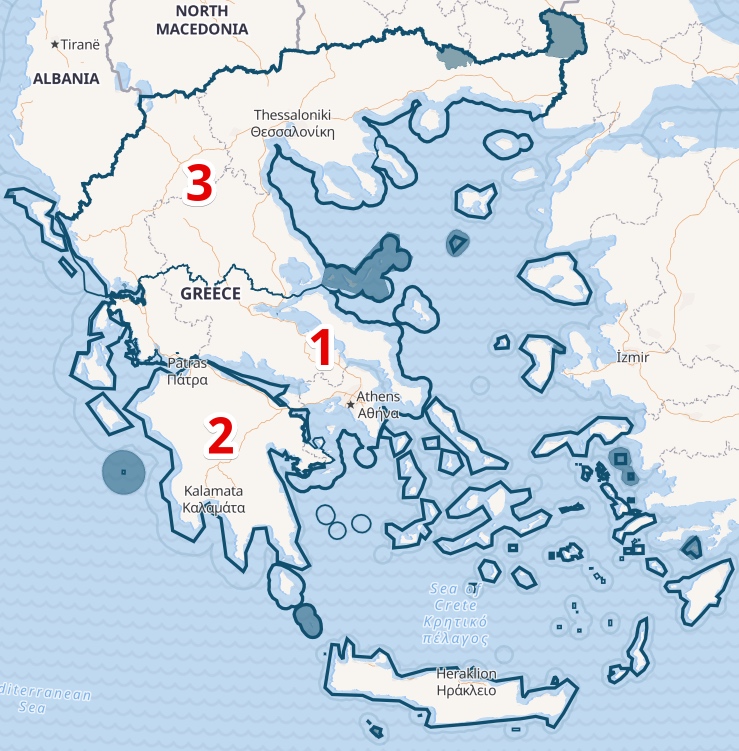
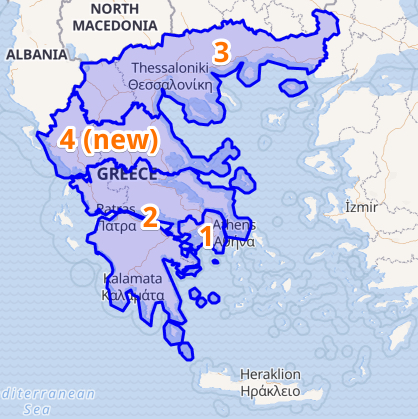
We have decided to add an additional region to Greece. The main reasoning behind this is due to the country’s unique geography. While only 17% of the country’s territory are the islands, these account for 5 NomadMania regions.
That leads more than 100,000 km2 in only 3 regions, far less than the average of other European countries of similar populations, such as Portugal or Czechia. Therefore, a fourth region is added to mainland Greece.
Following considerable participation by the Greek traveller community and their meetings in Heraklion and Patras, it has been decided to make the following change.
| Before (3 NM mainland regions) | After (4 NM mainland regions) |
|
|
 |
 |
.
Indonesia
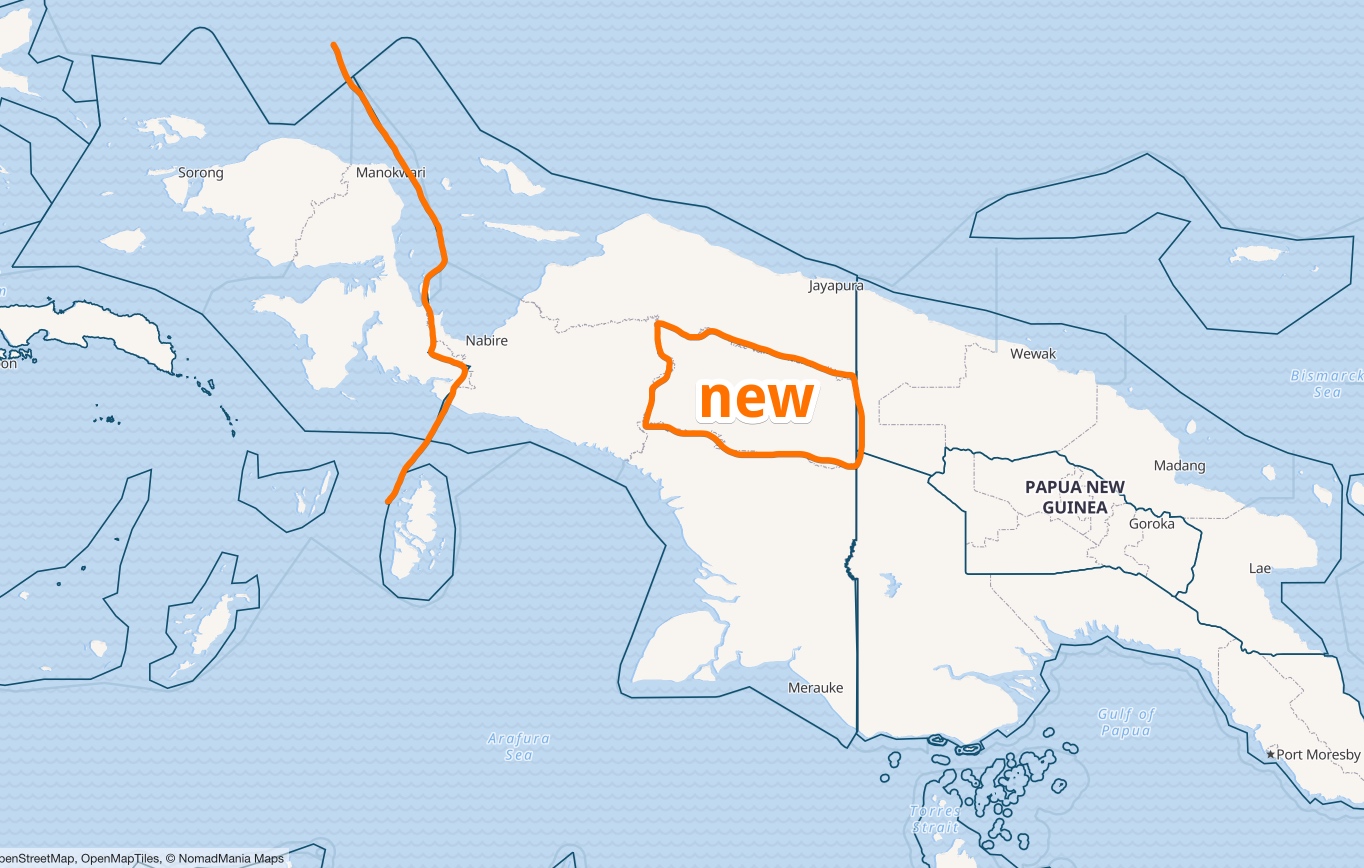
Based on a special meeting, the local NomadMania community in Indonesia strongly suggested adding a new region in Papua, as there are now six provinces within Western New Guinea.
The proposed new region is Highland Papua (Wamena).
.
Netherlands
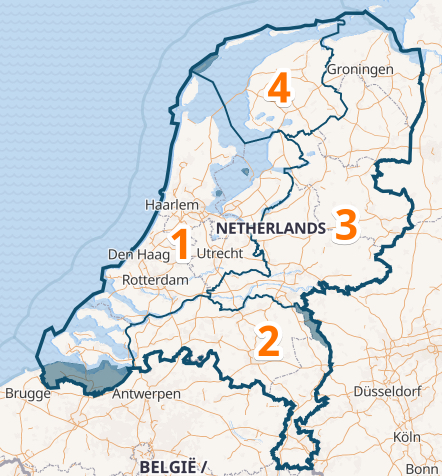
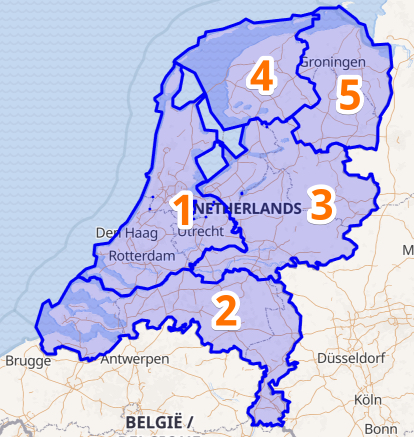
Thanks to productive discussions and constructive local input, the NomadMania map of the Netherlands has been slightly redefined with the addition of one new region.
| Before (4 NM regions) | After (5 NM regions) |
|
|
 |
 |
.
Syria
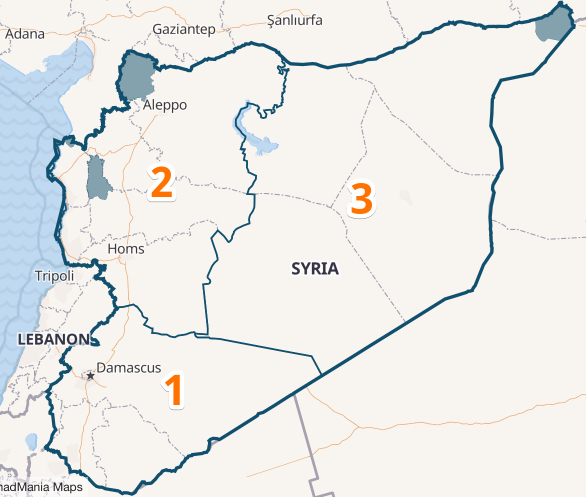
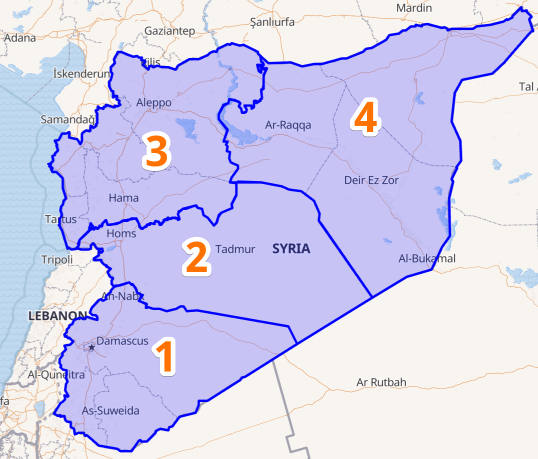
At the very beginning of the regional review process almost half a year ago, the NomadMania community voted in a poll to add one more region to Syria. Shortly thereafter, a military escalation occurred in the country, and we had to pause the process due to the uncertainty on the ground.
Now that the situation has stabilised, we are proceeding with the addition of one new region to Syria, along with a slight adjustment to the country map.
| Before (3 NM regions) | After (4 NM regions) |
|
|
 |
 |
INTERNAL FIXES
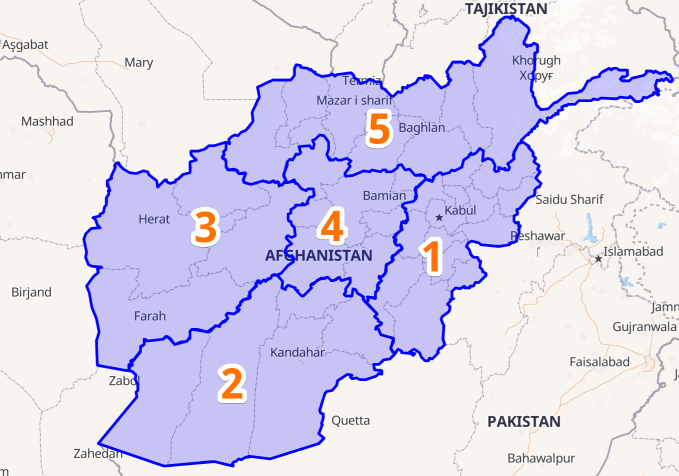
Afghanistan
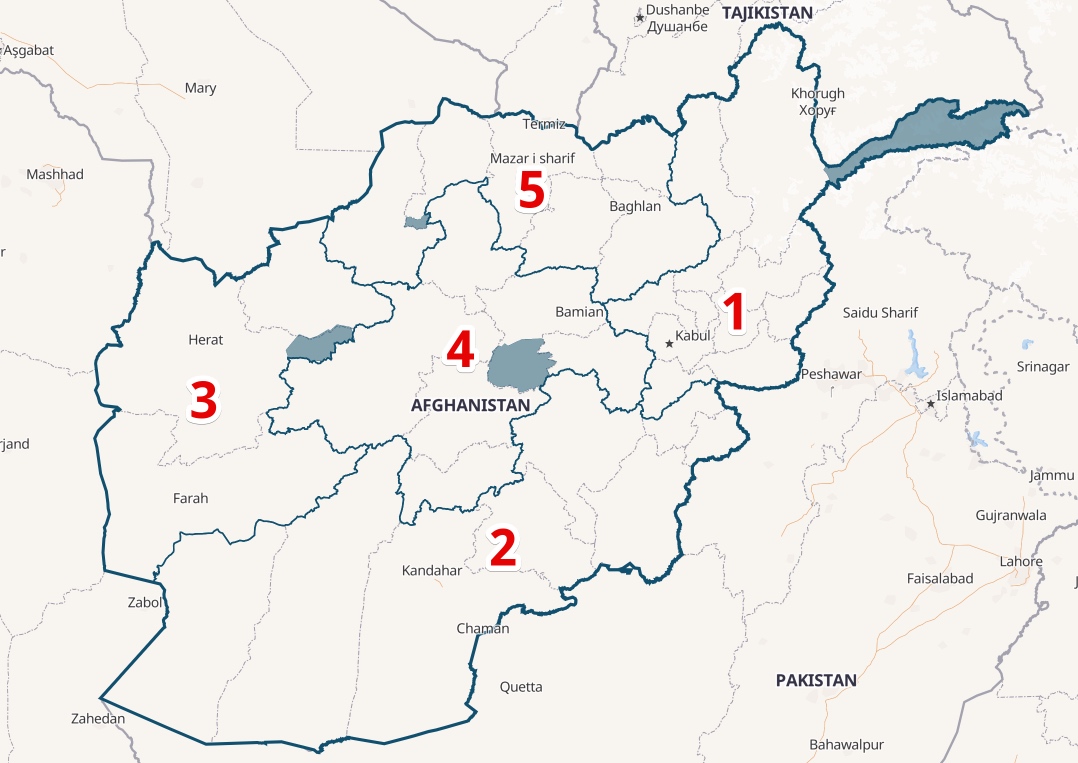
We are making some qualitative adjustments to internal regional borders in Afghanistan to better reflect the country’s complex geography and diverse ethnic distribution.
| Before | After |
|
|
 |
 |
.
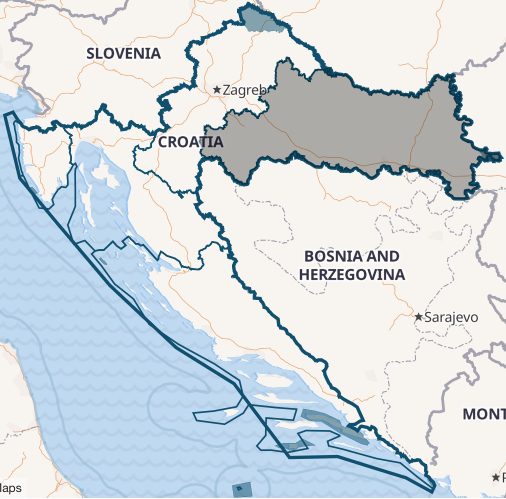
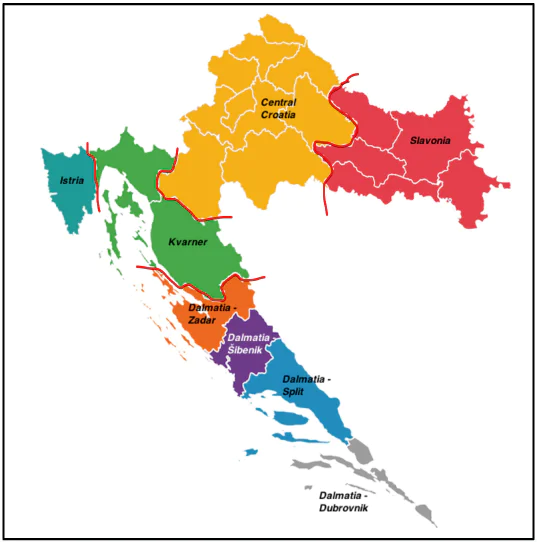
Croatia
Croatia was one of the first countries where we added a new region based on the optimal score. We made a mistake extending Slavonia and Barania too far into the Central Croatia region. Now this mistake is fixed.
| Before | After |
 |
 |
.
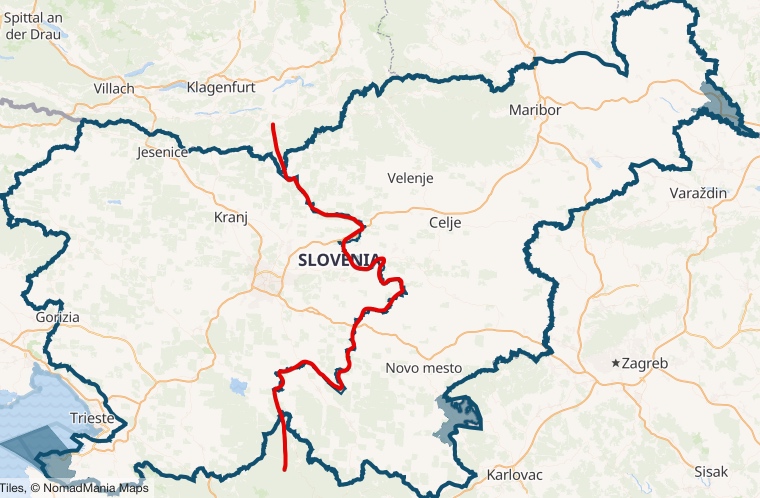
Slovenia
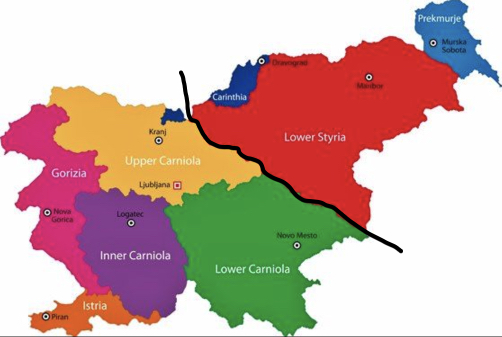
A similar issue was identified in Slovenia. The updated border now reflects the correct division between the country’s two main traditional regions: Carniola and Styria.
| Before | After |
 |
 |
.
Philippines
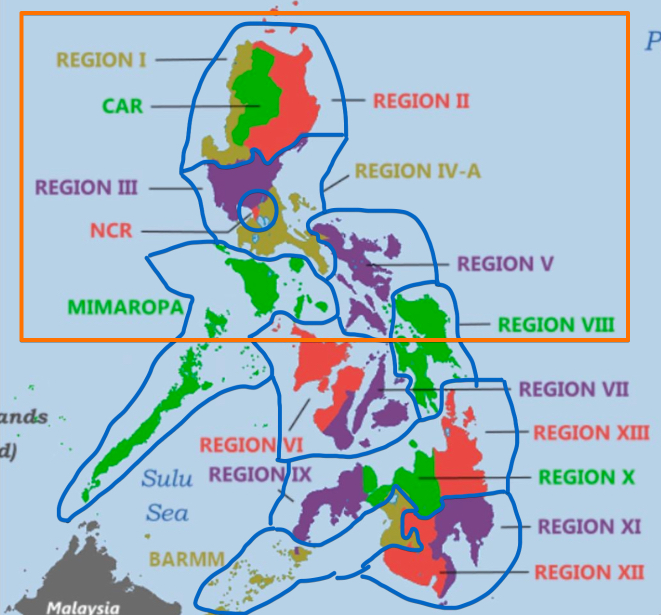
Based on feedback from our Filipino community, we are making adjustments to certain internal regional borders on Luzon to align more closely with the country’s official administrative divisions.
United Kingdom
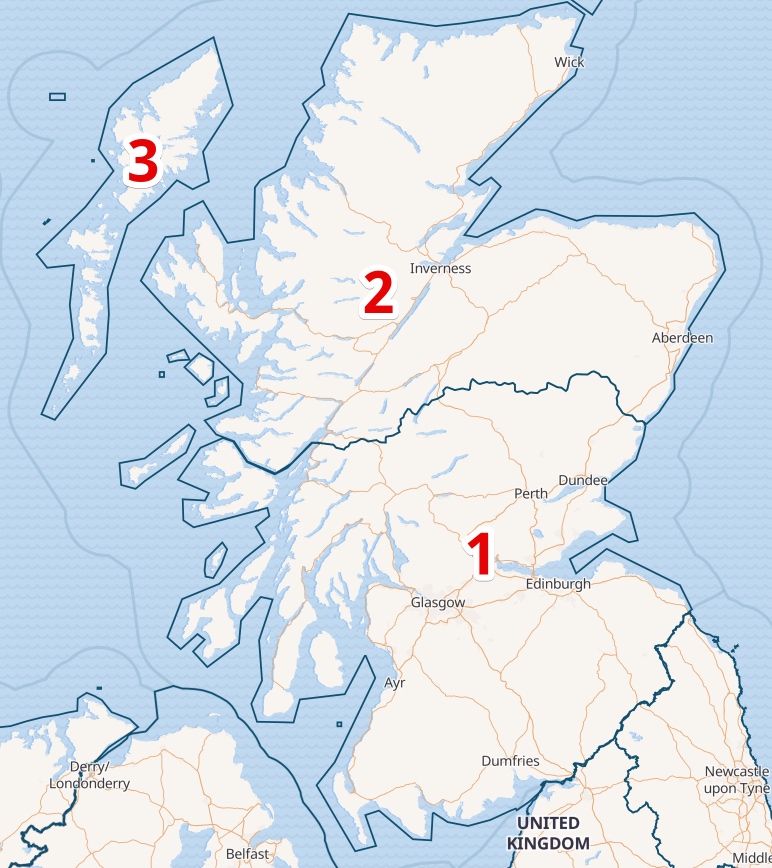
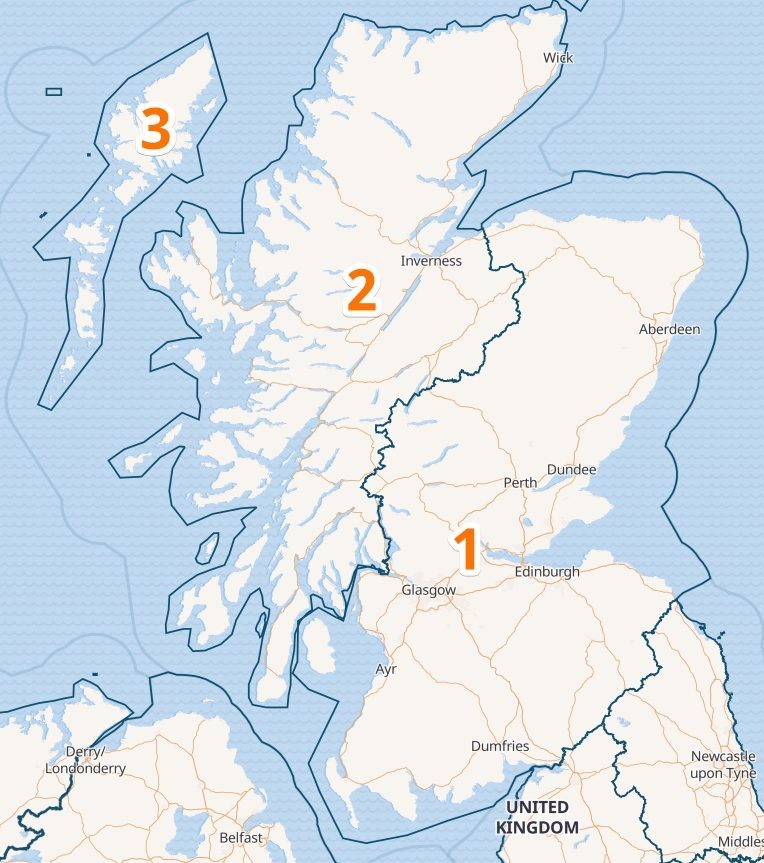
Thanks to constructive feedback from the NomadMania community, we are making some changes to Scotland, mainly following the traditional Gaelic/Scots divide.
| Before | After |
|
|
 |
 |
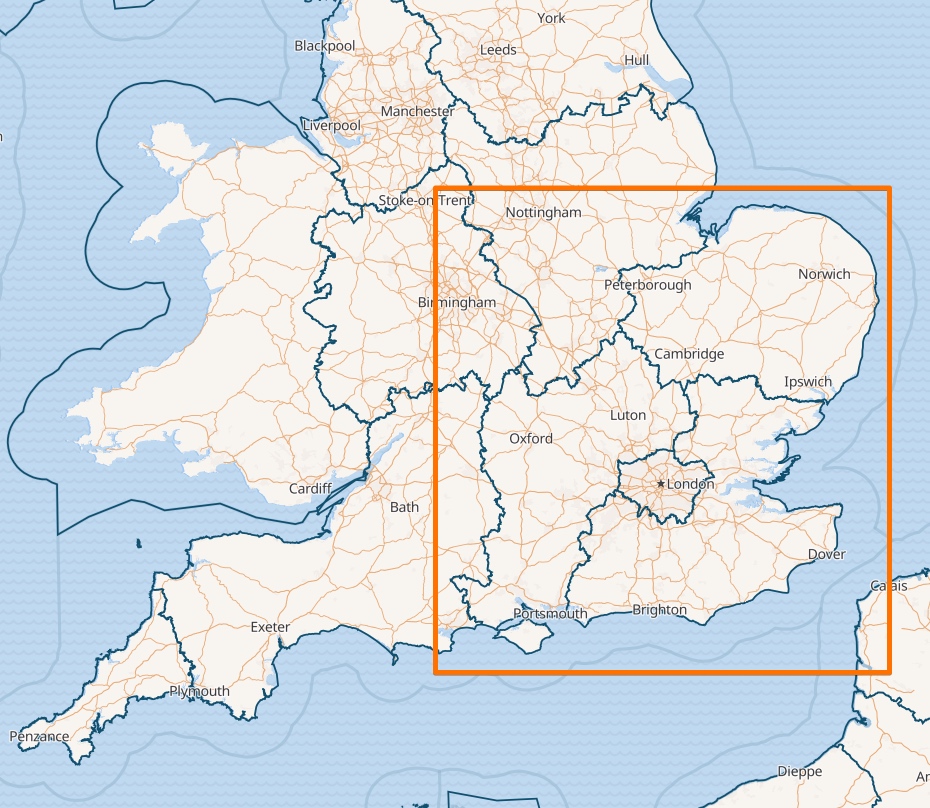
We have also made certain changes to the regional allocations in England, mainly in the southeast.
We have made the East Anglia region slightly smaller by adding Essex into the South-East. While Essex is currently part of the ‘East of England’ region for statistical purposes, we believe its character and history make it more suited to South-East England, along with Surrey, Sussex and Kent. We have conversely added certain areas west of Cambridge, such as Luton and Bedford, to our Thames Valley and Hampshire region.
That’s it — no further changes will be made. Thank you all very much for your participation.
It’s hard to believe that half a year of detailed work on updating regions is almost complete. The final batch, dedicated to China, will be published soon, after which we will conclude this significant project that forms the core of NomadMania.
Let’s carry on.