Greece appeals most to travellers who don’t want to rush through highlights and call it done. It rewards those who stay longer, move slowly, and see how places actually function once the day-trippers leave.
For nomads especially, it’s not just about ticking off islands or ruins, but figuring out how each area fits into a longer rhythm of life and work. Transport links are solid, costs vary wildly depending on where you land, and the cultural differences between regions are more noticeable than people expect.
From city neighbourhoods that feel lived-in rather than curated, to islands that still run on seasonal logic, Greece gives you options. The trick is choosing how you want to spend your time here, not just where.

Flexible Cruise Experience in the Greek Islands
Spending time in the Greek islands doesn’t always mean committing to one base for weeks or burning money hopping on ferries every few days. Smaller, flexible cruise routes have quietly become a practical way to see several islands without the constant packing and planning. These aren’t the big floating hotels docking for four hours and leaving again. They tend to focus on quieter ports, swim stops, and islands that don’t always sit on the main ferry routes.
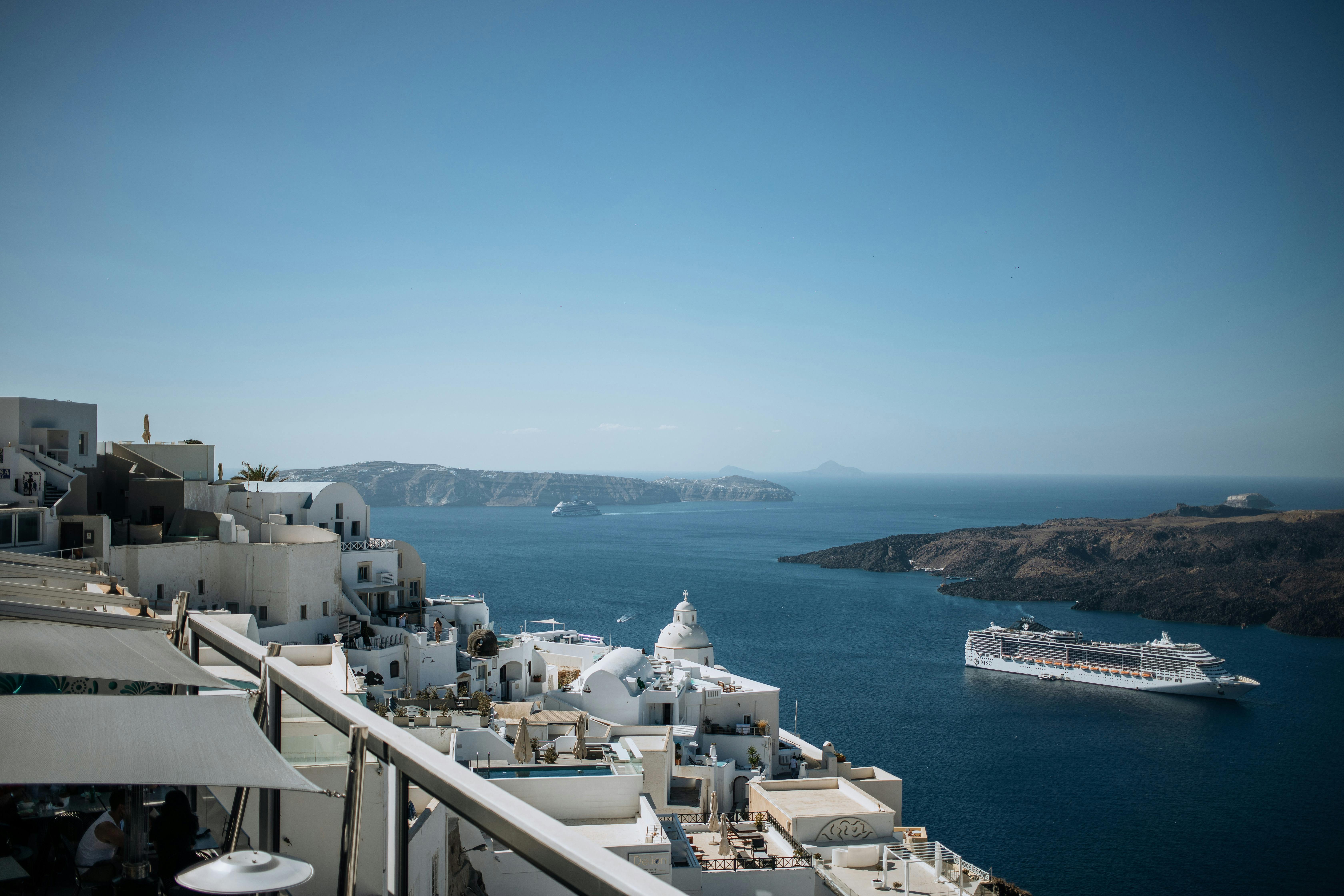
For travellers who work remotely, the appeal is consistency. Cabins stay the same, Wi-Fi is often workable outside peak hours, and days are predictable without feeling rigid. Routes might include places like Milos, Amorgos, or Koufonisia, where independent travel can be awkward. Some itineraries allow longer stays in one harbour if conditions are right, which suits those who don’t need to be everywhere at once.
Costs can be lower than expected when accommodation, meals, and transport are bundled together. That’s why affordable small boat cruises in Greece have found a niche among long-stay travellers rather than luxury seekers. It’s not immersive in the traditional sense, but it removes a lot of hurdles.
Rich Historical and Cultural Experiences in Athens
Athens works best when it’s treated as a place to live for a while, not a museum stopover. Staying beyond the historic centre opens up neighbourhoods where daily life feels grounded and unfiltered. Areas like Pangrati, Koukaki, and Exarcheia have cosy cafés that double as workspaces, small food markets, and streets that aren’t shaped around visitors.
The historical layers are unavoidable, but they don’t need to dominate every day. The Acropolis and its surrounding sites are better approached early or late, then left alone. Museums like the Benaki or the National Archaeological Museum make more sense spread over several visits. It’s easier to process what you’re seeing when it’s not compressed into a single afternoon.
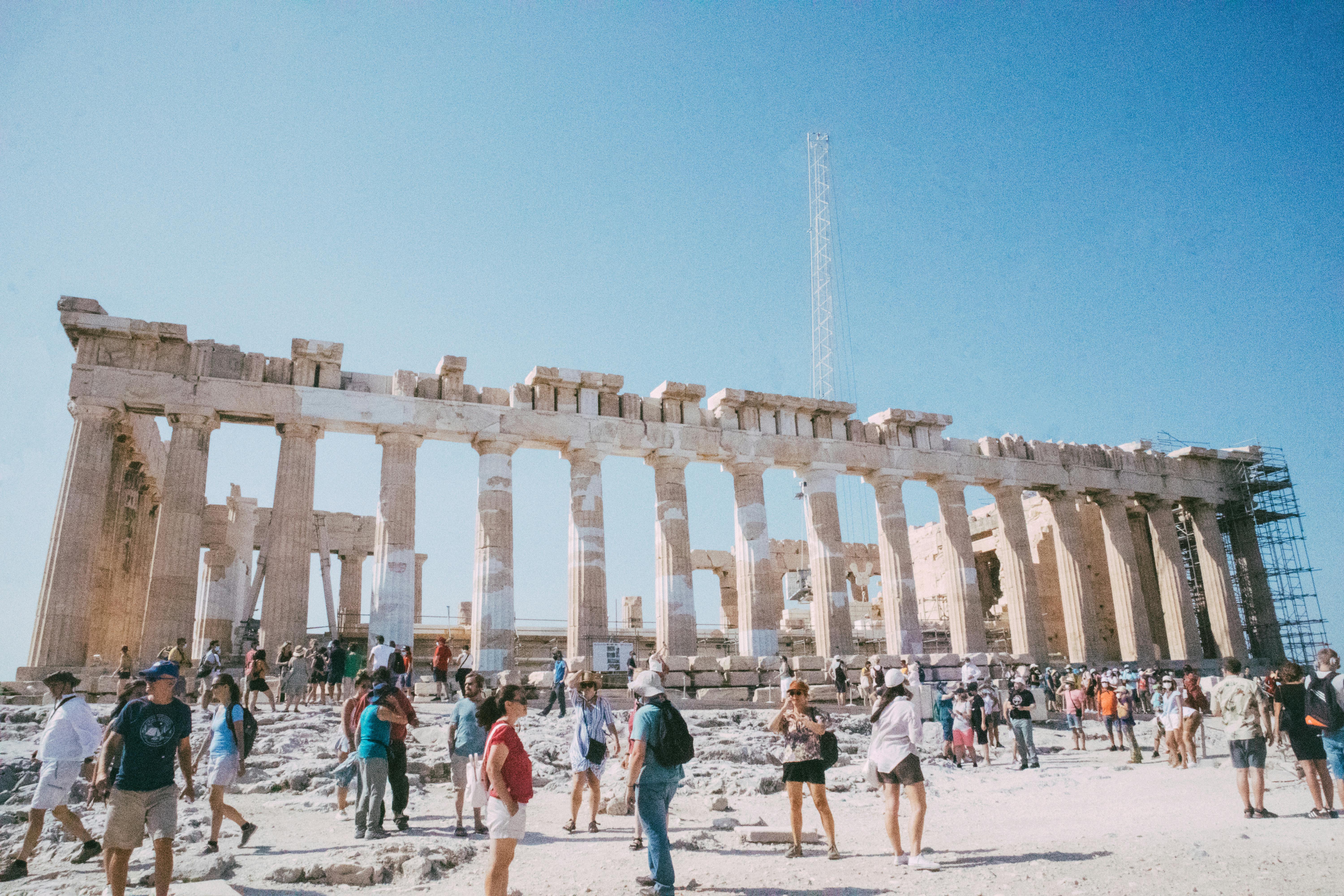
Culturally, the city runs on conversation. Taverns, bookshops, and late-night bakeries become regular stops. Live music venues in Kerameikos or small theatres around Neos Kosmos show how contemporary culture fits alongside the ancient. For nomads, Athens offers infrastructure, public transport, and a community without trying too hard to impress.
Spiritual and Minimalist Stay in Patmos
Patmos attracts a specific kind of traveller. It’s quiet but not boring, and its strong religious history shapes the island without feeling limiting. The island’s pace is shaped by the Monastery of Saint John and the Cave of the Apocalypse, both of which still influence daily life. Bells mark time, shops close without explanation, and evenings stay low-key even in summer.
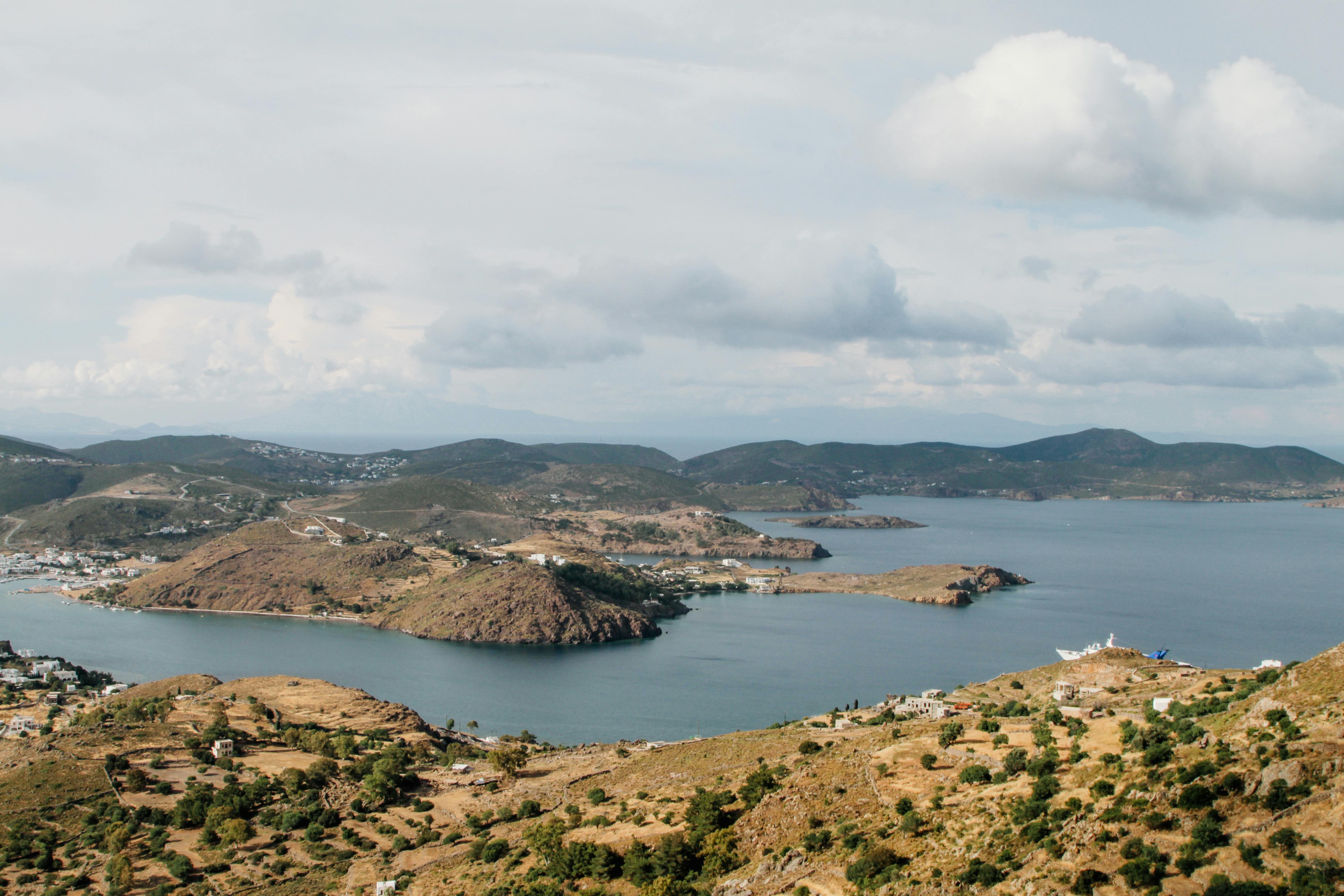
Accommodation tends to reflect that mood. Many visitors choose simple places in Skala or Chora, where everyday needs are close by. For longer stays, there are impressive Patmos villas to consider. Some sit in the hills and offer space and quiet, while others are near the beach with spacious kitchens, shaded outdoor areas, and reliable internet.
There’s enough to do without feeling busy. Coastal walks, small beaches like Agriolivadi, and quiet cafés fill days naturally. There’s a social scene, but it doesn’t expect you to take part. Patmos works for people who want fewer distractions and a clear routine. It’s not for everyone, but for the right traveller, it’s grounding in a way few Greek islands manage.
Nature-Rich Coastal Life in Corfu
Corfu feels different from much of Greece, partly due to its Venetian and British influences, and partly because of its landscape. The island is greener than most, with inland hills, olive groves, and walking trails that cut through villages rather than around them.
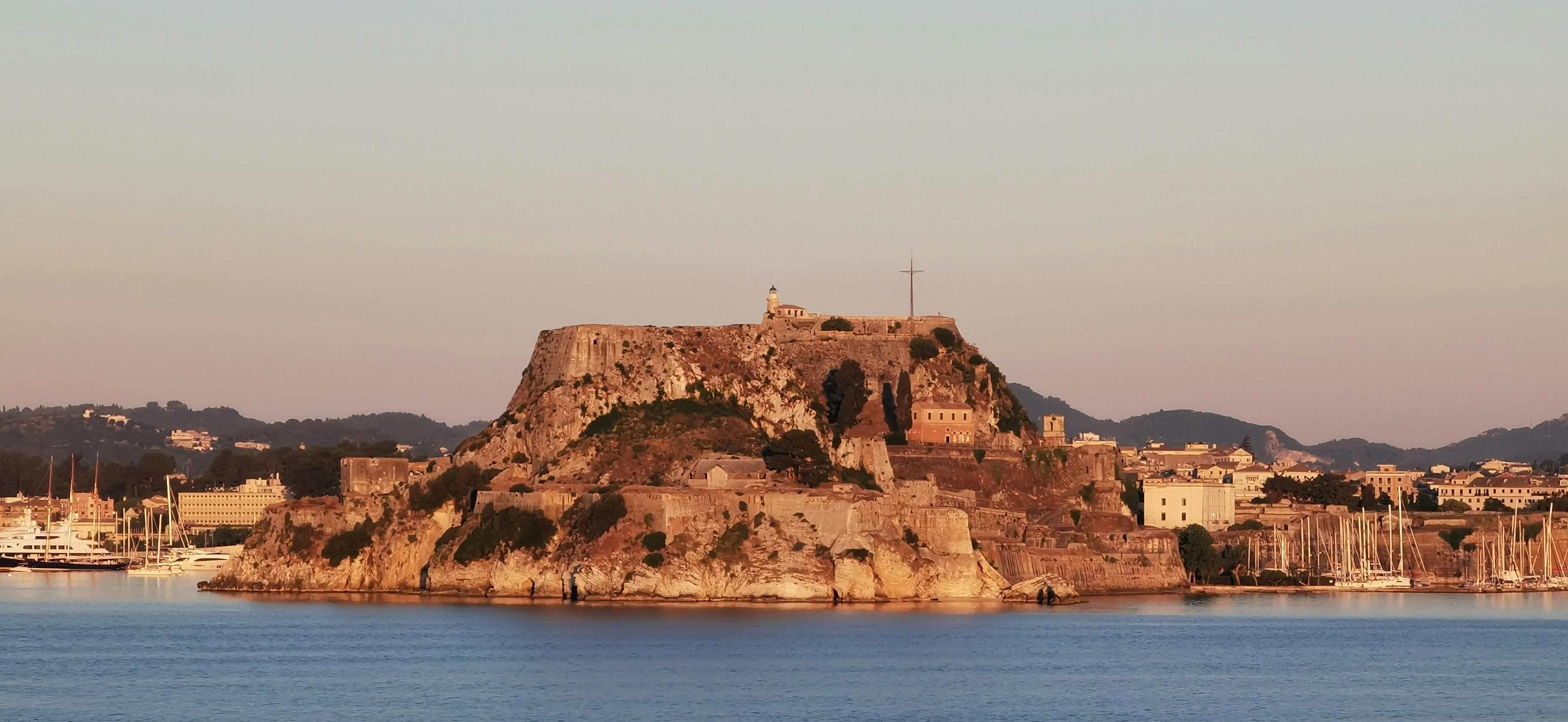
Coastal towns like Paleokastritsa and Agios Gordios have swimming spots alongside proper infrastructure. Inland villages such as Pelekas or Doukades feel alive year-round, which matters for longer stays. Public transport is workable, though having a scooter or small car helps if staying outside Corfu Town. The island is large enough that choosing the right base changes the experience completely.
Daily life here leans practical. Markets sell local produce, bakeries open early, and cafés stay open long enough to support working days. Beaches vary, from organised stretches to rocky coves reached by footpaths. Corfu suits nomads who want access to nature without sacrificing connectivity or community.
Nightlife Experience in Zante
Zante, or Zakynthos, carries a reputation that’s only partly accurate. Yes, Laganas is loud, seasonal, and built around nightlife. But outside that strip, the island settles into a more balanced routine. Travellers who understand this split can enjoy the social side without being overwhelmed by it.
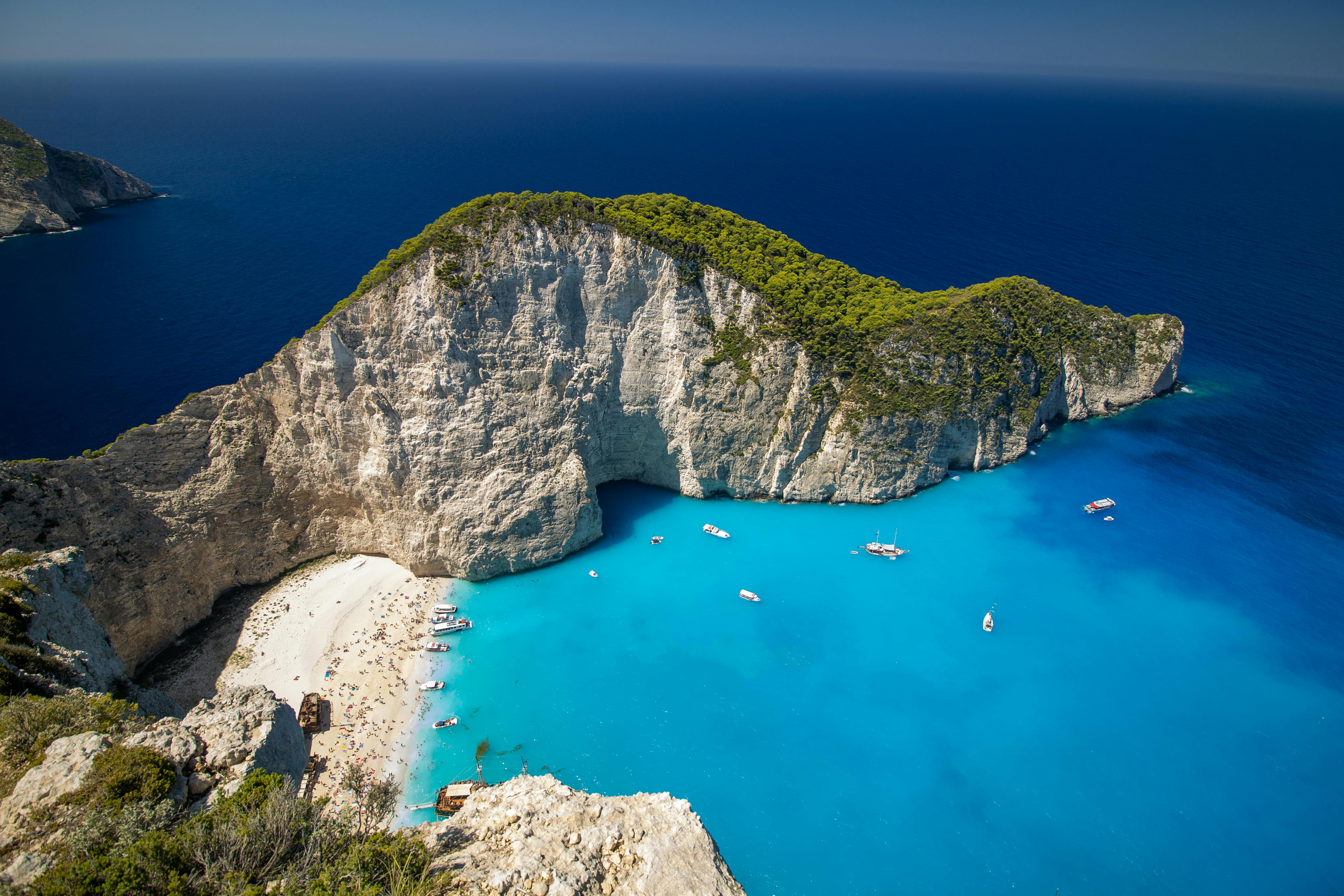
Evenings often start late, with restaurants filling after nine and bars getting busy closer to midnight. In Laganas, clubs cater to short-stay visitors, but places like Tsilivi or Zakynthos Town offer a more relaxed scene. Live music bars, waterfront taverns, and late-night cafés create options that don’t revolve around heavy partying.
For long-term visitors, the key is location. Staying away from peak nightlife zones allows for quiet days and social nights by choice. More often than not, travelers have no trouble finding accommodation in Zante, as the area offers an abundance of options.
The island has decent infrastructure, reliable services, and plenty of daytime activities like coastal walks and boat trips. Zante works best when treated as a flexible base rather than a constant party scene.
So, how do you actually spend time in Greece?
Greece doesn’t demand a single travel style, which is why it works for people who prefer to stay longer. Some places support routine and work, others are better in short, focused bursts. The country allows movement without forcing it, whether that’s through slow island travel, city neighbourhood living, or quieter retreats that reset priorities.
For nomad travellers, the value lies in choosing experiences that fit real schedules and personal rhythms, not just postcard expectations. Greece offers enough variation to adjust plans without leaving the country. The challenge isn’t finding things to do, but deciding how much movement actually improves the experience.