What happens when an unexpected opportunity sets off a lifelong passion for discovery? For Prasanna Vee, one accidental journey became the spark that would eventually take him across the entire world. From his early days in India to adventures that span every continent, his story is one of transformation, curiosity, and a love for the unknown.
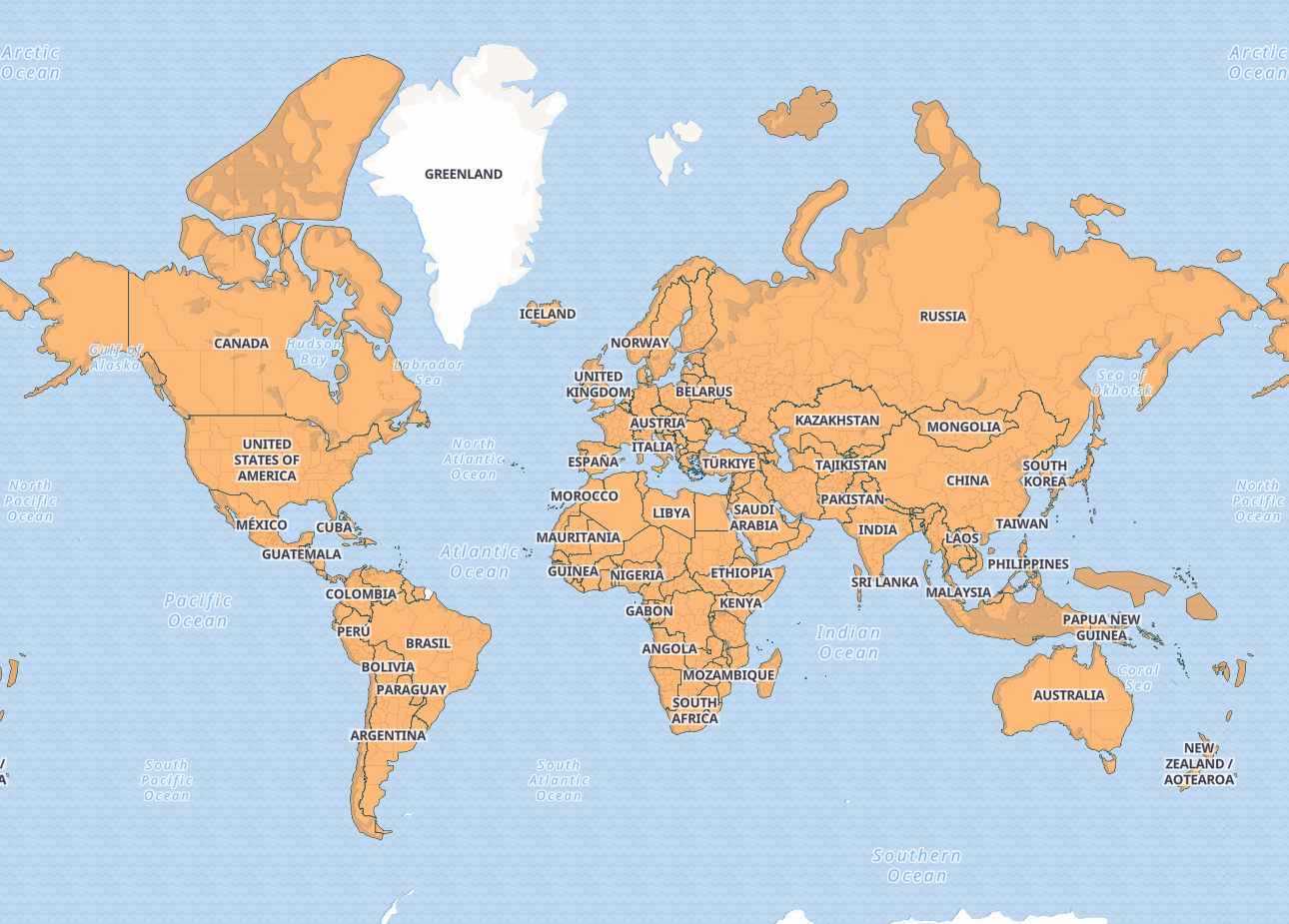
In this interview, Prasanna reflects on the moments that shaped him — the surprises, the challenges, and the unforgettable connections made along the way. His perspective on travel, identity, and purpose offers a refreshing reminder that the real magic of exploration lies far beyond the checklists.
Prasanna, tell us something about your early life and how your love for travel developed.
My love for travel started quite by accident. I didn’t even own a passport till I was 25! A hilarious “lost in translation” interview landed me a job in the U.S. during the Y2K boom. My first flight abroad from India to Minnesota opened my eyes to the world and changed everything! Watching the twinkling runway lights in Frankfurt (the first international airport I landed in), I felt an instant spark that turned into a lifelong passion. From there, every journey—across America and beyond—became a chapter in discovering both the world and myself.
What would you say is the greatest difference between the Prasanna of today and, say, the teenage Prasanna?
The teenage Prasanna hadn’t even owned a passport or imagined life beyond India. Travel wasn’t part of the plan, and at best was an afterthought. Comparing that version of me to the current version, the greatest difference today is that travel doesn’t just define my life; it’s what gives it meaning. Back then, I was happier to be in my comfort zone, not daring to take any kind of risk. Today, I am willing to overcome all my fears(I have a fear of flying, water, heights – you name it, I have it!) to chase micro-adventures, craft beer trails, and constant reinvention. The biggest change? From an inward, map-clueless kid to a deliberate, curious traveler who believes that exploring is the best form of education and enrichment of oneself.
You’re originally from India – what are your three favorite things about your country that you miss when you are away?
Undoubtedly, it would be FOOD, FOOD, and FOOD! 🙂 Just kidding. As an Indian, there’s a constant little tug in my heart for three things whenever I’m away.
First — food and flavor: The sheer variety of food in India is unmatched anywhere else, and I genuinely feel like a foreign tourist discovering new flavors even after three decades of exploring the incredible nation! I miss honest-to-goodness masala, hot aromatic filter coffees, and the chaos of street carts where every bite feels like a story.
Second — the unique human warmth: the way strangers turn into family in minutes, endless conversations on verandas, the emotional range of our laughter and tears.
And third — the feeling of home in the familiar chaos: monsoon rain, power cuts, cricket in alleys, temple bells at dawn — that mix of unpredictability, rhythm, noise, and soul that makes India more than just a place for me No matter how far I go, nothing compares to that sensory overload of the homeland i grew up in!
And what are three lesser-known spots that foreigners may not know, but you highly recommend?
Tough question, as there are quite a few places to choose from! But here are my picks:
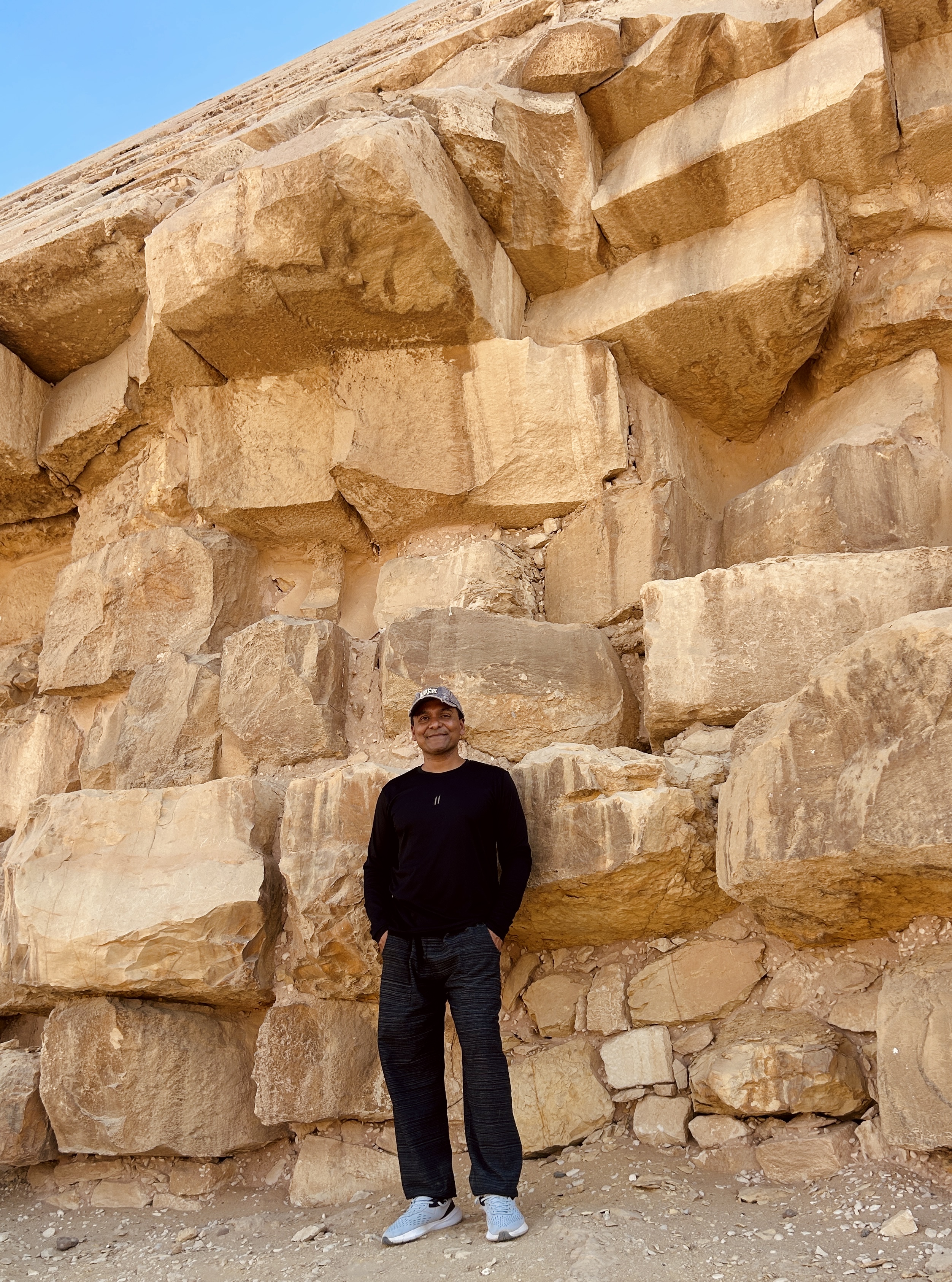
Meroe, Sudan – While everyone flocks to Egypt’s pyramids, Sudan has its own stunning collection that hardly anyone visits. The ancient pyramids of Meroe, scattered across the desert along the Nile, are absolutely breathtaking. What makes them special? You’ll likely have these UNESCO World Heritage sites almost entirely to yourself!
Robertsport, Liberia – Surfing in Africa? Yes! This laidback coastal town is arguably one of Africa’s most unspoiled surf spots. My wife and I visited before any travel writers or hotel scouts had discovered it, and what we found was magical: empty golden beaches, warm water, perfect waves, and absolutely no crowds. Just pristine coastline lined by lush rainforests. Even if you don’t surf (we don’t!), the untouched beauty is spectacular. Though I hear it’s getting slightly more attention now, it’s still refreshingly under the radar.
Tuvalu – This tiny Pacific island nation is the ultimate off-grid destination. Sure, the accommodations were challenging – think glorified shacks and water pull eyed up in buckets for baths! But we practically had an entire island to ourselves. Watching local kids play gleefully on the airstrip-turned-playground, hopping between islands as easily as catching a metro – these raw, authentic experiences are what travel is really about.
sdr
You completed 193 a few years ago, initially travelling on an Indian passport, and then on a US passport. Were you treated differently based on the passport you travelled with? Can you give us concrete examples of this?
Oh absolutely! The difference was like night and day. When I held an Indian passport, I had visa-free access to barely a handful of countries. Every trip meant sending passports across the country for stamps, jumping through bureaucratic hoops, and producing documents like I was applying for a mortgage! We even had to apply for a UK visa while on vacation in Malta because some ill-informed immigration officer at London Gatwick claimed we couldn’t transit through with our US Green Card.
The UK consulate staff later told us we never needed it in the first place! But the most striking difference wasn’t just the visa hassles—it was how I was treated at immigration counters and security checkpoints. With my Indian passport, I’d go through intense interrogations at places like Paris Charles de Gaulle or Amsterdam Schiphol. The questioning was relentless—staff would validate my responses by asking about ongoing cricket matches in India or drilling down to my exact team and product release at Microsoft! I had to stay sharp and measured with every answer. And the “random checks” at customs? Not random at all. I’ve been pulled aside with such consistency across dozens of airports that it couldn’t be a coincidence.
Everything changed after I got my American passport. My most gratifying moment was at Amsterdam Schiphol in 2010—my first trip there as an American citizen. When the cheerful immigration officer asked about my plans, I casually mentioned heading out for a craft beer crawl after traveling through West Africa. He punched my passport stamp and exclaimed, “Wish I could leave my counter and join you guys! Have a good time, and drink responsibly!” That conversation was a turning point. I realized my happiness and dignity were worth more than entry to any country, and I started being carefree at counters. My passport gave me that power—a privilege my Indian passport never afforded me, despite being the same person with the same travel dreams.

What do you feel motivated you most to visit 193?
Honestly, it wasn’t a conscious decision from day one to visit all 193 countries. The motivation evolved organically as I kept traveling. Initially, like most travelers, I was content chasing the usual suspects—the pyramids, the Swiss villages from Bollywood movies, the bucket list destinations everyone raves about. But somewhere after the first decade of traveling, I became hooked on something different: the thrill of the unfamiliar. I realized I’d become a bit like a substance addict whose tolerance keeps going up—I needed stronger fixes! The likes of Spain and Portugal weren’t cutting it anymore. I had to push further east, deeper into Eastern Europe, then way off into remote corners of Africa, obscure Pacific islands, places my friends couldn’t even locate on a map.
What really kept me going was this delicious combination of curiosity and rebellion against the ordinary. I loved the idea of arriving somewhere before the tour operators, before the Instagram crowds, before it got “discovered.” There’s an almost elitist thrill in being among the first outsiders to witness a place in its raw, unfiltered form—like discovering an undiscovered talent before they hit the big stage. And then there’s the education aspect. Travel taught me more than any classroom ever could.
It shattered my media-fed prejudices—like discovering vibrant nightclubs and fashionable youth in Damascus when I expected something entirely different. Each country became a lesson in seeing through my own lens rather than someone else’s.
Plus, once you’re past 150 countries, you might as well finish the set, right? It’s the collector’s mentality kicking in! But truthfully, it was never about ticking boxes—it was about feeding this insatiable appetite for unfamiliarity and authentic human connection.
Which countries did you find most exhausting to visit once you were on the ground, and why?
Oh man, where do I start? Djibouti takes the cake for being memorably exhausting—not because of what we saw, but because of what we didn’t have! The infrastructure was appalling. We ended up at the ridiculously expensive Kempinski Hotel because literally nothing else was livable, which then forced us to downgrade our entire following itinerary. It broke our hearts to see that NATO forces had better accommodations than curious travelers!
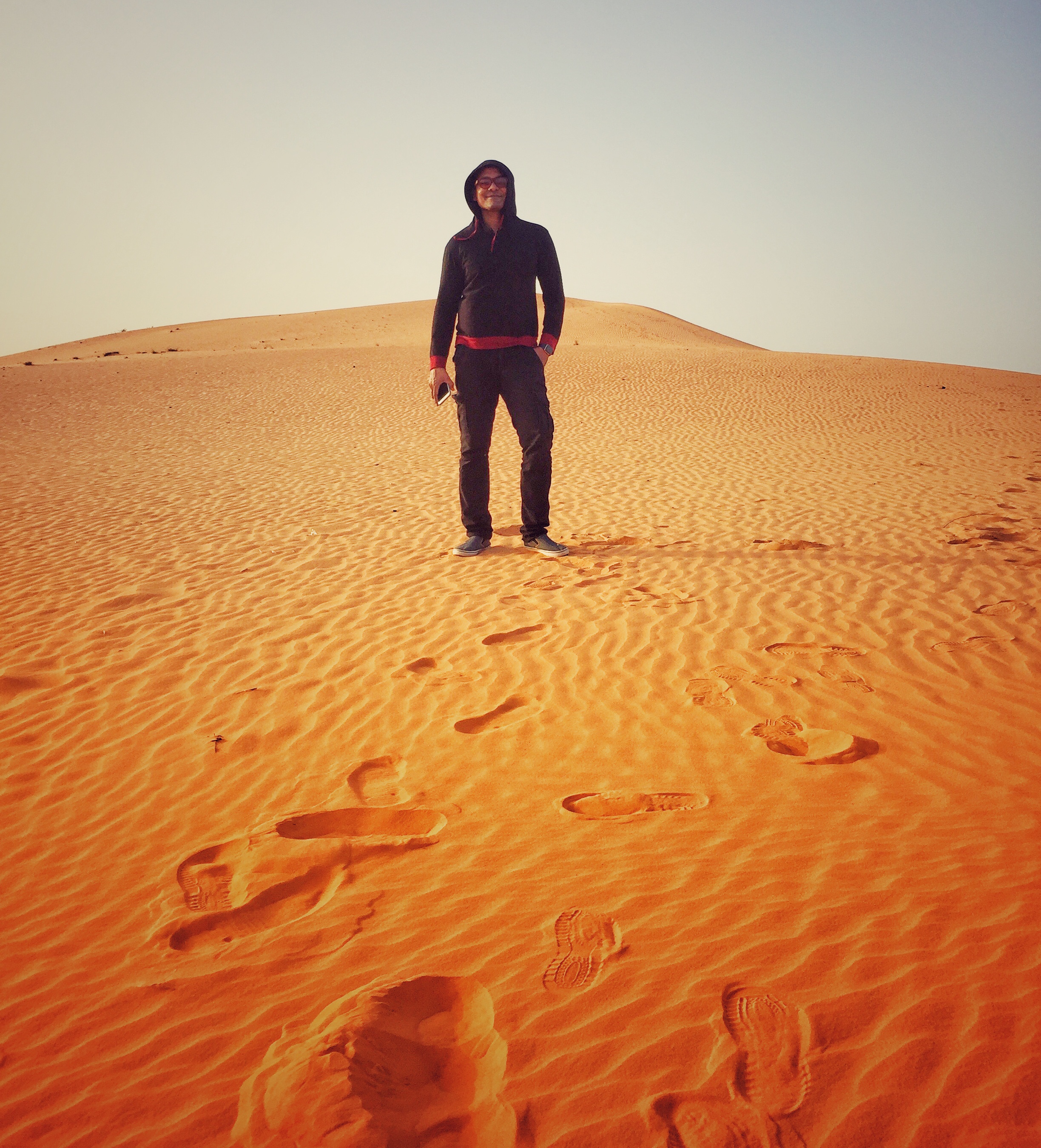
Nauru was another test of endurance—staying in glorified shipping containers that turned into ovens under the blazing sun. And the price? Same as a Western luxury hotel! But honestly, Sudan might’ve been the most physically grueling. That summer drive through deserts and sandstorms to reach Meroe’s pyramids, then trekking across searin g sand dunes in peak heat—we were completely drained. Though I’ll admit, the moment we saw those forgotten pyramids standing majestically in the desert, all complaints vaporized into the scalding Sudanese air! The sweet taste of hardship, as I like to call it. Sometimes the toughest destinations give you the most unforgettable memories—even if you’re cursing the journey while you’re in it!
And which countries surprised you most positively?
If there’s one thing travel has taught me, it’s that the world rarely behaves according to the script in our heads. The countries that surprised me the most weren’t necessarily the ones with famous landmarks or glossy postcards — they were the ones I arrived in with low expectations and left with a load of fond memories.
Syria was perhaps my biggest positive shock. I landed there just weeks after 9/11, half-expecting tension and suspicion, and instead found warmth, wit, and a nightlife scene that could give Beirut a run for its money. Imagine dancing inside a 2,000-year-old stone cave with thumping Arabic house music — not quite what the travel advisories had warned about! That night in Damascus forever shattered my stereotypes about the Middle East.
Then there was Iraq, a place most travelers only see through news headlines. In Baghdad, we ended up on what I jokingly call a “Babylonian bar crawl,” guided by local army men(friends of friends) who checked in their guns at club entrances like others would their coats. Beneath all the scars of war, I found an incredible resilience and zest for life — people who still knew how to laugh, sing, and celebrate amidst chaos.
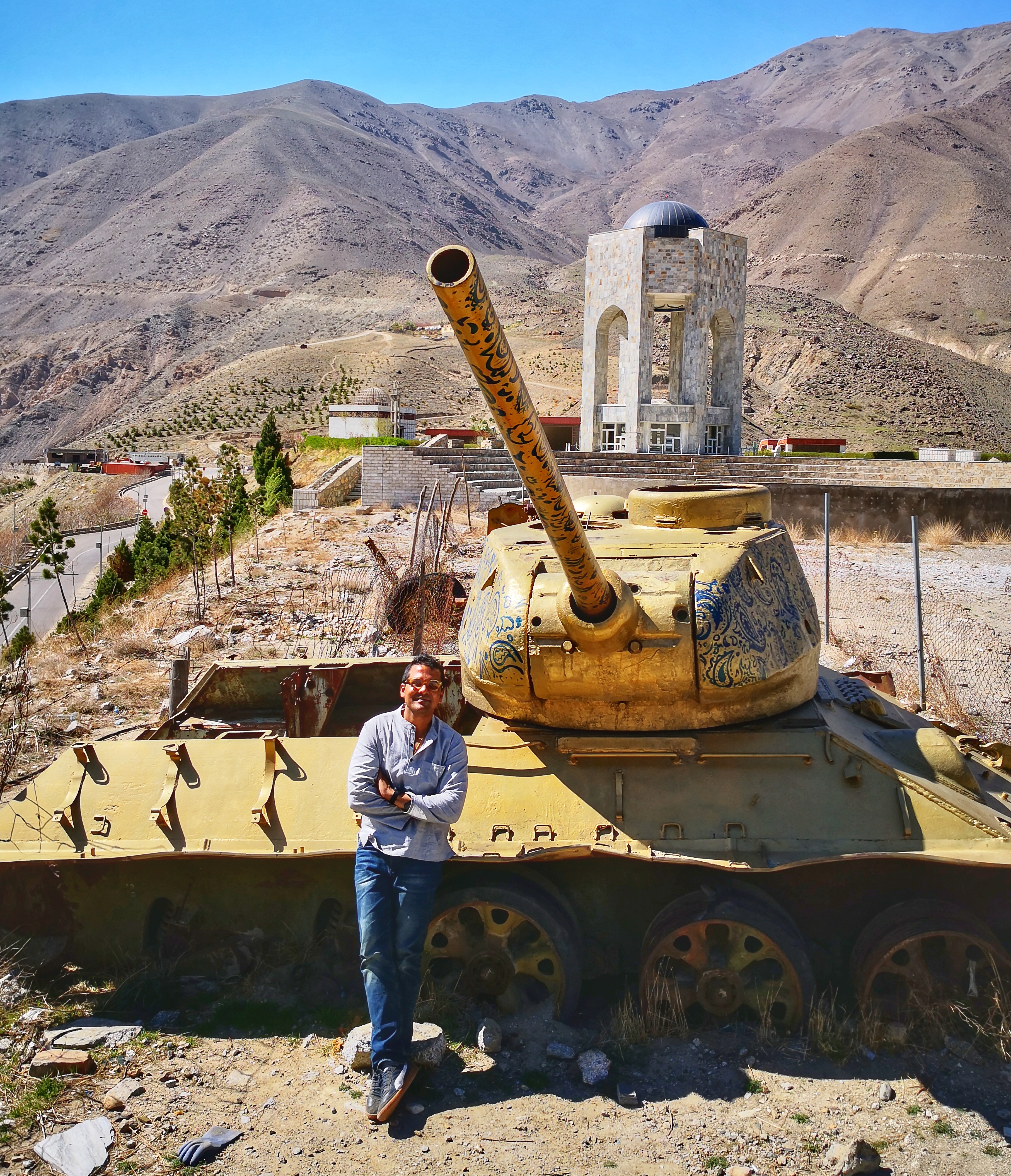
Afghanistan surprised me in a quieter, more soulful way. One evening in Kabul, I shared a bottle of Smirnoff (procured through “creative channels”) with the guesthouse manager under a starlit sky. Between sips, he recited Afghan poetry and spoke about hope, heartbreak, and cricket — the kind of conversation you never get in guidebooks, only on gutsy nights.
And then there was East Timor — a tiny, post-conflict nation where I somehow ended up dancing till 3 a.m. at a UN peacekeepers’ party. Who knew “Disco in Dili” could be a thing?
Each of these places reminded me that beauty often hides behind borders of bias. The more we travel, the more we realize — the world isn’t divided into “safe” and “dangerous,” but into “places we’ve been surprised by” and “places we haven’t yet.”
Give us two travel stories that really impacted you. (Please elaborate in detail)
If there’s one thing that decades of travel have taught me, it’s that travel rarely sticks to the script, and that adventure often begins where plans end! In fact, the most unforgettable moments often begin when the plan completely unravels. Two such stories — one heartwarming, the other chaotic — still remind me why I fell in love with this unpredictable planet.
Story 1 – Cold Beers, Curry & Chelsea (Sierra Leone)
When I first landed in Sierra Leone, it didn’t exactly scream “holiday destination.” Still recovering from a civil war, it was dusty, hot, and a far cry from glossy travel brochures. Our hotel was so dreadful that my wife refused to even unpack. We somehow found another place run by a grumpy cook, no electricity during the day, and zero hope for vegetarian food. Just when we resigned ourselves to a night of warm beer and peanuts for dinner, our fortunes turned. The cook thawed out ice-cold bottles of Star Beer, fried up French fries, and even rustled up a wicked vegetarian curry — all as a crowd of naive local kids gathered to watch a Chelsea vs. Manchester United match on the only TV in town. Sitting there, surrounded by locals cheering, curry on our plates, and cold beer in hand, I realized that sometimes the best travel moments are born out of the worst plans. From that point, I treat life(not just travels) with a “take it as it comes” mindset
Story 2 – Riots, Rain, and Resilience (Mayotte, Indian Ocean)
Then there was Mayotte – a remote French island where we accidentally landed in the middle of riots and curfews. Streets were deserted, shops shut, and even dining establishments were shuttered! With no taxis, no food, and only chaos around, we found refuge in a tiny hotel. Things looked bleak until the bartender at the lobby bar revealed a stash of cold beer while confessing he had no meals. A few pints later, he magically arranged dinner from the kitchen of a friend(who could cook us curry despite the lockdown). Not just any random food – chicken curry for me and vegetable curry for my wife! So, there we were, sipping beer and eating spicy curry on a balcony while speeches echoed from distant megaphones. It was surreal, almost cinematic. That night reminded me that joy often sneaks in through the cracks of discomfort.
You’re also an author. Tell us a little about your book and whether you have more books in the works.
Yes, my next book is in the works already. It is about Incredible India. A land that is more than a
country, a place that is a melting pot of a million cultures, a nation that is most misunderstood even by the most traveled people! The book will uncover and unpack all the complicated layers and stories that go on to make this nation Incredible.
What have your travel aims been since you completed 193? And what is next in terms of your travels?
I did go through a bit of a down trip and ‘feeling of emptiness’ right after I completed the 193! But then I started realizing it is not about lists, and there is so much more in the world to see beyond what I had assumed when I was nearing my 193. So I started adding destinations that were not limited to a category but offered one-of-a-kind landscapes and unique experiences- So I started visiting places like Greenland, Antarctica, Svalbard, the Faroe Islands, etc. Then my passion for travel got rekindled again, and now I have been exploring parts of the countries I have visited that are way beyond the bucket list items. My next goals are to complete the FIFA, UN+, and the TCC list!
And turning to NomadMania, what do you like most about us?
What I genuinely appreciate about NomadMania is how it’s managed to create a community that celebrates the journey rather than just the destination count. Don’t get me wrong—I am part of other travel communities like MTP and Every Passport Stamp, and they serve their purpose. But sometimes those groups can feel a bit like a numbers game or an exclusive club.
NomadMania feels different. It’s more democratic and inclusive in its approach. The platform recognises that travel isn’t just about stamping your passport in UN-recognised countries—it celebrates the granularity of exploration. The regional breakdowns, the recognition of territories, autonomous regions, and even unique cultural areas within countries, resonate with someone like me who believes India alone is like traveling through an entire continent!
The tracking tools are also phenomenal—way more sophisticated than just counting countries. Being able to map out regions, UNESCO sites, and specific experiences makes it feel like a comprehensive travel portfolio rather than just a checklist. For someone who’s visited every UN country but still has an insatiable appetite for discovering new corners of the world, NomadMania keeps the game interesting and the wanderlust alive!
Finally, our signature question – if you could invite any four people or fictional characters, from any time period, to an imaginary dinner, who would you invite and why?
Ha Ha, Interesting Question! Here are my picks:
Marco Polo: I’d open the evening with him, because every modern traveler owes a nod to the man who put wanderlust on the map—literally. I’d love to ask how much of his travelogue was real, how much embellished, and whether he’d still recognize the Silk Road in today’s Instagram age.
Tom Cruise: because here’s a man who quite literally hangs off planes for fun. For someone like me who lives to explore limits, I’d love to know what fuels his fearless energy, how he turns every challenge into adrenaline, and what keeps him chasing that next impossible mission.
Anthony Bourdain: Purely because I loved how he viewed every destination through a very unique lens and not the clichéd explorations other Travel hosts have done for years on television and media! Would love to have a long night of drinking and exchanging travel stories with a heavy dose of humour that he is famous for!
Ernest Hemingway: A man who didn’t just travel, but inhabited places — Paris, Pamplona, Havana, Arica — and distilled their essence into stories that still smell of cigar smoke and a strong drink. I’d love to ask him if travel made him a better writer, or if writing made him a better traveler.