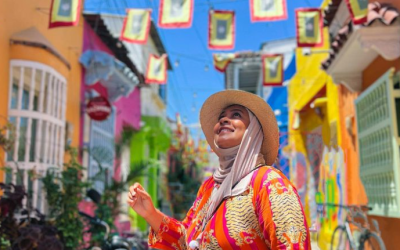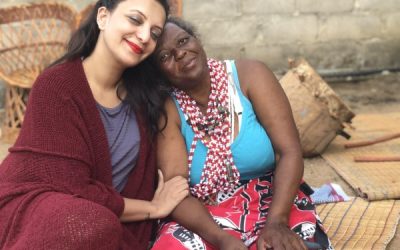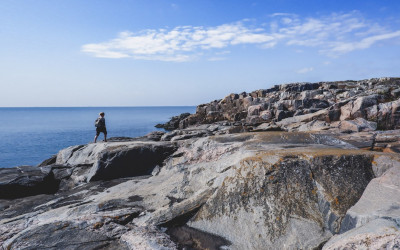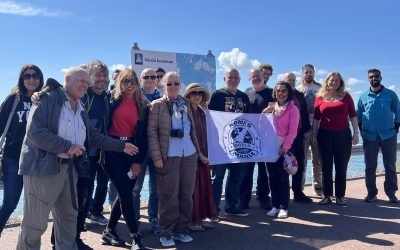
For Katrin Sif, travel isn’t just a passion—it’s a way of life. Born in Iceland to a Guyanese mother and raised across continents, she has been on the move for as long as she can remember. What began as family holidays between Iceland and Canada turned into a lifelong pursuit of exploration, leading her to study on a ship that circumnavigated the globe and ultimately to visit nearly every country on Earth.
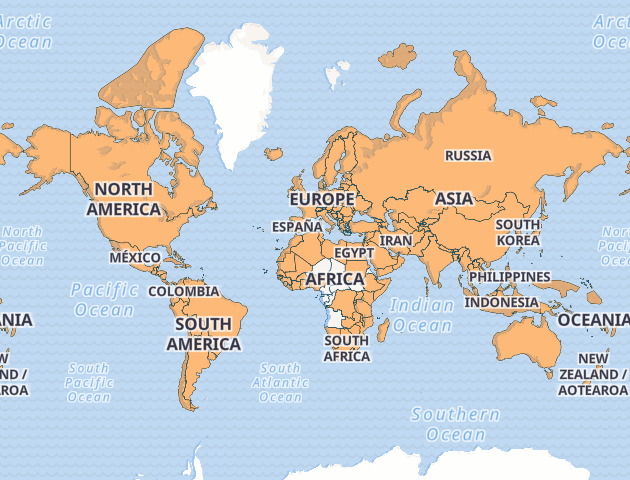
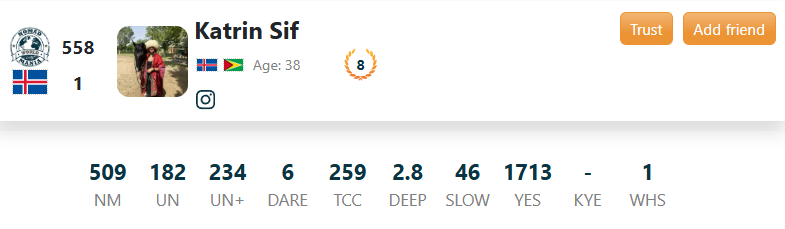
With just eleven countries left to go to become a UN Master, Katrin has trekked with gorillas in Rwanda, wandered through forgotten islands of the Pacific, and built a life around movement, mindfulness, and connection. Her journey is a testament to the power of curiosity, to step beyond comfort zones, cross borders both physical and cultural, and discover not only the world but oneself along the way.
Katrin tell us a little about your early years and how your love for travel developed.
I was born in Iceland but my mother was an immigrant. My parents (father from the Westman Islands in Iceland and mother from former British Guyana) met at university in Pennsylvania and decided to get married and move together back to Iceland. We spoke English at home (since we were going to school in Icelandic in Reykjavik) and travelled abroad as a family to England, Florida and Spain for holidays. When my parents split and my mom took custody, me and my 2 sisters were taken to Canada to finish our elementary education. Our grandma (moms mom from Guyana) helped raise us (in Iceland and Canada) and I stayed thru until my BA at UBC in Vancouver, Canada. I took 2 university exchange semesters, one to Brisbane Australia, and one to Semester at Sea, a floating campus that circumnavigated the world in 100 days. I was 19 years old and I was hooked. Though I had already lived and travelled to different countries as a child, it was my first solo travels in my university years (and the help of internet) that made me a traveller and backpacker.
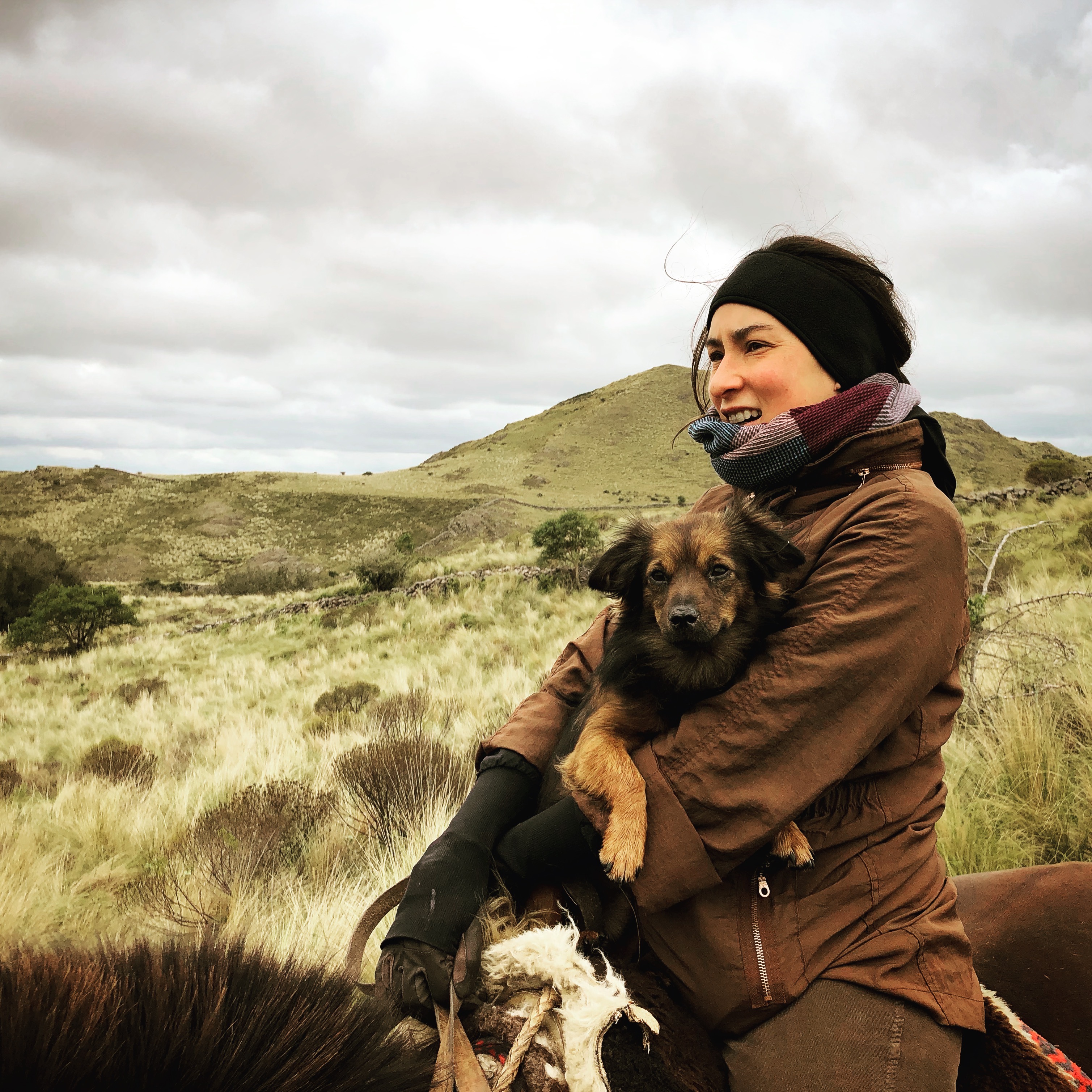
You’re from Iceland, which many of us find truly exotic. To what extent are you or are you not a ‘typical’ Icelander?
Well to begin with I’m only half Icelandic. I still speak Icelandic with an accent. I grew up in Canada and have 2 passports. And I’ve been to almost every country in the world, making me the most travelled living Icelander. I sometimes feel like Iceland is too small for me, whereas others love the small-town feel. I battle with staying because it’s safe and comfortable, but I don’t always feel like I truly belong since I don’t have the school-year friends or my father there anymore (he passed away 2018). My father was what made Iceland feel like home so now I have a hard time identifying with Iceland as home.
And why not give us some ‘hidden gems’ of your country?
Well if I did that, then they wouldn’t be truly hidden anymore, would they?
We know of two people in Iceland who are UN Masters already – Ugnius, originally from Lithuania, and also Ingjaldur who passed away in 2014 just after reaching 193 – have you met or heard about them before? Any comments?
No, I haven’t! I am supposedly enroute to being the first Icelandic female to visit every country in the world so it would have been nice to meet Ingjaldur for swapping notes.

Now, let’s turn to your travels. What kind of traveller do you see yourself as?
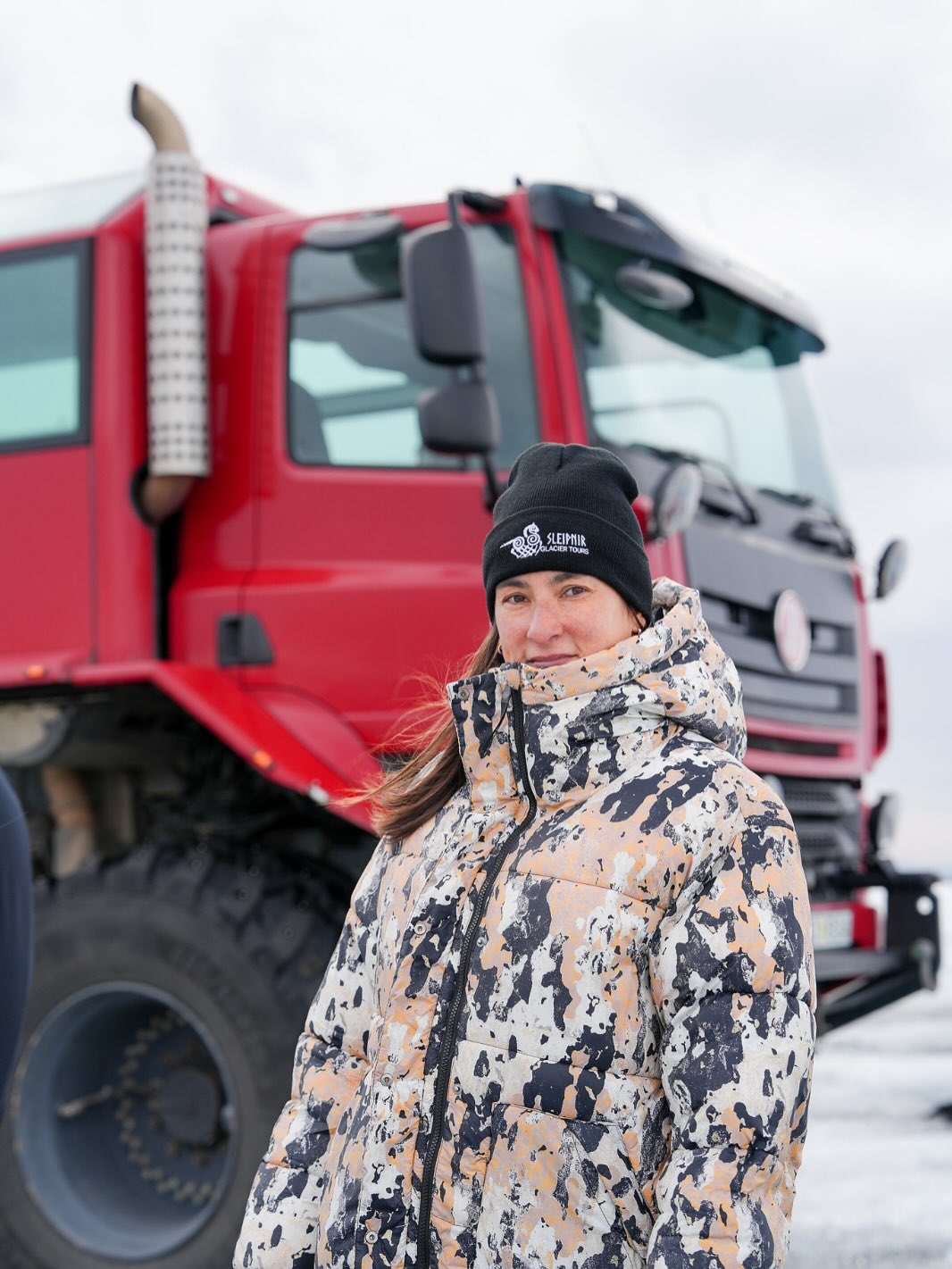
I like to be a visitor in the lives of others. I like traveling, moving, and journeying with a mix of transport (including my own 2 feet) and mostly travel solo on a tight budget.
You now have 11 countries left to reach 193 – what have been your main challenges so far and what has kept you motivated?
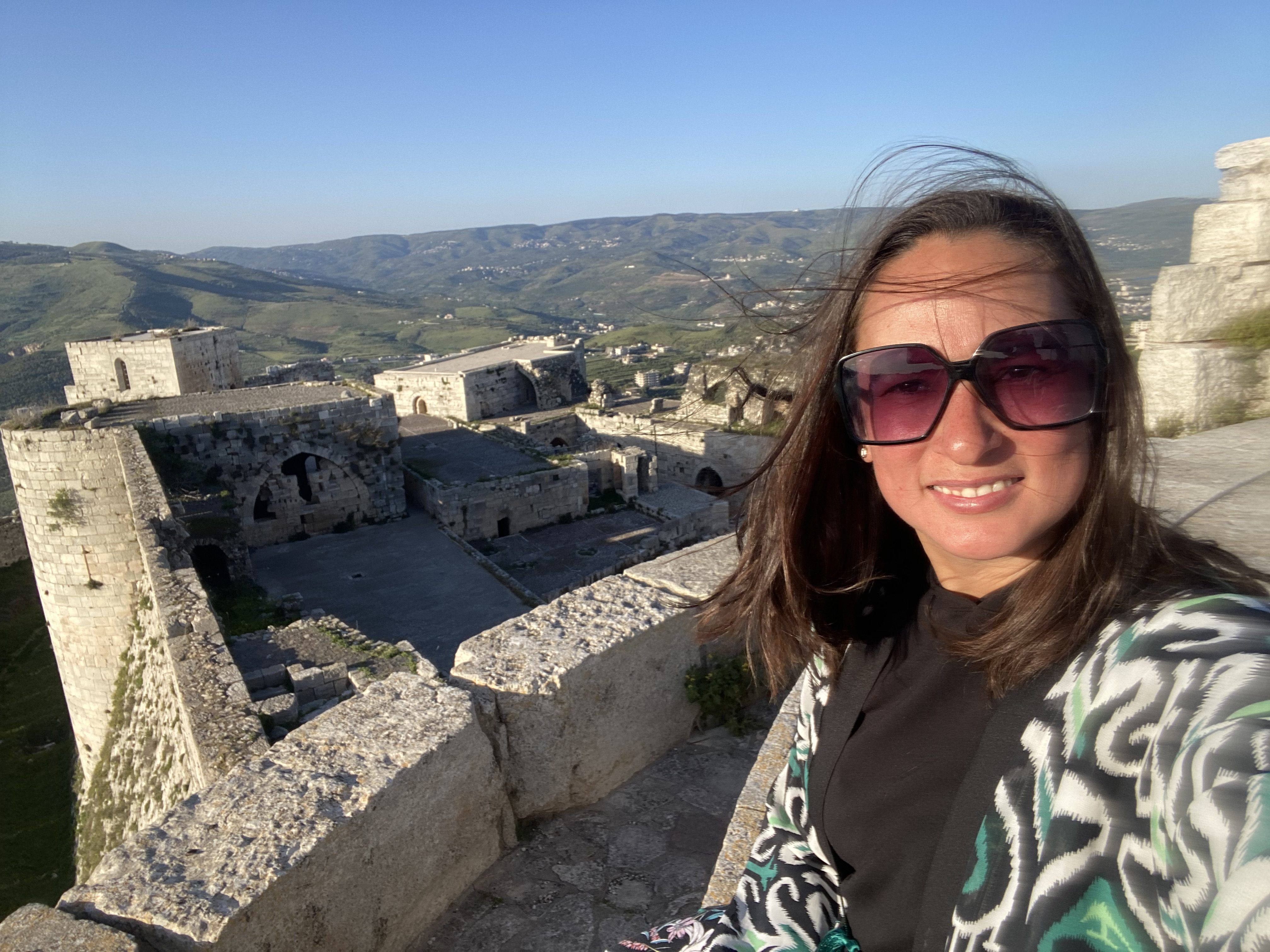
COVID was a bump on the way, though I still am not just traveling to tick off a list of countries. The ones I have left are all in Africa, many of them war-torn or unstable, and that is less appealing but certainly not a challenge Im not willing to meet. I am always motivated to go somewhere new, no matter the danger.
Do you see a timeline toward completion? What are the biggest obstacles to reaching 193? And what about after 193 – what comes next?
I will travel all winter to try and visit the remaining countries I’ve never been to. The biggest obstacle is probably my Eritrean visa… Next up is just the same old thing, travel to new places! And there are plenty of places and people I want to revisit too!
How have you changed since starting your journey? What have some of the biggest, and most surprising, lessons been?
I am always humbled and changed by every journey I take. The biggest and most surprising lesson has always been what a gift it is to be a solo female traveller – though I feel safety is sometimes an issue, I always consider my femininity to be a strength and travelling alone has pushed me to be stronger, more confident and created blessings I never would have received as a male.
And which countries surprised you most, positively or negatively?
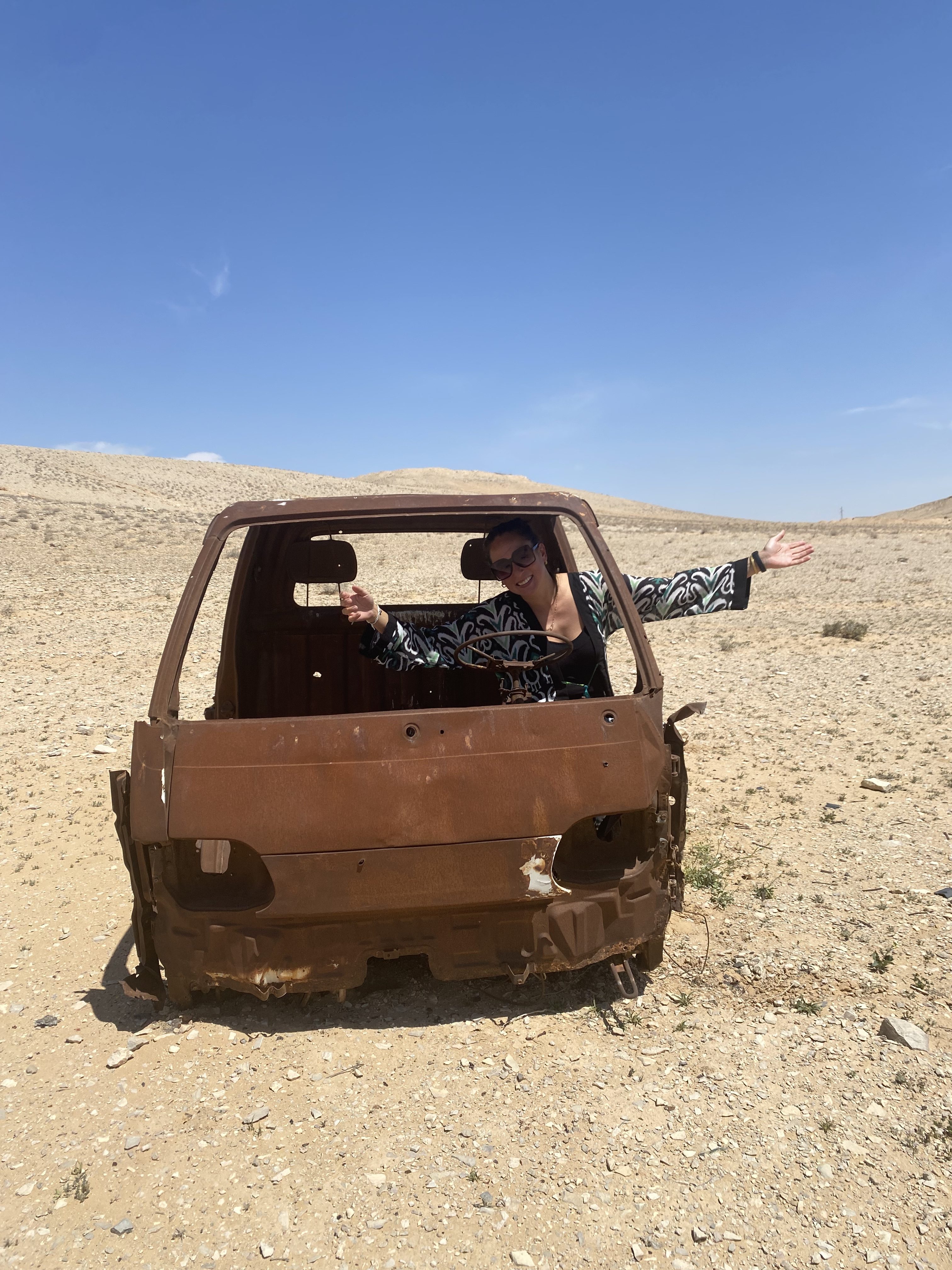
I am always positively impressed by the culture and people of Japan, and the varying landscapes and outdoor activities of Argentina, two of my most favourite countries to revisit year after year. North Korea was so safe and clean and… let’s just say, well-staged but not necessarily negative for the experience. Yemen was a forgotten and unruly place, not negative either.
The garbage on some Pacific islands (especially smaller atolls) was appalling. When I visited Tuvalu in 2015, which is an island just barely wider than the airport strip, it was disheartening to see the amount of plastic waste that collected on the island (due to lack of recycling programs and garbage management) and that washed up with the ocean currents. There were fields of floating plastic filling in peoples’ backyards and low lying areas, and one image of a pig trying to graze through the rubbish really stuck with me.
Another Pacific island, Nauru, also burns in my memory from seeing all the massive phosphate mining machinery left to rust and waste all over the tiny island. All sorts of scrap metal, motors and vehicles pollute the coastline like eerie, haunting memories of an era long gone, the wealthy days of the phosphate era.
No one seems to know what to do with the mines and equipment, and it would cost so much money to ship it away, so it sits around as a danger hazard and people rely heavily on aid from Australia to meet basic food and health needs after once being the richest per capita country in the world. It is a dark reminder of what unsustainable resource extraction can do to a place, and the devastated island might never recover 100% to find other sources of income, like tourism, because of its state.
Can you tell us one of your travel stories that has really stayed in your memory?
My silver-back gorilla guide in DRC tried to kidnap me to marry me, and I accidentally married a Masai in Masai mara. Long story. I attended a tourism conference in Uganda to present my Masters thesis on ecotourism. There, I met many people in the academic, government and tourism sectors who wanted to help me trek silver-back gorillas. The problem was that all permits in Uganda were sold out and Rwanda was more difficult to get to, so I ended up networking with a trekking guide in Congo DRC.
I travelled more than 500km to get to Kisoro where my guide would meet me and arrange for the visa and trekking permit, But once he met me, he decided I was better wife material, so he fudged up my visa as to make sure I had only my exit stamp from Uganda, and not an entry stamp into Congo.This way, I also couldn’t get the trekking permit, and he explained I’d have to wait a few days to get things sorted.
Meanwhile, he tried to wine and dine me and introduce me to his children and proposed sex, all in a short 24 hours, at which point I decided I wouldn’t stick around to wait and instead hiked back to Uganda before sunrise, before the border control opened, and smuggled my way back into Uganda to hitchhike to Rwanda, where I had to talk my way into another exit stamp and entry into Rwanda. The problem was the border to Rwanda was reserved for locals and they couldn’t give me a visa on arrival there, so they asked me to travel back to Kampala to sort out paperwork!
After a couple of hours of discussion, a little bit of bribery, and the help of a former Rwandan refugee that was travelling with her Canadian passport as identification, I managed to cross and travel to Kigali to get my paperwork sorted. I eventually got to trek the silverback gorillas in Rwanda 🙂
At the same conference, I met a Masai Mara warrior who was completing his studies in the US. He invited me to visit his village in Masai and I was able to do so on the same trip, after my attempts to trek gorillas. He met me at the park boundary with his cousin, both of whom were dressed in traditional warrior clothing, and they offered me a red dress, some beaded shoes and dazzling beaded jewellery to put on, then drove me to the village.
After a welcome ceremony by the women of the village, and a hopping dance by the men, they offered me to consecrate our marriage by staying in the same hut as my host! I explained it was a bit of a misunderstanding that I had intended to marry him and I was only a friend visiting! Eventually, they accepted but were certainly disappointed their Masai hadn´t been able to marry that exotic foreigner…
You’re also a meditator and yoga teacher. Tell us something about that and how this has linked to your travels.
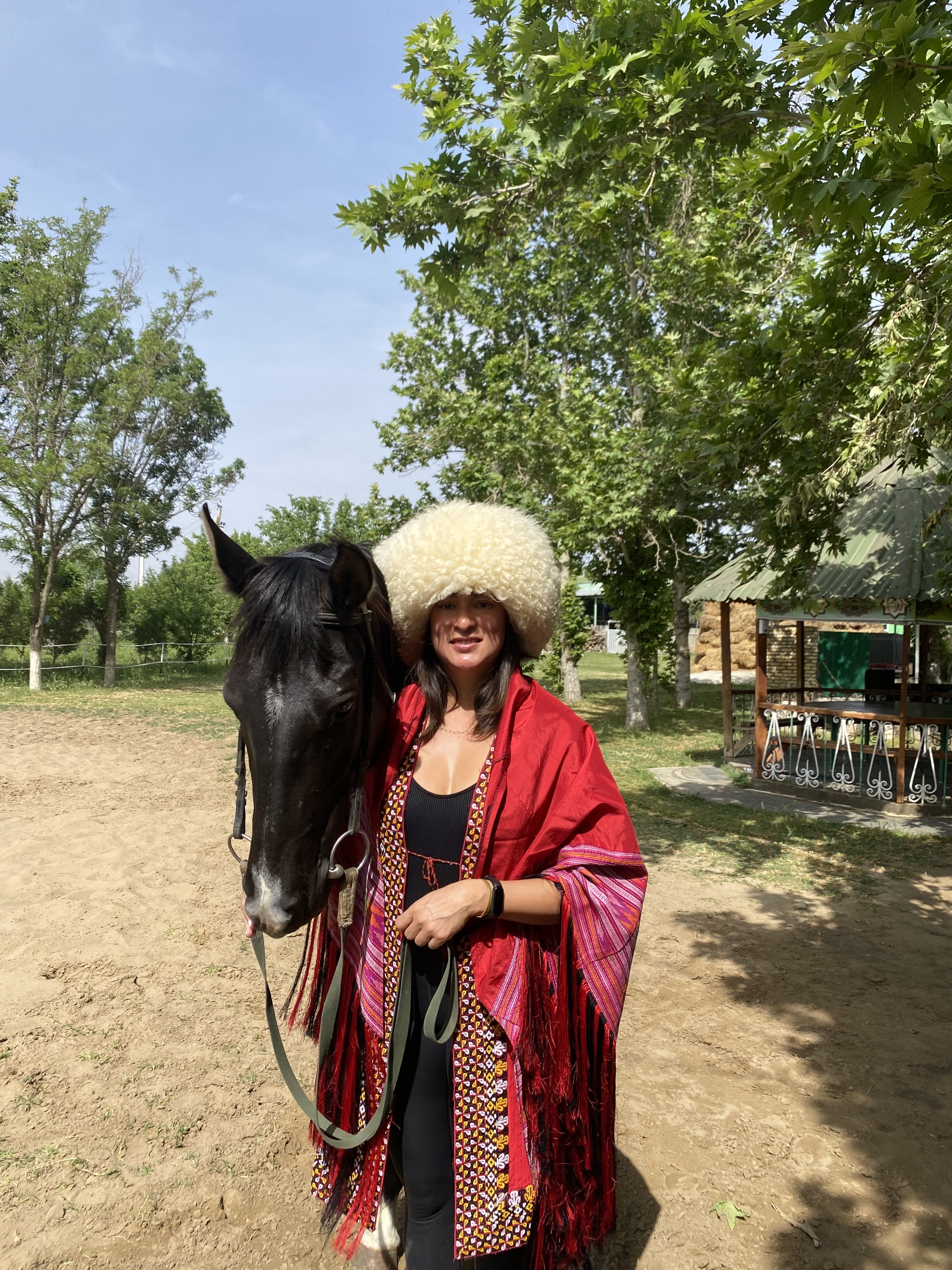
I completed my yoga teacher training first in 2018 in Goa India, and again in 2021 in Cali, Colombia, giving me a chance to live a month in each country. Now I travel between meditation centers (most recently Latvia) and complete yoga and horse retreats around the world as a guest, giving me the chance to gain experience and build up my own yoga-based company Me Time Iceland, which I also use to travel (as a guide in Iceland and abroad).
Coming back to Iceland, are you known in the community? What are your expectations there if you are to be the first Icelandic woman to reach 193?
Yes, some people know me, but everyone knows everyone in Iceland so it’s not saying much. I don’t care for the fame or recognition but I want to inspire young women to take on travelling the world if they so desire – we can do whatever we want and it’s nice to be positively recognized for living an alternative lifestyle. Not every 38-year-old woman in Iceland wants to be married with children or thinks the point in life is a well-paid job or elevated standard of living.
Finally, our signature question – if you could invite any 4 people, from any era of human history (even fictional) to an imaginary dinner, who would you invite and why?
Nelson Mandela, Mother Theresa, Mahatma Ghandi, and S.N. Goenka to discuss how we can
bring more peace and harmony to the world.
Follow Katrín’s travels through her Instagram account and support Katrin’s last 11 countries with subscribing to her Patreon.