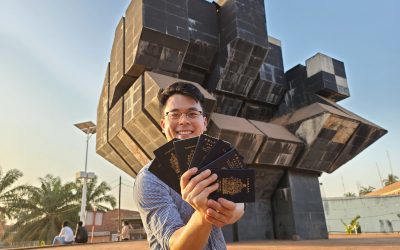
We had the pleasure of interviewing the amazing Guangming Chen, whose life is filled with incredible travel experiences and inspiring stories. His journey offers so much to learn from, and we’re excited to share it with you. Enjoy the interview!
English Version:
Guangming Chen is the Chairman of the Travelers’ Century Club (TCC) for China and one of the biggest travellers from his country. The interview with him was conducted with him translating the questions and then us translating the answers back from Mandarin, so we can only hope we have done justice to a truly remarkable traveller.
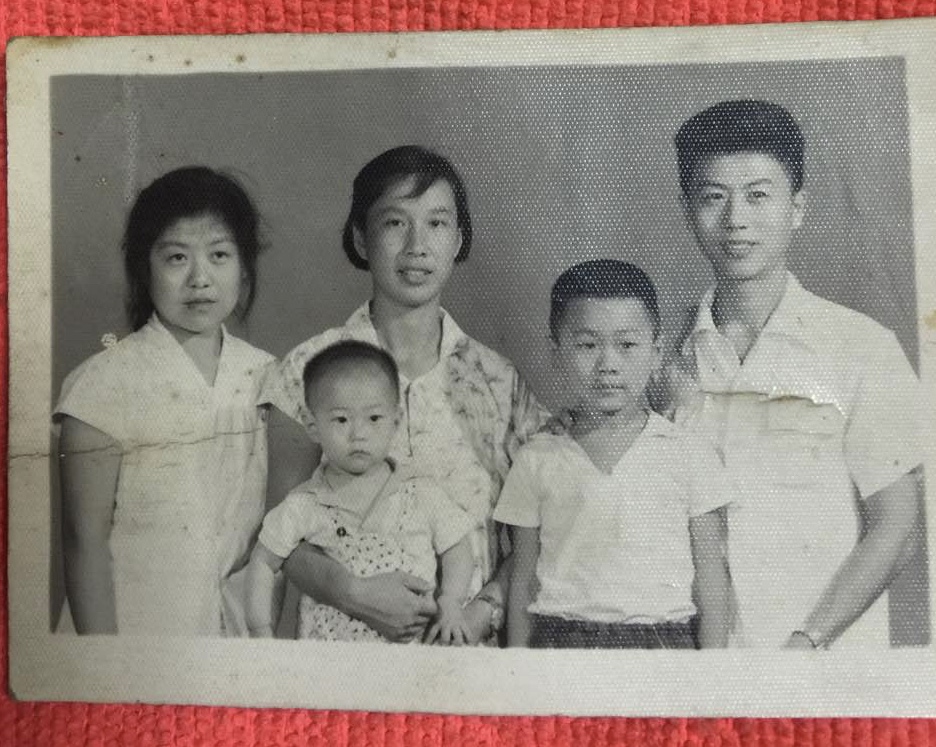
Mr. Chen, tell us a little about your early life and how your love for travel developed.
Speaking of my early years, they were years of ignorance about travel and exploring the world. Due to the war and closed-off management of the country, we all grew up in poverty and hardship. Cars and airplanes are only a century old, and international travellers have only existed for less than a century; previously, globally renowned figures were mostly navigators. The same was true for China’s early ten famous travellers.
My first travels were limited to trips to major cities by truck and train during winter and summer vacations when I was in junior high school. Back then, seeing the few foreign senior tour groups in Beijing made me wonder when we could visit their countries. In my early years, I was mostly working, only able to travel during May Day, October Day, and the Spring Festival. My plan was to first visit renowned developed countries, then all the continents of the world, then all the countries in the world.
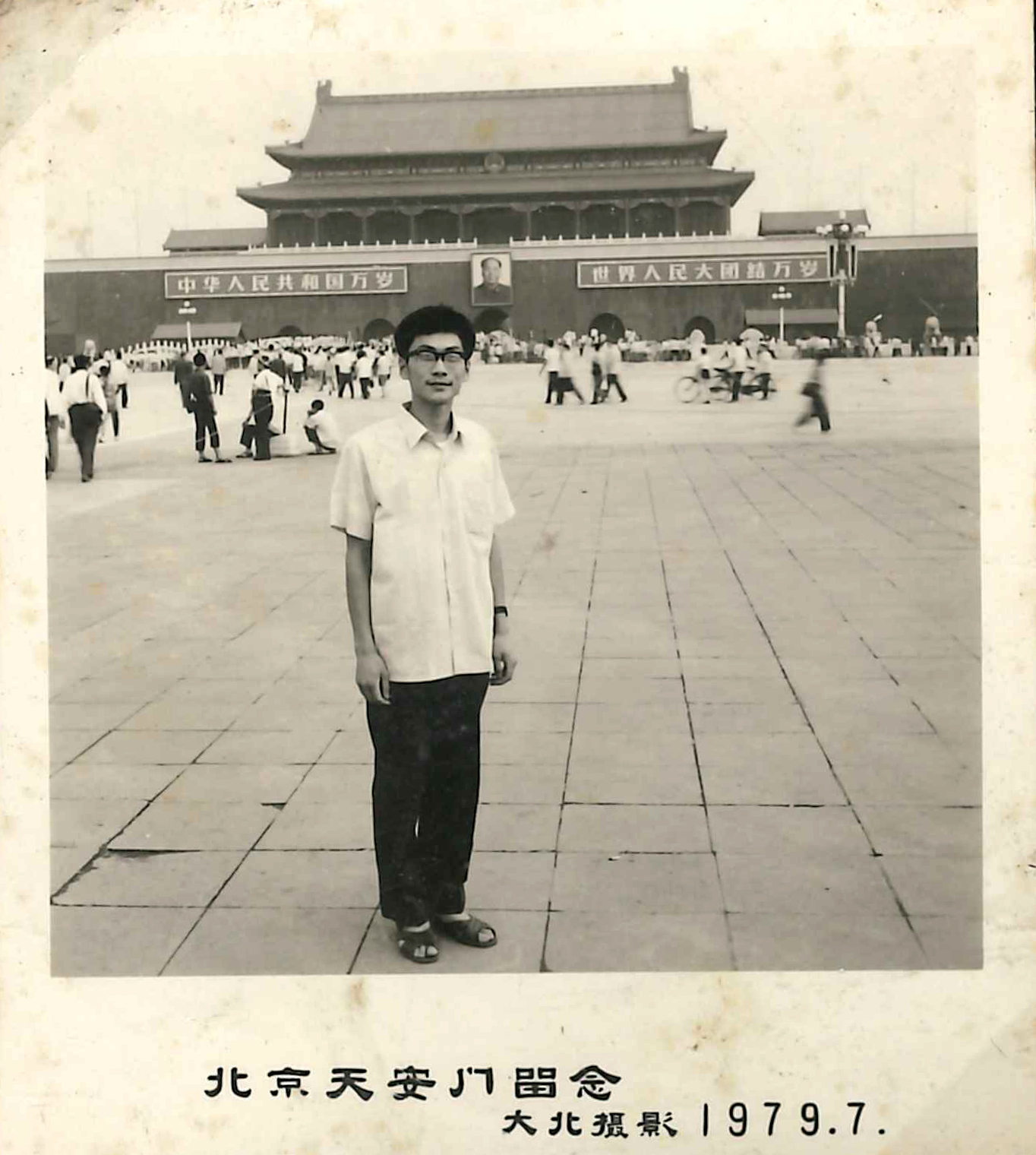

You come from China and have witnessed tremendous changes in your country over the past few decades. What do you think is the best aspect of this development, as it has impacted travellers?
I was born in China, and I’m fortunate that we didn’t experience war.
From barely making ends meet, we’ve gradually risen to the ranks of the world’s wealthy. I started travelling domestically with my monthly salary, and owning a car gave me the opportunity for road trips. From travelling between cities to exploring entire routes, I’m now China’s number one solo road trip enthusiast, earning a Guinness World Record. My income has shifted from a salary to rental income from real estate.
Without financial pressure, I can realise my dreams. I didn’t have the opportunity to study abroad, but I can send my son to the US for his studies. Furthermore, a stable country creates the conditions for wealthy people to travel the world. People often say that a good traveller must have money, ideas, and physical health. So, I go to the gym and swim every day.
What do you believe makes a ‘typical’ Chinese person and to what extent do you consider yourself ‘typical’ or not?
The enduring foundation of Chinese culture, spanning thousands of years, the emphasis on both family and nation, and the pragmatic and reserved nature of our actions, coupled with a strong sense of collectivism, hard work, and a strong emphasis on loyalty and propriety, have collectively shaped the typical Chinese person in the public eye.
We are rooted in clan and local culture, respect tradition, value responsibility, are accustomed to gentleness and tolerance, and prioritise the overall situation while maintaining a down-to-earth work ethic and aspiration for a stable and prosperous life. The times are constantly reshaping these traits: modern education and social development have added new characteristics to contemporary Chinese people, such as independent thinking, openness, and a drive for progress.
I largely possess the traits common to most Chinese people, making me quite typical: I value family and responsibility, I am kind and trustworthy, I am practical and down-to-earth, I consider the big picture when addressing issues, and I retain an inherent affinity for traditional culture.
However, I also have my own independent thoughts and personalised choices, and I don’t blindly follow the crowd, so I don’t perfectly conform to a stereotypical “model.” Overall, my roots are very typical of Chinese people, yet my personality is unique.
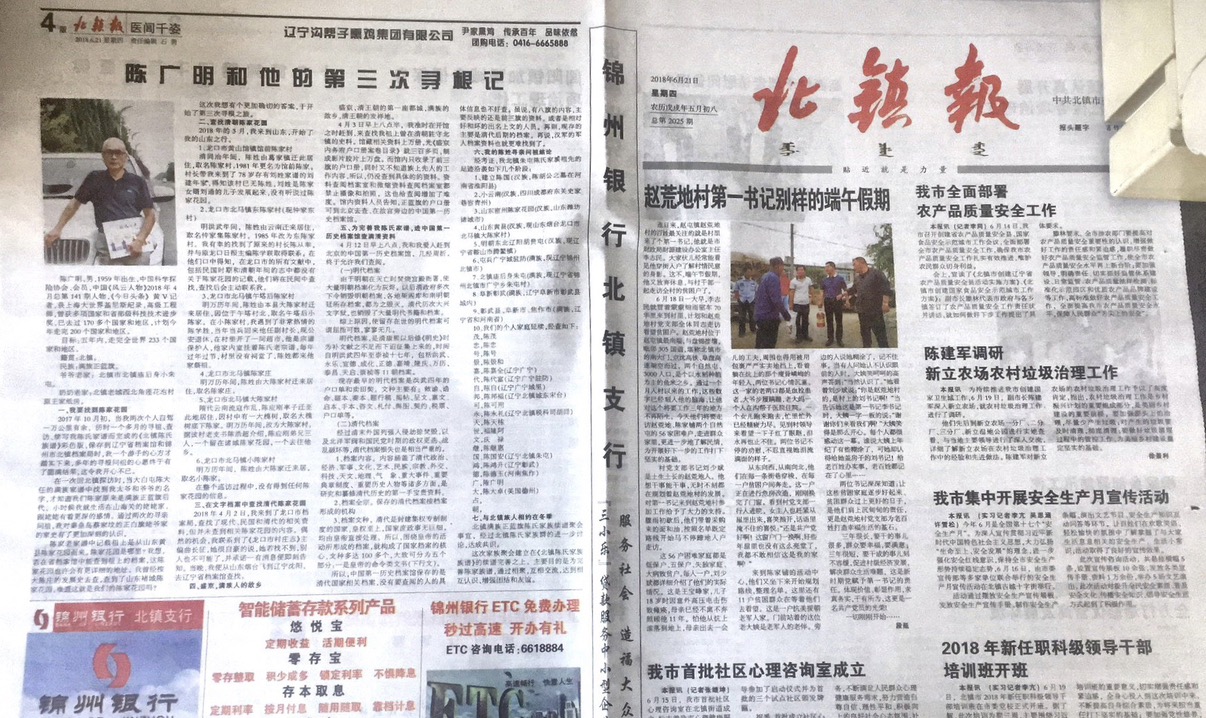
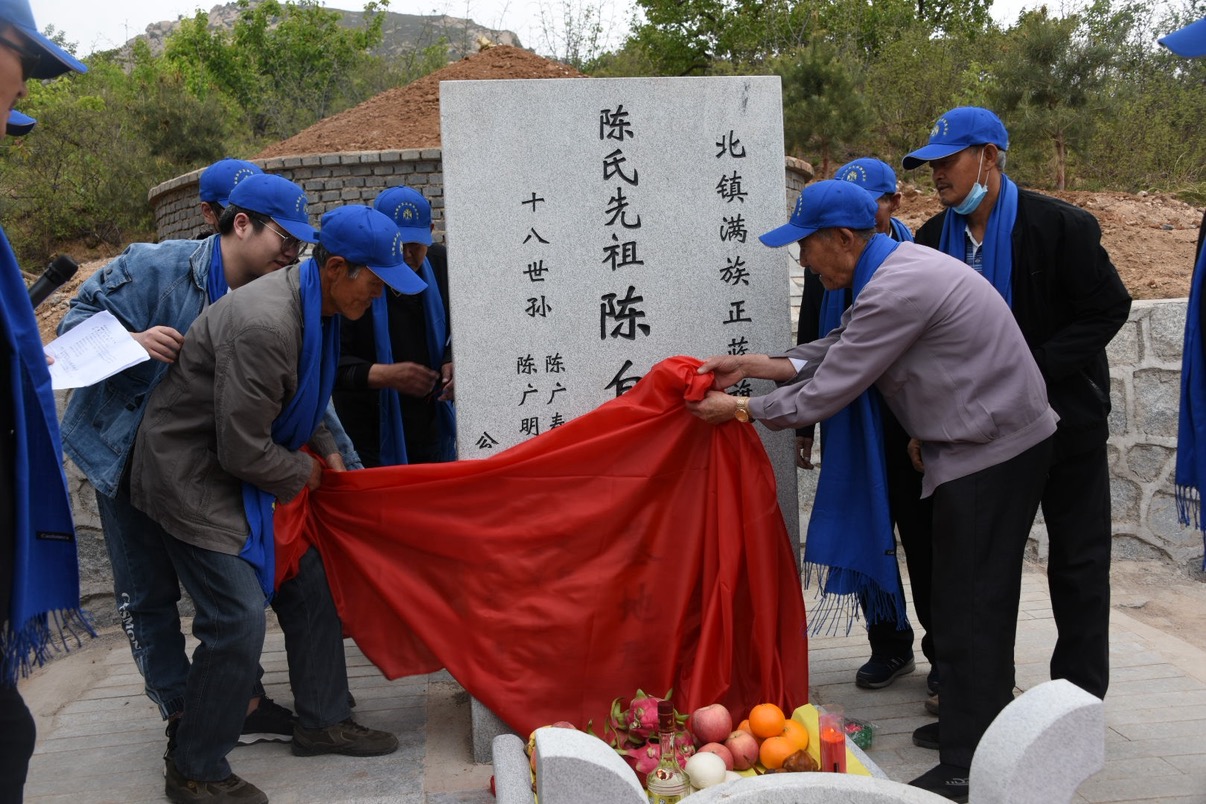
First and foremost, I am loyal to my parents. Since they retired at 60, I have held a birthday banquet for them every year. Last year, I also celebrated my mother’s 90th birthday. After my father passed away, I wanted to know where I came from. I drove through five provinces for eight years to find my father’s birthplace and my ancestral home. I funded the erection of tombstones for my 15th generation ancestors and provided free colour genealogies for each family. I also funded the first ancestral worship ceremony for my family and purchased burial plots for my grandfathers and great-grandfathers whom I never met. Furthermore, I donated 100,000 RMB to the ancestral cemetery of our Chen family.
Do you believe travel has changed you as a person over time?
Of course, years of travel have truly changed me.
As a university graduate with an engineering degree, my perspective was previously limited to my native environment, my thinking was rigid, and I carried many preconceived notions. Meeting people from diverse cultures and experiencing various lifestyles on the road has made me more tolerant and humble. I no longer judge things by a single standard and can accept the differences in the world. After travelling the world, I truly feel its vastness and diversity, and I have learned to reflect on myself: I will neither blindly follow the outside world nor cling to narrow-minded perceptions.
My most fundamental values have remained unchanged, but my perspective, outlook, and empathy for others have all been significantly enhanced by travel. To be honest, I prefer travelling alone. It’s more flexible and challenging.
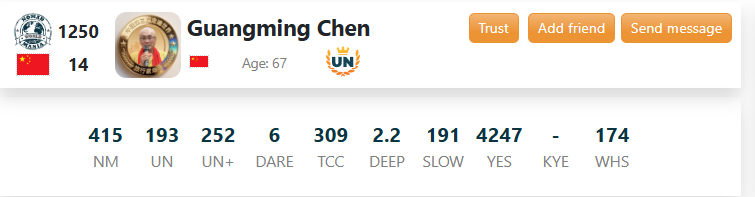
You are one of the first Chinese citizens that we know of to have visited 193 countries, finishing in 2019, as well as currently being the only person to hold TCC Diamond Certification in China. What motivated you to do this?
Initially, my motivation for this journey wasn’t awards or certificates. My fundamental intention was simply to see the world for myself, to understand diverse civilisations, ethnicities, and lifestyles of different regions.
Until recently, very few Chinese travelled to all 193 sovereign states. I hoped to break this limitation, to prove that Chinese people also have the courage to go global and engage with people from all over the world. The curiosity to explore the world sustained me throughout my journey, ultimately leading me to complete it in 2019.
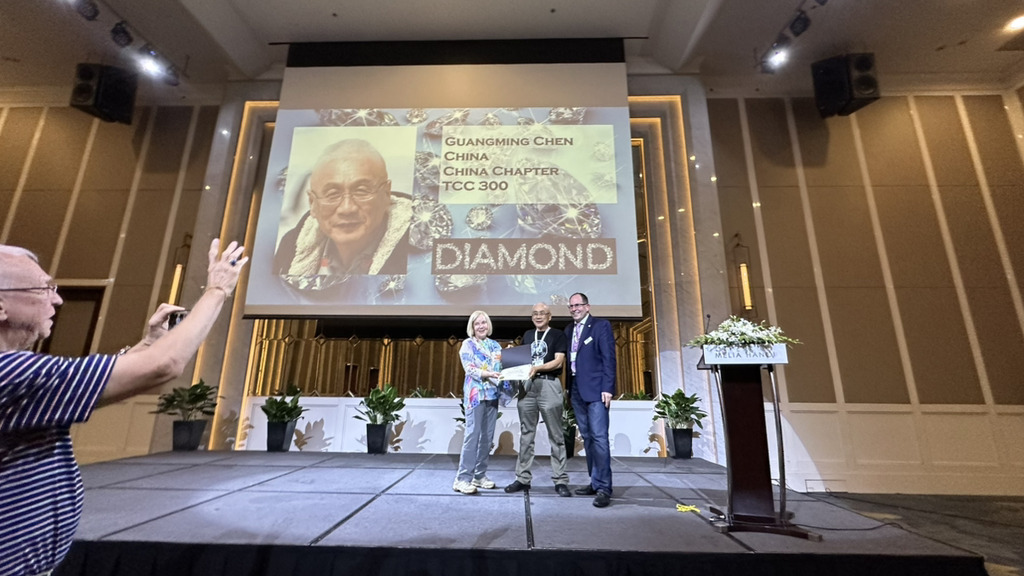
As for the Diamond-level certificate personally presented by the TCC Chairman, I see it more as recognition from the international travel community of Chinese globetrotters than simply a personal honour. The TCC itself advocates using travel to dissolve barriers and enhance understanding. By receiving this certification in person, I also hoped to showcase Chinese travellers to the international travel community, encouraging more compatriots to travel abroad, observe the world, and objectively tell our own stories.
Ultimately, what sustained me on this journey was my curiosity about the world, my pursuit of broadening my horizons, and my willingness to serve as a small bridge for cross-cultural exchange.
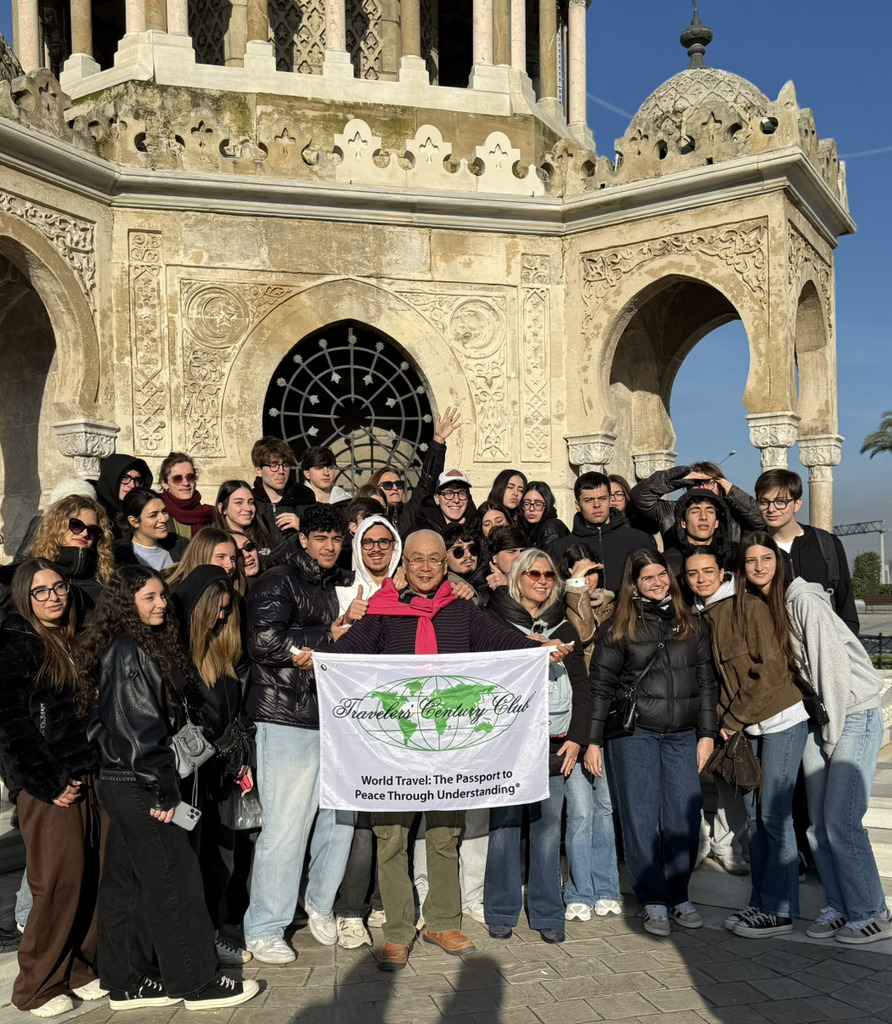
Which countries surprised you most, positively and negatively?
What surprised me most were the Central Asian countries along the ancient Silk Road, such as Uzbekistan and Kyrgyzstan. I had previously imagined them to be remote and desolate, but upon visiting, I discovered magnificent ancient architecture, authentic nomadic civilisation, and locals who were simple, warm, and genuinely kind. The ancient city of Samarkand and the high-altitude grasslands of Kyrgyzstan – their beauty and cultural heritage far exceeded the limited descriptions found online.
Small countries in the South Caucasus, such as Georgia and Azerbaijan, were also exceptionally stunning. Ancient history blended seamlessly with modern cities, prices were affordable, and the locals were cheerful, tolerant, and eager to interact with foreign travellers. Countries like New Zealand and Bhutan also offered pleasant surprises: the locals had a peaceful mindset, cherishing their natural environment and local traditions—a rare quality in today’s fast-paced society.
As for less-than-pleasant experiences, I’d attribute them to differences in development stages and governance conditions, rather than unilaterally condemning any country.
Ultimately, I won’t simply label any country as good or bad. Every land has its unique cultural charm and is also limited by history, geography, and economy, facing its own unique challenges. This complex and authentic experience is precisely the most valuable gain from round-the-world travel. From a purely photographic perspective, I prefer the unspoiled aspects of Africa.
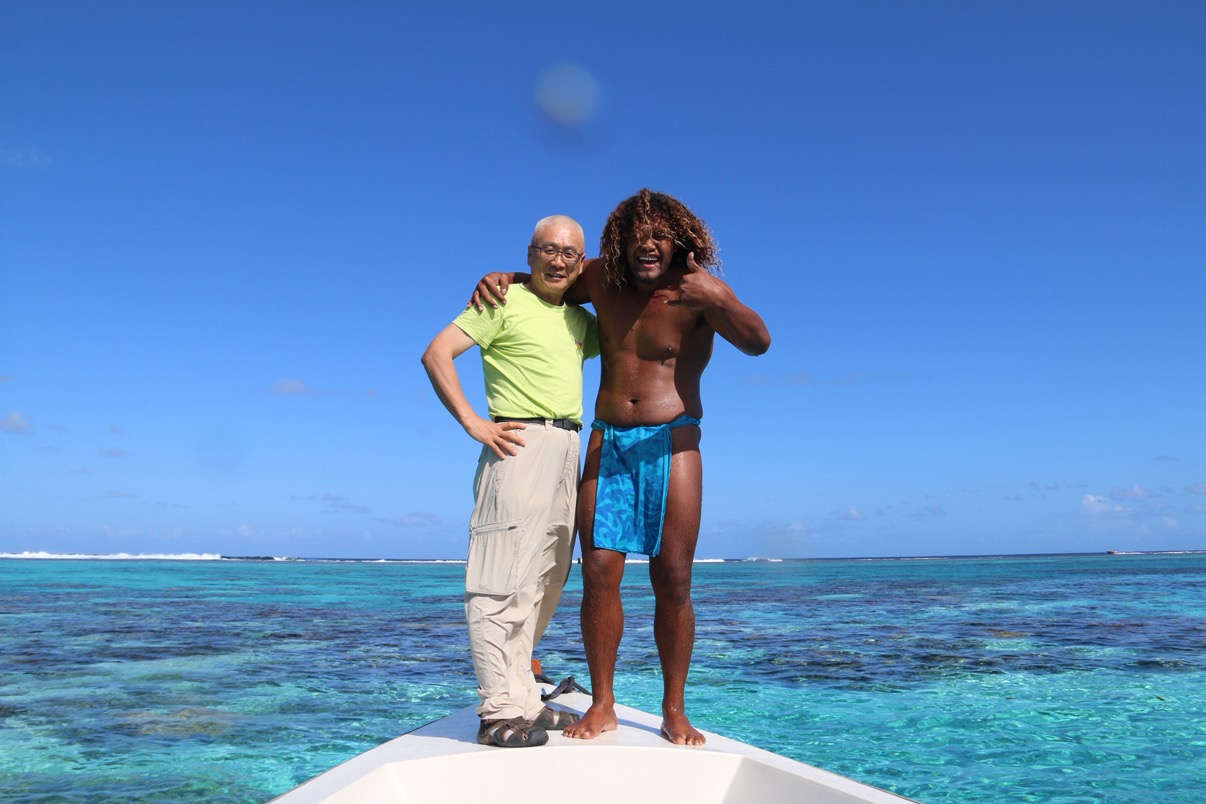
If you can choose one town or location that you truly love, which one is it and why?
If I could only choose one small town in the world that I truly love, it would be Samarkand, Uzbekistan.
Located on the ancient Silk Road, its most captivating aspect is the seamless blend of profound ancient civilisation and simple, everyday life. The magnificent ancient buildings with their glazed blue roofs bear witness to the centuries-long exchange and interweaving of East and West.
You are chairman of TCC in China. Tell us a bit about your role and what it involves.
China’s internet is essentially closed to the outside world; we can only search for content on Baidu, a Chinese search engine. Therefore, we can’t access international travel organisations. We can only compile and publish content through myself on platforms like Toutiao, Meipian, Douyin, and Xiaohongshu. I am a Toutiao author, and I also created a TCC section specifically for Meipian. This section has 24 administrators and 4987 members, and I am the host of the section “TCC Around the World Traveller.” You can find me on Baidu and other online platforms; my online name is Yuntai Chen Guangming.
I am also the founder of the China Around the World International Travellers Annual Meeting and I have chaired three annual meetings in Wuhan, Beijing, and Ningbo, earning a place in the Chinese Guinness World Records. The next annual meeting will be held in Wuxi on May 19, 2027, China Tourism Day. Each annual meeting includes content from the TCC China Annual Meeting, and the TCC chairman always sends a video message. My work primarily involves three aspects.
First, acting as a bridge between Chinese global travellers and the international TCC headquarters. This includes explaining the club’s philosophy and standards to domestic travel enthusiasts, assisting eligible travellers with their certification applications, and connecting them with the international headquarters.
Second, bringing together like-minded global travellers in China. Many Chinese who have travelled the world do so solo, lacking companions for exchange. We share travel experiences, discuss travel methods to less-travelled countries, remind each other of safety precautions, and advocate for civilised, restrained, and respectful travel styles that respect local customs.
Third, showcasing the image of Chinese travellers to the world. In the past, the international community knew very little about Chinese global travellers. I hope to show enthusiasts around the world that Chinese people also yearn to explore the world, understand and respect local cultures, and are willing to communicate sincerely.
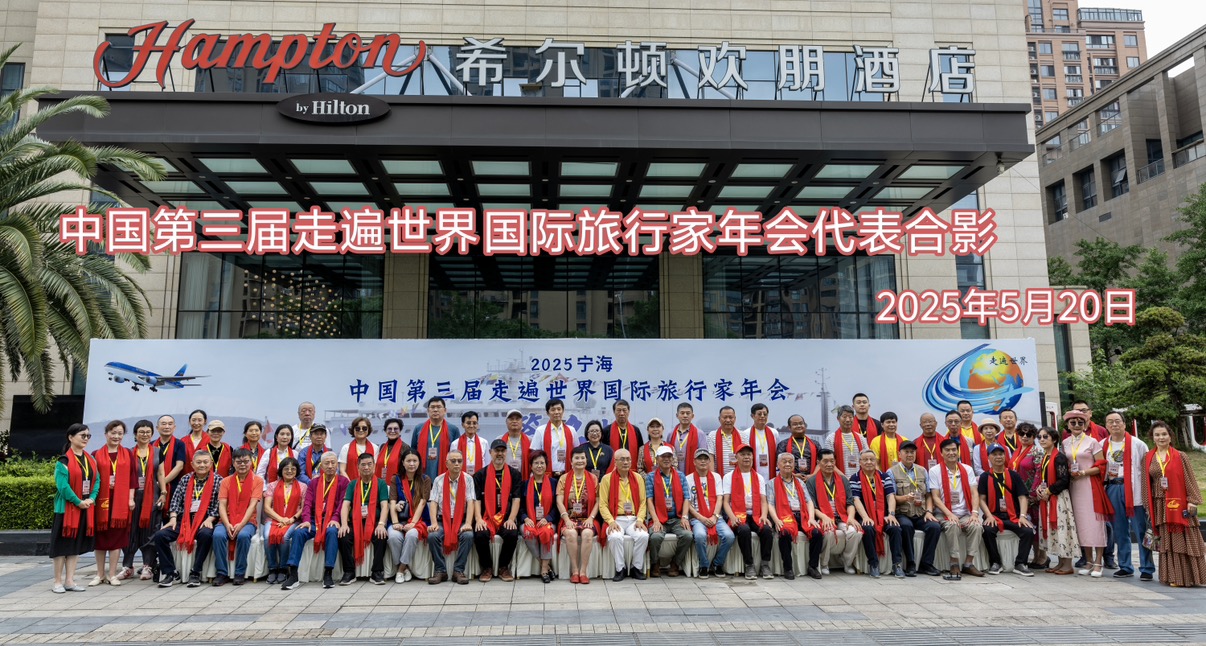
Tell us more about the Chinese travel community and its people.
The various global travel groups and networks I’ve created represent the most concentrated exchange groups in China joined by individuals. Initially, I also travelled with groups, but later, it became difficult to organise groups for the more remote and niche tours. I had to travel alone with a translator, creating customised tours to complete the more obscure TCC places. I prefer the spontaneous nature of solo road trips in China. My road trip through all 50 states in the US was with my wife and partner; I drove.
The Chinese global travel enthusiast community is generally low-key and persistent, unlike ordinary tourists. We aim to deeply explore different countries, experiencing authentic cultures and customs, rather than just rushing through sightseeing and taking photos.
Beyond our passion for travel, we share many common traits: first, strong independence and resilience. Second, an open mindset coupled with a strong sense of cultural identity. Thirdly, we are all willing to act as interpersonal communicators. We don’t just travel for leisure; we hope to use firsthand experience to dispel stereotypes and foster mutual understanding.
Regarding travelling together: we rarely travel in groups. Most in-depth trips are undertaken solo, allowing us to truly immerse ourselves in the local environment. However, we frequently meet online and offline to exchange information on visa policies, safety conditions in different places, share travel experiences, and encourage each other. Although we travel individually, our circle remains very close.
Given your amazing knowledge of China, what are some local ‘hidden gems’ that you would recommend?
I recently completed a solo road trip, driving through China’s border crossings, coastal ports, 32 provinces, AAAAA-rated scenic spots, all of China’s World Heritage sites and their sub-sites, the Grand Canal, the Yangtze River, the Great Wall, the Yellow River, the Taihang Mountains, and more. If I were to recommend hidden gems in China for foreign travellers, I would categorise them into three types: natural scenery, ethnic minority culture, and ancient architecture and towns. Avoiding popular tourist spots, these destinations offer the most authentic and pristine views of China.
The first is Bingzhongluo in Nujiang, Yunnan, located on the border of Yunnan and Tibet. The Nujiang Grand Canyon winds its way through the area, with snow-capped mountains embracing villages. Villages like Wuli and Qiunatong are quiet and rustic, devoid of commercialised shops, where the local Nu and Tibetan people have lived for generations. Here, you can witness the perfect harmony between mountains, water, and human habitation. Hiking along the river, you can truly experience the unique and simple atmosphere of the southwestern frontier.
The second is Zhonglu Tibetan Village in Danba, Sichuan. Nestled at the foot of snow-capped mountains, clusters of watchtowers and traditional houses are scattered among terraced barley fields while the village retains its complete traditional Tibetan way of life. You can visit local homes to drink butter tea and watch hand-weaving. Compared to commercialised tourist attractions, the Tibetan culture here is more authentic, and the pastoral scenery of the plateau is exceptionally healing.
The third place is Zhaoxing Dong Village and surrounding villages in Qiandongnan Prefecture, Guizhou Province. Deep in the mountains, the Dong ethnic group lives. A uniquely shaped drum tower stands in the centre of the village, and locals sing original Dong folk songs without any instrumental accompaniment, creating an ethereal and melodious atmosphere. Terraced fields cascade down the mountainsides, and stilted houses are built along the slopes. Here, you can gain a complete understanding of the centuries-old customs and lifestyles of ethnic minorities in southern China.
The fourth recommended place is Chebagou in Zhuoni, Gannan Prefecture. Located on the edge of the Qinghai-Tibet Plateau, over two hundred century-old wooden houses are built against the mountainside, blending grasslands, forests, and temples into one. There are very few tourists here, and the people are kind and hospitable. It’s suitable for travellers who enjoy long-distance exploration, allowing them to experience the quiet and vast atmosphere of the Northwest Tibetan region.
There is also a less-travelled spot in Jiangnan: the Bazhiqiao Old Town in Shaoxing. Unlike crowded ancient town scenic spots, the over 800-year-old bridge stands quietly over the river, and white-walled, black-tiled houses line the waterways. Locals go about their daily lives, drinking tea and enjoying their routines. This is the most authentic Jiangnan water town scenery, full of everyday life, without any contrived performance.
Finally, I would like to suggest that foreigners don’t linger in big cities. China’s vast countryside, border valleys, and remote mountain villages hold its most precious treasures. The locals are friendly and tolerant. If you are willing to slow down and explore, you can break free from stereotypes and truly understand this country’s diverse landscapes, multi-ethnic cultures, and the peaceful lives of its ordinary people.
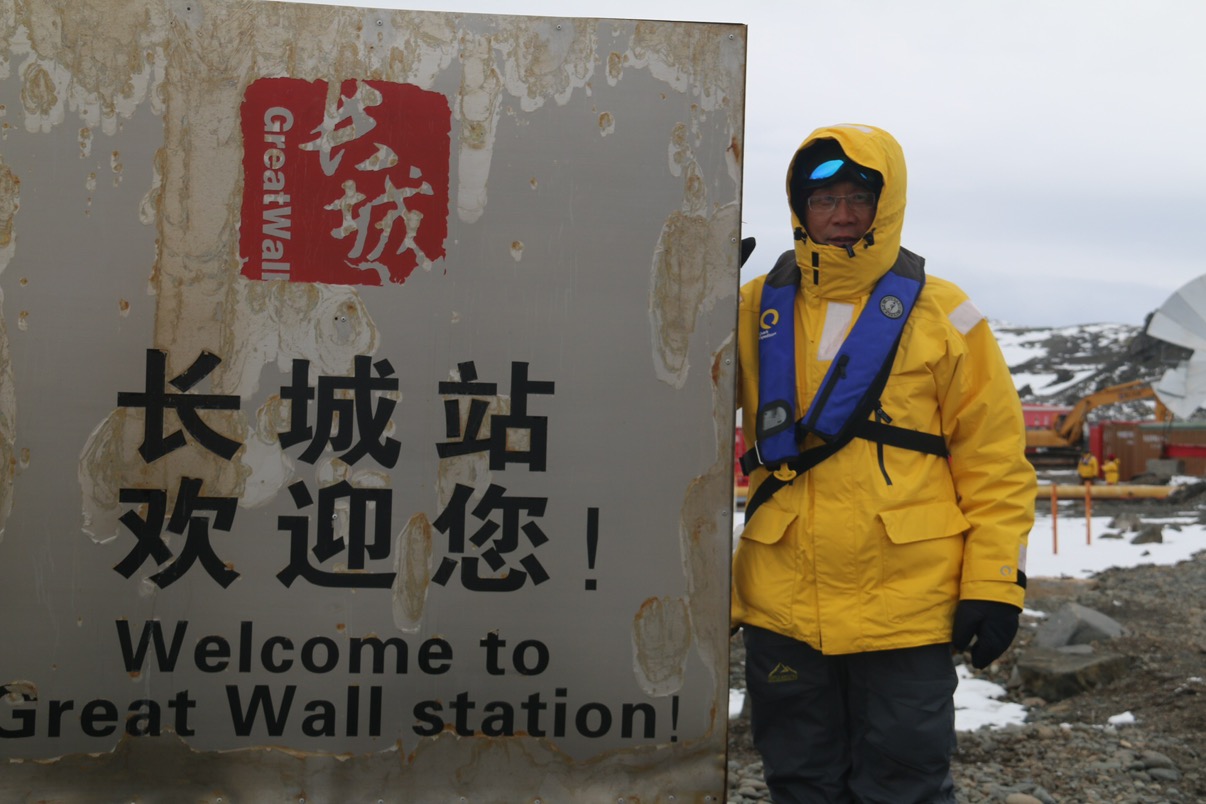
You’ve seen so much – but what is still left for you to see? What is high on your list of things to do?
There are two key regrets and practical limitations. First, Tokelau: I had already arrived at the port and booked my ferry ticket, but due to a last-minute delay, I ultimately couldn’t board. Then the pandemic broke out, and Tokelau was closed for an extended period, causing me to miss the only window of opportunity. Second, there are objective barriers: the TCC list includes four British and American military restricted areas, permanently prohibiting tourists from landing; at the same time, places like Sikkim in India have strict entry restrictions for Chinese travellers.
Therefore, completing all 330 TCC sites is no longer realistically feasible for me.
Now, I no longer deliberately push for numbers. Because of this shift in mindset, my top priorities at this stage of my life have changed from “personally travelling the world” to contributing to the industry, giving back to the community, and giving back to my own life. There are five core priorities:
First, to continue organising and planning the China Travellers’ Annual Conference.
Second, to prepare and host the 70th anniversary celebration of my alma mater in 2029. I was born in the same year as my alma mater, making this an important emotional and mission-driven event for me.
Third, to prepare for a large-scale reunion celebration in 2036 to commemorate the 70th anniversary of my primary school enrollment and the 60th anniversary of my high school graduation, preserving a generation’s memories.
Fourth, to strive to obtain the title of Coordinator for NomadMania in China.
Fifth, I will consistently lead and organise tours to participate in every major international travel club conference, continuously building connections and dialogue between China and the world’s top travel circles.
In short: My personal global exploration is nearing completion. My future focus will shift from seeing the world alone to leading Chinese travellers, connecting the world, and passing on valuable experiences.
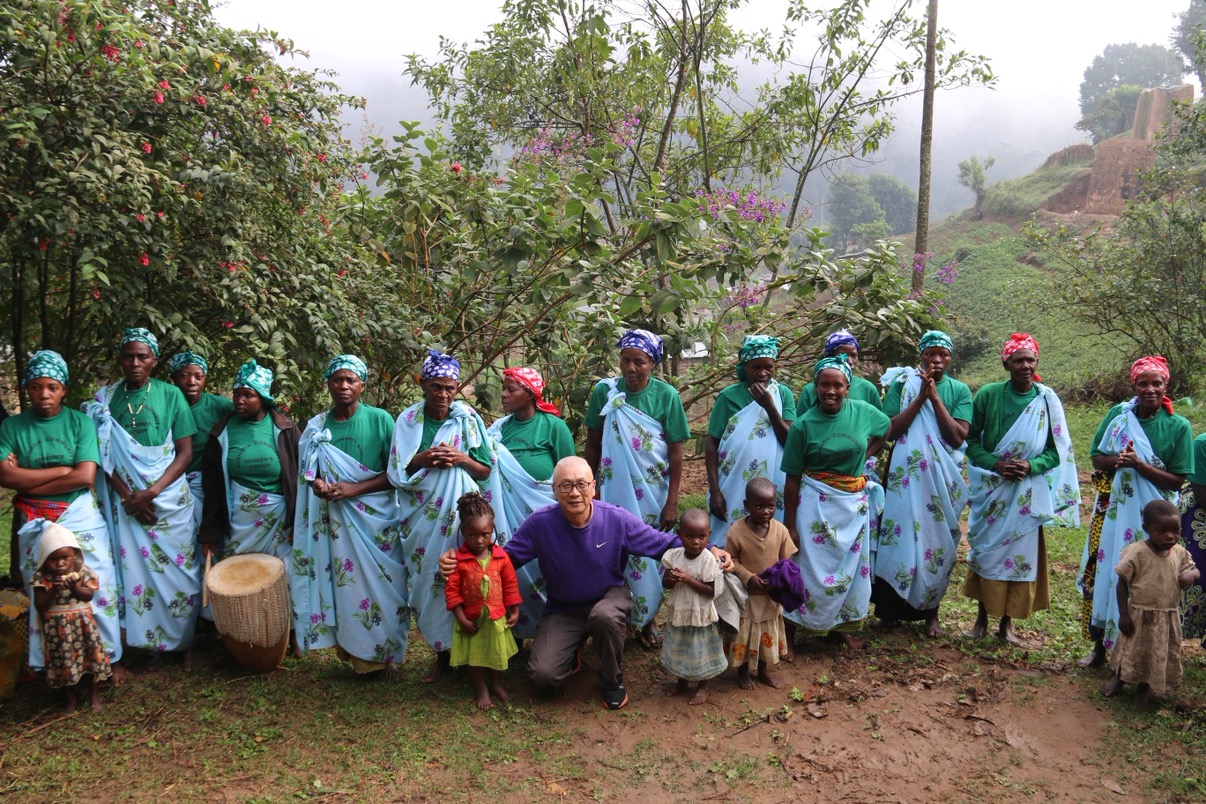
Finally – if you could invite any four people, including fictional characters, from any period in history, to an imaginary dinner, who would be on your guest list?
If I could host an ideal dinner that transcends time and space, I would invite four guests: one ancient Chinese figure and three contemporary world-class travel pioneers. The only historical figure I would like to invite is Xu Xiake.
He is the true progenitor of travel in Chinese history, the first person of his kind. Romantically, the date of his first travel diary entry is May 19th, which is now China’s National Tourism Day. Xu Xiake devoted his life to traversing the vast land of China, recording the landscape with his footsteps and preserving it in writing. He travelled with unwavering sincerity, exploring and seeking truth throughout his life, yet he never left China.
The remaining three guests would be three leading figures in the contemporary international travel world: The Chairman of TCC, the Founder of NomadMania, and the Founder of MTP.
I hope to facilitate this special dinner that transcends time and connects China and the world: that these three international pioneers who have travelled the globe and defined modern world travel can personally tell Xu Xiake, the travel saint from hundreds of years ago – that the Chinese people of today have already ventured beyond mountains and seas and into the world.
In the past, Xu Xiake spent his life exploring China; today, our generation of Chinese people continues his spirit of exploration, traversing every continent and ocean in the world. This dinner is a tribute, a legacy, and above all, a perfect dialogue that transcends time and space.

中文版 (Chinese Version)
陈广明先生是中国走遍世界国际旅行家年会创始人,组委会主席,全球世纪旅行家俱乐部(TCC)中国区域协调人,也是中国最著名的旅行家之一。这次采访是他先英译汉翻译回答提问,我们再把他的回答从普通话翻译回来,所以我们只能希望没有辜负这位杰出旅行家的盛名。
陈先生,请您谈谈您的早年生活以及您对旅行的热爱是如何萌芽的。
说到我的早年,那段时间我对旅行和探索世界几乎一无所知。由于战争后和国家的封闭管理,我们都在贫困和艰辛中长大。汽车和飞机只有一百年的历史,国际旅行家出现的时间也不足一个世纪;在此之前,享誉全球的人物大多是航海家。中国早期的十位著名旅行家也是如此。
我的第一次旅行仅限于初中寒暑假期间乘坐卡车和火车去一些大城市。那时,看到北京偶尔出现的外国旅行团,我不禁开始憧憬我们什么时候才能去他们的国家旅行。早年间,我大部分时间都在工作,只有五一劳动节、十月庆节和春节期间才能旅行。我的计划是先游览一些著名的发达国家,然后游遍世界各大洲,最后游遍世界各国。
您来自中国,亲眼见证了过去几十年中国发生的巨大变化。您认为这种发展对旅行者来说,最积极的方面是什么?
我出生在中国,很幸运我们没有经历过战争。
我们从勉强糊口,逐步跻身世界富裕阶层。我开始用月薪在国内旅行,拥有汽车后,我便有机会进行公路旅行。从城市间的短途旅行到探索整条路线,我现在是中国排名第一的独立自驾游爱好者,并获得了五项基尼斯纪录。我的收入来源也从工资转变为房地产租金收入。
没有经济压力,我可以实现我的梦想。我没有机会出国留学,但我可以送我的儿子去美国留学。此外,一个稳定的国家为富裕人士环游世界创造了条件。
人们常说,一个好的旅行者必须拥有金钱、想法和健康的身体。所以,我每天都去健身房游泳。
您认为构成“典型”中国人的要素是什么?您认为自己在多大程度上符合“典型”中国人的特征?
中华文化拥有数千年历史的深厚底蕴,重视家庭和国家,行事务实稳重,加之强烈的集体主义精神、勤奋努力以及对忠诚和礼节的重视,这些共同塑造了公众眼中典型的中国人形象。
我们植根于宗族和地方文化,尊重传统,重视责任,习惯于温和宽容,注重大局,同时保持脚踏实地的工作态度,并渴望拥有稳定富裕的生活。时代在不断重塑这些特质:现代教育和社会发展为当代中国人增添了新的特征,例如独立思考、开放包容以及追求进步的动力。
我身上有很多中国人共有的特质,这使我显得很典型:我重视家庭和责任,我善良可靠,我务实脚踏实地,我做事着眼大局,并且我对传统文化有着与生俱来的亲近感。
然而,我也有自己独立的思考和选择,我不会盲目随波逐流,所以我并不完全符合某种刻板的“模式”。总的来说,我的根基很典型,但我的个性却很独特。
首先,我忠于我的父母。自从他们60岁退休后,我每年都为他们举办生日宴。去年,我还为母亲庆祝了90岁生日。父亲去世后,我想要寻根溯源。我花了八年时间,驱车穿越五个省份,寻找父亲的出生地和祖籍地。我出资为我的第十五代祖先竖立了墓碑,并为每个家族提供了免费的彩色族谱。我还资助了家族的第一次祭祖仪式,并为我从未谋面的祖父和曾祖父购买了墓地。此外,我还向陈姓始祖祖园捐赠了10万元人民币。
你认为旅行随着时间的推移改变了你吗?
当然,多年的旅行确实改变了我。
作为一名工程专业的大学毕业生,我之前的视野局限于本土环境,思维僵化,抱有很多先入为主的观念。在旅途中,我结识了来自不同文化背景的人,体验了各种各样的生活方式,这让我变得更加宽容和谦逊。我不再用单一的标准去评判事物,能够接受世界的差异。环游世界之后,我真正感受到了世界的广袤和多样性,也学会了反思自己:我既不会盲目地追随外界,也不会固守狭隘的认知。
我最根本的价值观始终未变,但旅行极大地提升了我的视野、人生观以及对他人的同理心。说实话,我更喜欢独自旅行。它更灵活,也更具挑战性。
您是我们所知的首批到访过193个国家的中国公民之一,于2019年完成,同时也是目前中国获得TCC钻石级认证不多的人。是什么促使您完成这项壮举?
最初,我踏上这段旅程的动机并非为了奖项或证书。我的初衷仅仅是亲眼看看世界,了解不同地区的多元文明、民族和生活方式。
前些年,很少中国人到访过全部193个主权国家。我希望打破这一局限,证明中国人也有勇气走向世界,与世界各地的人们交流。探索世界的好奇心贯穿了我的整个旅程,最终促使我在2019年完成了这项壮举。
至于TCC亲自颁发的钻石级证书,我更多地将其视为国际旅行界对中国环球旅行者的认可,而不仅仅是一份个人荣誉。TCC本身就倡导通过旅行来消除隔阂,增进相互理解。通过亲自领取这份证书,我也希望向国际旅游界展示中国旅行者的风采,鼓励更多同胞走出国门,观察世界,客观地讲述我们自己的故事。
最终,支撑我走完这段旅程的是我对世界的好奇心、对拓展视野的渴望,以及我愿意成为跨文化交流桥梁的愿望。
哪些国家给你留下了最深刻的印象?(包括积极的和消极的)
最让我感到惊喜的是古丝绸之路沿线的中亚国家,例如乌兹别克斯坦和吉尔吉斯斯坦。我之前一直以为这些地方偏远荒凉,但亲身到访后,我发现了宏伟的古代建筑、原汁原味的游牧文明,以及淳朴热情、真诚善良的当地居民。古城撒马尔罕和吉尔吉斯斯坦的高海拔草原——它们的美丽和文化遗产远远超出了网上有限的描述。
南高加索地区的小国,例如格鲁吉亚和阿塞拜疆,也格外令人惊艳。古老的历史遗迹与现代都市完美融合,物价亲民,当地人热情友好,乐于与外国游客交流。新西兰和不丹等国也带来了惊喜:当地人心境平和,珍视自然环境和传统文化——这在当今快节奏的社会中实属难得。
至于不太愉快的经历,我认为这是由于各国发展阶段和治理状况的差异造成的,而非一概而论地谴责某个国家。
最终,我不会简单地给任何国家贴上好或坏的标签。每个国家都有其独特的文化魅力,同时也受到历史、地理和经济的限制,面临着各自独特的挑战。这种复杂而真实的体验,正是环球旅行最宝贵的收获。纯粹从摄影的角度来看,我更喜欢非洲未经雕琢的自然风光。
如果让你选择一个你真正热爱的城镇或地方,你会选择哪里?为什么?
如果我只能选择世界上一个我真正热爱的小镇,我会选择乌兹别克斯坦的撒马尔罕。
撒马尔罕位于古老的丝绸之路上,它最迷人的地方在于深厚的古代文明与朴素的日常生活完美融合。宏伟的古老建筑,尤其是那些拥有蓝色琉璃瓦屋顶的建筑,见证了几个世纪以来东西方文化的交流与交融。
您是唯一TCC中国区域协调人。请您简要介绍一下您的职责和工作内容。
中国的互联网基本上与外界隔绝;我们只能通过百度(中国搜索引擎)搜索内容。因此,我们无法访问国际旅行组织。我们只能通过我本人在今日头条、美篇、抖音和小红书等平台上整理和发布内容。我是今日头条的作者,并且专门为美篇创建了TCC专区。该专区有24位管理员和5062位成员,我是“TCC环球旅行家”专区的负责人。您可以在百度和其他在线平台上找到我,我的网名是:云台陈广明
我也是“中国走遍世界国际旅行家年会”的创始人,并已在武汉、北京和宁波主持了三届年会,因此荣获中国基尼斯纪录。下一届年会将于2027年5月19日中国旅游日当天在无锡举行。每次年会的内容都包含全球环球旅行家俱乐部(TCC)年会的部分内容,TCC主席也会发表视频致辞。我的工作主要涉及三个方面。
第一,搭建中国环球旅行者与TCC国际总部之间的桥梁。这包括向国内旅行爱好者介绍俱乐部的理念和标准,协助符合条件的旅行者申请认证,并帮助他们与国际总部对接。
第二,在中国汇聚志同道合的环球旅行者。许多中国人独自旅行,缺乏旅伴交流。我们分享旅行经验,探讨前往小众国家的旅行方式,互相提醒安全注意事项,并倡导文明、克制、尊重当地风俗的旅行方式。
第三,向世界展示中国旅行者的形象。过去,国际社会对中国环球旅行者知之甚少。我希望向世界各地的爱好者展示,中国人也渴望探索世界,了解和尊重当地文化,并且愿意真诚交流。
请您详细介绍一下中国旅行群及其成员。
我创建的各种全球旅行群和网络,代表了中国最集中的个人交流群体。起初,我也跟团旅行,但后来,组织前往偏远小众景点的旅行变得困难。我不得不独自旅行,带上翻译,定制行程,完成那些鲜为人知的旅行目的地。我更喜欢在中国进行自驾游的自由自在。我曾和妻子及儿子一起自驾游穿越美国50个州和加拿大落基山脉,全程由我驾驶。
与普通游客不同,中国全球旅行爱好者群体通常低调而执着。我们的目标是深入探索不同的国家,体验地道的文化和习俗,而不是匆匆观光拍照。
除了对旅行的热情,我们还有许多共同的特质:首先,我们拥有强大的独立性和韧性;其次,我们拥有开放的心态和强烈的文化认同感;第三,我们都乐于与人沟通交流。我们旅行不仅仅是为了休闲娱乐;我们希望通过亲身经历来打破刻板印象,促进相互理解。
关于结伴旅行:我们很少组团旅行。大多数深度旅行都是独自进行的,这让我们能够真正沉浸于当地环境。不过,我们经常在线上线下见面,交流签证政策、各地安全状况等信息,分享旅行经验,互相鼓励。虽然我们各自旅行,但我们的圈子依然非常紧密。
鉴于您对中国的了解如此渊博,您会推荐哪些当地的“隐藏宝藏”呢?
我最近完成了一次独立自驾游,途经中国的边境口岸、沿海港口、32个省份、AAAAA级风景名胜区、所有中国61项世界遗产及其225处子项、大运河、长江、长城、黄河、太行山等等。如果要向外国游客推荐中国的“隐藏宝藏”,我会将它们分为三类:自然风光、少数民族文化以及古建筑和古镇。避开热门旅游景点,这些地方能让你领略到中国最原汁原味的风光。
第一个是位于云南怒江的丙中洛,地处云南与西藏的交界处。怒江大峡谷蜿蜒流淌,白雪皑皑的群山环抱着村落。像乌里和秋纳通这样的村庄宁静质朴,没有商业化的店铺,当地的怒族和藏族人民世世代代生活在这里。在这里,你可以亲眼目睹山水与人居的完美和谐。沿着河岸徒步,你可以真正体验到西南边疆地区独特而质朴的氛围。
第二个是丹巴藏寨位于四川省甘孜藏族自治州丹巴县境内,。村寨依山傍水,层层叠叠的梯田间点缀着烽火台和传统民居,至今仍保留着完整的藏族传统生活方式。你可以到村民家中品尝酥油茶,观看手工织布。与商业化的旅游景点相比,这里的藏族文化更加原汁原味,高原的田园风光也格外令人心旷神怡。
第三个推荐地点是贵州省黔东南州黎平县肇兴镇肇兴侗寨及其周边村落。在深山之中,侗族人世代居住于此。村中心矗立着一座造型独特的鼓楼,村民们清唱着原汁原味的侗族民歌,营造出空灵悠扬的氛围。层层叠叠的梯田从山坡倾泻而下,吊脚楼依山而建。在这里,您可以深入了解中国南方少数民族数百年来传承至今的风俗习惯和生活方式。
第四个推荐地点是甘肃省甘南藏族自治州卓尼县车巴沟。位于青藏高原边缘,两百多座百年老屋依山而建,将草原、森林和寺庙融为一体。这里游客稀少,村民热情好客。它适合喜欢长途探索的旅行者,让他们体验藏北地区宁静辽阔的氛围。
江南还有一处鲜为人知的景点:绍兴的八指桥古镇。与熙熙攘攘的古镇景区不同,这座拥有800多年历史的古桥静静地横跨江面,白墙黑瓦的房屋沿河而建。当地居民悠闲地喝茶,享受着日常生活。这里保留着江南最原汁原味的水乡风貌,充满生活气息,没有丝毫矫揉造作。
最后,我想建议外国游客不要在大城市里久留。中国广袤的乡村、边境山谷和偏远地区,才是真正值得探索的地方。
你已经见识过很多——但还有什么没去过呢?你最想做的事情是什么?
有两个主要的遗憾和实际限制。首先是托克劳:我已经抵达港口并预订了船票,但由于最后一刻的延误,最终未能登船。之后疫情爆发,托克劳长期关闭,导致我错过了唯一的机会。其次是客观的障碍:TCC名单中包含四个英国和美国的军事禁区,永久禁止游客登陆;同时,像印度锡金这样的地方对中国游客也有严格的入境限制。
因此,对我来说,完成所有330个TCC景点已不再现实。现在,我不再刻意追求数字。由于这种心态的转变,我人生现阶段的首要任务已从“个人环游世界”转变为为行业做出贡献、回馈社会以及回馈自己的生活。五项核心要务:
第一,继续组织和筹划中国旅行者年会。
第二,筹备并举办2029年母校70周年校庆。我与母校同年出生,因此这对我来说意义非凡,既饱含情感,又充满使命感。
第三,筹备2036年盛大的校友重聚活动,纪念我小学入学70周年和高中毕业60周年,以此铭记一代人的记忆。
第四,努力争取成为NomadMania中国区协调员。
第五,持续带领和组织旅行团参加各大国际旅行俱乐部会议,不断搭建中国与世界顶级旅行圈之间的桥梁,促进交流对话。
总之:我的个人环球探索之旅即将圆满结束。我未来的重心将从独自环游世界转向带领中国旅行者,连接世界,传递宝贵的经验。
最后——如果你可以邀请历史上任何时期任何四位人物(包括虚构人物)共进一顿想象中的晚餐,你会邀请谁?
如果我可以举办一场超越时空的理想晚宴,我会邀请四位客人:一位中国古代人物和三位当代世界级的旅行先驱。
我唯一想邀请的历史人物是许霞客。
他是中国历史上真正的旅行先驱,是第一个真正意义上的旅行家。颇具浪漫色彩的是,他第一篇旅行日记的日期是5月19日,而这一天现在正是中国的全国旅游日。许霞客毕生致力于游历中国广袤的土地,用足迹记录沿途风光,并用文字将其保存下来。他以无比的真诚旅行,一生都在探索和追寻真理,但他从未离开过中国。
其余三位嘉宾将是当代国际旅游界的领军人物:
TCC主席、NomadMania创始人以及MTP创始人。
我希望促成这场超越时空、连接中国与世界的特别晚宴:让这三位环游世界、定义现代世界旅游的国际先驱能够亲自告诉数百年前的中国旅游圣人徐霞客——如今的中国人早已跨越山川海洋,走向世界。