By Harry Mitsidis
The Faroe Islands are one of our ATLAS (previously known as UN+) regions – officially part of the Kingdom of Denmark. Autonomous in most fields of life, with their own distinct language, flag and ethnic identity, this archipelago is composed of 18 islands, of which 17 are inhabited – though that may only include a couple of people surviving the merciless winters on some of them.
Tourism is clearly growing in this part of the world. Recent statistics point to almost half a million airport users – though perhaps not all are tourists – and it is the short summer season that clearly sees the biggest surge. Vagar Airport, the only gateway to the islands by air, is being expanded and eventually may end up becoming quite a player in the North Atlantic.
For a NomadMania traveller, there are countless activities that will possibly attract you, probably to do with the many waterfalls, natural sites or treks that the islands offer. For those with a quirkier bent, attempting to do the three DAREs is a fun enterprise.
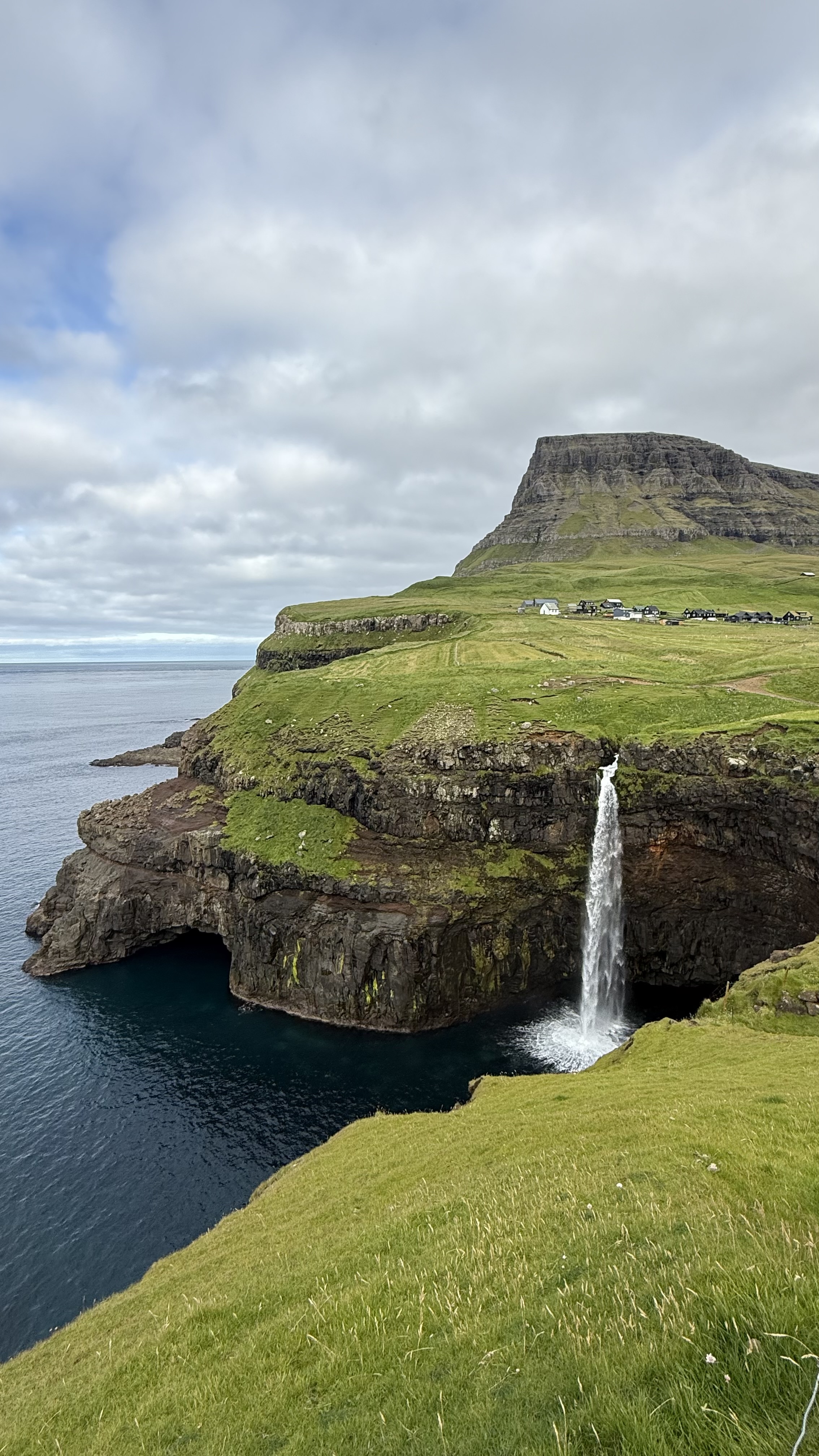
As with many DAREs, these are not particularly hard to do, but it will require a certain amount of planning, driving, schedule awareness and of course luck, given that everything in the Faroes is heavily weather-dependent. In other words, things can and do get cancelled.

The three DARE regions are all geographical extremes, encompassing the westernmost, easternmost and southernmost points of the archipelago.
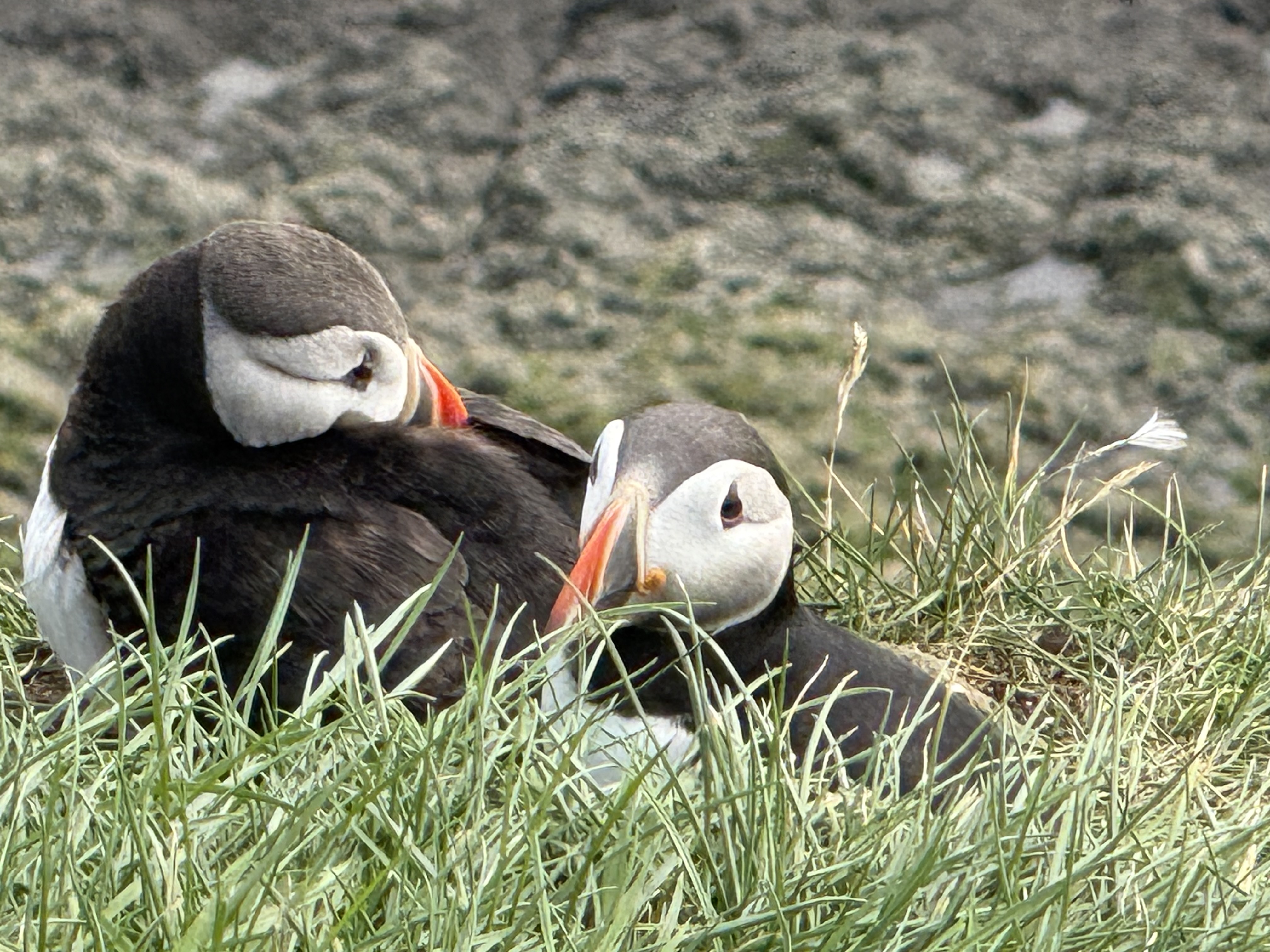
The westernmost island is also the most popular in terms of visitors. Mykines is considered one of the highlights, primarily for its vast colony of puffins which are active precisely during the summer season. You are guaranteed very close encounters with these adorable creatures which don’t seem shy of humans at all.
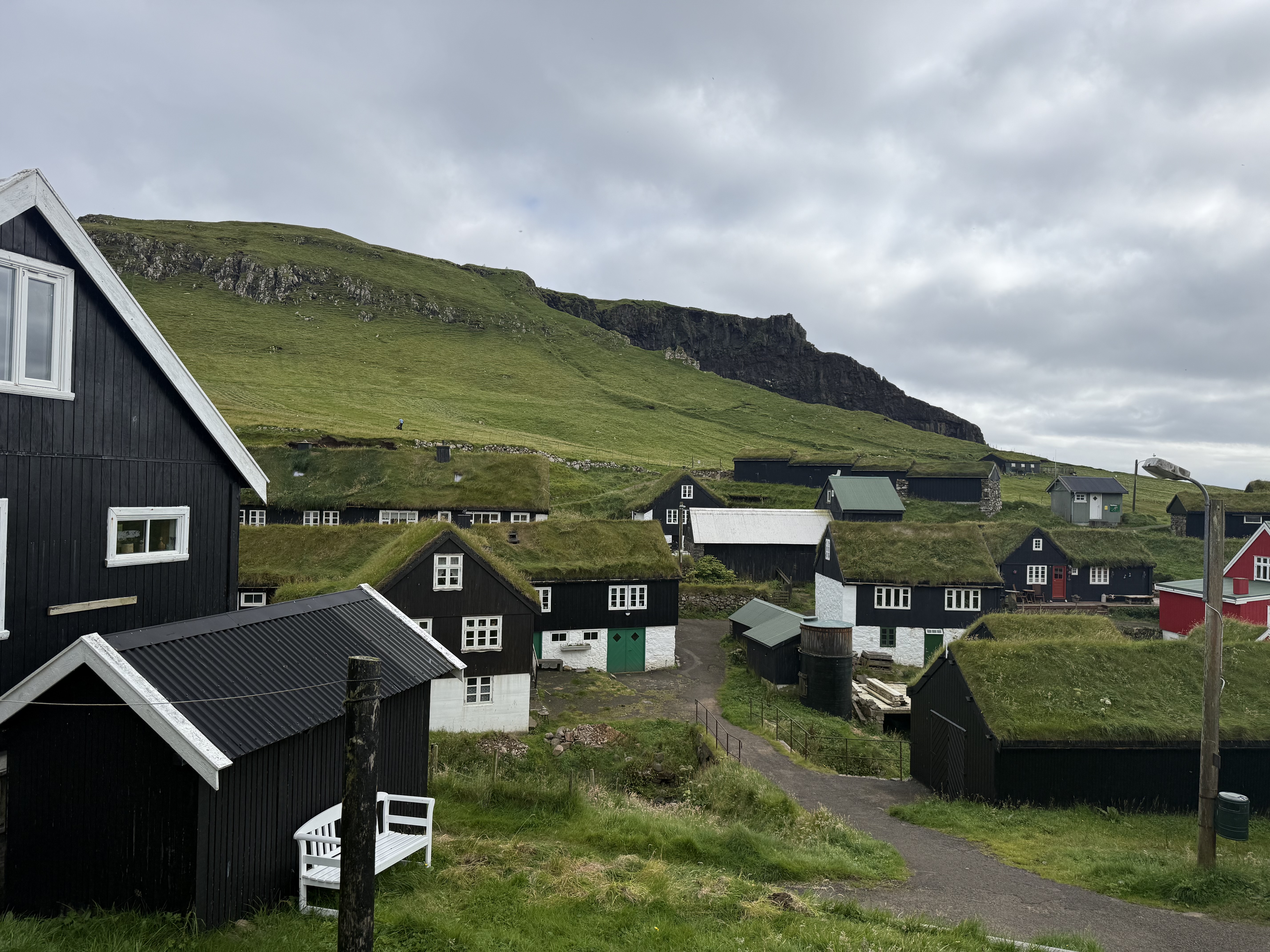
Mykines also offers a small village – the only settlement on the island – which is very easy on the eye. Even though only 6 people now live on the island year-round, things are bustling during the more clement summer days, with camera-carrying boatloads of tourists from seemingly everywhere descending on this quaint community.
Online you will be told to book at least a month in advance, but I only booked 36 hours before – and only after checking the weather to aim for a good forecast i.e. no cancellations, which are quite frequent. The 45-minute hop from Sørvágur (right next to the airport) is far from guaranteed due to the winds.
There is also now an additional, mandatory ‘guide fee’ which amounts to more than $50 per person, and you can only avoid this if you decide to stay at the village and not hike around anywhere – that would mean you miss the puffins and the view of the lighthouse to the far west, which would be bit of a shame. You will probably get 4 hours on the island, though there is accommodation if you are the type to want to linger in these places.
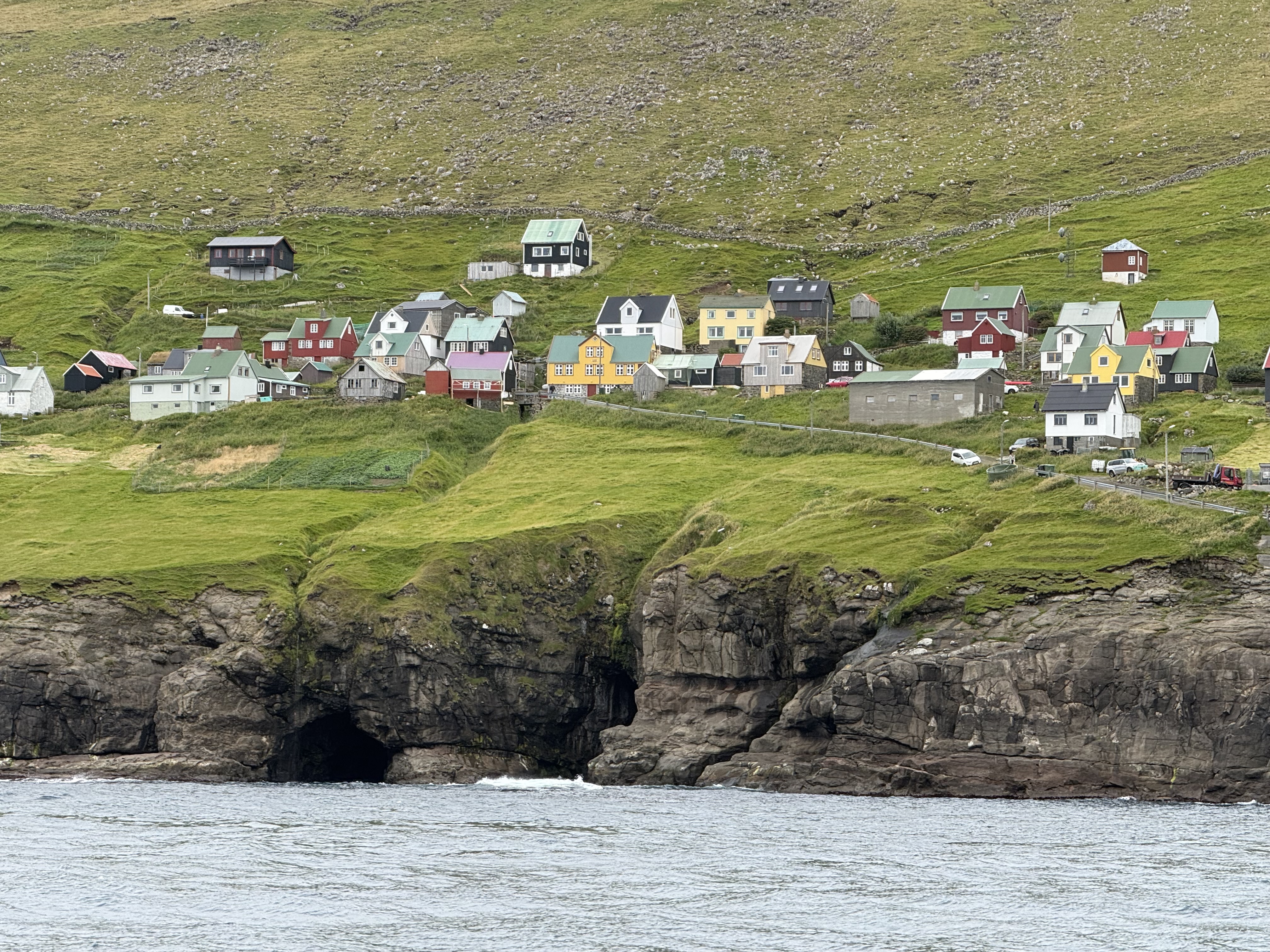
The southernmost island of Suðuroy is far less visited, though not totally ignored – we were very surprised by the number of Asian visitors queuing for the morning ferry at the port in the capital Tórshavn. The journey takes two hours in a reliable vessel that is perhaps less prone to not negotiate the waves, as the southernmost island has a bigger port and is inhabited by almost 10% of the 55,000 people that make up the whole of the archipelago.
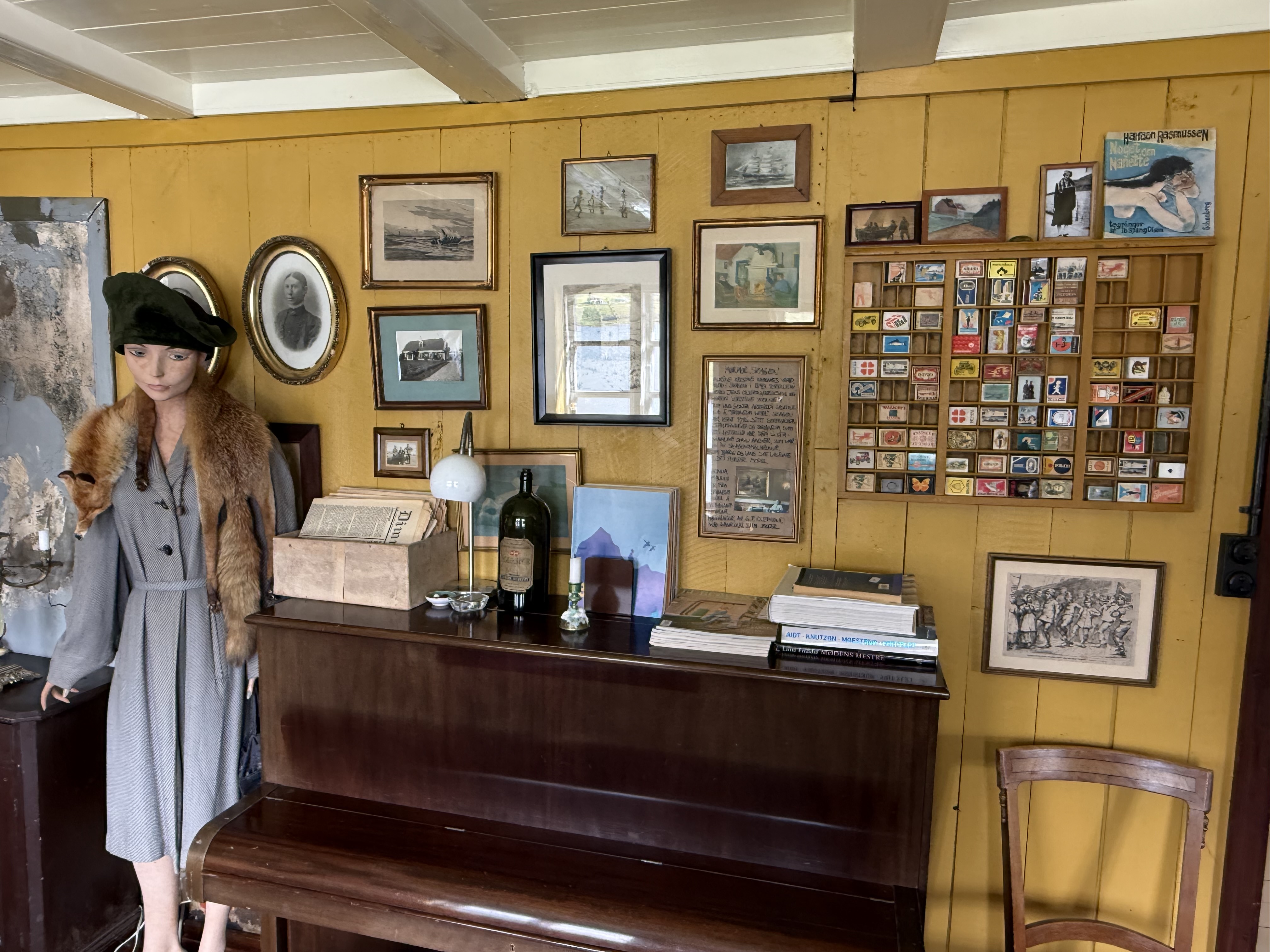
Unlike Mykines, Suðuroy almost certainly requires a vehicle, as the distances are quite large – around 40 kilometers from north to south. There is no standout sight, but among the things to do are a pleasant hike in the north at the Asmundastakkur trailhead, or an extremely pleasant break at the cute MorMor café in Tvøroyri.
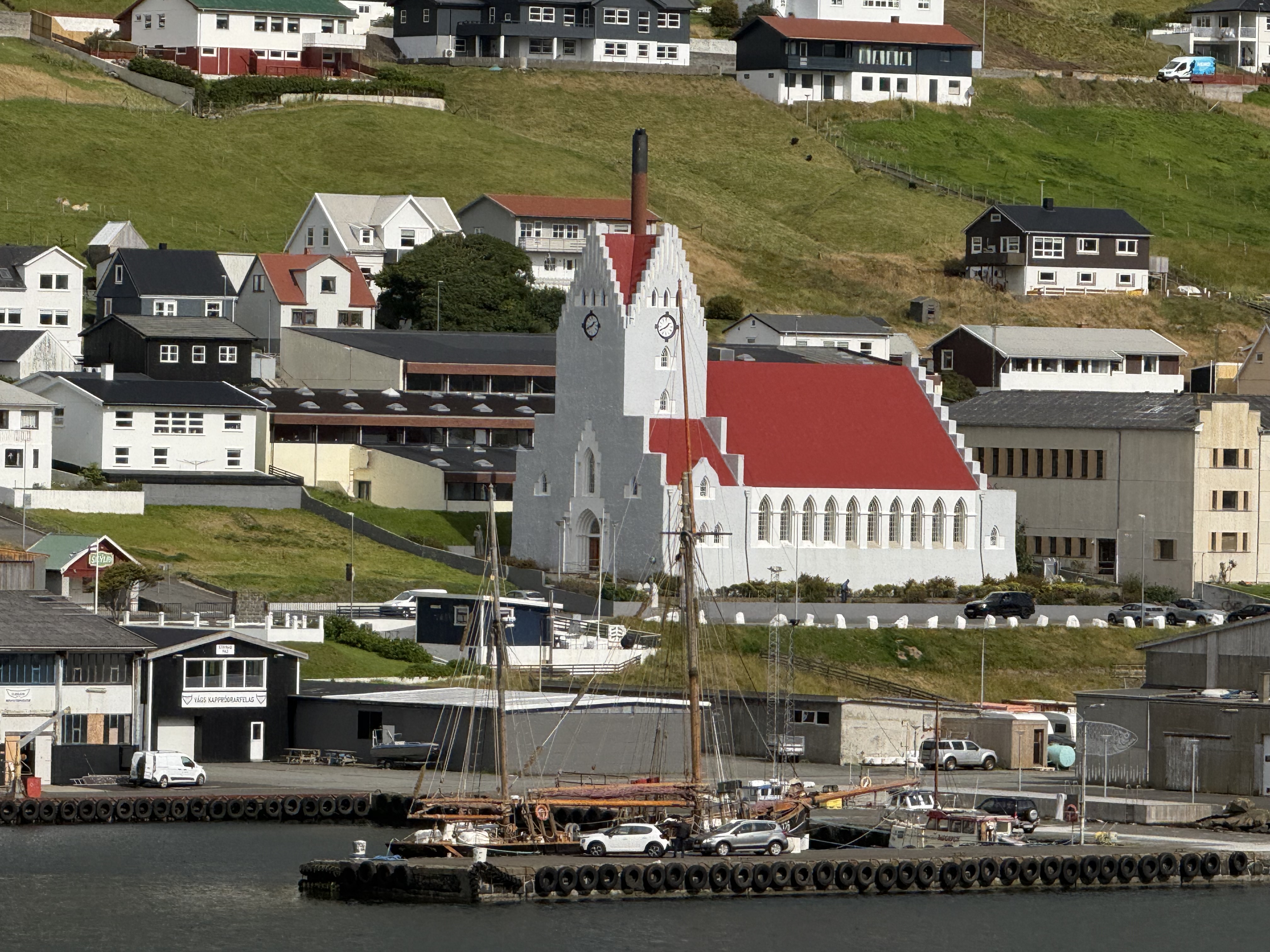
Or you can try a drive to Vágur (which means ‘bay’ in Faroese), which used to be one of the most important fishing centres in the past and now has a couple of small museums. You can drive all the way to the south for a view of the Akraberg Lighthouse – the next thing you’d reach due south is the Butt of Lewis lighthouse in the Outer Hebrides.
If you really want off-the-beaten track, however, the absolutely not-visited easternmost island of Fugloy (meaning ‘Bird island’) will not disappoint. You’ll need to schedule a visit carefully to get enough time for a hike between the two settlements of Hattarvik and Kirkoy, a distance of five kilometers with a relatively steep ascent. The boat leaves from Hvannasund, not too far from Klaksvik, the second biggest town of the Faroes and usually runs three times a day – if it runs.
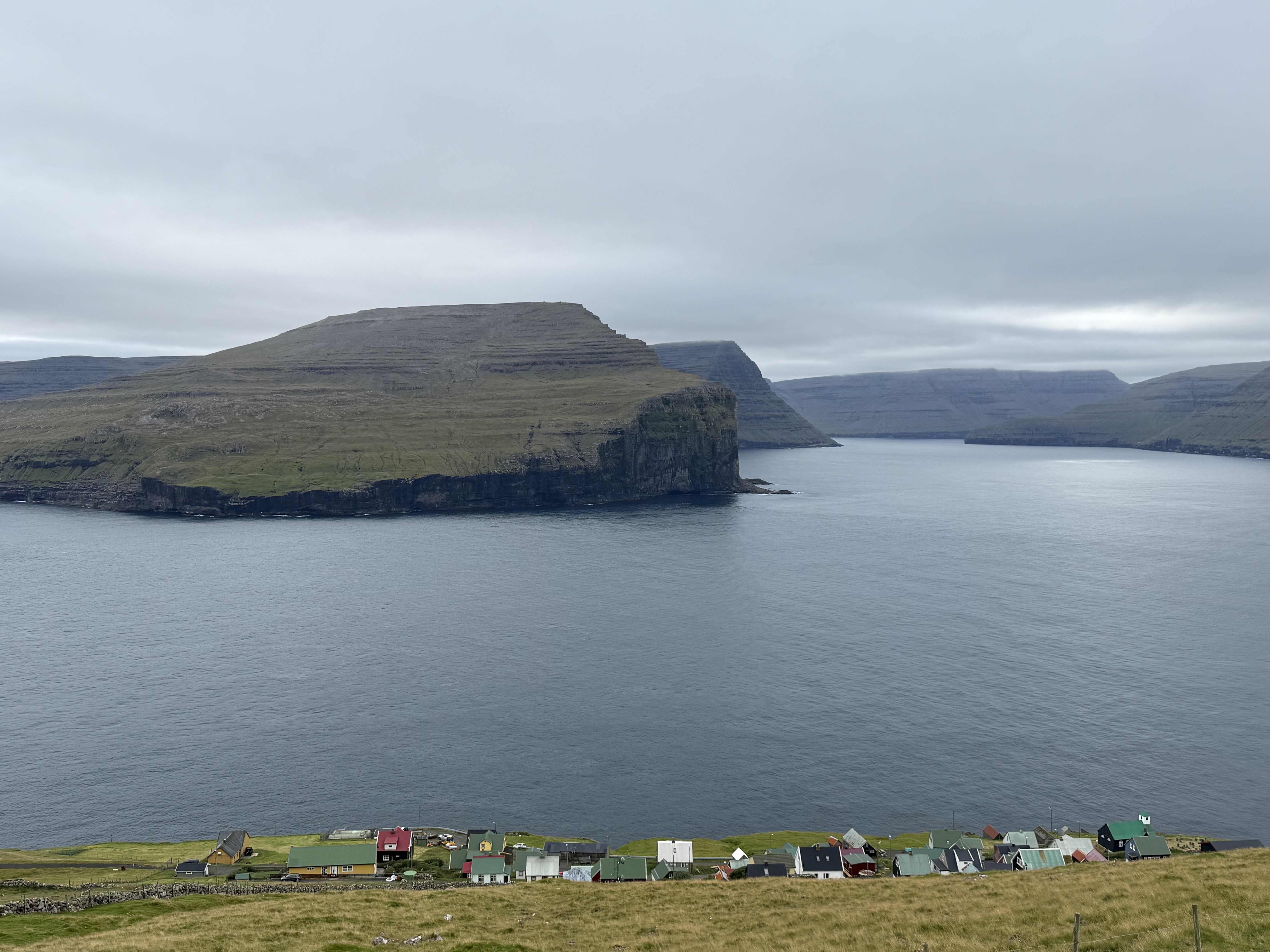
We were told that there was once such bad weather that no boat made it for three entire weeks, stranding the island completely. Thankfully, there is a small guesthouse called Kalaton with five rooms and an amazing host who will cook you what is arguably the best home-made meal you will have while visiting the islands.
I was lucky enough to taste the best red cabbage ever, and also to meet her brother Johan, a Greenland-based captain reminiscent of a time long-gone who happened to be on his native island for the holidays.
Full of stories and very eager to share them with the rare visitor, this bearded, weather-beaten man is one of those colourful characters that will stay with you forever once you meet him. Such are the charms of Fugloy, from where you can get a nice panorama of some of the other eastern islands, namely Svinoy (pig island) and the impressive Enniberg mountain on Vidoy.
The Faroe islands offer a lot in a quieter environment than most places, and would make an ideal destination for anybody – whether a family, a couple or a solo traveller. But you must budget double the amount than somewhere else. The rewards are multiple places where you will stop and marvel at the incredible beauty of our world. Which, fortunately, is still preserved well for the time being…