Recently, the UNESCO World Heritage List welcomed a new collection of remarkable sites following the 48th session of the World Heritage Committee (48COM), with newly added cultural, natural, and mixed heritage sites further expanding the list of globally recognised places of outstanding value.
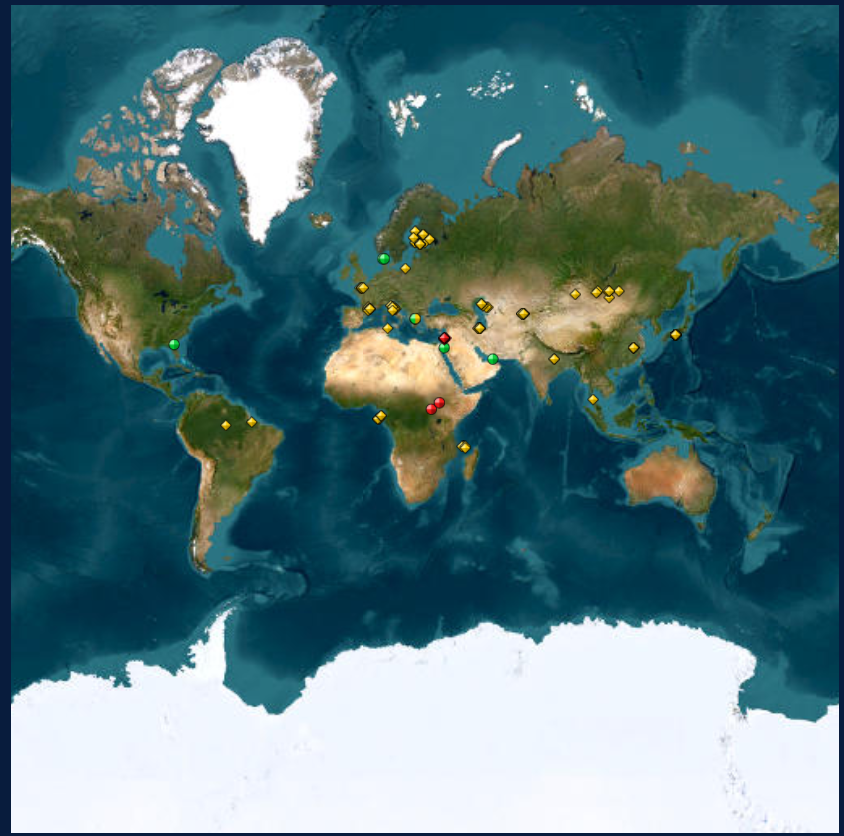
Photo by : UNESCO
Following these updates, NomadMania’s World Heritage Sites list has been updated with the new UNESCO sites that were moved fro the tentative list, The newly added UNESCO World Heritage sites are the following.

New Inscribed Properties(25)
Cultural Properties
- Aalto Works – (Europe – Finland)
Aalto Works is a collection of 13 modern buildings across Finland showcasing Alvar Aalto’s human-centred approach to architecture and the country’s distinctive contribution to the Modern Movement. Blending Finnish traditions with international modernist ideas, the sites reflect collaborative design focused on people, nature, and community.
- Alamūt Castle and Related Fortifications (Middle East / West Asia — Iran)
Alamūt Castle and Related Fortifications is a network of seven medieval fortresses in northern Iran that served as the political, military, and intellectual centre of the Nezāri Ismaʿili state from the late 11th century. Set within the Alborz Mountains, the sites reflect the community’s strategic resilience and lasting influence on Islamic history, scholarship, and culture.
- Amazonia Theaters (South America — Brazil)
Amazonia Theaters comprises two grand theatre complexes in Belém and Manaus, built during Brazil’s rubber boom (1879–1912) as symbols of prosperity, political ambition, and urban development. Inspired by European architecture and enriched with Amazonian motifs, they reflect the cultural and economic transformation of the Amazon during its Golden Age.
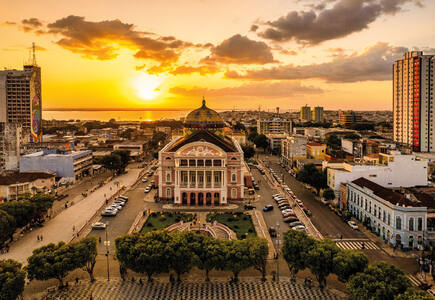
Teatro Amazonas (Manaus) photo by UNESCO
- Ancient Buddhist Site of Sarnath (South Asia — India)
Ancient Buddhist Site of Sarnath preserves the sacred place where the Buddha is believed to have delivered his first sermon, making it one of Buddhism’s most important pilgrimage destinations. Its ancient stupas, temples, and monasteries reflect centuries of Buddhist devotion and its enduring spiritual significance worldwide.
- Ancient Capitals of Asuka and Fujiwara (East Asia — Japan)
Ancient Capitals of Asuka and Fujiwara preserves the archaeological remains of Japan’s first two planned capitals, where a centralised state and early Buddhist culture took shape between the 6th and 8th centuries. The palaces, temples, and tombs illustrate the foundations of Japanese governance and their lasting influence on later capitals such as Nara and Kyoto.
- Beaches of the D-Day Landings, Normandy, 1944 (Europe — France)
Beaches of the D-Day Landings, Normandy, 1944 preserves the beaches and fortifications where the Allied invasion of 6 June 1944 began the liberation of Western Europe during the Second World War. Stretching along 80 km of the Normandy coast, the sites stand as powerful reminders of one of history’s most significant military operations and its lasting legacy of remembrance.
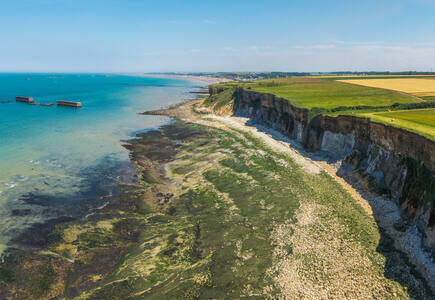
Mulberry B and the cliffs of Tracy-sur-Mer photo by UNESCO
- Gdynia Modernist City Centre (Europe — Poland)
Gdynia Modernist City Centre showcases the rapid transformation of a small fishing village into Poland’s principal Baltic port through striking interwar modernist architecture and urban planning. Its cohesive streets, villas, and public buildings reflect the country’s embrace of modern design and a decisive break from historic architectural styles.
- Jingdezhen Handicraft Porcelain Industry Sites (East Asia — China)
Jingdezhen Handicraft Porcelain Industry Sites preserves the workshops, kilns, and production centres that made Jingdezhen the world’s leading centre of handcrafted porcelain from the 10th to 19th centuries. Renowned for its technological innovations and iconic blue-and-white ceramics, the city shaped global trade and became a lasting symbol of Chinese artistry and craftsmanship.
- Mount Amel Castles (Middle East / West Asia — Lebanon)
Mount Amel Castles is a network of five medieval fortresses in southern Lebanon that guarded key trade routes and agricultural lands for nearly a thousand years. Built and adapted by successive Crusader, Ayyubid, Mamluk, Ottoman, and local rulers, the castles reflect the evolution of military architecture and the exchange of defensive traditions between Europe and the Near East.
- Rock Mosques and Associated Sacred Sites of Mangystau (Central Asia — Kazakhstan)
Rock Mosques and Associated Sacred Sites of Mangystau comprises five underground mosques and sacred pilgrimage complexes carved into the rock of western Kazakhstan between the 12th and 18th centuries. Blending Islamic Sufi traditions with older nomadic spiritual practices, the sites remain important centres of worship and reflect the region’s unique religious and cultural heritage.
- Royal Capetian Fortresses of Languedoc (Europe — France)
Royal Capetian Fortresses of Languedoc comprises eight medieval castles and fortified sites in southern France that formed the backbone of the Capetian Crown’s defensive network after the Albigensian Crusade. Perched on dramatic rocky peaks, they demonstrate the military ingenuity and political consolidation that shaped medieval Languedoc.
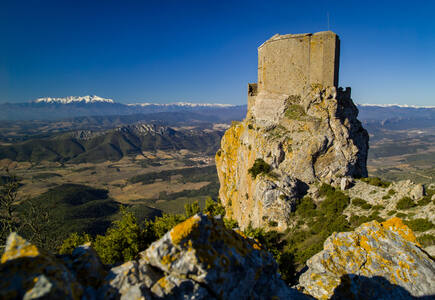
Quéribus Castle photo by UNESCO
- Sebastia (Middle East / West Asia — Palestine)
Sebastia preserves over 3,000 years of continuous history, with archaeological remains spanning the Iron Age, Hellenistic, Roman, Byzantine, Islamic, and Ottoman periods. Its monumental ruins and living village together reflect centuries of cultural exchange, shared religious traditions, and uninterrupted human settlement in the southern Levant.
- Tashkent Modernist Architecture. Modernity and Tradition in Central Asia (Central Asia — Uzbekistan)
Tashkent Modernist Architecture: Modernity and Tradition in Central Asia showcases ten landmark buildings and urban complexes constructed after the 1966 earthquake, reflecting the city’s transformation into a modern socialist capital. Blending Soviet modernist design with local traditions, climate, and seismic engineering, the sites highlight a distinctive Central Asian approach to 20th-century architecture.
- The Cemetery Complexes of the Xiongnu Nobility (Central Asia — Mongolia)
The Cemetery Complexes of the Xiongnu Nobility comprises eight elite burial sites in Mongolia that reveal the culture, beliefs, and social organisation of the powerful Xiongnu Empire, which dominated the Eurasian steppes from the 3rd century BCE to the 2nd century CE. Their monumental tombs and rich grave goods provide exceptional insight into the lives, engineering skills, and traditions of this influential nomadic civilisation.
- The Medinas of the Historic Sultanates of the Comoros (Sub-Saharan Africa / Indian Ocean — Comoros)
The Medinas of the Historic Sultanates of the Comoros comprises six historic towns that flourished as the capitals of the Comorian sultanates, shaped by centuries of Indian Ocean trade and cultural exchange. Their distinctive urban layout, architecture, and living traditions reflect a unique blend of African, Arab, and Islamic influences that continues to define Comorian society today.
- The Roças of Sao Tome and Principe: Colonial Agricultural System and Forced Migration (Sub-Saharan Africa — São Tomé and Príncipe)
The Roças of São Tomé and Príncipe: Colonial Agricultural System and Forced Migration comprises six historic plantation estates that illustrate the colonial coffee and cocoa economy which shaped the islands from the late 19th to the mid-20th century. Their preserved agricultural, industrial, and residential landscapes bear witness to a large-scale plantation system built on forced migration and labour.
- The system of Italian-style condominio theatres of the 18th and 19th centuries in Central Italy (Europe — Italy)
The System of Italian-Style Condominio Theatres of the 18th and 19th Centuries in Central Italy comprises ten elegant historic theatres that showcase a unique model of shared ownership, allowing communities and private citizens to finance cultural venues together. Located in the heart of central Italian towns, they reflect the rise of public theatre, civic life, and Neoclassical architecture during the 18th and 19th centuries.
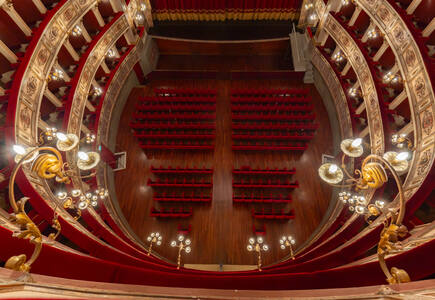
Teatro dell’Aquila, Fermo, auditorium and historic lighting seen from above photo by UNESCO
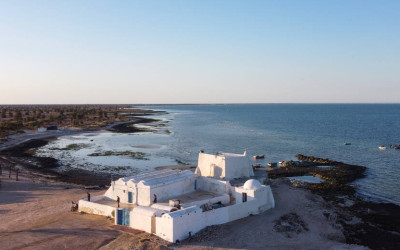
- Village of Sidi Bou Saïd (North Africa — Tunisia)
Village of Sidi Bou Saïd is a picturesque clifftop village overlooking the Mediterranean, renowned for its distinctive white-and-blue architecture and tranquil atmosphere. Developed around the shrine of a medieval Sufi saint, it combines natural beauty, cultural heritage, and spiritual significance, inspiring artists and visitors for generations.
- Wat Phra Mahathat Woramahawihan, Nakhon Si Thammarat (Southeast Asia — Thailand)
Wat Phra Mahathat Woramahawihan is one of Thailand’s oldest and most important Buddhist monasteries, serving as a major religious centre for over 1,500 years. Influenced by cultures across South and Southeast Asia, its sacred architecture, rituals, and traditions have shaped Buddhist heritage throughout the region.
Natural properties
- Aqaba Marine Reserve (Middle East / West Asia — Jordan)
Aqaba Marine Reserve protects the world’s northernmost tropical coral reef system, home to exceptionally resilient corals and an extraordinary diversity of marine life in the Red Sea. Its reefs, seagrass beds, and rich biodiversity—including hundreds of fish, coral, and mollusc species—make it one of the region’s most important marine ecosystems.
- Boma–Badingilo Migratory Landscape (Sub-Saharan Africa — South Sudan)
Boma–Badingilo Migratory Landscape protects one of the world’s largest remaining terrestrial mammal migration routes, spanning vast wetlands, floodplains, woodlands, and savannas in South Sudan. Supporting millions of migrating animals and diverse wildlife, the landscape also reflects the deep cultural connections of local communities who have lived alongside and managed these ecosystems for generations.
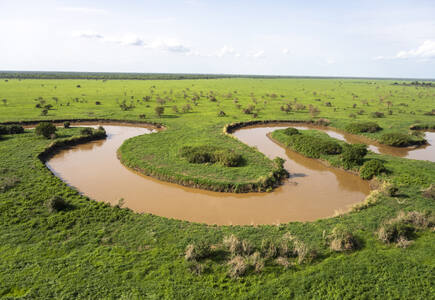
Akobo River photo by UNESCO
- Okefenokee National Wildlife Refuge (North America — United States of America)
Okefenokee National Wildlife Refuge protects the Okefenokee Swamp, the world’s largest subtropical freshwater peatland and one of North America’s most intact wetland ecosystems. Its diverse wetlands, forests, and savannas support exceptional biodiversity, rare habitats, and vital carbon-storing peatlands that preserve a unique environmental legacy.
- The Bony Fish Fossils of the Western Limfjord – Evolution and Climate Adaptation in the Earliest Eocene (Europe — Denmark)
The Bony Fish Fossils of the Western Limfjord – Evolution and Climate Adaptation in the Earliest Eocene preserves some of the world’s most significant fossil records of early modern bony fish evolution following the end-Cretaceous extinction. The exceptional fossils found in Denmark’s coastal cliffs reveal how marine life adapted to major climate changes during the earliest Eocene.
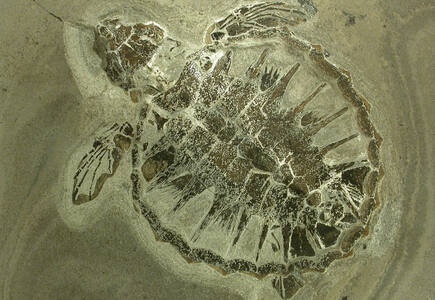
The extremely wellpreserved marine turtle Tasbacka danica (NHMD 141598, DK 567) from a calcareous concretion in the Fur Formation (11 cm) photo by UNESCO
- Wadi Wurayah (Middle East / West Asia — United Arab Emirates)
Wadi Wurayah is a unique natural landscape in the Hajar Mountains of the United Arab Emirates, featuring ancient ophiolite formations and diverse desert ecosystems. Home to over 1,000 recorded species, including threatened and endemic wildlife, it represents an important refuge for the region’s biodiversity.
Mixed properties
- The wider area of Mount Olympus (Europe — Greece)
The Wider Area of Mount Olympus combines exceptional natural landscapes with deep cultural and mythological significance as the legendary home of the Twelve Olympian Gods. Its dramatic geological formations, diverse ecosystems, and rich endemic flora make it a remarkable centre of Greek heritage and Mediterranean biodiversity.
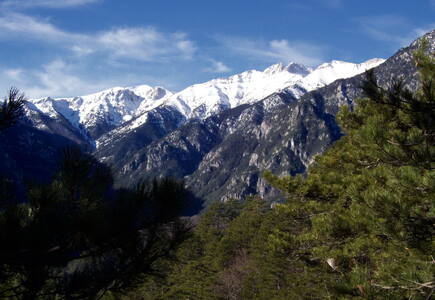
Mount Olympus photo by UNESCO
Significant modifications to the boundaries(2)
Cultural properties
- Berlin Modernism Housing Estates (Europe — Germany)
Berlin Modernism Housing Estates showcases Waldsiedlung Zehlendorf, a major example of early 20th-century modernist housing design that integrates architecture, transport, and green spaces. Its innovative use of flat roofs, colour, and sculptural forms reflects the broader movement for improved urban living and social housing reform.
Natural properties
- Getbol, Korean Tidal Flats (Phase II) (East Asia — Republic of Korea)
Getbol, Korean Tidal Flats (Phase II) expands the protected tidal flat ecosystems along the Korean coast, showcasing a remarkable variety of coastal landscapes shaped by geological and climatic forces. These highly productive habitats support rich marine biodiversity, migratory birds, and numerous endemic and threatened species in the Yellow Sea region.
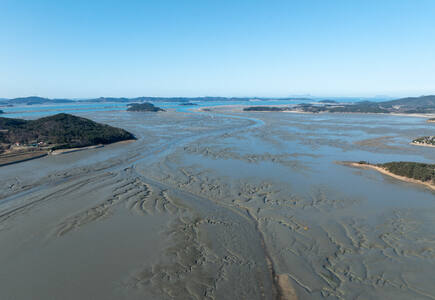
Seosan Getbol photo by UNESCO
Modifications to the criteria(1)
Natural properties
- Garamba National Park (Sub-Saharan Africa — Democratic Republic of the Congo)
Garamba National Park protects one of Central Africa’s last vast forest–savanna mosaic landscapes, where diverse habitats are shaped by natural processes such as fire, flooding, and wildlife activity. Home to exceptional biodiversity, including threatened mammals and hundreds of bird, reptile, and amphibian species, the park is a vital refuge for the region’s wildlife.
In conclusion, the latest additions to UNESCO’s World Heritage List represent a wonderful celebration of the diverse cultural achievements, historic legacies, and natural wonders that make our world unique. These newly recognised sites offer travellers even more opportunities to discover fascinating places, experience different cultures, and connect with the stories that shape our shared heritage. All of these new listings now appear on our NomadMania platform under the WHS Series list, making it easy for you to track your visits and plan your next journey.

We hope everyone enjoys exploring these new additions to the NomadMania World Heritage Sites list, shares their experiences with the community, and uses these remarkable places as inspiration for future journeys. May these new discoveries make your travels even more meaningful, memorable, and enjoyable. Happy exploring!