
For travellers who prefer their adventures on foot and their meals on the spot, the United Kingdom offers plenty of options that combine hiking with authentic local flavours. Walk-and-dine experiences here aren’t about rushed sightseeing or overly curated tours, but about moving at a steady pace, seeing everyday life, and then sitting down to food that reflects where you are.

These journeys often mean navigating quieter backroads, stopping at small cafés, and timing your walks to catch fresh ingredients. It’s the kind of travel where you leave the map on the table, trust local recommendations, and let your appetite guide the day. For anyone looking to explore the UK beyond its headline attractions, combining trails and meals can make even familiar regions feel new.

Multi-Destination Rail Travel and Venison Stew in Scotland
Scotland works particularly well for travellers who want to explore extensively and meaningfully without the hassle of driving. Multi-destination rail travel allows them to move from Edinburgh to Inverness while taking in the Highlands at a deliberate pace. Consider slow travel tours as they are especially worthwhile in Scotland: they give travellers time to linger in small towns, pause at viewpoints, and make spontaneous stops that would be impossible on a strict schedule.

Walking through towns like Aviemore or exploring villages scattered across the Highlands feels more natural when the journey unfolds by train. Cafés, pubs, and countryside inns are ready for visitors, and a hearty venison stew at a local inn becomes more than a meal. It marks a pause to soak in the surroundings after a day on the move. Travelling this way allows for encounters with everyday Scottish life, from local markets to tiny galleries, which often get missed when sticking to one base or driving quickly between sights.
Rail travel also makes it practical to experience multiple regions in a single trip without logistical stress. It pairs well with short hikes, walks, or small excursions, giving travellers flexibility while keeping packing and transport simple. Meals naturally become pauses in the journey, offering time to savour Scottish flavours and reflect on the day’s experiences.
Meadow Paths and Seasonal Asparagus in England
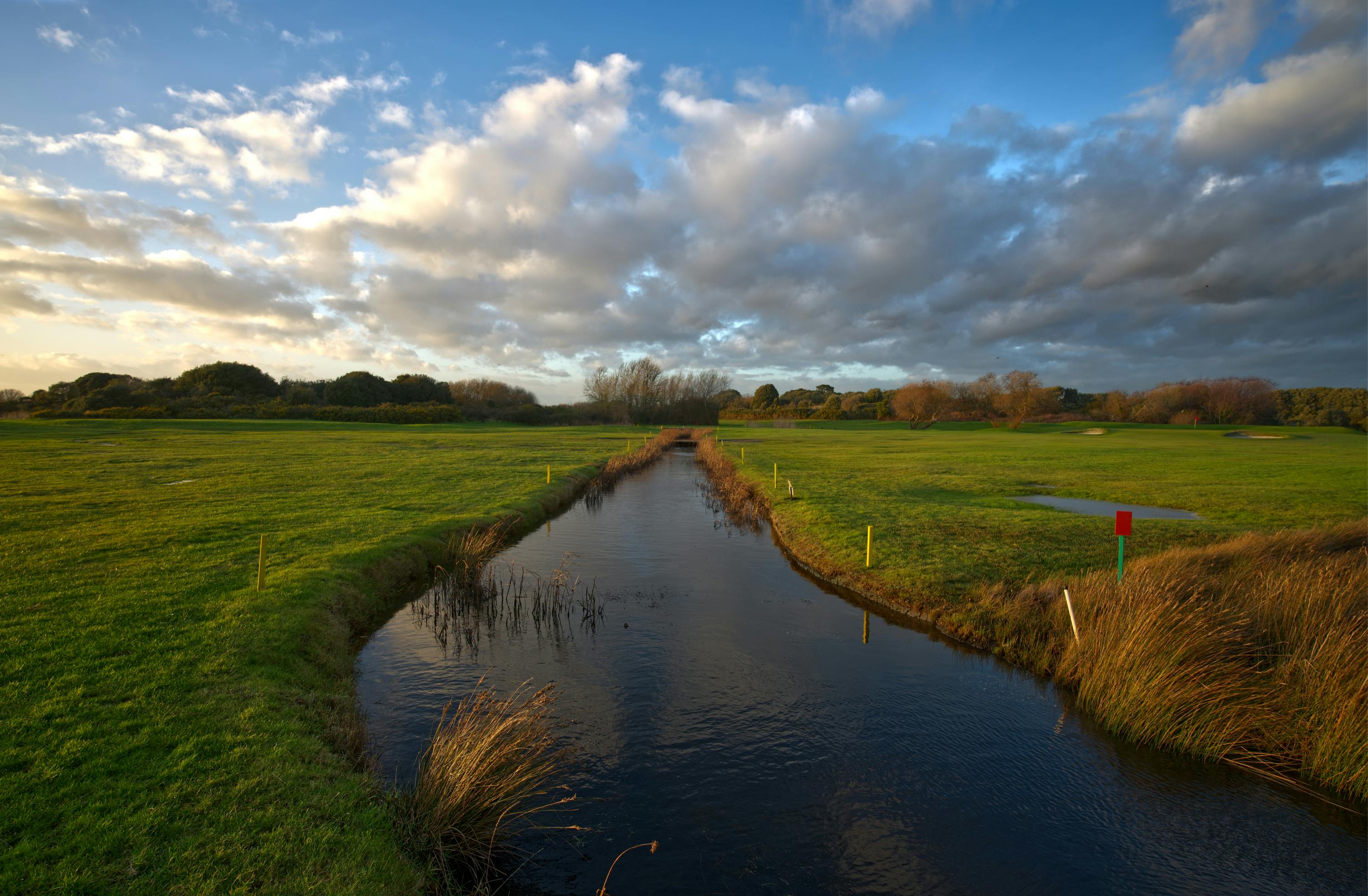
In southern England, the countryside is threaded with paths that cut through meadows and small woodlands, often overlooked by international visitors. Hampshire and Wiltshire have sections where spring brings seasonal asparagus, and local farmers’ markets nearby make it easy to grab something fresh. Walkers can plan a route that passes a market town like Marlborough, then stop at a café for an asparagus tart or a simple frittata made with the local crop.
These paths are flat enough to allow casual walkers to keep a steady pace while still enjoying the surrounding scenery. Meadows here are full of flowers, and hedgerows often carry blackberries or wild garlic, depending on the season. Timing your walk in the morning or early afternoon lets you reach a village in time for lunch, rather than having to rush or rely on fast food.
Accommodations along these routes are often small inns or farm stays. Staying overnight makes it easier to plan a loop rather than backtracking, and gives the chance to sample local fare again in the evening. For walkers interested in seasonal produce, England’s meadow paths are perfect for combining light exercise with genuinely fresh meals.
Moorland Routes and Sticky Toffee Pudding in England
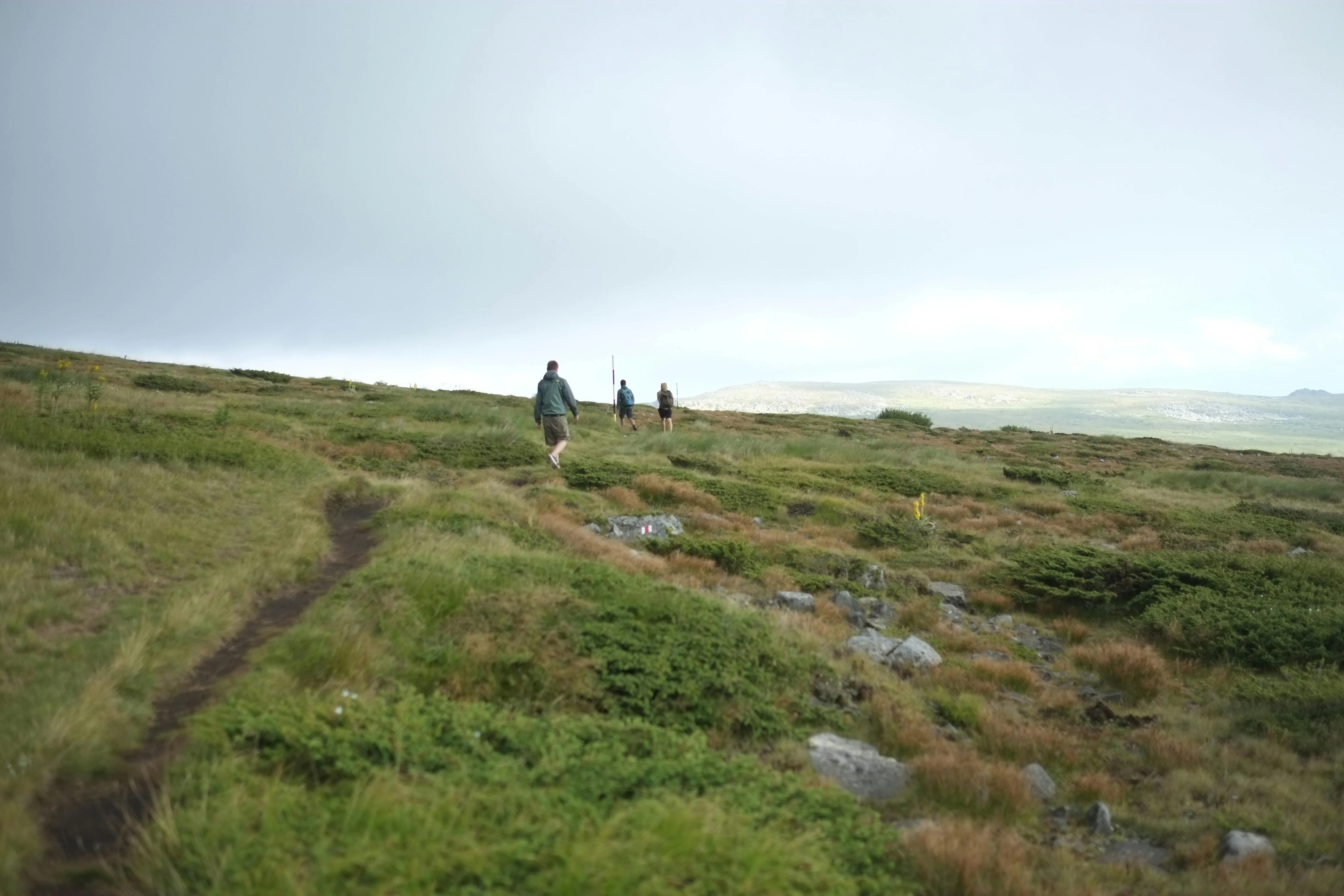
The moorlands of northern England are quieter and often mistier than the south, but they offer wide-open skies and paths that feel endless. Walking through the North York Moors, for instance, gives a sense of space and pace that matches long afternoon walks.
Small villages like Helmsley or Goathland provide natural stopping points, with pubs that serve sticky toffee pudding made from recipes passed down for generations. For anyone who’s done a few miles across boggy tracks, it’s an excellent reward.
Affordable dinner bed and breakfast offers in UK offers in UK moorland areas make it possible to combine these routes with practical overnight stays. Many B&Bs are family-run and focus on filling meals for walkers, mainly breakfast meals that include kippers, local sausages, and toast with homemade jam. Booking in advance is often necessary during the summer months, but off-season visits can be more relaxed and quieter.
Walking here isn’t about a strict schedule; it’s about knowing the terrain and giving yourself time to stop for small villages or farm shops. Sticky toffee pudding isn’t just a dessert. It’s the endpoint of a day of movement, something to enjoy slowly while planning tomorrow’s path across heather and stone walls.
Cliff Walks and Mussels in Cream in Northern Ireland
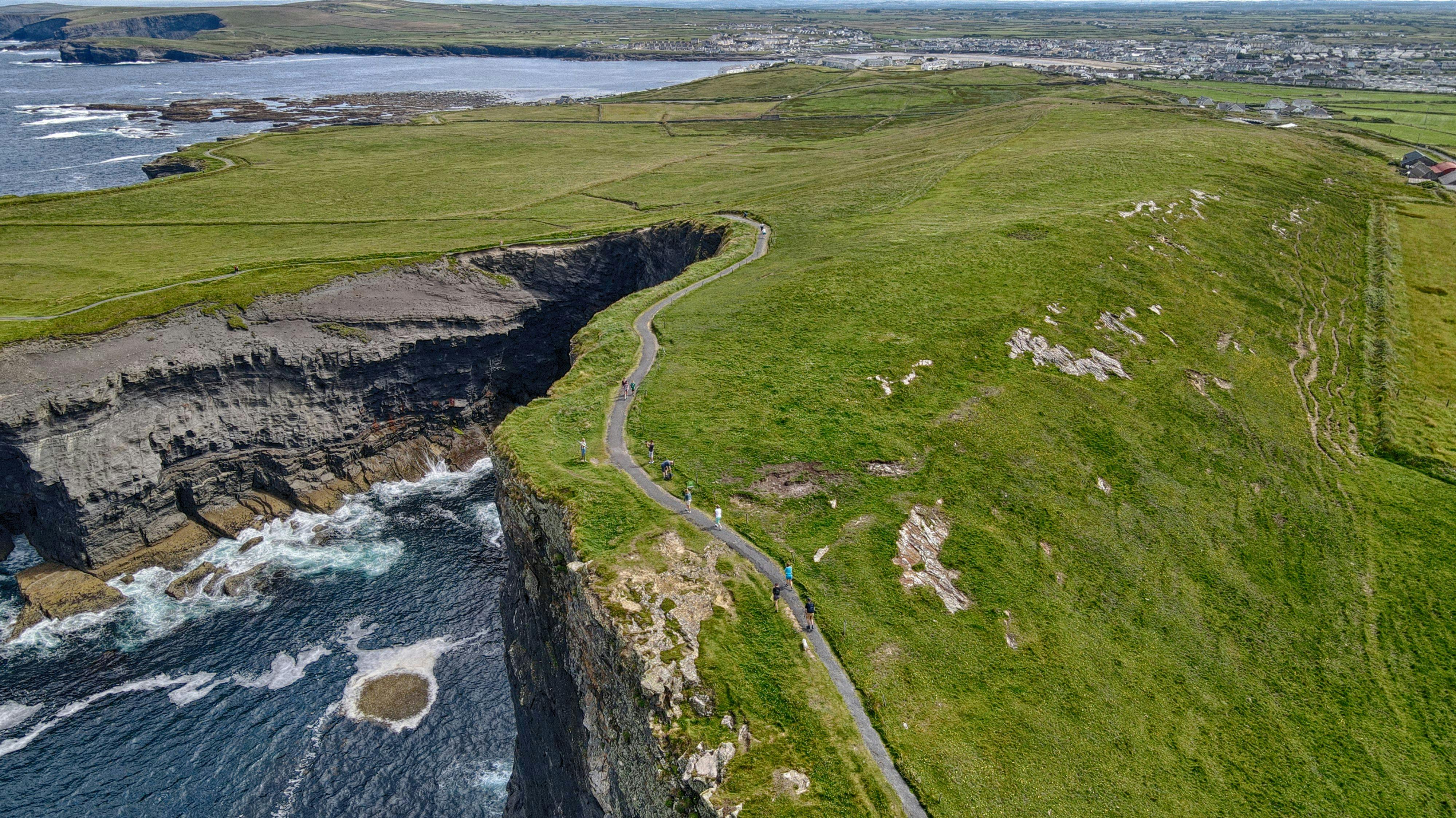
Northern Ireland’s coastline gives walkers sharp drops, sudden sea views, and paths that wind along cliff edges. The Causeway Coast Way, for example, offers sections where walkers can see the Giant’s Causeway from a distance before ending up in a small seaside village. Local restaurants often serve mussels in cream, sometimes accompanied by crusty bread to soak up the sauce, which feels entirely appropriate after a day spent negotiating uneven cliff paths.
The villages along these routes are compact but well-stocked for walkers, with small shops selling pastries or sandwiches if you prefer to take food along. Timing the walk for low tide or early evening allows for better footing and more peaceful stops, rather than dealing with busier tourist hours.
Accommodation is mixed, with some walkers choosing coastal hostels or guesthouses. Staying near the cliff paths makes it easier to combine consecutive days of walking with meals sourced from local fishermen or small farms.
Sea Trails and Dressed Crabs in Wales
Wales offers trails that are literally on the edge of the country, with footpaths along beaches and rugged coasts. Pembrokeshire Coast Path is one well-known route where walkers can end the day in small harbours such as St. Davids or Solva. Local seafood cafés often sell dressed crabs, prepared with just enough seasoning to let the shellfish’s natural flavour come through.
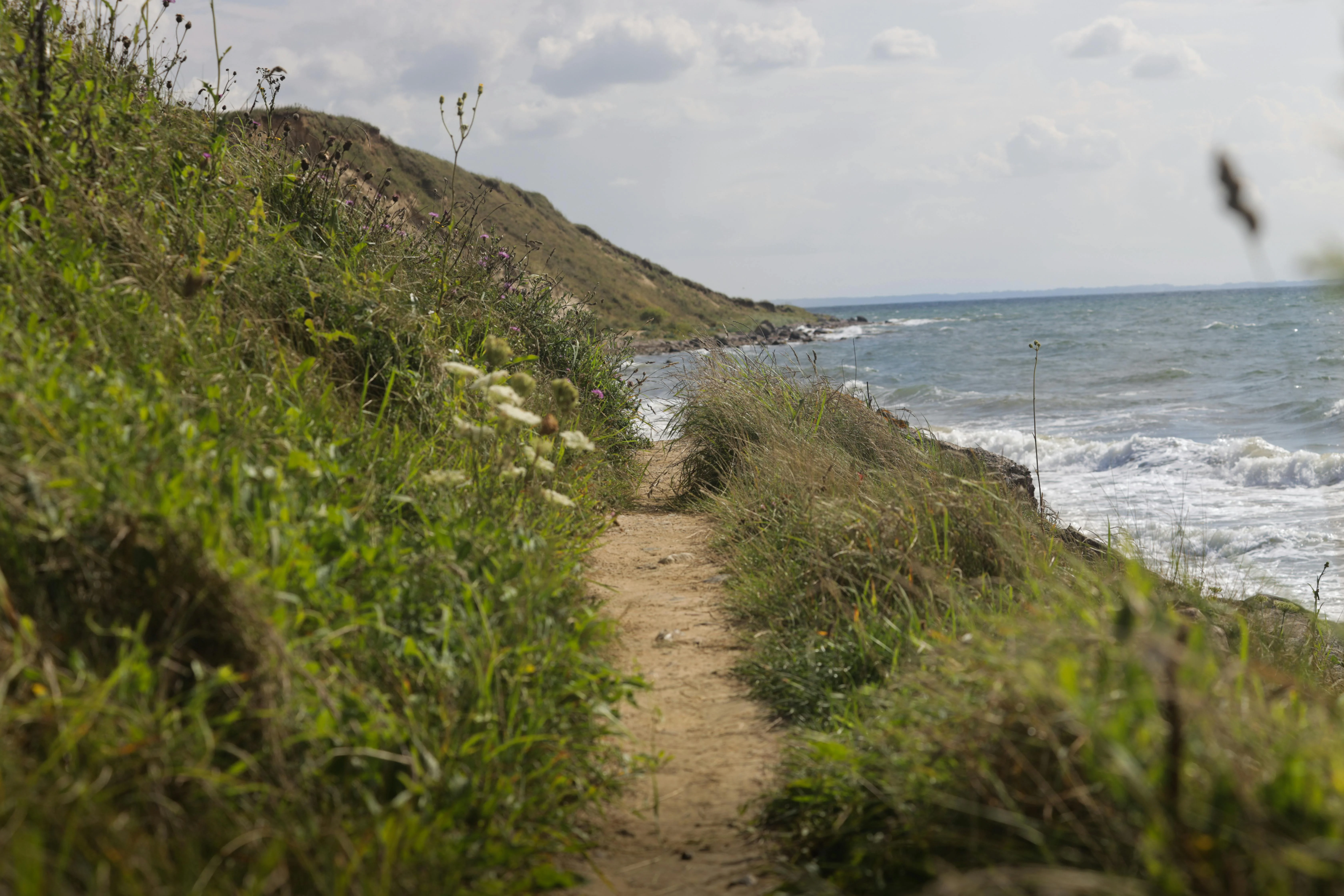
Walkers tend to find these paths quieter than other UK coastal walks, partly because parking is limited and the trails are long. This encourages a slower, more attentive pace. Timing your walks to coincide with the morning low tide opens the chance to spot wildlife and pick up fresh scallops from trusted vendors along the way.
Accommodation tends to be small guesthouses or converted cottages, which usually have a kitchen or breakfast offerings. This makes it easy to combine a day of walking with meals that feel genuinely local, not just generic pub fare. For those who enjoy seafood and wide, open coastlines, Wales’ sea trails are one of the more practical options for a walk-and-dine trip.
Is a Walk-and-Dine travel the best way to explore the UK?
For anyone willing to move at a steady pace, it just might be. Trails across Scotland, England, Wales, and Northern Ireland connect naturally to meals that feel earned: venison stew in the Highlands, sticky toffee pudding after a moorland walk, or dressed crab on the Welsh coast.
Walking gives context to what you eat: you notice markets, cafés, and small villages that most visitors pass by. Meals become natural stops, marking the day and keeping energy up for the next stretch. For travellers looking for something practical, grounded, and memorable, combining walking with local food turns a regular trip into a travel experience you actually remember forever.