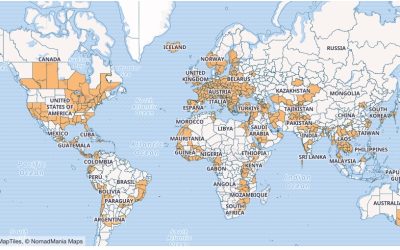
We are currently going through one of the most important stages in NomadMania’s existence: the review of the Regions Masterlist, which forms the backbone of our community. While there is no single “correct” way to divide the world, our goal is to address past mistakes and arrive at the best possible outcome for both travelers and countries — ensuring a fair and reasonable division based on our established criteria – the Optimal Score.
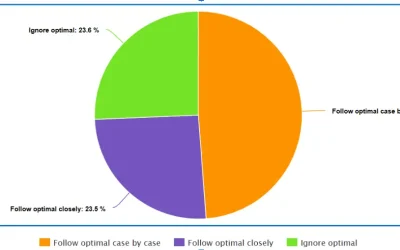
To achieve this, we have developed New Criteria, conducted Several Polls, and updated the Optimal Scores for regions, relying as much as possible on community feedback. One of the most important — and sobering — messages we received from you was the following:
“Ignore the optimal and follow a case-by-case approach based on the existing traditional divisions of each country (history, culture, geography, etc.).”
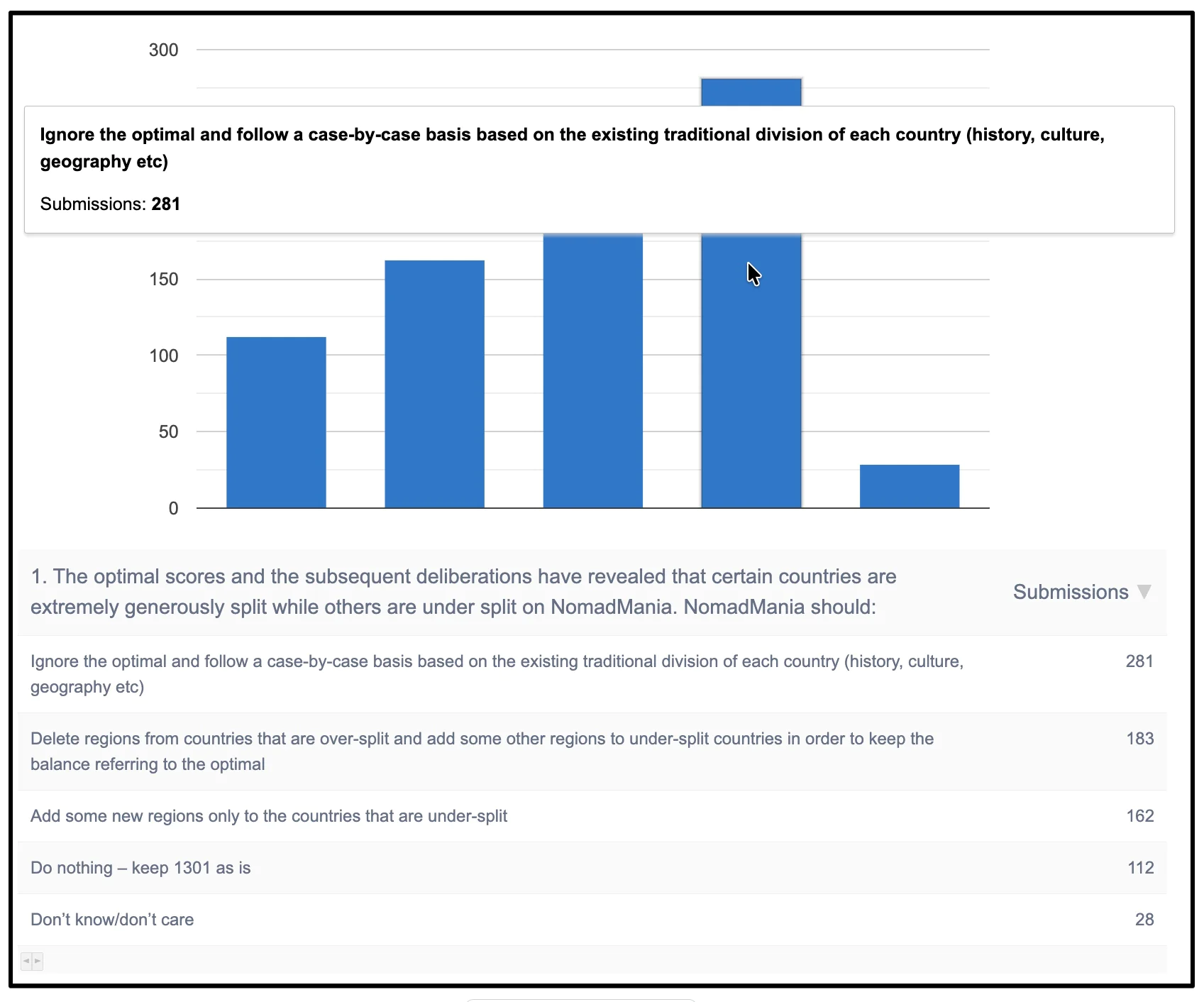
While we cannot completely disregard the Optimal Score — carefully developed by the Executive Committee using a scientific approach — we fully acknowledge that the primary method for reviewing regions should be grounded in a case-by-case assessment, guided by common sense and traditional regional division practices.
Nevertheless, the Optimal Score remains an important reference point, providing a strong guideline for the approximate number of regions each country should have.

Local Community Involvement
As of now, the ONLY country where the current regional division was reexamined based on input from the local NomadMania community — rather than solely on a Committee decision — is Ukraine. In this article, we present a case study illustrating how the current Ukrainian regions were assigned, drawing on historical, cultural, and traditional context, as well as the outcome of a community vote.
We hope this case study will inspire other local NomadMania communities around the world to take part in the regional review process and help us advance our mission: enabling people to explore and better understand the world.
The “WHY?”
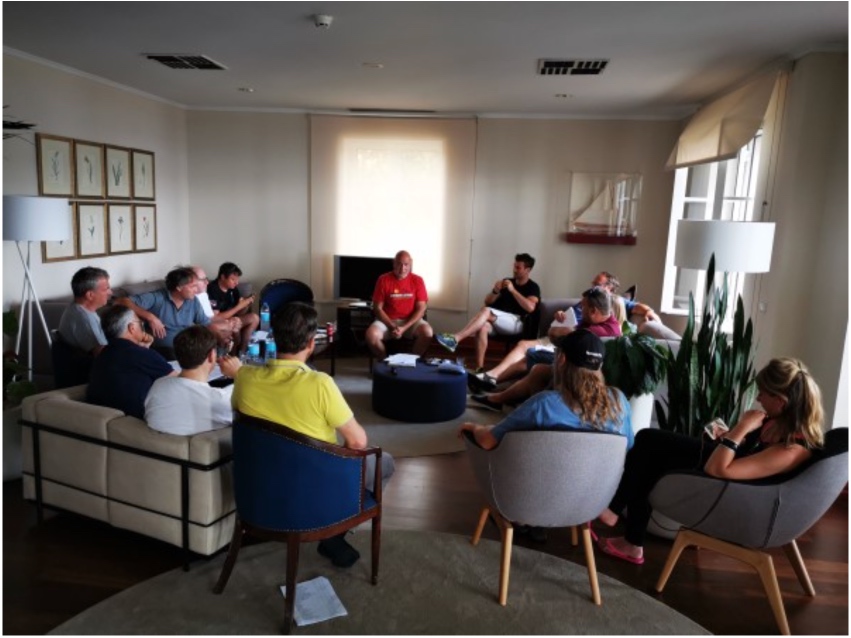
It was the summer of 2019. NomadMania was hosting its second conference on the island of Faial in the Azores. The main theme of the conference was “What Is a Visit?” Following extensive discussions, detailed Minimal Visit Guidelines were developed.
In addition, the delegates addressed several other NomadMania-related topics, including the review and modification of regional divisions in a number of countries. You can read the full Conference 2 Report in the newsletter archive dated July 21, 2019.
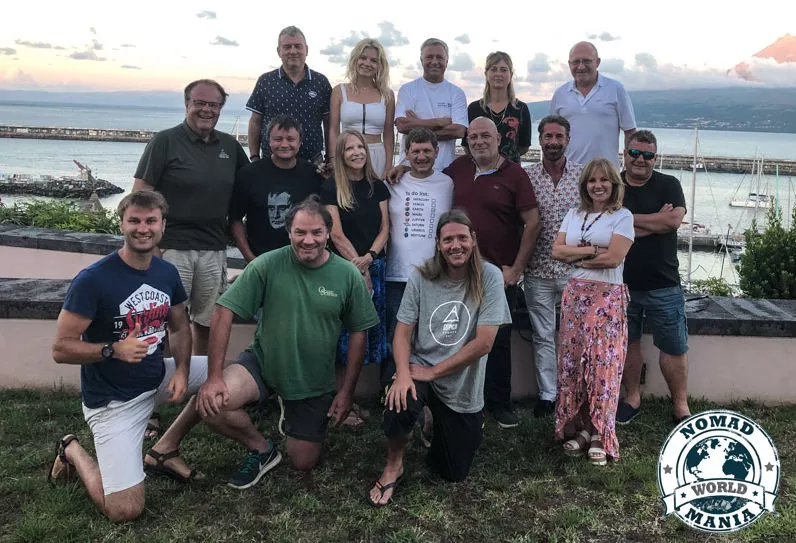
Our current Managing Partner, Orest Zub — then a relatively new member of NomadMania — was attending such an event for the first time. He actively participated in the discussions, contributing fresh and sometimes naive perspectives.
During one of the sessions focused on regions, Orest raised a question regarding the regional division of Ukraine. Having worked for many years as a tour guide, with a strong interest in history, culture, and geography, and possessing deep knowledge of his home country, the NomadMania division of Ukraine at the time made little sense to him.
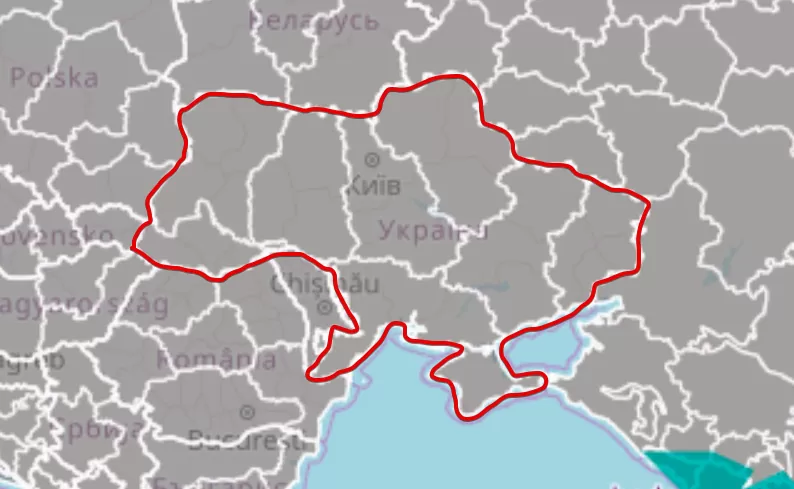
One of the biggest sources of confusion was the naming of the regions. Labels such as Central-Eastern, Western-Southern, or North-Eastern were used, even though these areas have well-established historical names. After all, you wouldn’t call Bavaria South-Eastern Germany or Tyrol Western Austria would you?
As a result, Orest proposed a comprehensive review of Ukraine’s regional division based on its historical, cultural, and traditional context — an approach he believed would offer travelers a far more meaningful understanding of the country.
Given that Orest was new to the community and the youngest delegate in the room, his proposal was initially met with some skepticism. However, the participants agreed to revisit the issue, provided that at least several NomadMania members from Ukraine expressed support for such a review.
NomadMania UA Conference
Determined to take the idea further, Orest decided to host an entire local NomadMania conference in his home city Lviv.
This event became the first locally organized NomadMania gathering of such scale. Around 100 participants attended, including most traveled Ukrainians, the entire NomadMania core team at the time — Harry Mitsidis, Daniel Zagrodzki, and Milana Bojinović — as well as several big travellers from neighboring Poland.


The main goal of the event was simple: to bring the local community together, learn about travel, listen to inspiring stories, create meaningful connections with like-minded people, and have fun.
But there was still one unresolved issue…
Community Vote to Review Regions
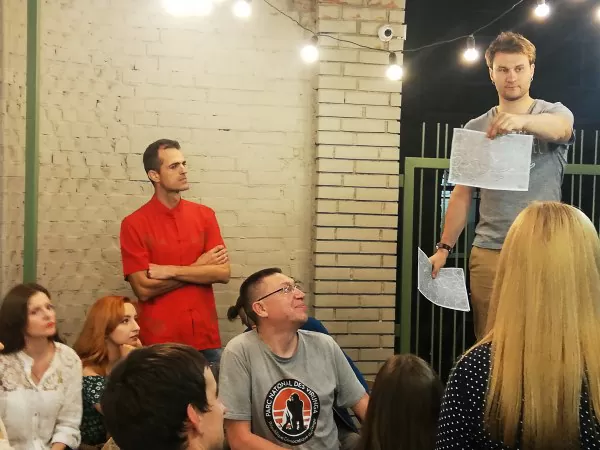
This exercise took place during the after-party, giving participants an opportunity to interact and discuss the issue in small groups.
First several printouts were distributed, showing:
-
the current country division on NomadMania (as of 2019),
-
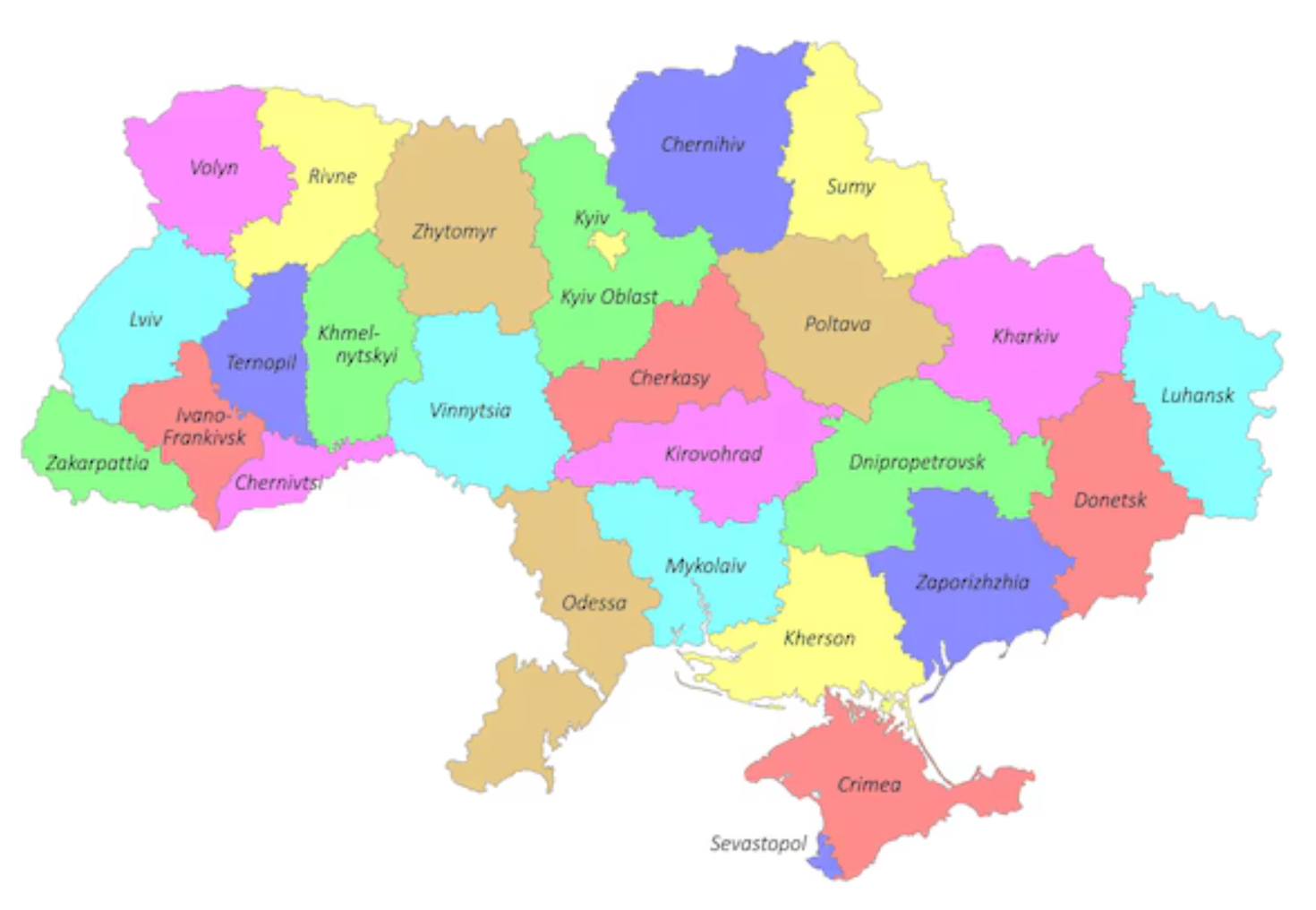
the official political and administrative division,
-
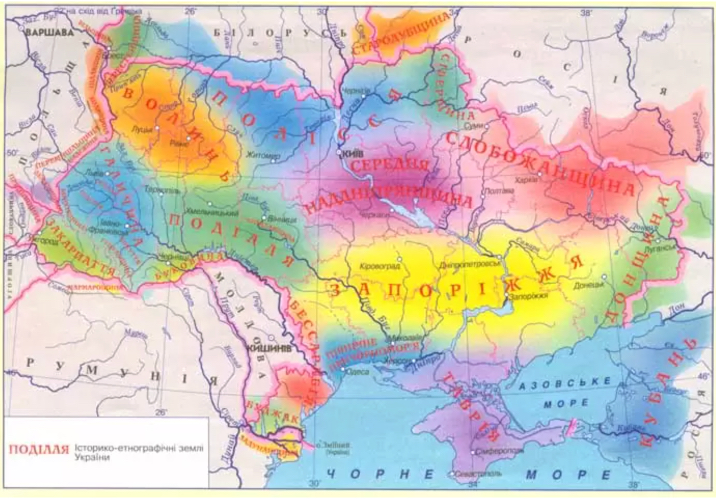
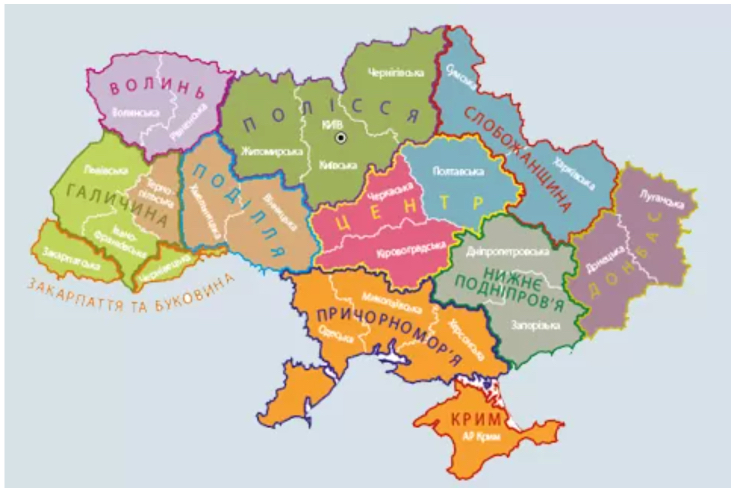
and several versions of cultural and historical regions.
Ukraine country division on NomadMania (as of 2019)
The official political and administrative division of Ukraine.
Cultural and ethnographical Ukrainian regions.
Another version of cultural regions limited to administrative provinces (oblasts).
Then clear rules have been announced
The new division should:
- stay within the same number of regions
- it’s not possible to cut administrative units inside
- existing provinces should be logically grouped
And the discussion begun 🙂
Participants proposed a wide range of ideas, from expanding the list of regions to 27 — matching the country’s administrative division, arguing that this would mirror the situation with neighboring Russia — to more complex and difficult-to-implement concepts, such as creating new regions by combining parts of several oblasts to better reflect cultural areas.
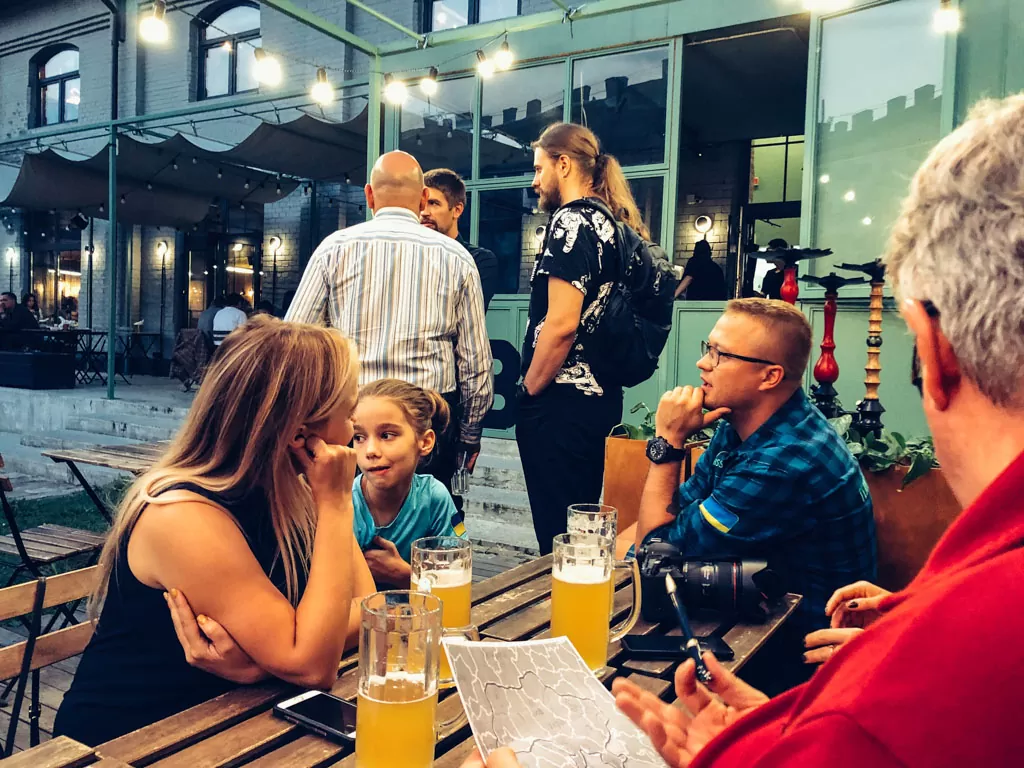
To support a virtual vote from those unable to attend in person, Orest also published a blog post inviting the wider community to share their ideas and feedback in the comments.
The post (in Ukrainian) can be found here: https://openmind.com.ua/2019/07/08/nomadmania-ukraine/.
Outcome
The ideal scenario would have been to create 12 regions, but this was already too far from the Optimal Score at the time. However, thanks to the enthusiasm of the participants, the difficulty of reevaluating regions while keeping their number unchanged, and the unique nature of this case study, the community succeeded in securing one additional region — already slightly above the allowed limit at the time — as a sui generis case.
It is also important to note that, already in 2019, Russia was controlling Crimea and parts of Donbas since 2014, a reality that was reflected in the newly formed regional divisions. As a result of the intense discussions, this is what we ultimately arrived at.
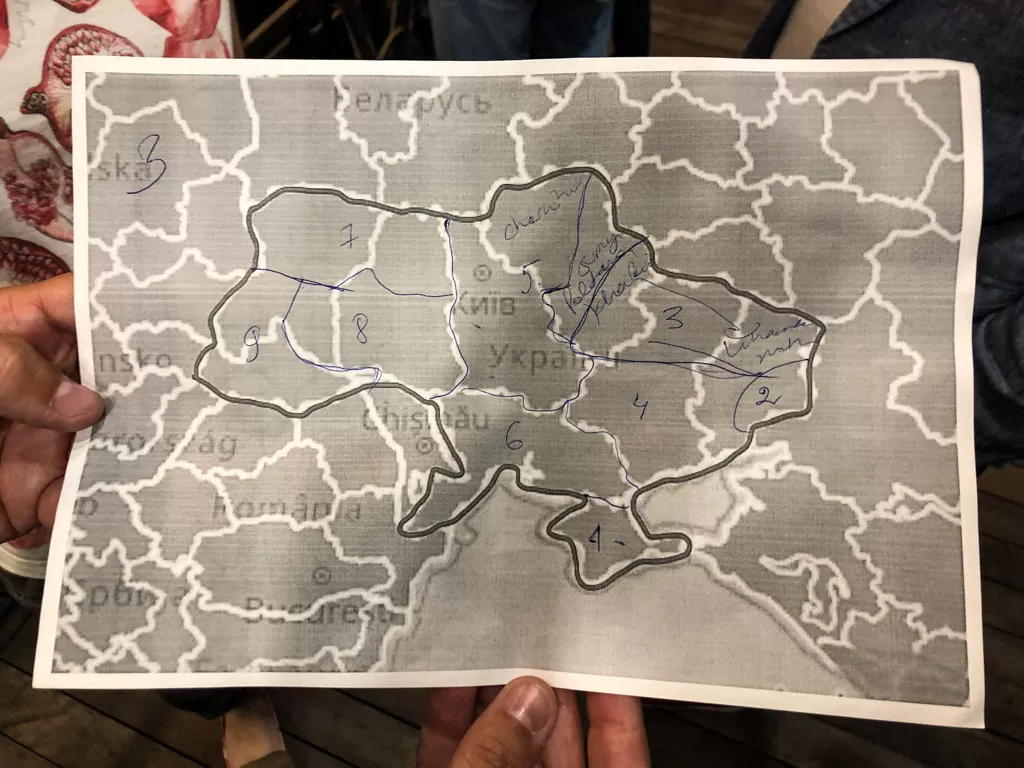
- Crimea (occupied)
- Donbas (occupied)
- Sloboda Ukraine (North-Eastern)
- Zaporizhia (Central-Eastern)
- Dnieper Ukraine (Central)
- Black Sea Coast (South)
- Polesia (North-Western)
- Podilia (Central-Western)
- Carpathian Region (South-Western)
It is worth adding that the Carpathian region is the most diverse of all, as it includes three distinct cultural areas: Galicia, Bukovina, and Transcarpathia in it. However, since adding more regions was not an option, this region was defined geographically, referring to the Carpathian Mountains, which unite all three areas.
If you’re curious to learn more about these regions, simply Google the names above and you’ll find plenty of information.
This is how Ukraine is currently divided on NomadMania.
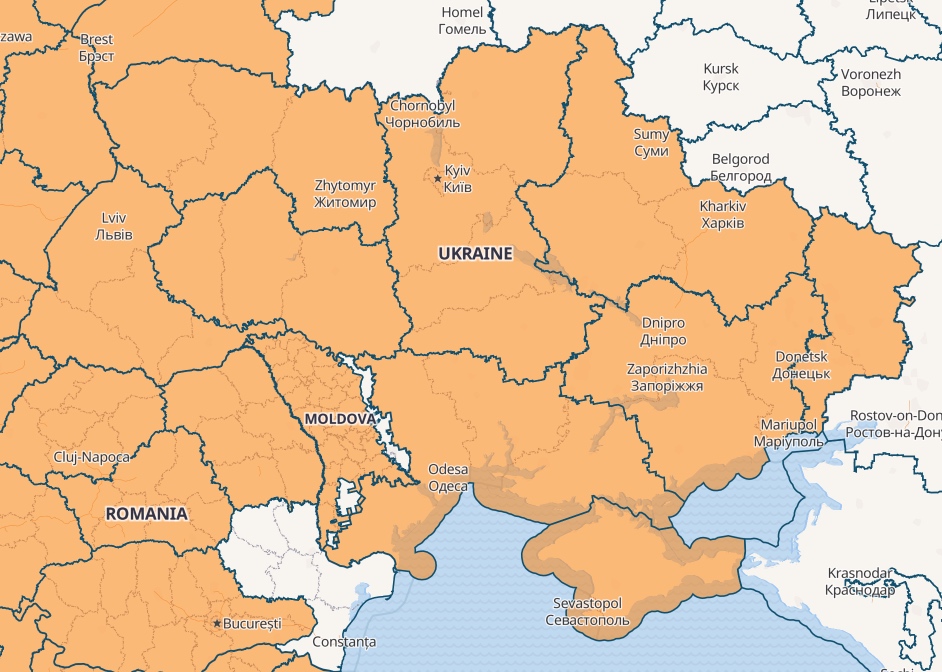
According to the newly updated Optimal Score, Ukraine should now have fewer regions than it currently does, and its case will be reviewed in the same manner as those of other countries — following internationally recognized borders and taking current travel realities into account.
The ongoing Russo–Ukrainian war may affect potential changes in the future. However, according to NomadMania policy, we generally avoid making regional changes during wars or active conflicts and instead rely strictly on official settlements according to the international law.
The upcoming creation of Karabakh as a new region of Azerbaijan is an example of this approach. See poll results.
Conclusion and further actions by YOU
We hope this case study serves as a useful example of how a local community can help shape NomadMania’s regional divisions within a country. If you believe that the current division of your country — or any other country you know well — should be reviewed, does not align with the Optimal Score, or fails to reflect meaningful regional distinctions, we encourage you to take action and share your suggestions with us.
You don’t need to operate on the same scale as Orest did. Even hosting a small NomadMania meeting (see how) and discussing the issue with a few fellow members can make a meaningful contribution. What matters most is that your proposed division helps people explore the world in a more meaningful way and better understand the places they visit.
Please refer to the Regions Review Guide to help you develop a solution that will serve our entire community for years to come. And most importantly — have fun.