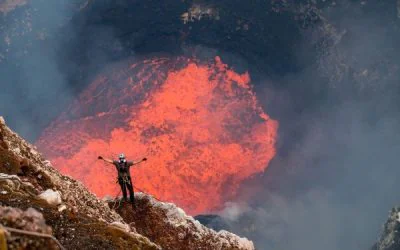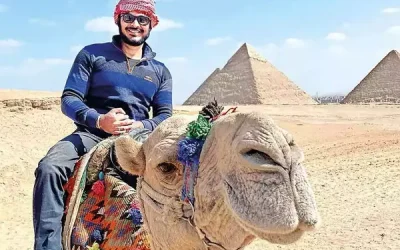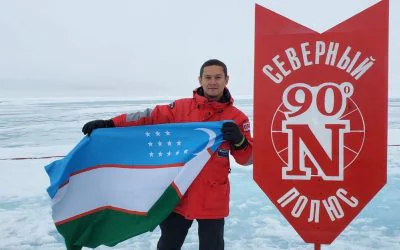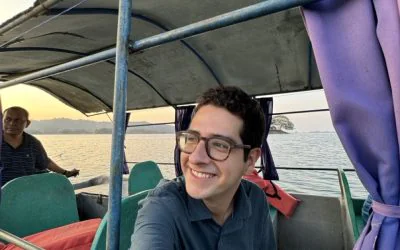
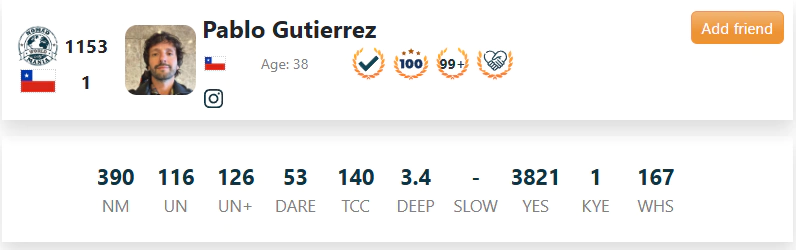
In a world where most people dream of faraway lands, Pablo Gutierrez has turned those dreams into reality—many times over. Born and raised in Chile, this doctor, photographer, and relentless adventurer has visited more countries than any Chilean before him, often braving the road less travelled.
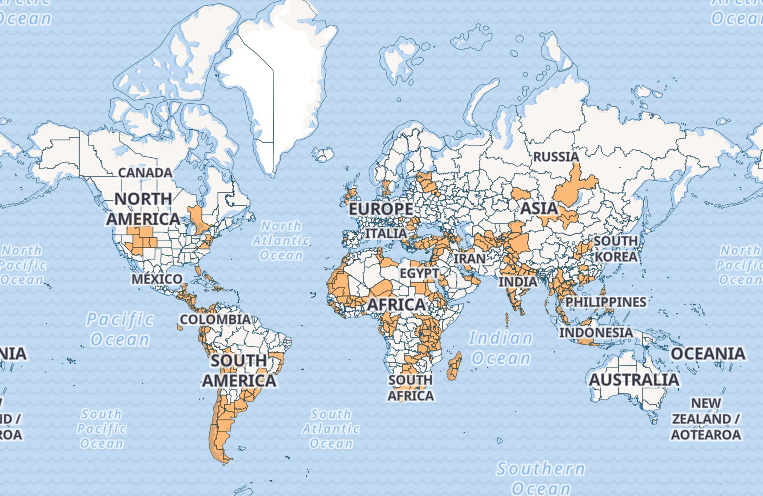
From sleeping in gas station bathrooms during his early budget travel days to witnessing gorillas in the Congo and sunsets over Bagan, Pablo’s journeys are as raw as they are breathtaking. In this candid conversation, he shares the origins of his wanderlust, the highs and heartbreaks of life on the road, and which country will always be home.
Pablo, tell us a little about yourself and how your initial interest in travel developed.
This is a hard question to answer briefly—but here it goes. I’m Pablo. I’ve been a traveler since I was very young. I’ve always had a deep curiosity about the world, about discovering new places and understanding how people live across different cultures. Growing up in Chile, where we’re geographically far from almost everywhere, it hasn’t always been easy to travel—but I’ve always found a way.
I’m also really passionate about photography, and beyond travel, I’m lucky to have a beautiful family, an amazing partner, and incredible friends who’ve always supported me—and many of whom I’ve traveled with. I’ve shared journeys with my sister, my parents, my girlfriend, and many close friends. I know how fortunate I am in that sense.
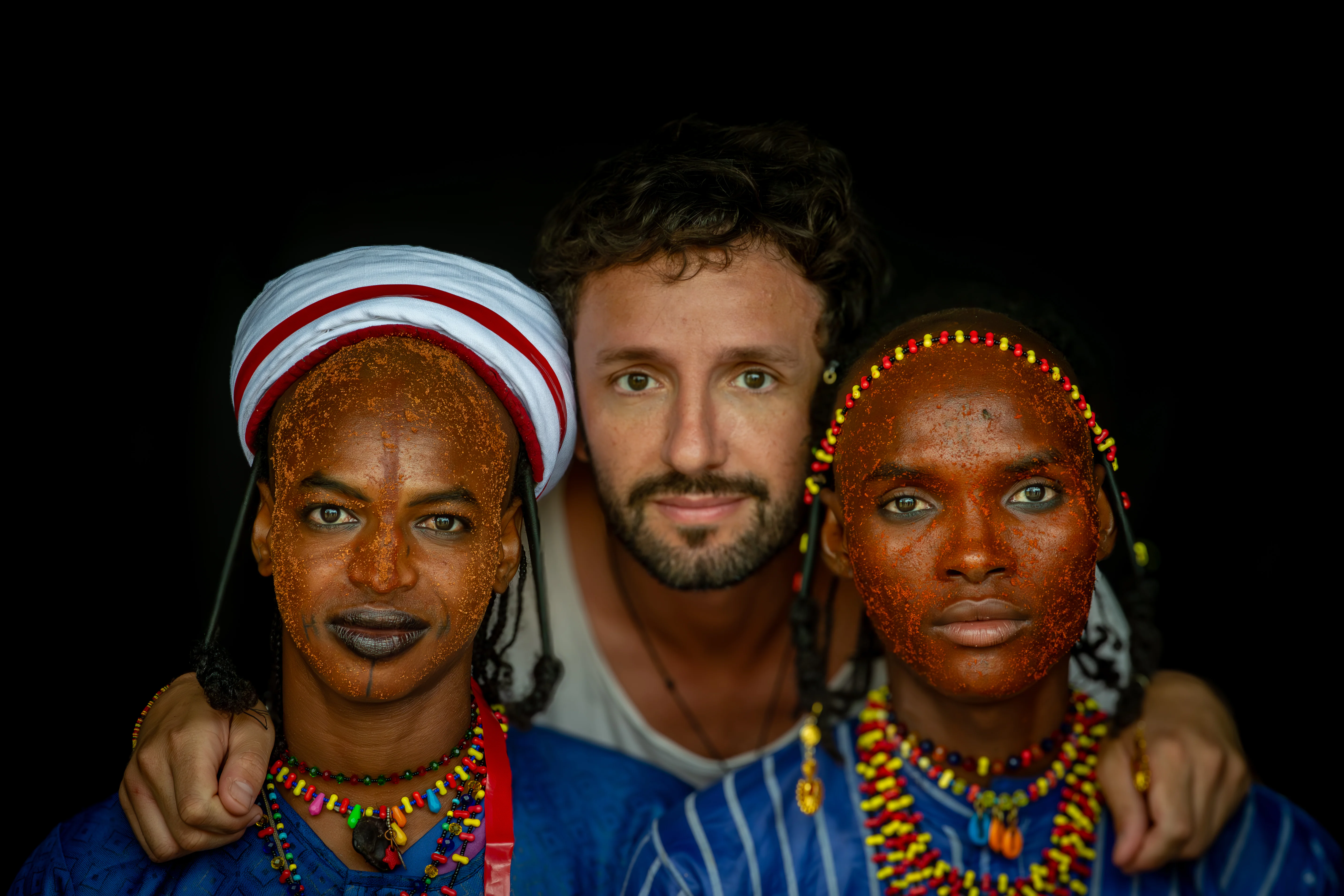
Professionally, I work as a doctor in a public hospital in Santiago. It’s a demanding but meaningful job, and I’m grateful that it allows me to finance this passion for travel.As for how it all began—my passion for travel started many years ago and, to be honest, I think I inherited it from my father. He was a traveler from a very young age. In fact, just before marrying my mother, he took off on a long solo backpacking trip to Bolivia—partly to reflect on what to do with his life. That spirit of exploration stayed with him, and my mother often joined him on these adventures. So, from a very early age, I was surrounded by stories and experiences of travel.
Some of my earliest memories are tied to geography—I was given a globe and a world map when I was just under two years old. I used to memorize all the world capitals, countries, and flags; that was my idea of fun as a kid. So you could say this curiosity was deeply ingrained in me from the start. Later on, when i was finally allowed to travel on my own for the first time—down south in Chile—I started slowly exploring the region. Then I traveled around South America, and eventually, I took a full year off to travel the world. That’s when everything truly clicked.

What type of traveller would you consider yourself?
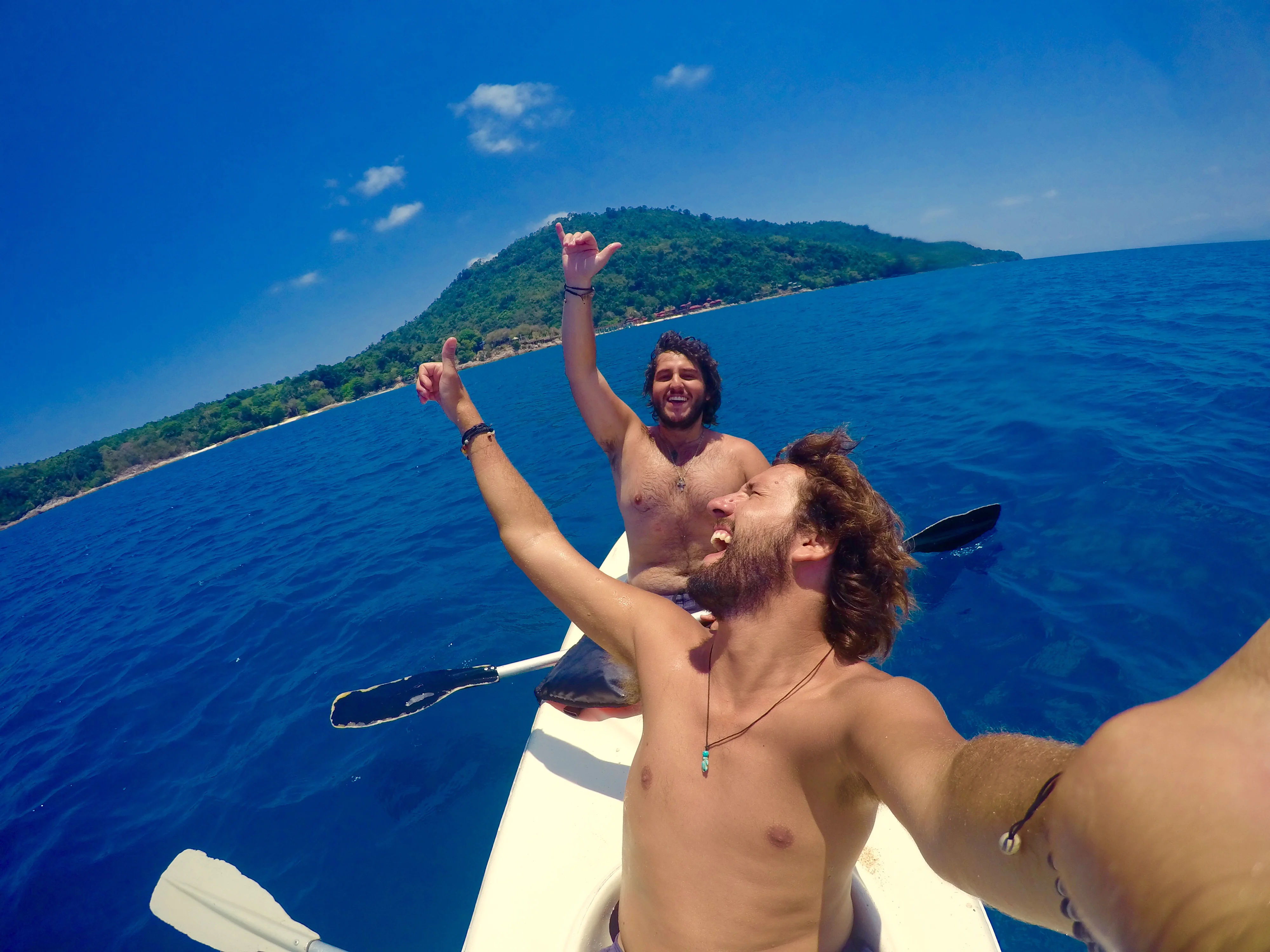
That’s an interesting question—because I think it has evolved over time. In the beginning, I was an extremely budget traveler—really budget. I remember sleeping in gas station bathrooms in my sleeping bag, setting up a tent wherever I could, just to make the money last. In Africa, I slept in bus stations or anywhere that would offer shelter.
Now, I’d say I’m much more adaptable. I can still sleep on the floor if needed—like I did in Ethiopia—but I also really enjoy a nice hotel when the opportunity comes. I guess I’ve become a bit pickier with time, maybe even a little spoiled! But I still try to keep that flexibility—that’s a big part of how I travel.
You grew up in Chile. What are the best things about your country and what are one or two ‘faults’?
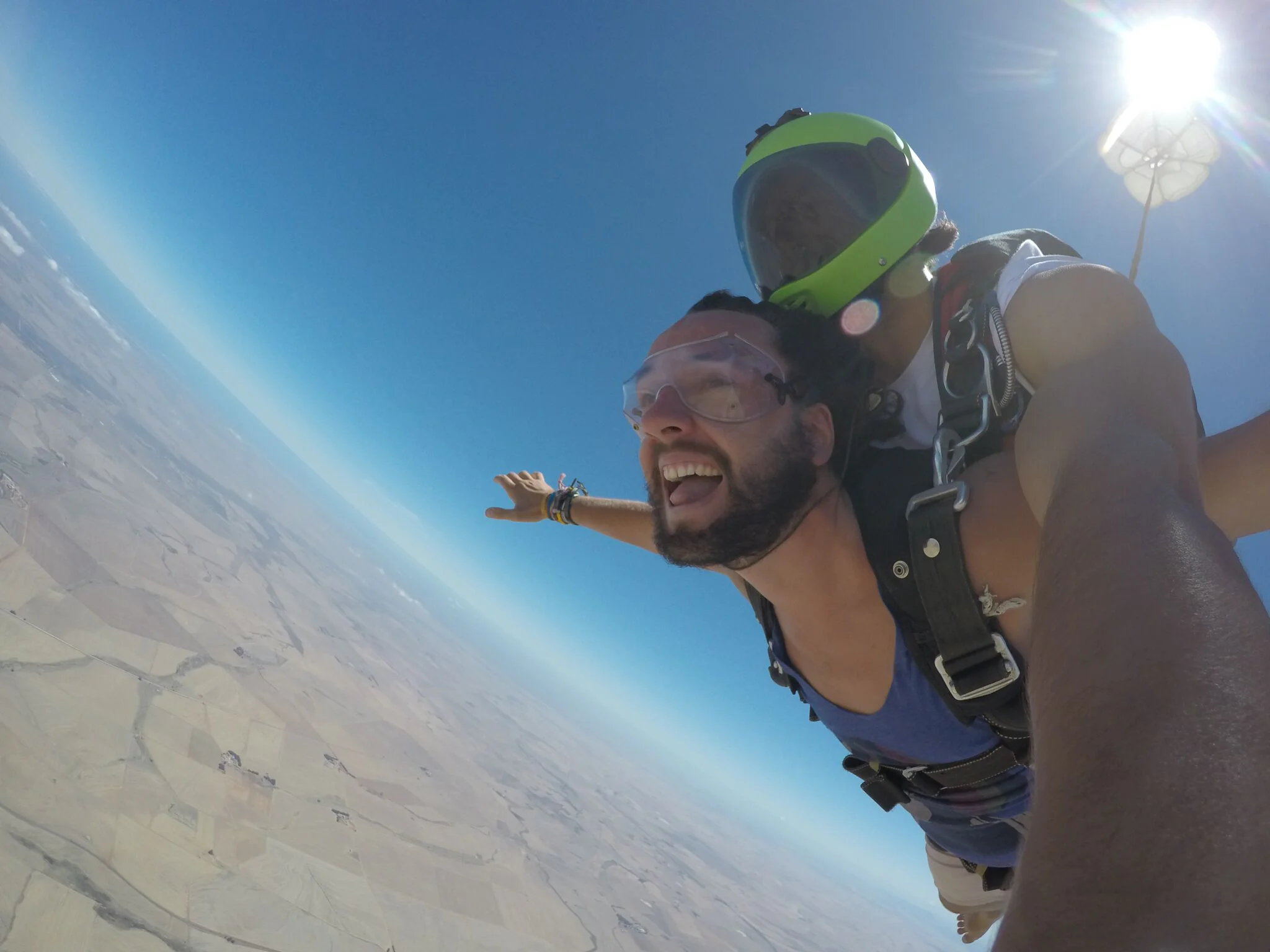
I was born and raised in Chile, and I’ve lived here my whole life. The best things? Without a doubt, the nature. Chile is stunning—mountains, coastline, deserts, glaciers—it’s incredibly diverse. I also love the food, which I think is hugely underrated. And overall, it’s a fairly safe country to live in and easy to travel through as a tourist, especially since it’s shaped like a straight line from north to south.
As for the faults… well, lately I’d say security has become a growing concern. Chile has developed very quickly, and with that come certain challenges. Also, traveling here as a tourist can be quite expensive, and sometimes the infrastructure doesn’t quite match the price tag. But those would be the most obvious downsides.
What are three areas in your country which are little known internationally that you would personally suggest as great ‘off the beaten track’ places to go to?
If we go from north to south, I’d say the Atacama Desert is usually centered around San Pedro de Atacama—but there’s so much more beyond that. The route toward the Bolivian border, known as the Ruta de las Lagunas Altiplanicas (or Lakes Route), is absolutely stunning. Also, the northern region of Parinacota, near Lake Chungará and the volcanoes, offers breathtaking high-altitude landscapes that are far less visited.
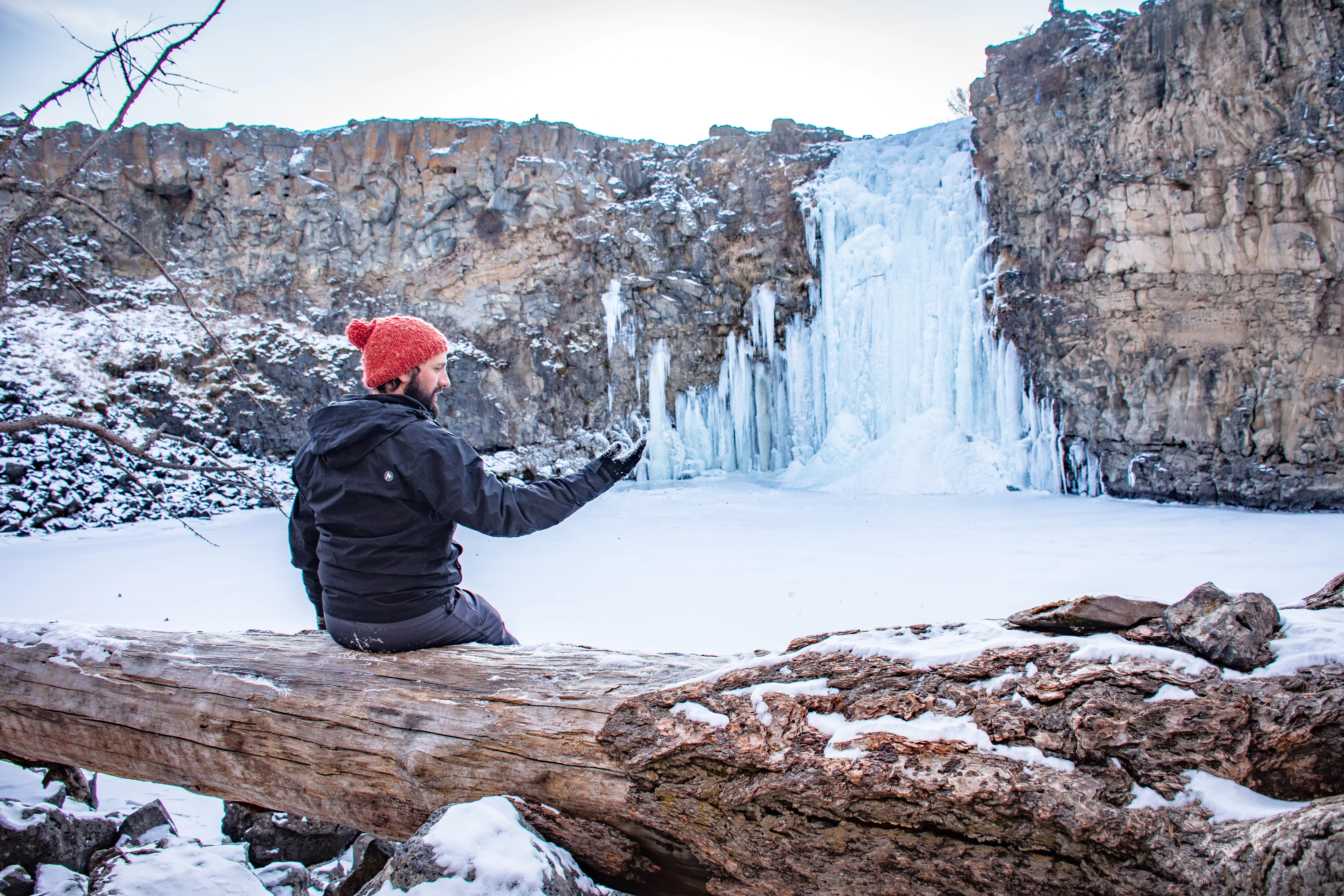
Closer to La Serena, you’ll find a number of national parks like Llanos del Challe—a fantastic spot for camping—and the Elqui Valley, which is not only the birthplace of pisco but also one of the best places in the world for stargazing and enjoying a good glass of pisco under the night sky. In the south, the treks around Cerro Castillo, along the Carretera Austral, are some of my favorites.
You are the biggest Chilean traveller now and a major travel blogger. Tell us a little about this and what some of the challenges and rewards are.
Yes, I am currently the most traveled Chilean—at least officially recorded—and that’s something I take great personal pride in. But to be honest, in Chile it’s not something that’s widely recognized or celebrated. And certainly not something you can make a living from—quite the opposite, actually. I’ve probably spent all the money I’ve ever earned on traveling.
The greatest reward is personal, without a doubt. It’s the deep satisfaction of seeing the world with my own eyes. When people talk about exotic places or dream destinations, I don’t just imagine them—I’ve been there. I’ve seen gorillas in the wild in Democratic Republic of Congo. I’ve stood in front of the mosque in Djenné, Mali. I have seen the Annapurna base camp with my eyes. I’ve experienced these dreams not just visually, but with all my senses—my eyes, skin, feet, ears, and nose. That fills me with happiness and a sense of deep honor and gratitude for having had the chance to do it.
Of course, there are challenges—mainly time and money. I’ve chosen to live in a very modest way. I don’t own properties. I had the same car for almost 20 years—a 1997 Volkswagen Beetle. And there’s also a personal cost. Romantic relationships can be difficult. My lifestyle and the way I want to live aren’t always easy to understand or share, which has led to frequent and ongoing changes in my personal life.
Of the countries you have visited so far, which one was the greatest positive surprise and why?
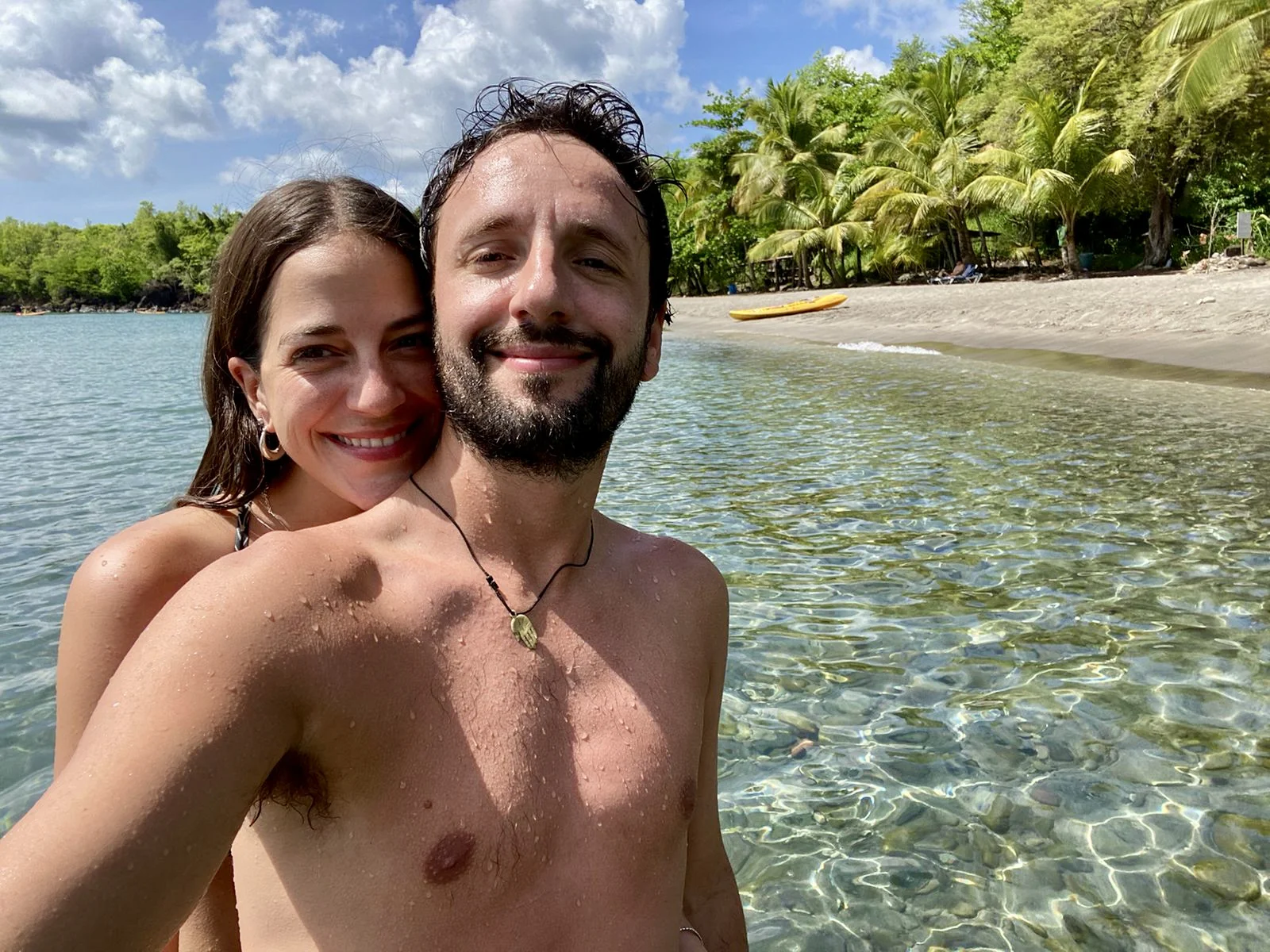
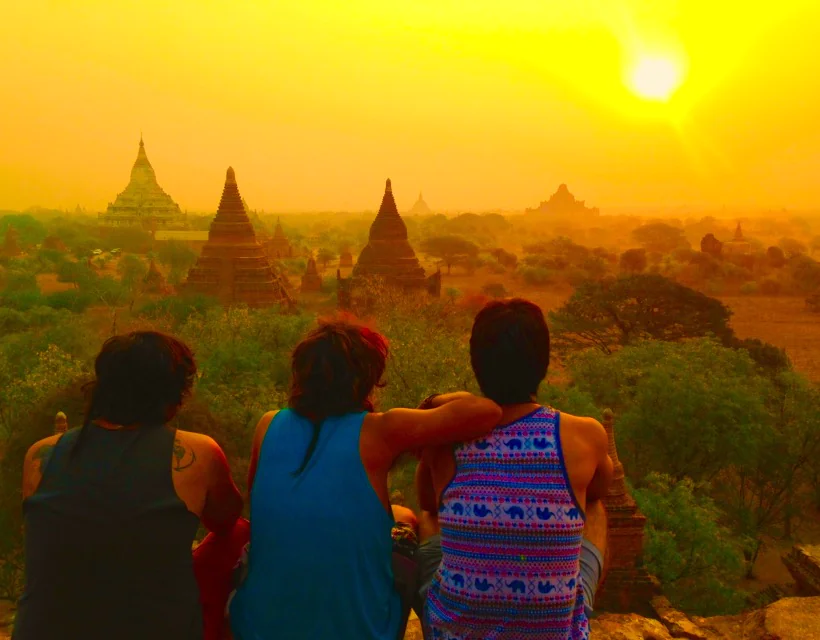
That’s a really tough question. I’d say Myanmar was a huge and beautiful surprise. It had always been a dream destination of mine, and when I finally got there about 10 years ago—it exceeded all expectations. Bagan felt like something out of a fairytale. The sunsets and sunrises over the temples were absolutely magical, and the people were incredibly kind and welcoming. Another big surprise for me was Saint Lucia. I’ve never been a big “Caribbean person” in theory, but in practice, Saint Lucia really won me over. The combination of lush green mountains, beautiful beaches, and dramatic landscapes was just breathtaking. I didn’t expect to love it as much as I did.
Please give us two travel stories that stand out and have stayed with you until today.
One story that comes to mind—unfortunately not a happy one—was incredibly impactful. I was on my way to visit the Mundari people in South Sudan. A truck packed with about 30 people sped past us and then flipped violently in front of us. I work in an emergency department, so I jumped out to help—but nothing could have prepared me for the scene: dismembered bodies, people in trees, chaos. At least a dozen people were dead. I had to do war-like triage in sandals and shorts, alone at first, with language barriers and no proper ambulance. It was devastating to see and made a huge impact in my way of seeing medicine.
A very different story—one I’ll never forget—was reaching Annapurna Base Camp in Nepal during off season. It rained every day. I was cold, wet, tired, and covered in leeches. When I finally arrived, the mountain was hidden in clouds. Just as I was about to give up and descend, someone shouted, “It’s clearing!” I ran over and there it was: Annapurna full glory. That moment felt like the universe had waited for me.
If you were told you could never travel abroad again and had to choose one country to settle in for the rest of your life, which country would you choose and why?
How does technology influence your travelling? Do you find your travels have changed a lot in the past 10 years because of technology?
And what are some of your favorite travel apps?
Let’s turn to NomadMania, whose Envoy you are. What are some things you especially like about NomadMania?
Tell us about your role as Envoy. What have you done so far and how do you envisage doing more in the future?
If you could invite any 4 people—from any period in human history, alive or dead, even fictional characters—to an imaginary dinner, who would you want to invite and why?