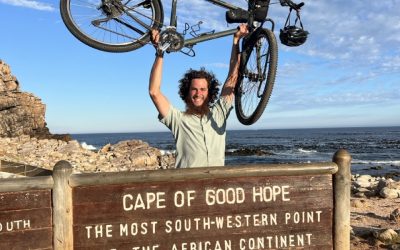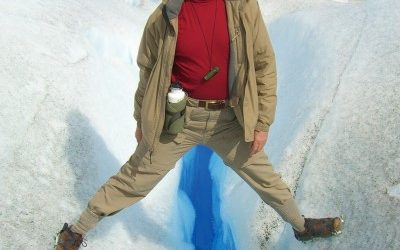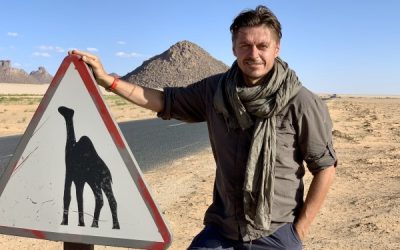
Meet Inga, a German full-time traveller who has spent the past seven and a half years exploring the world on her own terms. Passionate about overland journeys, independent travel and discovering places beyond the usual tourist routes, she believes that getting from one destination to another is just as much a part of the adventure as the destination itself.
With a love for slow travel, public transport and unexpected encounters with local people, Inga is continually finding new ways to experience the world. In this interview, she shares how her early curiosity developed into a life of travel, the experiences that have shaped her along the way and her ambitions to cross all continents overland.
Inga, tell us a little about your early life and how your love for travel has developed.
I was born and grew up in Germany, but we moved quite frequently within the country in my childhood because of my father’s job. I thought this was completely normal and assumed that everybody lived somewhere different every few years. I actually enjoyed it and especially liked the feeling of starting fresh whenever we moved into a new home.
When we moved for the last time, when I was about nine, I remember thinking: “Wow, now I can decide how I want to present myself to my new classmates, because nobody knows me from before.” I usually made new friends quite quickly.
I also always loved discovering new places. My parents tell me that when we were travelling somewhere, I would often already be talking about what we could do the following day before we had even arrived. Our family holidays were mostly in the mountains or by the sea elsewhere in Europe.
Another early influence was my grandmother’s brother, who was a very independent traveller. He travelled on the Trans-Siberian Railway, explored Southeast Asia, travelled around the US by plane and hiked several versions of the Camino de Santiago, including one route that took him as far as Morocco.
This was long before the internet, and he spoke hardly any languages other than German. What fascinated me most was his little “travel museum” at home, with thousands of postcards carefully displayed along the walls and souvenirs from his journeys. I only saw him once or twice a year, but this glimpse into a much bigger world always stayed with me.
My first longer trips were connected to my education, including an internship and studying abroad. During my study-abroad year in France, I had some real vacation time and used it for short solo trips outside of Europe. I went to New York and Washington, Singapore, Buenos Aires and Santiago de Chile, and quickly discovered that I loved the freedom of travelling independently. From there, travel gradually became a much bigger part of my life.

Do you consider yourself ‘typically German’ (whatever that may mean), and how does your environment/friends/family view your travels?
In some ways, I am probably quite typically German. I recognize myself in some of the stereotypes: I tend to be punctual, reliable and well organized. At the same time, I have probably always been a little less inclined towards conventional ways of living. I never felt particularly drawn to settling down in one place and fitting travel into just a
few weeks of vacation each year.
My family has sometimes been a little worried about my travels and my lifestyle, but I am very grateful that they have never let their concerns turn into attempts to hold me back. They have always given me the feeling that they trust me and that they know I have thought through what I am doing.
My grandmother, who passed away a few years ago, was particularly interested in my travels. My grandparents travelled themselves, although in a more traditional way, with cruises and organized group trips. My grandmother even went to China with a group when she was already in her eighties. Whenever I visited her, she could spend hours looking through my travel photographs with me. My parents also participate in my travels in their own way.
They often get guidebooks about the places I am visiting from the library and point out sights that I haven’t even discovered yet. Most of the people I am close to today are travellers or travel enthusiasts themselves, many of whom I got to know while travelling, so my lifestyle is generally met with positive reactions.
And as for the stereotypes: I don’t even like beer or meaty sausages, so perhaps I am not completely German after all.
Do you have a travel ‘philosophy’ of any kind and if so, what are some of your travel principles?
I don’t know if I would call it a strict travel philosophy, but there are a few principles that have become increasingly important to me. The first is that I love travelling overland, and occasionally over water, using public transportation whenever possible. There is something fascinating about gradually moving through a region or even a continent and experiencing the changes in landscape, culture and environment along the way. I also like continuing journeys where I stopped on an earlier trip, so that several trips can eventually become one continuous route. I’m not dogmatic about it, though. If travelling overland doesn’t make sense to me, I’ll take a flight. For me, the point is the experience, not following a rule for its own sake.
Another principle is travelling light. My ideal luggage is a backpack that is actually smaller than normal airline hand luggage. I don’t like carrying heavy things around, but there is also a wonderful feeling of freedom that comes with having very little luggage. If I have a few hours between connections, I can simply carry it with me and explore without having to organize my day around my belongings.
And I try to find the right balance between planning and flexibility. I love planning and can sometimes get carried away making very detailed itineraries, but I’m increasingly learning to adapt them to the destination. Some places are perfect for arriving without much preparation, while at other times – particularly during busy periods – it is
better to book ahead.
How well do you know your own country and what are three German favourite places for you?
I think I know Germany quite well. Before becoming a full-time traveller, I lived in Munich for a long time and used it as a base for exploring the rest of the country. I would usually spend one or two weekends a month visiting new places and regions. So, choosing just three favourites is actually quite difficult. I deliberately chose three very
different places: one city and two regions that are more about nature and the countryside.
Munich has to be one of them. I chose it as my home for many years, and I love the combination of being a big city while still having a certain small-town feeling. There are lakes where you can swim within the city, parts of the river Isar where you can bathe in a natural setting, and the Alps are close enough for easy day trips. I also loved having excellent train and bus connections, both within Germany and to other parts of Europe. It made Munich an ideal base for someone who is always looking for the next place to explore.
For a very different experience, I would choose the Upper Rhine Valley. I love the combination of the river landscape, picturesque towns, fairytale-like castles and great hiking. I remember visiting the region for the first time and being genuinely stunned by how beautiful it was.
My third choice would be the Island of Rügen and the Baltic coast. The chalk cliffs, white beaches, historic seaside piers and charming architecture make it completely different again. I was once more surprised by how beautiful the region was when I first visited it.
And what don’t you like about Germany that you have found somewhere else?
This is actually one of the hardest questions for me, because there isn’t much about Germany that I genuinely dislike. But having travelled extensively, I have sometimes noticed things in other countries that I wish Germany were a little more flexible about.
One example is bureaucracy and digitalization. Germany can be very good at organizing things, but sometimes the systems feel surprisingly slow to adapt to the possibilities of the digital age. As someone who travels a lot, I particularly notice this when something requires a physical appointment or paperwork that could potentially be
handled online.
I once met a Canadian traveller who had accidentally put her passport through the washing machine on the day before her trip. She was able to get a completely new passport – not even a temporary one – by noon the following day. I remember thinking: I’m not entirely sure that would be possible in Germany!
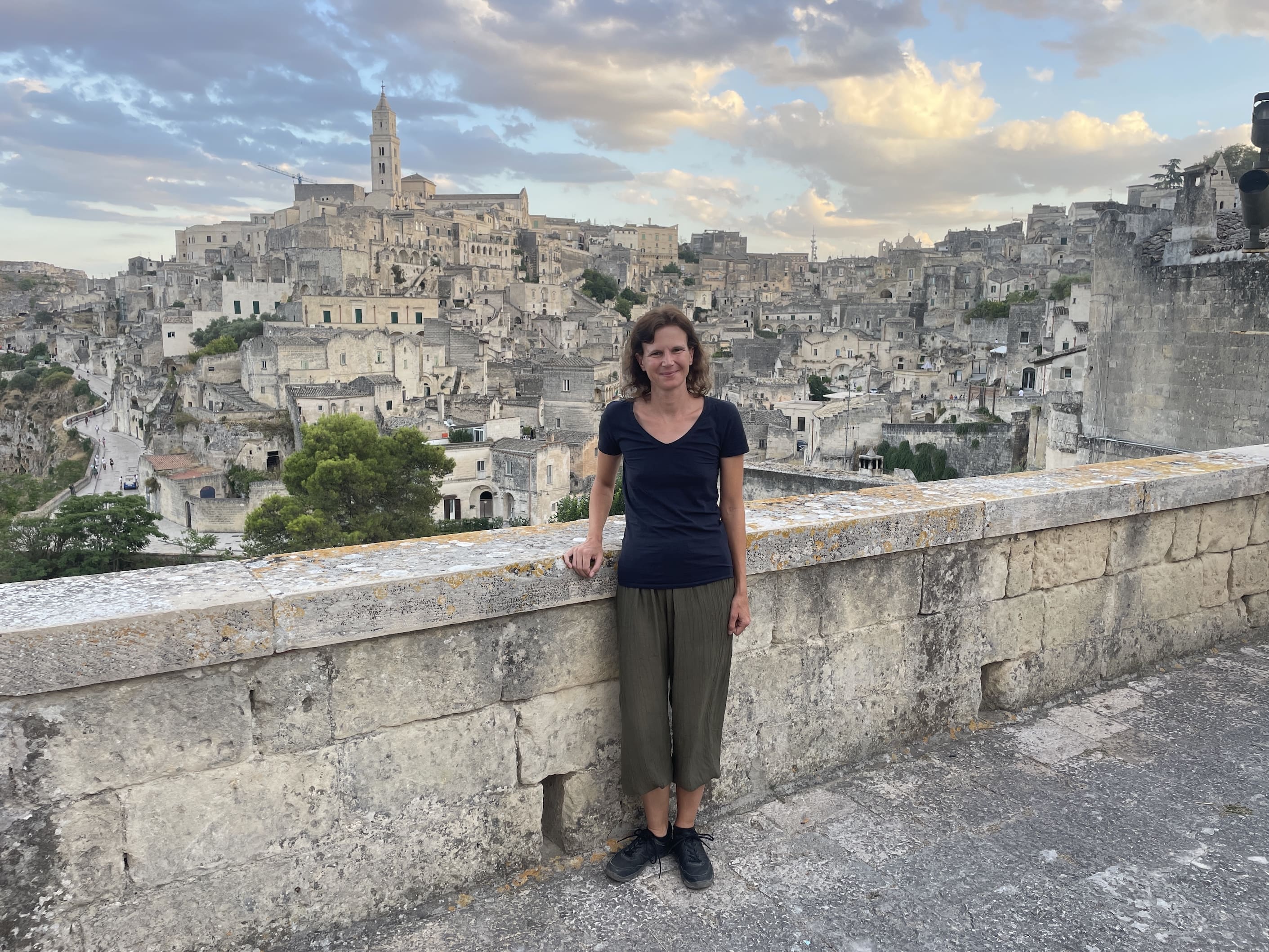
Another thing I sometimes miss is more flexible opening hours. Just a few days ago, I was in Milan and discovered a large supermarket that was open 24/7. At 6 a.m. on a Sunday morning, I could simply walk in and buy snacks for a day trip to Lake Como. I loved the fact that I could do that.
Turning to your travels, how have you evolved as a traveller over the years? Has your way of travel changed?
Definitely. I think I have changed quite a lot as a traveller, both in practical ways and in how I approach the unexpected.
One obvious change is that I have evolved along with technology. When I started travelling, I used guidebooks, sketched maps, printed tickets and internet cafés. Today, almost everything from planning and booking to navigation and keeping travel documents is digital.
Another important change has been my confidence. I am much more comfortable arriving somewhere without anything arranged or having my plans fall apart. Experience has taught me that things will usually work out in the end, and sometimes they work out much better than I had originally planned. Those situations often produce the
best stories.
I have also become more open to letting people change my plans. On one of my recent trips to Bolivia, for example, a local family more or less “adopted” me for several days and showed me around their hometown. A few years ago, I might have been more hesitant to accept an invitation like that because I would have been worried about missing something I had planned to see. Now I am much more willing to let an unexpected encounter become part of the journey. And I think this is still a work in progress: I am becoming more flexible, but I still enjoy planning very carefully.
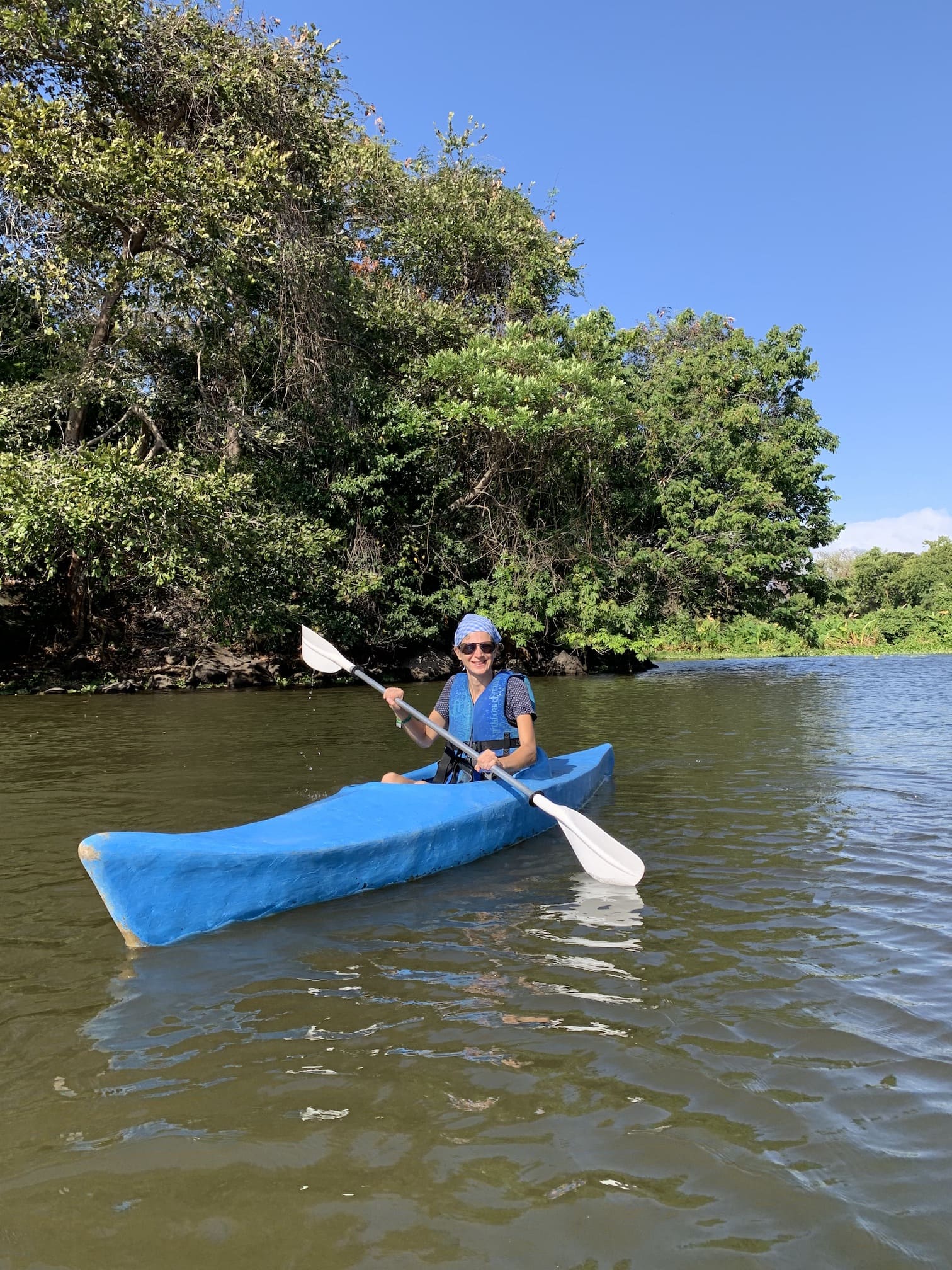
My travelling has also gradually shifted from being partly motivated by the number of countries I could visit to being more about exploring regions and connecting journeys overland. I did have a goal of reaching 100 countries, and that was fun, but I was never interested in simply flying from country to country to collect them.
Today, the journey between places and the way different trips can connect to each other are much more important to me.
The biggest change, though, was that I redesigned my life so that travel no longer has to fit into weekends and a few weeks of annual vacation. Seven and a half years ago, I became a full-time traveller, and I now usually have two long journeys a year, lasting anywhere from three to eight months. That has completely changed what is possible. I no longer have to think about how much I can squeeze into a short vacation; I can allow a journey to develop over time.
Having that much time also changes the way I experience a trip. I like a journey to feel somehow “round”, almost like a story.
It might continue a route I started on an earlier trip and perhaps leave me somewhere I can continue from in the future. Within one trip, I also like having different elements: some time exploring alone, meeting new people or reconnecting with people I met on previous journeys, travelling by public transport and staying in hostels, but perhaps also spending a few days somewhere more comfortable. For me, a good trip has a certain balance and a story of its own.
And I think I am still evolving. This year I started staying on small, family-run farms, doing volunteer work. I have always loved animals and nature, and I really enjoyed learning practical skills, spending less time in front of a computer and getting to know the families who ran the farms. I stayed for eight to ten days on farms in Uganda and Southern Italy and absolutely loved the experience. It is something I would like to incorporate more regularly into my travels.
What attracts you specifically to overlanding and what are the pros and cons of this way of travel?
What attracts me most to overlanding is the gradual change. When you fly, you can leave one climate and cultural environment in the morning and arrive somewhere completely different a few hours later. Overland travel gives both your mind and your body more time to adjust to the changes.
I also find the journey itself surprisingly relaxing. Of course, it depends on the type of transportation – a comfortable train is very different from being crammed into a minibus on winding roads! But when conditions are reasonably comfortable, I enjoy simply sitting there, looking out of the window, perhaps reading or working, and making progress without actually having to do anything. For me, the time spent getting somewhere is not wasted time; it is part of the travel experience.
There are also more opportunities for contact with local people. On public transportation, you are sharing the journey with people who actually live there rather than mainly with other tourists. I enjoy that, although I can imagine that someone looking for a completely relaxing holiday might see it differently.
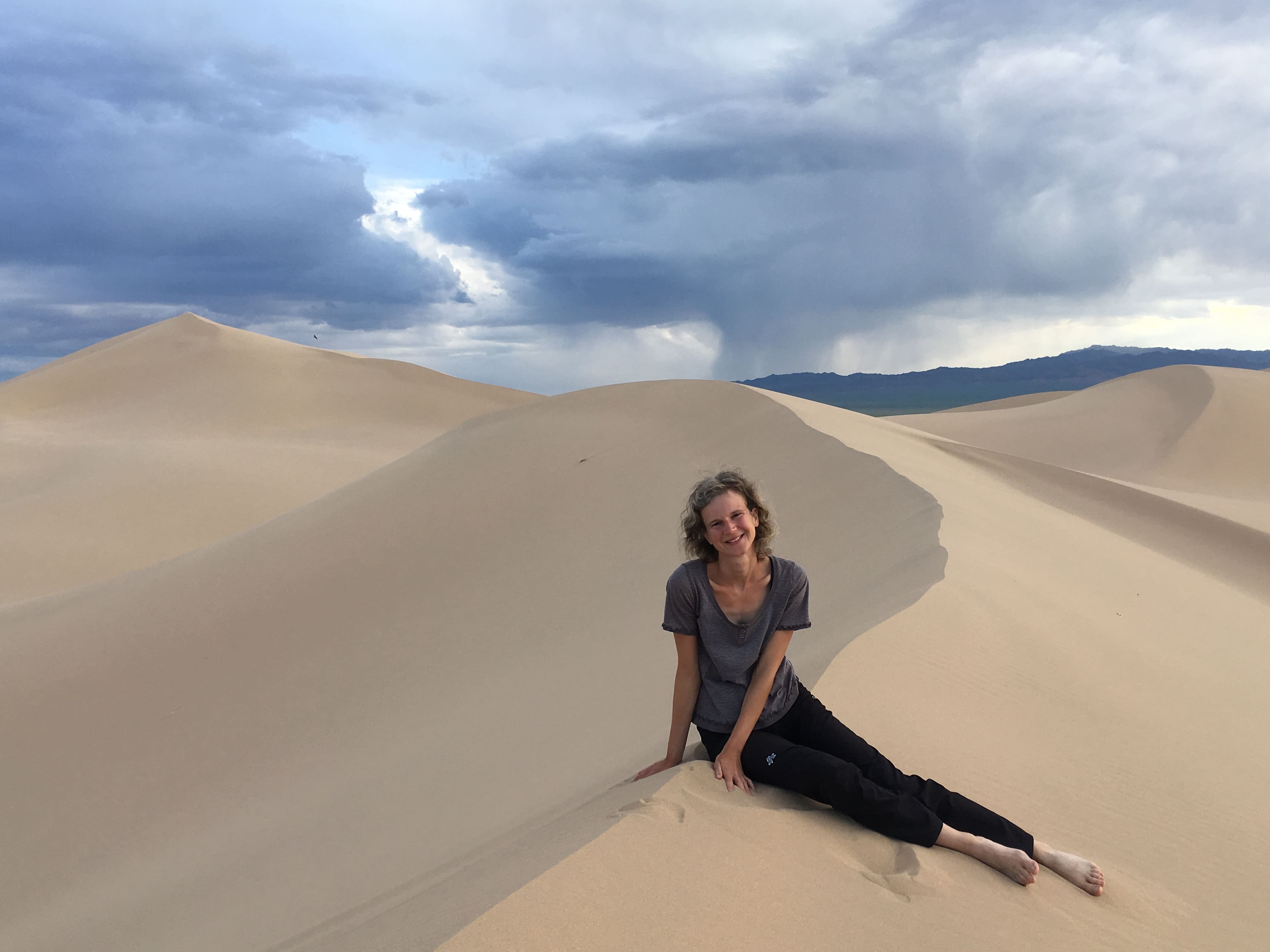
Another thing I enjoy is the challenge of figuring out unfamiliar public transportation systems. Sometimes you have to work out where the bus leaves from, which ticket you need or how the system works when you don’t speak the language. I see that as a positive challenge, and I am always proud when I manage to figure it out successfully.
The biggest disadvantage is probably time. Overland travel simply takes longer, which matters much more when you only have a short vacation. Now that I can travel for several months, I can afford to let the journey take as long as it takes. Border crossings can also be time-consuming and involve additional bureaucracy, although I have sometimes found immigration officers at land borders more relaxed than at airports.
Ultimately, I think the key point for me is that I don’t see getting from A to B as something that needs to be minimized. For me, the journey in between is often one of the most interesting parts.
You recently travelled to Algeria and Libya for the first time. What were your impressions and how did you find these two (neighbouring) countries similar and/or different?
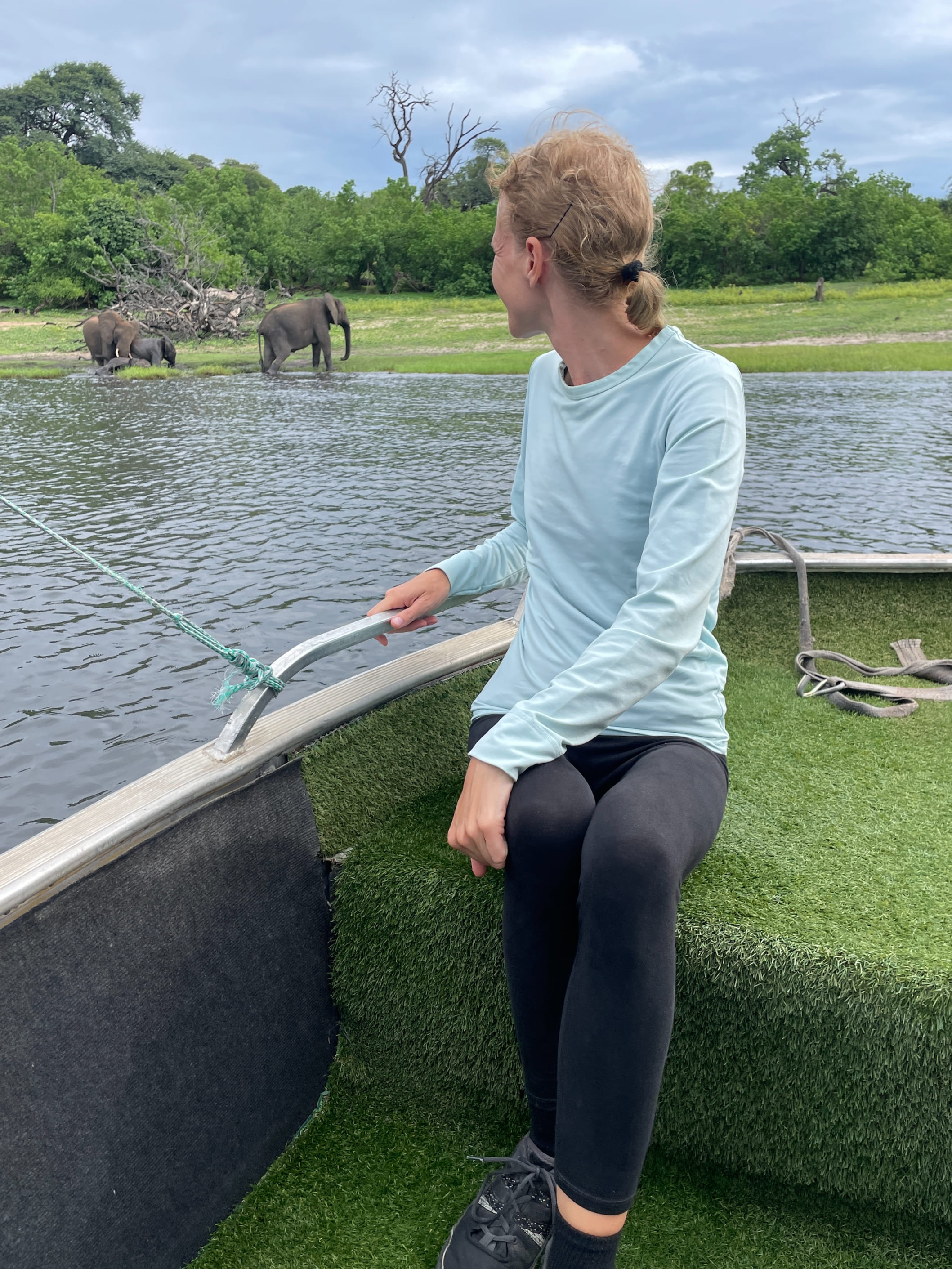
My experiences in the two countries are quite different in depth. I spent about a month travelling through Algeria and visited many different parts of the country, whereas in Libya I only spent a few days on the northern coast. As an international visitor to Libya, I had to travel with a guide and security guard, so my experience there was much more limited.
One thing that struck me very strongly in both countries was the hospitality. People seemed genuinely delighted to see foreign visitors who had come because they wanted to experience their country. In Algeria, complete strangers went out of their way to help me. People gave me their lunch, paid for my bus ticket before I could pay for it myself, or insisted on giving me a discount in a shop – or sometimes not letting me pay at all. I felt incredibly welcome.
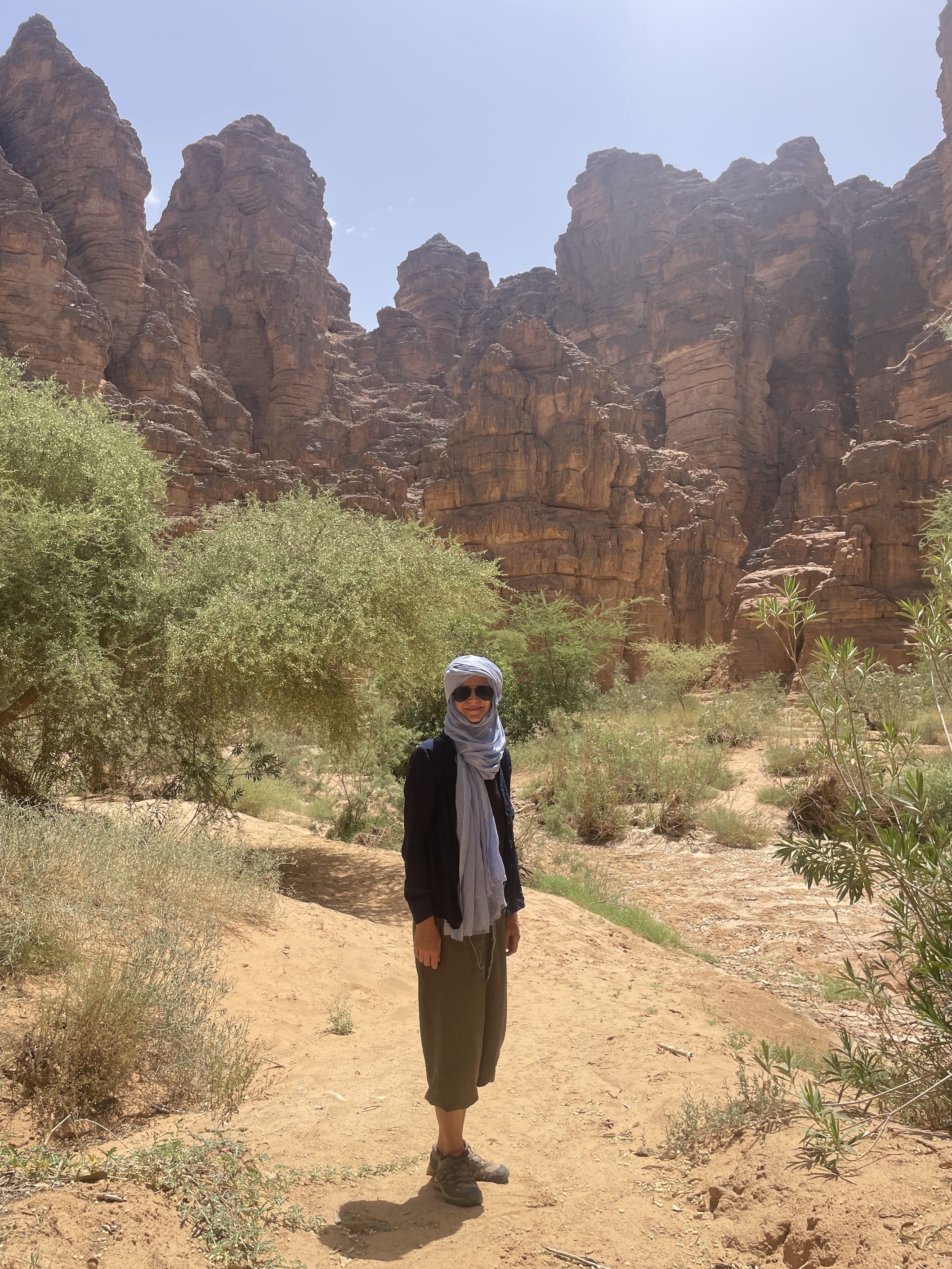
I was especially impressed by cities such as Béjaïa and Constantine and their surroundings. I kept thinking that if they were in a country that received more international visitors, they would probably be major tourist destinations. The infrastructure was also much better than I had expected, which made independent travel relatively straightforward.
At the same time, I encountered very few foreign travellers, particularly independent travellers. In Algeria, I also had the chance to discover an enormous variety of cultural and social environments. For example, travelling through Kabylia felt very different from visiting the M’Zab Valley, which is much more conservative. Experiencing these contrasts within one country was one of the things I found particularly fascinating.
So, although Algeria and Libya share elements such as the Sahara, Mediterranean coast and remarkable Roman heritage, my experience of them was quite different in terms of how much of each country I was able to see. Libya gave me a brief glimpse of a country that is currently difficult for independent international travellers to explore, but that I would certainly like to discover more fully in the future, while Algeria gave me the opportunity to travel much more extensively and independently.
Do you feel that travelling alone as a woman has advantages or disadvantages?
For me, it feels quite balanced. Travelling alone as a woman certainly has some disadvantages, but it can also open doors in ways that I find particularly interesting when travelling in more traditional societies.
One advantage is that I can sometimes get an insight into different social worlds. Families and women may reach out to me, invite me into their homes or include me in their everyday lives. At the same time, as a foreign woman travelling independently, I can sometimes also be treated as a kind of honorary guest in male social circles. I have the impression that local people may be more inclined to engage with a woman travelling alone than they would with a man, although I can only really speak from my own experience.
There are disadvantages, too. In some parts of the world, I get quite a lot of unsolicited male attention. I don’t necessarily find it dangerous, but it can certainly be annoying. In some countries, women also have to be more conscious of how they dress. And there are occasional places where women simply have less access, for example particular religious sites.I also plan quite carefully when arriving somewhere late at night or leaving very early in the morning.
I think about how I will get to my accommodation, where I will wait, and what I will do if my original plan doesn’t work. In some places, I make sure to be back at my accommodation before dark or pay particular attention to which transportation I use. But many of these precautions are really sensible for anyone travelling alone, not just women.
Overall, being a woman probably changes the way I travel in some situations, but it also gives me opportunities to meet people and experience aspects of local life that I might otherwise miss.
What are your next travel aims, short-term and also longer-term?
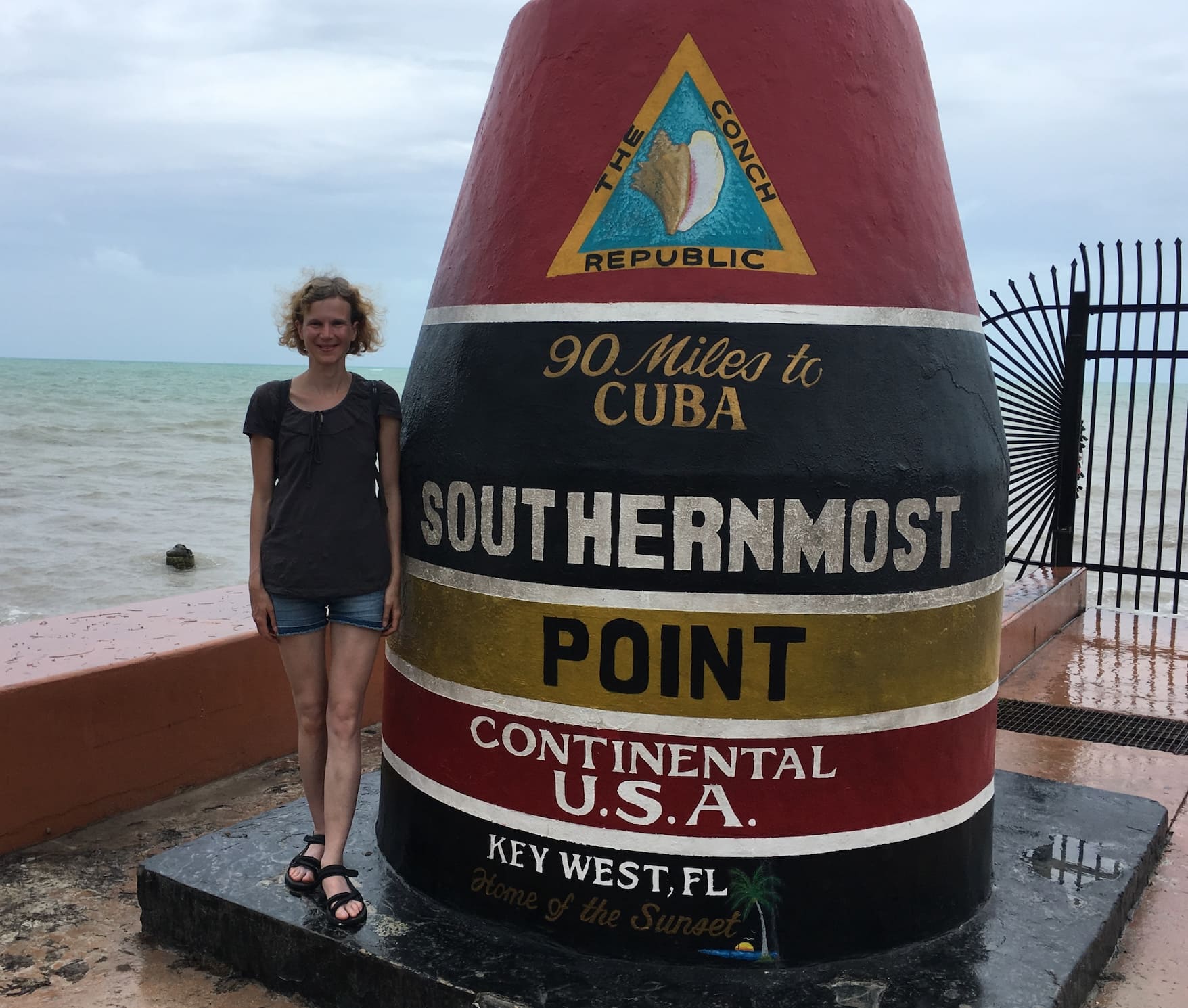
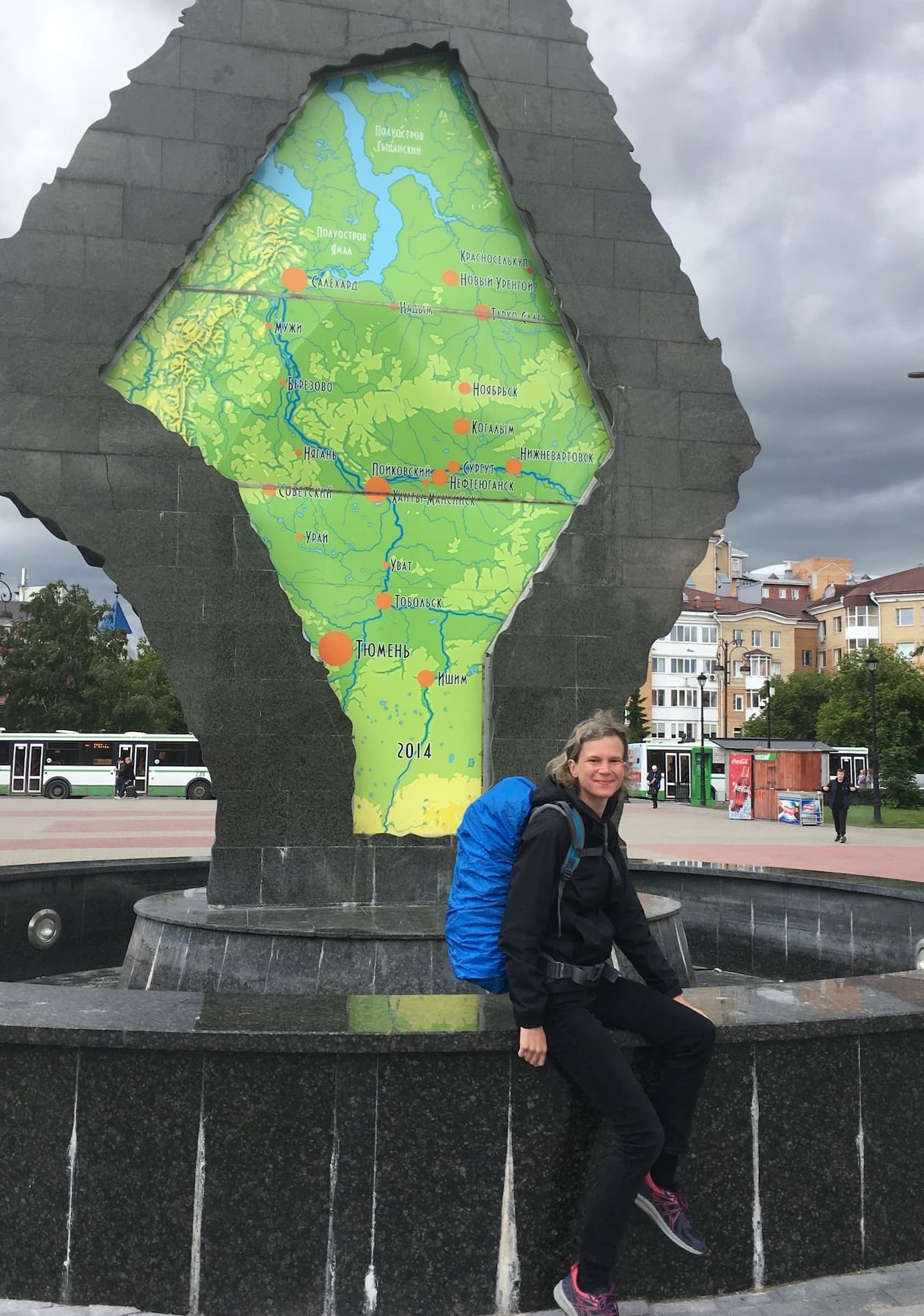
My main short-term goal is to travel south from Santiago de Chile to Tierra del Fuego and possibly onwards to Antarctica. This is the next part of an overland journey that has already taken me from Mexico through Central America to Costa Rica and then from Costa Rica to Santiago de Chile. I am very excited about finally reaching the southern end of the Americas.
In the mid-term, I want to continue some of the other long overland journeys that I have already started. Among them are my ongoing journey from Germany towards Southeast Asia, where I have travelled as far as Bali and would next like to continue to Timor-Leste, and my journey through Africa, where I would eventually like to fill the gap between the parts I have already travelled – from Morocco to Côte d’Ivoire and from South Africa northward to Kenya.
Longer term, my ambition is to cross all the continents overland as much as reasonably possible, both from east to west and from north to south or vice versa. Along the way, I want to keep discovering new countries and regions but also return to places I particularly enjoyed.
What do you like best about NomadMania?
When I start thinking about a new country or region, I often use the “Top of the Tops” list and the World Heritage sites as a starting point. They give me a good overview of places that are likely to be interesting and memorable. I also like that, with this strategy, I don’t necessarily need to look at a lot of photos and videos beforehand. In fact, I often deliberately avoid doing that because I enjoy arriving somewhere without having seen exactly what it is going to look like. There is something special about being genuinely surprised by a place.
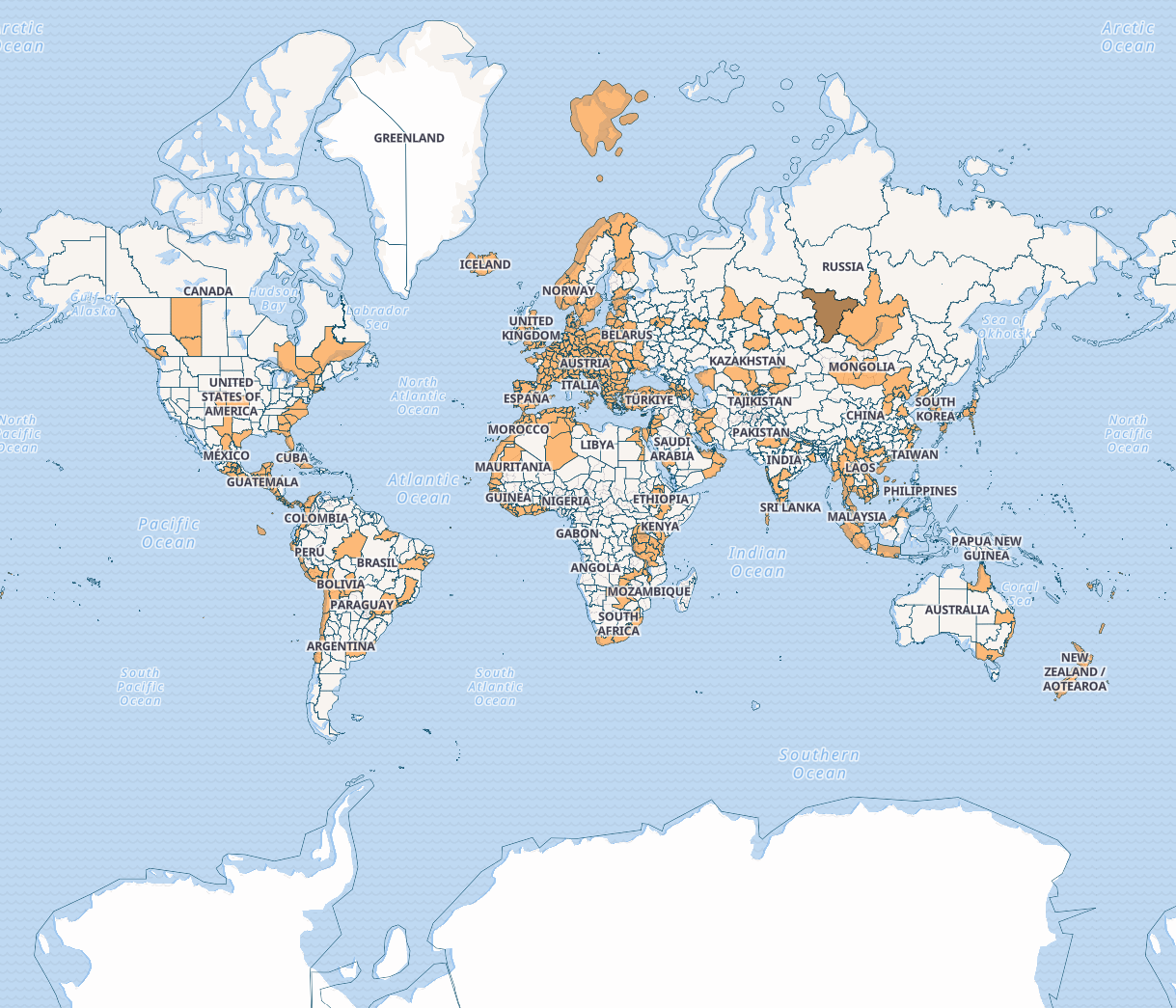
But I also really enjoy another side of NomadMania: looking back at what I have already done. Seeing the world divided into regions, countries and quadrants makes me remember past journeys and all the places I have experienced. At the same time, it gives me a wonderful feeling that, despite having travelled so much already, there is still an enormous amount left to discover. Looking at the map and all those unvisited places, I feel quite confident that I won’t get bored for the next few decades!
Finally, our signature question – if you could invite any four people from any period in history, including fictional characters, to an imaginary dinner, who would your guests be and why?
I would probably choose people who I think would make fascinating dinner companions rather than people who have influenced my life, since I never really had role models or followed celebrities.
My first choice would be Ibn Battuta. He travelled enormous distances across the medieval world, long before modern transport, maps, the internet or any of the infrastructure we take for granted today. I would love to hear his stories directly and ask him what travelling was like from his perspective.
My second guest would be Carmen Rohrbach, the German biologist and travel writer. She travelled independently through many parts of the world and has written more than 30 books about her experiences. I have read several of them, so I would have plenty of questions for her about her journeys and the way she experienced the places she visited.
Then I would invite Captain Kirk. I was a Star Trek fan as a teenager, and I think it would be hard to resist having at least one fictional traveller at the table. I would want to hear about some of his adventures on other planets – and ask him what it is like to explore places where literally everything is unfamiliar.
My fourth guest would be Galileo Galilei. I have a background in aeronautical engineering, so I have always had an interest in science, mechanics and how we understand the physical world. I would love to hear Galileo talk about his observations and discoveries, but also about what it was like to challenge established ideas at a time when scientific knowledge was changing so dramatically.
So, my dinner would end up being less about famous people I admire and more about curiosity: four people from very different worlds who could tell me things I couldn’t learn anywhere else.