Meet Yan Pun, a seasoned globetrotter with roots in both Cantonese and Taiwanese heritage, who migrated to Australia in the 1980s. Growing up near Hong Kong’s iconic Kai Tak Airport, her fascination with travel was shaped early on by her mother’s career as a tour guide and her father’s adventurous spirit.
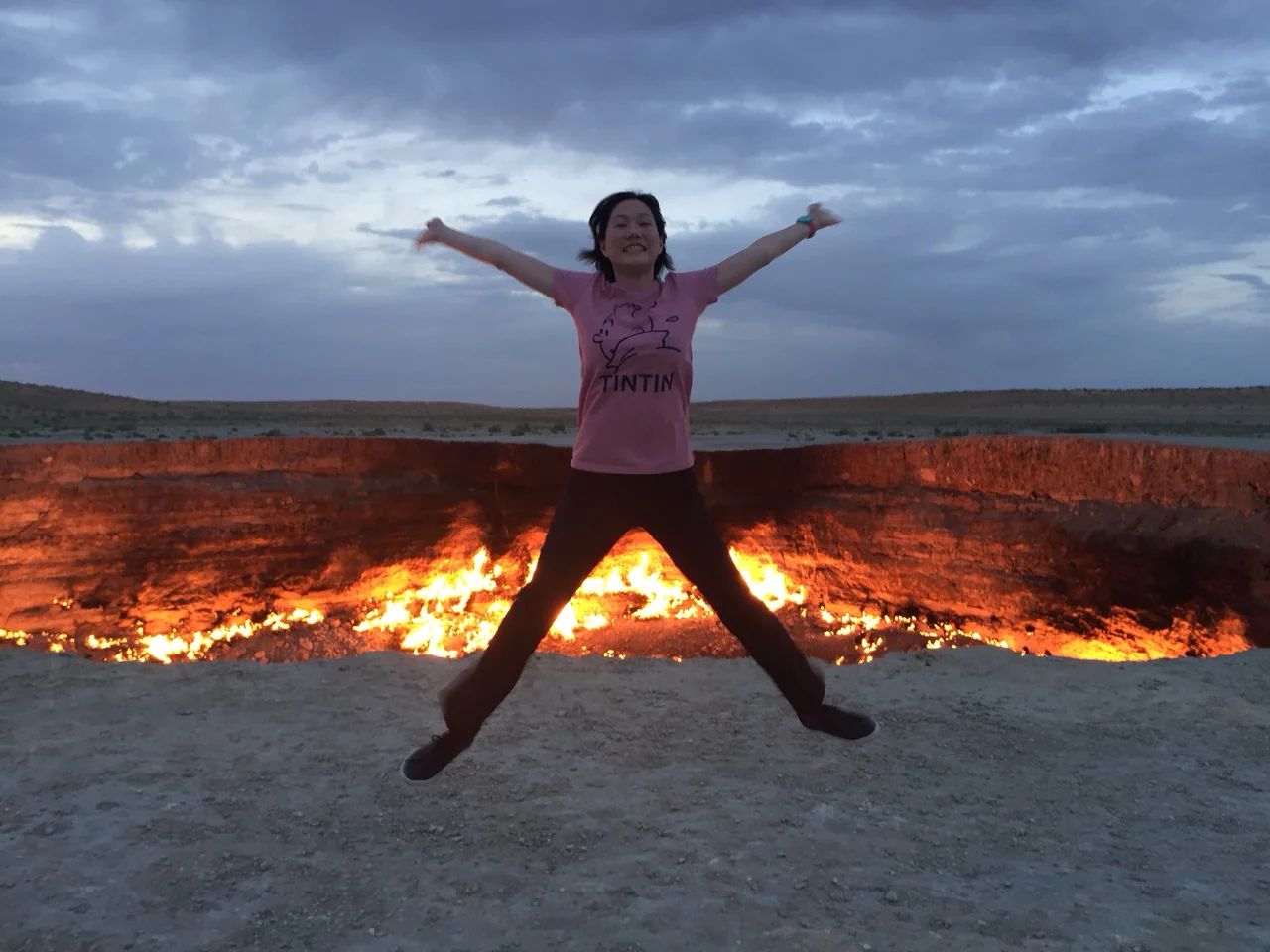
Now based in Melbourne, Yan balances a thriving career with her passion for exploration, spending months each year uncovering new cultures and destinations. From chasing the Northern Lights in Iceland to reconnecting with her heritage in Taiwan, Yan’s travel experiences are as diverse as they are meaningful.
As a co-envoy for NomadMania, she represents inclusivity and inspires others to embrace the world’s endless possibilities.

Tell us a little about yourself and how your initial interest in travel developed.
Hi, I’m Yan, I’m half Cantonese and Taiwanese and migrated to Australia in the 80s. I may look Asian but have been told I sound like a true-blue Aussie.
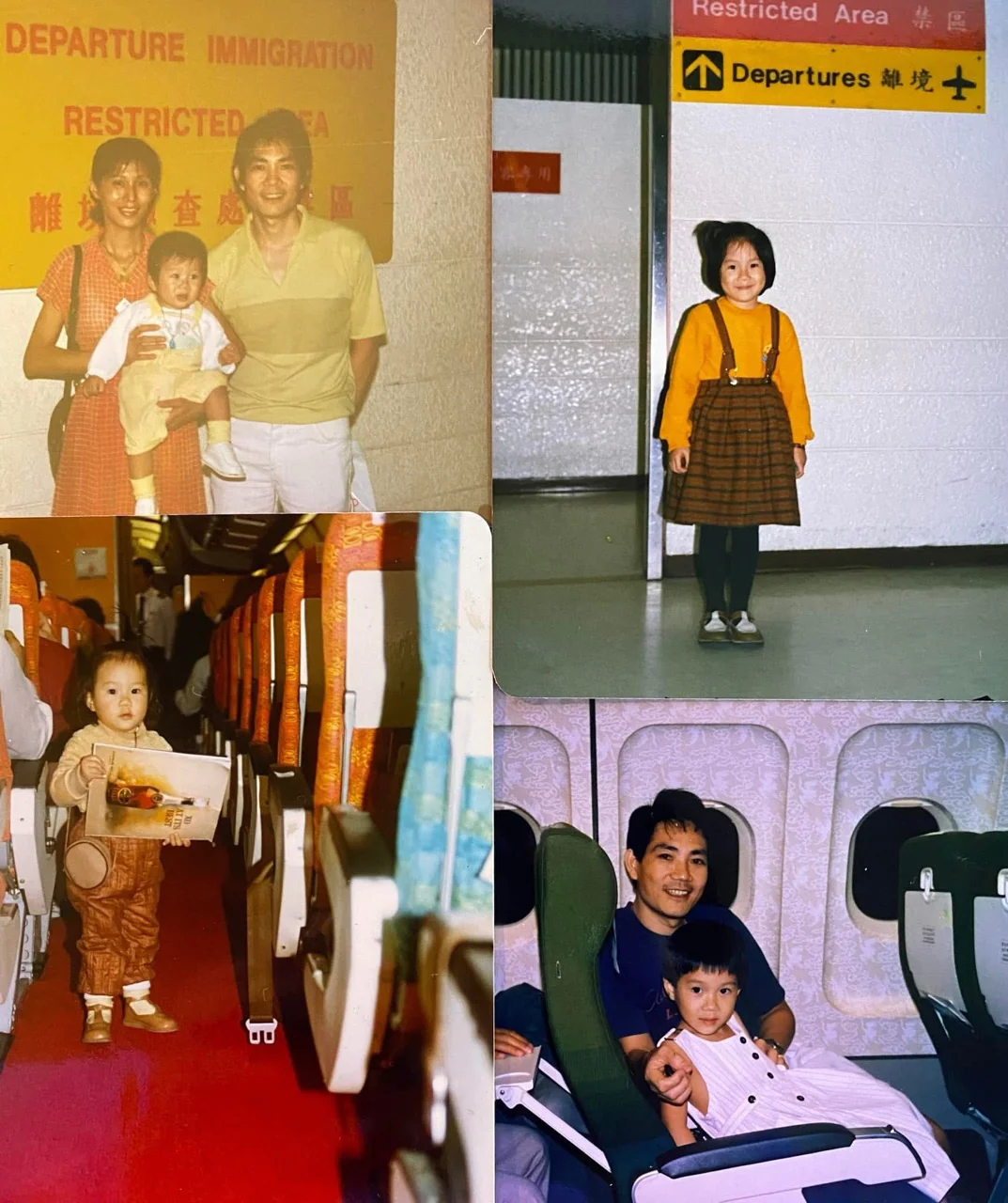
My passion for travel did not develop from being bitten by the travel bug, nor did it start with me having an epiphany. From a young age, my surroundings reinforced my passion for travel. I lived opposite Kai Tak (the old Hong Kong airport) and a visit to the airport was actually a family outing to watch the planes. My mum was a tour guide and my dad took me on adventures, introducing me to couch surfing and telling me tales of the adventures of Super Monkey’s ‘Journey to the West’. To put it simply… it was my parents’ fault that I have a severe case of ‘Wanderlust’.
What type of traveller would you consider yourself?
I would describe myself as a seasoned traveller. I am fortunate to work for a company (coming on to two decades) that supports my work-fly balance; I would take on average 2.5-3 months of leave, making 2-3 overseas trips per year.
When I started travelling in 2005, I leaned towards budget overland groups (this means admitting that I have gone on Contiki on more than one occasion). Now I adapt my travel style, budget and pace to the location/ experience and would prefer to travel independently (or with my husband) at a slower pace to absorb the culture/experience. I also go with fixers and other travellers from the community to off the beaten path destinations.
The advantage of being a seasoned traveller is that I can live a more balanced life; I have a base and home in Melbourne, continuity with career and income, positive relations with my husband, family and friends.
Are you aiming for 193/197 or not really? Why or why not?
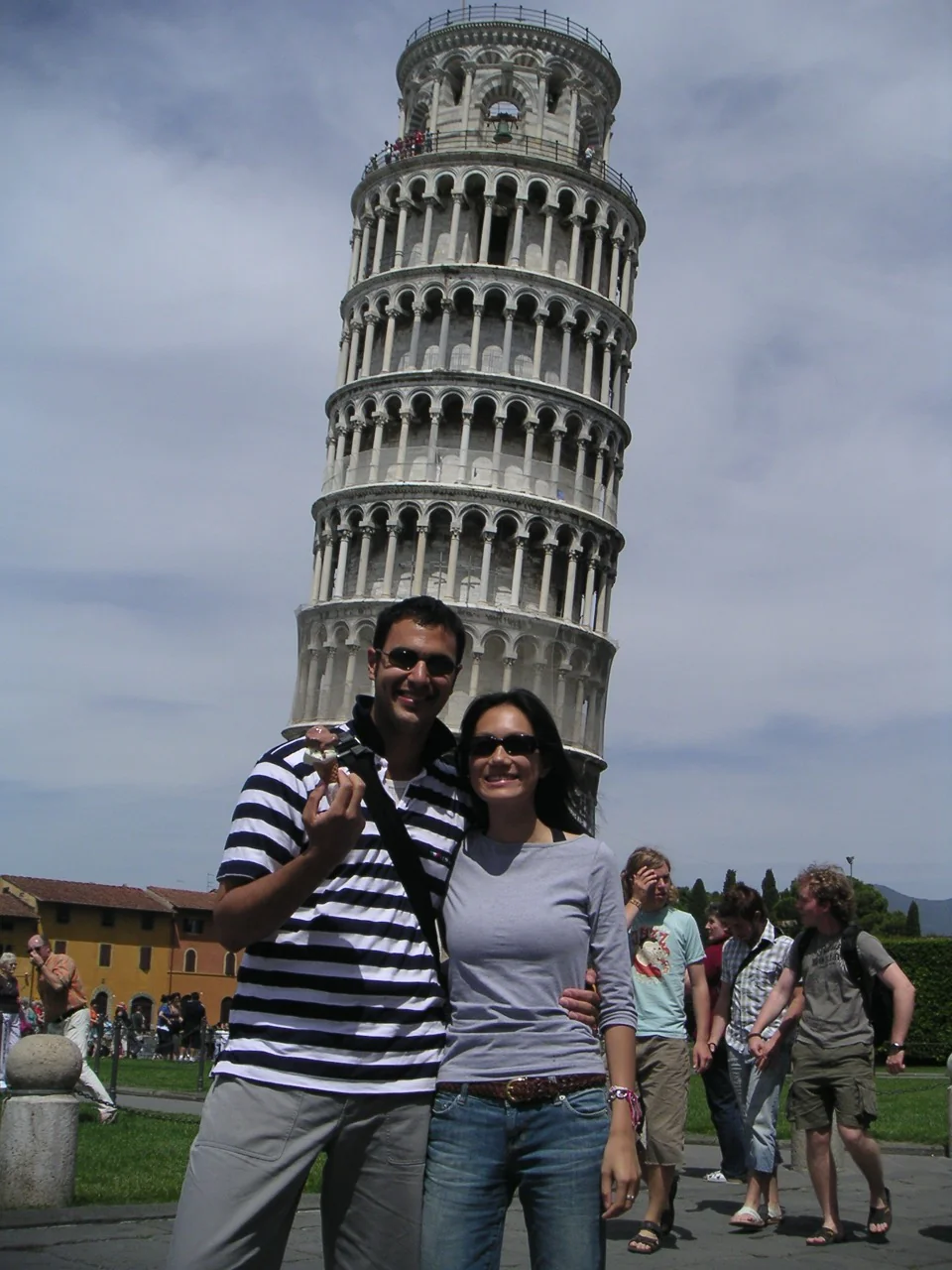
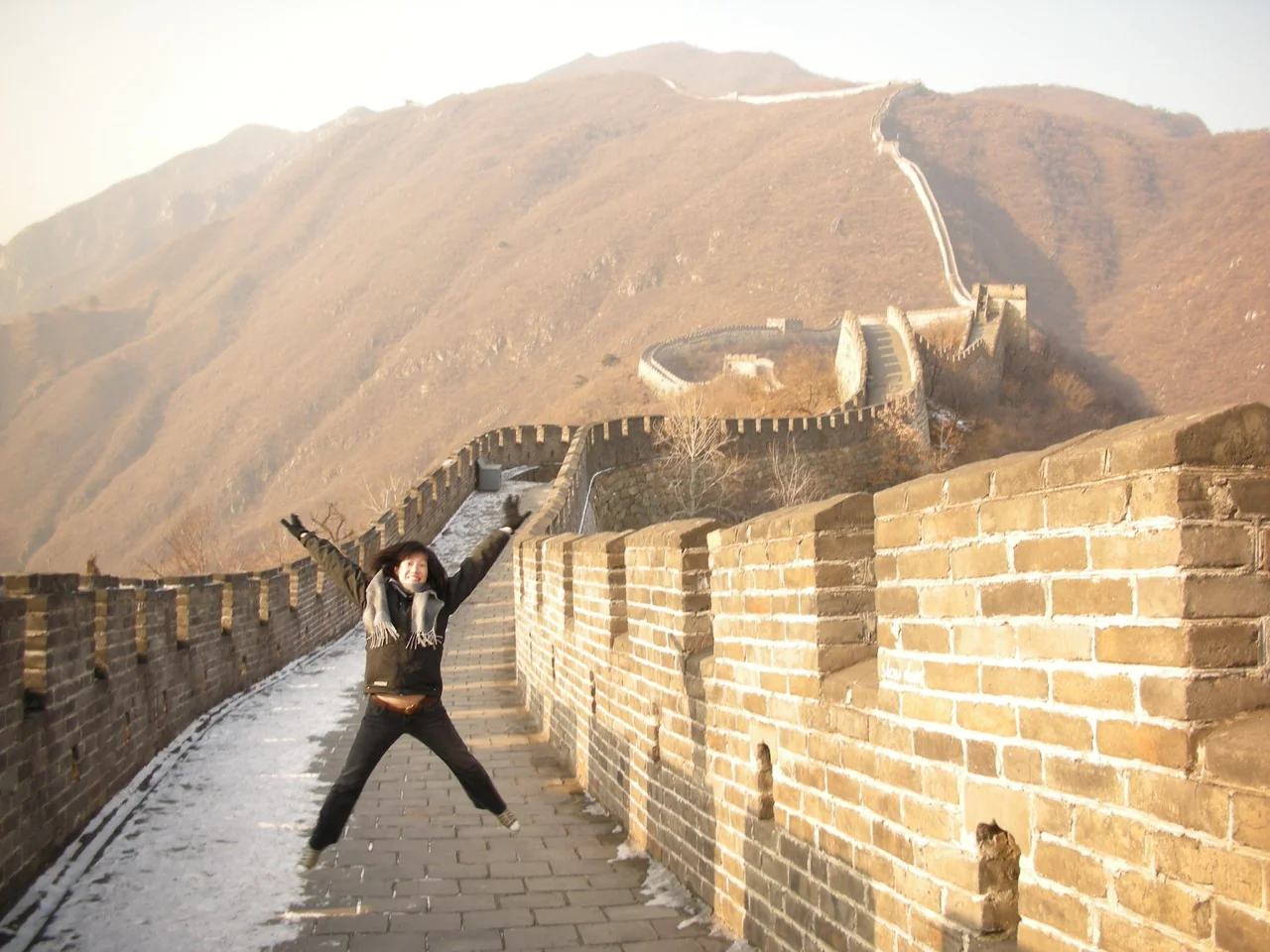
My travel goal back in 2005 was to jump my way through iconic world wonders, which than extended to visiting all 7 new world wonders, and then all 7 continents. This then naturally expanded to wanting to get to all 197 countries. I recognise Taiwan as a country, to say it doesn’t exist would take away part of my cultural identity.
Of the countries you have visited so far, which one was the greatest positive surprise and why?
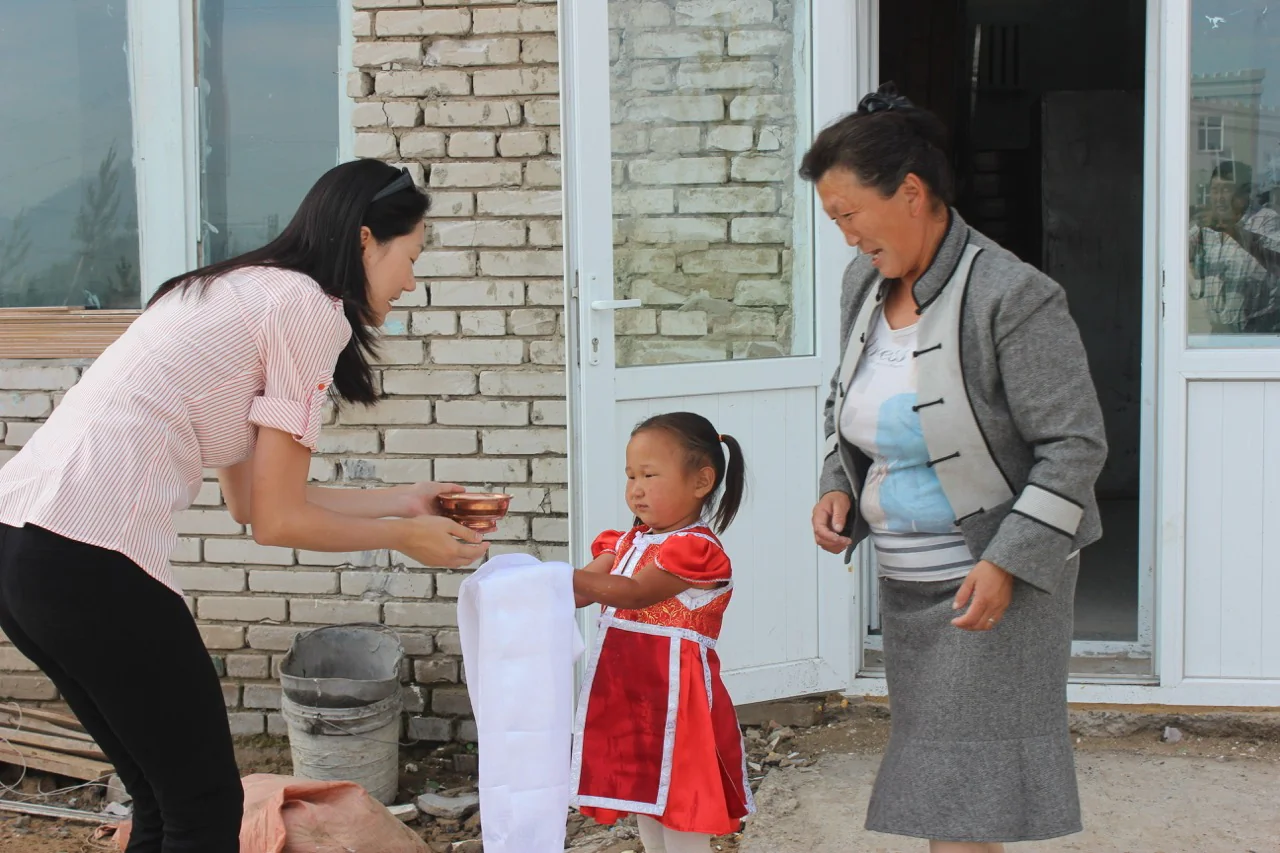
I used to sponsor a girl in Mongolia through a not-for-profit that worked to support communities in need – and was fortunate enough to arrange a visitation. I got to experience firsthand the impact of my donations and not-for-profit work on the global community; seeing the funds used to improve health facilities, increase literacy and strengthen the local economy through sustainable practices such as honeybee farming. The real impact came when I received a call 2 years later to inform me that funds are no longer needed as Mongolia is deemed self-sufficient.
I also made a trip out of Mongolia; I took the TransMongolian train from Beijing to Ulaanbaatar, attended the Naadam festival, reunited with law school friends and camped out in the Gobi Dessert. Overall, Mongolia was a magical time:, I sometimes close my eyes and transport myself back where I can smell the clean air, see the night stars and hear the silence of the steppes.
And which one was a negative surprise, if any?
This is not a reflection of the country, but it was just unfortunate that I was in Bahrain when COVID broke out. Everywhere I went, heads turned, eyes stared, fingers pointed, lips whispered ‘corona’. I was so distressed by this, I tried to change my ticket home – but to no avail. So I locked myself in my hotel room until I had to leave.
As an Asian woman, do you feel there are specific advantages or disadvantages to your travels in certain countries? Please elaborate.
Backpacking, lone travel, finding oneself is quite a western-centric concept, and despite the growing interest of Asian women wanting to travel (alone), I’ve observed there is still a lack of representation partly due to culture norms and stigmas. From what I have seen, read and those I have spoken with, Asian women prefer going in groups to safe/luxury countries.
When travelling alone, women (not just Asians) are exposed to gendered risks, such as harassment and unwanted attention. However, I have found that because I’m of Asian appearance, I can sometimes blend in a little more in those countries that do business with Asia or have a high percentage of migrant workers. For example, when I was travelling in Turkey with my Aussie friend, the men would follow her around, take photos of her, whilst they left me alone. I also benefit from travelling to countries that have good geopolitical relations with Asia, such as Iran.
After COVID, I was paranoid with how I was being perceived when I travelled, so I made sure not to cough in public in case it triggered an unwelcome look or comments. Obviously things have gotten back to normal now and this is no longer a concern.
Please give us two travel stories that stand out and have stayed with you until today.
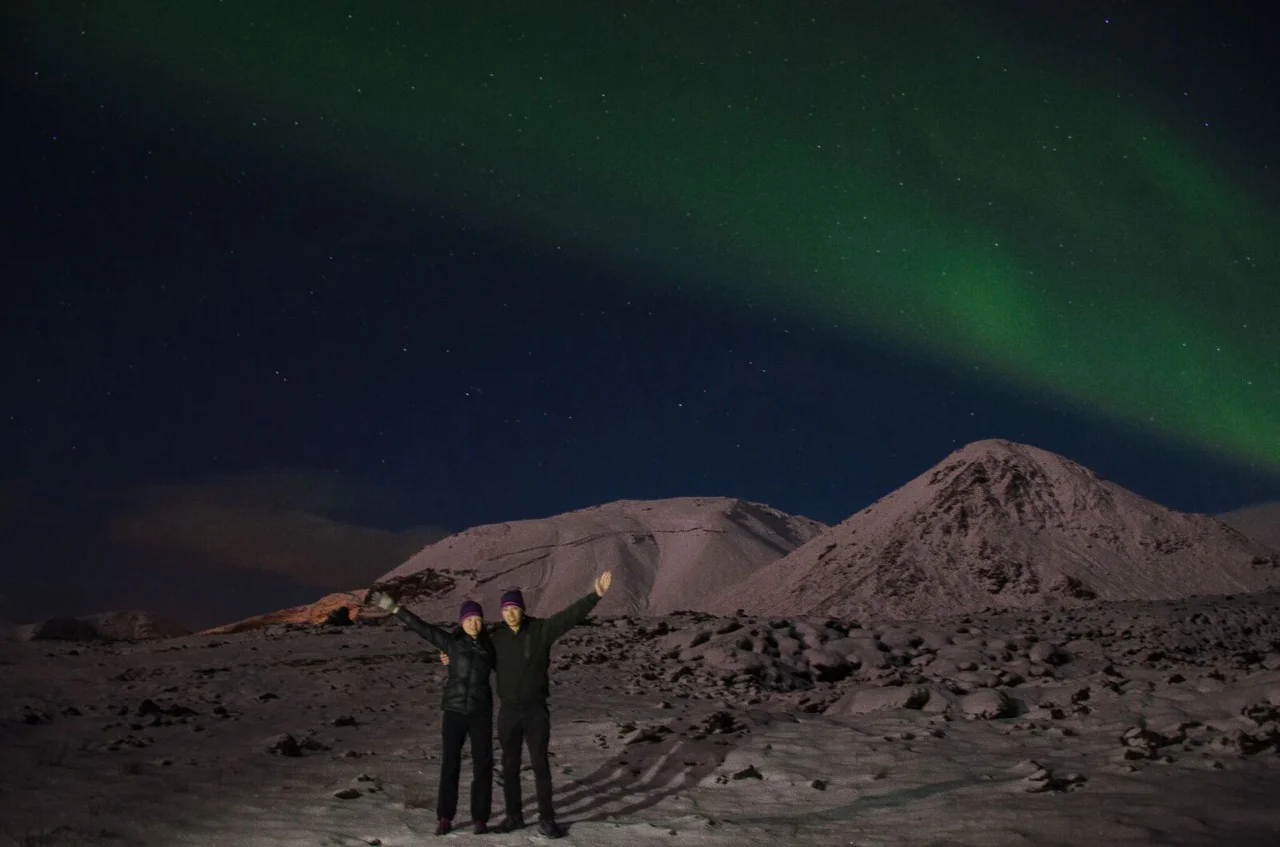
To celebrate my 100th country milestone, I flew 10,000 miles return from Australia to Iceland in the hope of seeing the Northern Lights. My brother tagged along, so we hopped on a plane (37 hours each way with a stopover in UK) and spent five nights chasing the nights. On the fifth night, just as I was about to give up, my brother convinced me to hitch a ride with some backpackers he had just met at dinner for one final chase. Boy did we get lucky! Just outside of Reykjavík, the skies swirled and danced across the night skies in purple, pink and green, visible to the naked eye.
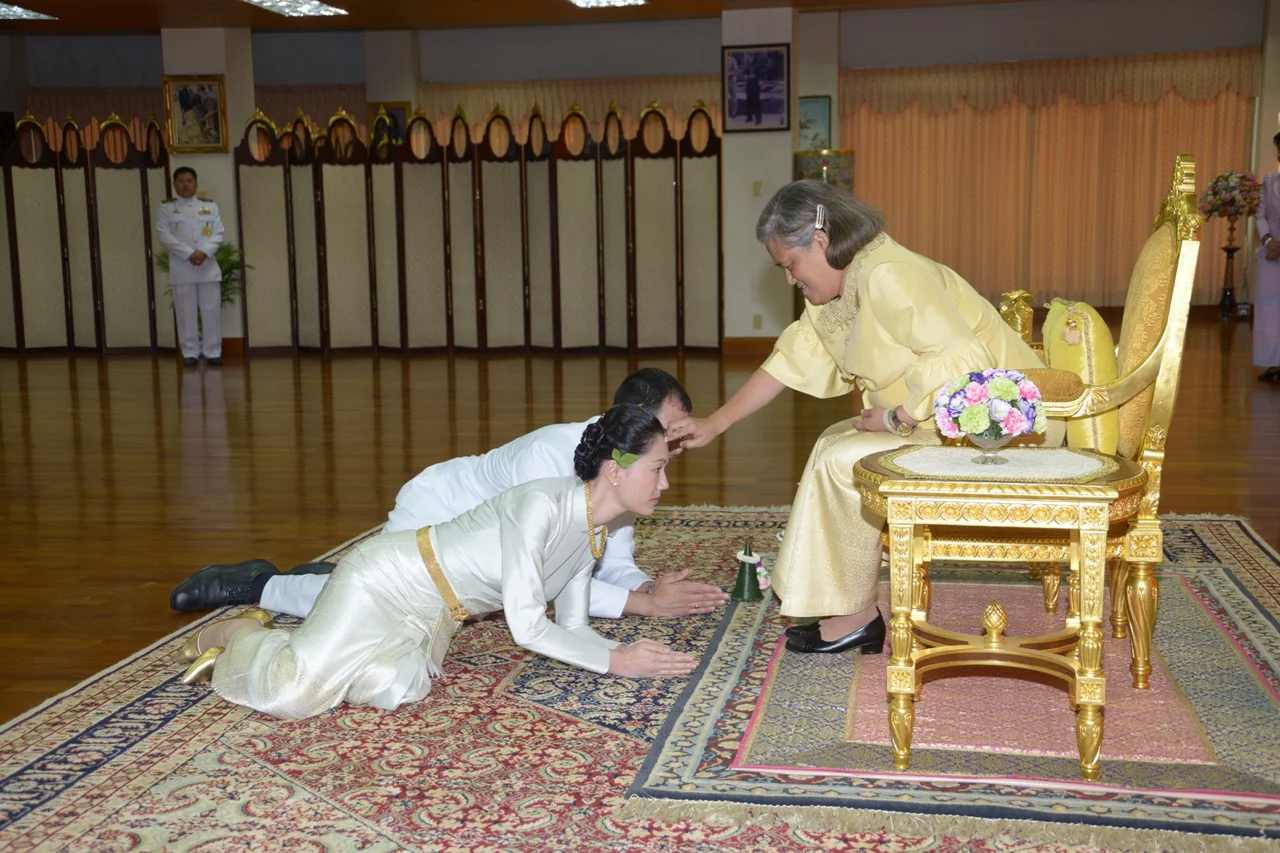
The other story was when my husband asked if I wanted a Thai destination wedding. I envisaged a beach vibe with cocktails and a pool. I was blasé so when my mother-in law (MIL) suggested that the wedding showcase their ‘Thai family heritage’, so I agreed and gave her free rein to plan. Little did I understand what she meant by this ‘heritage’. We flew in a week beforehand and was shown our traditional costumes and jewellery featuring her royal family crest. We were honoured with a Buddhist blessing ceremony at the 200-year-old Ban-Mo Palace in Bangkok, a historical landmark belonging to Prince Phithakthewet the son of King Rama II where my husband also shared some of his childhood and trips home. Then we were invited to the Chitralada Palace in Bangkok to receive a royal blessing from the Crown Princess (Her Royal Highness Maha Chakri Sirindhorn).
If you were told you could never travel abroad again and had to choose one country to settle in for the rest of your life, which country would you choose and why?
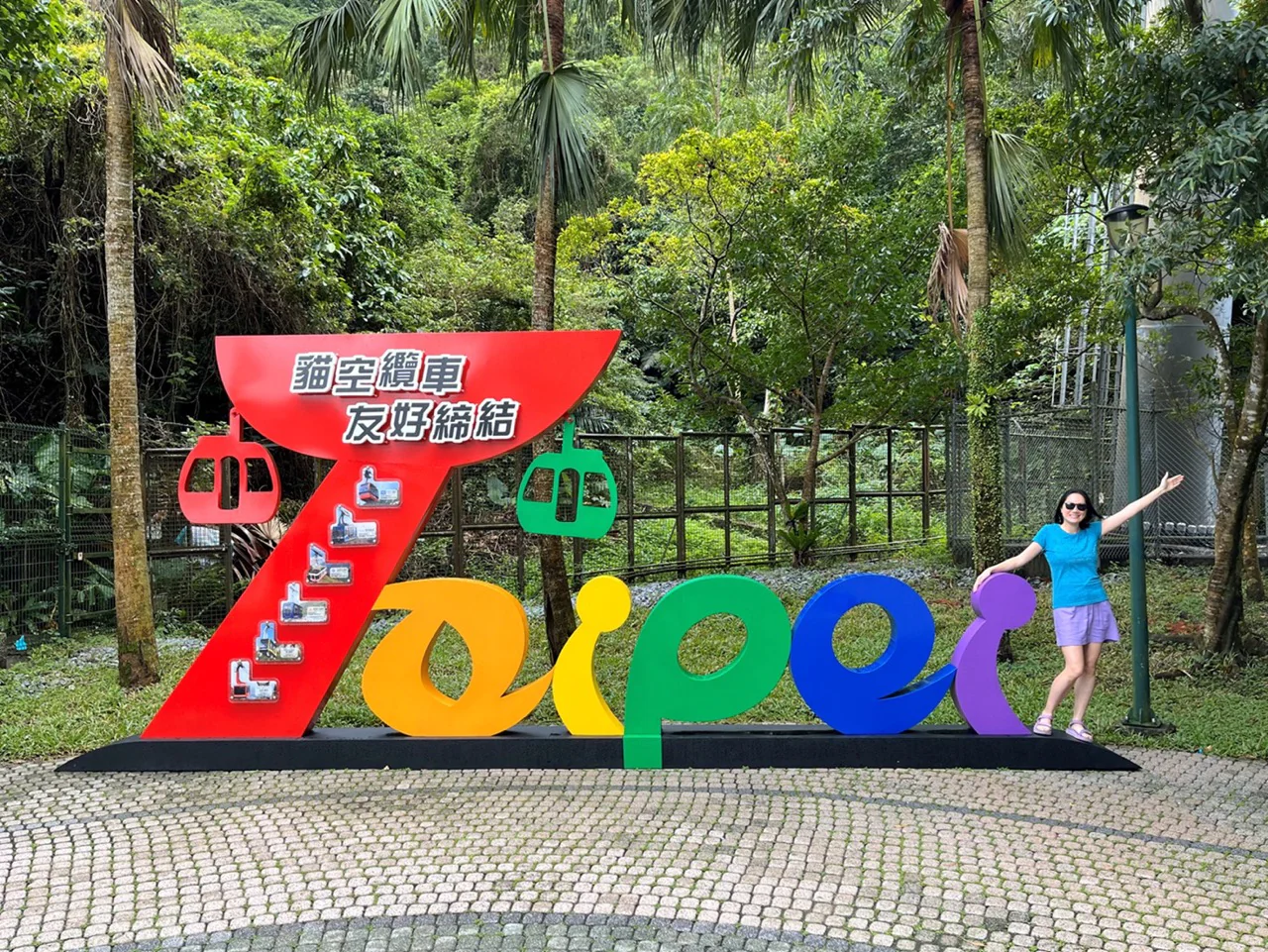
Slightly biased here, but I would choose Taiwan (Taipei) as the one country to settle in for the rest of my life. Taiwan is not without its challenges, but it is one of the most liberal countries in the world. It has scenic coastlines, historic walking trails, hot springs and great nightlife. Practically, it also has a great healthcare system, low crime rates, well connected transport, and the cost of living such as rent and food is incredibility low. I would be happy slurping bubble tea all day long!
Let’s turn to NomadMania, whose Envoy you are. What are some things you especially like about NomadMania?
I’m co-envoy of Australia, along with Dondon Bales. What I like about NomadMania is that I’m surrounded by like-minded people who inspire me to go above and beyond to explore this world. These are people with big ideas, who turn ideas into reality.
Another great thing about NomadMania is the networking opportunities it afford, such as having a presence at last year’s Extraordinary Travellers Festival in Bangkok and their annual conference, which I will be attending in Fergana Valley Uzbekistan this May.
Tell us about your role as Envoy. What have you done so far and how do you envisage doing more in the future?
Earlier last year, the Envoy Program was updated for inclusivity. This gave me an opportunity to step up, take up space and represent diversity (Asian female), and by continuing to put myself in this space, I can influence others to also feel as comfortable as I am.
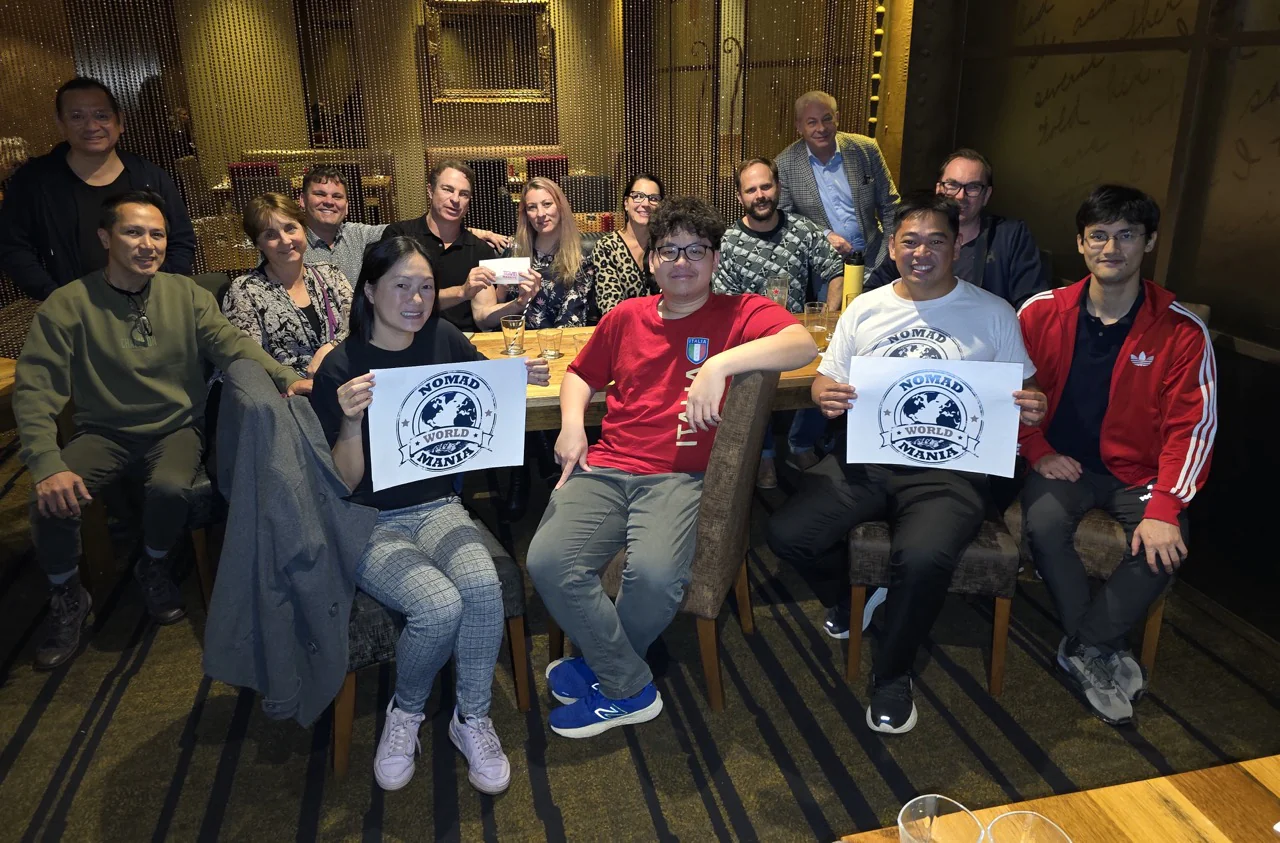
So far, I have played co-host to an extraordinary gathering of 34 world travellers at a NomadMania meeting held in Melbourne last May. Meetings/ events for 2025 will be scheduled with dates and location to be announced in due course.
I enjoy roadtripping around Australia to explore the landscape and iconic sights, so I look forward to contributing more towards NomadMania series listings from an Australian angle.
If you could change or improve one thing about NomadMania, what would it be?
I know a few travellers approaching their 100th country and some are getting very close to reaching their 193/197 (within a year or two), I thought perhaps NomadMania could design a milestone/final country register for those interested, so that we can have celebratory parties. Who doesn’t love a destination party!
Our founder’s presentation at last year’s ETF focused on dark travel and travellers’ moral responsibilities and ended asking people whether they believe their freedom of movement is their number one motivator when travelling or whether there should be some other (moral or other) motivators. What is your take on this?
Dark tourism is controversial, but I believe the key to dark tourism is intent.
I have been to places such as the Killing Fields of Cambodia and the Auschwitz Birkenau Concentration Camp. I assure you that I am not there for entertainment but rather to pay my respects, to be educated, to understand the past and to prevent it from happening again. I can still remember how distressing these sights were and to this day I can’t comprehend how humans can cause such devastation and pain to each other because of our differences.
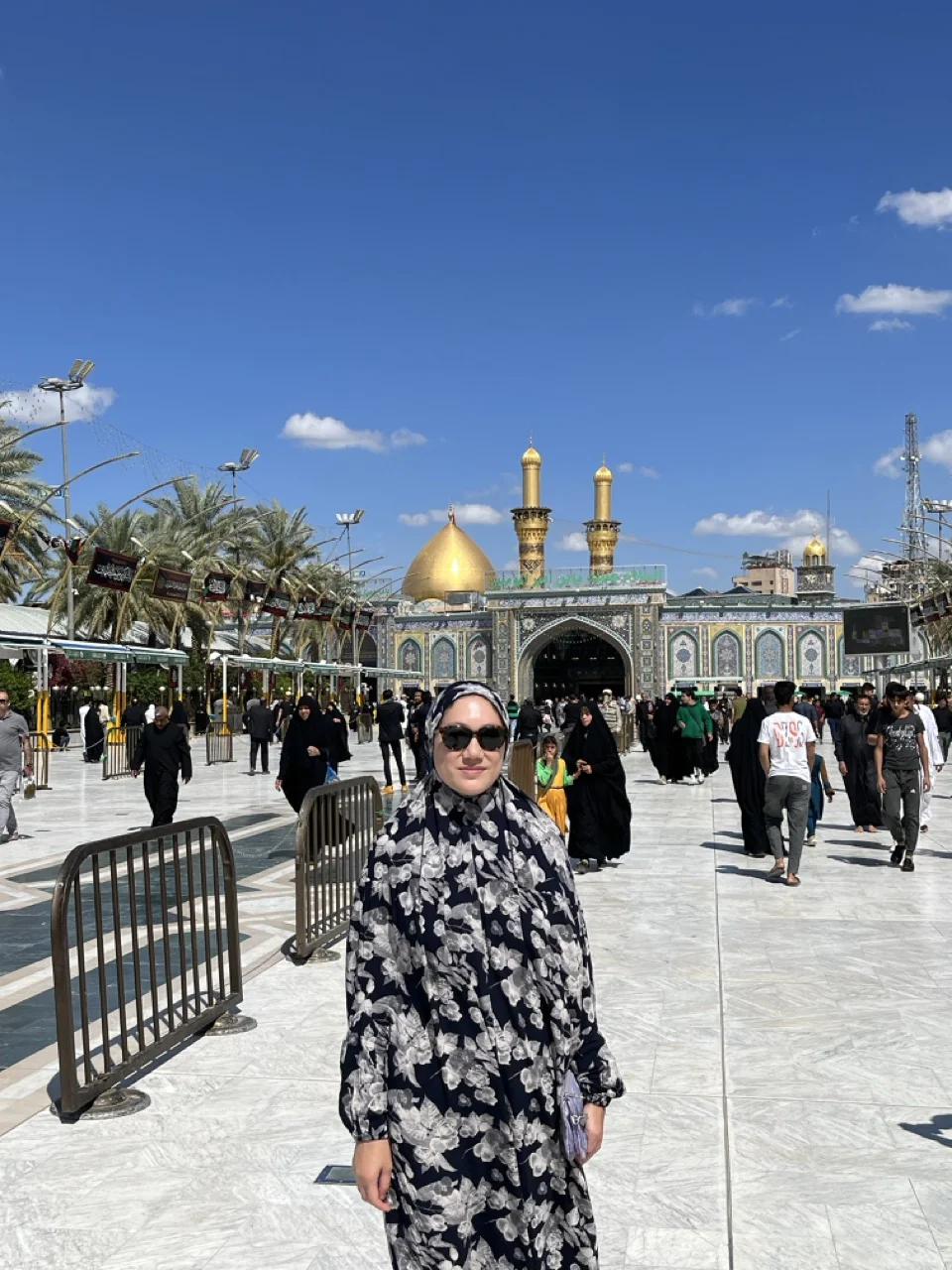
I have been to countries such as North Korea and Iraq but my intent was curiosity. I wanted to learn and understand, to experience things firsthand. I believe there is a time and place to go to such places and I personally would not go to a place if it’s unsafe to do so.
And finally, our signature question. If you could invite any 4 people – from any period in human history, alive or dead, even fictional characters – to an imaginary dinner, who would want to invite and why?
Sun Wukong (Monkey King) – one of the most enduring Chinese literacy characters that I mentioned my dad would tell me stories of. I want him at dinner so he can learn about his cheeky trickery! I want to learn martial arts and Buddhist teachings from him and maybe ask to fly on his golden staff.
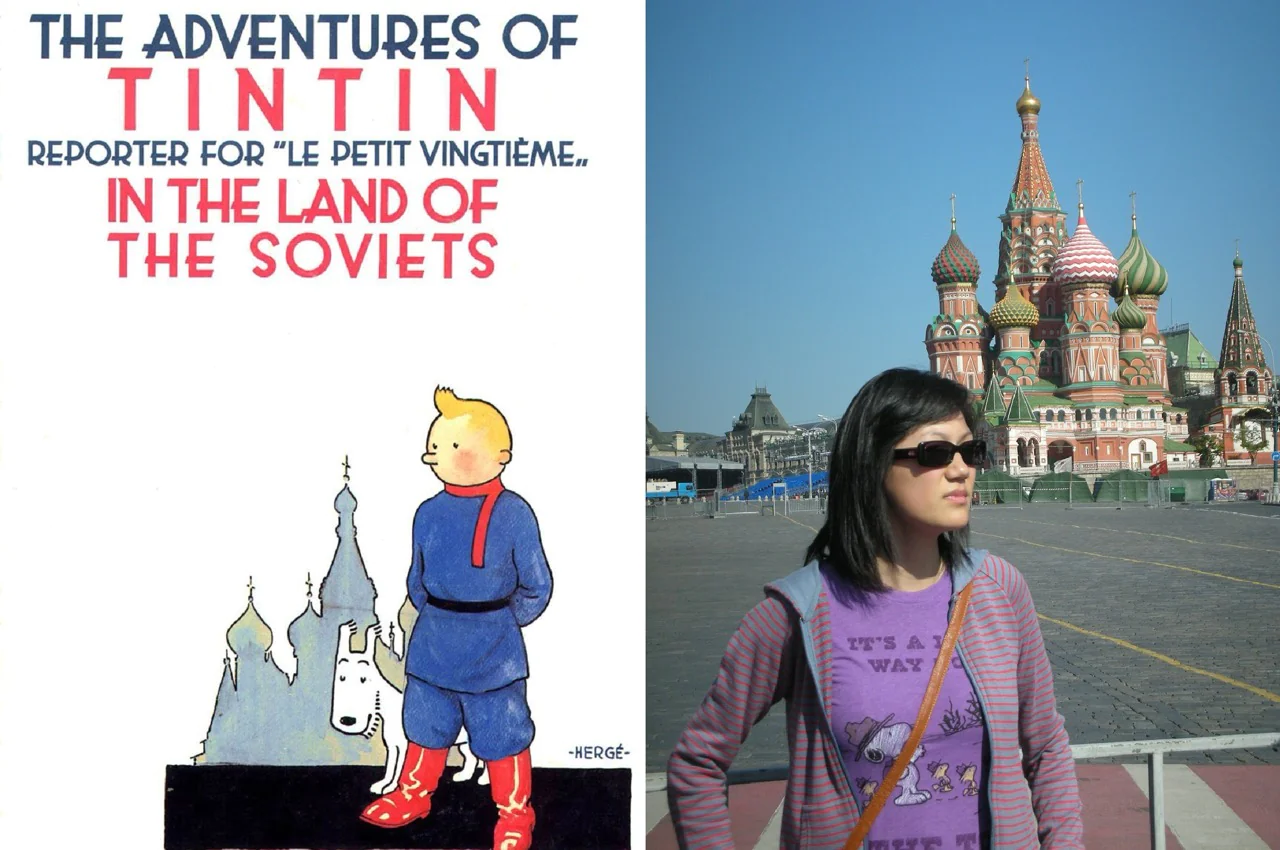
Tintin – Growing up, I followed Tintin (a comic series about a young Belgian reporter, his friends, dog Snowy and adventures). I’m sure he would tell me all about the exciting and exotic destinations he’s seen, the people and the friends he met along the way, from Moscow to Morocco to India to Tibet.
Sir David Attenbourugh – At 98, he is truly the greatest of all time (GOAT), inspiring viewers with his knowledge and storytelling of the natural world and how it has evolved through his lifetime. Meeting Sir David would be an absolute privilege.
Yoko Ono – I’m a huge fan of the Beatles, but it is Yoko that I would like to invite to dinner. She has endured a great deal of negativity from the media and society ever since the late-1960s, but I believe there is a lot to be learned from someone that has been so misunderstood and ostracised. She has so much resilience, personality and has been a strong advocate for women’s rights and social justice.