What does it truly take to visit every country in the world across four decades all while maintaining a demanding full-time career and rarely speaking about your travels? In this exclusive interview, Nasser Almohannadi reveals how a childhood fascination with a simple school atlas evolved into a lifelong pursuit of global discovery.
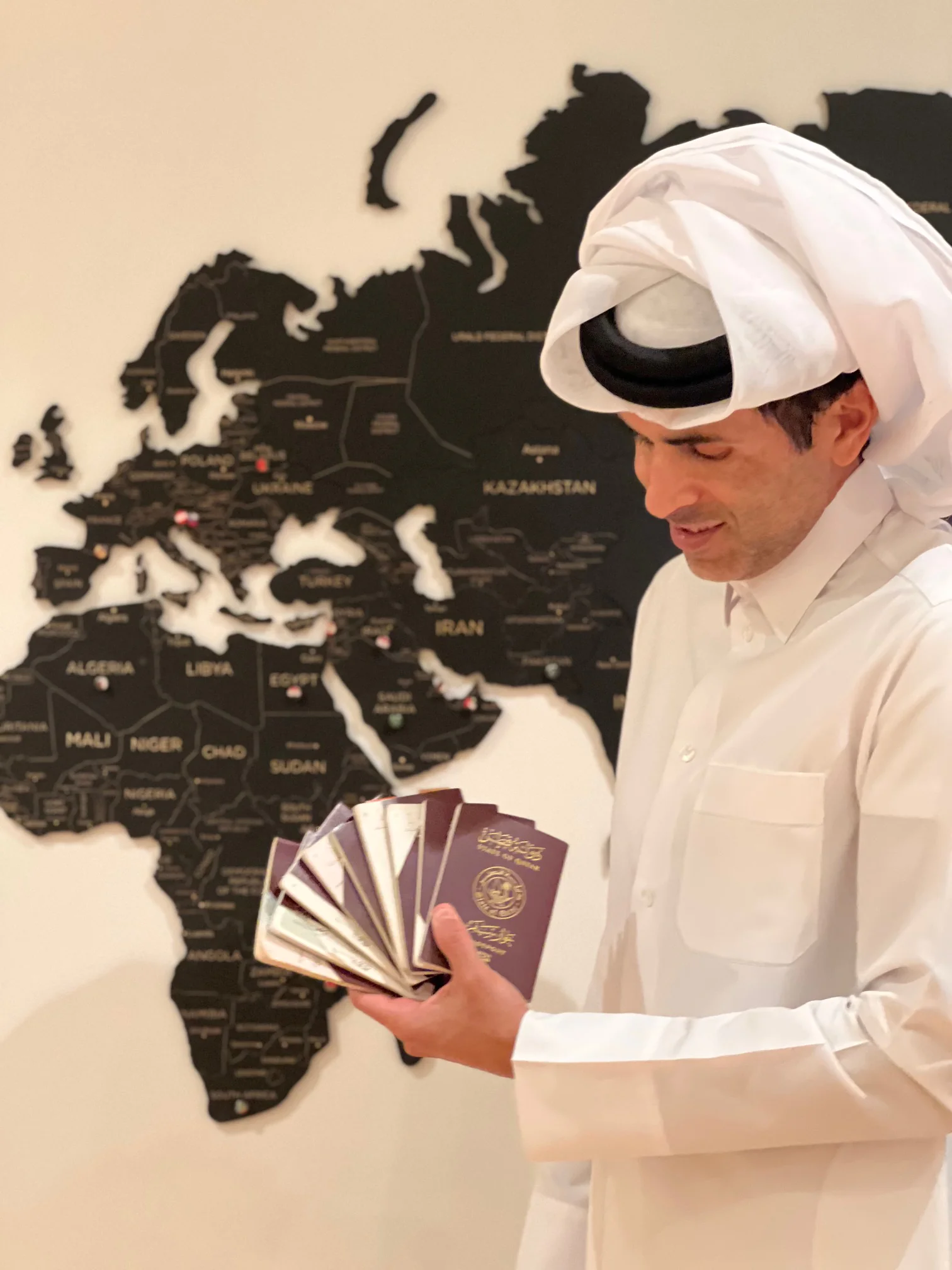
From overcoming complex visa hurdles and braving hurricane season in the Caribbean, to standing in Bolivia’s “upside-down city” and embracing the belief that “contentment is an inexhaustible treasure,” his journey is not about collecting flags, rather about patience, endurance, and quiet determination.
Nasser, tell us something about your early years and how your love for travel developed.
When I was a kid, I started reading a book at school called ‘World Atlas and Kuwait’. It was my favourite book and became my bedtime book where I could travel the world through its pages, looking at the borders, rivers, mountains and the oceans. The book made me love geography and aviation and gave me the desire to visit what I saw in its pages.
The additional catalyst to this was my father, who was born as an orphan from a tiny sea village called Al Thakhira up in the north of Qatar. He didn’t go to school, but he started to learn English and to travel far in Europe doing business and making friends overseas. This taught me how to be open to other cultures and discover new places. He took me with him to Helsinki, Finland, in 1992. At that time this destination was not known in our region.
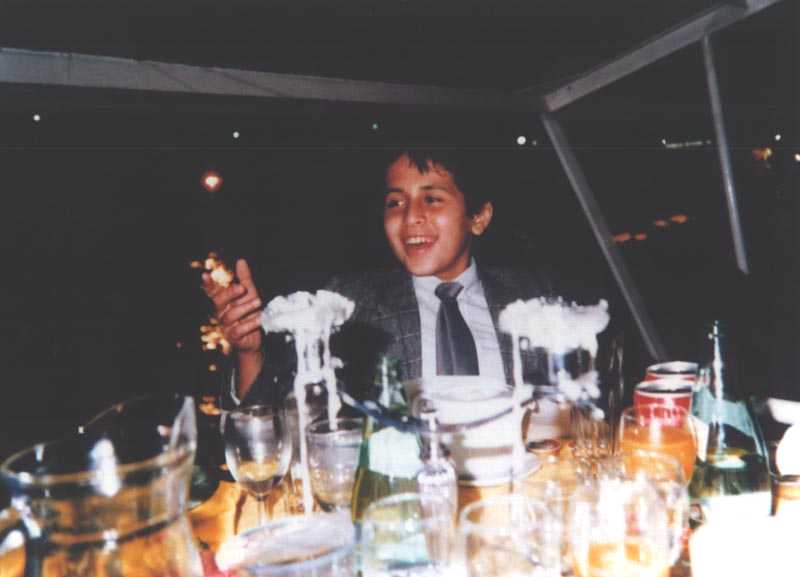

How do you feel being Qatari has influenced your way of understanding the world?
Visiting the world gave me the opportunity to bring my small country with me. In other words, I feel I brought our culture and values to the whole world and vice versa the whole world, their cultures and diversity to my country. Size does matter and being a small country, the impact can easily be seen. The world is different and changes through time, so we need to be agile and adapt to the dynamics of the world while being more sustainable toward future.
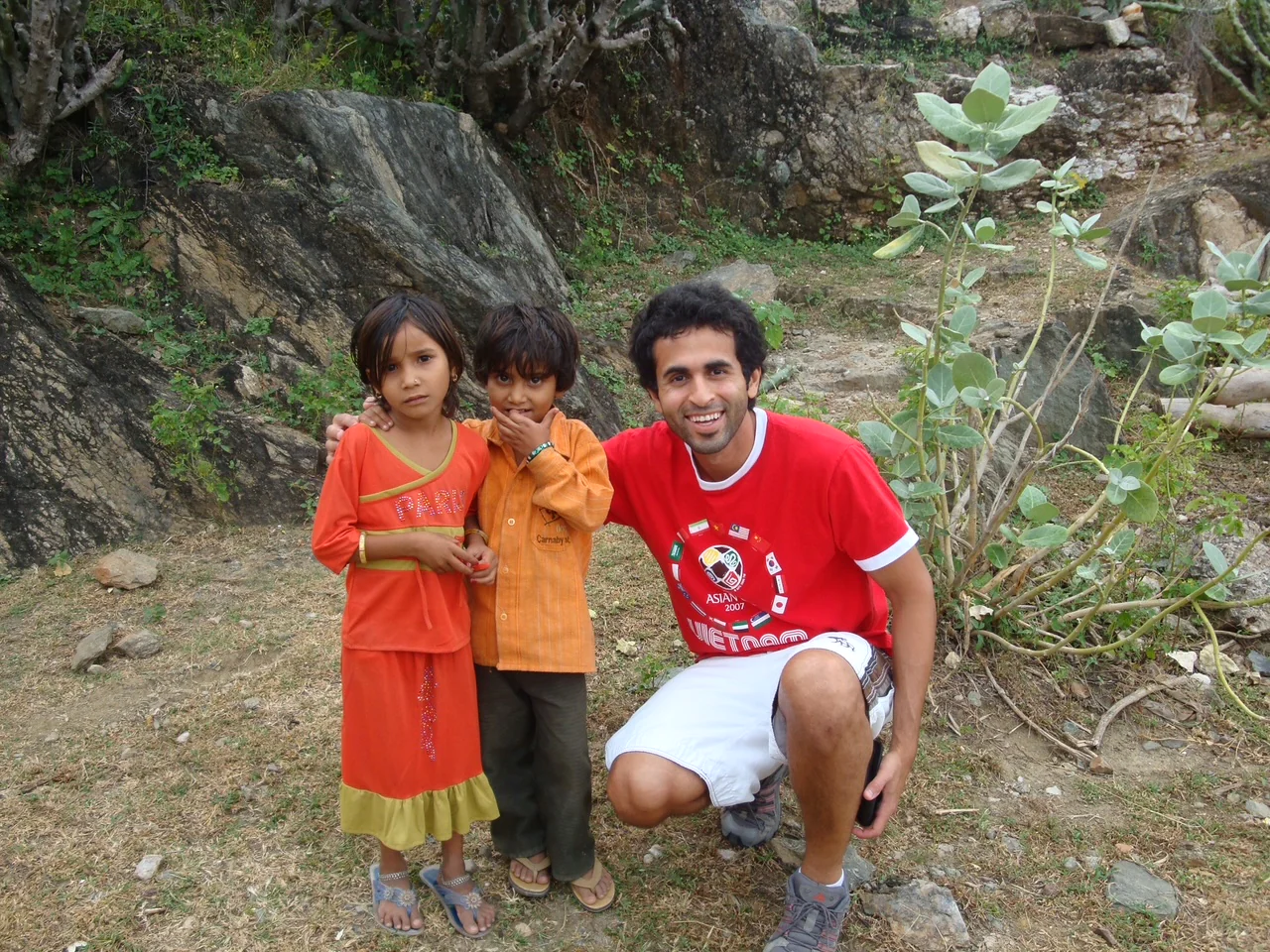
Qatar has changed a lot since you were young. What changes have had the most impact on you?
The country in the past years taught me that dreams do come true. Dreams don’t cost us anything, let’s dream for something big, something far. Qatar has made its own dreams come true and one example is hosting the World Cup 2022 which was announced in 2011. This goes beyond that for all mega projects and infrastructure including gas development which has made the country the largest LNG producer in the world.
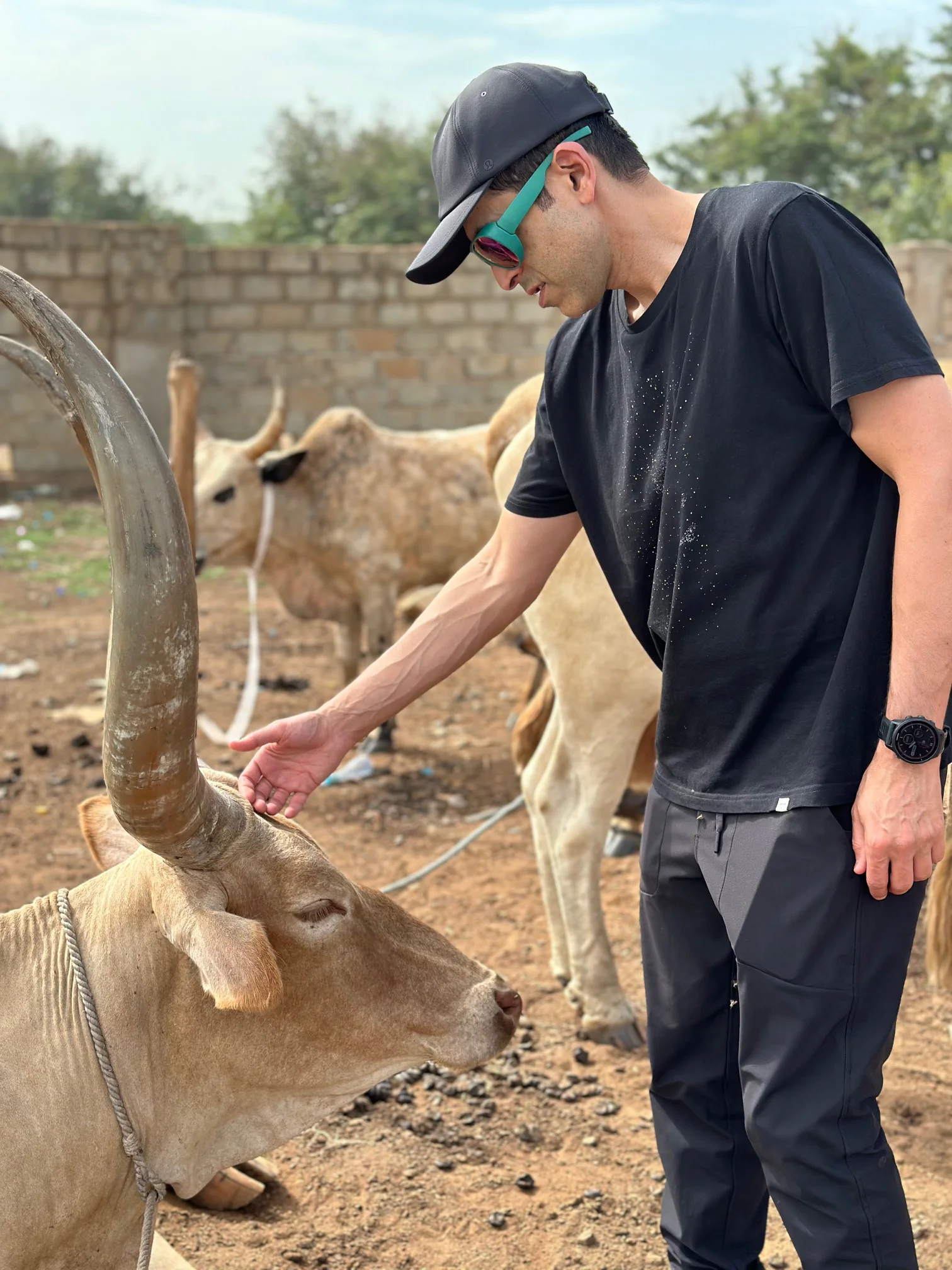
And how do people around the world react when they hear you’re Qatari?
In the olden days, many people didn’t even know what Qatar is, but more recently many people relate it to the World Cup. It truly played a major role in marketing the country. I’m so happy to bring my passport and contribute to bringing Qatar far and beyond to the world map.
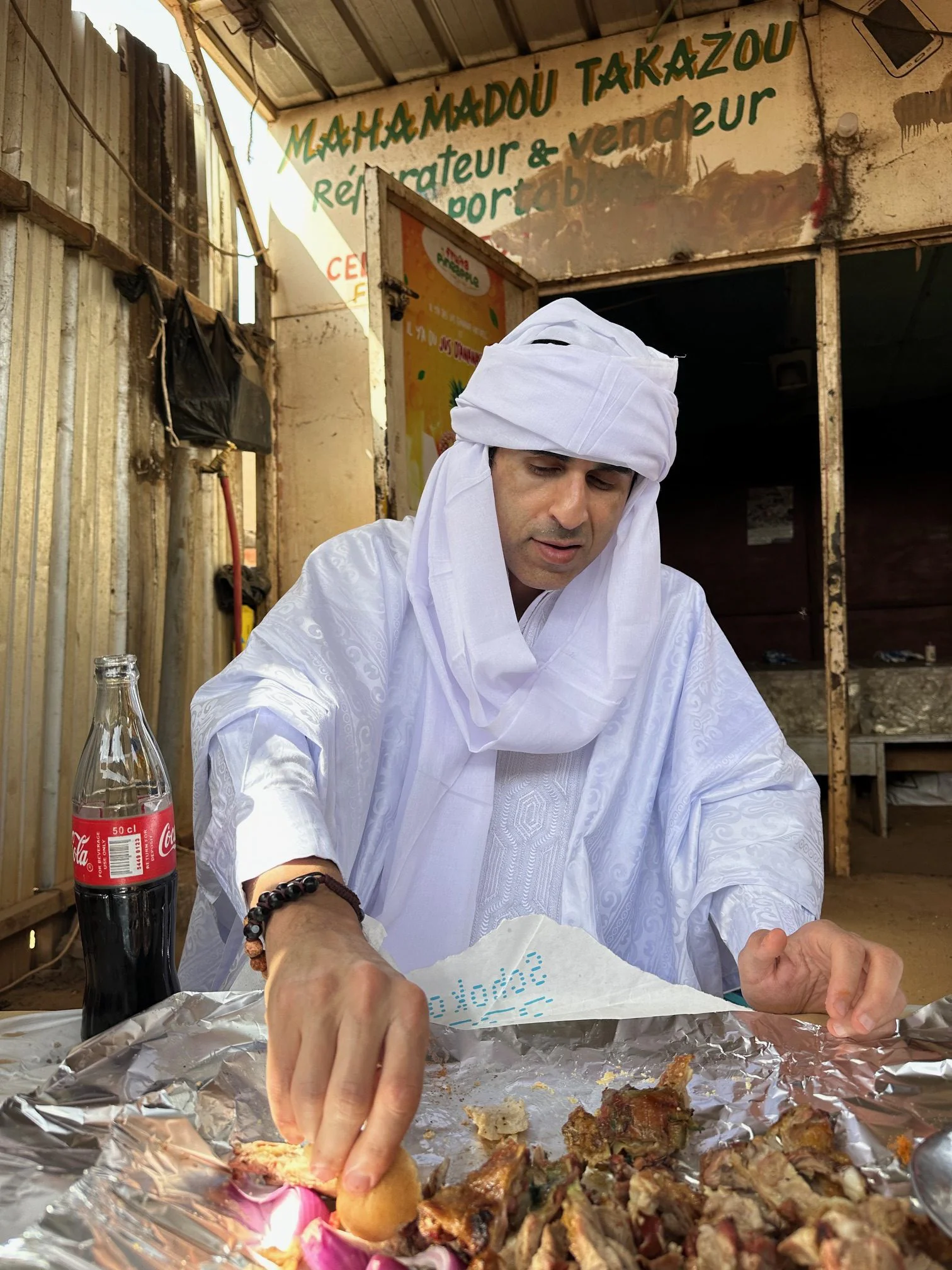
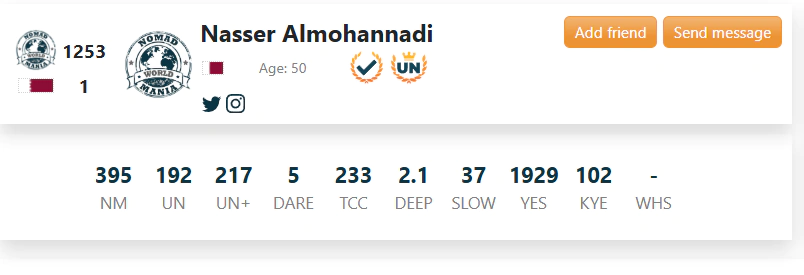
You’re the first and only Qatari UN Master. Are you famous in your country?
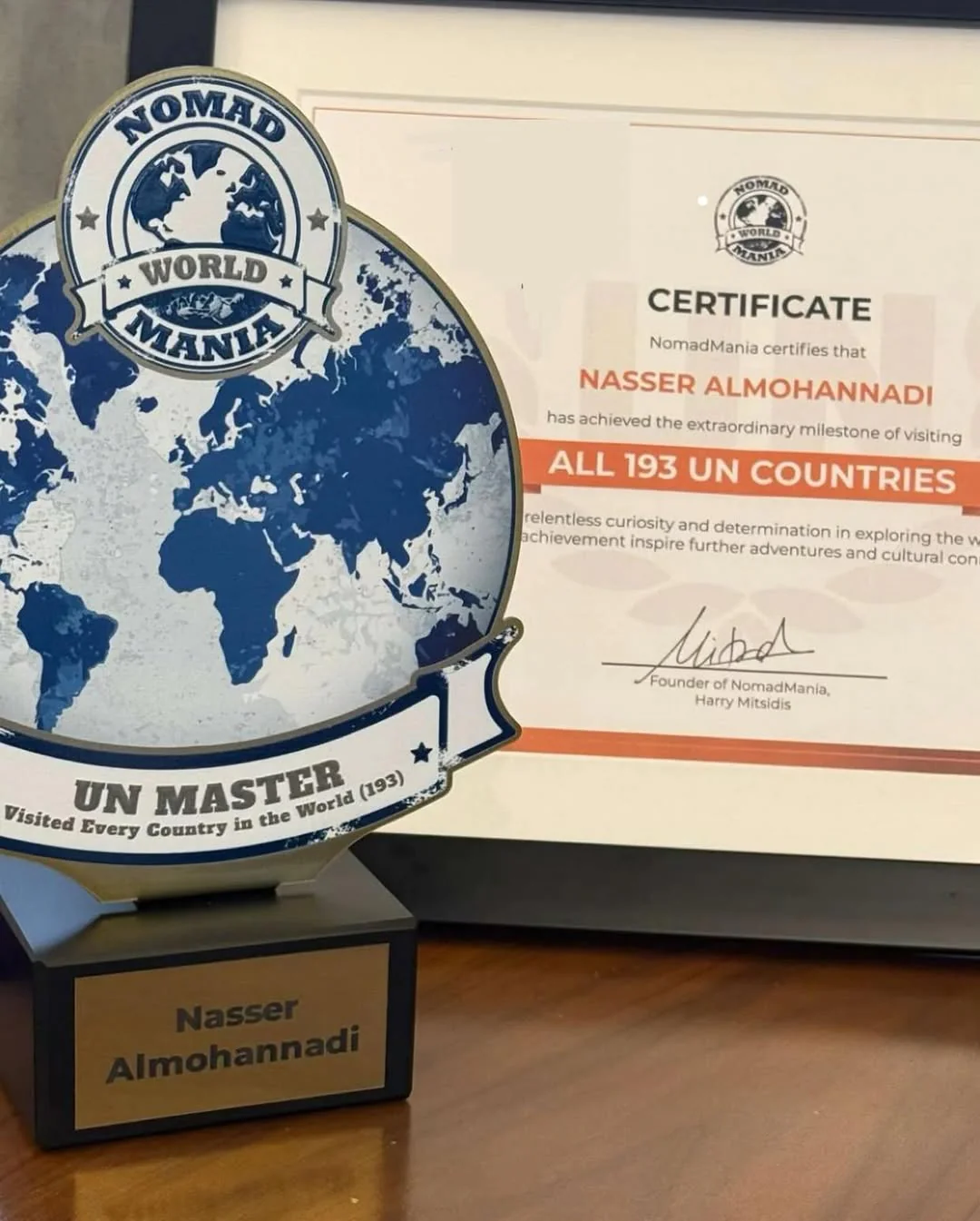
There are still some people who do not understand or realise what this means. It can be overwhelming specially that I hold a demanding full time job at an oil and gas company. It is very challenging specially that I had a limited number of annual days off. My team at work got shocked when they heard the news because I was always being available and connected during my travels but I never spoke about my destinations. Some people in the local community they think I am retired in order to accomplish this. I think I have brought something new and different to society. Maybe they do not understand it but now they know it can be possible for someone who would like to do it.
What was the biggest difficulty for you to reach every country and what was the biggest reward?
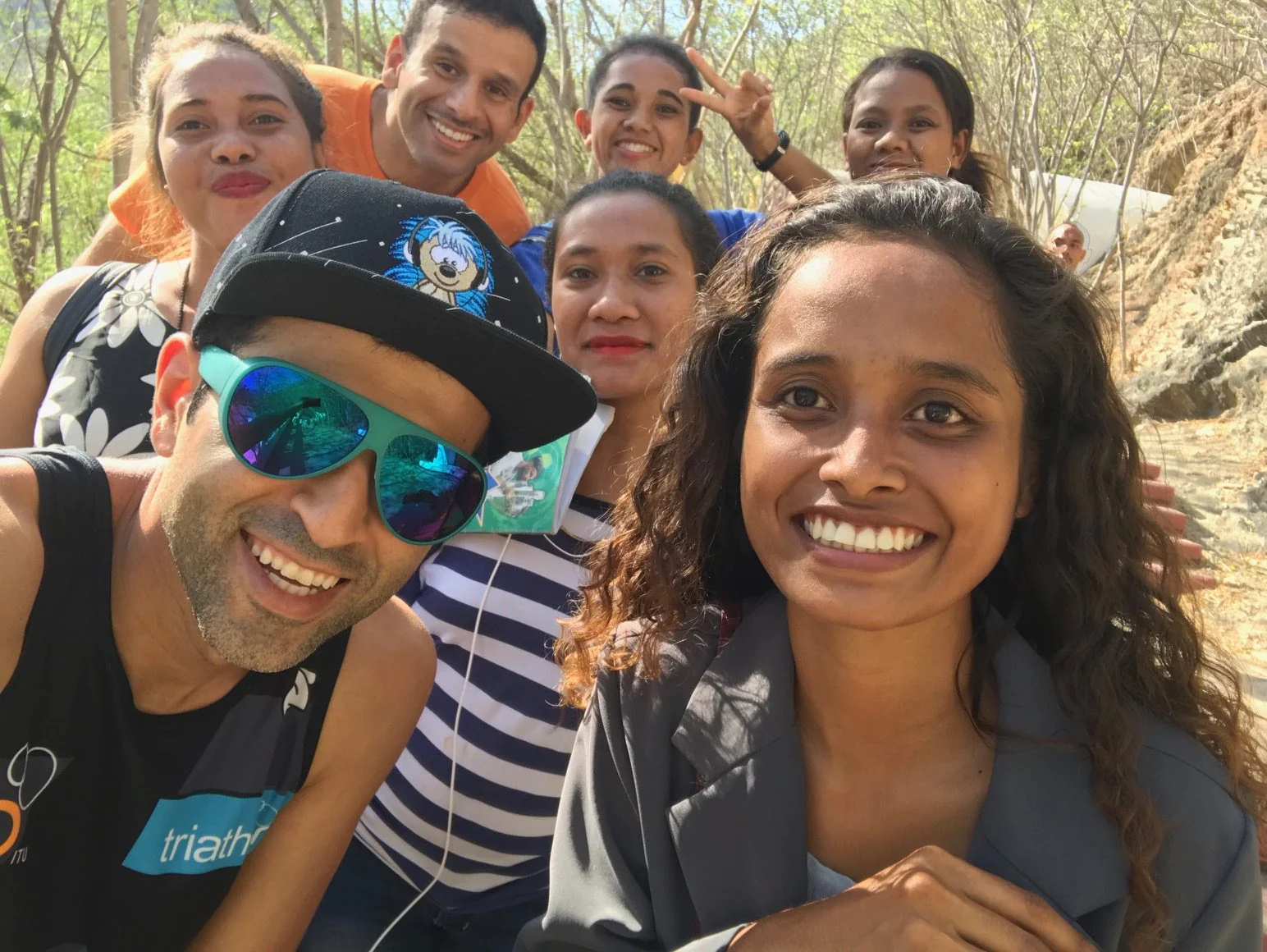
This journey took me around 40 years and the biggest challenge was the visa entry since our passport was not among the top passports which allowed entry to countries directly without visa. Also visiting islands with smaller infrastructure and fewer flights made things very difficult in terms of planning. I remember the most two difficult trips i made was flying to Caribbean during covid and off-season (hurricane season) and to some of the Pacific islands for which flights and visa approvals were way complicated. And not to forget I had to coordinate with my busy full-time job and extended family.
Can you tell us one of your travel stories which really made an impact on you?
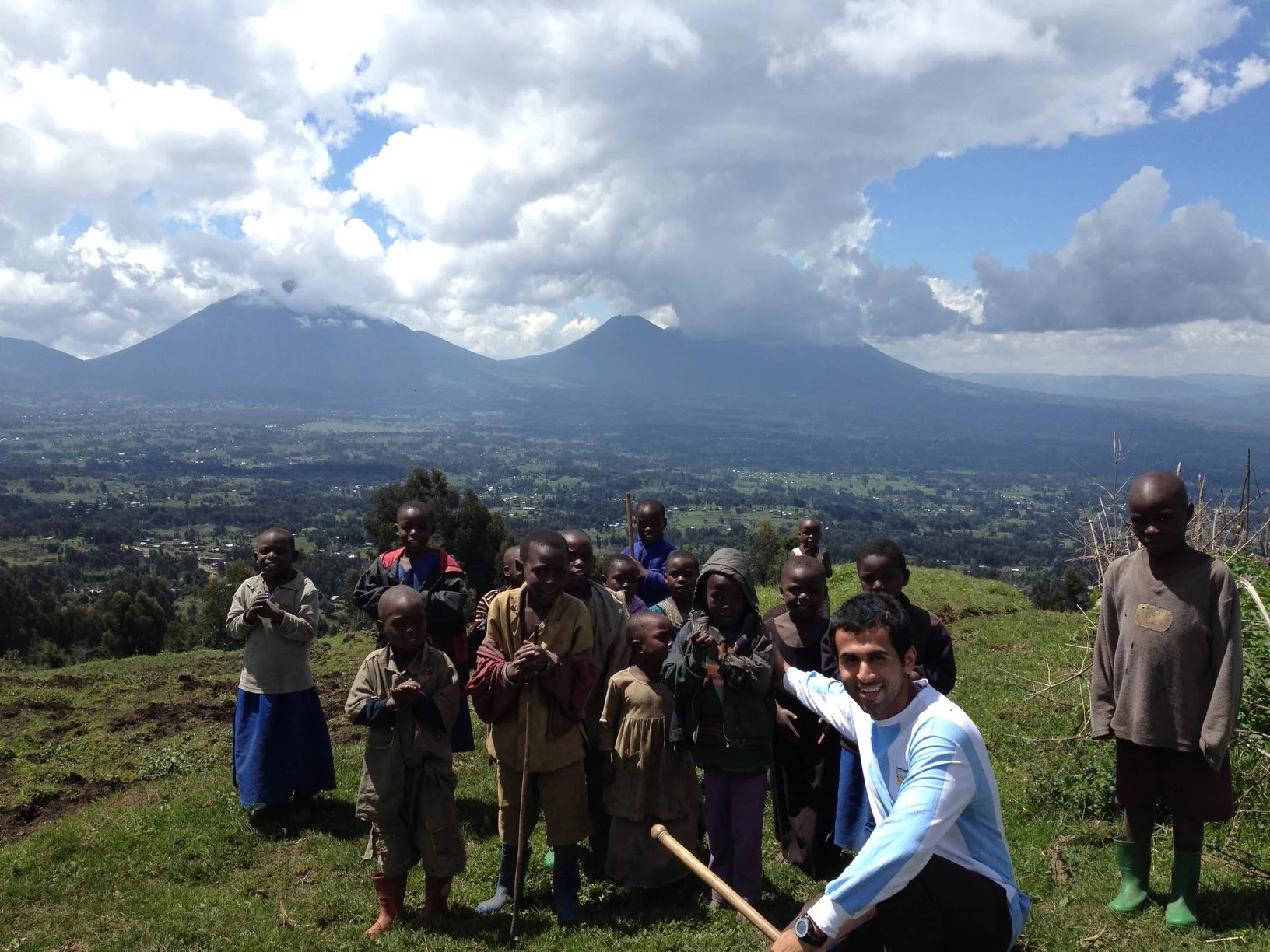
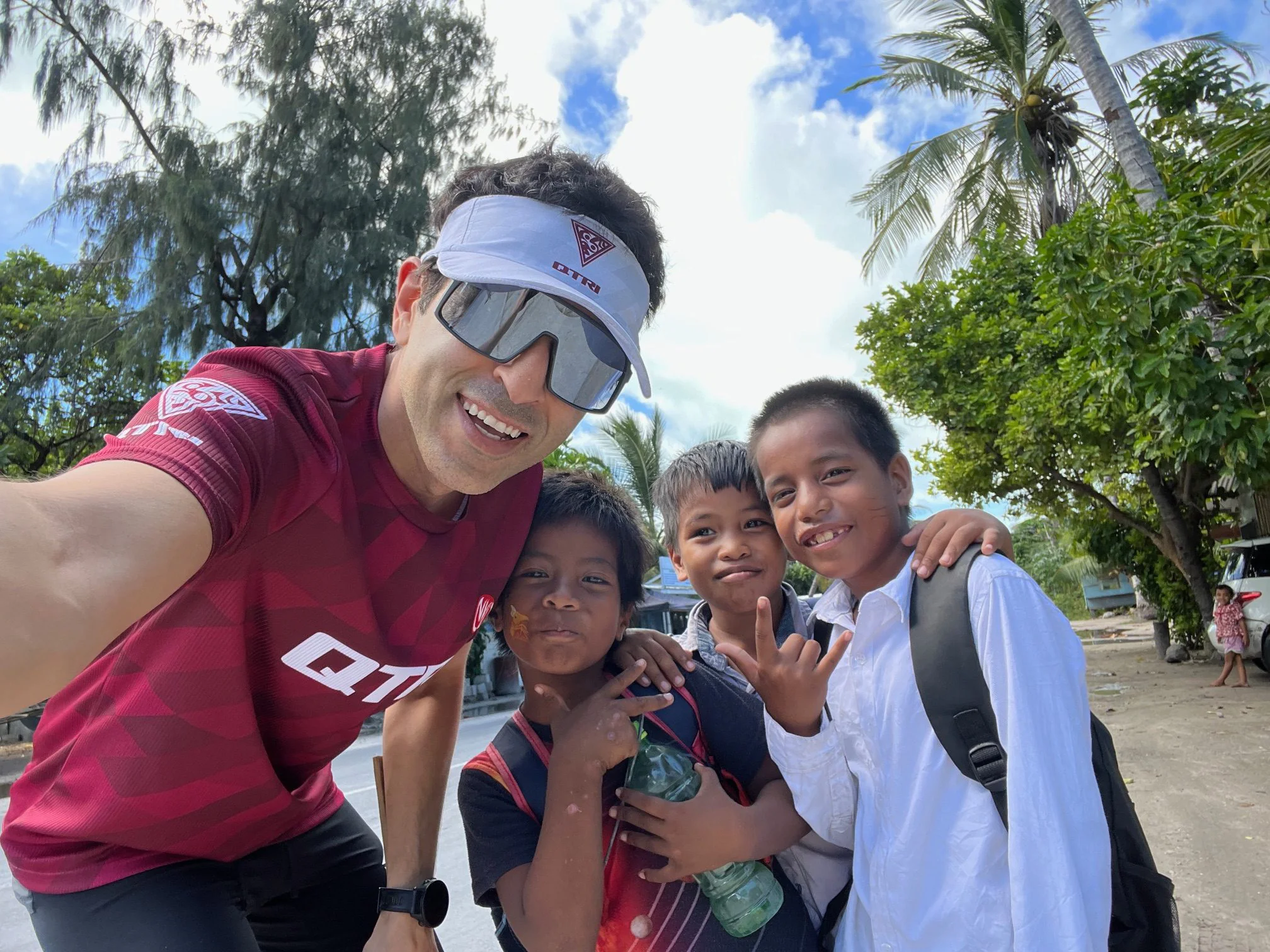
I think there is no specific destination, but rather every trip is a story we learn from. as we say, every experience is a good experience. I learned from the Pacific that is ok to wait and be slow sometimes rather than rushing it and social life is as important as work. I have learned the power of listening which can build trust and relationships with other cultures. I even learned from the country that depleted its reserves that nothing lasts forever and we need to think how to be sustainable rather than just continue to spend. I also learned how to love and enjoy life in South America, how to unite with open borders to be stronger like in Europe.
Which country surprised you most and why?
Probably Bolivia because of its diversity in nature for example, the salt flats, the Amazon, the desert and, yes, the capital La Paz. I found it unique and call it ‘the upside-down city’. The hanging gondolas are the opposite of an underground metro and in that city, the rich people live at the bottom of the valley whereas the poor live higher on the cliffs.
So , what’s still on your bucket list and why?
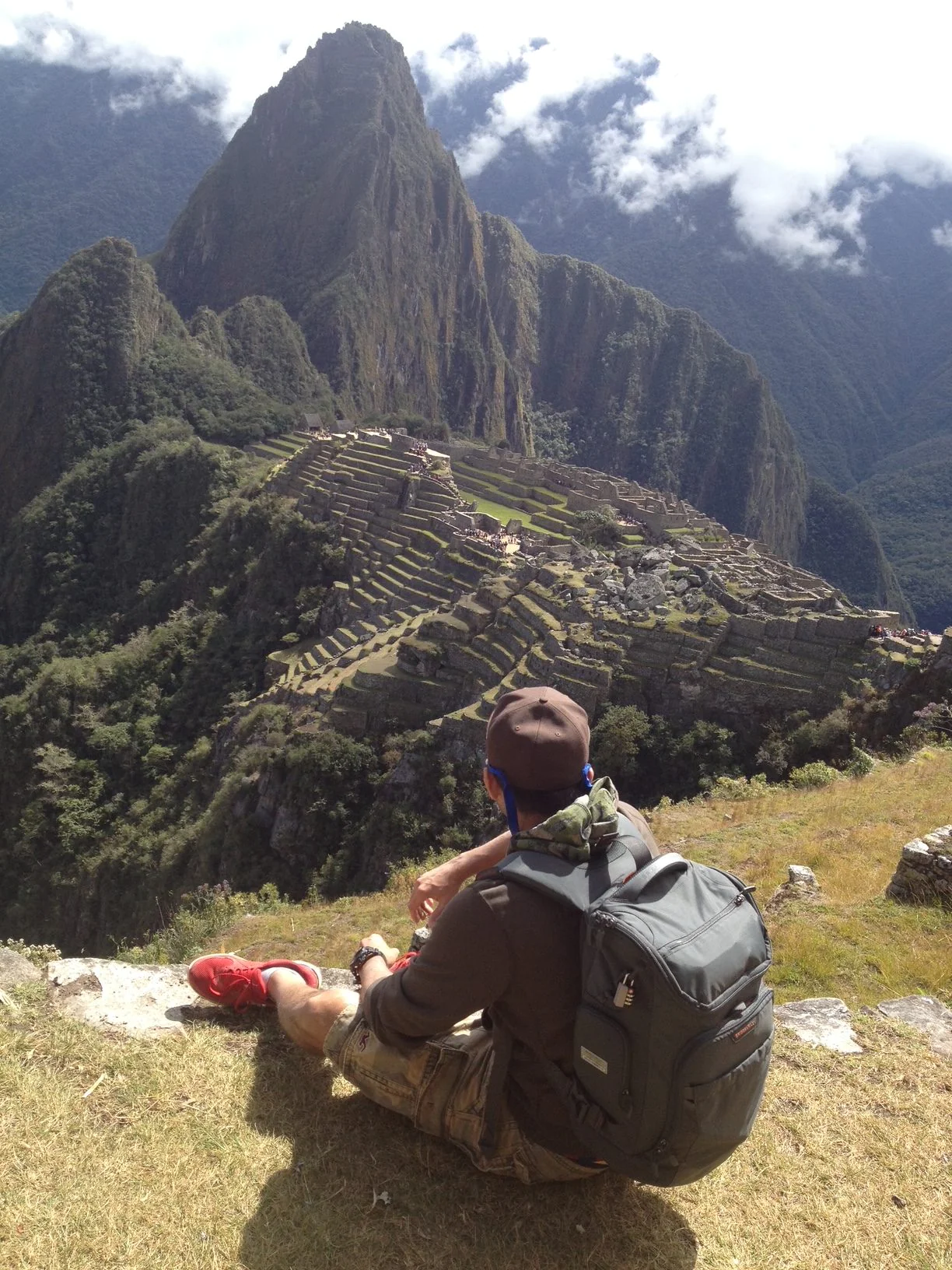
I learned from my travelling the world that ‘Contentment’ is an inexhaustible treasure. So, I am happy with what I have achieved. My bucket list would be toward comfort. Therefore, easy to reach, direct flight, no visa requirements and a place that is cool and dry. I would like to discover big countries further like Saudi Arabia, China and Canada.
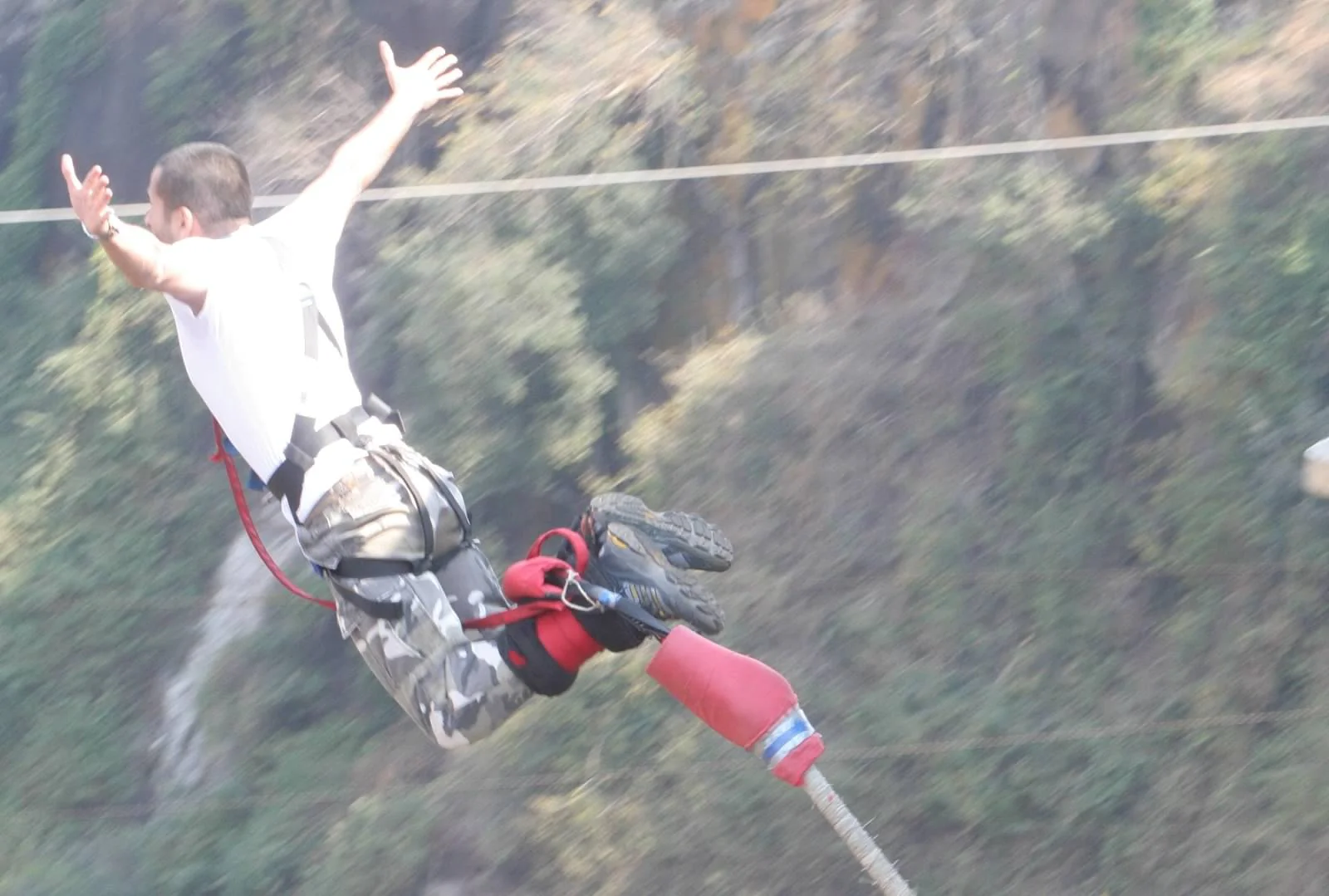
What do you like most about NomadMania?
Whatever I say here I may not do NomadMania justice. I fully understand the huge effort made behind the platform which is largely not aiming towards profit. I’m the founder of a non-profitable club for endurance sport and I understand how much effort is required. I call the NomadMania platform ‘heaven’ for every world travel lovers who want to register their trips and network with other travellers. The result is that huge knowledge is being built to help and share with travellers.
Finally, our signature question – if you could invite any 4 people from human history to dinner, who would your guests be and why?
Because I did an ironman in South Africa 2016, I know how tough it is to do just one. So, I pick first James Lawrence, better known as the Iron Cowboy. He is a phenomenal example of extreme sport dedication and mental toughness. He completed 50 full Ironman triathlons in 50 consecutive days across 50 U.S. states in 2015. I would like to invite him to dinner and discuss how to reach his unmatched mental toughness and sets audacious goals and achieve them.
The second person is Daniel Yergin, the Pulitzer-winning author and most respected voices in global energy geopolitics to talk about energy, security and climate responsibility.
Also, I would like to invite Kofi Annan, the former UN Secretary general, who championed diplomacy, development, and global cooperation, to discuss how global institutions can adapt to a multipolar, energy-transition world.
Last but not least, the Prophet Mohammed who exemplified patience, resilience, and perseverance in the face of hardship, to discuss his amazing journey and his overcoming challenges to deliver his message.