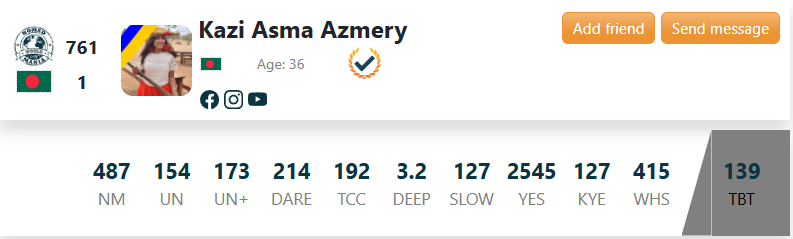
Kazi Asma Azmery is a Bangladeshi world traveller, motivational speaker, educator, and social-impact advocate who has explored 160+ countries with a Bangladeshi passport. Beyond her travels, she has inspired more than 70,000 young people through 800+ motivational talks, promoting education, climate awareness, and global understanding.
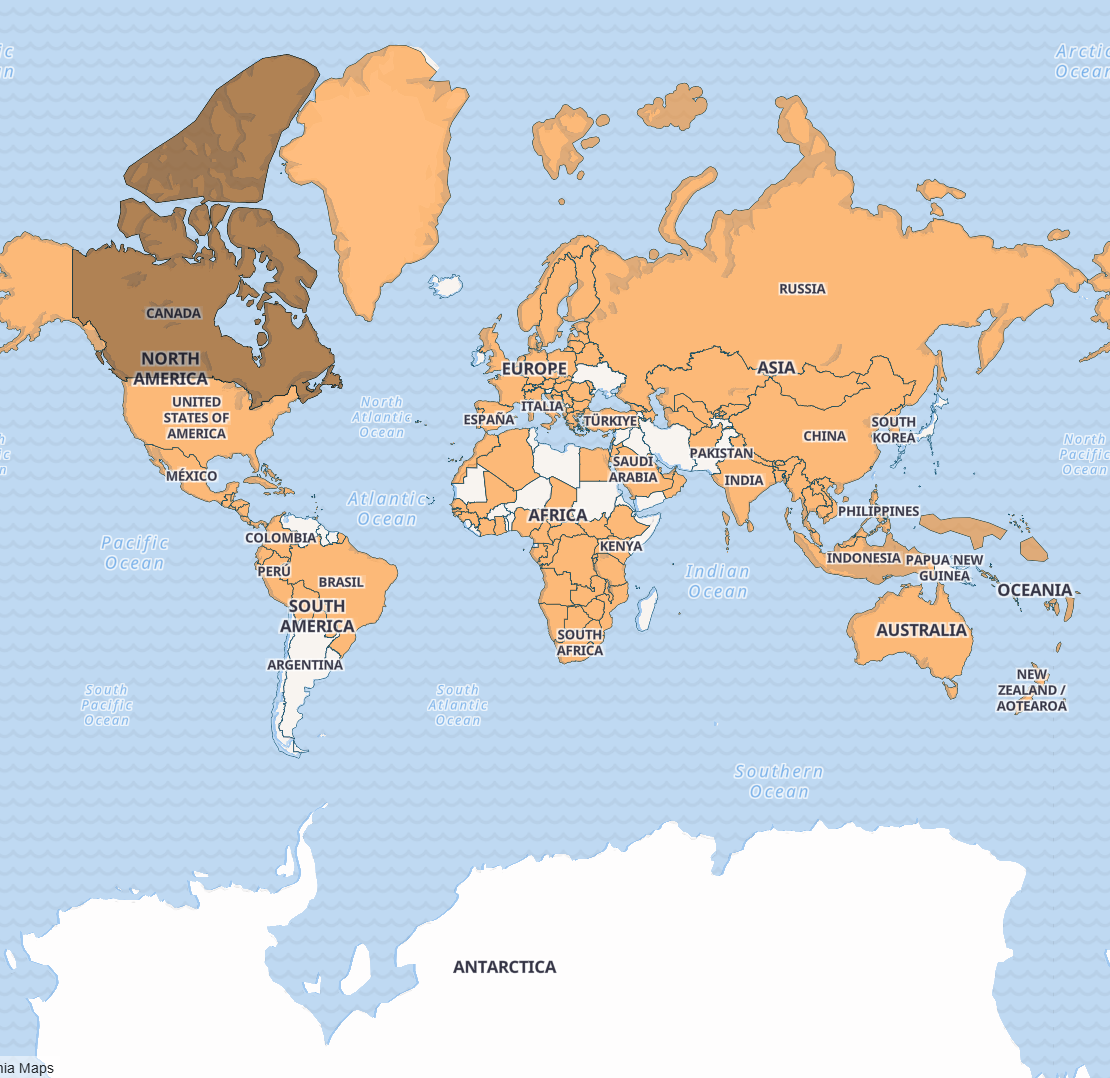
A passionate advocate for learning through travel, Kazi is also the founder of a public library in Khulna and has received several national and international awards for her work. Her journey to Malawi, her 160th country, is a testament to her determination and adventurous spirit.
We are delighted to have Kazi join us for this interview and to tell us more of her story.

Tell us about your early life in Bangladesh. When did you first realize that travel was something you wanted to pursue?
I first travelled abroad alone in 2007 while I was at university, when I went to Thailand. Later, in 2009, I was in Nepal and saw the Himalayas from a helicopter. That moment made me realize I wanted to see more of the world and understand how women live in different societies. Growing up in Bangladesh, I often questioned the expectations placed on young women and wondered whether those expectations were universal or simply cultural. That curiosity eventually became the beginning of my journey into travel.
How did you get started with travelling, and what challenges did you face as a Bangladeshi woman travelling independently?
My father did not initially support my decision to travel, so I sold jewellery that had been gifted to me by my family. I used around US$5,000—keeping US$4,000 as proof for visa purposes and the rest to begin my travels. I faced three major challenges: social expectations, financial limitations, and visa restrictions. Each of these challenges taught me responsibility, patience, and resilience.
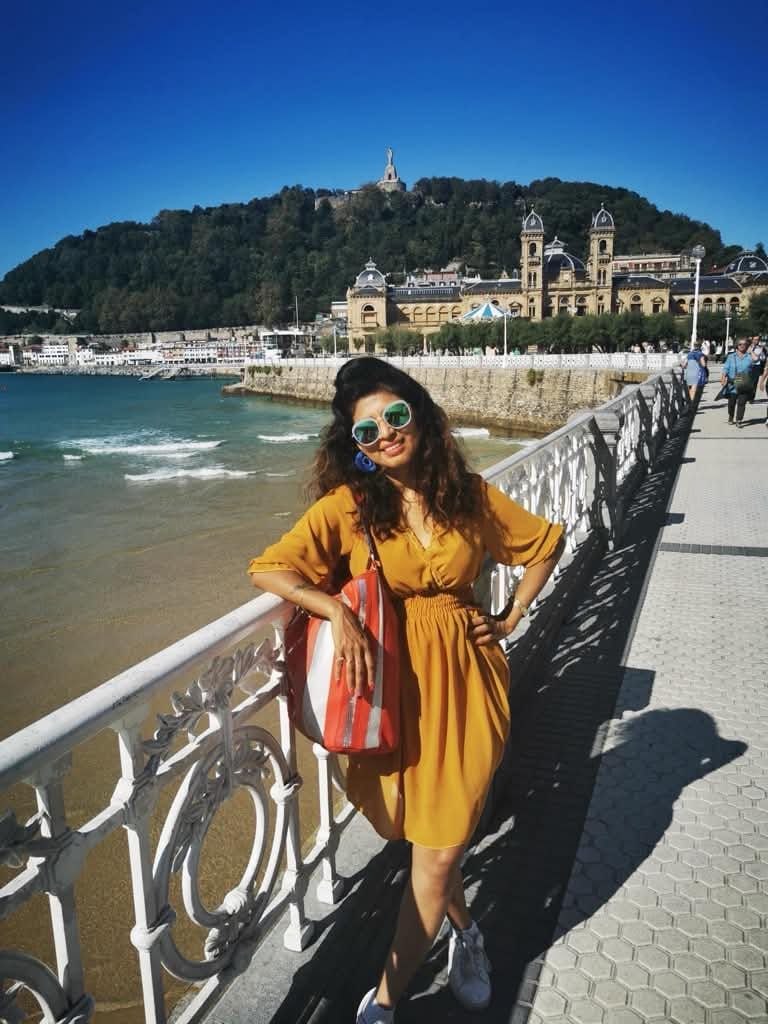
You describe yourself as the “Green Passport Girl.” What does travelling with a Bangladeshi passport mean to you?
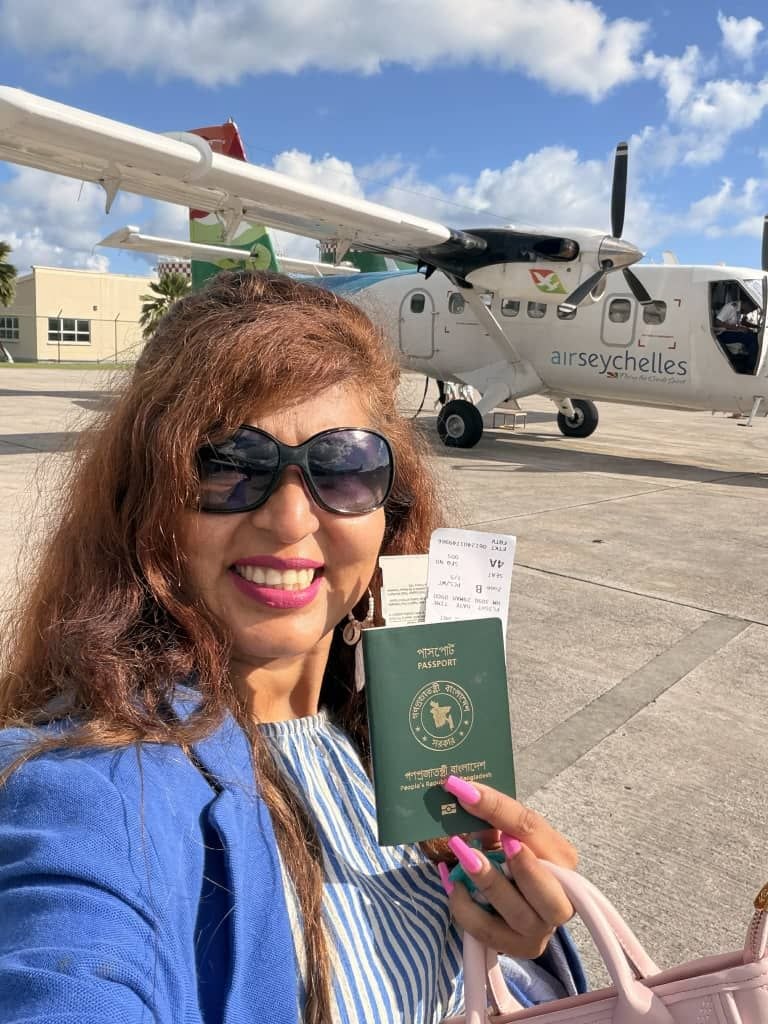
I travel the world proudly holding my Bangladeshi green passport. It has become a symbol of my identity, courage, and journey. I even had the privilege of being photographed with former UN Secretary-General Ban Ki-moon while holding my passport. I call myself the “Green Passport Girl” because I want to inspire people who travel with less powerful passports. My passport may be green, but my dreams have no borders. If I can do it, I believe others can too.
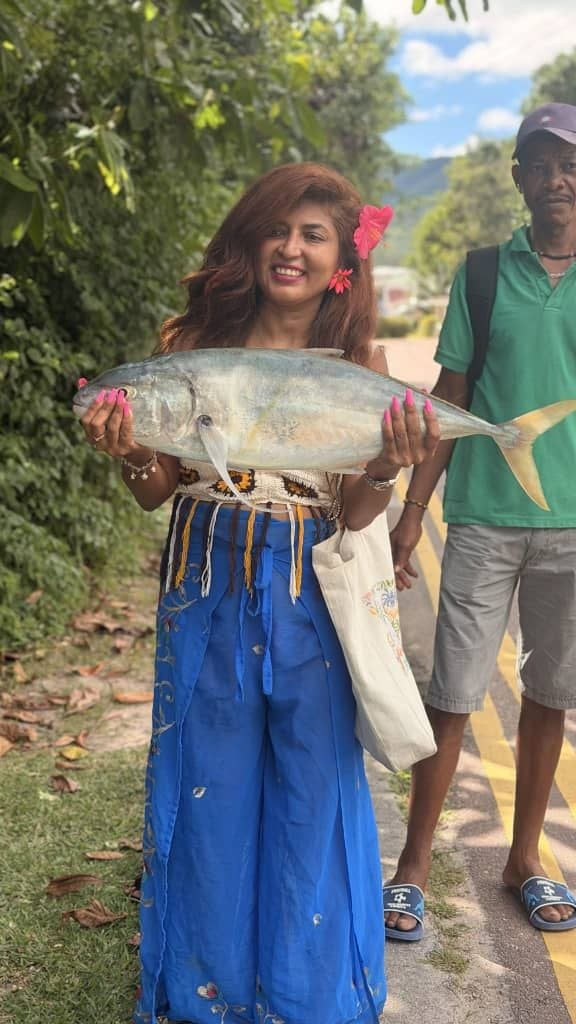
When you visit an unfamiliar place, what do you look for?
I don’t just visit places I try to experience them fully. I meet local people, try their food, and use public transport whenever possible, including buses and metros sharing taxi, by motorcycle one City to another towns.also enjoy spending time in tea shops or cafés and engaging in simple local activities. sleeping in hospital balcony with other passengers in Congo. eating rat in ivory coast.
Solo travel has made me more patient, independent, and compassionate. For me, the real destination is always the people and the stories I collect along the way.
What kept you going when the journey became difficult?
Getting visas can be incredibly difficult. I often have to prove that I have enough money to travel and return home. And even after getting a visa, there is no guarantee that immigration will allow me to enter.
In Vietnam, I was held in immigration detention for 23 hours because I didn’t have a return ticket. In Cyprus, I spent 27 hours in immigration detention, and just last month in Egypt, I was questioned for seven hours before I could prove that I was a genuine tourist.
These experiences are common for travellers from developing countries. If I wrote down every story, it would never end.
Some fellow travellers choose to change their passports, but I don’t believe that is the solution. We need a world where people are judged by their intentions, not by the passport they carry. I may be only one traveller, but I keep telling others: Don’t give up. Keep travelling, keep believing, and keep pushing for a world where every passport is treated with greater equality.
With more than 160 countries behind you, which journeys remain especially vivid?
Bolivia and Jordan remain especially vivid in my memory because of their beauty of pretra and solar the Uni culture, and atmosphere. However, more than the places themselves, it is often the people, conversations, and small moments that stay with me the most.
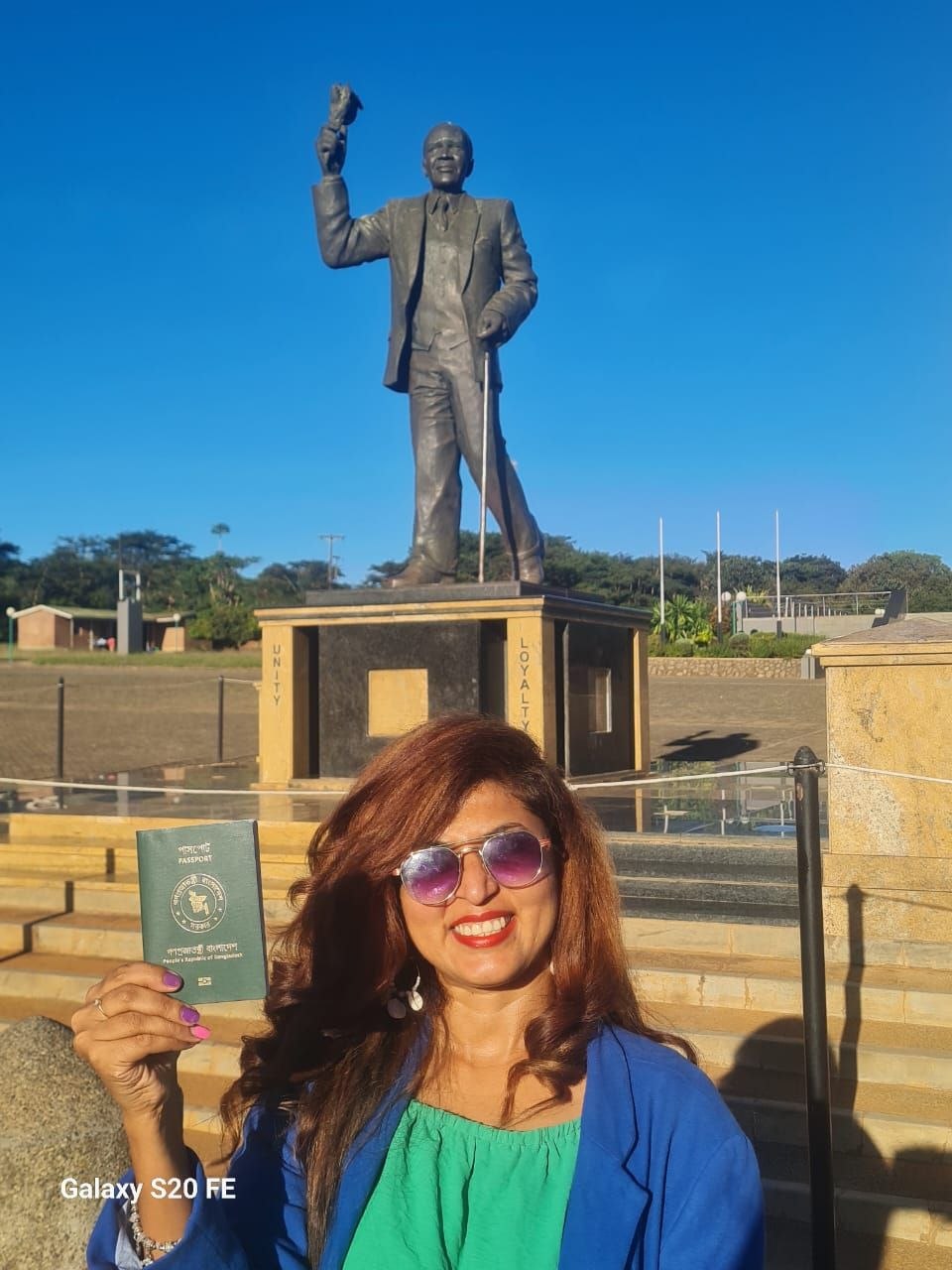
Which destination surprised you positively, and which surprised you differently from your expectations?
South Sudan surprised me very positively with its calm environment and the warmth and respect of its people. Indonesia, on the other hand, felt quite different from what I had originally expected. Travel constantly challenges and reshapes our assumptions.
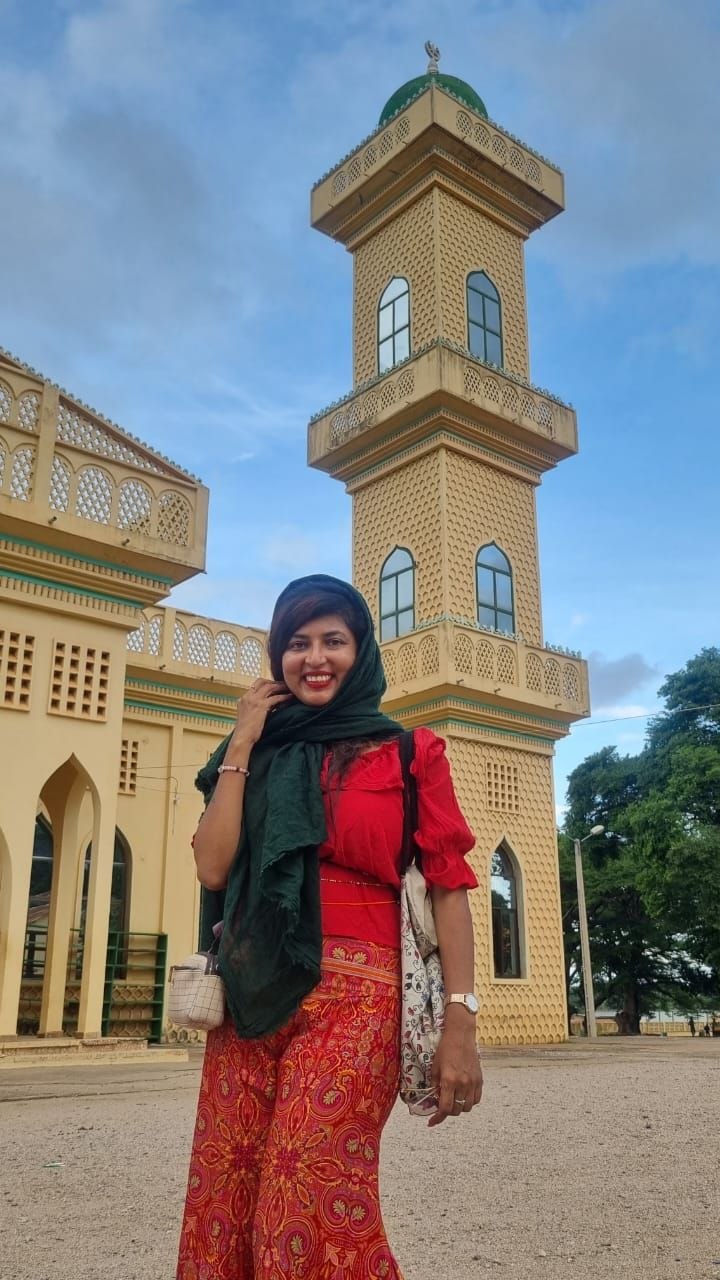
What has travelling taught you about the world?
Traveling has taught me how to accept people and situations, how to stay calm, be kind and generous, and most importantly, to respect everyone equally, no matter where they come from.
As someone who speaks openly about social taboos, what experience affected you most?
One experience that deeply affected me happened in Namibia. I asked a Himba child, “What is your dream?” She answered, “Having food.” I couldn’t control my tears. Sometimes I worry about not eating three meals because I might gain weight, while for that child, simply having enough food was a dream. That moment changed my perspective on happiness, gratitude, and what we truly need in life.
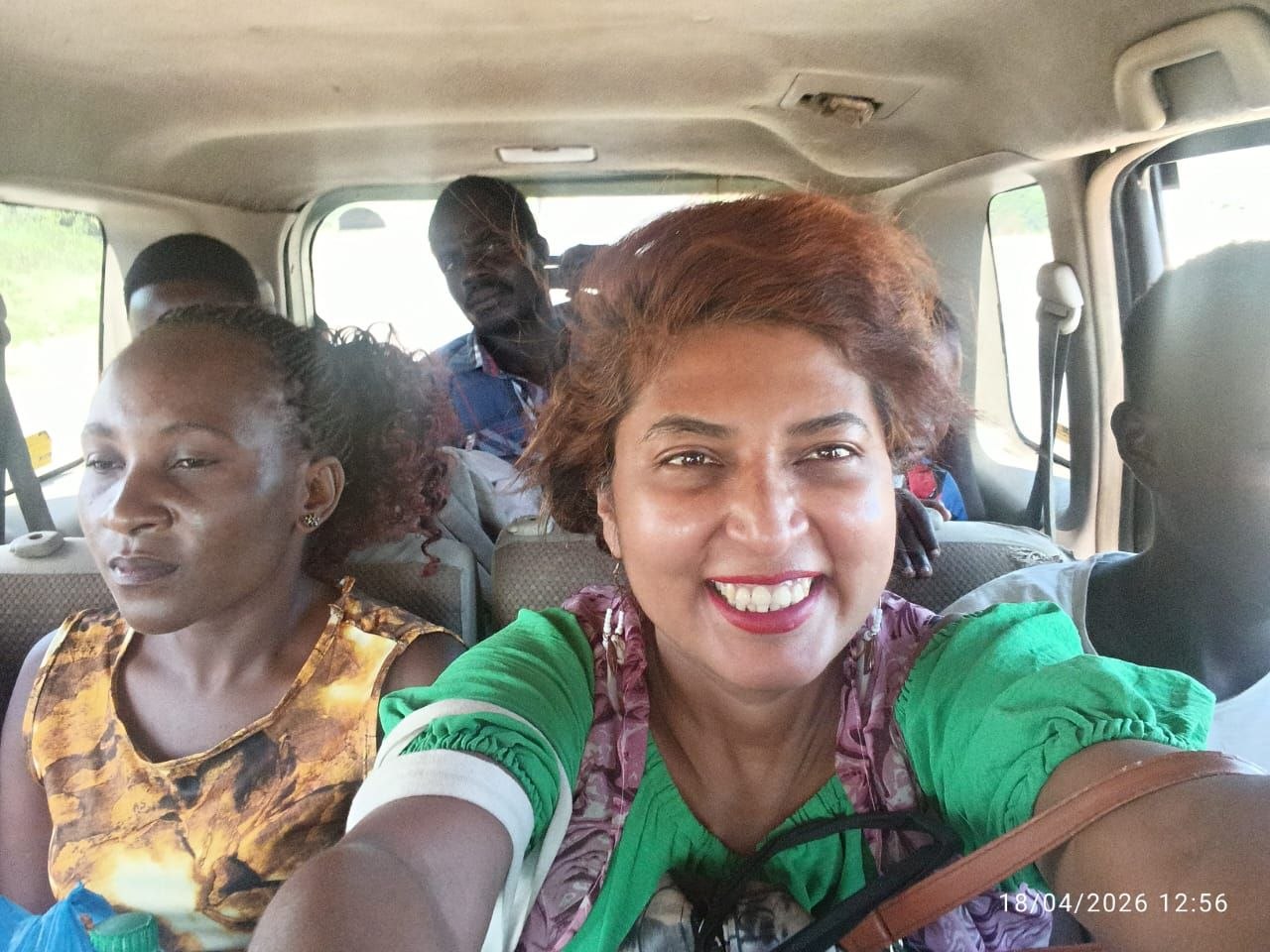
You have received national and international recognition. What do those awards mean to you?
I have been fortunate to receive several awards and recognitions, including the Changemaker Award, Queen Women Award, and Crazy Tales Women Travel Icon Award.
But awards are not the most important thing for me. My real purpose is to use my travel experiences to inspire people. I don’t want my story to end with a number of countries. I want people to learn from the journey.
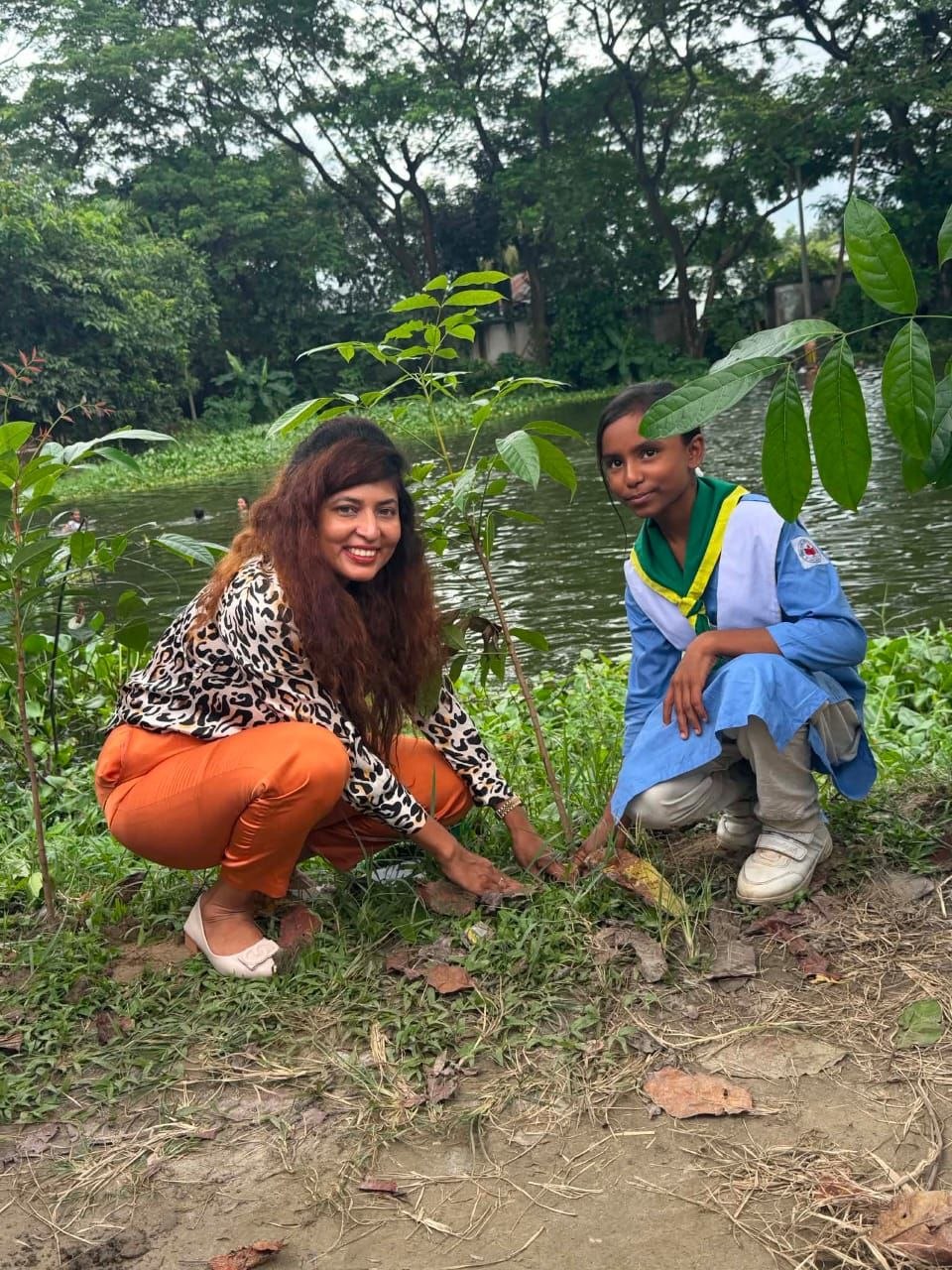
Tell us about your public speaking and your message to young people ?
“Public speaking is an important part of my passion. My message is simple: “Traveling is a fun way to learn.”
Through more than 1,000 speaking sessions, I’ve reached over 70,000 people, encouraging them to build confidence, become independent, chase their dreams, and believe in themselves.
I come from a small place where there wasn’t even an airport, but I never let that stop me from dreaming. If I can do it, you can do it too.
You founded a public library in Khulna. What inspired you?
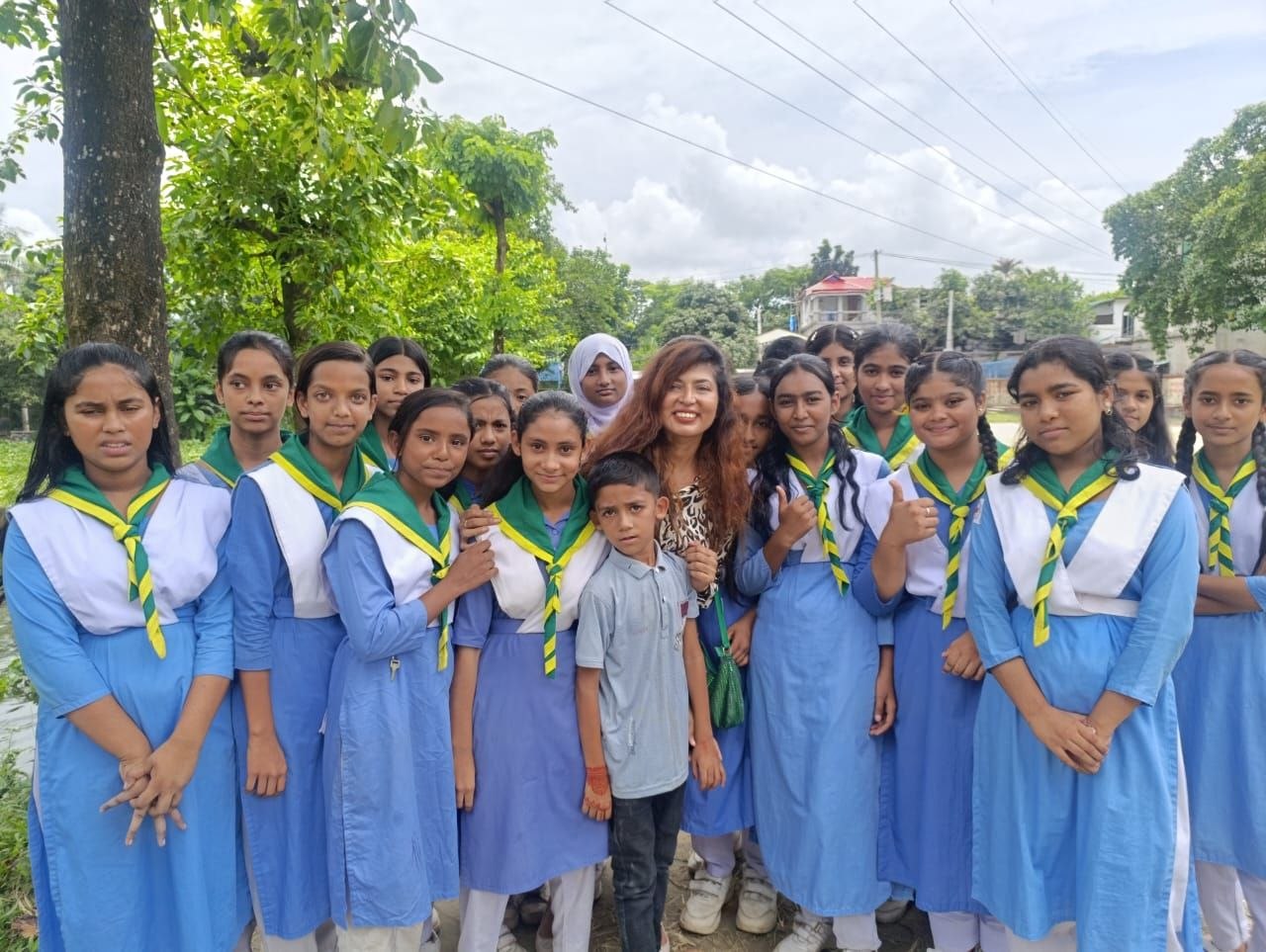
During the COVID-19 pandemic, I helped around 500 families with food for a week. But I wanted to create something with a longer-lasting impact. So, in 2021, I established a public library in Khulna. Today, it has around 2,000 books, along with opportunities for children to learn art, dance, and music. For me, it is more than a library. It is a place where young people can learn, become curious, and imagine a bigger future.
What do people misunderstand about travelling with a “weak” passport?
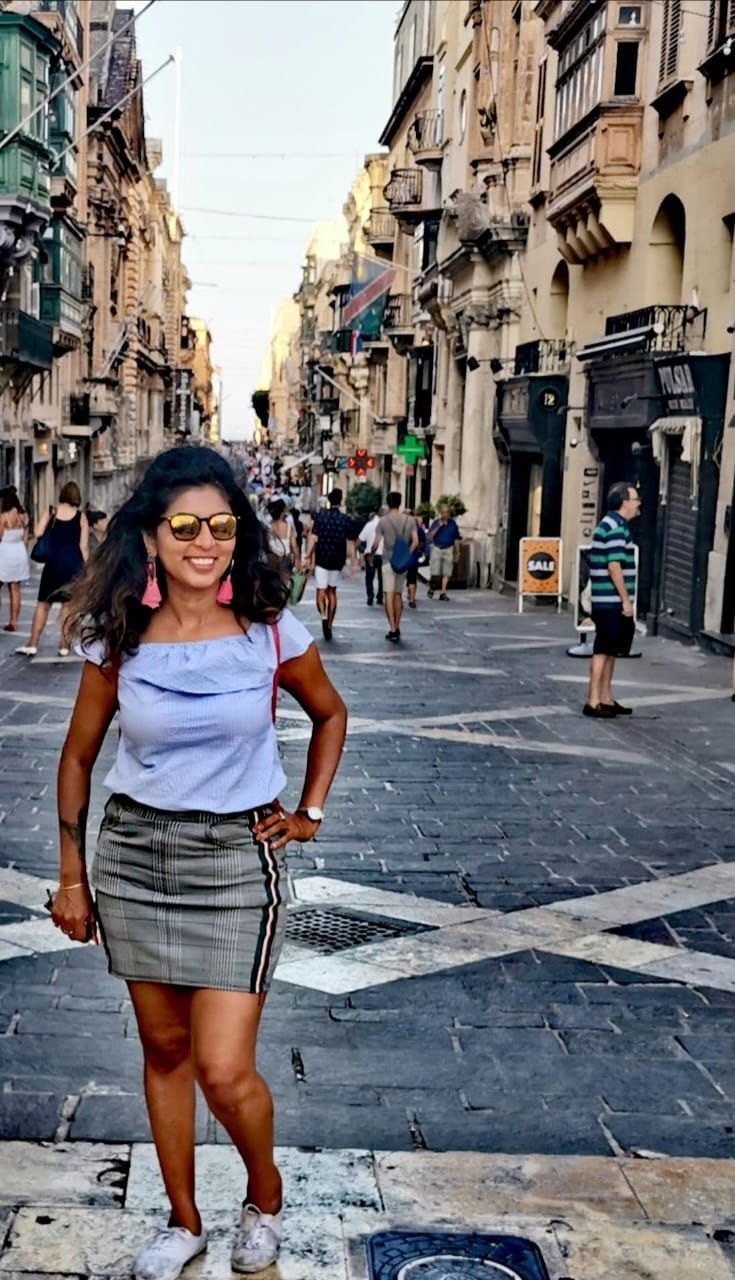
People with powerful passports often don’t realize how difficult international travel can be with a Bangladeshi passport. My passport has such limited travel access that even Chinese, Thai, and Indian passport holders often have more freedom than I do. Because of my passport, I’ve faced immigration detention in Vietnam for 23 hours and Cyprus for 27 hours.
Just last month in Egypt, I was questioned for seven hours and wasn’t even sure I would be allowed to enter. Even with a valid five-year Canadian visa, I had to provide a bond promising to leave on time. For me, travelling means more than buying a ticket, it means visas, interviews, and the risk of rejection.
Do you still have a travel dream that feels extremely difficult?
Yes. My dream is to travel to every corner of the world with my Bangladeshi passport. For me, that would represent more than my own journey. It would also represent millions of people who travel with less powerful passports. If someone looks at my journey and thinks, “If she can do it, maybe I can too,” that would mean more to me than simply adding more countries to my list.
What would you tell the person who first started travelling?
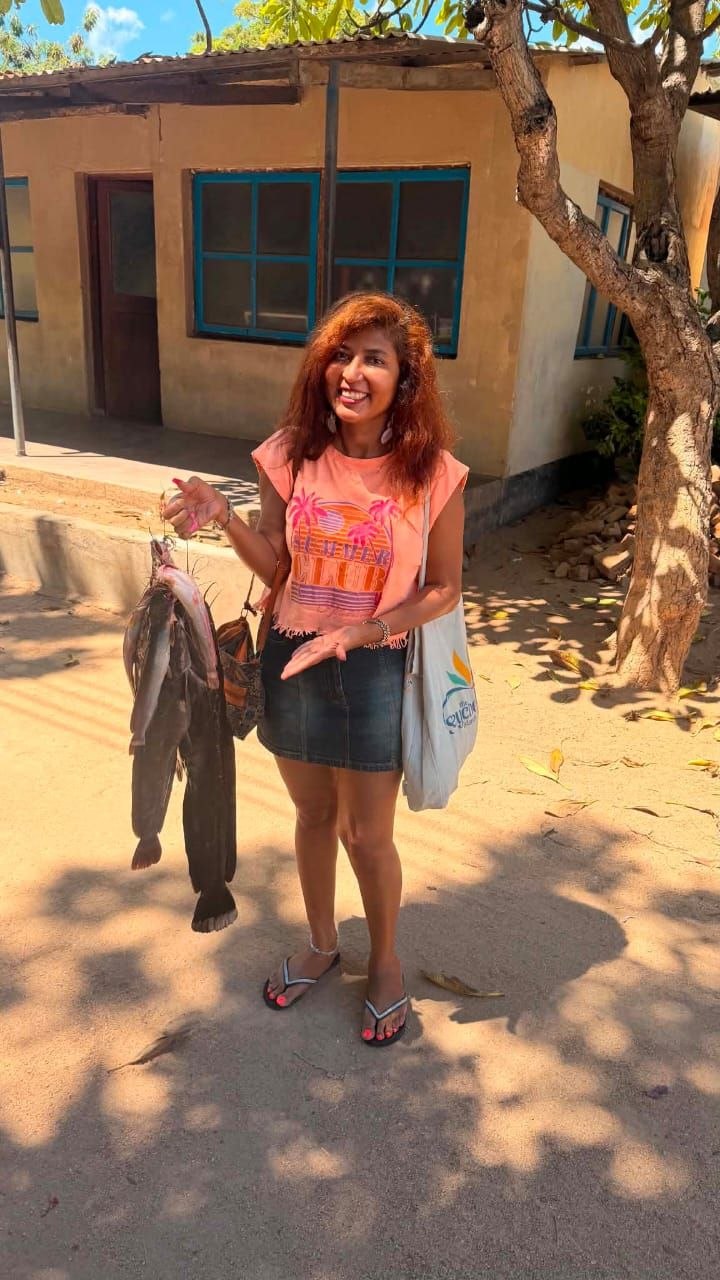
I would say: Start. Don’t wait until everything is perfect. You don’t have to begin with a difficult destination. Start somewhere relatively easy, like Thailand, and learn to adapt to a different culture and environment.
If you have the opportunity, try travelling solo. It teaches you to make decisions, solve problems, manage yourself, and discover who you really are. Sometimes, you don’t truly know yourself until you are alone in a completely new place.
If you could invite any four people from history to dinner, who would you choose?
I would invite four extraordinary people: Che Guevara, Mahatma Gandhi, Ibn Battuta, and Mother Teresa.
Che Guevara, because I’d love to hear how his motorcycle journey through South America changed the way he saw the world.
Mahatma Gandhi, to learn about simplicity, discipline, leadership, and how one person can inspire millions.
Ibn Battuta, because he travelled across much of the known world for decades. I’d love to ask him what kept his curiosity alive for so long.
And Mother Teresa, to understand her deep commitment to compassion and serving people in need.
I imagine it would be an unforgettable dinner—full of stories about travel, courage, leadership, humanity, and what it means to live a meaningful life.