Every traveler dreams of discovering a place untouched by crowds — a hidden world where time slows down and life feels raw, authentic, and beautifully simple. For Nick Zoa, that place was Kosrae, a tiny island in Micronesia he never planned to call home. When the pandemic closed the world’s borders in 2020, what seemed like an accidental stopover transformed into five years of connection, discovery, and belonging.
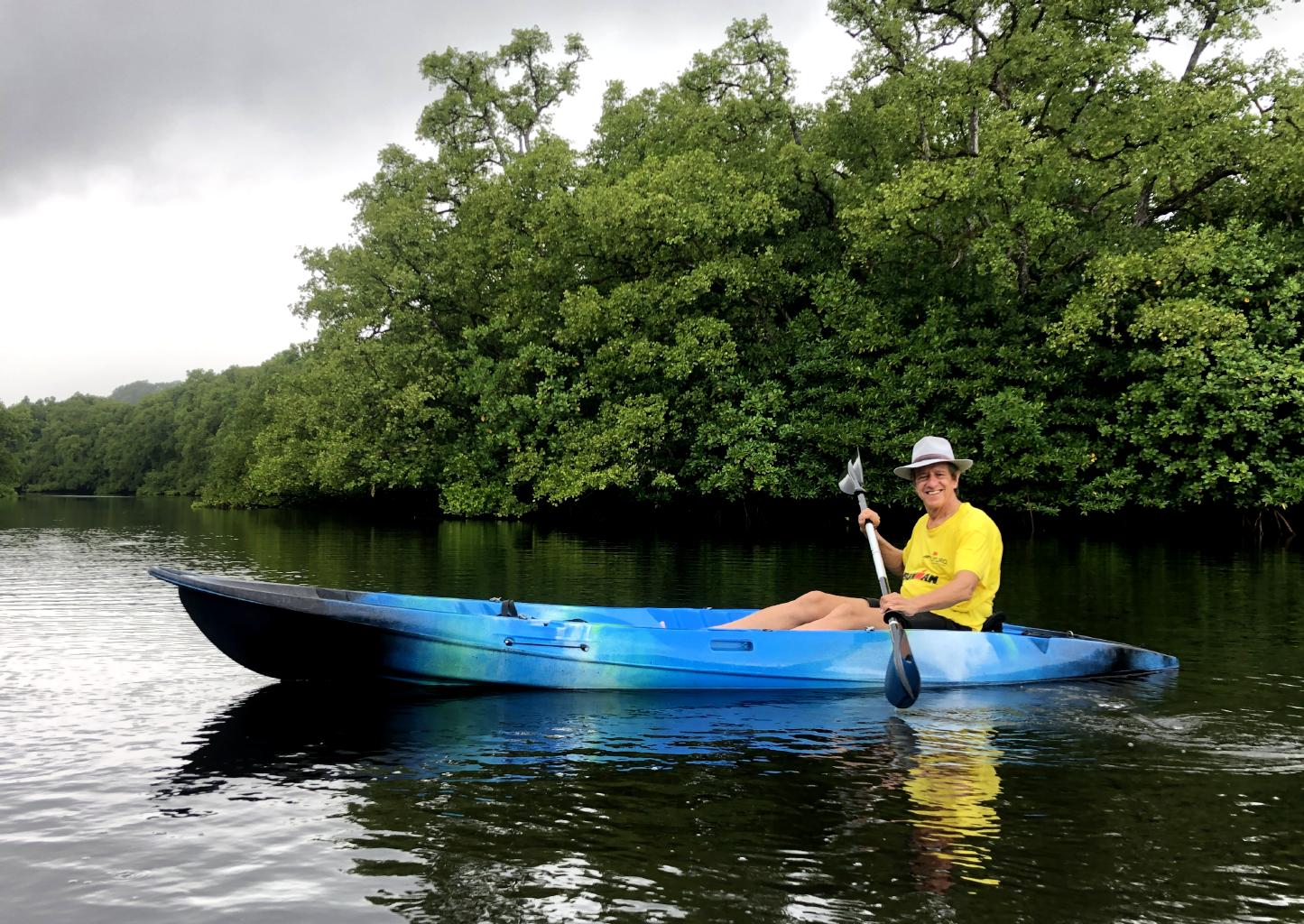
From reef-filled lagoons and lush rainforests to the warmth of a community with just fifteen last names, Nick found not only adventure but a sense of home at the edge of the Pacific. His story is proof that sometimes the best journeys aren’t the ones we plan — they’re the ones that choose us. Hear it with his own words..
“In early 2020, I was island-hopping across the Pacific, ticking off islands like Palau, Yap, Chuuk and Pohnpei which are served by infrequent commercial flights and monthly cargo ships. On March 6, 2020, I landed at Kosrae’s airport at the east end of the Federated States of Micronesia.
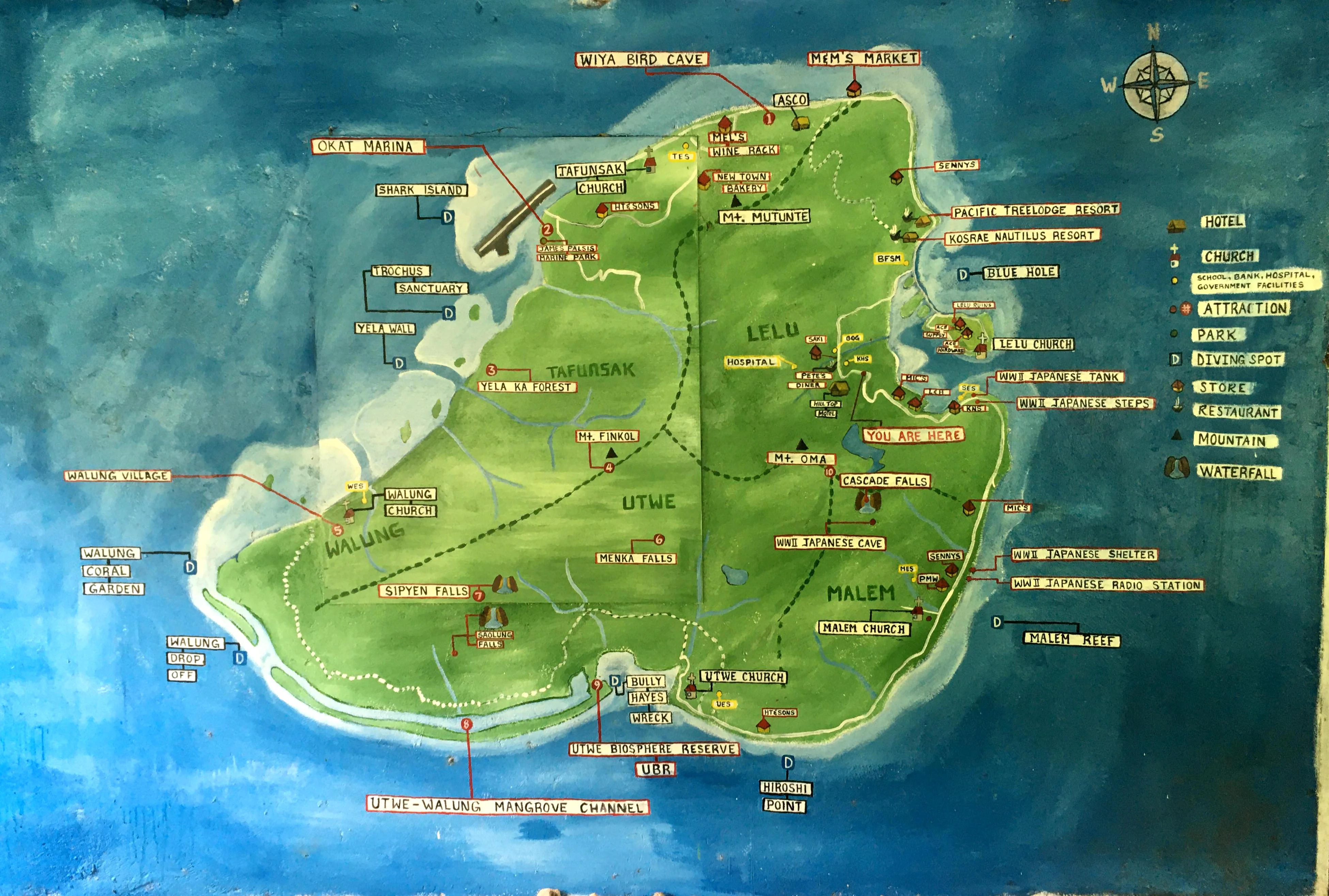
Two days later, the World Health Organization declared a global pandemic. All traffic in and out of the islands – by air or ship – was suspended. Since Micronesia is a former US territory, Americans can live and work here for as long as they want without a visa. This made Kosrae a very convenient place for me to be marooned.
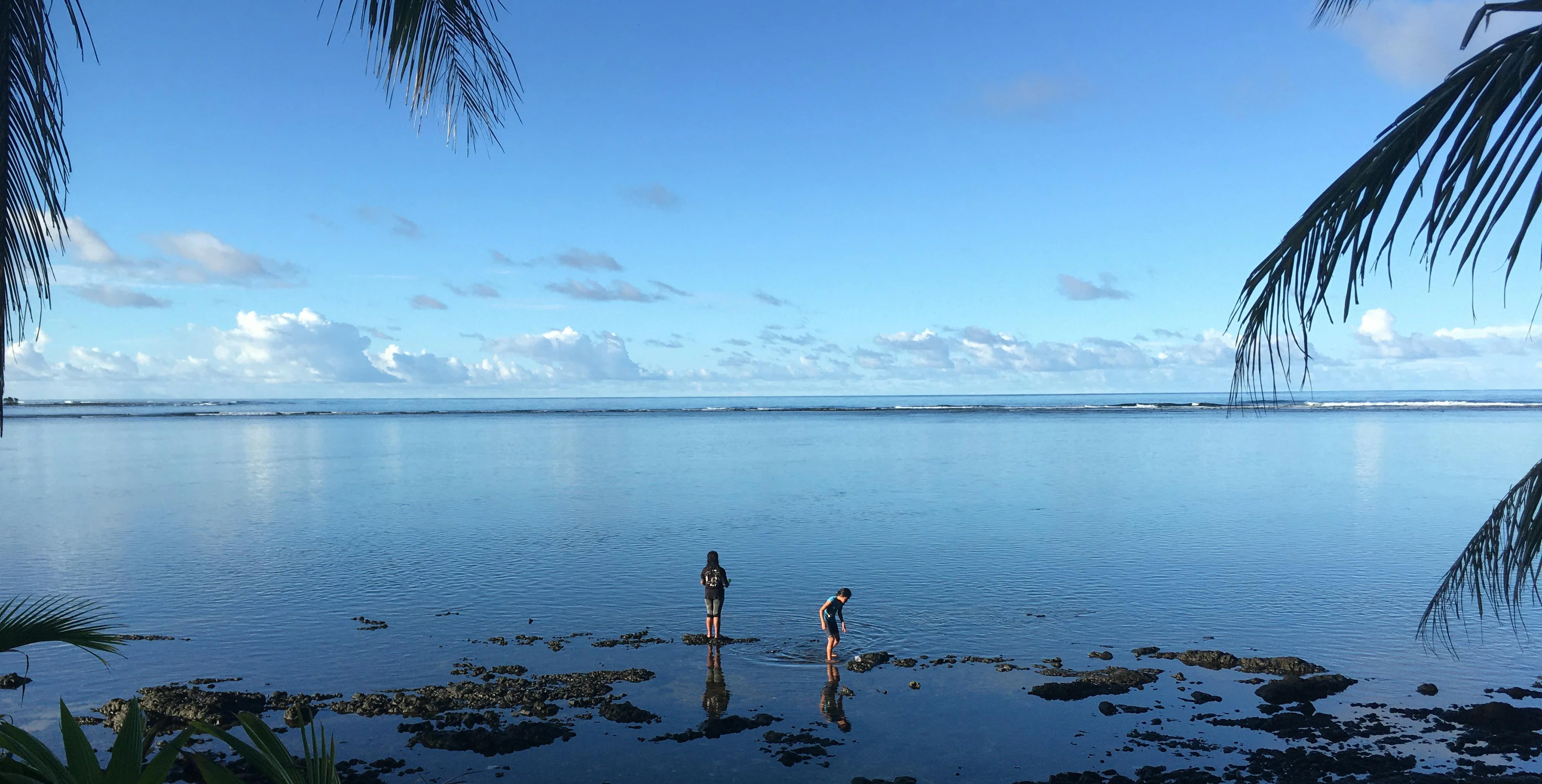
As it turned out, I was the last tourist to arrive in Kosrae for the next sixteen months! Kosrae is a sleepy, little island sixteen kilometers from end to end. In a good year, Kosrae welcomes about 1200 visitors. Consequently, few folks know that this place exists. When people ask me where I live, I say “Kosrae.” This usually elicits a puzzled response.
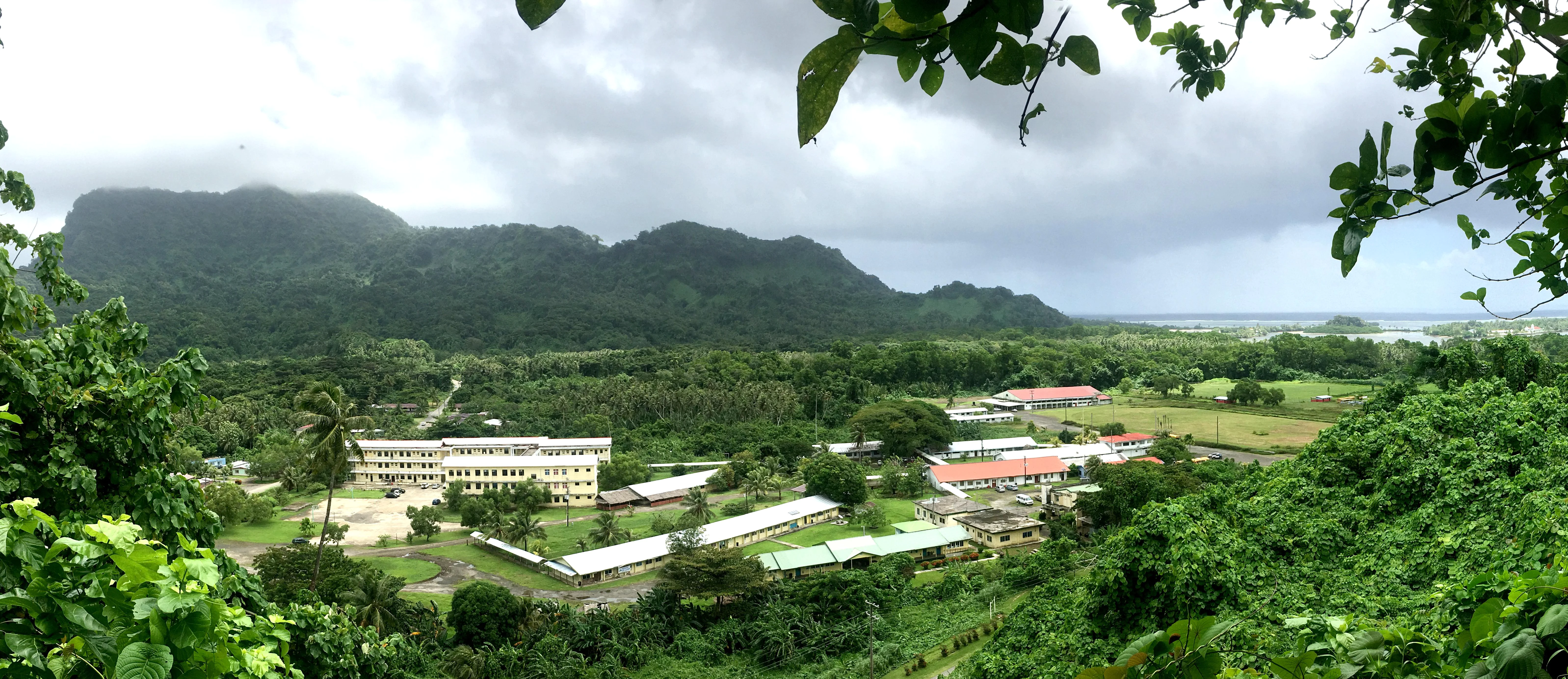
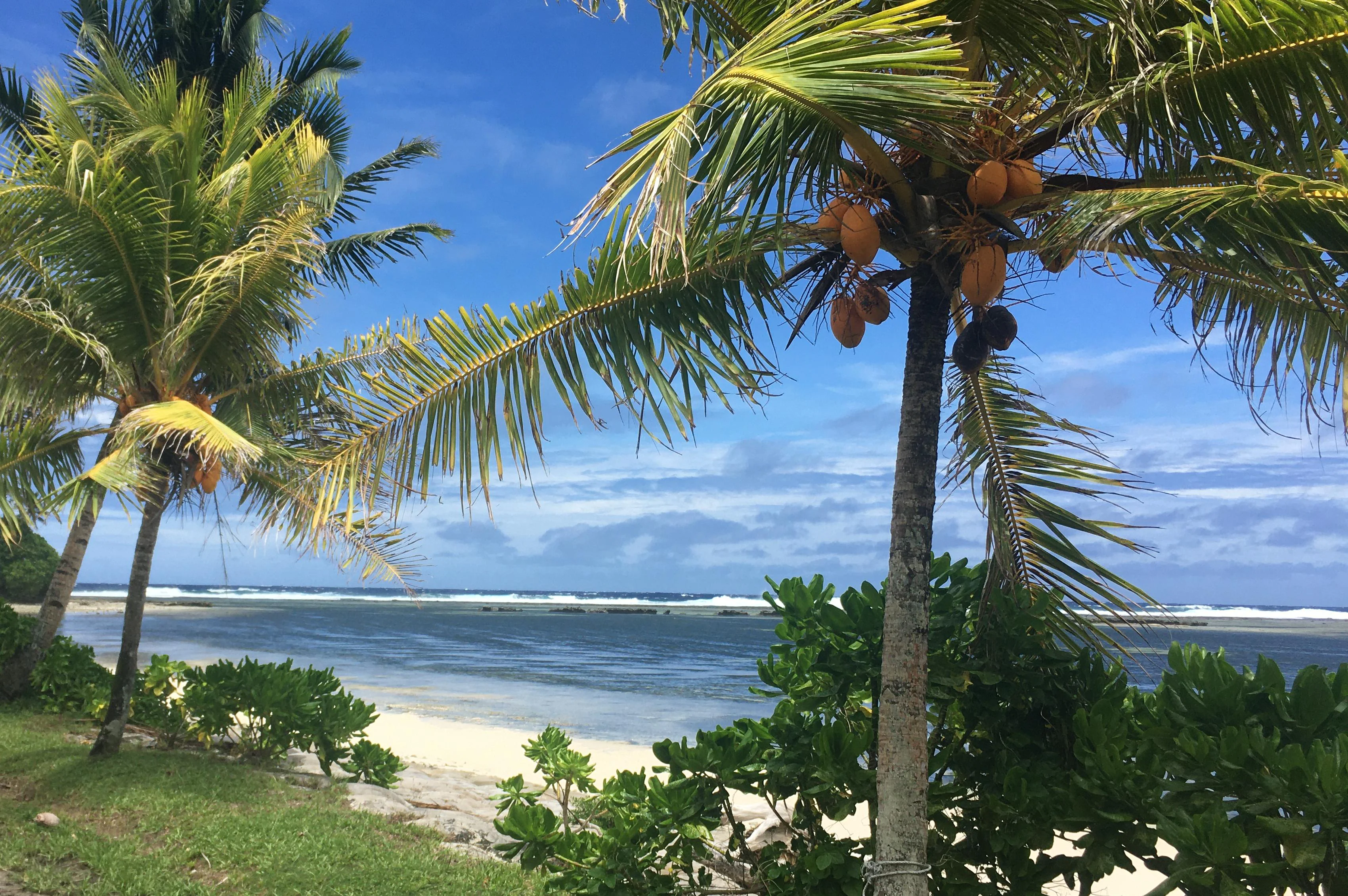
If I say “Kosrae is in Micronesia,” I’m often asked if Micronesia is a county. (Yes, it is.) When I explain that Kosrae is about halfway between Hawaii and Australia, that’s when I’m asked “Is there anything there?” That’s when I show them this photo:
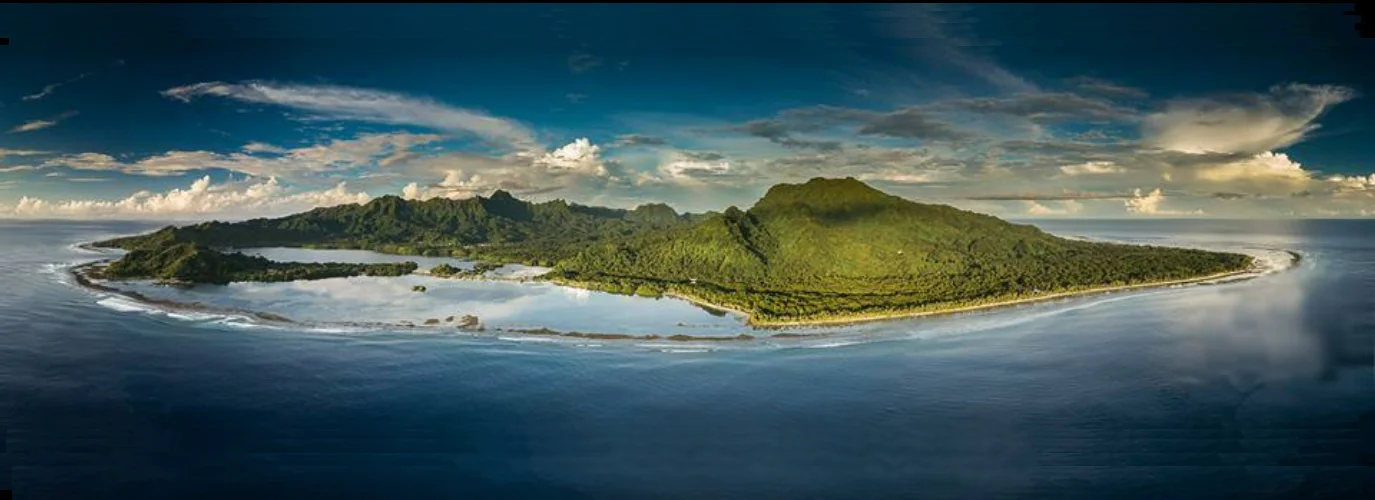
The island has a fringing reef with heavy surf, excellent scuba diving and a sparkling lagoon full of colorful fish, sea turtles and rays. The interior of the island is a tropical rain forest, dominated by Mount Finkol elevation 619 meters. Kosrae’s one paved road goes halfway around the island and it’s full of potholes. Kosrae’s 4000 residents are scattered along this road in five villages. There are fifteen last names. Kosrae’s nearest neighbor is Pohnpei, 550 kilometers west of here.
On the surface, there’s not a lot to do on Kosrae.
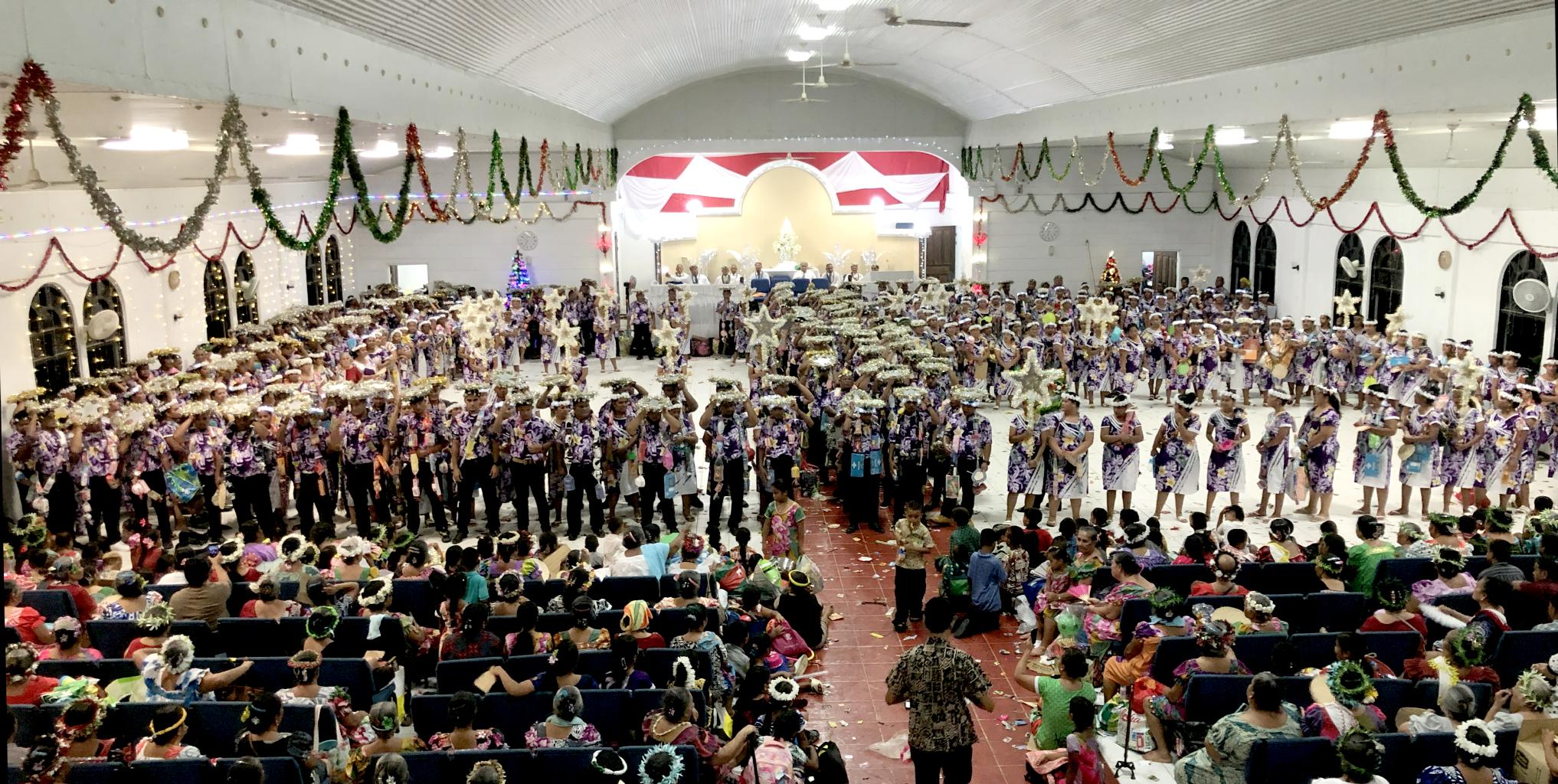
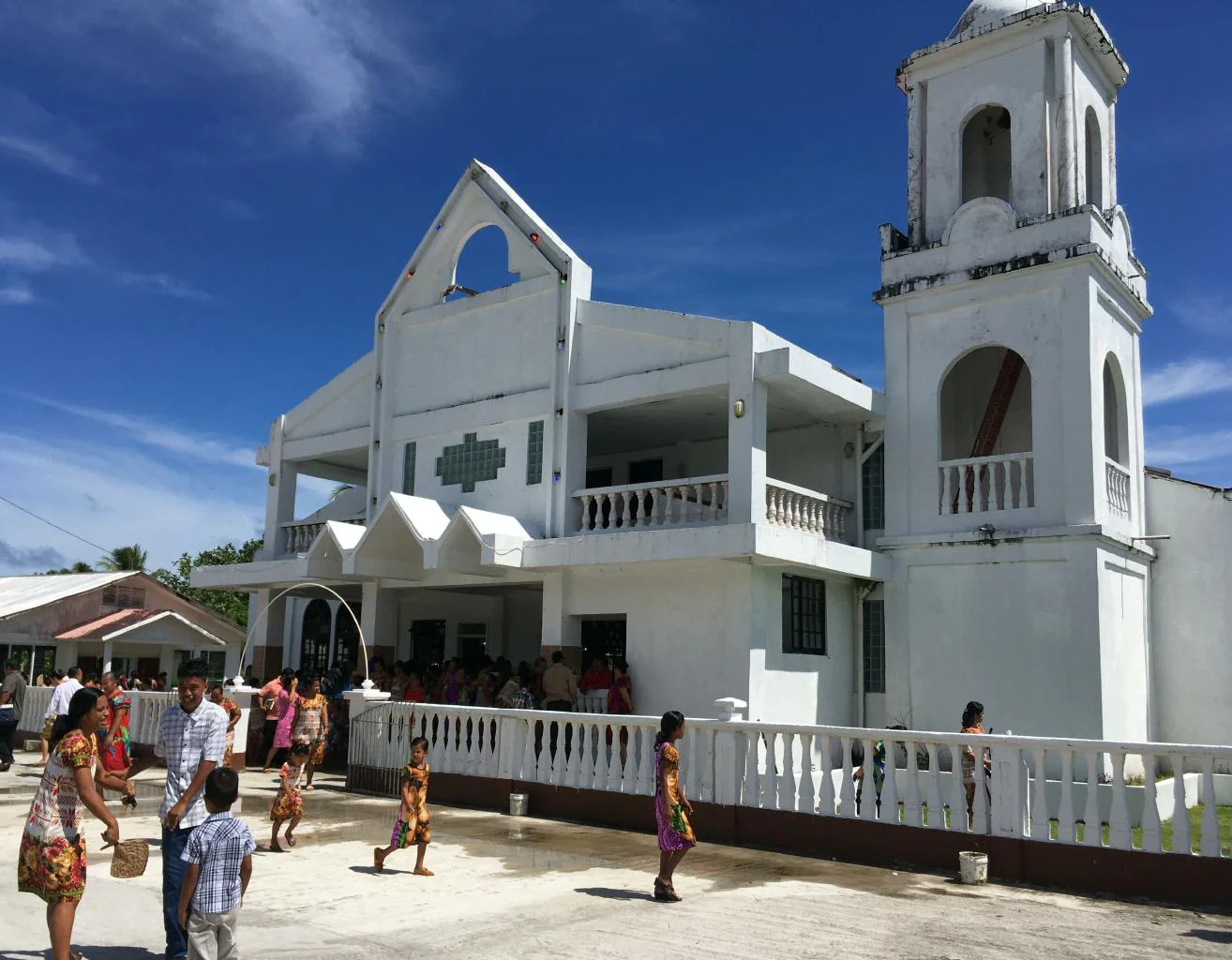
There are three small resorts, a couple of scuba shops, good surfing, a lush jungle full of birds, flowers, lizards and waterfalls, an unusual forest with rare Ka trees (Terminalia carolinensis), and the ruins of a palace built with massive basalt columns similar to the ones at Nan Madol in Pohnpei. The island’s social life revolves around church. Everyone goes to one of Kosrae’s twenty churches. Christmas is the biggest event of the year. It takes a week for every choir to perform, and the costuming is fantastic.
When I realized I’d be in Kosrae for a while, figured I’d better find something to do. So, I went to the local college. Dean Mike glanced over my resume … and asked if I could start at 1:00 pm. (I learned later that the school had just lost its science instructor.) “What will I teach?” I asked. “Whatever you like” replied the dean.
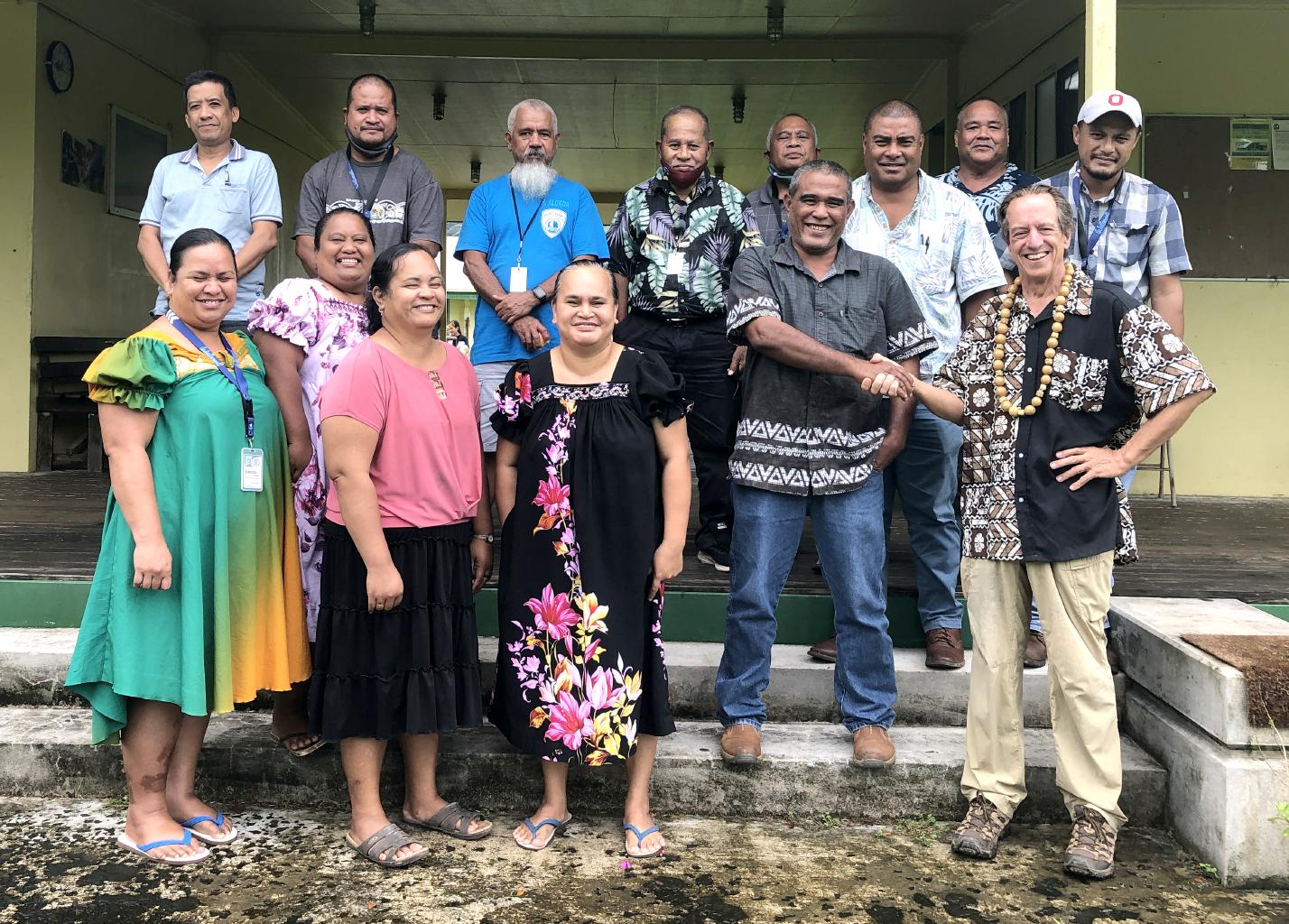
When classes ended that afternoon, Dean Mike gave me the key to a two-bedroom apartment on the beach with wide windows through which the trade winds blow day and night. Sixteen months went by. I met about half the people on the island and made many friends. I was often at their homes for family dinners. I learned to speak some of the local language. I didn’t need a car or a bicycle.
Whenever I wanted to go somewhere, I’d just stand on the side of the road. The first car or pickup that came along would stop and take me where I wanted to go. There is no crime on Kosrae, so I never locked my door. The longer I stayed, the more I adopted the relaxed pace of island life.
For sixteen months, I ate locally grown fruits and vegetables. The fish I ate for dinner was caught that morning. I spent every day outdoors in nature, hiking and swimming. Within a few months, I’d lost five kilograms and felt five years younger. Because of its total isolation, Kosrae never had a single case of Covid.
We didn’t wear masks. There was no need for social distancing. I taught classes face-to-face. With my slow and sporadic internet connection, I followed international news. The pandemic seemed like a problem happening on a distant planet. Life in Kosrae went on as it always had.

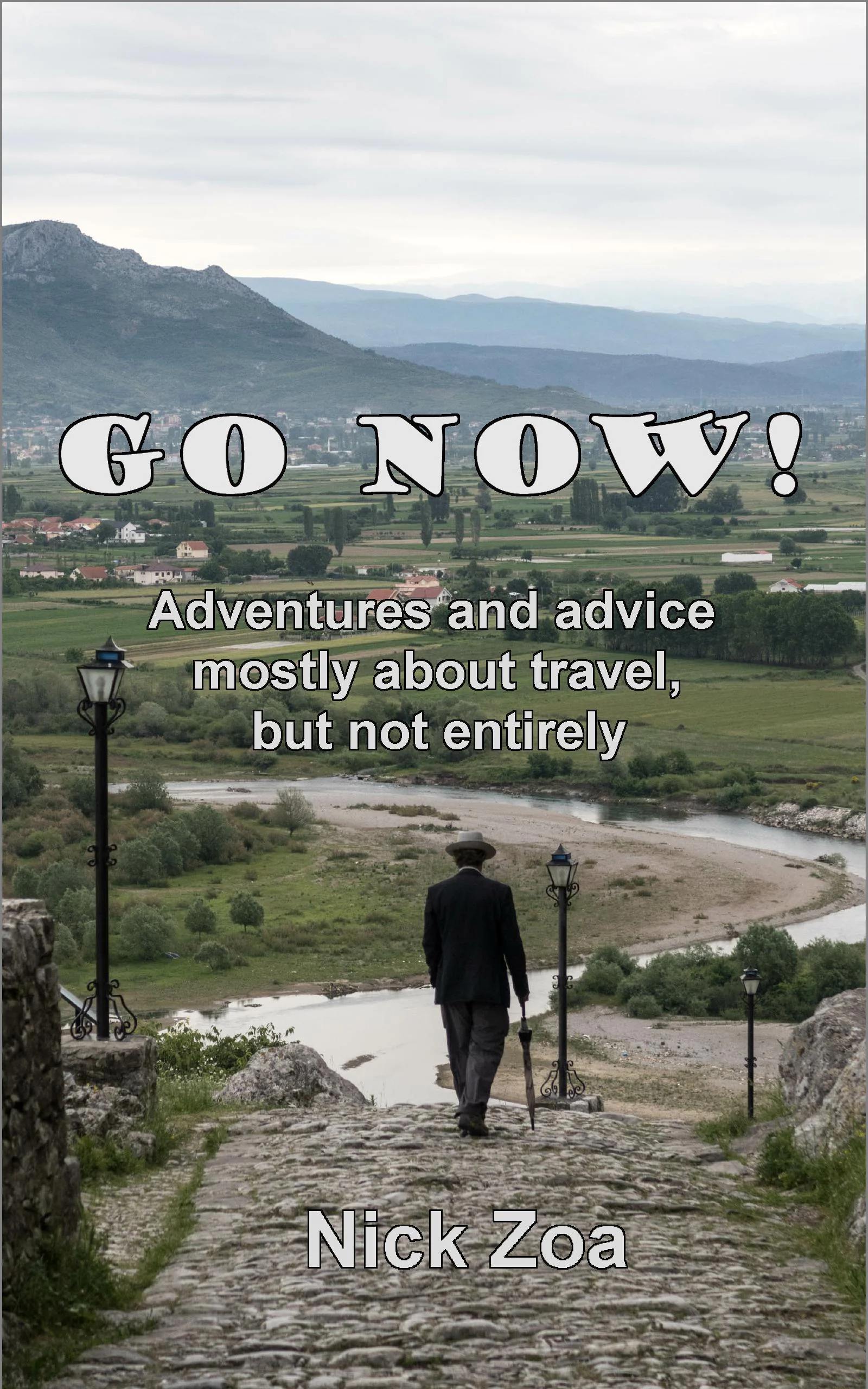
Teaching only part-time at the college, I had time to do something I’d been wanting to do for years: Write a book! It’s a travelogue about Kosrae, and the path that led me here. If I hadn’t been marooned on Kosrae, I would never have been able to write this book. From my apartment on the beach, I self- published my book to Amazon.com. It’s titled Go Now!
In February 2021, the US health department airdropped 10,000 dozes of the Moderna vaccine. About 80% of Kosrae’s population was vaccinated. In July 2021, United Airlines resumed weekly flights from Kosrae to Hawaii. That’s when I left Kosrae to go see my family – especially my adult children in San Francisco. Landing at LAX, I saw more people and cars than I’d seen in more than a year. I adjusted to the frenetic American pace.
I tasted delicacies I hadn’t had in months … like cheese, bread, and wine in corked bottles. The following winter, I rented a place in Maine so that I could remind myself what snow is. But I missed Kosrae, its peace and natural beauty, friendly people, fresh fruits and fish, snorkeling every day, falling asleep to the sound of surf, and waking up to the sound of roosters.
When I returned to Kosrae the next year, my apartment was still available as was my teaching position. Everyone remembered me. I was welcomed back like a lost son. In 2023, I was here for four months. In 2024, I stayed for six months. I’ll spend at least nine months in Kosrae in 2025. I think I know where this trend is going. People travel for lots of reasons. Perhaps I’ve been searching for someplace that I belong. Having visited 191 UN countries and 654 NomadMania regions, I think I’ve found the spot on this planet that I like best.