Travel is more than just getting from point A to point B. How someone travels, whether slowly on foot or on a pre-planned bus tour, changes not just the experience but how they see a place. Passionate travellers who chase unusual experiences tend to find that the style they adopt affects what they notice, the interactions they have, and the stories they come back with.
Some people are drawn to nature, while others plan around comfort, culture, or even food. Certain trips are structured, others are more free-form. These different approaches aren’t about better or worse. They’re about matching the way a traveller engages with the world. If you’re exploring extensively and want to see the uncommon side of a destination, it helps to understand these travel styles.
Here are five styles that consistently shape the way people experience the world.

Immersive Safari and Nature Journey: Rwanda
Rwanda has a reputation for more than its past; its landscapes and wildlife are a huge draw for travellers who lean toward immersive nature experiences. For someone focused on wildlife, a trip here goes beyond ticking off species. Rwanda safari holidays for wildlife travelers are particularly popular, with gorilla trekking in Volcanoes National Park and chimpanzee spotting in Nyungwe Forest forming the heart of the experience.

These trips tend to be slower, moving with the rhythms of nature. Visitors spend hours on trails, often starting before dawn to catch wildlife at its most active. Rwanda’s hills and lakes offer scenic breaks between treks, and staying in locally run lodges can deepen the sense of connection to place.
Practicalities matter here too: access to the parks requires planning, permits, and often guides who can read animal behaviour and terrain. But for those willing to invest the time, the payoff is direct encounters with animals, quiet mornings in misty forests, and an understanding of Rwanda that no city tour could provide.
Food-Led Cultural Touring: Italy
Italy lends itself to travel defined by taste and discovery. From Emilia-Romagna’s Parmesan and prosciutto to Naples’ wood-fired pizza, food often becomes a guide through regions, shaping what travellers see and where they stop. Markets, trattorias, and street stalls become central to the route, not just sideshows.
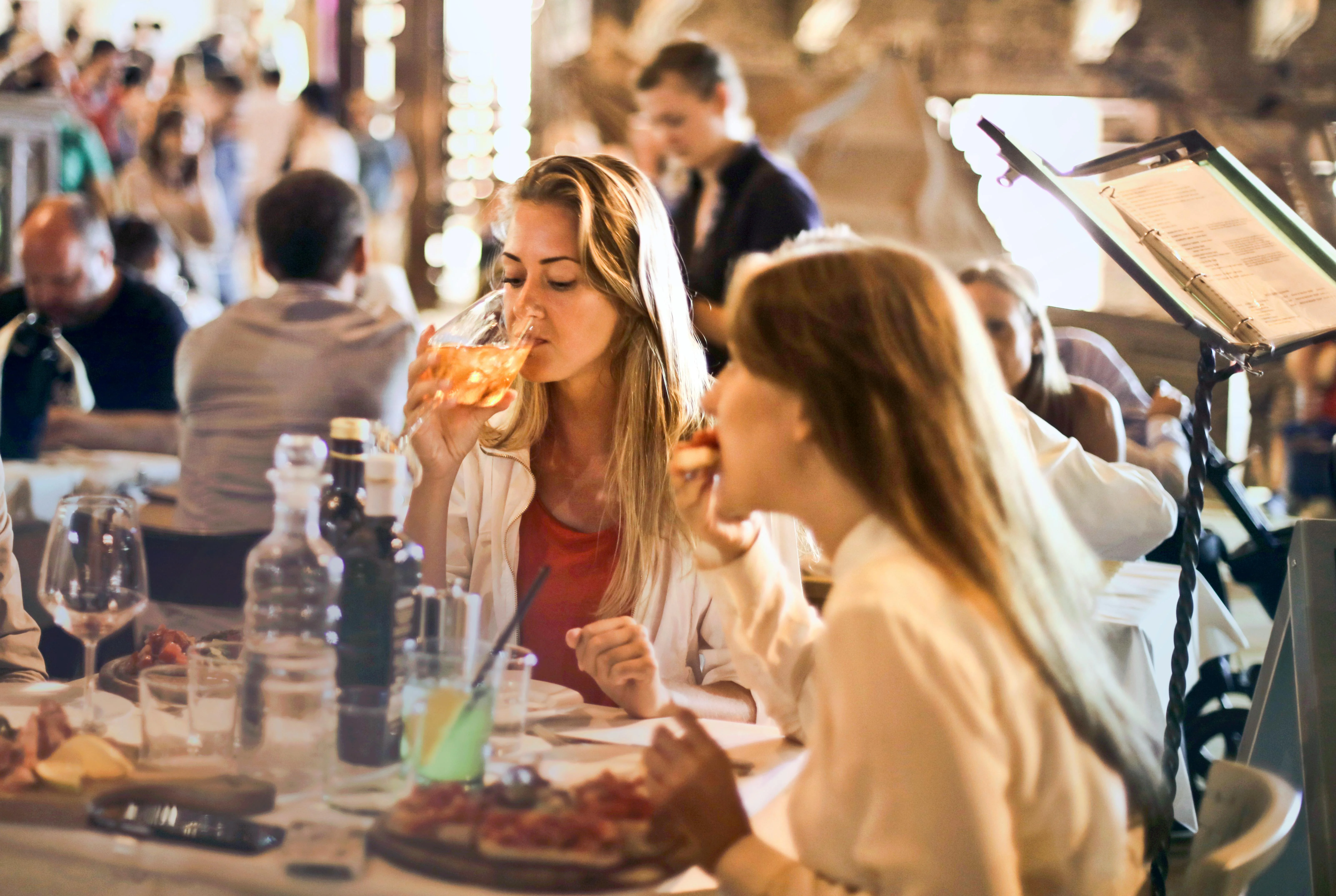
In cities like Bologna or Florence, travellers might follow a single ingredient across workshops and small producers, learning how food ties into history and local culture. Meals are often long and social, which means sightseeing is interspersed with tasting and chatting with locals rather than ticking off monuments.
This style also shifts the pace: early morning trips to fish markets or olive groves, afternoons in cooking classes, evenings sitting at piazzas. For those who want a grounded cultural experience, letting food guide your journey opens doors that guidebooks alone rarely do.
Comfort and Convenience Group Holidays: United States
Some travellers prefer structured trips that make moving with a group easier. In the U.S., that can mean booking tours with clear itineraries or renting a villa that takes care of logistics. If you’re travelling with a group, cozy Orlando vacation rentals to consider near the theme parks provide a convenient base where everyone can rest between activities.
Group-focused travel often balances flexibility with planning. In cities like New York or Chicago, guided tours can cover museums, historic districts, or architecture without leaving anyone behind. In Florida, having an organised itinerary keeps things running smoothly while still allowing time to explore.
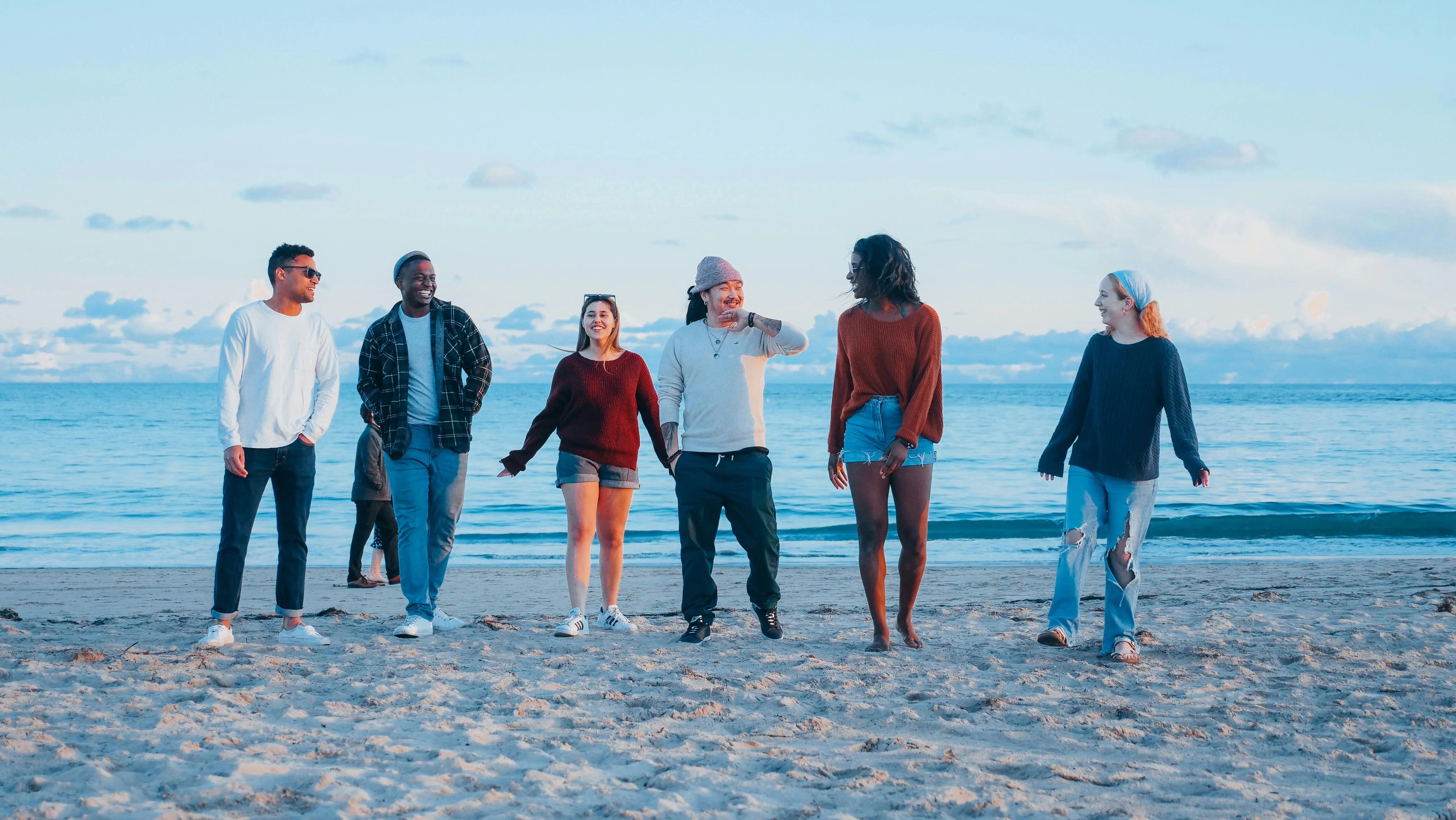
This style doesn’t remove the local experience. It just frames it around convenience. Meals, transport, and accommodation are handled, so travellers can focus on what truly matters: the sights, the activities, and shared experiences.
Orderly Cities and Cultural Insight: Japan
Japan rewards travellers who look for patterns, history, and cultural depth. Whether exploring Kyoto’s temples, wandering Osaka’s food streets, or following local train lines, the experience tends to be structured around understanding the society, not just seeing landmarks.
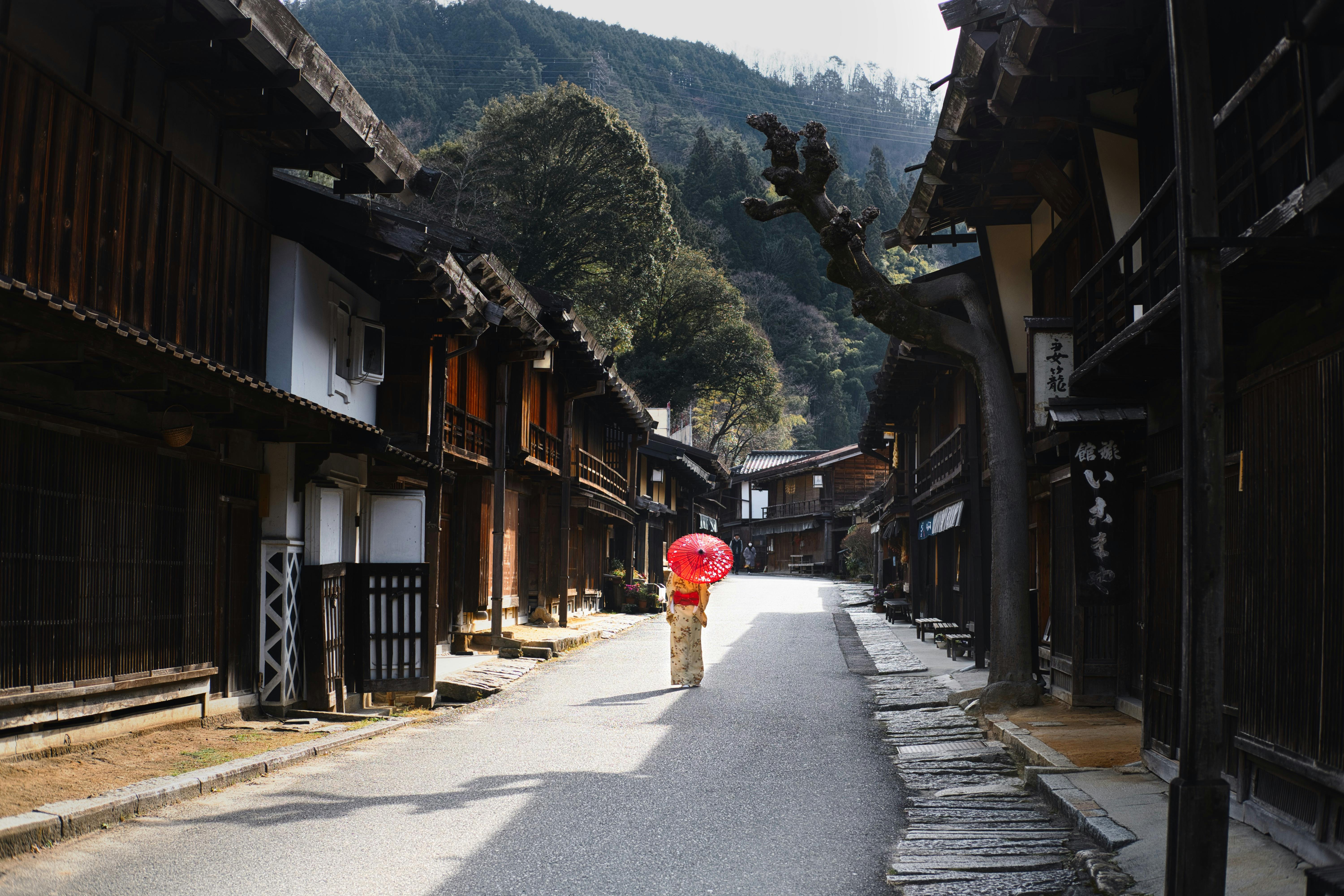
City layouts, punctual trains, and precise etiquette all shape this travel style. Travellers often move deliberately, visiting markets, shrines, or smaller neighbourhood museums that reveal daily life. Guides or local hosts can illuminate nuances that aren’t immediately obvious, such as seasonal rituals, architectural details, or regional cuisine specialities.
Pacing here matters. A morning spent watching craftsmen in a workshop or attending a tea ceremony can replace multiple rushed stops at tourist sites. The approach blends observation with participation, leaving travellers with insight into the routines, values, and layers that give Japanese cities their character.
Beach-First Island Living: Honduras
Honduras’ Bay Islands, particularly Roatan, attract those who prioritise relaxed coastal time. Travel here often revolves around beaches, diving, and slow days in the sun. If you happen to travel with a group, relaxing Roatan luxury resorts are a great option, offering spacious accommodations and facilities that let everyone unwind while still staying connected to island life.
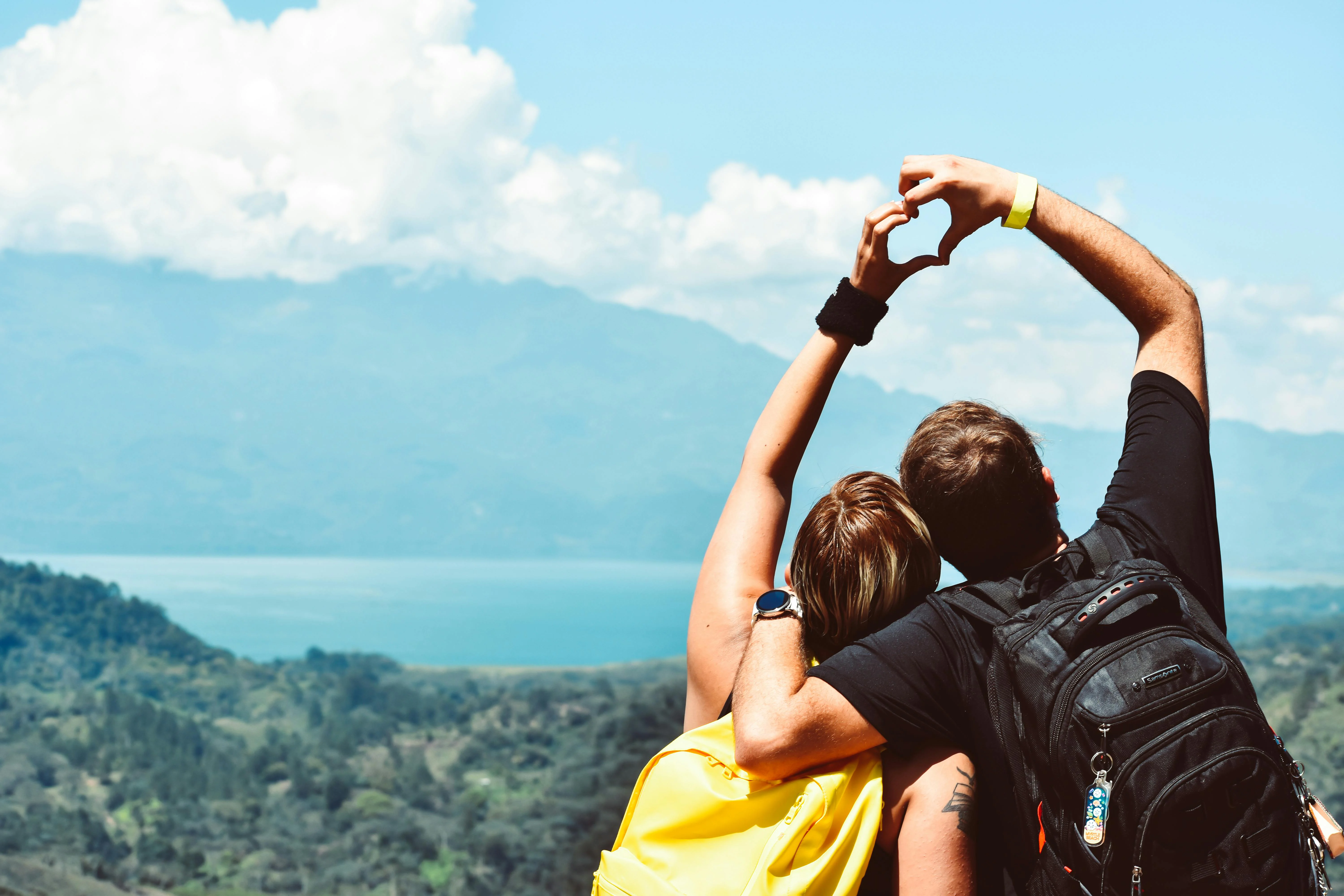
Unlike short city stays, this style focuses on immersion in one environment. Days can start with early dives, shift to beach lunches, and end with long walks along quiet shores. Local seafood markets and small cafés offer daily interactions with residents, grounding the experience in local culture despite the focus on leisure.
Travel here isn’t about constant movement; it’s about settling into a place. Snorkelling, boat trips, or exploring small villages fill the days, but the pace allows people to notice what changes from hour to hour. Spending time by the coast and with the local community gives a real feel for the island.
Will choosing your travel style shape the stories you bring home?
Choosing how to travel influences what you notice, what you learn, and even how you remember a place. Someone who follows wildlife in Rwanda will come home with a sense of the natural world that differs from someone who tracks the best pasta in Bologna or spends days along Roatan’s beaches. Group-focused trips in the US highlight efficiency and shared experiences, while structured city exploration in Japan reveals subtle cultural patterns that would otherwise be missed.
Every style comes with trade-offs: speed versus depth, comfort versus unpredictability, immersion versus convenience. Recognising the travel approach that suits you shapes not just the itinerary, but the stories, insights, and memories you bring back.