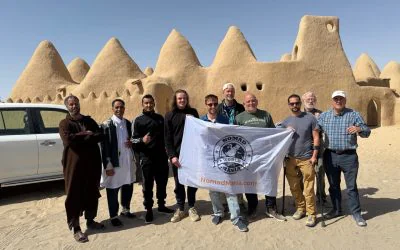
Here is an extraordinary journey through Syria a trip filled with unexpected twists, scary turns, lovely encounters, ironic moments, and deep emotion, all told in the vivid words of Harry Mitsidis.
After running four highly interesting trips to Syria in 2024, we thought we had the country covered. But the change of regime late last year, coupled with a renewed sense of hope for this fascinating but long-suffering place, made us want to go beyond the places we had already discovered. This became possible thanks to an unlikely, yet ultimately very rewarding alliance with occasionally controversial traveller Ilir Morina who has this year become an expert in Syria.
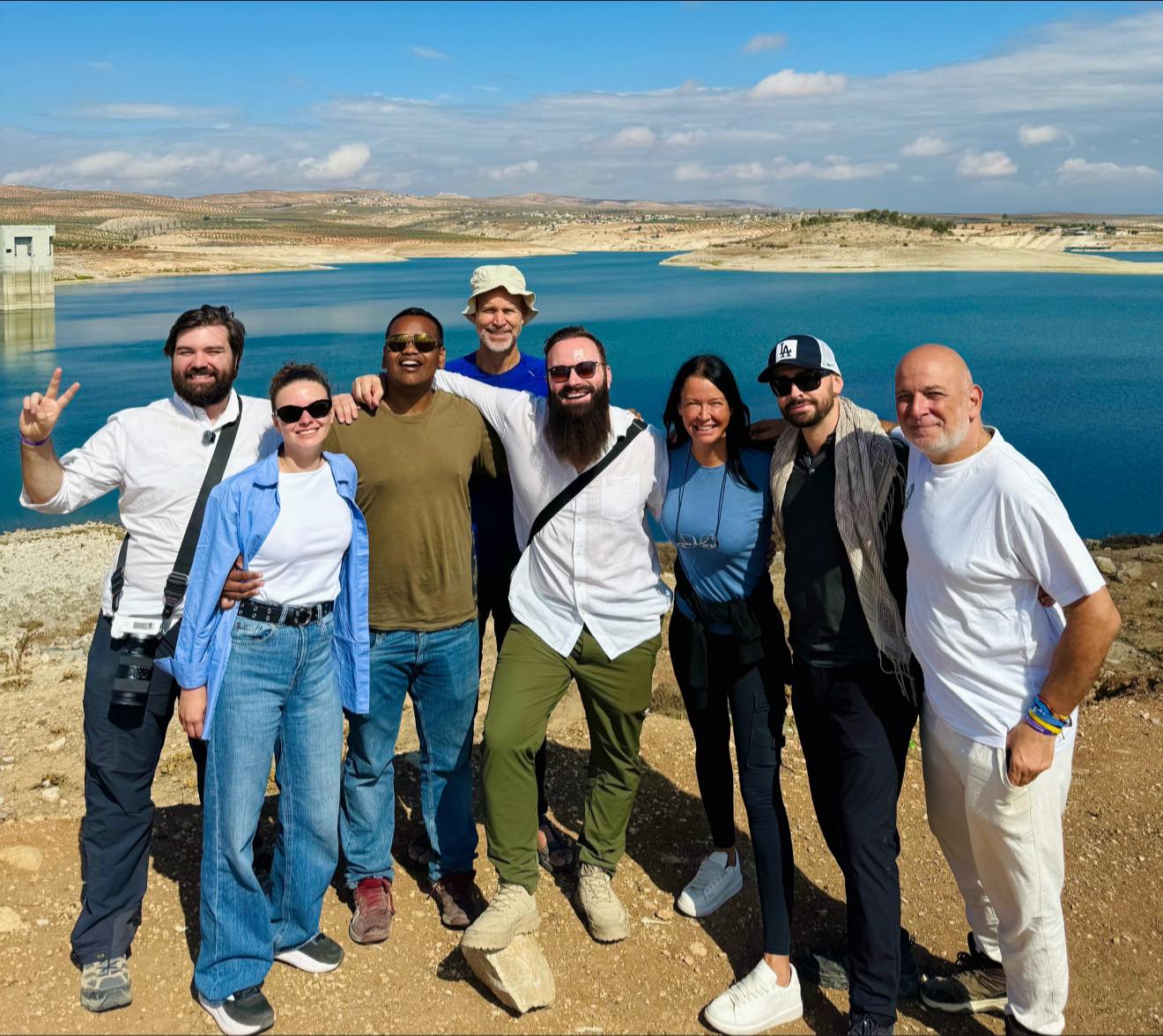
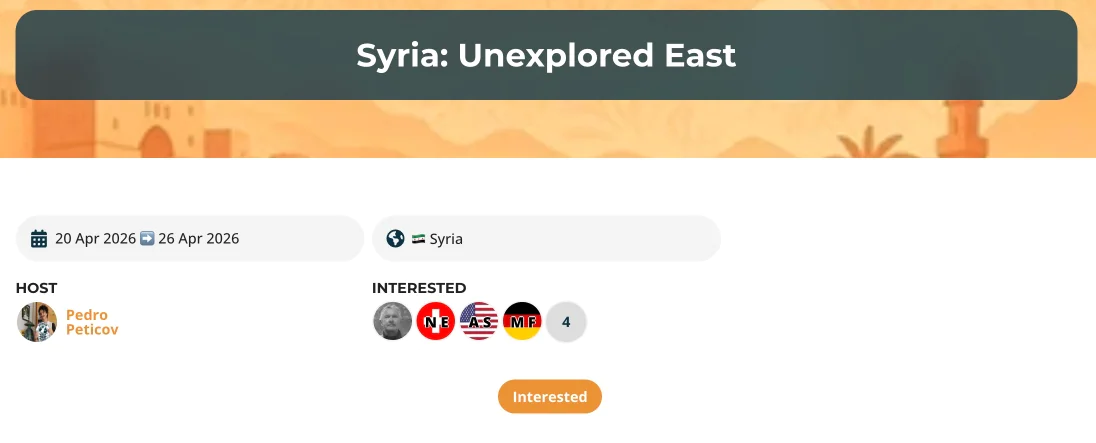
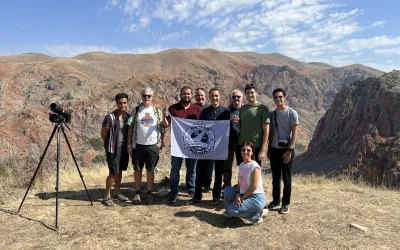
The group was small but diverse. Hayley and Olga were very welcome presences among the otherwise male participants which included NomadMania ‘regular’ Daniel Riley (recipient of our Against All Odds Award this year for his travels) and UN Master Basanth Sadasivan. Some of them probably came with trepidation, others feeling more secure, but we believe that the hospitality and kindness of the Syrian people and the total professionalism of Ilir put everyone at ease from the start.

After meeting in Damascus and heading straight to the karaoke bar to break the ice, and confirm that alcohol is still very much available in the nation’s capital, we set off the next day for a long drive through the desert. Usually Palmyra, the famed jewel of the sand, is the destination, but on this occasion it would just be a transit stop on the way further east, to the previously unvisitable town on the banks of Euphrates, Deir ez Zor.
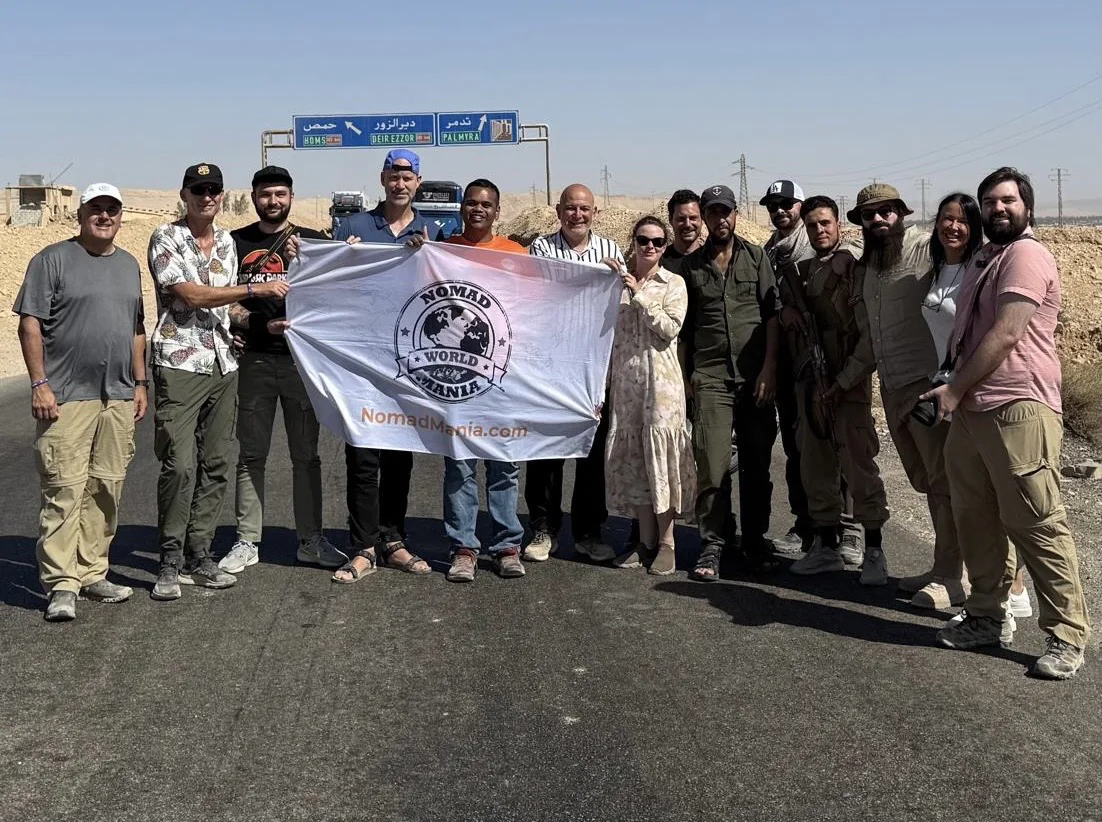
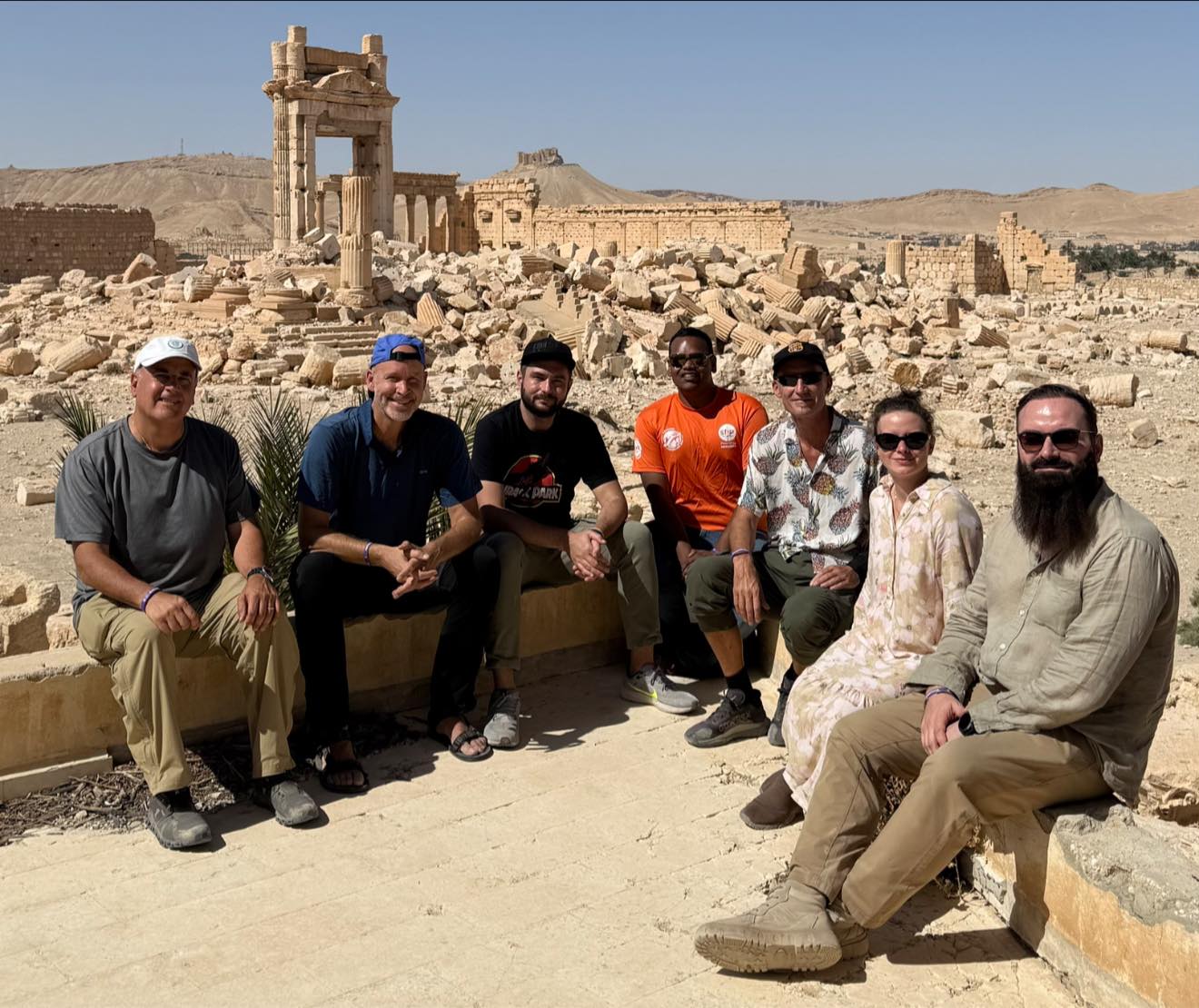
The ruins of Palmyra still impress under the beating sun, but there are no longer masses of coaches disembarking hordes of tourists and it is unlikely there will be in the near future. Much of the city and its infrastructure have been levelled. What was rather interesting were the many markings on houses in Russian Cyrillic with the words ‘No Mines’, a reminder of which forces were around until recently.
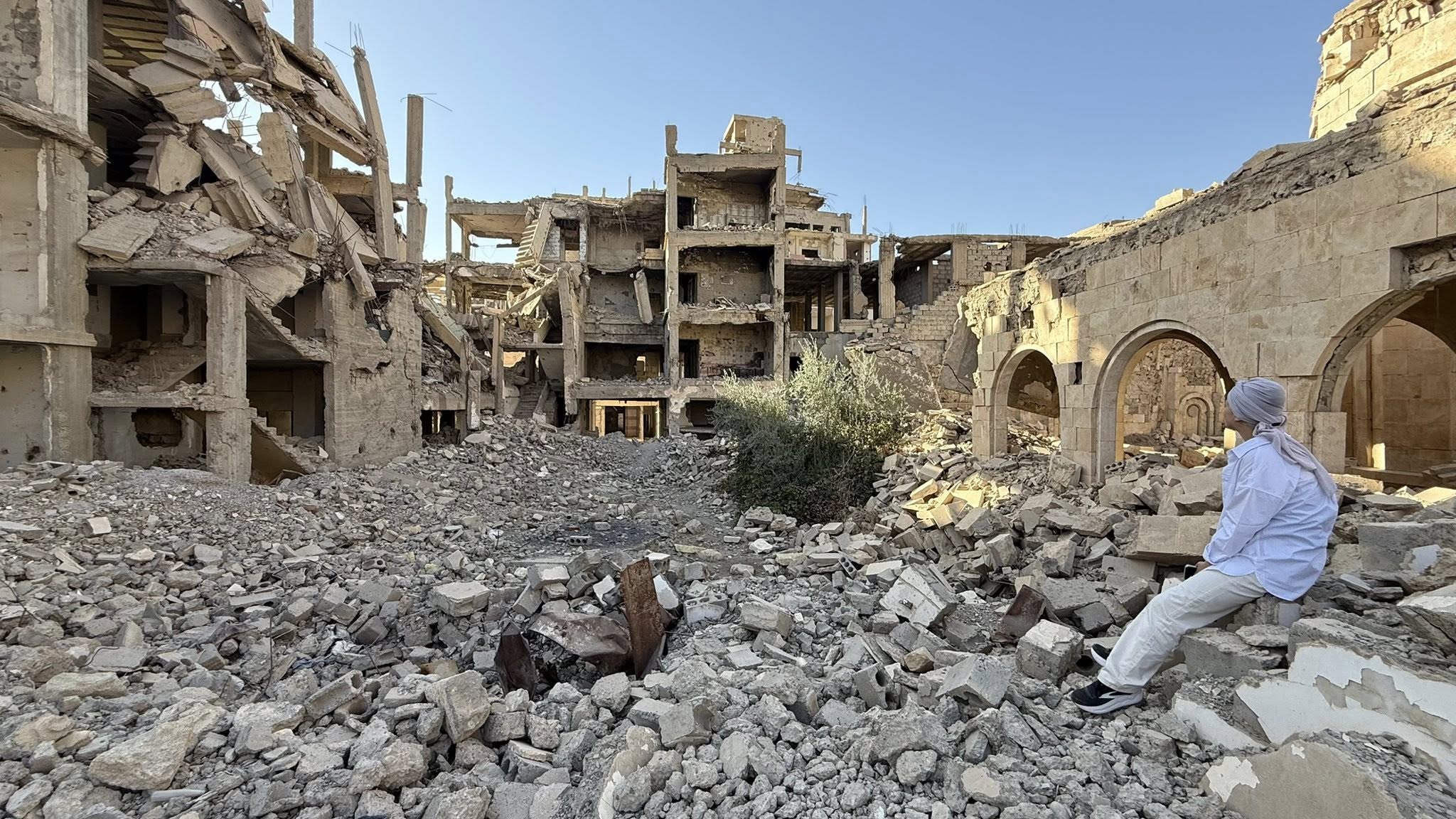
The first glimpse of Deir ez Zor was a tank cemetery on its outskirts where we managed to roam around briefly before being chased away by gun-wielding guards. Arriving closer to the centre, however, revealed a city completely destroyed to a degree I have not seen in any of my previous trips anywhere.
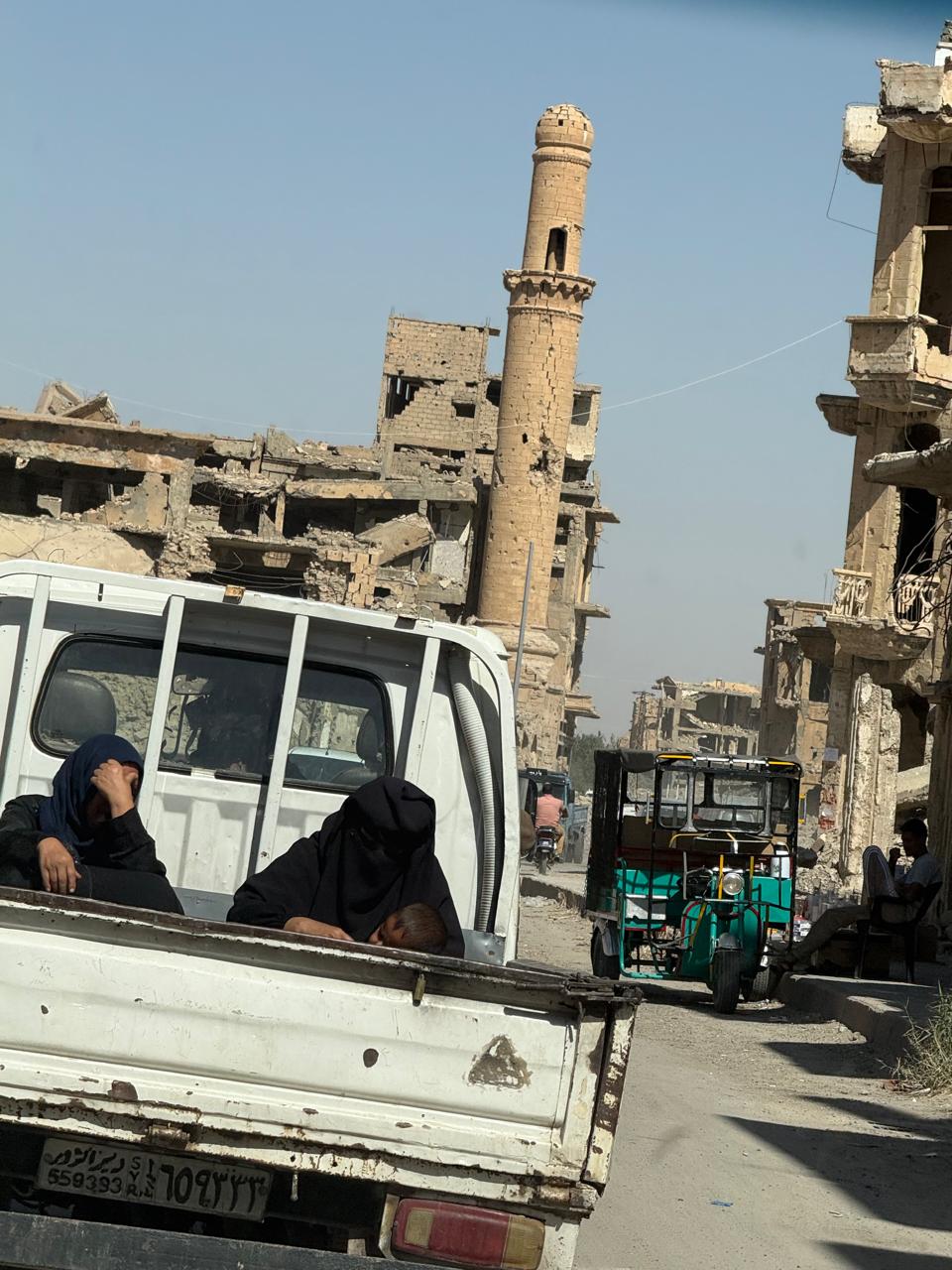
The whole of the former centre, what must have been the main government buildings, the bazaar, the main mosque and church, were levelled. This was simply disheartening. How do you even begin reconstructing? An hour or so away from this doomed city on the way to Iraq lies Dura Europos, one of the most significant archaeological sites globally, with the ruins of one of the first Christian churches and synagogues.
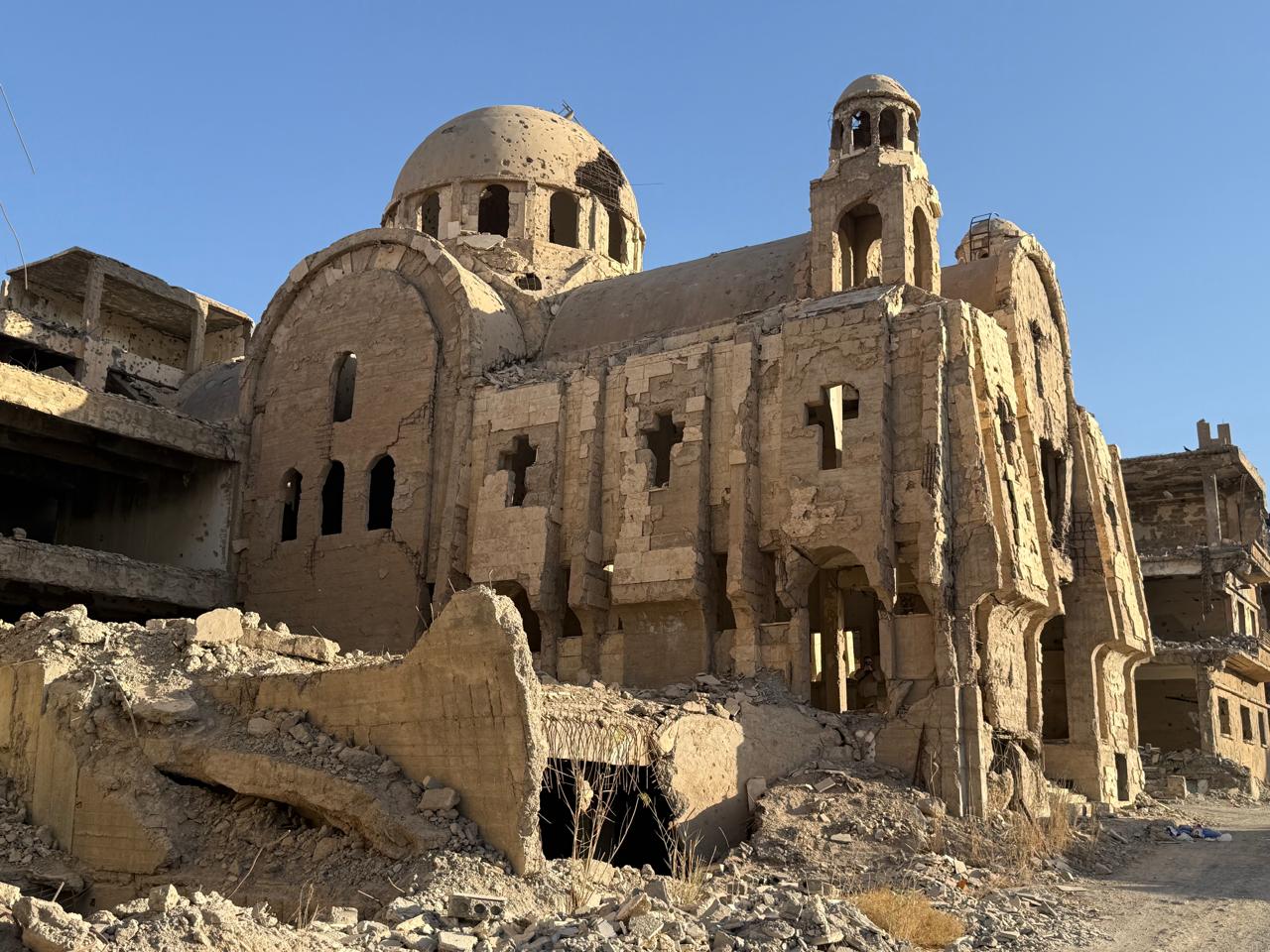
Not that much remains today and there is no longer a ticket-booth charging anybody to enter – it is all a free-for-all now, though there may be Kurdish snipers on the other side of the river in the territory that they control. That thought was far from comforting, and even less so the fact that we saw a convoy of military vehicles with what looked like rockets ready for launch. Stopping to ask what is going on, they casually said that a military operation against the Kurdish areas to the east was being planned.
Great – and we were in the middle of it. Meanwhile one of the group got ill and we rushed to the hospital in Deir el Zor, where they refused any payment for the treatment given because, as they put it, you are our guests.’ The complication of relations between the main government and the Kurds resulted in the closure of the ‘borders’ around Raqqa which was our next destination.
Instead, we would have to cross at the only remaining open check-point, at Deir ez Zor itself, and we did that wondering if we will manage to get out. Raqqa, former capital of Islamic State, was the main aim of this trip – the macabre appeal of it too irresistible to resist. After three hours drive through some of the most non-descript scenery ever, we were there.
Far from a promised land, Raqqa, even in the best of days, has to be a potential nominee for most unattractive city on a global scale. That being said, it does have some historical sites, an ancient fortification and mosque testifying to a continued presence through the centuries.
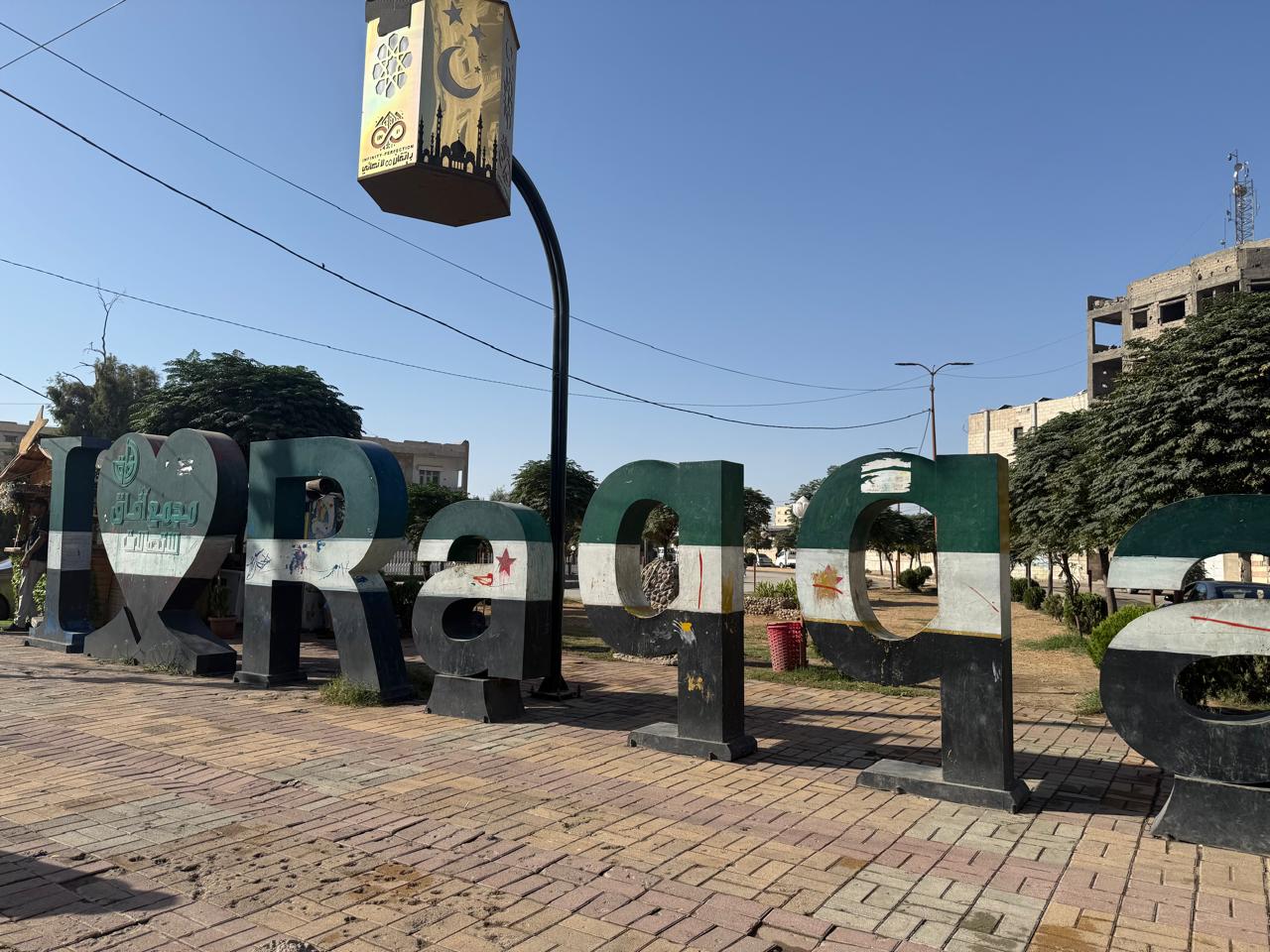
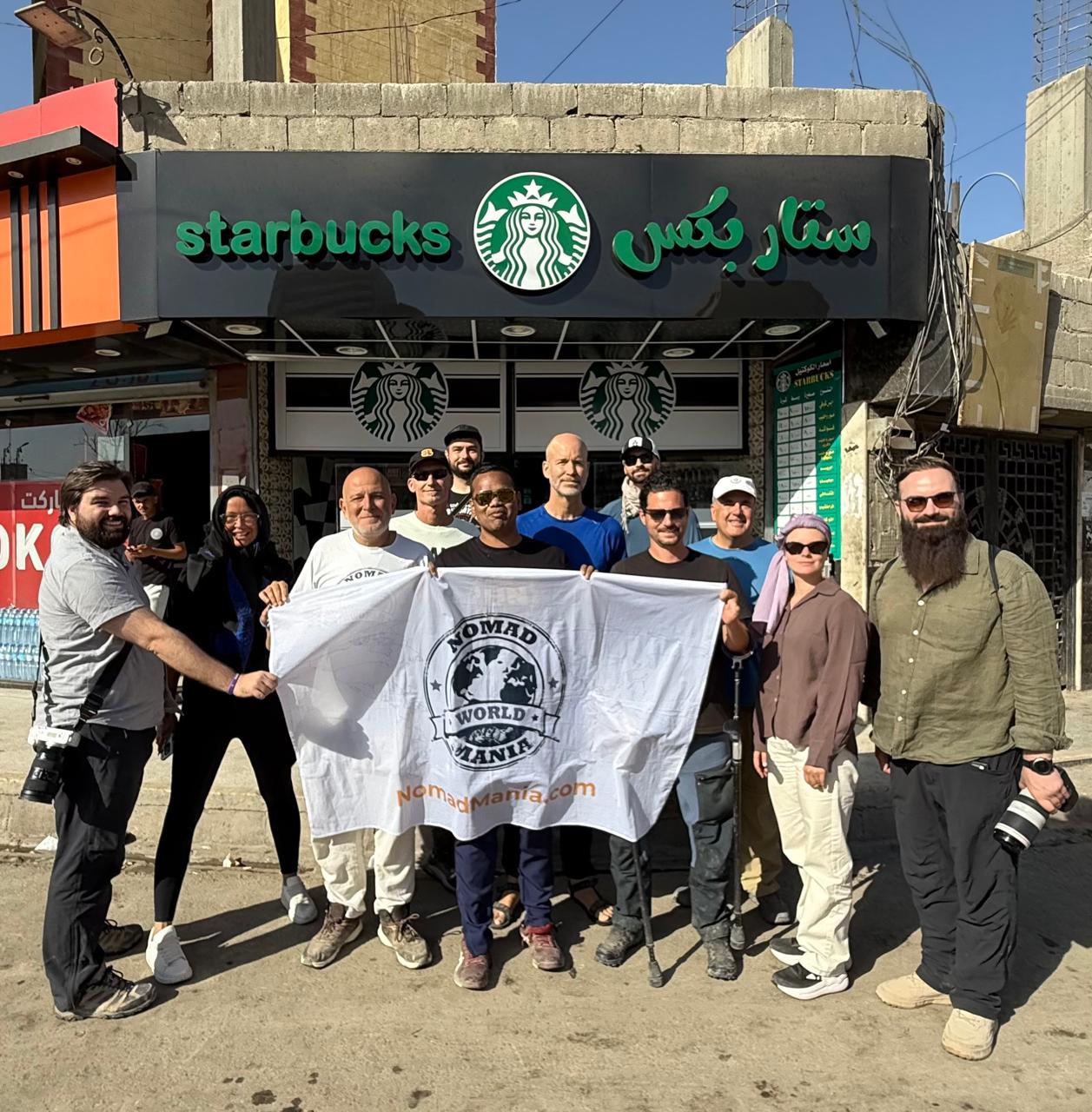
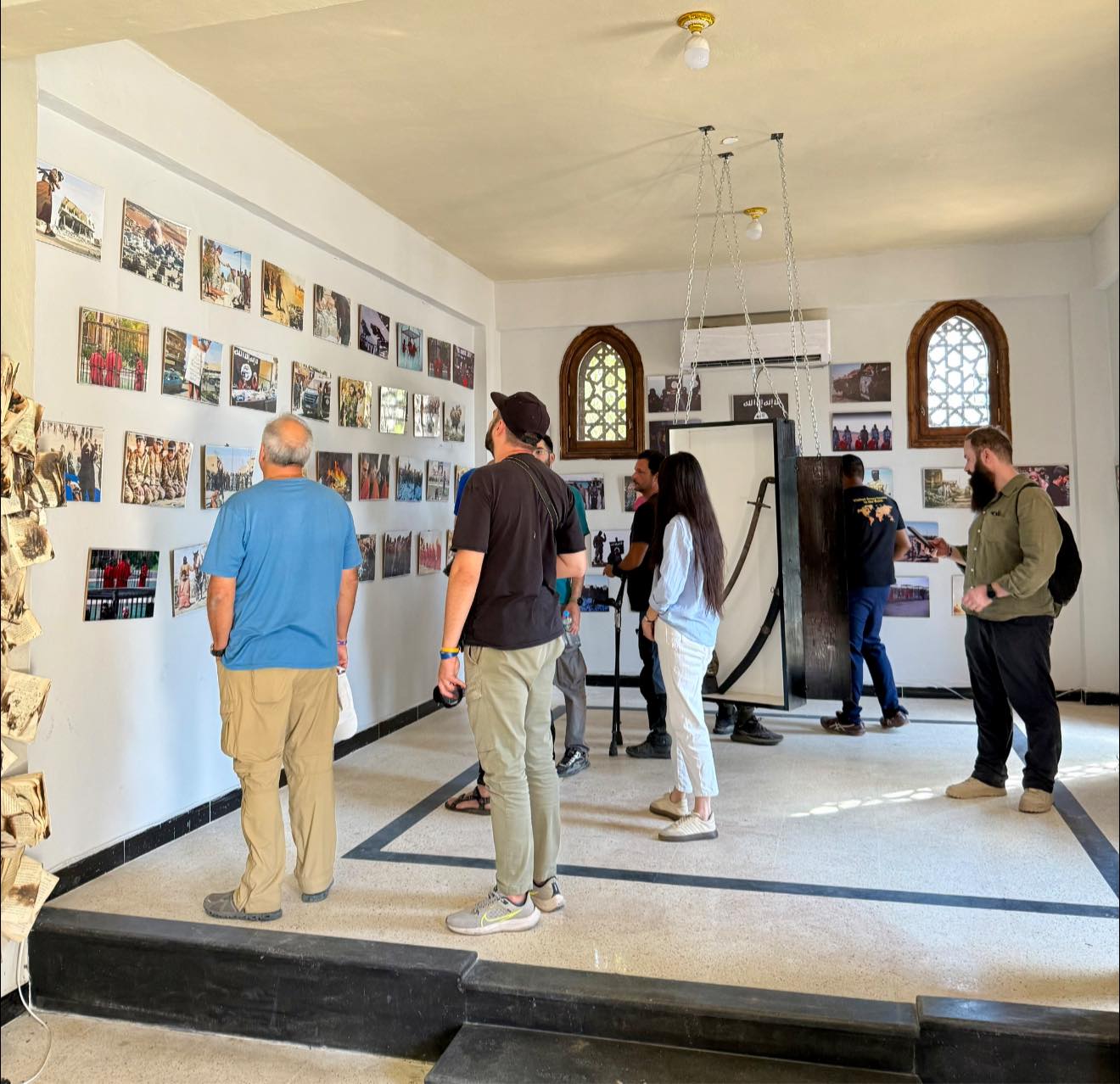
More fun for us was the inevitable ‘I Love Raqqa’ sign where we duly posed for our group photo, as we did at the adjacent ‘Starbucks’. They wouldn’t let us into the stadium where untold atrocities were committed during the almost four years of ISIS presence, but we did go to the museum where truly unsettling photos left a number of us, including myself, absolutely nauseous.
The good news is that Raqqa is now bustling with life, much more so than Deir ez Zor, and, though unattractive, is at least not destroyed. The Kurdish control of it is relatively discreet, given that the local population are not really Kurds. It’s anybody’s guess whether this control will change hands sometime soon or not. On a normal day, Raqqa to Aleppo should take 3 hours or so, but since the border was shut, we needed to back-track via Deir ez Zor which meant essentially more than 8 hours for the dedicated but overworked drivers, arriving into Aleppo late in the evening.
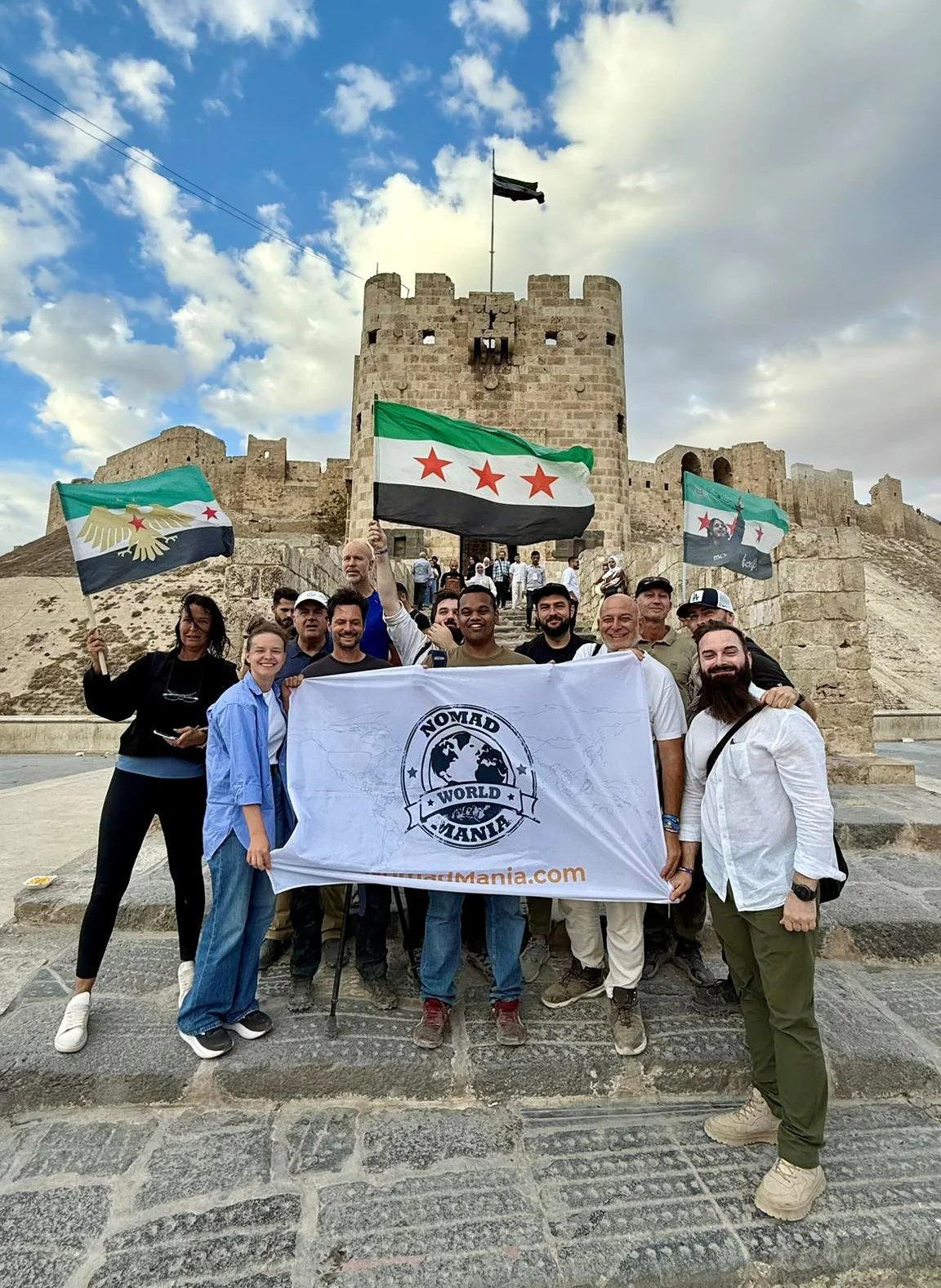
One of the world’s true gems, Aleppo never disappoints, and despite the change in administration, is still very much alive, the area around the citadel being truly sublime. Sadly, the situation is still volatile – there had been a bombing just the day before we arrived. Did that deter us?
No. Does it deter other would-be visitors? Probably. What turned out to be unexpected surprise was our visit to the DARE region of Afrin, north of Aleppo, which has a very strong Turkish presence – Turkish flags and products are visible everywhere and it appears that Turkish lira are more appreciated than Syrian pounds. Though there may not be any obvious sites, our trip was made by the unexpected appearance of the local authorities who were so thrilled to have a group of foreigners, we were taken into a compound for tea and a meeting with the PR boss of the area, also in charge of investments.
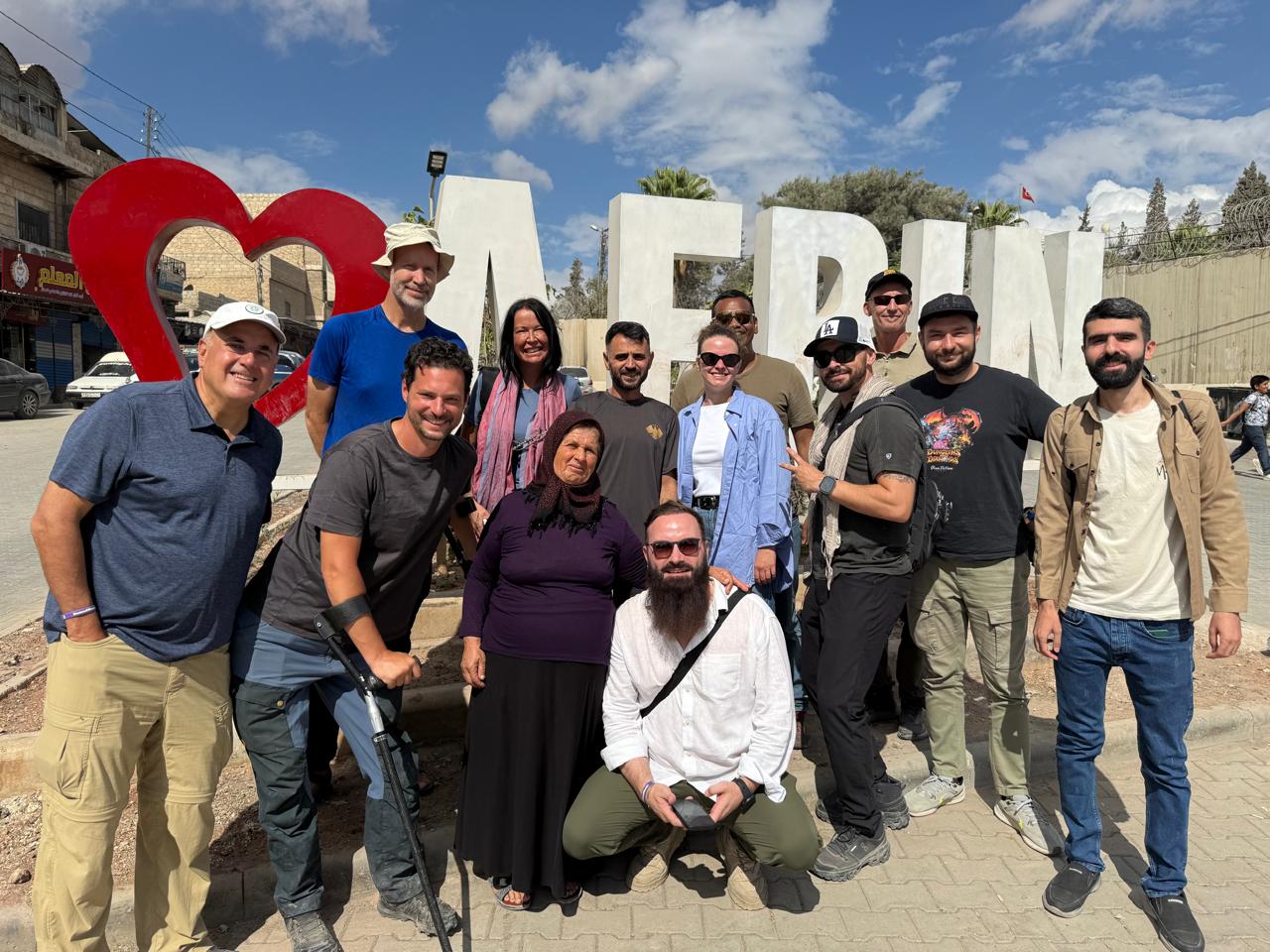
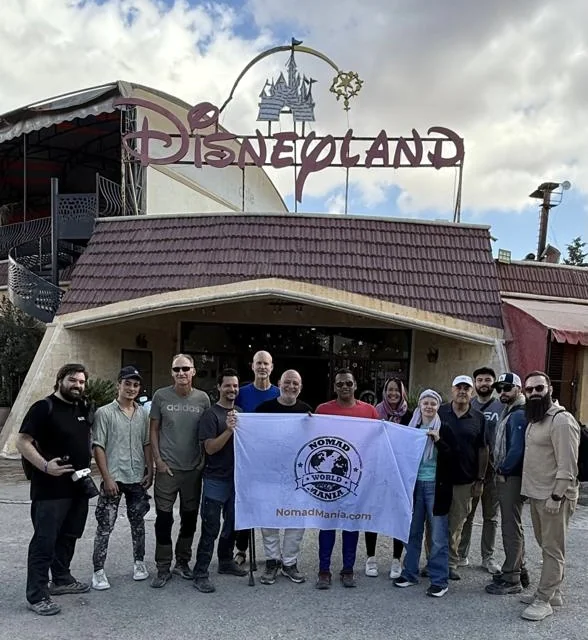
We ended up being given a presentation into all the possibilities of investing in Afrin and were then driven to a remote village high in the hills, past a base with Turkish flags. Some ancient ruins there are part of the Syrian UNESCO site of ‘Northern Syrian Ancient Towns.’ The ride back to Damascus would have been a familiar affair had we not detoured into Idlib – what was thought to be the last ‘bastion’ of the rebels, which turned out to be the place from which their presence was resurrected. Not much to see here, it would appear, apart from Disneyland. Yes, Disneyland Idlib welcomes you with open arms and predictably lands itself into the ‘Bizzarium’ Series with our gleeful group marvelling at the ironies of life.
Our last day out of Damascus included a visit to Daraa, where the revolution started in 2011. Much like Deir ez Zor, there is very little left of this unfortunate (former) town almost on the border with Jordan and it is in places like this that the gruelling reconstructing task or its futility can be put to the test. But for anybody doubting that there is new hope in the country, our visit that evening, poignant and playing at our heart-strings, was the ultimate proof. Ilir achieved a masterstroke by driving us deep into the impoverished areas of greater Damascus after nightfall, with me starting to protest as it appeared we were heading nowhere.
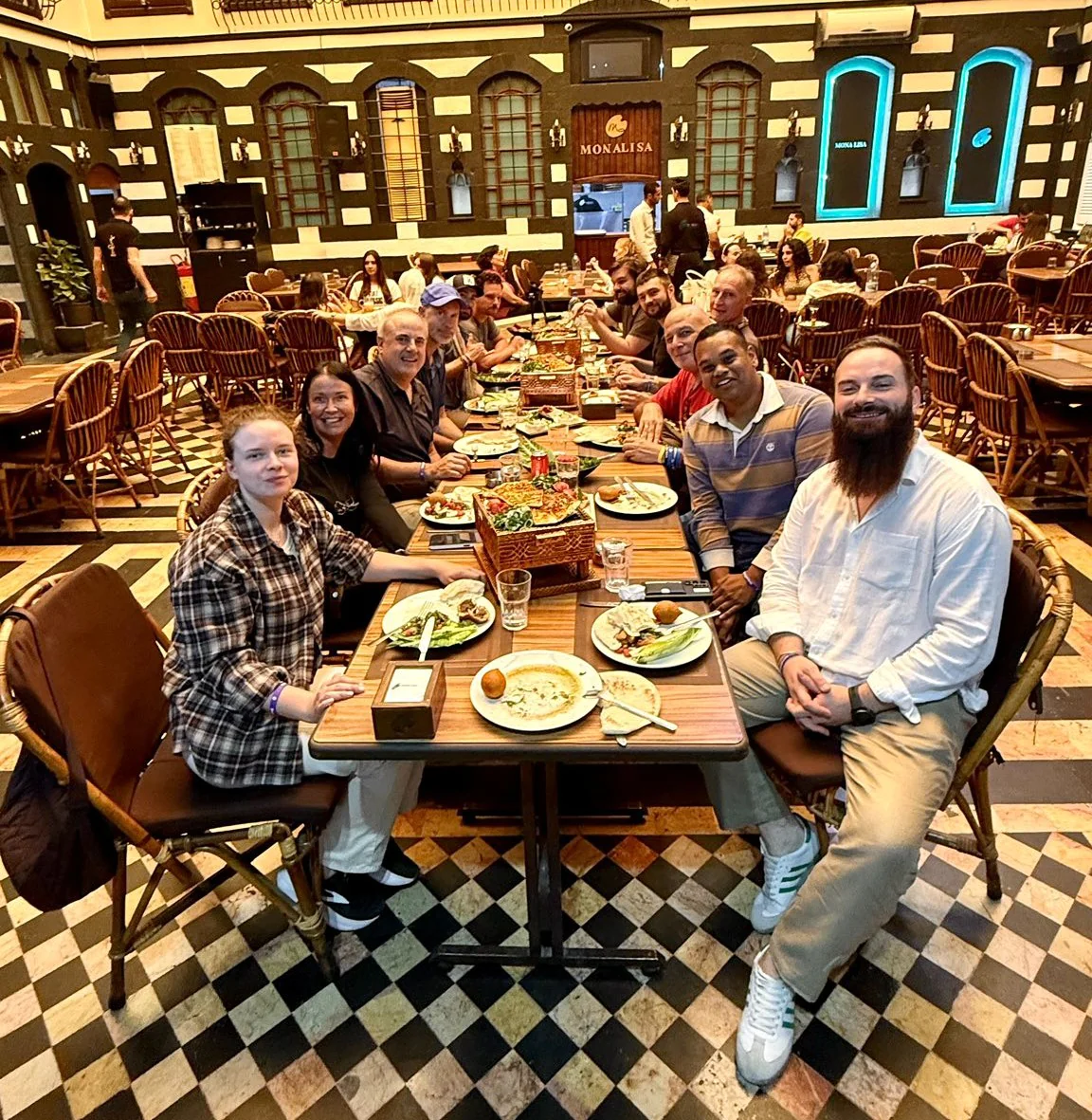
But a simple home of a simple family was where we met this 70-year old woman – an incredible cook who made us a meal fit for kings – who has lost five sons in the war, and whose remaining family were around her as witnesses to her pain and the cruelty of the former regime. She showed us photos of her sons, dead or disappeared, people who were fighting for freedom. Hayley, the ‘mother’ figure of our group, bonded effortlessly with this mother with whom she couldn’t share a language, but did share a common humanity.
And all of us left feeling that Ilir had shaped our trip brilliantly as a mosaic that slowly escalated, showing us glimpses of ruined cities, bullet-ridden edifices, resurrected shops and weary but somewhat hopeful people until this final encounter brought it all together. The home visit that capped it all summarised Syria beautifully – injured but never broken, devastated but still proud. As visitors and witnesses, we all left the country, once again with a piece of Syria warming up our hearts.
Following our successful journey with Ilir Morina, we are very pleased to offer one more itinerary to this country we truly love in April 2026. This trip will have a slightly changed itinerary and will include more areas in the North-Eastern Kurdish part, including Qamishle. For more details, and to sign up for one more unmissable expedition, please go here.