Climate doesn’t just shape landscapes; it decides how people live, what grows, how days are structured, and what travellers actually experience once they arrive. For travellers who move around a lot, the climate becomes more than background information.
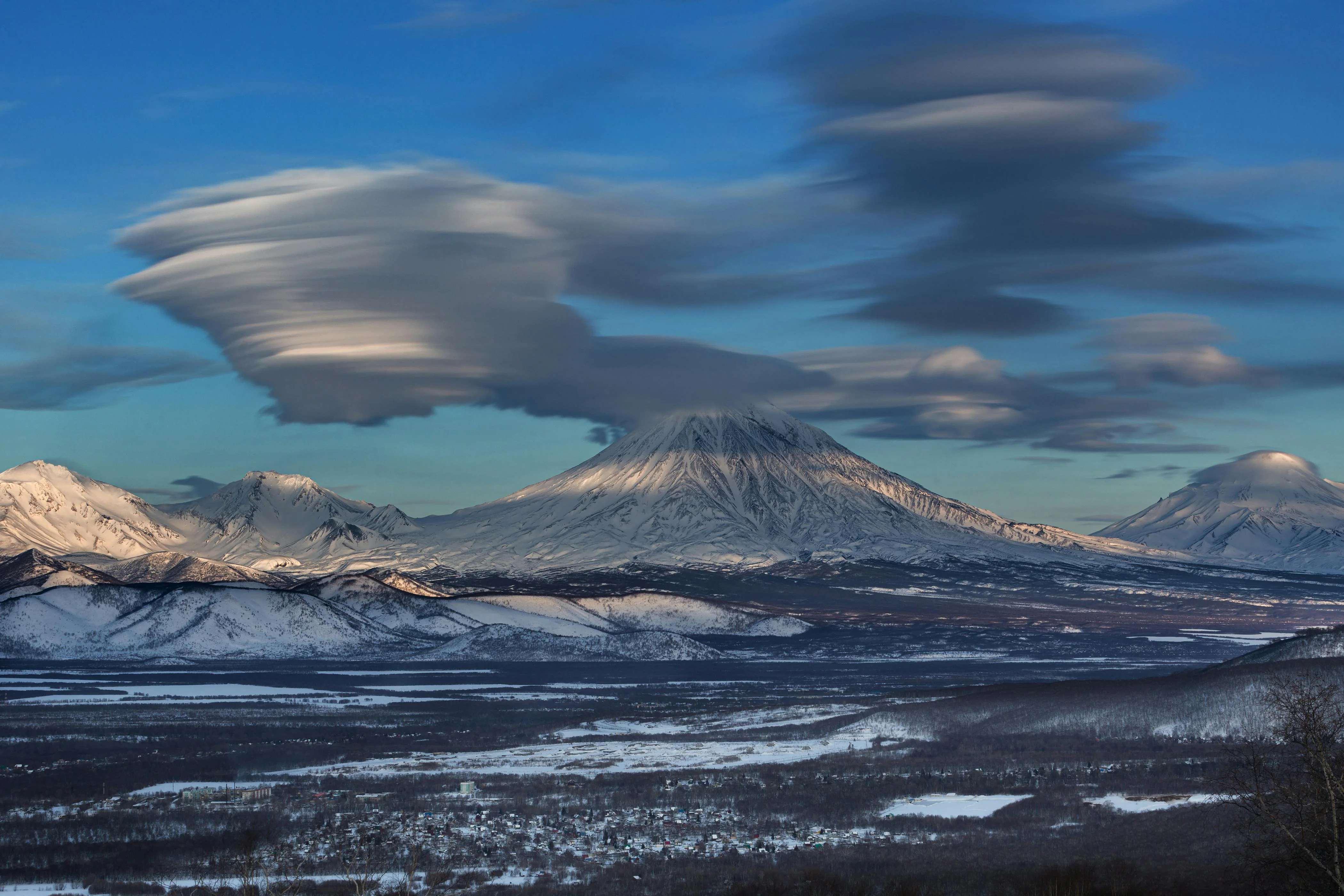
It affects how long places stay with you. Some destinations only make sense when you accept their weather as part of the deal, not something to work around.
This guide looks at five places where climate is the main characteristic. Each one requires travellers to adjust expectations, routines, and sometimes comfort levels. These destinations reward curiosity, patience, and an interest in how environments influence daily life. For travellers who don’t want every trip to blur into the next, the climate is often where those differences really show.

Svalbard, Arctic: Extreme Cold Expedition
Svalbard’s climate defines every practical decision a traveller makes. Long winters dominate the year, with polar night lasting from November to January. Even in summer, temperatures rarely rise far above freezing. The cold isn’t dramatic; it’s persistent, shaping how people move, dress, and plan their days. Walking outside Longyearbyen without layers quickly becomes uncomfortable, even on calm days.
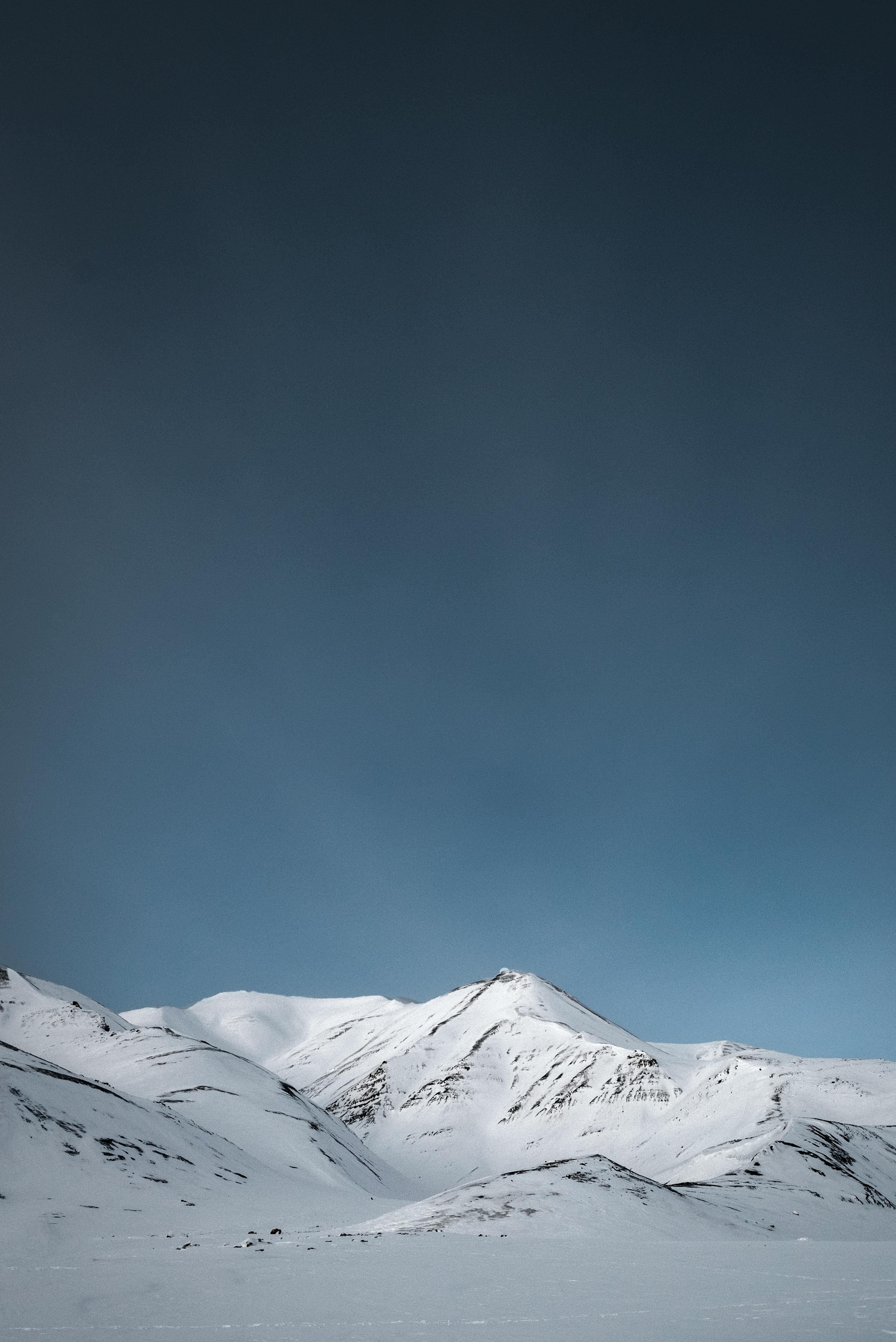
Wildlife sightings are closely tied to the seasons. Polar bears roam the archipelago year-round, while walruses and seals appear more frequently during summer when the ice retreats. Glaciers like Nordenskiöldbreen are best approached by boat, and many visitors try unusual cruises to Svalbard to reach those areas inaccessible by land. These trips are as much about navigating ice conditions as sightseeing.
The climate also limits infrastructure. Roads barely extend beyond town, and travel often involves snowmobiles or boats, depending on the month. This creates a sense of isolation that’s very real. Visitors quickly learn that plans change due to weather, and flexibility isn’t optional.
Namibia: Desert and Atlantic Climate Contrast
Namibia’s climate is shaped by dryness, but the details matter. The Namib Desert stretches along the coast, one of the oldest deserts on Earth, yet it meets the cold Benguela Current from the Atlantic. This collision creates foggy mornings near Swakopmund and Lüderitz, even when rainfall is almost nonexistent. Temperatures can feel surprisingly cool near the sea.
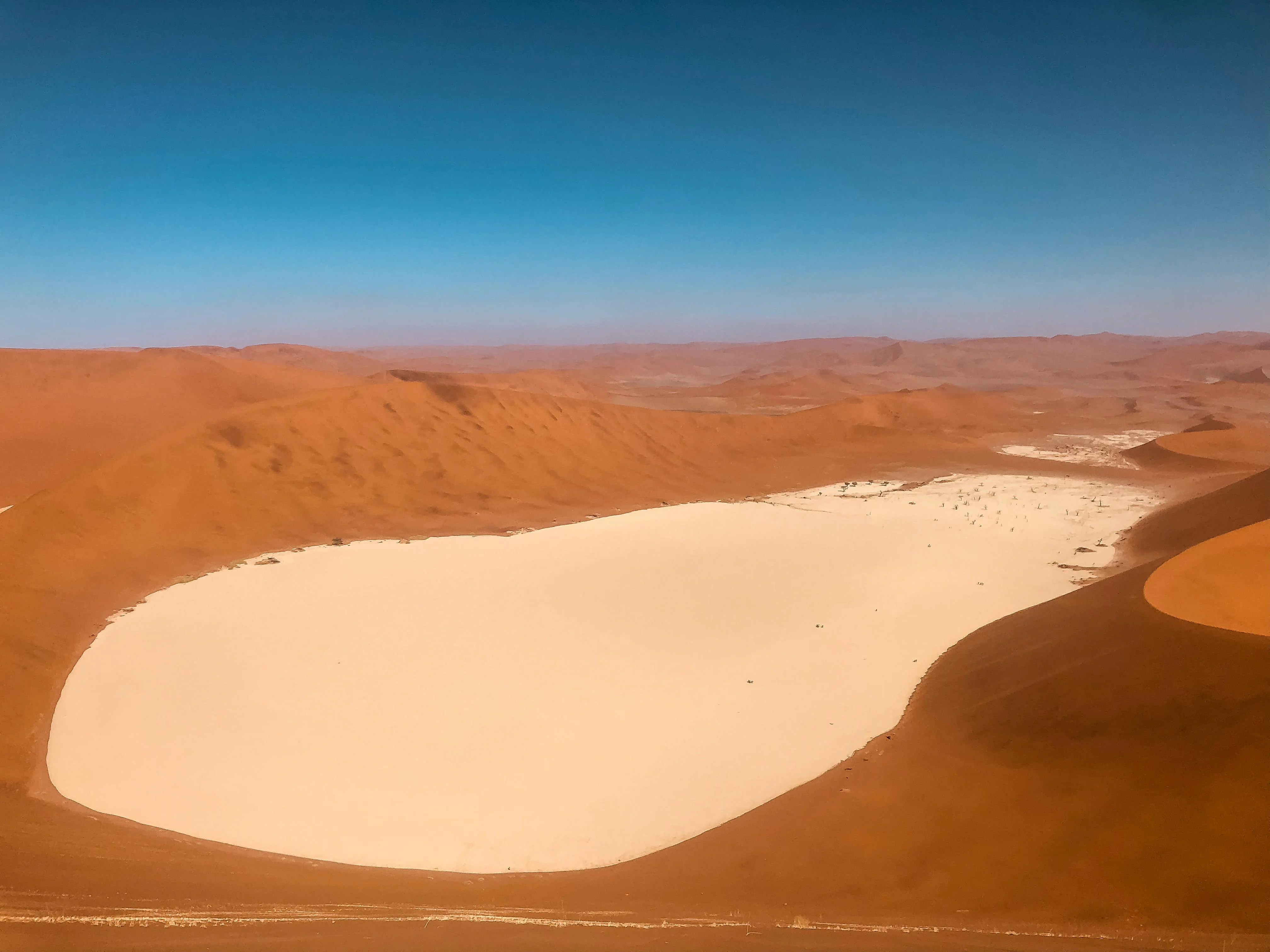
Further inland, places like Sossusvlei experience extreme daily temperature shifts. Early mornings are cold, afternoons are intense. Travellers climbing Dune 45 or Big Daddy often start before sunrise, not for atmosphere, but because midday heat makes the climb unpleasant and unsafe. The desert dictates timing.
Wildlife survives through adaptation rather than abundance. Etosha National Park relies on waterholes, especially during the dry season when animals gather predictably. The lack of rain makes tracking easier, but also reveals how fragile the ecosystem is. Namibia is upfront about its harsh climate, and travellers sure appreciate that.
Seychelles: Warm Tropical Island Escape
Seychelles has a warm, humid climate year-round, but conditions shift depending on monsoon winds. The southeast trade winds from May to October bring drier weather and rougher seas, while the northwest monsoon introduces heavier rainfall and calmer waters. These patterns affect everything, from diving visibility to ferry schedules.
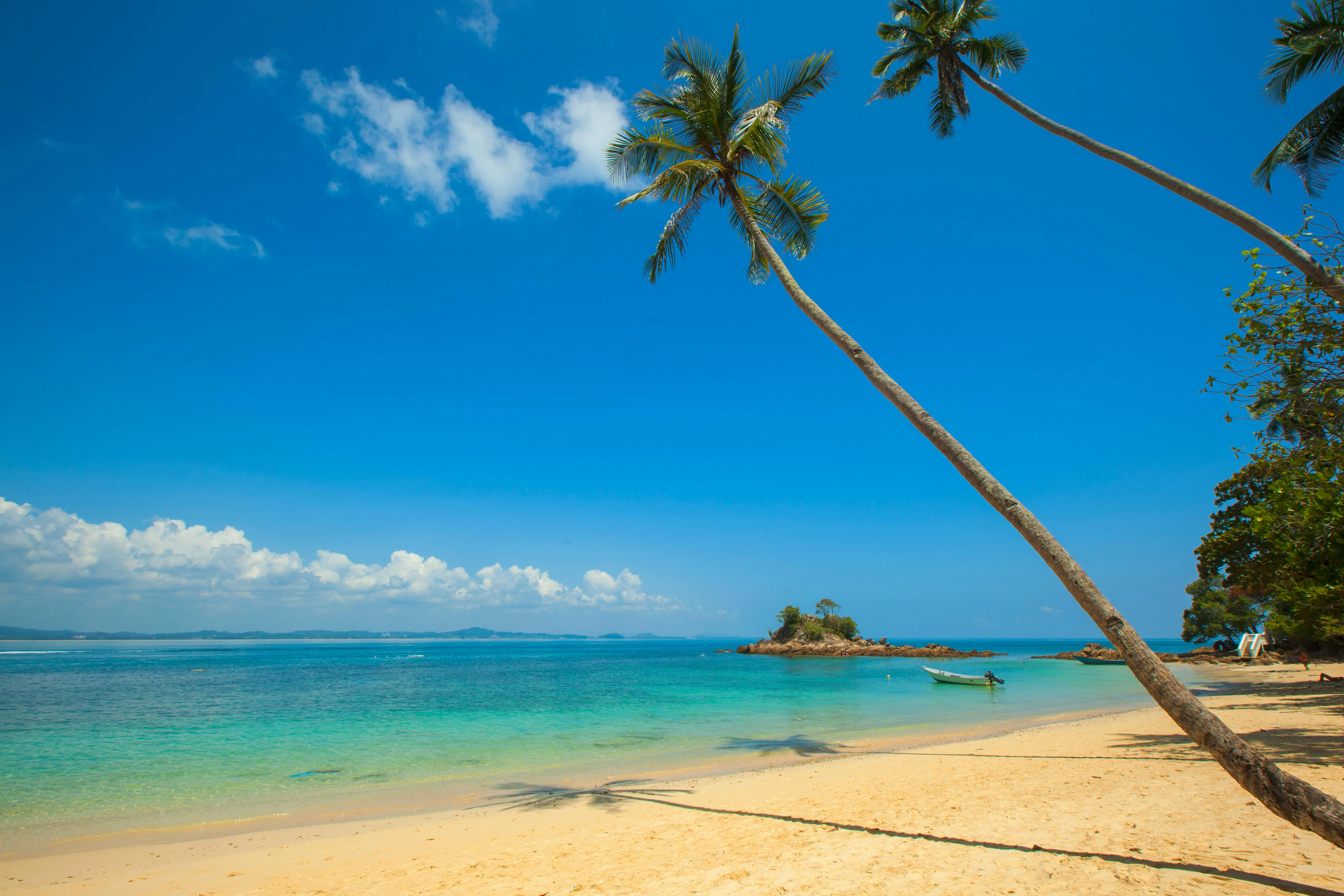
On islands like Mahé and Praslin, humidity influences daily routines. Early mornings are best for hiking trails such as Morne Blanc or Vallée de Mai. Midday heat slows things down naturally. Beaches vary dramatically depending on wind direction, with Anse Source d’Argent often sheltered while others face strong currents.
Marine life thrives in warm waters, and travellers often join interesting wildlife cruises to Seychelles to spot dolphins, turtles, and reef sharks. Climate shapes biodiversity here, but it also limits development. Heavy rainfall can cause temporary road closures, and landslides aren’t uncommon.
Peru Highlands: Mountain Experience
The Peruvian highlands are defined by altitude rather than temperature alone. Cities like Cusco sit above 3,400 metres, where thin air affects even experienced travellers. Days can feel warm under direct sun, while nights drop close to freezing, regardless of season. Such a climate demands physical adjustment.
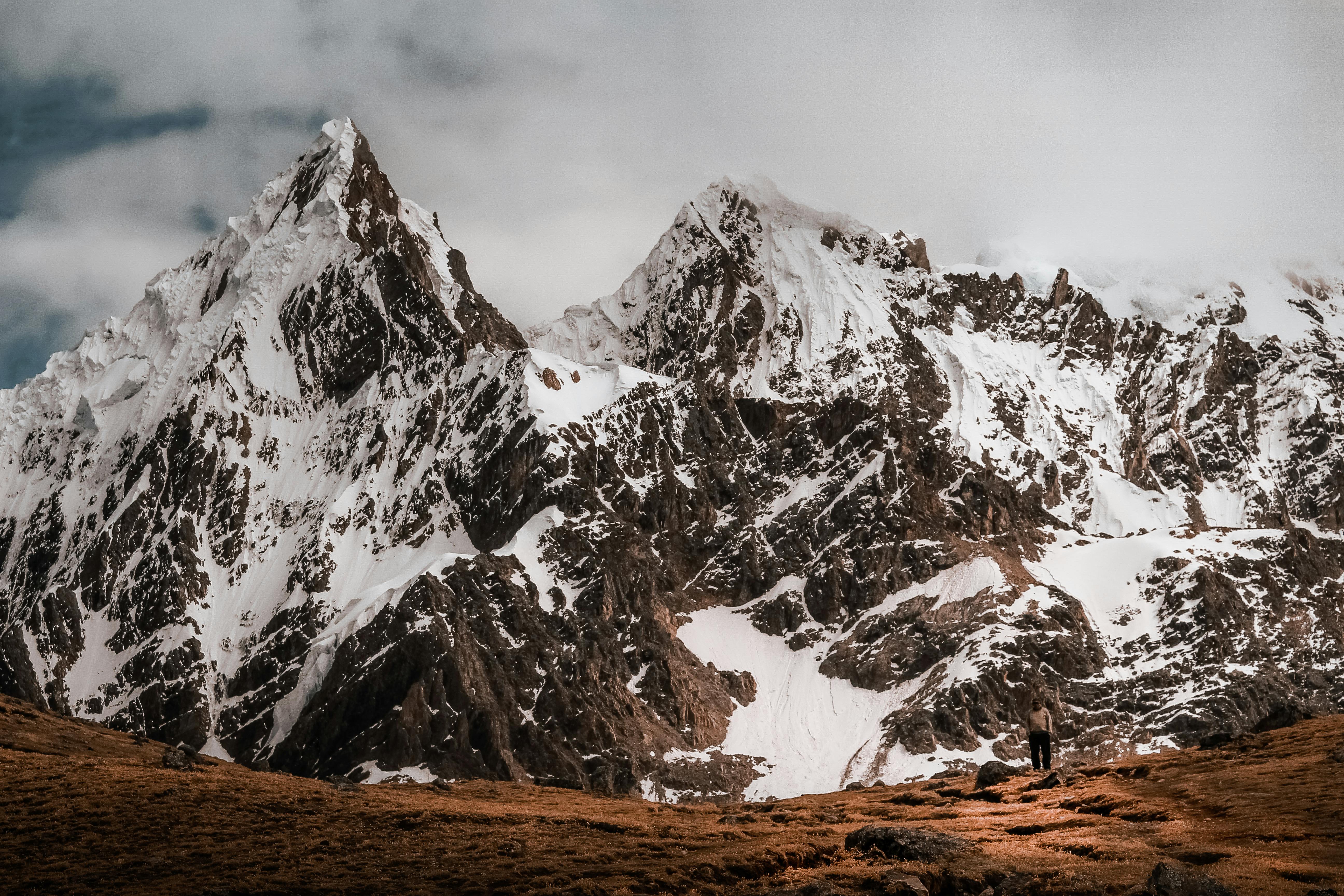
Rainfall follows a clear pattern. The wet season from November to March brings afternoon storms, muddy trails, and occasional transport delays. The dry season offers clearer skies but colder nights. Treks like the Inca Trail or Salkantay depend heavily on seasonal conditions.
Local life adapts accordingly. Markets open early, livestock graze on hardy grasses, and traditional clothing provides insulation against cold mornings. Climate shapes agriculture, architecture, and social rhythms. Those who rush through often miss how deeply weather patterns are woven into everyday life here.
Southern France: Mediterranean Climate Getaway
Southern France’s Mediterranean climate is often described as mild, but that simplicity hides variation. Summers in Provence can be intensely hot, especially inland around Aix-en-Provence or the Luberon villages. Coastal breezes near Marseille or Nice provide some relief, though heatwaves have become more frequent.
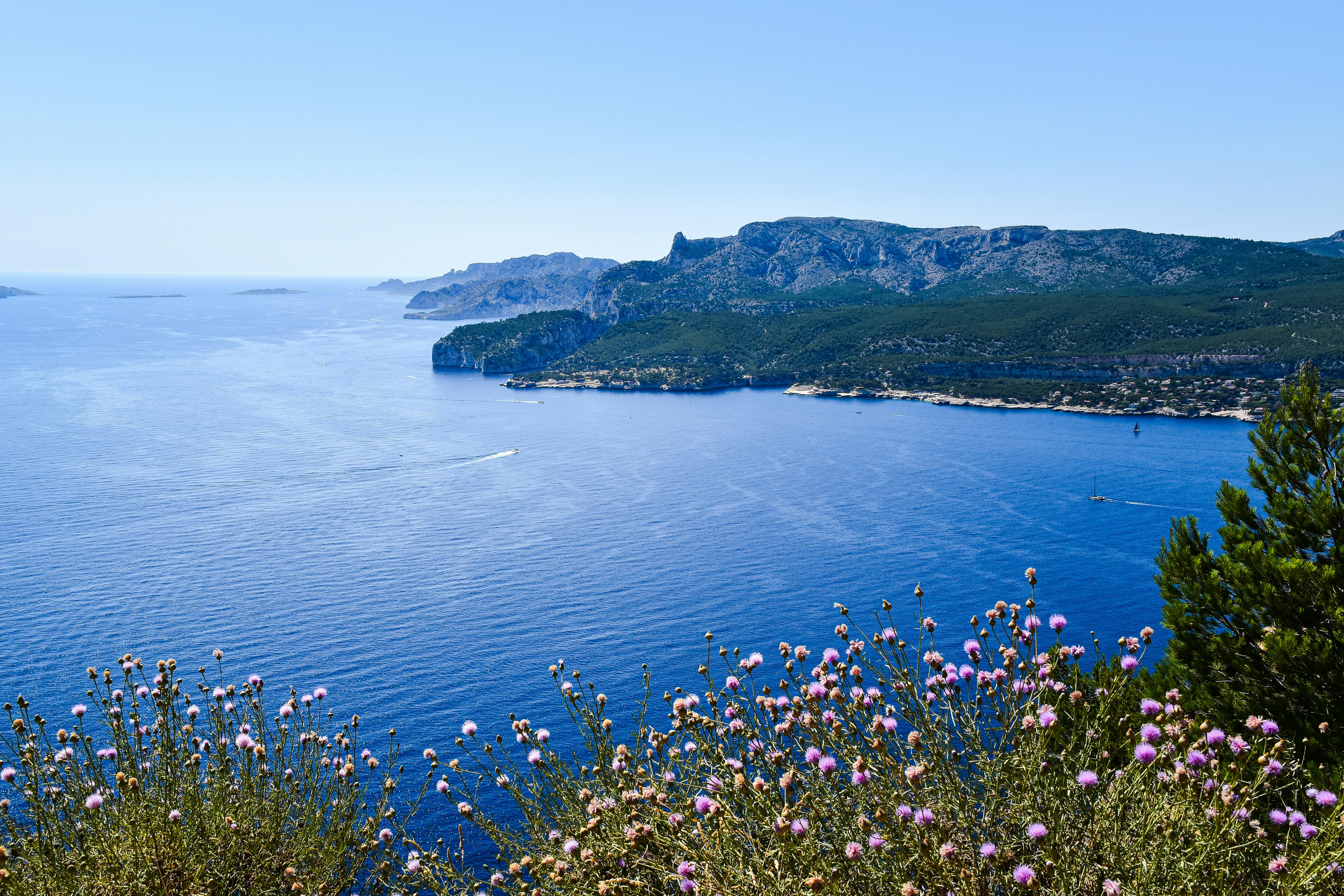
Seasonality matters. Spring and autumn offer cooler temperatures and fewer crowds, making places like Avignon or Arles easier to navigate. Vineyards in regions such as Languedoc rely on long, dry summers, while sudden autumn rains can affect harvest timing. Climate directly impacts local economies.
The Mistral wind is another factor. It can drop temperatures suddenly and clear skies within hours, especially in the Rhône Valley. Locals plan around it, and visitors feel its effects immediately.
Does climate play a bigger role in how travellers remember places than we usually admit?
In these destinations, climate shapes what’s possible, how days are spent, and what sticks in the memory. Svalbard teaches patience and caution, Namibia shows how scarcity guides movement, Seychelles encourages timing over speed, Peru demands attention to altitude and weather, and southern France proves that even “mild” can be unpredictable.
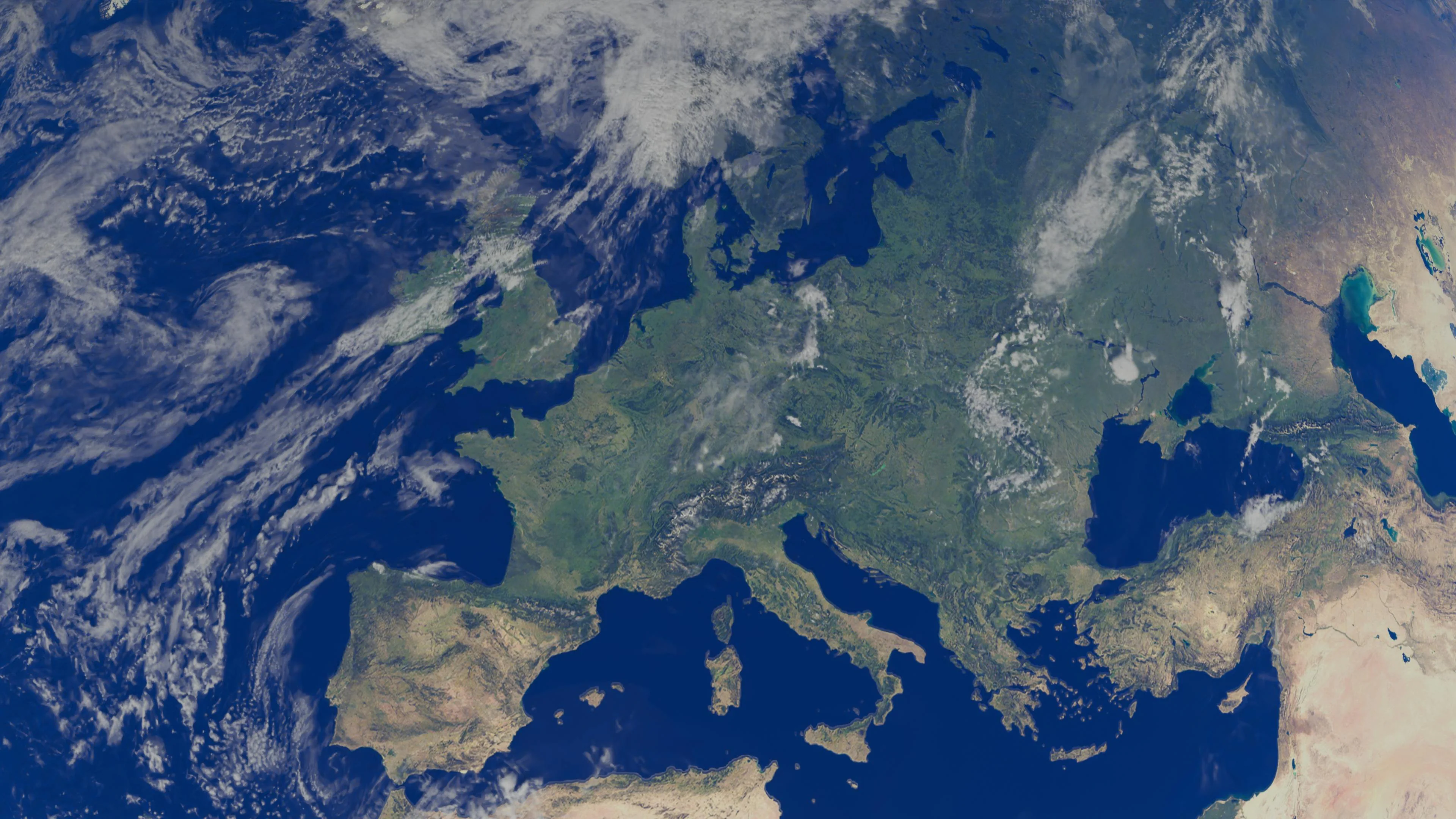
For travellers who move widely and want to experience places fully, climate isn’t just a background detail. These places don’t bend to visitors. Instead, visitors bend to them. And often, it’s that adjustment, the way plans and expectations shift to fit the conditions, that leaves the strongest impression long after the journey ends.