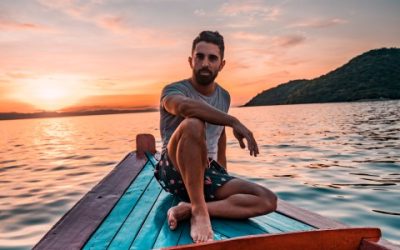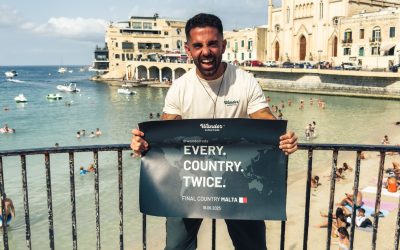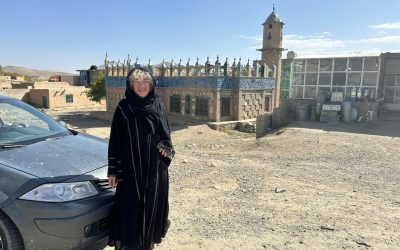
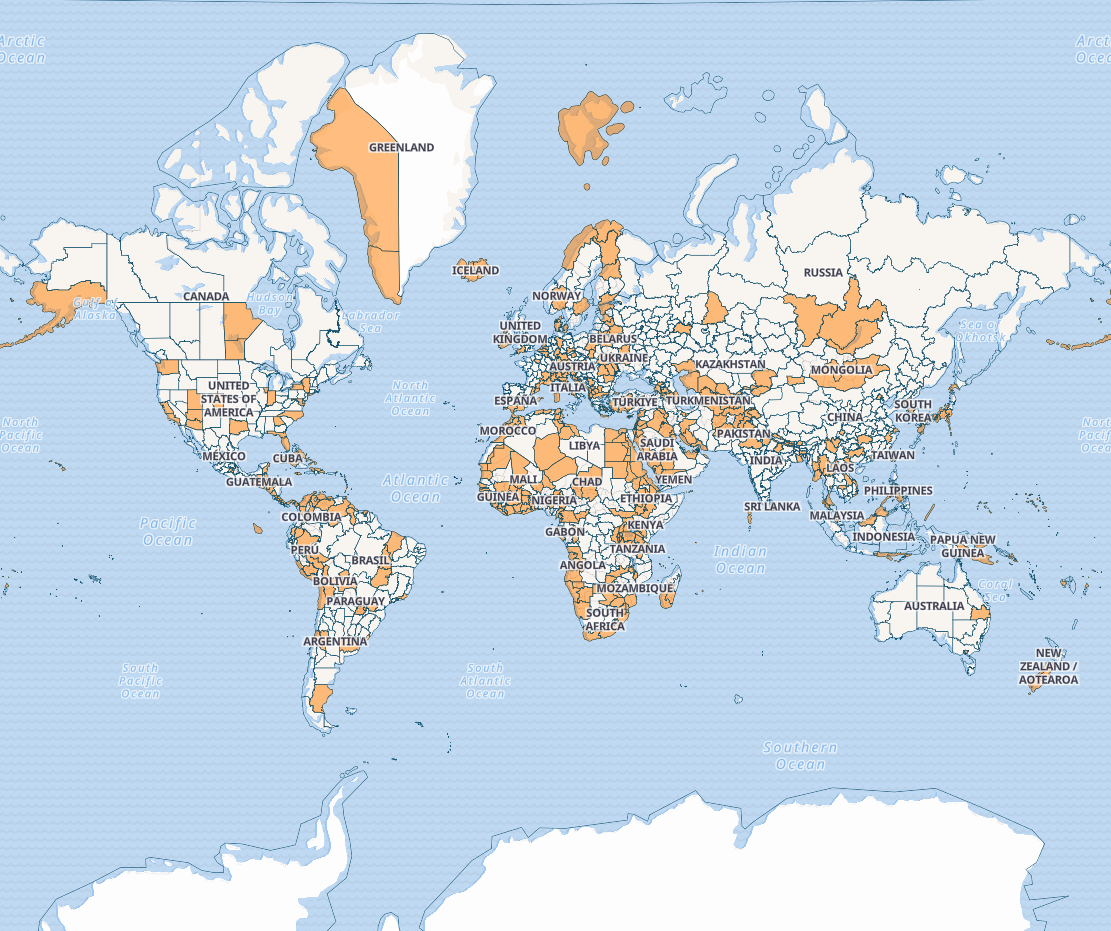
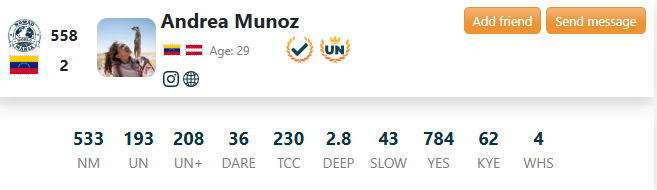
Andrea Munoz became the youngest verified female UN Master to visit all 193 UN countries At just 28 years old. One of the biggest accomplishment for a traveller. Born to a Venezuelan father and Austrian mother, and raised in a wild Caribbean town without the distractions of modern life, her childhood planted the seeds for a life defined by curiosity, freedom, and constant movement.
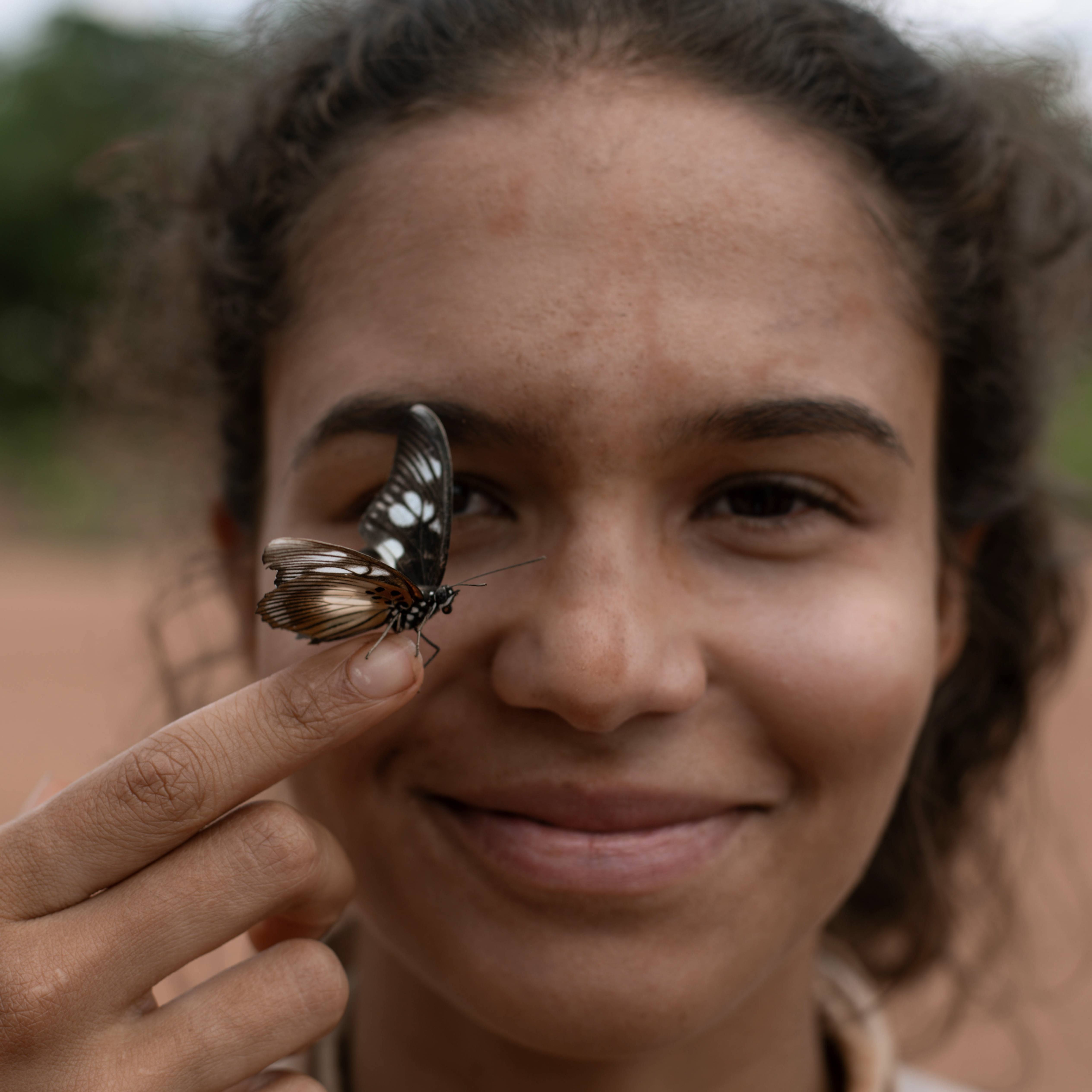
In this interview, Andrea opens up about what it was really like growing up between cultures and travelling the world at such a young age as a woman, from the beauty and humanity she encountered, to the risks, identity struggles, and unforgettable moments that shaped her along the way. She reflects on the fears that pushed her to complete her journey early, what she would change if she could start again, and the advice she would give to others chasing extraordinary dreams. From smuggling herself into Timbuktu to building a life after seeing the entire world, Andrea’s story is as thought-provoking as it is adventurous.

Andrea, tell us a little bit about your early years and how your love for travel developed.
My childhood was the opposite of the globalised life most of us have access to now, at least for the most part. I spent my time climbing palm trees and fishing for crabs in a small Caribbean town in Venezuela. It was perfect. No TV, no internet… no ready-made distractions, or instructions on what to believe, or how to act.
But there was a catch: my parents were from two different continents.
My dad Venezuelan, descendant of the African slave trade to the Americas, and my mother Austrian, who “escaped” work in finance in Europe to become a university professor and built a life in the tropics. Two complete opposites that compliment each other… and they had me! That’s where aaall this trouble started.
From early on, my little brother and I got to be the bridge between different worlds. While at the same time, growing up surrounded by raw nature, and full freedom to explore what to make out of life. My favorite hobby was building tents around trees with bedsheets, cracking coconuts open, and imitating the sound of birds (if you get to know me well, I embarrassingly still do this to this day…)
We were real wild children. Still are. In our minds there were no borders, or differences in skin colour. It was all just one big world too large to understand. That’s the same mindset I still bring into everything today.
To answer your question — that’s how this love for travel started, to get teenie tiny bits closer to understanding what home, earth, and our place in it is. Just that as soon as I became old enough to earn money, I swapped my playground from a backyard of palm trees for the world.
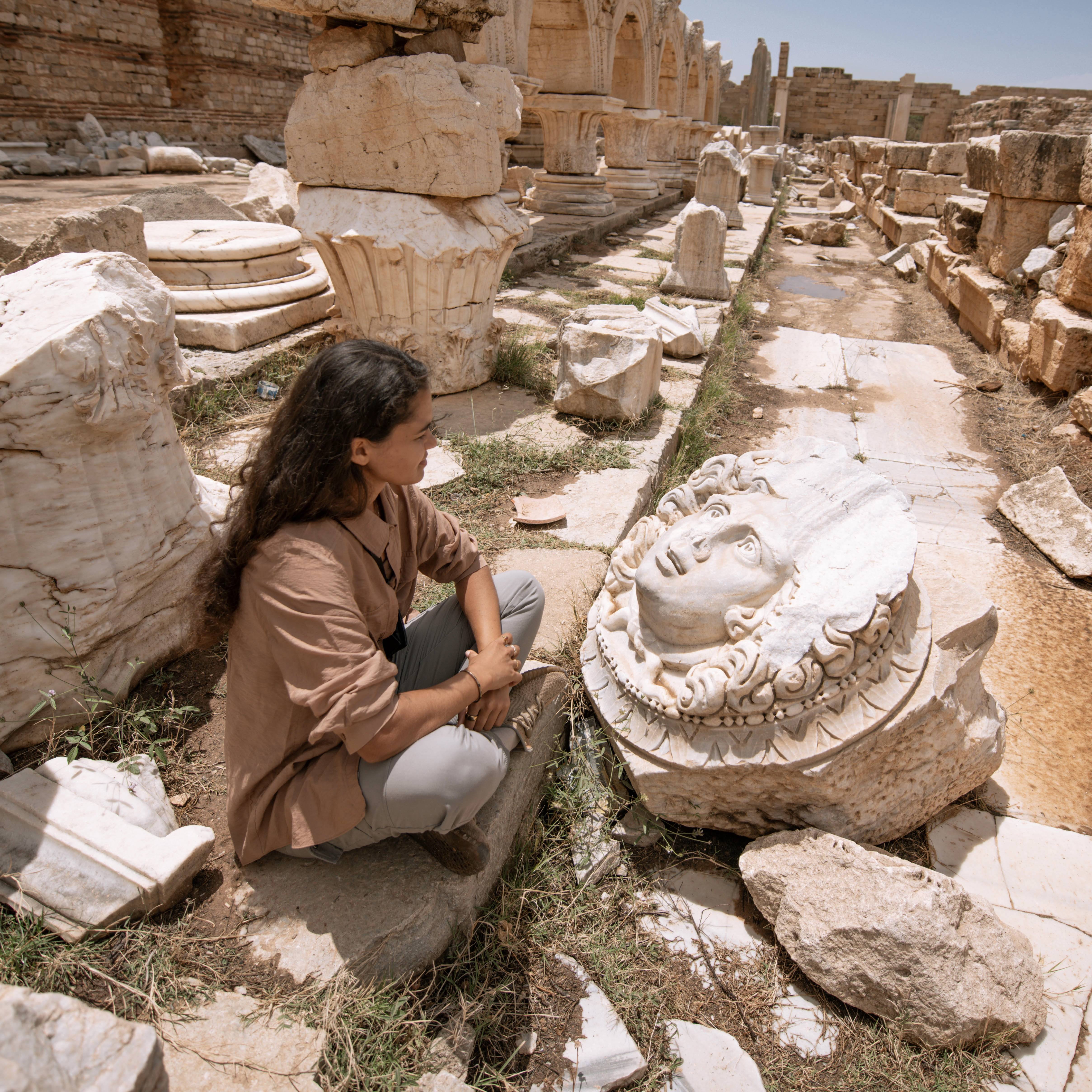
You are half Venezuelan, half Austrian. Which country do you feel more strongly represents who you are as a person, and why?
If you were to picture a cake baked in layers, my first layer is growing up being too Austrian to be Venezuelan, and too Venezuelan to be Austrian. Then there’s the extra layer: having spent more time on the road than in either one of my home countries. So, while I imagine it being a beautiful thing to find identity in one’s nationality, my mind sort of went “f* that”.
There was a time I’d have loved to give you a clear cookie cutter answer to “fit in”, so to speak. But now I’m truly grateful I swapped the joy and comfort of having that answer, to instead feeling at home anywhere. Be it knowing my way around Cairo like the back of my hand. The flight schedules to an obscure Pacific island like my favorite dish’s recipe. Or to be able to connect with a tribe in the Congo, or a banker in New York City alike… That’s where it’s at for me.
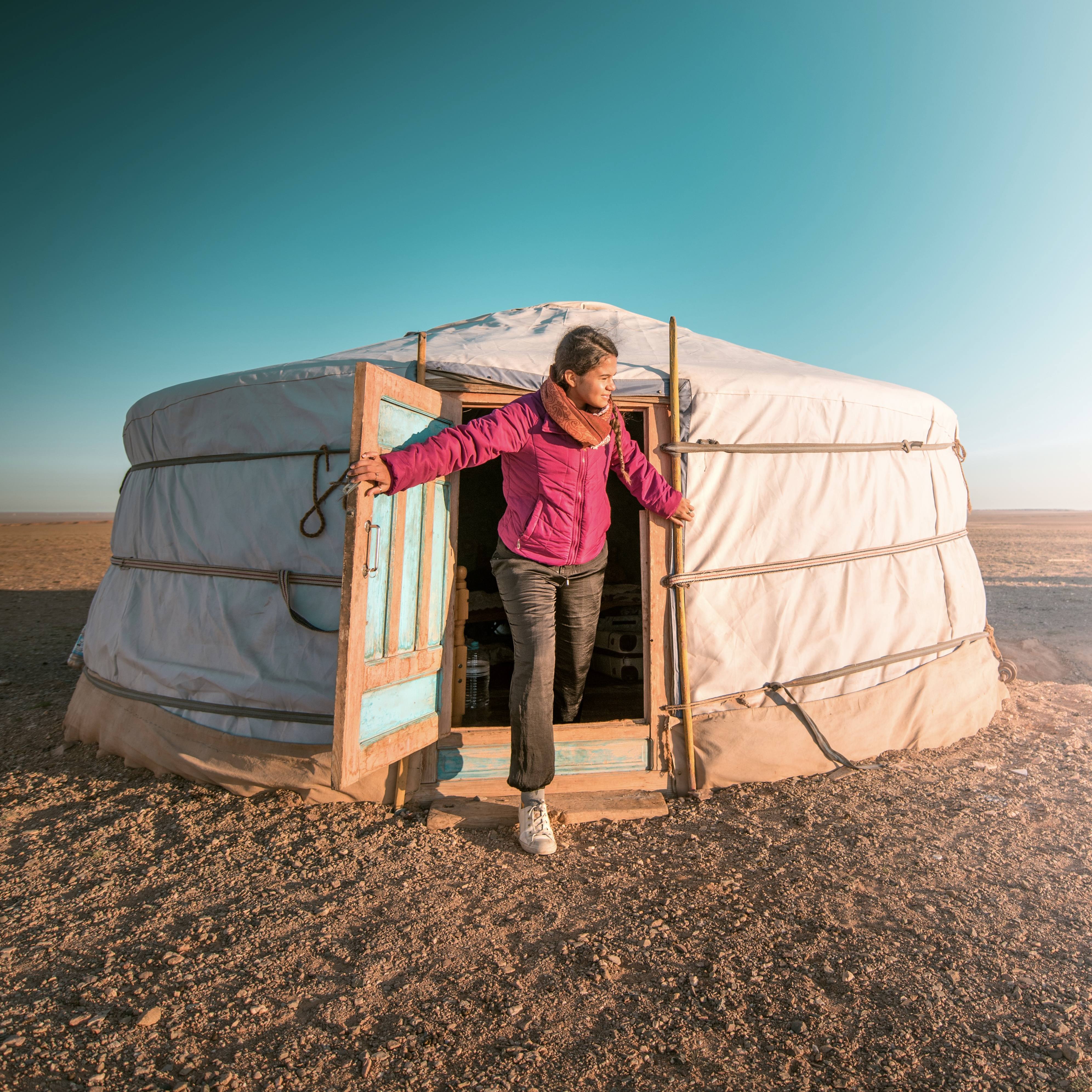
You’ve lived in Venezuela during a difficult time. What is your general take on the country and its future?
It’s no secret that the potential of Venezuela is immense — largest oil reserves, some of the most beautiful nature on the planet, warm, beautiful people, largest Caribbean coast, yadda yadda yadda. But that’s part of the problem, we need to leave the potential behind. Because potential means unused capacity. We Venezuelans are extremely passionate about our country, and lots of us are extremely hardworking. We would have everything needed in order to step up on the global market, except for… leadership. I think getting that right could unlock a large global role for Venezuela, but there are a lot of ifs.
Whenever that happens, I’d love to be part of that movement, and open a non-profit hospitality school that doubles as a lodge, to help empower that future for the next generation, and build out tourism infrastructure. So, like countless others, we’re waiting on our toes for an uncertain future that we would have all the best cards for. We just need to play them right.
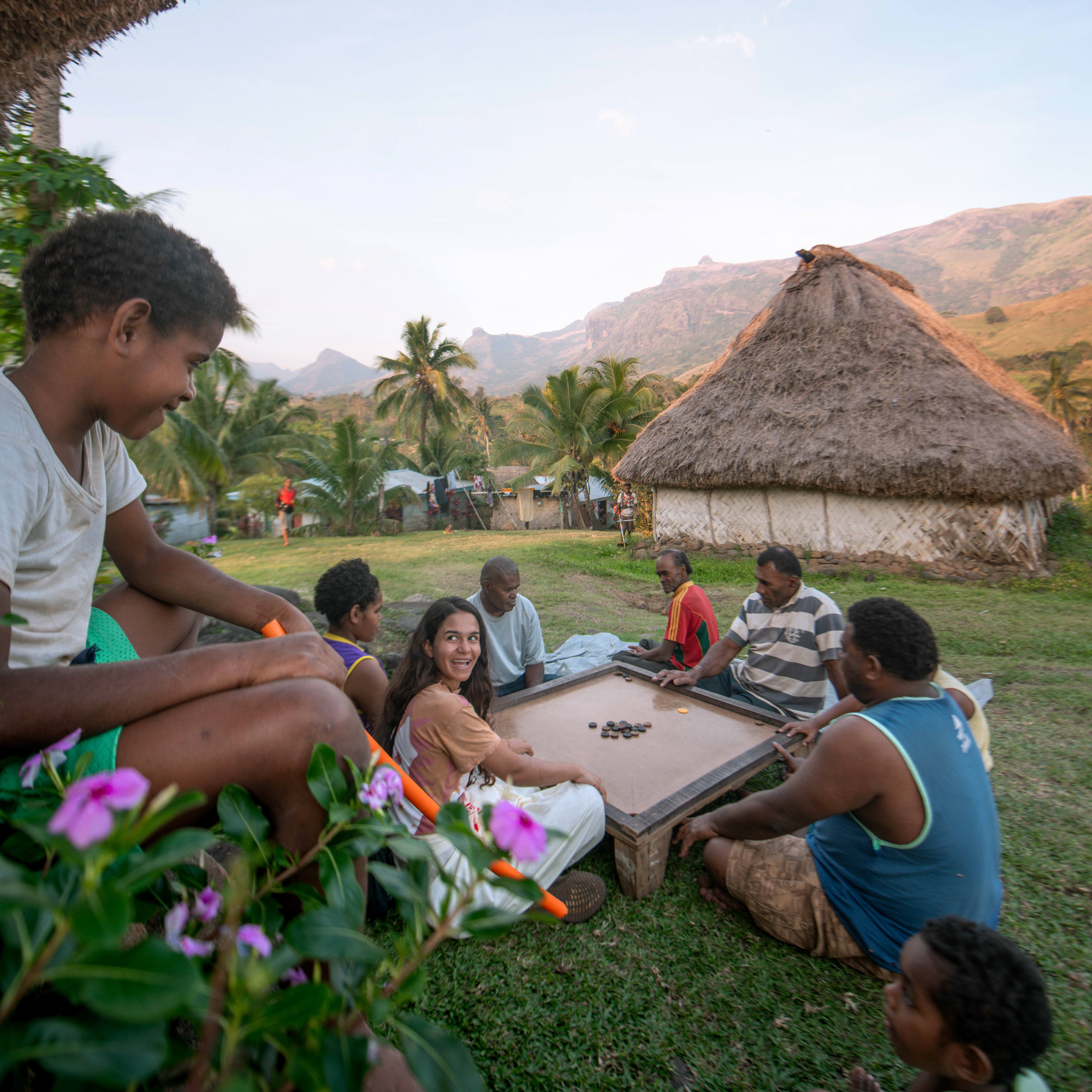
And since we’re there, give us a few gems of Venezuela beyond the known obvious ones.
Ah this one is hard, there is genuinely so much to explore and experience. One might say we’ve got it all: the largest Caribbean coast of any nation, the snow capped Andes mountains, the desert, savannah, all the way to the Amazon rainforest and unique indigenous groups. It’s never ending, really.
Of course, I need to represent the town I’m from — Chichiriviche. It’s the gateway to a stunning wildlife sanctuary and National Park: Parque Nacional Morrocoy. Lots of beautiful islands with white sand beaches, crystal clear turquoise waters, mangrove forests, stunning coral reefs to snorkel and dive around… If you were to picture the Caribbean dream, this would be it.
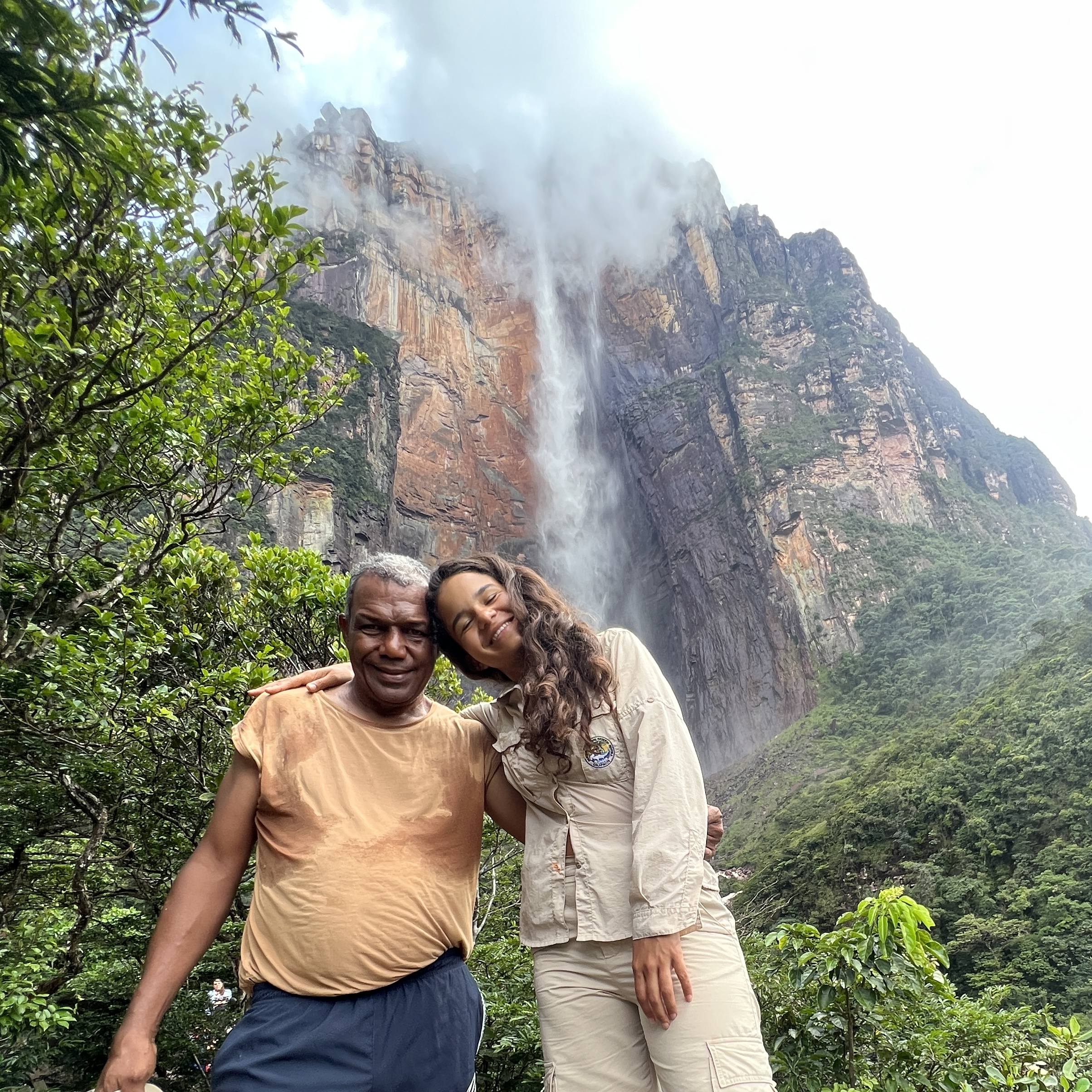
If we’re talking a bit more adventure, instead of “just” taking a boat along the river in Canaima, it is possible to climb up one of the tepuis (table mountain in the local Pemon language), see the extremely unique vegetation and wildlife (which sometimes, is unique to THAT specific table mountain alone, talk about biodiversity), and then abseil 1000 meters down vertically, right next to Salto Angel, the world’s tallest waterfall, which a lot know Venezuela for. Picture that, absolutely epic. That climb is on my plans for when I’m able to make it back, come join if you dare.
You are the youngest verified female UN Master on NomadMania. Tell us what motivated you to do 193 – and why you wanted to do it so fast.
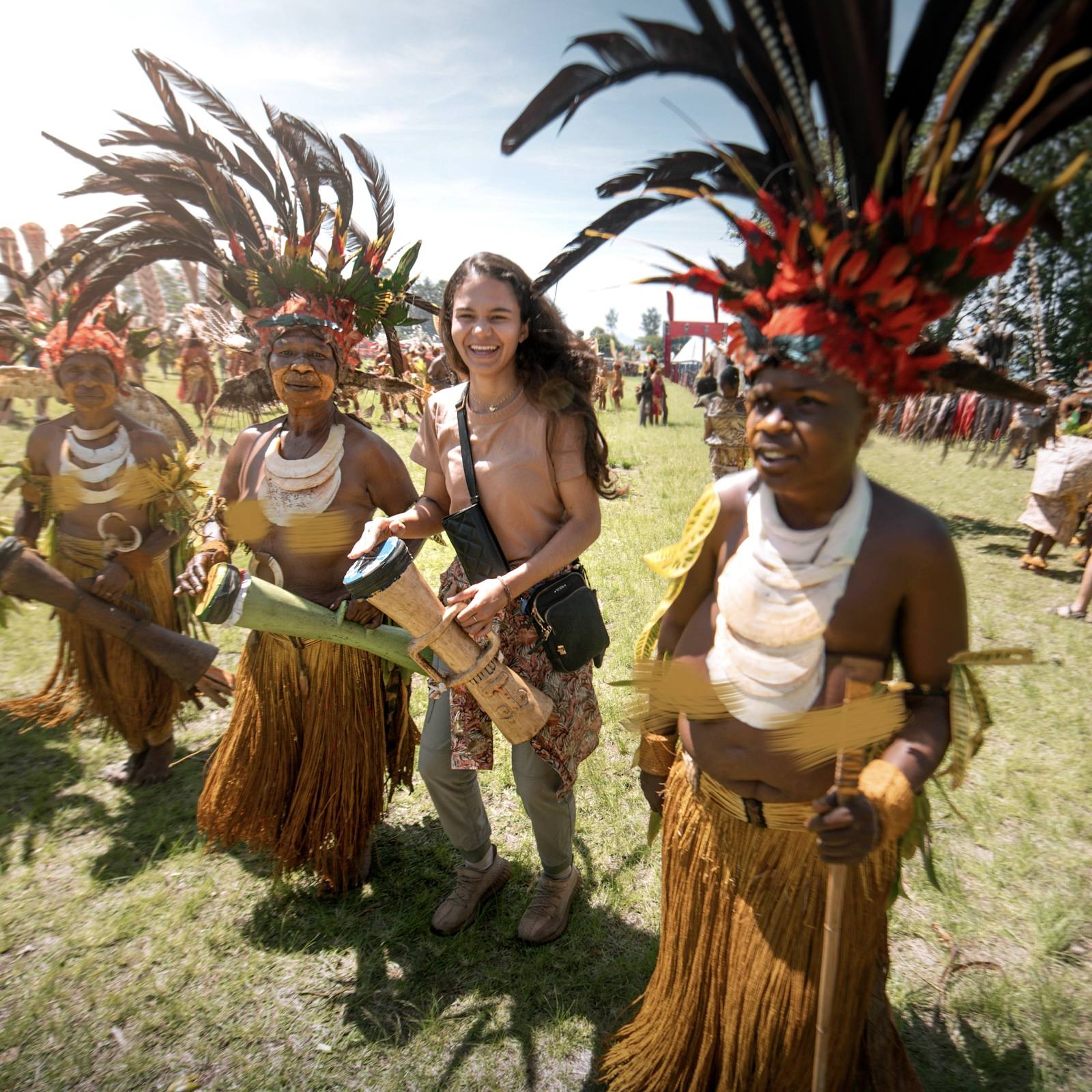
Becoming the youngest woman to travel every country was never the goal, funny enough. The goal was to “see the world”, that kind of childhood dream, like becoming an astronaut. As I grew up, I learnt that a lot about a goal is setting defining parameters, which I think is a big part of your work at NomadMania — answering the question of “What does it mean to see the world?”. For me, the blueprint that made the most sense was Every Country – 193 UN+ states and some extra ones. Then I dissected that. Created a system with the best times to explore each region of the world, adding natural phenomena (animal migrations, northern lights, the whole shabang), and cultural festivals (like Goroka in Papua, Kalash festival in Pakistan, nomad migrations in Chad…), prioritising politically unstable places, and then I chipped away over a decade.
Initially, the plan had more breaks at home, and it was not the idea to do it way before thirty. But there was a lingering fear that pushed a lot.
The freedom of movement and ease of travel that we are lucky to experience right now is unprecedented. And extremely fragile. My grandma, who grew up during World War II, always told us how lucky we are to be able to travel, and as I grew older and political tension intensified, it became more than a sentence I agreed with. It turned into something that kept me up at night. The pandemic showed the fragility of it, as do wars and border closures. That, coupled with perhaps sliiight PTSD from growing up in Venezuela, and knowing how things can go down in an instant, were definitely factors that accelerated things for me, and I tried using every ounce of my time to bring that project to fruition before it would be “too late”. Seeing how things have developed in Sudan, Mali, or Iran, to name a few, I’m really glad I did. I wouldn’t change a thing.
Younger UN Masters often get criticised for the speed of their accomplishment – they are told that it lacks depth when done quickly and that real mastery requires maturity and time. What is your take on this?
There is definitely something to be said about traveling a lot when young, and maybe I’ll have a better answer in a few decades with more maturity, but I’ll share what I’ve observed happening traveling at a young age with this intensity. Spoiler: it’s not always pretty, and I don’t necessarily recommend it. I wouldn’t encourage my kids (if I were to have some in the future) to do it, if I’m honest.
The young brain is extremely malleable, not fully developed, and the few times I’d return to a familiar environment and beloved faces, I’d notice the complete obliteration of parts of my still developing identity.
And how do you observe the world? How do you make sense of the things you experience? Through your lens shaped by your life experiences and identity.
But what if that no longer exists? You don’t have a lens to see things from, because your lens sort of just disintegrates into the world before it has had a chance to take root.
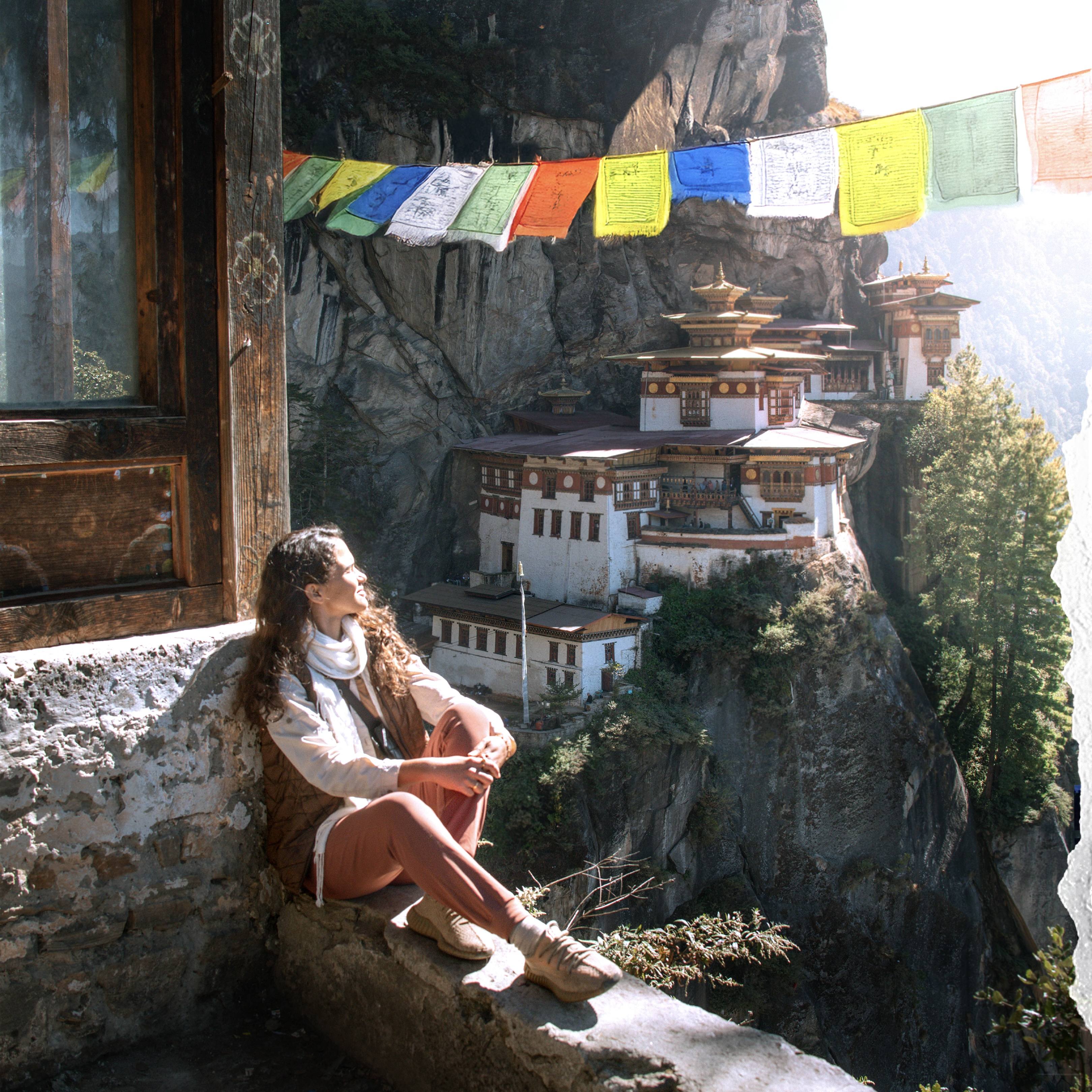
Our perception of reality only exists in relativity to other things, but if you do not have that anchor to make things relative to… processing a lot of information becomes significantly harder.
Micro examples that might help make this more tangible, and less conceptual, that every traveler experiences to varying degrees, are thoughts like:
“Am I showing too much skin? It’s ok, you’re not in Afghanistan anymore.”
“Do I bow when saying thank you? No, I’m no longer in Japan.”
From “gracias”, to “dankeschön”, “teshakur”, “shokran”, back to “thank you”, “arigatou gozaimasu”, and then again to “muita obrigada”, “khaphunkha”, and “teramakasih”.
Like that, but times a hundred.
It definitely caused a good amount of anxiety not knowing how to function sometimes.
I had gone to discover the world and lost part of myself in the process. And maybe that goes back to my cake analogy a few questions back. I just wasn’t a complete cake yet, then ingredients from everywhere got added to an already complex concoction.
But I’m also extremely grateful for it, because now that I’ve allowed for the dust to settle, and my lens of the world to get into place, I think I can see things from a very unique place. Rather than a pre-set opinion that got reinforced, looking for how countries fit into my worldview, I got one that was built by the world. And that I’m very proud of, and I think I will be until my old days.
Do you believe that travelling is different for women compared to men and in what way?
I love this question. And not for the reasons you might think. Of course, there are some negatives that feed people’s assumptions, but I think this narrative has more of an effect of discouraging women and people in general to travel.
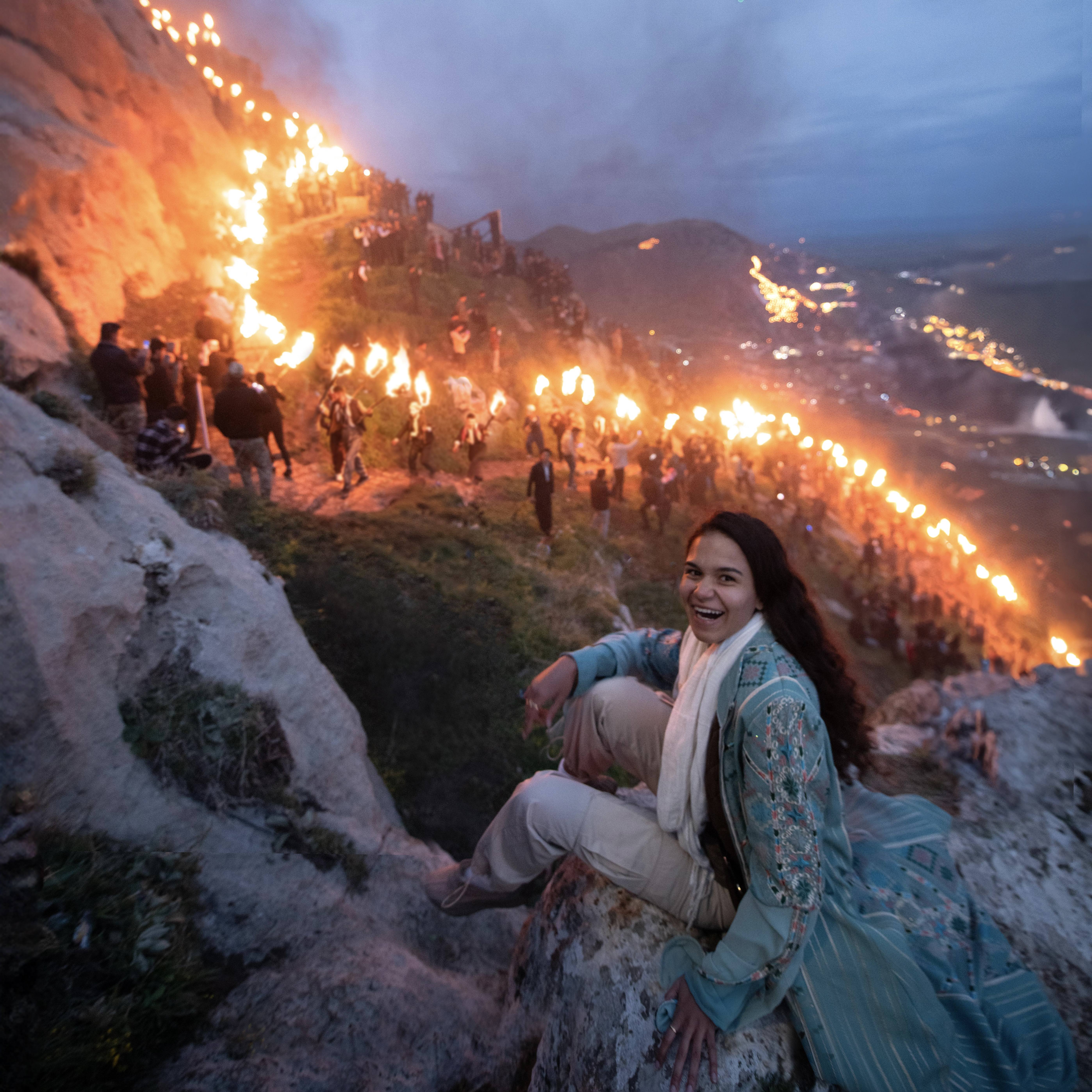
There are so many positives to traveling as a woman — it often opens doors that are closed to others. People seem so much more likely to help you out, and be protective of you. We often get invited where a male traveler on his own often would not. The amount of times I have felt a room of strangers ease up because I am stepping in as a woman… I lost count.
Have I had to be on guard, hyper-aware of my surroundings, how I dress, and ways to interact with people? Yes, of course.
Has anything truly bad ever happened to me on the road? No. Although people seem to be extremely surprised when I tell them.
And perhaps this is a sort of victor’s bias, where I believe everything is vanilla because I have not had a heavily negative experience, and that is not to diminish what other women might’ve experienced. But having traveled for 13+ years now, from my late teens until now, at what point does it stop being “luck”, and more so that the narrative around safety might be skewed to be more negative than it actually is? I encourage every woman (and person of any gender for that matter) to lead their life decisions with courage, and not fear.
Of the countries you visited, which one surprised you most compared to your expectations, and why?
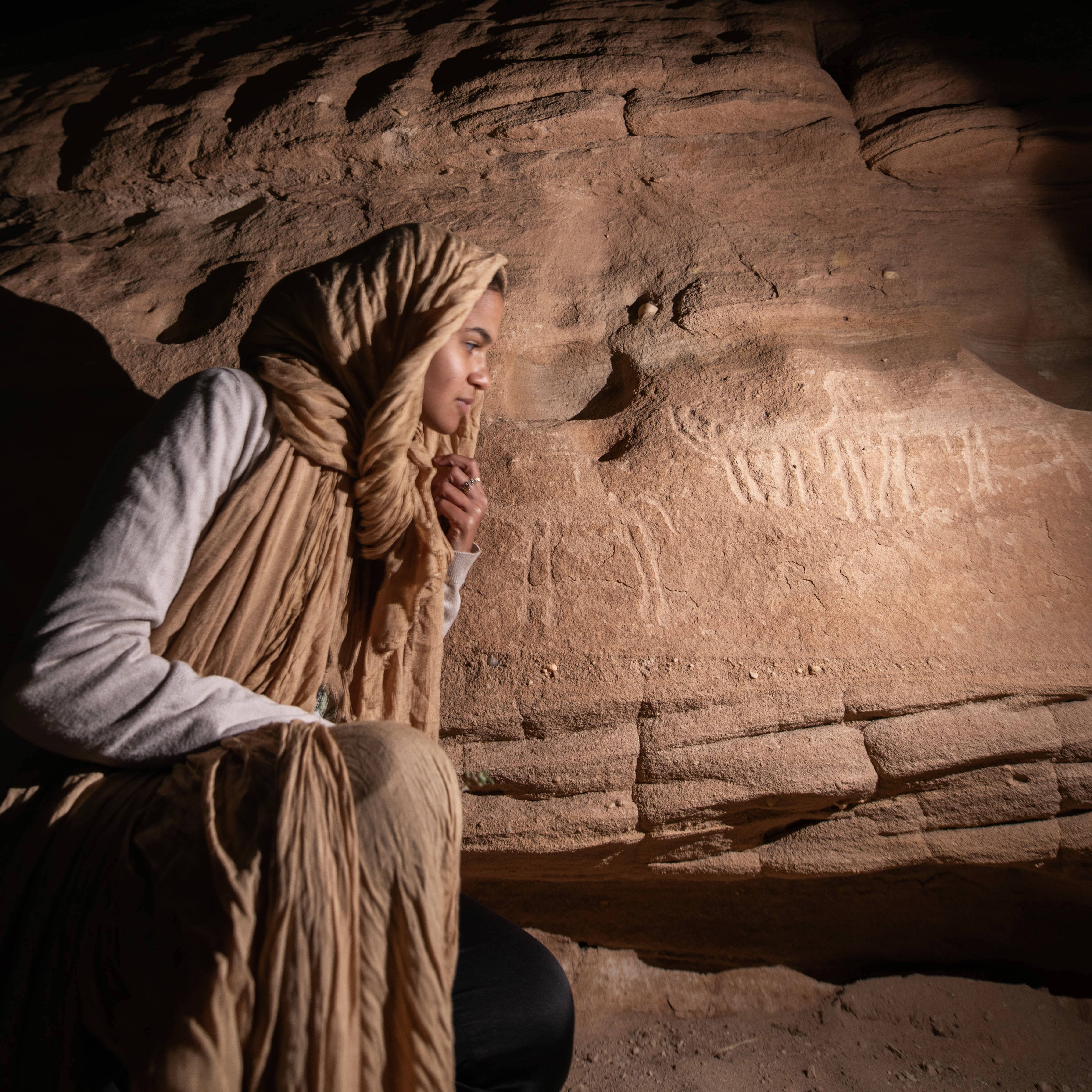
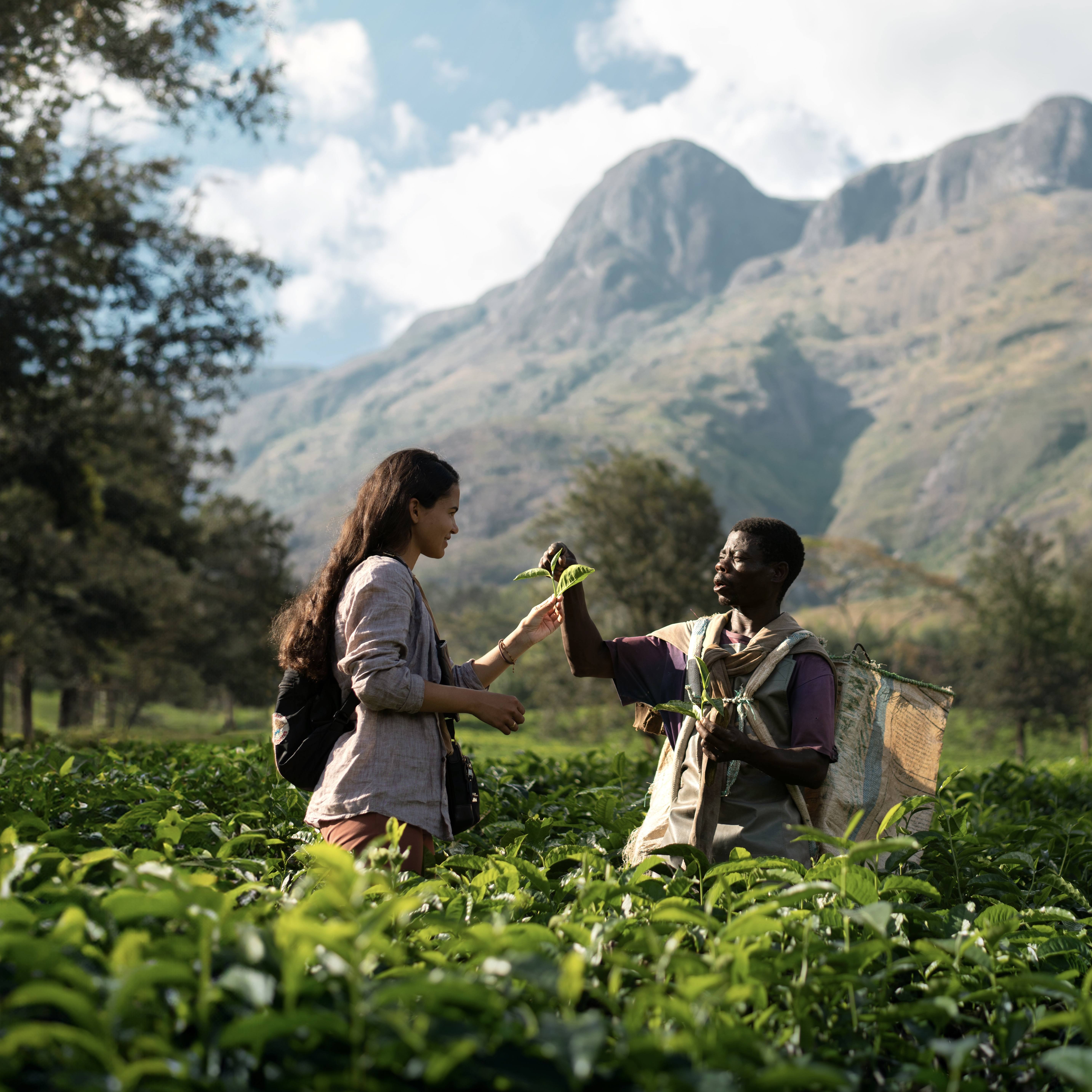
Tough one. I think in a way, each country can surprise you if you go in without set expectations that you are looking to meet, but purely with curiosity. Then anywhere and everywhere can and will be surprising. Whether that is in the shape of heartwarming hospitality and kindness in Sudan, or the sensation of witnessing a time capsule when spending time with nomadic tribes in the depths of Chad, scuba diving through WWII ship wrecks in the Federated States of Micronesia … The whole world is full of wonder, truly. I couldn’t pick a single one, even if I spent the next 10 years as a monk trying to find a sole answer.
Give us a travel story that really remains in your memory.
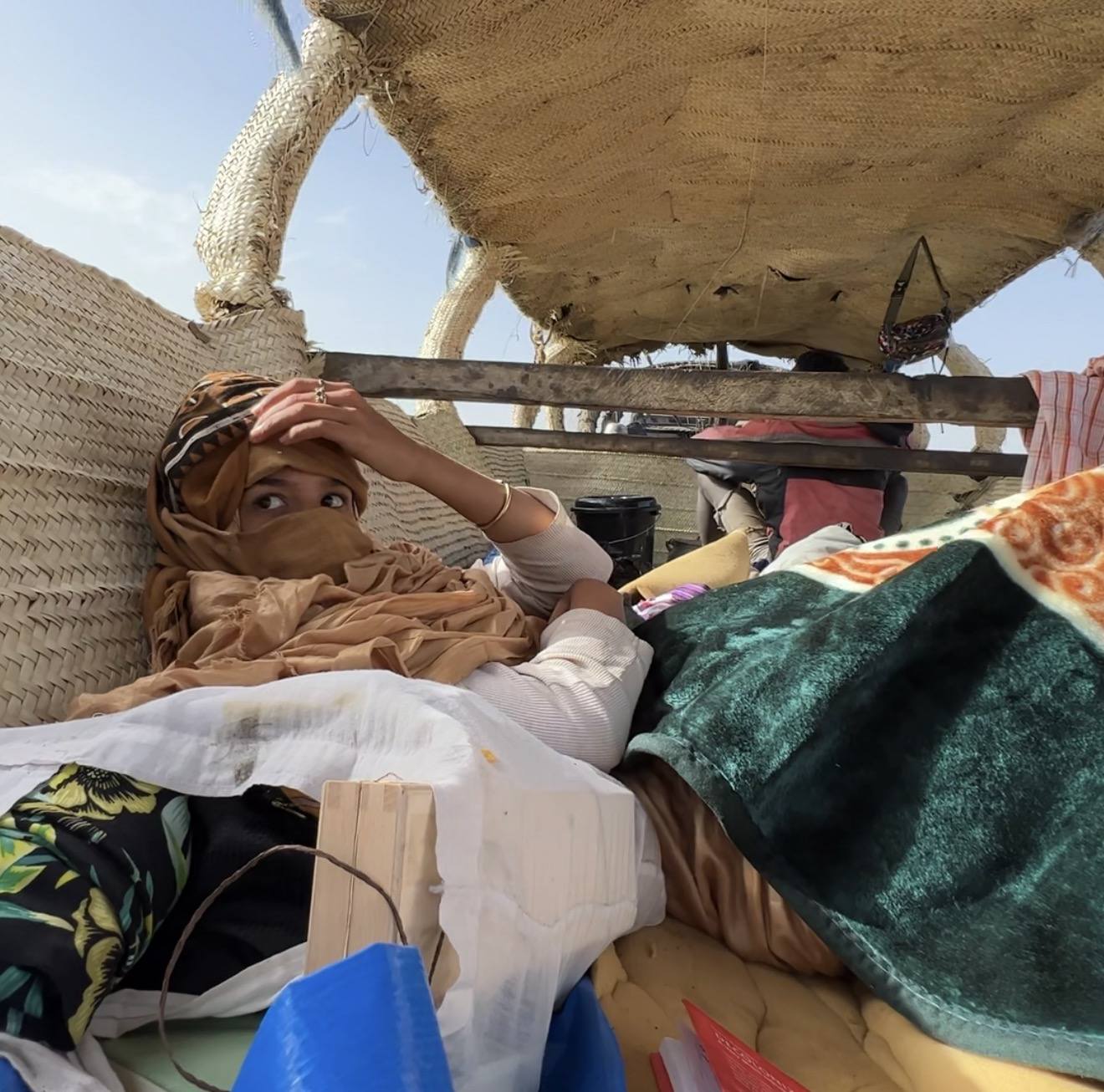
What will always be etched into my brain is definitely the time I smuggled myself on a fishing boat to Timbuktu in Mali.
Let me pre-phase this by saying that this travel experience is by far the highest calculated risk I have ever taken on. I don’t recommend it. If anything, if it was risky and complicated back then, I think it is impossible now.
To me, the journey was important because I got to trace back the slave trade routes of my family heritage, and honour coming from zero freedom, to a life so full of it, that generations before us could have never even dreamt up. That applies to all of us — no matter if our ancestors were slaves being shipped across the Atlantic, or a European in the Middle Ages who lost all his family to the Black Death. It’s important we remember that the amount of options and freedom we have nowadays is unparalleled. Some people connect with that simplicity of life and death in different ways: some go outside and touch some grass. I decided to smuggle myself to Timbuktu. And that’s between my therapist and I … 😉
Jokes aside, it was a very personal journey, but I will let you in on the story.
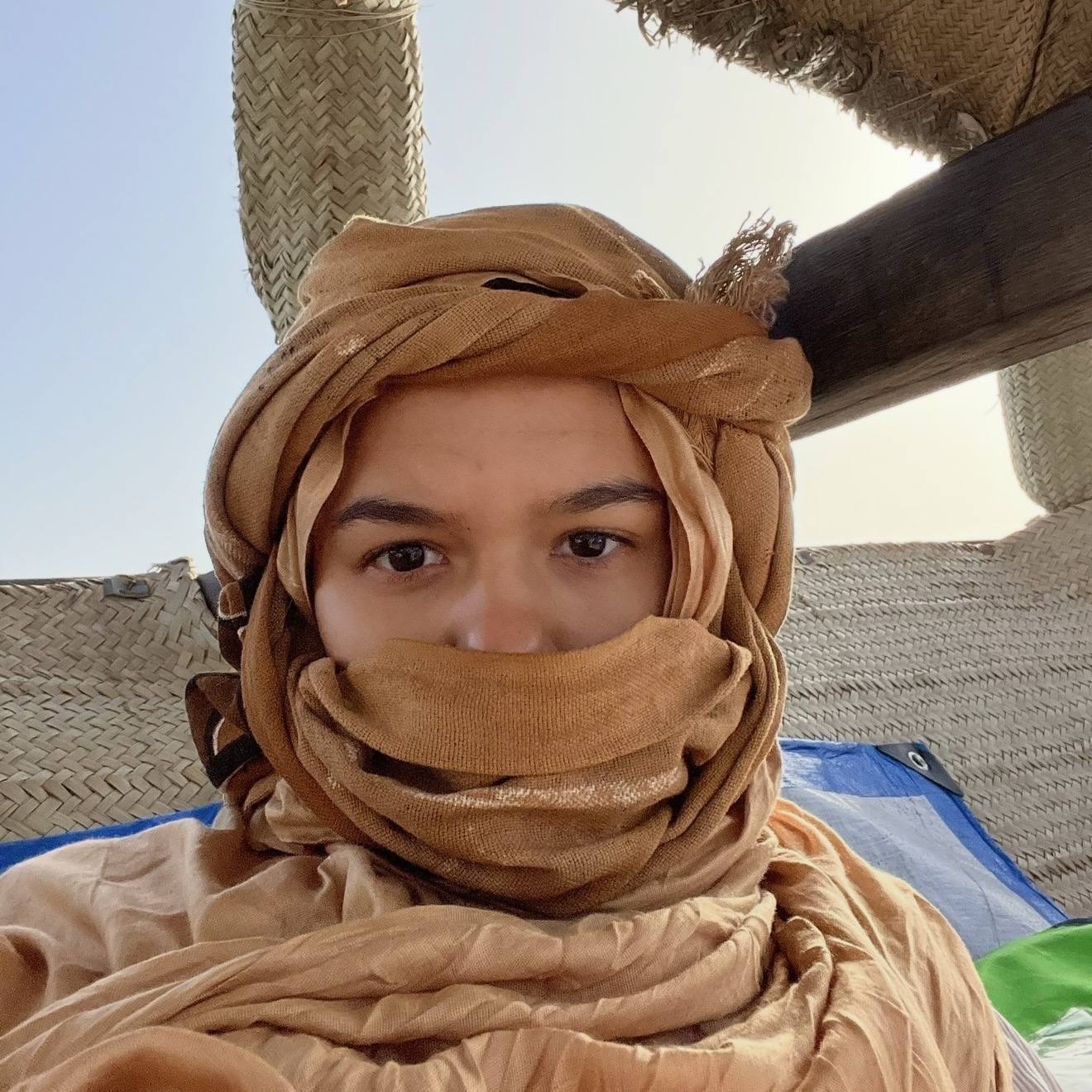
In early 2022, Mali had just experienced a coup, and the military was now in charge of the country. French troops were given 72h to leave, in favour of the Russian Wagner group. On the highway leaving Bamako, the capital, countless humvees were coming our way to follow orders. When I got to the port where my fishing boat was meant to leave from, another front became visible: everything north was off-limits, because of tribal conflict and extremist groups tied to Al-Qaeda.
As we got in the boat, I received a text message saying more villages had been taken over, but by that time it was no longer possible to return. I was illegal contraband and could only go one way.
So, for the next 72 hours I laid on the bottom of a wooden boat passing through Jihadist territory, every once in a while, the sound of my thoughts would be louder than the rattling sound of the engine. Turns out the volume of questioning your own life choices when you are in, let’s call it a bit of a pickle, is quite loud. “At what point did I start thinking undertaking this much danger was a normal thing to do? Couldn’t I just make banana bread and binge watch Netflix like everyone else?”
The only time the engine sound stopped was when it broke, and in those moments you desperately long for the penetrating sound to start again. Most notably one time, in the middle of the night, right next to an area we were notified had just been taken over by JNIM, one of the active terrorist groups and the one linked to most kidnappings: we were at standstill for multiple hours and boats started to come and shine their light into ours, with my pale face having nowhere to hide. It is hard to describe what happens in your mind in those moments where the reality of life only being separated from death by a thin curtain becomes so palpable.
I like to think that it gives an unmatched clarity on what truly matters to us in this life — what conversations we still need to have, who we want to say I love you to, and how we really want to live in this world.
And when the blasting sound of the first puffs of the motor come on again, you thank every cell of your body for being alive, and realise that what truly matters is that we get a chance to live another fleeting moment. But we do not need to undertake such risks to have this level of gratitude.
After multiple days, we ended up reaching Timbuktu safely at 2:22pm on 2/2/22.
The first meal was warm, soft, Timbuktu bread. I’d never tasted bread this good in my entire life. My fixer’s family embraced me and let me stay in their home while we quietly explored the walls of this ancient city built by hand with mud and wood over centuries. We got to see old texts, remnants of old trade routes, and be reminded of those who came before us. Some voluntarily, and others not. An example of a place that saw great wealth, and as the passage of time went on, is now far from it. That trip remains engrained in my memory, because it really took apart the fabric of reality and the dot we inhabit in it, and be reminded that the only constant in this world is change.
What would you change in how you approach travel if you could go back 10 years?
Document everything. Write more. Photograph more. The human memory is powerful, but at the same time a feeble thing. Memories fade, and those that do stay can be faulty. We can experience a trip once, or countless times with the click of a button. We are lucky to live in a time with great access to technology, where being able to revisit moments is made incredibly easy. Being able to have a tangible account of these experiences is absolutely invaluable. Use it.
To what extent has technology assisted or not in your travel endeavours?
That’s a good bridge from the previous question. So much. I’m (obviously) still extremely young relative to so many travellers that have paved the way for our generation, and the ones to come. I genuinely can not imagine how challenging it must’ve been without being able to connect through the internet with local contacts in … say destinations like the Central African Republic, or to look up the opening hours of an embassy, make a wire online to secure flights on an obscure airline to get you to a remote Pacific island. Or more existential: checking restaurant review scores on Google Maps? Tragic!
But on a serious note, I imagine this being the easiest it has ever been to travel anywhere and everywhere. And that is largely thanks to technology.
Now that you’ve completed 193, what are your subsequent travel and professional aims?
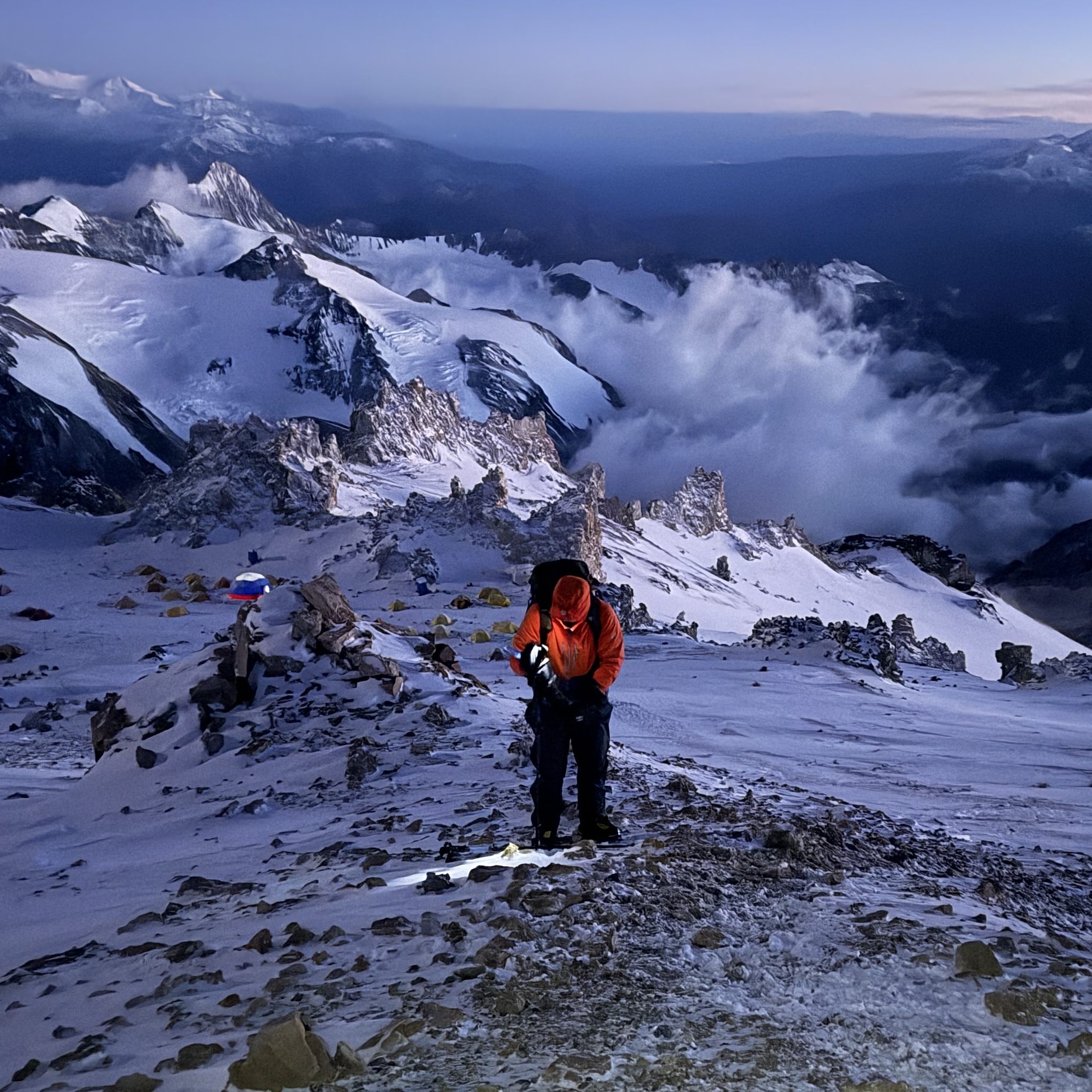
Travel and adventure-wise, my current endeavour is to climb the Seven Summits — the tallest mountain on each continent. I’ve wanted to do this for a while, and it turns out I’d be the first woman to both visit every country and climb the Seven Summits, which is pretty cool. But I’m in no rush. At the moment I’m creating a nest of my own, after all these years of traveling nearly full-time, and settling on the French Riviera in Nice. I really can’t complain.
Professionally, there is a lot in store: including a book (on the Every Country experience), and mentorship focusing on maximizing human potential. That’s the stuff that really excites me.
Do you have a ‘base’ and to what extent do you believe in a ‘base’ when you have spent so much time travelling?
That’s a great question. The definition of a ‘home’ becomes very vague at some point down the road, and ‘base’ becomes the better term, like you said. Over the past 10 years I had these bases all spread out – one in Austria, one in the UAE, another in the US… and I even briefly moved to Ivory Coast in West Africa for a tid bit. It all made sense at the time for travel or language learning purposes. Looking back, it’s crazy the extent to which I went to make this goal more “convenient” (although not sure that will ever really fall on a convenience scale).
And to answer your question more specifically, after all these years, I’m going back from ‘base’ to ‘home’. As you know, I recently moved to the South of France, and for the first time in my adult life I have all my things in one single place. I craved this phase immensely for a very, very long time. And while exploring in one shape or form will always be part of my life, I’m grateful to have more balance in my life now. I’m positive it will open up mental space and capacity to work on bringing other big projects to life, and I’m over the moon about that.
Finally, our signature question – if you could invite any four people to an imaginary dinner, from any period in human history, even fictional characters, who would you invite and why?
Alexander the Great.
Amerigo Vespucci.
Reinhold Messner.
Elon Musk.
For the common denominator of rewriting human history (for the better… or worse, that’s always up for debate), relentless exploration across oceans, continents, uninhabitable environments that would normally kill people, and perhaps one day, all the way to interplanetary exploration. All that in the face of great risks, and uncertainty. Incredibly, interestingly, extremely … human.