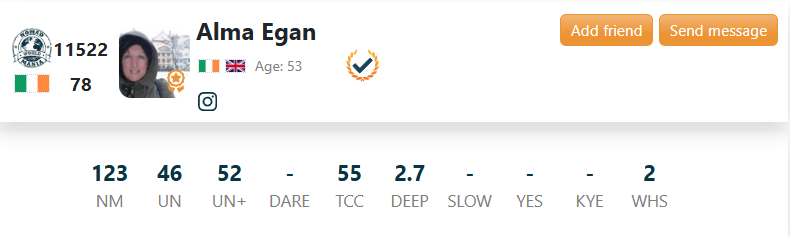
For Alma Egan, NomadMania’s Envoy for Northern England, a fascination with the wider world began in childhood, watching planes take off beside Dublin Airport and wondering about the journeys beyond. Today, based in Salford, England, Alma brings her Irish warmth, cultural curiosity, and passion for meaningful travel to the NomadMania Envoy program, helping travellers connect, share stories, exchange experiences, and build a stronger global community.
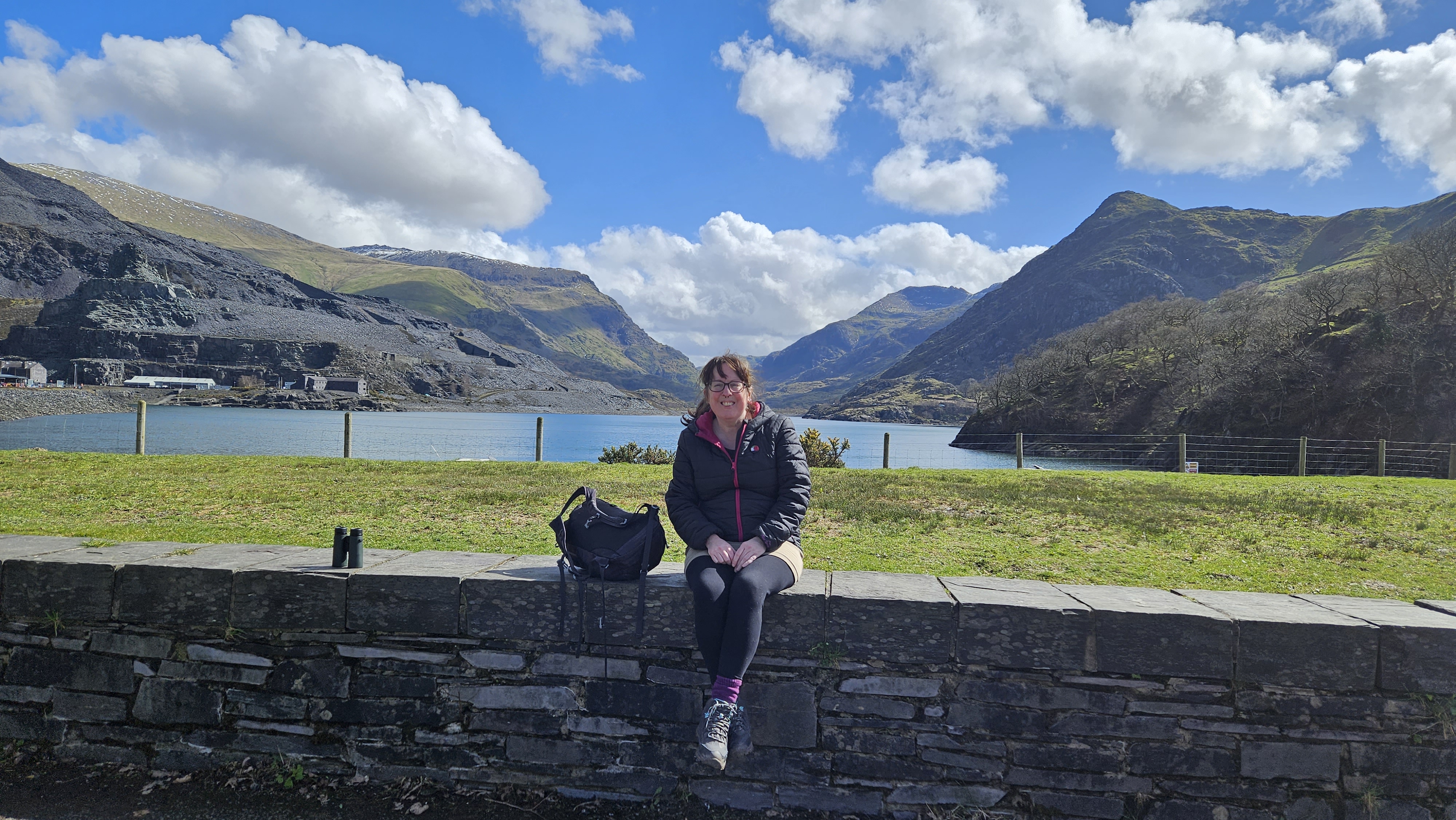
Through the program, she also helps introduce NomadMania to a wider range of travel enthusiasts, welcoming explorers of all backgrounds and experience levels. She is also beginning to share her own experiences through travel writing, capturing the people, places, and encounters that have shaped her journey as an explorer.

Alma, tell us a little about yourself, your early years and how your love for travel developed.
I grew up in Swords, which is beside Dublin Airport in Ireland. When I was small, a family excursion was to go to the airport, get a glass of fizzy orange (called a mineral in Ireland), and watch the planes. I was always fascinated by the buzz of people coming and going and wondering who they were and where they were off to. We also used to go to the port of Dun Laoghaire in South Dublin to watch the ferry leave for the UK and wave at people on the deck.
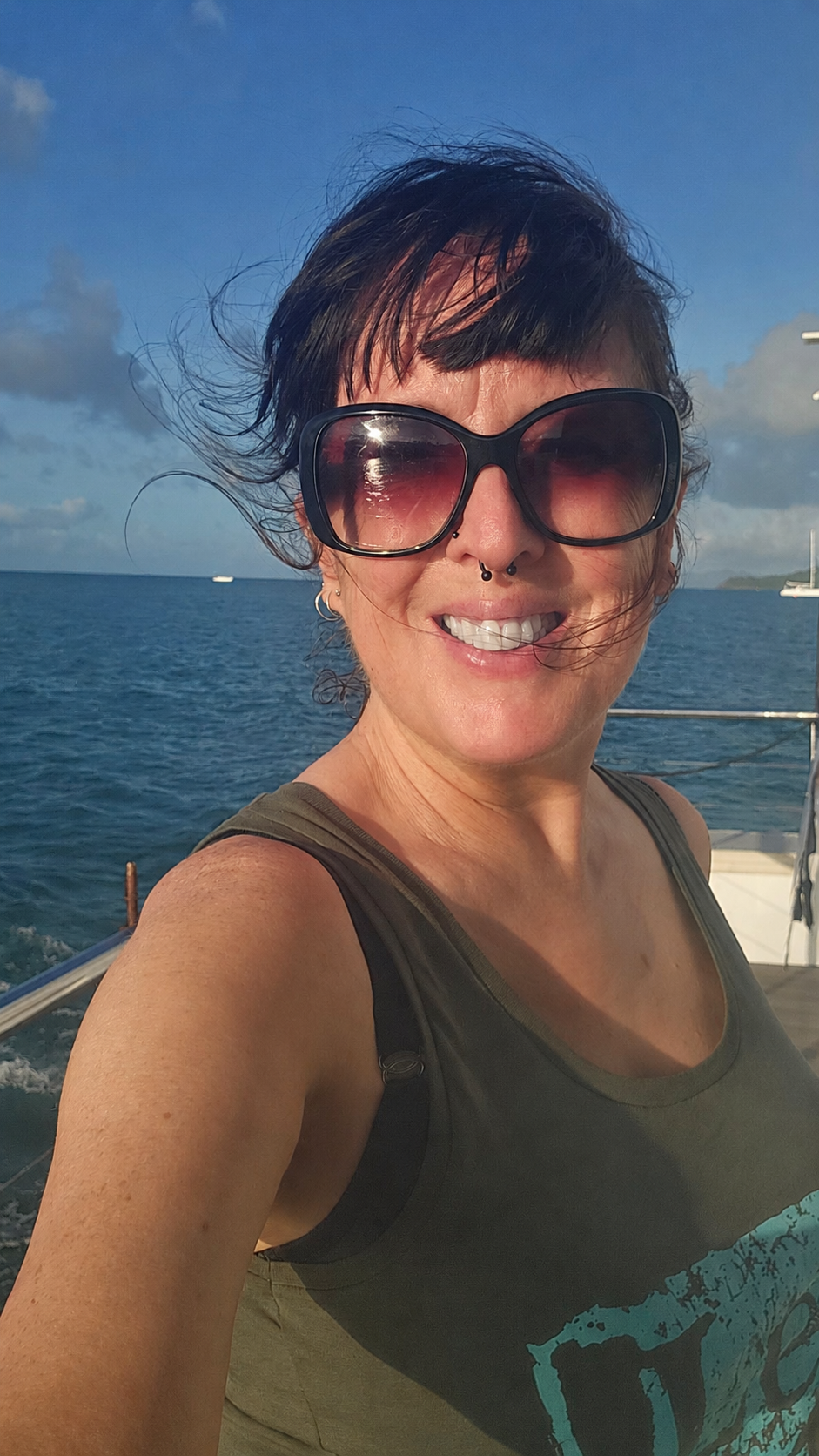
I promised myself at the time that, when I was older, I’d be the person on the boat or plane going to exciting places. In hindsight, most of those people I watched didn’t want to be leaving but were part of the mass emigration to the UK from Ireland in the 70s and 80s.
I eventually joined those masses when I first left Ireland at 17 to go and work in a tiny hotel in a remote part of Scotland; a big culture shock to a teenager used to being in the capital, partying every weekend. I moved to Amsterdam at 20 on a one-way ticket with the intention of exploring the world but ended up staying in the Netherlands before moving back to Ireland, where I lived until I moved to England in 2016.
Even now, when I travel regularly 12 months of the year, I still adore waiting in airports or bus and train stations; sometimes starting the journey is just as exciting as getting to the destination.
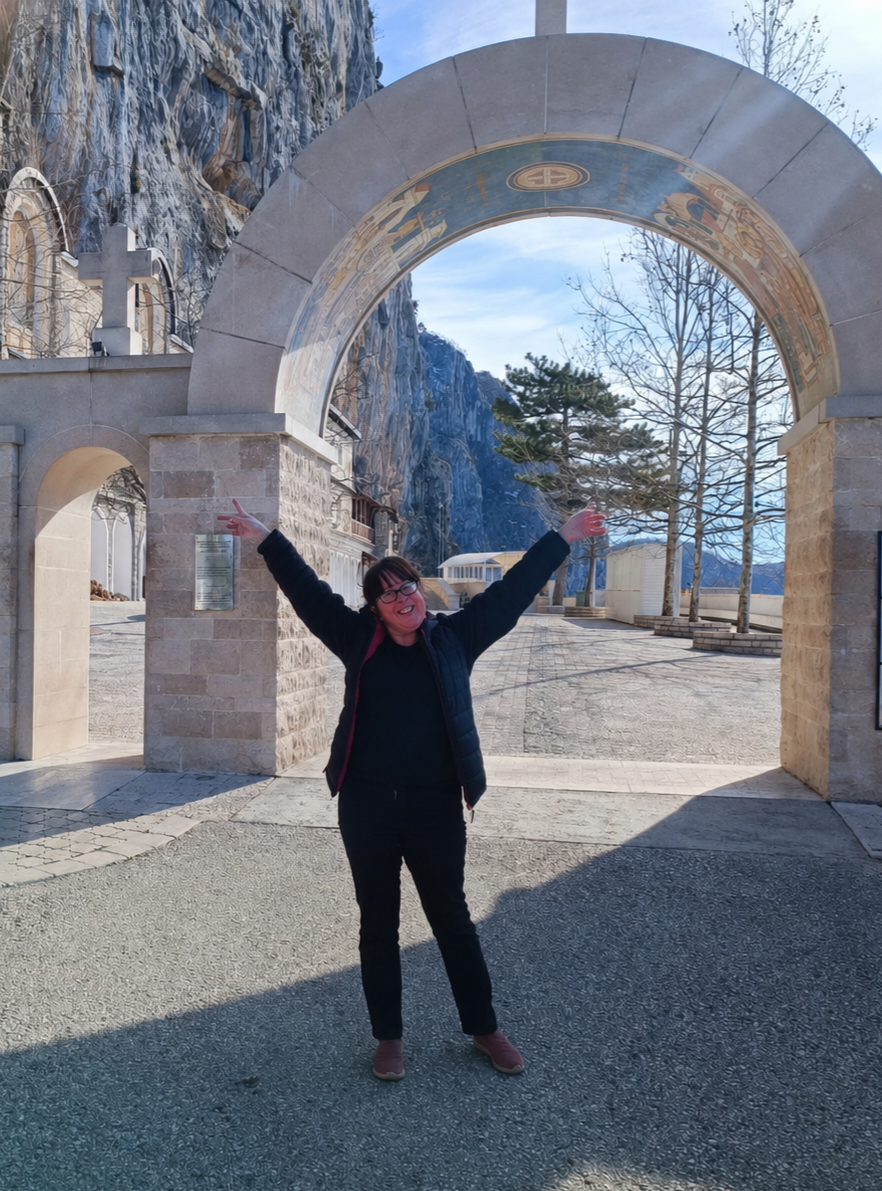
You’re from Ireland – how do you believe that has shaped your world view?
Ireland is a bit of an anomaly worldwide. We’re a tiny country but world-famous for poets, musicians, storytellers, and artists, along with the negative history of the six counties, especially from the 1970s to the 2000s. As such, I’ve grown up around a strong sense of identity and history, which has probably made me more aware of culture and how it influences people’s lives.
I’m quite open and friendly in how I interact with others. Ireland has a reputation as the land of a thousand welcomes, and I love chatting to people when I travel and finding out about their lives and traditions. Being Irish has also made me champion the underdogs.
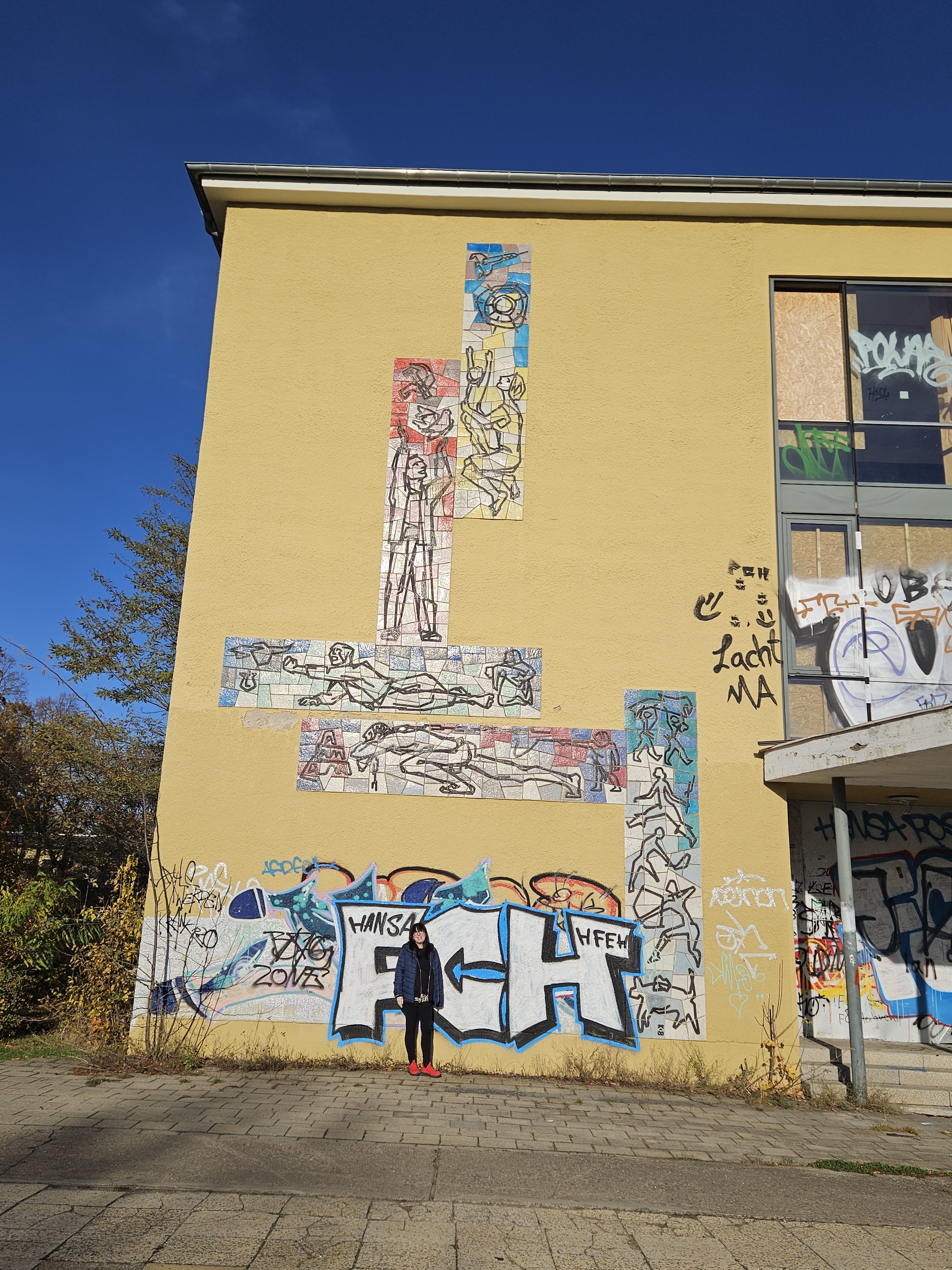
I’m very passionate about countries like Palestine and Cuba, and ethnic groups like the First Nations peoples who are trying to hang on to their identity. It also probably makes me quite aware, when I’m travelling, of cultural sensitivities or typecasting; I’m sure everyone can think of at least one stereotype about Ireland that Irish people know isn’t actually true.
At the same time, there’s a big emphasis on humour and not taking things too seriously in Ireland, even in tough situations, which I think has helped me stay more positive and resilient. I love getting out there on trips, relaxing, and having the craic even when the day has gone horribly wrong. I’m a big supporter of the concept of Type 2 fun!
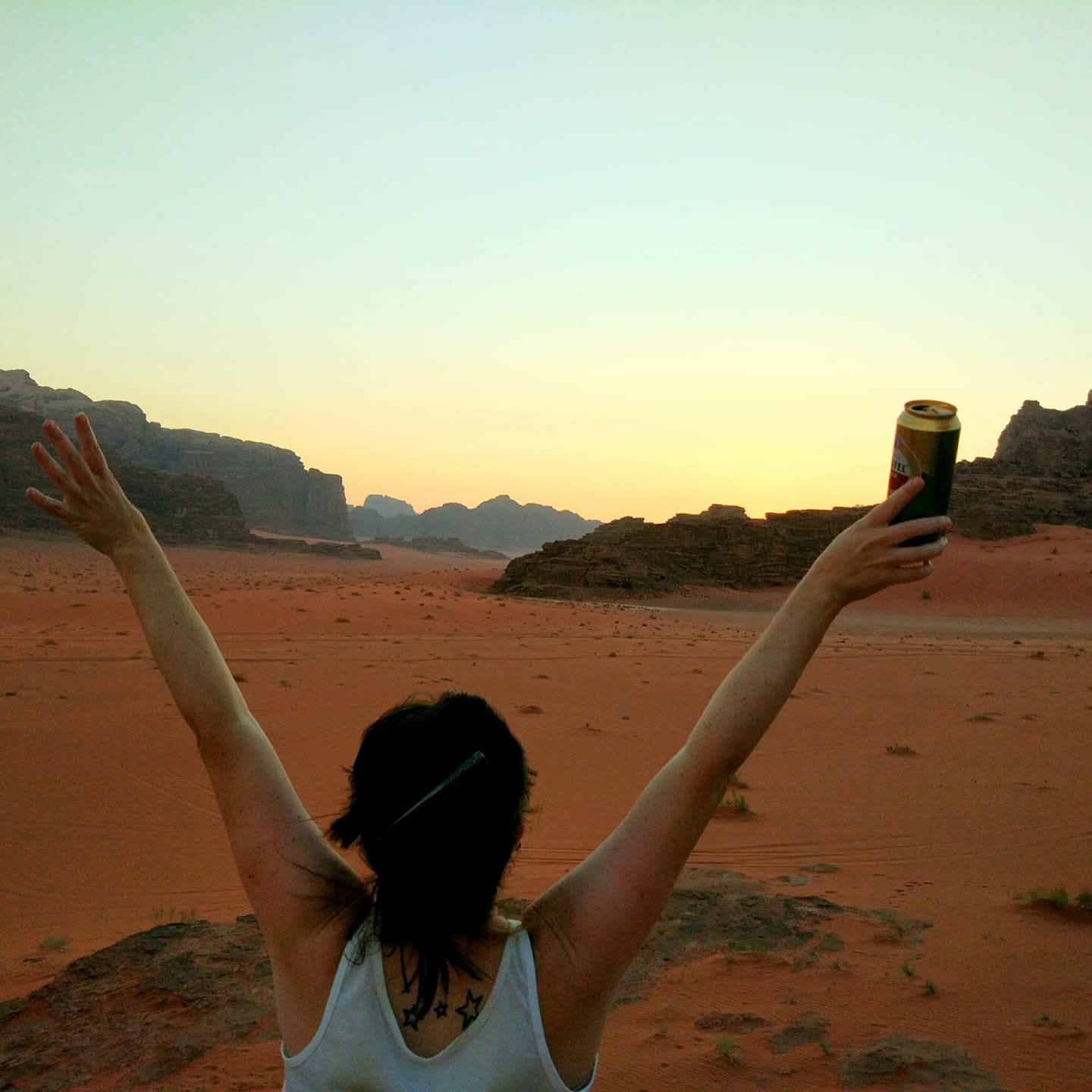
Now you live in Salford, England. What are some notable differences between Northern England and Ireland? Any ‘culture shock’ or not really?
Ireland and Northern England are very similar in many ways. Northern England is probably a lot more similar to Ireland than it is to Southern England. There’s a strong tradition of working hard and then enjoying your free time. Many people don’t know, but the “weekend” originated in Northern England in 1843 when workers’ rights activist Robert Lowes (also actor Ian McKellen’s great-grandfather) campaigned to win workers the right to leisure time on Saturday afternoons. So, a big thank you to all those Northerners who campaigned so I get time off work to go on my trips!
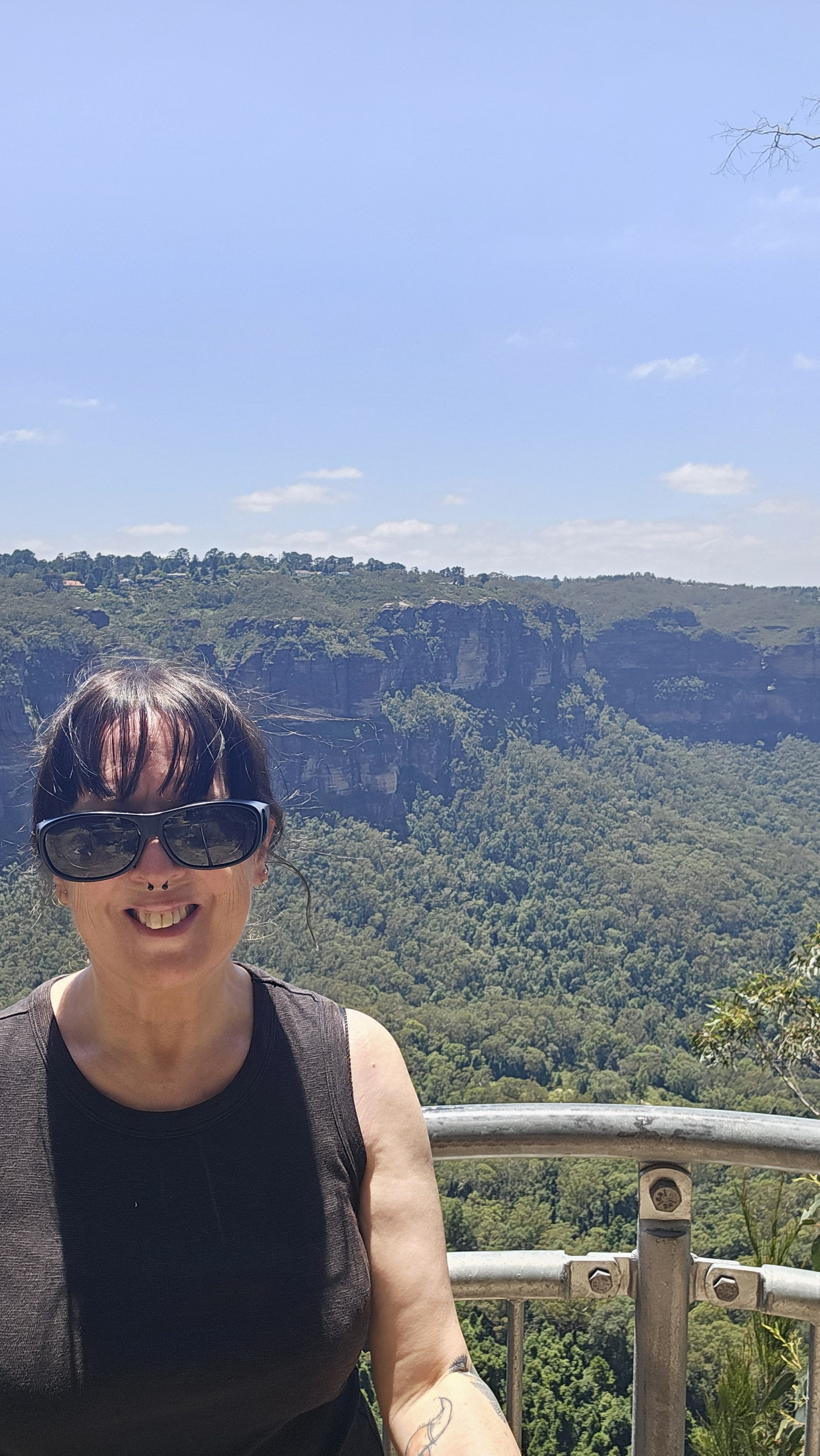
The differences are probably more like small things you start to pick up on over time. The accent is definitely very different! I struggle to understand some people, including my partner, at times, and we use totally different slang – I pepper my conversations with Irish slang, like “cula bula” and “any craic?” It’s also quite common for me to pop Irish language words into sentences, which can confuse people.
And what are some ‘go to’ places in Northern England you feel are unexplored and suggest to our community?
Lancashire and West Yorkshire are largely ignored by visitors to Northern England. Many people are aware of, and have visited, the Lake District and the Yorkshire Dales but never stop on the way, and they’re missing out on so much! I only started exploring this part of England when I moved to Salford (originally part of Lancashire, now Greater Manchester).
It has a fascinating history, including wars between counties, witch trials, and the development of the railways and canal networks. You can head to the coast or the moors and walk for miles without seeing anyone. Likewise, its canal networks are ideal for a day’s walking, with traditional pubs en route to pop into for refreshments.
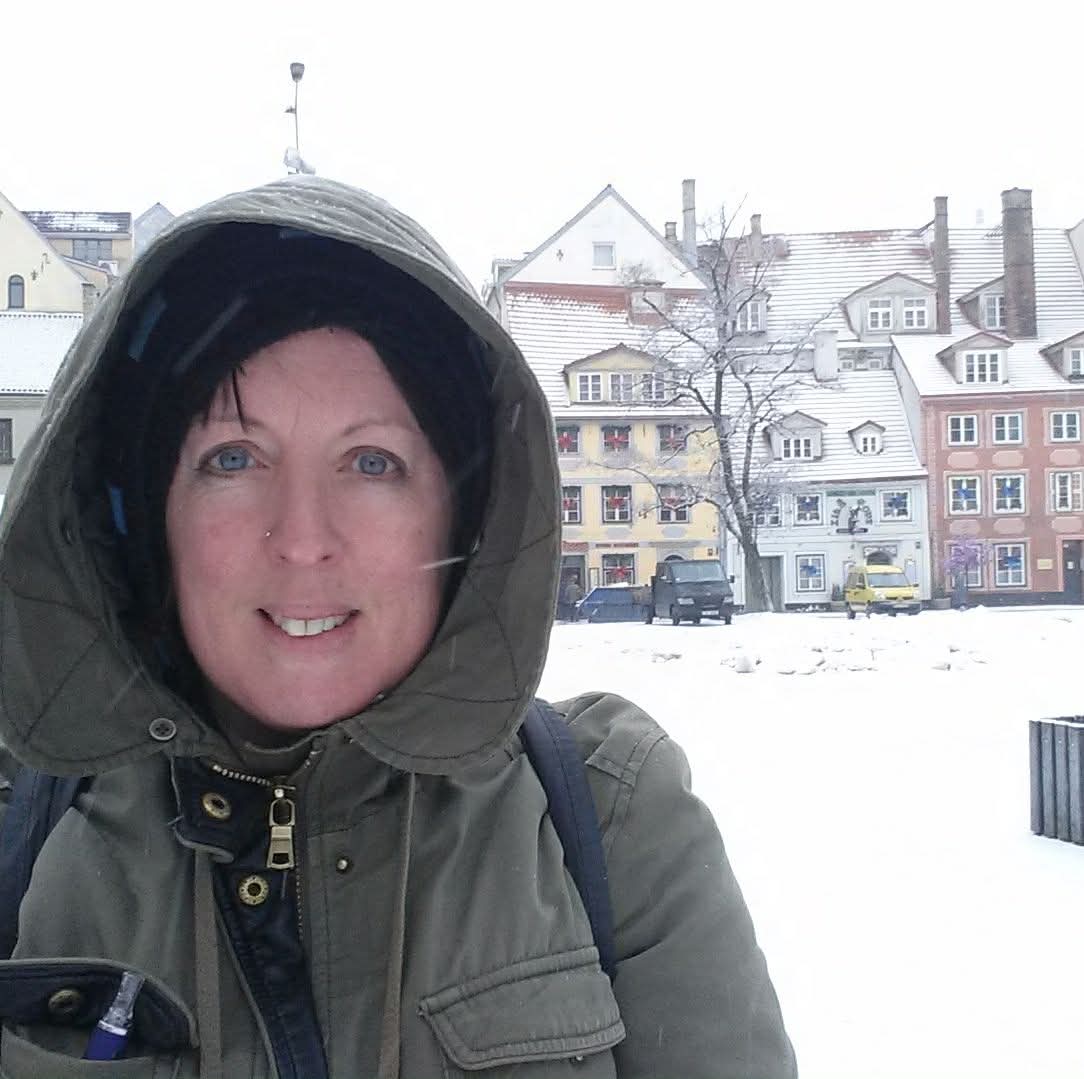
I always recommend people visit Haworth in West Yorkshire and stay for a few nights rather than just a day trip. It’s a beautiful traditional village, as well as being the home of the Brontë sisters. If you visit out of season and walk up to the ruined farmhouse, rumoured to be the inspiration for Heathcliff’s house in Wuthering Heights, you will have the whole area to yourself.
When the mists start rolling in, you can easily imagine that the walker you can just about see in the distance on the Pennine Way is actually a Brontë character lost in time. If it’s nature you prefer, the beaches and coastline around Silverdale are great for exhilarating walks and birdwatching.
Tell us a few of your travel experiences/stories involving people which really left a mark on you.
I originally started thinking about people I have met when travelling who talked about visiting Antarctica, Mali, North Korea – all unusual and not often visited spots, and probably top of a lot of NomadMania members’ bucket list. I find people like this inspiring and, whilst I enjoy hearing their stories, what resonates with me more and has had a longer effect on me is the ordinary, everyday local people I meet.
Whilst it’s not the happiest of stories, one person who had a huge effect on me was an older woman who approached me in Northern Thailand. I was there on a three-week trip with a friend, and we were focusing on central and northern areas. I was checking my phone, making plans for our next day, and had just finished a pizza at a simple restaurant, obviously aimed at tourists.
This older woman in traditional clothing appeared at my side, holding up a stick with lots of very simple bracelets hanging off it – they were just threads with some plastic beads strung on. They weren’t the usual handicrafts that you see being sold in Northern Thailand that you might actually think, yes, I’ll buy one as an easy-to-carry present or a nice little souvenir.
As I was now knee-deep in trying to figure out how to get to our next destination, I waved the woman away. I looked up again as she continued to talk, and I thought maybe she was going to try to chat, but she was pointing at the leftover pizza crusts on the plate. She never stopped smiling as she gathered up all the crusts, while eating a big one, and disappeared off into the night, still with a big smile on her face.
It took a minute for me to stop what I was doing and pause to reflect on what had just happened. Sure, selling on the street and begging are common occurrences in a lot of countries I’m privileged to travel in, but this woman really ignited something in me. OK, the bracelets were plastic tat, but I could have just bought one – I’m sure she would have been delighted with a few baht. Maybe that few baht would have meant food on the table, so she didn’t have to gather up our leftovers.
I’m sure so many people have had the same experience, but to this day, 13-odd years later, I can still remember that woman’s face, her smiling face, even when another Western tourist had waved her away.
Still smiling when her life and mine were so jarringly different – I don’t come from a wealthy background, far from it, but I have food, a regular income, and the opportunity to travel. This smiling woman appeared to be just happy with her day, even though it was probably a lot tougher than most people’s. Maybe I met her on a good day, maybe the rest of the week she was very sad or angry, maybe she actually had travelled far and wide when she was younger, I’ll never know, but I’ve never forgotten that fleeting three-minute experience.
As a result, these days, I always check myself if I meet people when travelling who are selling bits and bobs, following me, begging, etc. While some may be scammers, some may be opportunists, and many children have been taught to beg from tourists, I always stop and pause and make a decision about what to do, rather than waving them away as an instant reaction.
A few years ago in Cuba, I met another smiling, older woman, also selling bracelets. Whilst begging in Cuba was unheard of a decade or so ago, the unrelenting pressure on Cubans since the USA increased sanctions, rather than easing elements of the embargo, has turned many in Havana and elsewhere to selling little trinkets or coins, or having the children ask for money from visitors. The little red bracelet I received from this woman in a swap for some of my cash hangs beside my bed at home and is a constant reminder to me to be grateful for what I have and not forget that, as people who choose to travel and explore the world, we should be thankful that we have the choice and can act on it.
Which countries have most surprised you, positively or negatively?
I was blown away by Belarus, especially Minsk. I love that part of the world anyway and have visited a lot of the regions, so I thought I had a good idea of what to expect, but it went beyond my expectations.
The monumental architecture and Soviet-era artwork were fantastic to see first-hand, and we met some wonderful people. Very few people spoke English, but we all still managed to communicate. Many people say visiting Minsk or Tiraspol (in Transnistria) is like travelling back in time to the 50s, but I don’t agree.
Both countries may be heavily influenced by their past, but both are also very modern. It was Eastern Orthodox Easter in Belarus when we visited, and it was wonderful to wander into a church and experience the services and watch the traditions taking place that’s not something you would have seen very easily in the 1950s. We also travelled across the country by train to Brest, another interesting place to visit. I truly look forward to being able to travel to Belarus again at some point and experience more of the Belarussian culture and hospitality.
And what is high on your bucket list for the near future and why?
Top of the bucket list at the moment is Kerala in South India. The countryside looks stunning, and I’m really looking forward to exploring the backwaters, the Cardamom Hills and visiting spice and tea plantations. If all goes to plan, I’m hoping to travel there on the Kerala Express, a two-day journey from Delhi. I’m a big lover of train travel, especially night trains, and the Kerala Express sounds fascinating.
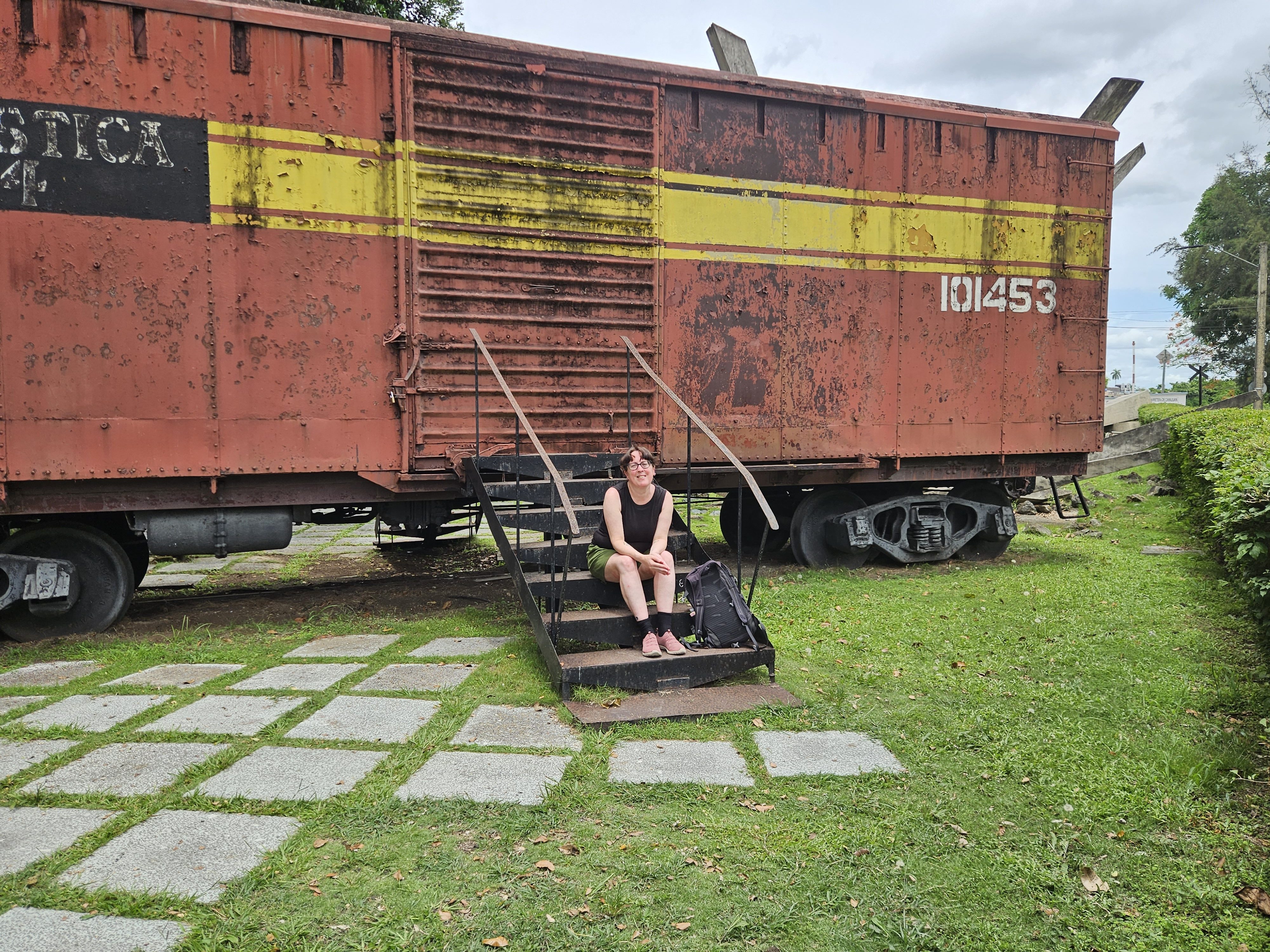
Using the train to transition from the craziness of Delhi to chilling in the lush greenery and beaches of Kerala is definitely top of my list. I have trips to the Orkney archipelago, San Marino and Slovenia already booked in for the next few months, so a trip outside Europe will be a nice juxtaposition to those.
You’re NomadMania Envoy for Northern England. What excites you most about this role? What plans do you have?
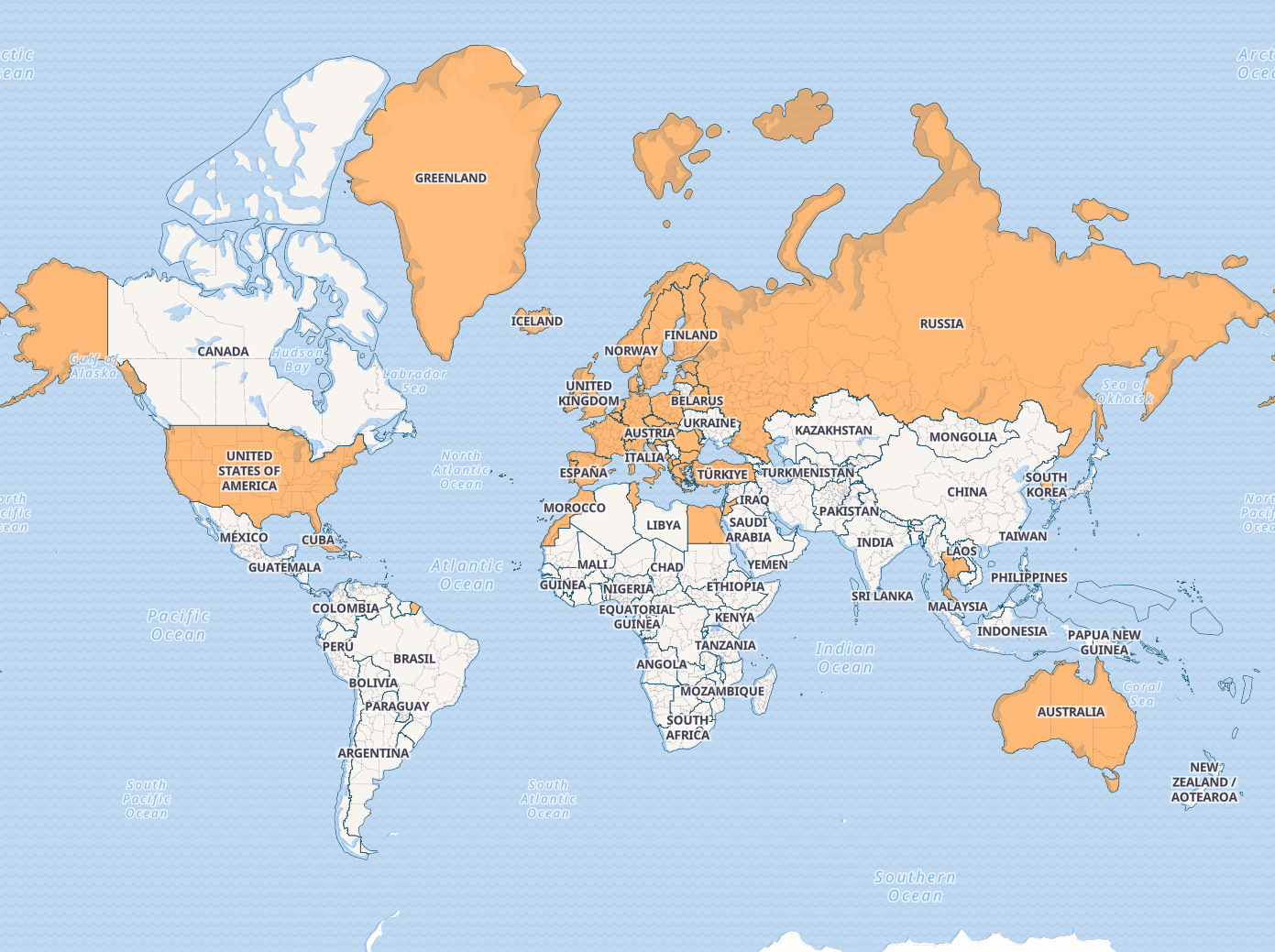
Probably the opportunity to introduce NomadMania to people who may think it’s not for them as they may not have visited lots of countries or dream of being a UN master. You don’t have to have a map that’s nearly all orange to be able to contribute to the group and one person’s experience visiting say, Newcastle in England is just as important to me as someone else’s visit to Vanuatu in the South Pacific. I want to hear it all and its important to me to encourage people to contribute their own experiences and sites to the map as well as share their travel tales at meet ups.
We’ve only had one meet up since I began as Envoy, but another is in the planning stages. I’d also love to organise a series of Q&As where I invite members to share stories and photos of a trip they took or local members who are Masters to come along and speak about their favourite places. Maybe that’s one for the wet and grey Northern winter when we could all do with a bit of cheering up.
And what do you like most about NomadMania?
I love that it promotes meaningful travel; dividing the world into regions has really helped alert many unknown areas to travellers. Marking the NomadMania map with natural wonders, heritage sites, and bridges along with all other Series markers shows that flying in, having lunch and then flying back out might mean you’ve ticked another off the UN list of recognised countries, but have you really visited it?
I love deep diving into a region I’m planning to visit to see what others have done and putting them on my “to see” list. I also really enjoy the opportunity it gives to meet new people. Its great fun attending meet ups and not knowing who is going to be there and then swapping stories and plans with strangers who all have a common love of travel.
Finally our signature question – if you could invite any four people, from any period in human history, to dinner, who would you invite and why?
This is a tough question; how do people only choose four? I think I’d have to invite people who inspire and fascinate me.
St Brendan the Voyager, because I can’t fathom why, let alone how, he travelled from Ireland to the remote northern and western parts of the Atlantic Ocean. The stories of his voyages in a tiny round boat in the 6th century have always fascinated me, and I have a lot of questions for him.
Dervla Murphy would be a dream come true. One of my very few regrets in life is not making the effort to go to Clonakilty in Cork and try to meet her. She led the way for women travelling solo, especially to unexplored and remote parts of the world. One of the biggest changes in travel since the pandemic is the rise of women travelling solo, but Dervla started doing this in the 1960s. Not only were there no phones, cheap flights, or internet, she went to off-the-beaten-track places like Tibet, Madagascar, Iran, Afghanistan, and Pakistan, meeting locals and immersing herself in their world.
She is quoted in a Guardian newspaper interview as saying it was the duty of the travel writer to enter into the lives of those they portray. I’m tentatively entering the world of travel writing and trying to get a few pieces published, so this really resonates with me. (Any editors out there reading this reach out and say hi, or at least read my pitch when it lands, please.)
From a more familiar period of history, I’d invite Monisha Rajesh, the travel author and Palestine campaigner. Her work as a writer exploring the globe by train has inspired many of my trips and future plans, and I’d love to ask her about all the travel experiences that don’t make it into her books.
Finally, it would have to be Leonardo da Vinci. I’ve a degree in Art History, so I’ve looked intensively at a lot of art, but when I got to see The Last Supper, along with many of his other works, up close and in person, his talent and skills blew me away. We could probably spend the whole evening discussing his inventions, and the fact that it’s believed he was a vegetarian means he’d definitely appreciate my vegan cooking, and I could share my amazing salt and pepper tofu recipe with him.