Most people think Alaska is just one big frozen wilderness, but that’s like saying Italy is just one long boot-shaped pizza place. The truth is, Alaska is massive — bigger than Texas, California, and Montana combined. Smart travelers who really want to experience this wild state don’t just fly into Anchorage, snap a few glacier photos, and call it done.
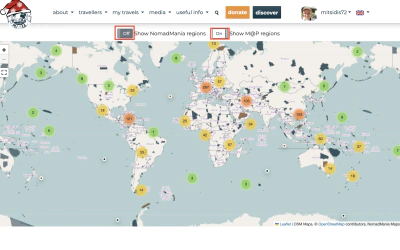
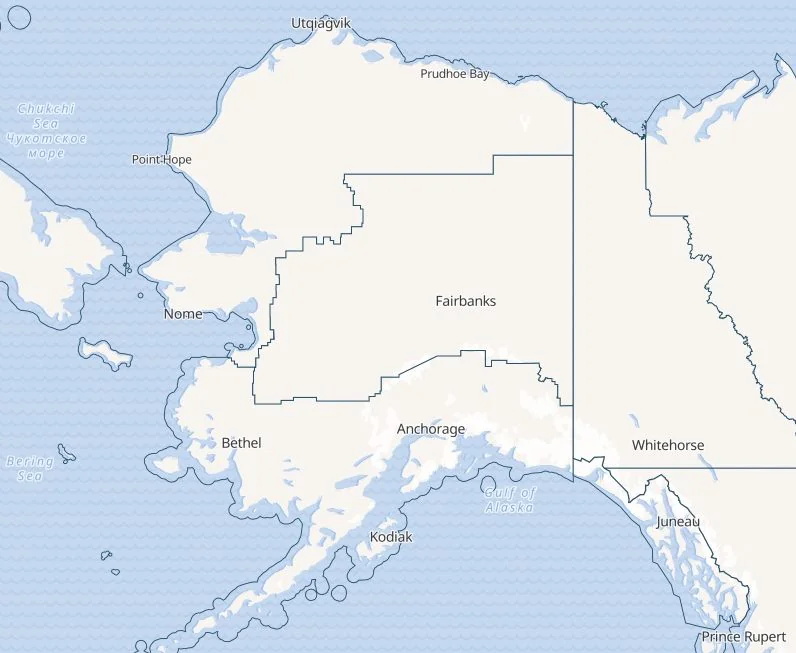
Therefore we at NomadMania break Alaska into four distinct regions, each with its own personality, landscapes, and adventures. This approach transforms a simple vacation into a genuine exploration of America’s last frontier.

1) The Southeast Panhandle: Where Rainforests Meet Glaciers
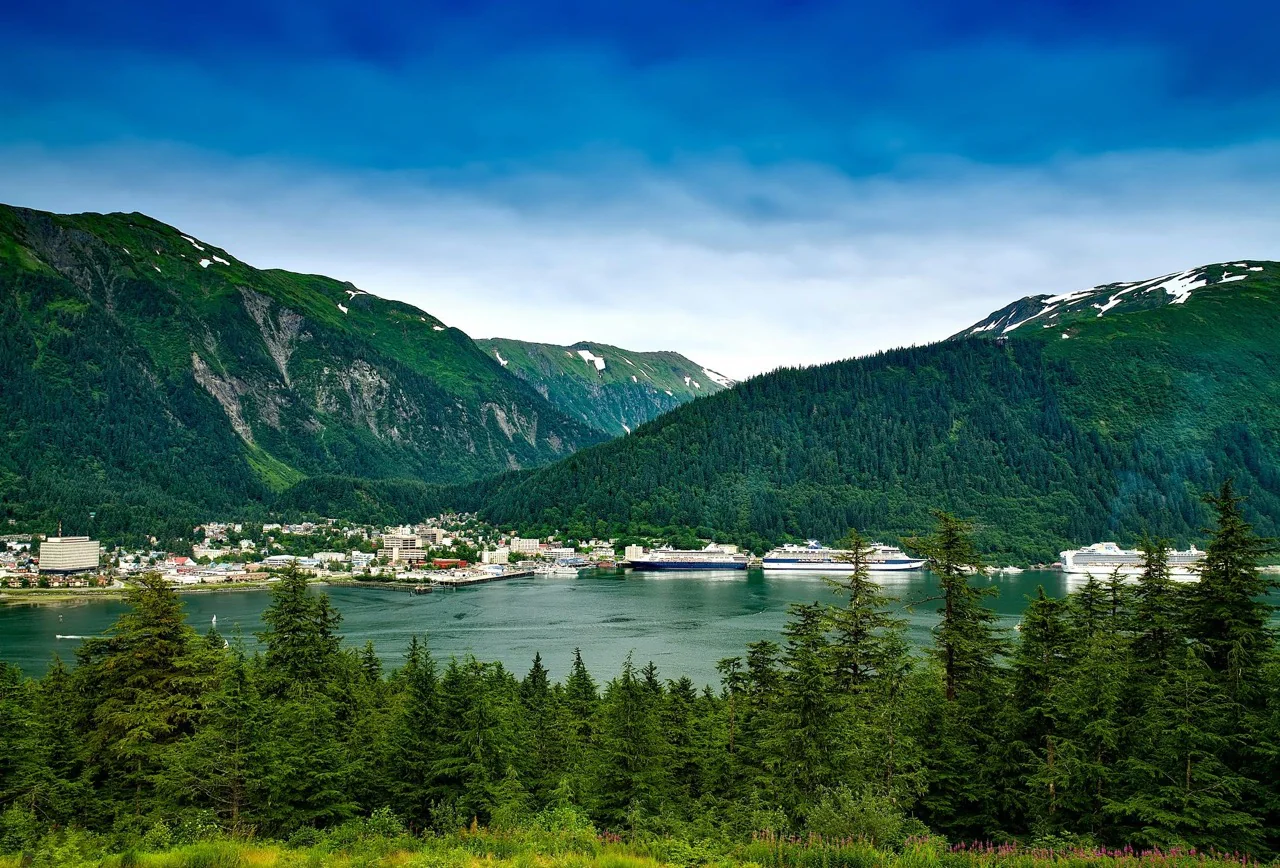
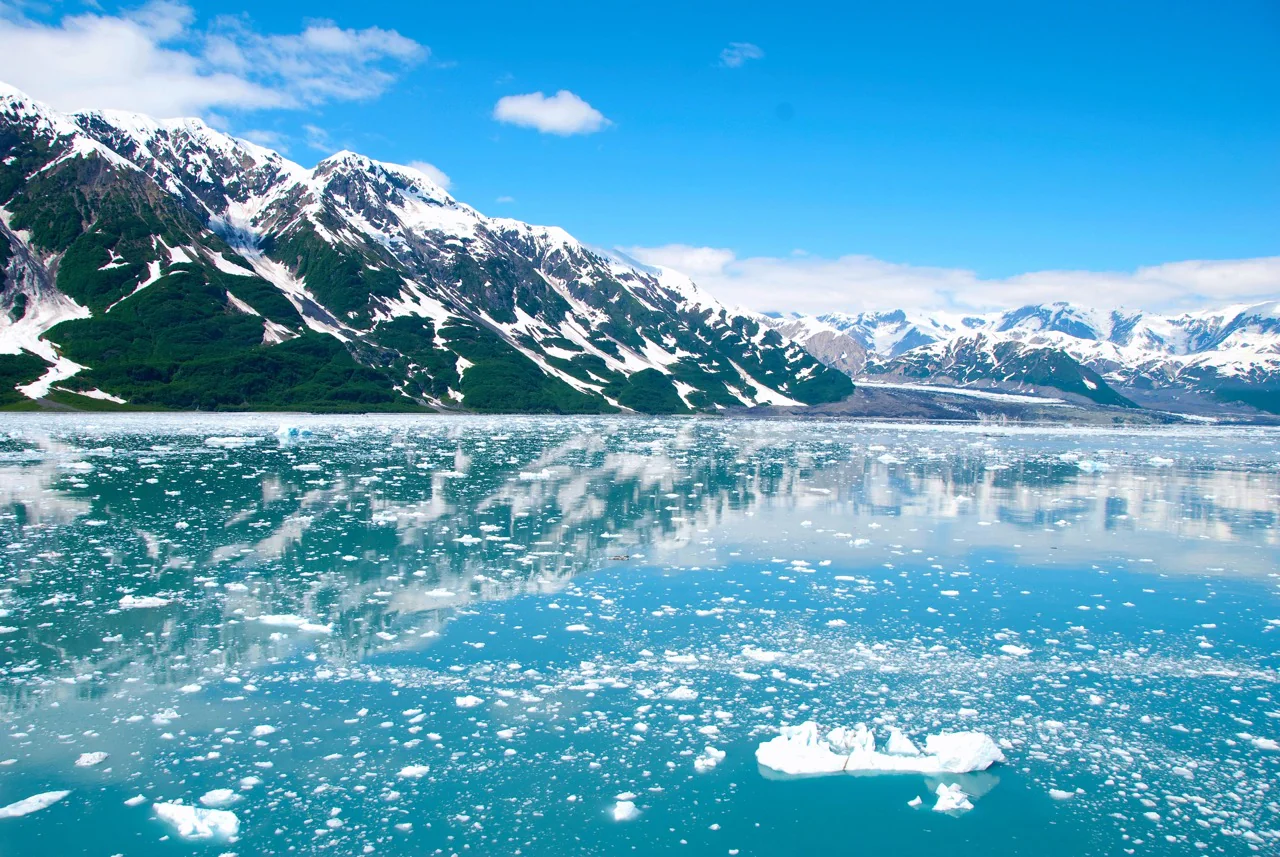
The Southeast region feels nothing like Alaska most people imagine. Thick rainforests drape over mountains that plunge straight into the ocean. Towns like Juneau and Ketchikan are only accessible by boat or plane — no roads to connect them to the rest of the state.
Travelers here spend their days watching whales breach in crystal-clear waters and hike through forests so green they seem painted. The weather stays surprisingly mild, though rain is basically a daily companion. This region serves as the perfect introduction to Alaska’s unexpected diversity.
2) Southcentral & Southwest: The Gateway That Deserves More Time
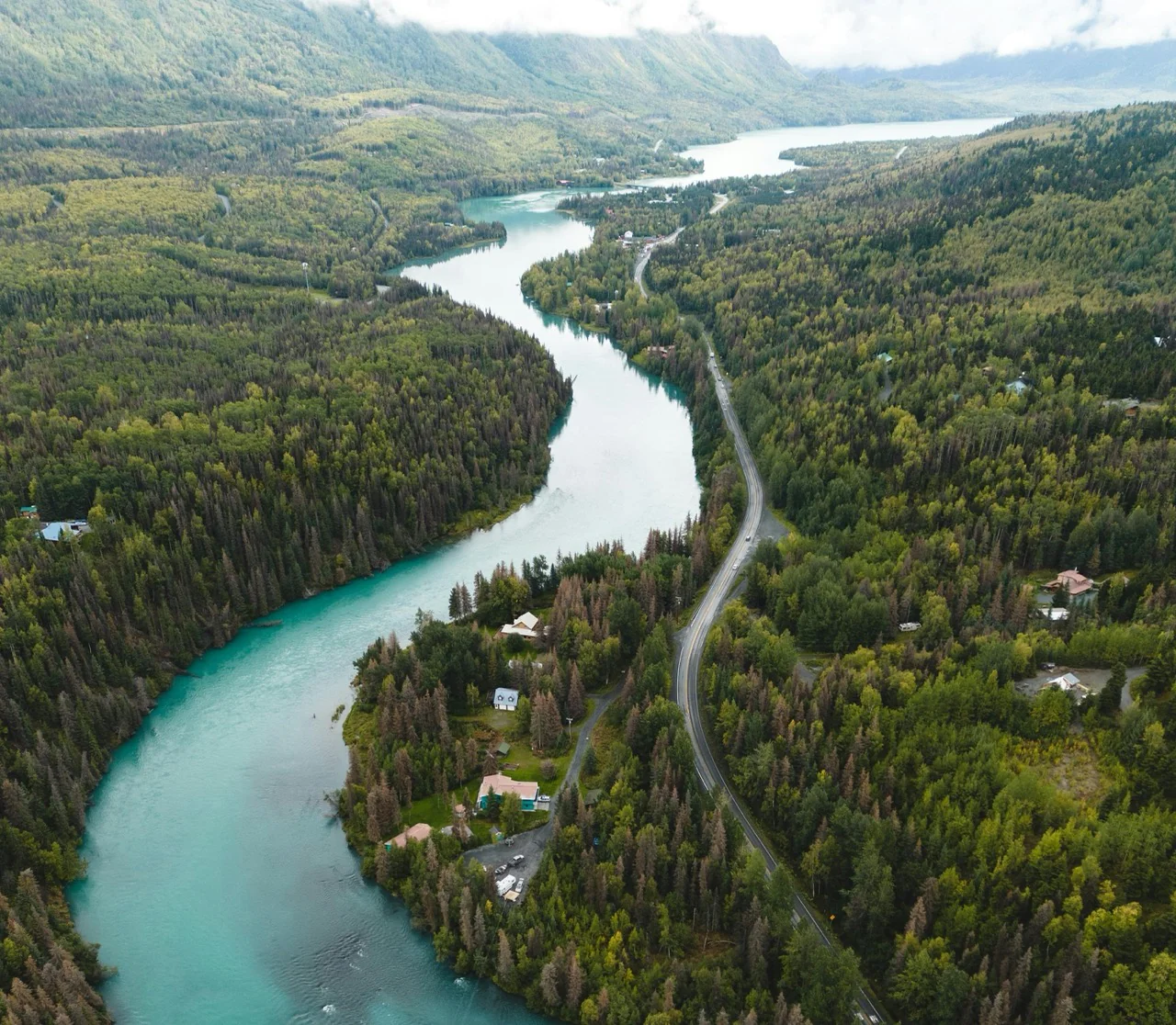
Southcentral Alaska includes Anchorage, but don’t rush through it. This region offers the famous Seward Highway, consistently rated one of America’s most scenic drives. Mountains rise directly from the ocean, and wildlife sightings happen so regularly that locals barely glance up anymore.
The challenge of navigating all of Alaska becomes clear here, as visitors realize they’re dealing with distances that dwarf anything in the lower 48 states. Summer brings endless daylight for fishing, hiking, and simply soaking in views that seem too dramatic to be real.
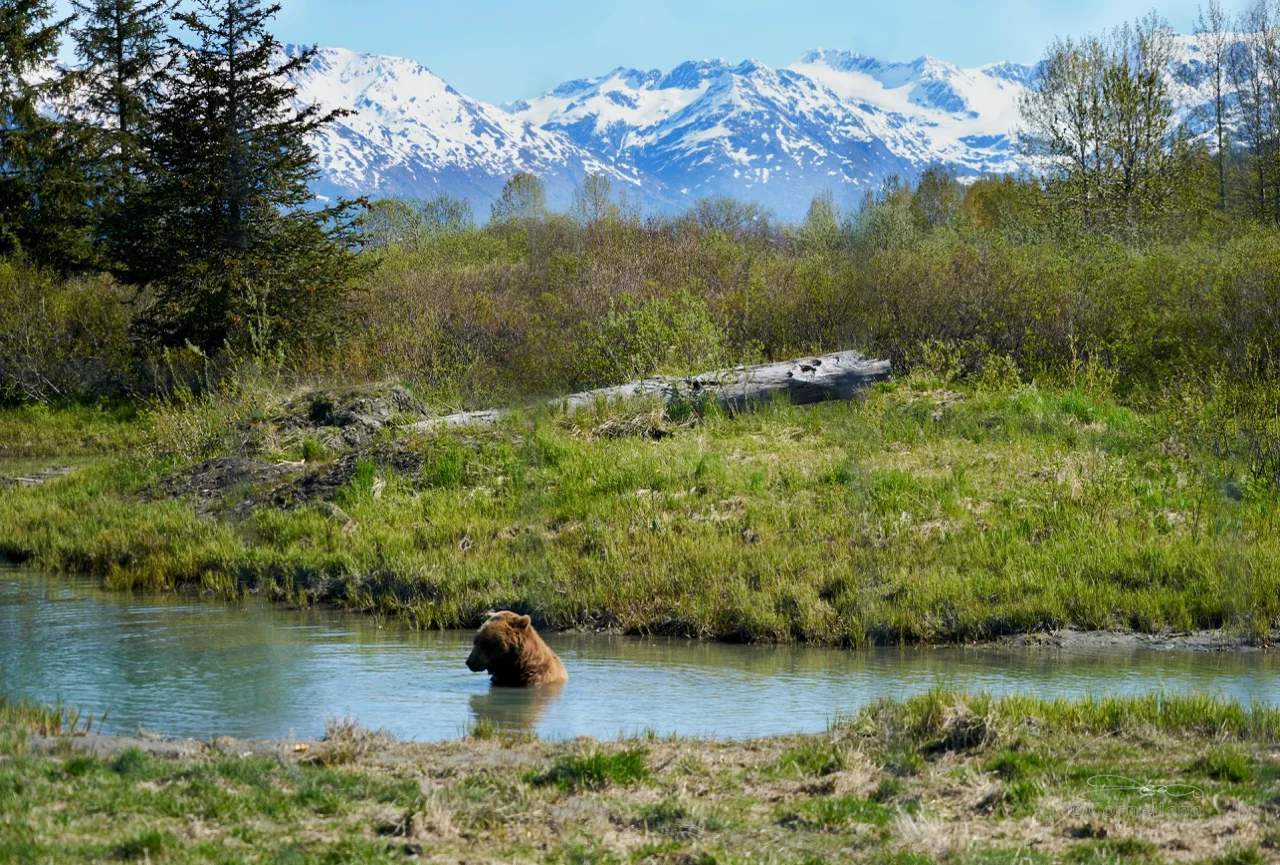
Southwest Alaska doesn’t mess around with tourist-friendly amenities. This region features active volcanoes, brown bears in staggering numbers, and fishing so good it feels like cheating. Katmai National Park alone hosts more bears than most people see in a lifetime.
Getting here requires serious planning and a healthy budget, but the rewards include experiences that simply don’t exist anywhere else on the planet. The landscape shifts between volcanic moonscapes and lush coastal areas within miles.
3) The Interior: Where Fairbanks Rules and Winter Bites Hard
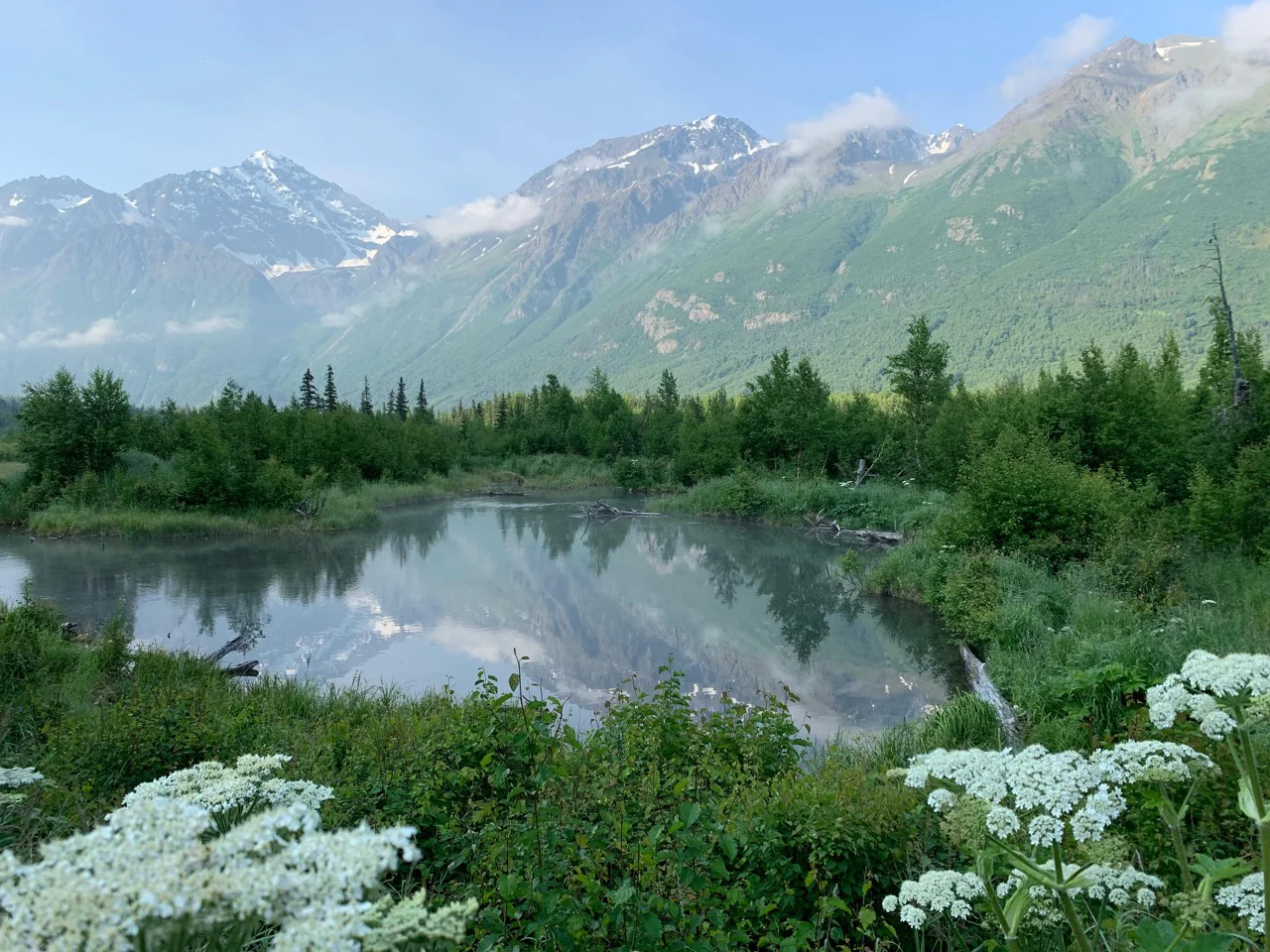
The Interior region centers around Fairbanks and stretches across Alaska’s vast middle section. Summer temperatures can hit 90 degrees, while winter plunges to minus 40—sometimes colder. This extreme swing creates a landscape of boreal forests, winding rivers, and the best northern lights viewing in the entire state.
Gold rush history lives on in quirky roadhouses and old mining towns. Travelers who skip this region miss the authentic frontier spirit that still defines much of Alaskan life.
4) The Far North & Western Coast: Arctic Dreams and Brutal Reality
The Far North brings travelers to places where the sun doesn’t set for months, then doesn’t rise for months. Towns like Barrow (Utqiagvik) sit on the Arctic Ocean, where polar bears occasionally wander through.
The indigenous Inupiat culture thrives here, offering perspectives on survival and community that challenge modern assumptions. This region isn’t for everyone, costs run high, comfort runs low, and weather can strand visitors for days.
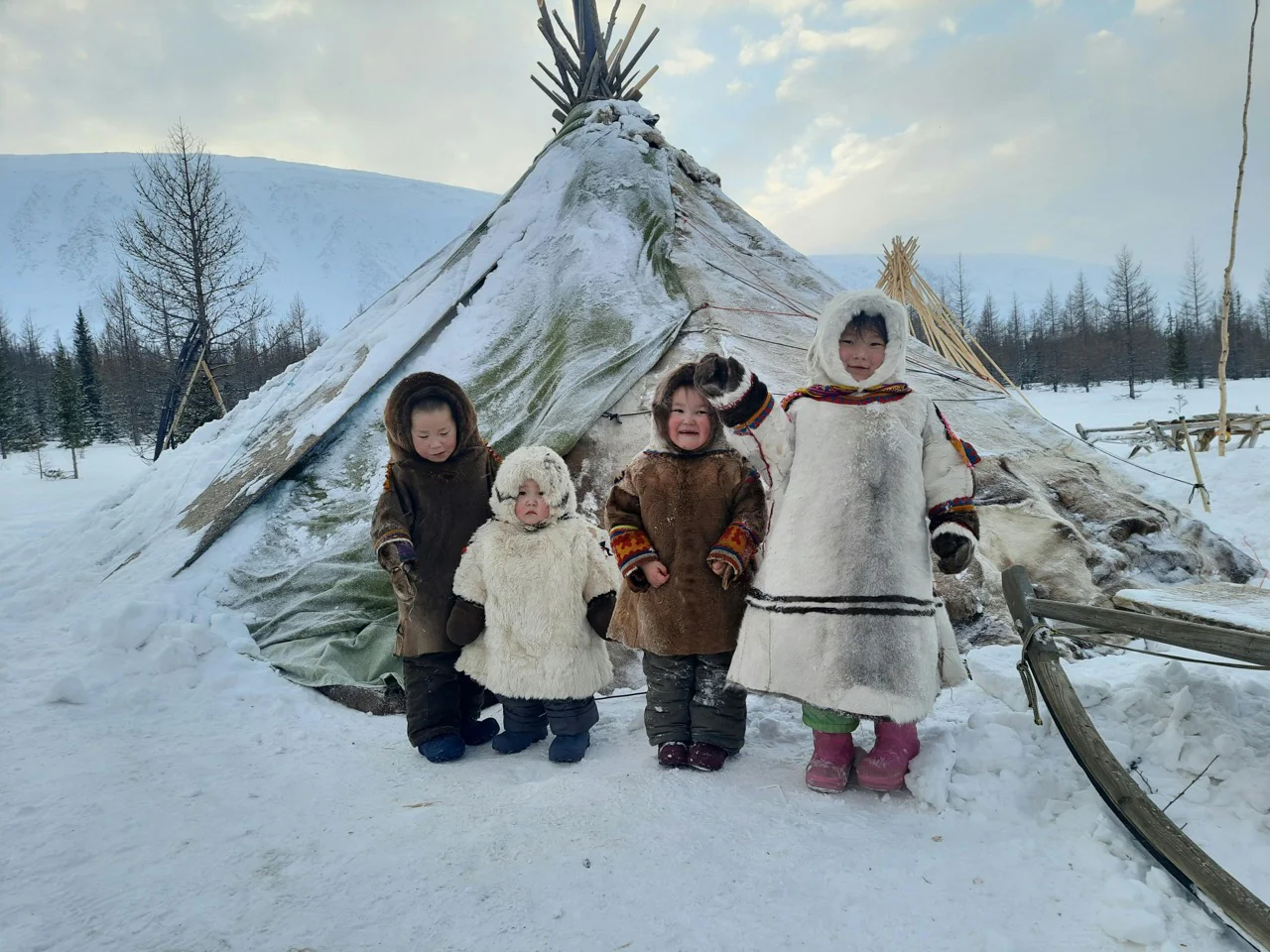
Western Alaska stretches along the Bering Sea with communities that feel like they’re on another planet. Nome, famous from the Iditarod finish line, represents the region’s blend of gold rush history and Native culture.
Villages here maintain traditional subsistence lifestyles that have been worked for thousands of years. Travelers who make it this far discover an Alaska that tourism brochures rarely mention.
Conclusion
Breaking Alaska into these regions transforms how travelers approach this enormous state. Each region demands different preparations, offers unique rewards, and reveals sides of Alaska that contradict the next region over.
The travelers who take this approach don’t just visit Alaska—they understand it. Sure, it requires more planning, more time, and more flexibility than a standard vacation, but Alaska has never rewarded those who play it safely.