Active travel tends to get flattened into a single idea, as if it’s all about chasing adrenaline or ticking off extreme sports. For long-term nomads and slow-moving travellers, it’s usually more layered than that. The appeal often lies in how movement fits into daily life, how it changes the way a place is understood, and how it opens doors that standard sightseeing doesn’t.
This article looks at five countries where physical travel experiences aren’t add-ons but part of the landscape and culture itself. These aren’t quick-hit adventures designed for a weekend escape. They’re better suited to travellers who settle in for longer stretches, think things through, and value experiences that come from effort rather than convenience.

Ski Touring and Winter Movement in Japan
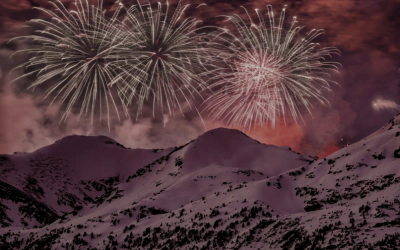
Japan’s winter travel scene goes far beyond resort skiing, especially on the northern island of Hokkaido and in the Japanese Alps around Nagano and Toyama. Ski touring here is about timing snowfall, understanding terrain, and accepting that access often depends on local knowledge rather than signage. Areas like Asahidake and the Tateyama Kurobe Alpine Route are known for consistent powder, but they also come with fast-changing weather and strict avalanche considerations.
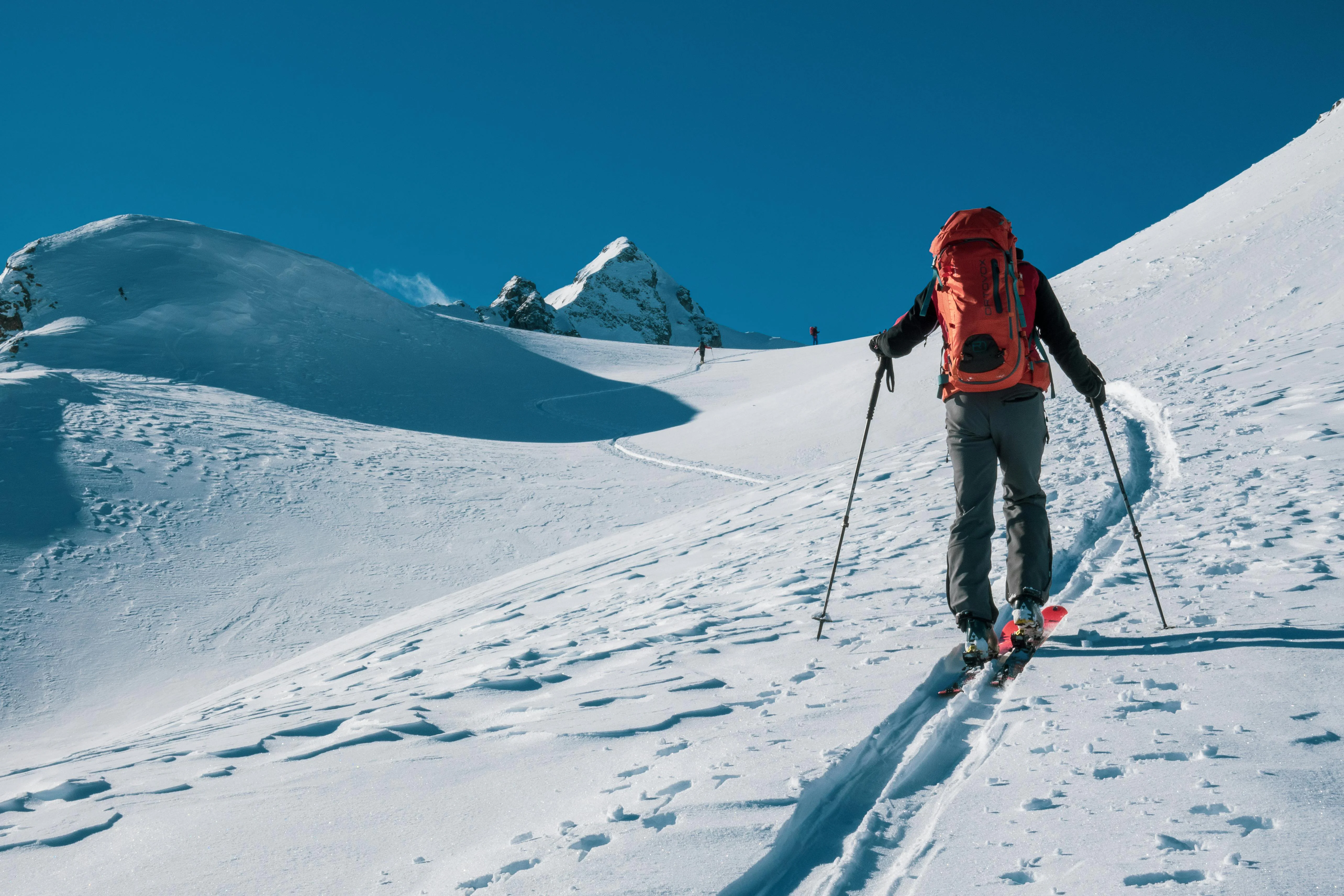
Public transport makes winter movement here surprisingly viable. Trains run reliably even during heavy snowfall, which allows travellers to base themselves in smaller towns like Furano or Hakuba and move day by day. Onsens become part of the routine rather than a luxury, especially in places such as Nozawa Onsen, where soaking after a long tour is the norm.
Those planning extended winter stays can rely on bespoke holidays to Japan planning services, not for packaged itineraries but for route advice, hut access, and safety logistics.
Kitesurfing and Wind Sports in Brazil
Brazil’s northeast coast has become a long-term base for wind-focused travellers rather than a stopover. Towns like Jericoacoara, Cumbuco, and Atins sit directly in the path of steady trade winds that blow reliably from July through January. What keeps people there isn’t just the wind strength but the consistency, which allows for real progression rather than rushed sessions.
Daily life revolves around conditions. Mornings are slow, afternoons are for the water, and evenings tend to be quiet. Lagoons near Atins offer flat-water riding, while ocean conditions around Cumbuco suit stronger, more technical sessions. The learning curve is manageable, especially with local instructors who’ve grown up riding these beaches.
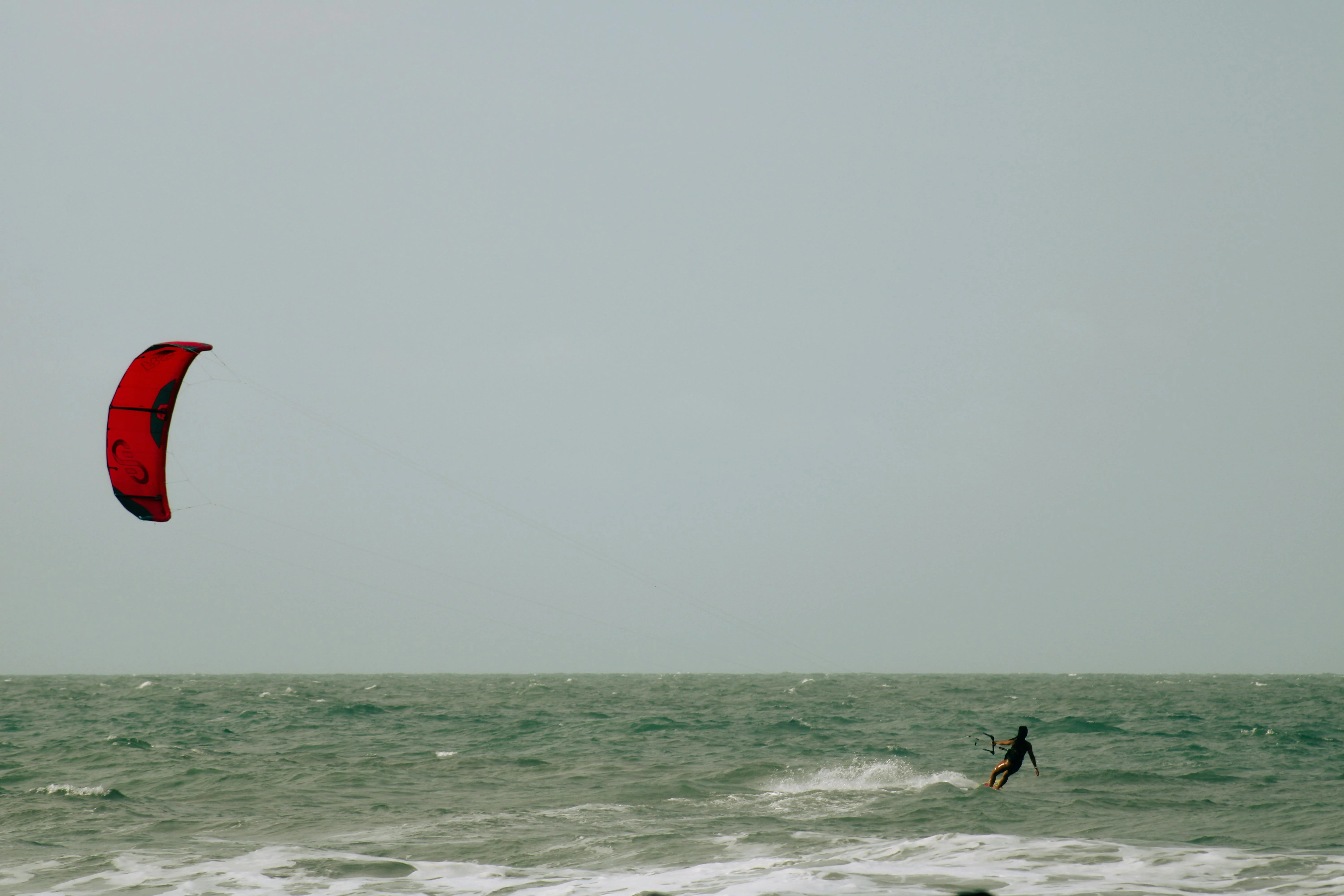
Brazil’s appeal lies in how accessible it feels once settled. Accommodation is affordable outside peak seasons, food is simple and filling, and transport between spots is straightforward by buggy or shared vans. It’s an environment where wind sports blend naturally into everyday routines without demanding constant intensity.
Road Cycling and Alpine Climbs in France
France remains a reference point for road cyclists, not because of hype but because the infrastructure works. Regions like the Alps and Pyrenees are built around cycling culture, with clear signage, maintained roads, and drivers who expect riders on steep mountain passes. Climbs such as Alpe d’Huez, Col du Galibier, and Col d’Aubisque are physically demanding, but they’re also logistically simple to access.
Cyclists often base themselves in valley towns like Bourg-d’Oisans or Luz-Saint-Sauveur, where bike shops, repairs, and supplies are part of daily commerce. Summer brings a steady flow of riders, yet it rarely feels overcrowded, outside Tour de France weeks. Early mornings reward cyclists with quieter roads and cooler temperatures.
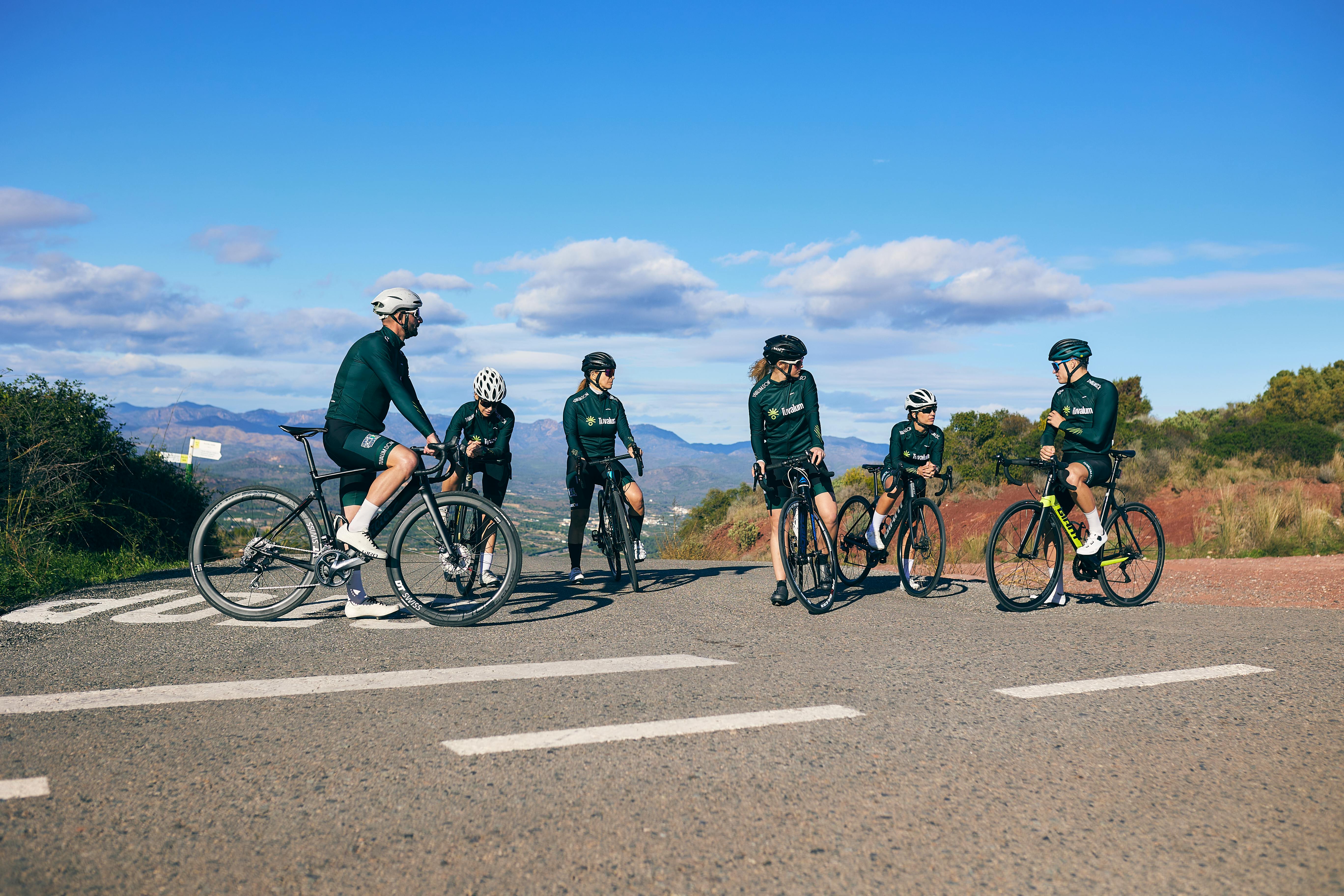
For those unfamiliar with alpine terrain, guided cycling vacations help with pacing, route planning, and support vehicles. They’re less about performance and more about staying consistent over long days.
Surf Travel and Coastal Living in Portugal
Portugal’s Atlantic coast offers year-round surf, but long-term travellers tend to gravitate towards specific regions depending on the season. Ericeira and Peniche work well outside winter storms, while the Algarve provides sheltered options when northern swells become heavy. Nazaré is famous for big waves, but most surfers experience it as a viewing spot rather than a daily surf break.
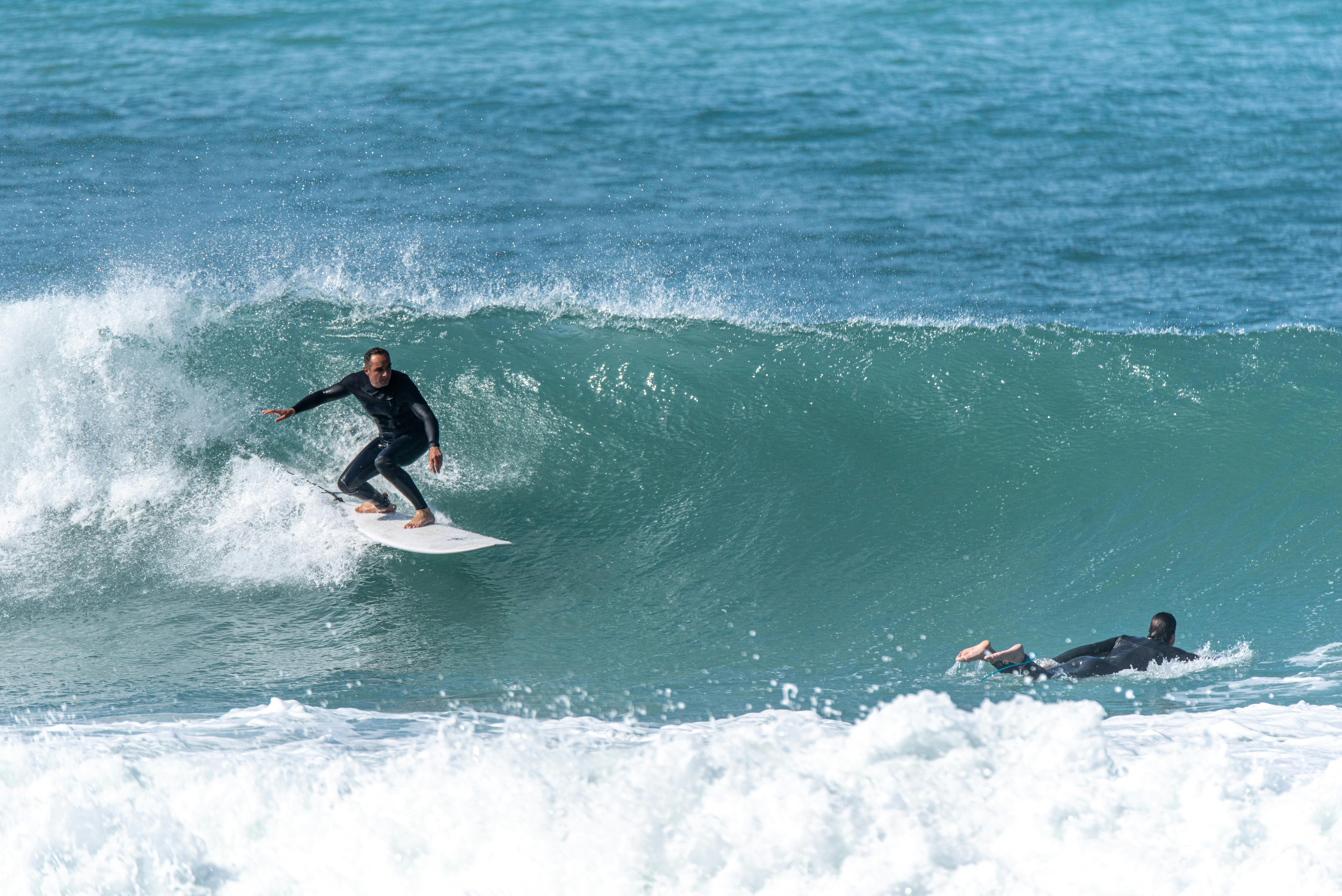
Coastal towns support slow living. Markets, bakeries, and walkable town centres make it easy to settle in without a car. Most long-term visitors rent for several months, tracking swell forecasts and adjusting routines accordingly. Surf schools and board rentals are widespread, but there’s little pressure to overcommit.
Portugal’s strength lies in balance. Surf sessions fit between work hours, meals are predictable, and costs remain manageable outside the peak summer season.
Backcountry Canoeing and Wilderness Travel in Canada
Wilderness travel in Canada works on a different scale. Backcountry canoeing in places like Algonquin Provincial Park, Quetico, and the Yukon River system involves route planning measured in days, not hours. Portages, weather shifts, and wildlife awareness are constant factors rather than side considerations.
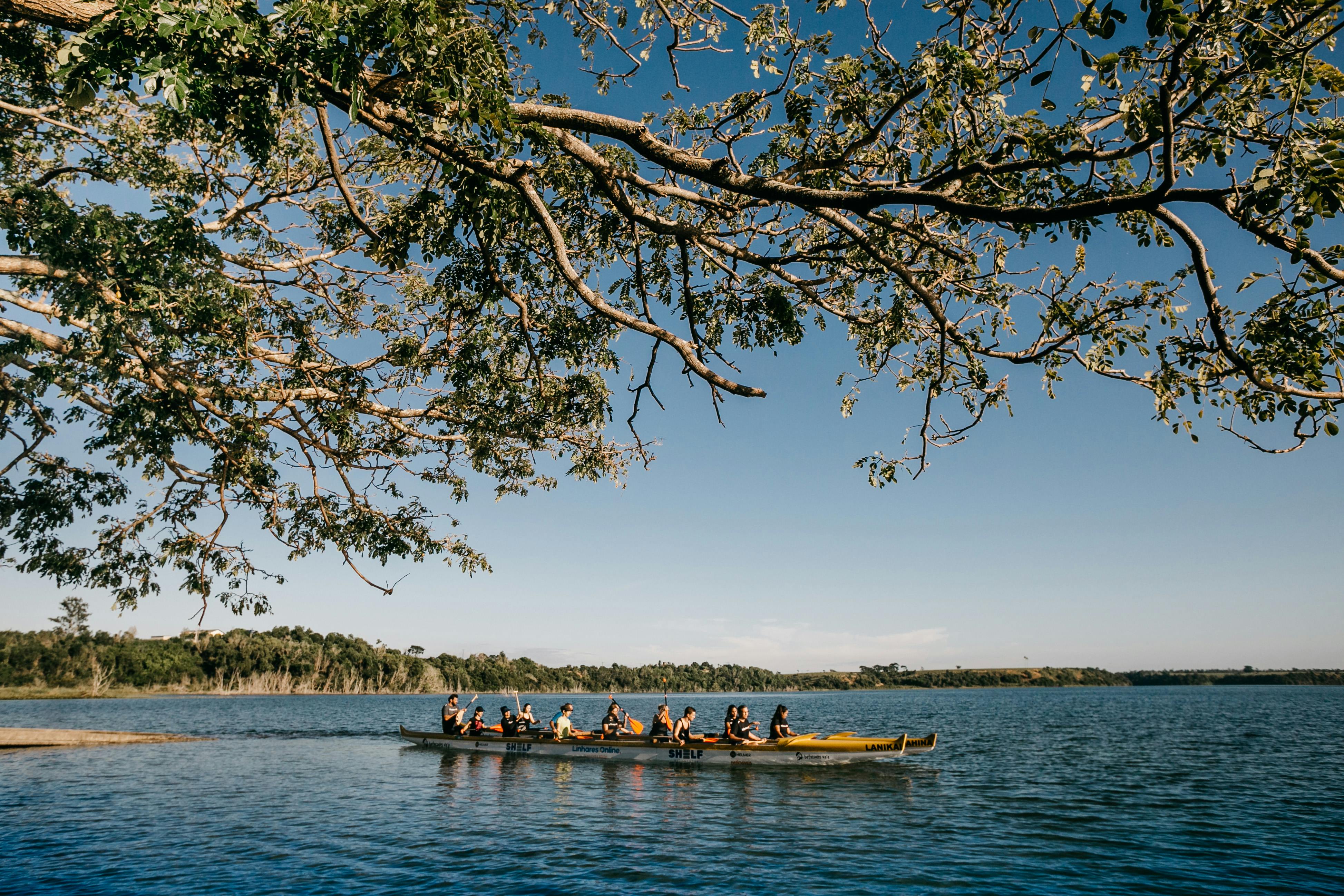
These trips require preparation but not extravagance. Permits are structured, campsites are marked, and maps are reliable. The challenge travellers face is the distance between services. Once on the water, there’s little room for improvisation, which appeals to those who prefer self-reliance over convenience.
Many nomads incorporate canoe travel into seasonal stays, spending summers in Ontario or British Columbia to align with conditions. The pace is slow, physical effort is steady, and evenings are quiet.
Out of these destinations, which one fits the pace and effort you want from travel right now?
Each country above offers a distinct way of moving, shaped by climate, infrastructure, and the level of independence it asks from the traveller. Japan rewards preparation and respect for systems. Brazil shows how sport can structure daily life. France demonstrates what’s possible when infrastructure supports movement. Portugal leans on balance over constant intensity. Canada makes it clear how much space remains when travel slows down.
None of these places is about doing more for the sake of it. They’re about choosing a place where movement feels sustainable, effort fits naturally into everyday life, and staying longer gives a deeper understanding of how the country actually works.