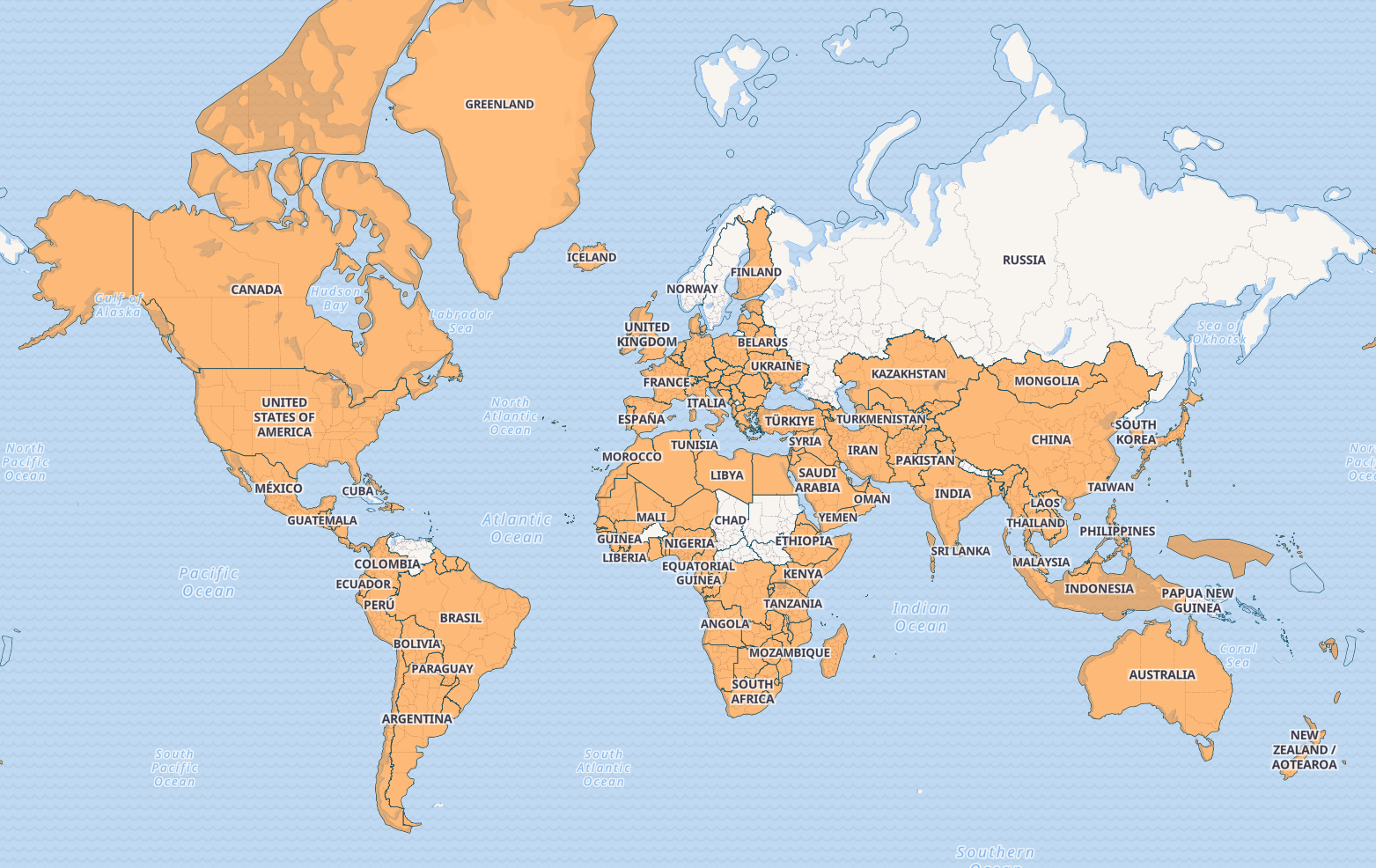
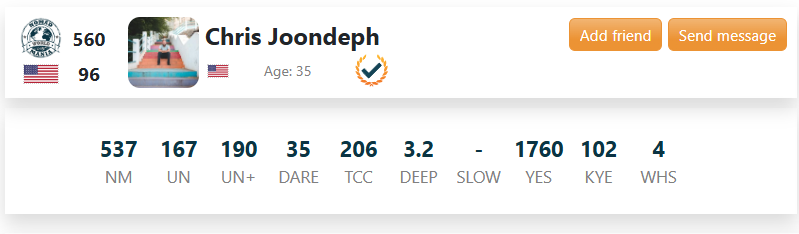
With 167 countries under his belt, Chris Joondeph has experienced the majority of the globe, yet it was Nigeria that ultimately became home. After moving to Lagos, he and his wife co-founded Authentic Traveling Tours, making travel across Nigeria more accessible through carefully planned, culturally immersive experiences.
Today, Chris is one of NomadMania’s trusted fixers in Nigeria, using his extensive travel experience, local expertise, and meticulous planning to help travellers discover the country’s remarkable diversity with confidence. His passion for showcasing the real Nigeria has already transformed the experiences of countless visitors.
This August, Chris will also be the fixer for NomadMania’s Nigeria Expedition, where his expertise, logistical know-how, and enthusiasm for showcasing the country’s incredible diversity will help make the journey an unforgettable one.
Ahead of the tour, we sat down with Chris to talk about his extraordinary travel journey, how he ended up building a life in Nigeria, and why he believes more travellers should give the Giant of Africa a chance.
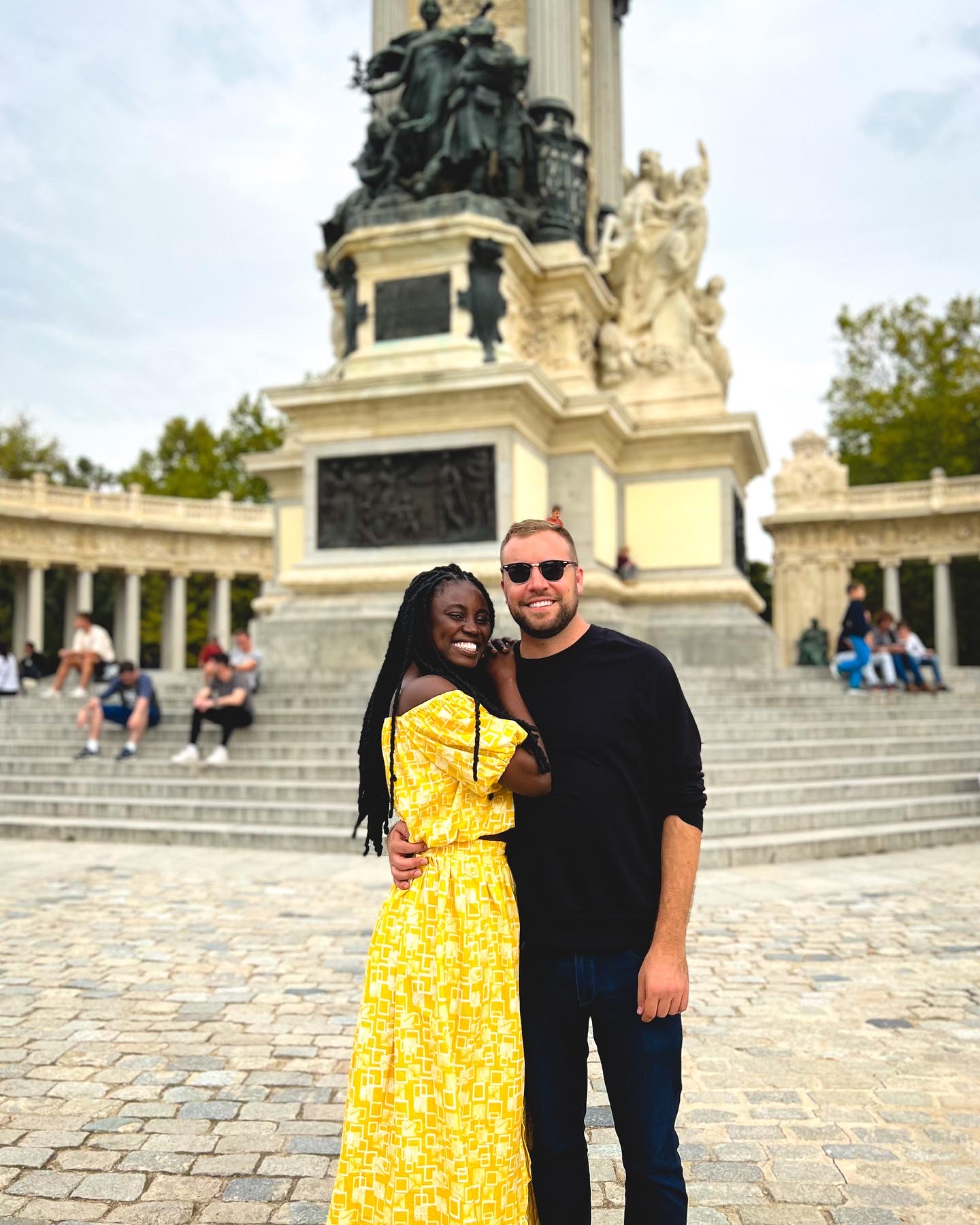
Chris, tell us something about your early life and how your interest in travel began.
Thank you so much for the chance to interview with NomadMania. I have read many of these interviews and it was an honor to be featured among so many travel legends. Growing up, travel has always been an important part of my life but certainly not to the extent that it is now. My grandparents on my maternal side are both originally from Germany before migrating to the US where they settled down. My grandfather was a very adventurous traveller in the 1960s, buying a camper van to take his family of 7 across the United States up to Alaska and even as far south as Guatemala.
When I was 10 years old, my dad had an opportunity to move the family from Michigan, where I was born, to New Zealand for work. We lived there just under three years and that was another formative experience in my life that taught me how to move and adapt through different cultures, ultimately leading to a deep desire within me to explore the world. We eventually resettled back to the United States to Denver, Colorado which I now consider to be home. Our family mostly travelled by road around the US or New Zealand with an occasional family vacation to Mexico or visit to relatives in Germany. It wasn’t until I was in college that I took a strong interest in international travel making some of my first solo trips to places like Indonesia, Ecuador, Argentina, and Central America.
These initial tastes of international travel led me to take my first job after college as an English teacher living in Northern Thailand in a provincial capital called Lampang. I loved my experience there and spent my weekends riding motorbikes exploring the mountains of Northern Thailand or using my school breaks to visit regional countries like Vietnam and Cambodia. That’s where I first started my blog, Authentic Traveling, which was mostly about visiting remote villages in the mountains of Northern Thailand. While there I learned Thai and could speak it at a conversational level giving me the ability to research and find homestays among the many hill tribes of that area.
In 2022, I put all my efforts primarily into short form videos on social media growing “Authentic Traveling” to over 3M followers across Instagram, TikTok, Facebook, and YouTube.
After Thailand, I spent some time traveling in Central Asia and Eastern Europe before returning to the US to start a career on Capitol Hill in Washington D.C.. I had an interest in foreign affairs, but I quickly grew disillusioned with the US political system and made a pivot to graduate school where I got a Masters in International Affairs and Economics from Johns Hopkins SAIS and an MBA from University of North Carolina Kenan-Flagler Business School.
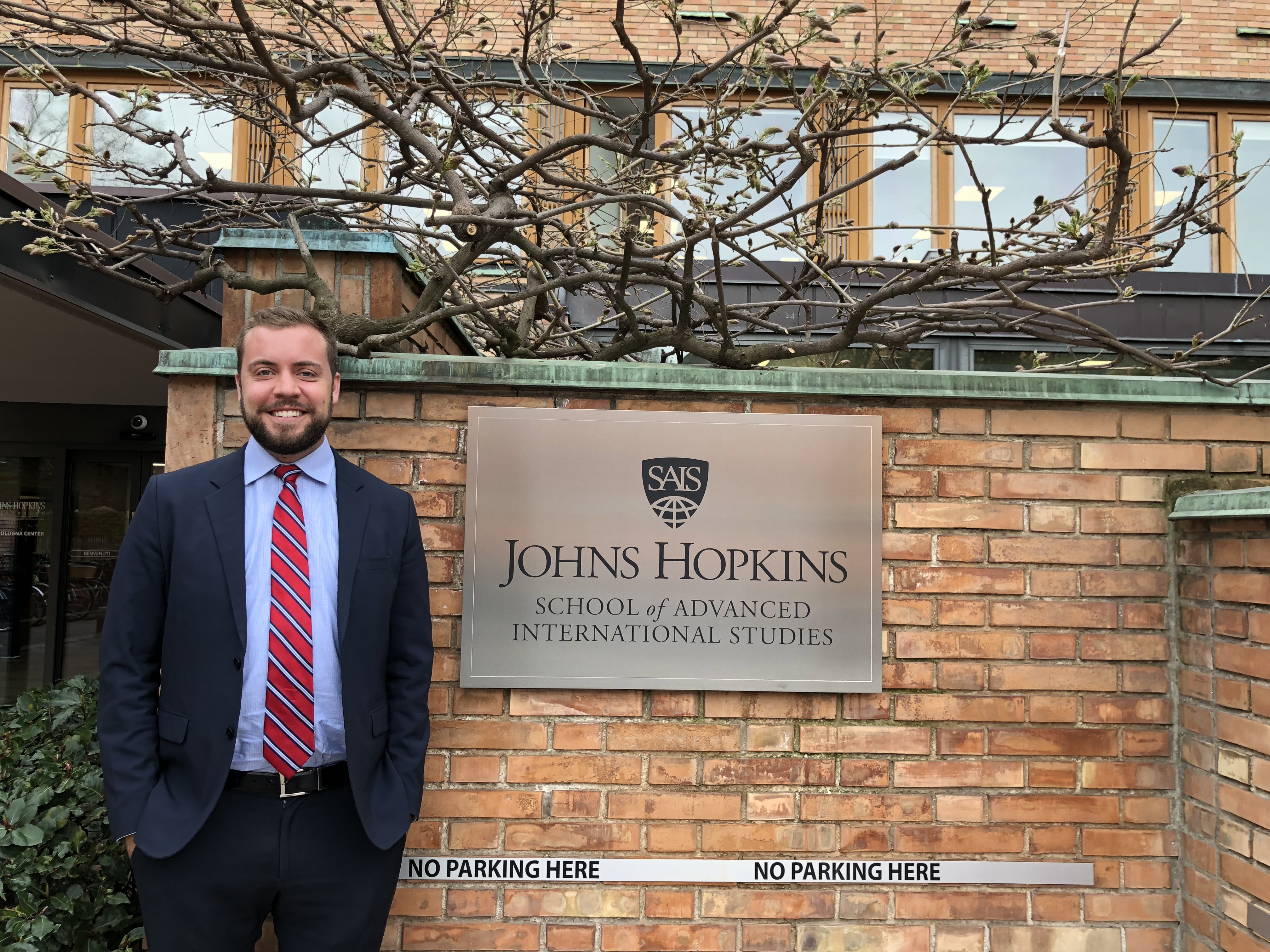
While in graduate school I had a unique opportunity to study abroad at Johns Hopkins’s Bologna Italy campus for my first year. It was an amazing experience to be among so many talented faculty members while using my weekends to string together incredibly complex flight itineraries giving me a chance to visit almost every country in Europe and still making it back in time for class.
After Italy, I moved to North Carolina to begin my MBA studies and one of the first companies that came to campus to give a presentation was Delta Air Lines. I had never thought much about working in the aviation industry as I always thought it was just pilots and flight attendants, but this presentation really changed my perspective. Someone with an MBA background could work at an airline solving complex business problems in such a dynamic industry. From then on I was really focused on using my education, background, and skill set to work for an airline.
The following year I interned with Delta in Atlanta and was introduced to “flight benefits” for the very first time. For those that are not aware, if you work for an airline you can travel for essentially free on a stand-by basis. Flights are often full so you usually can’t go where you want to go but with some flexibility you can travel somewhere every weekend.
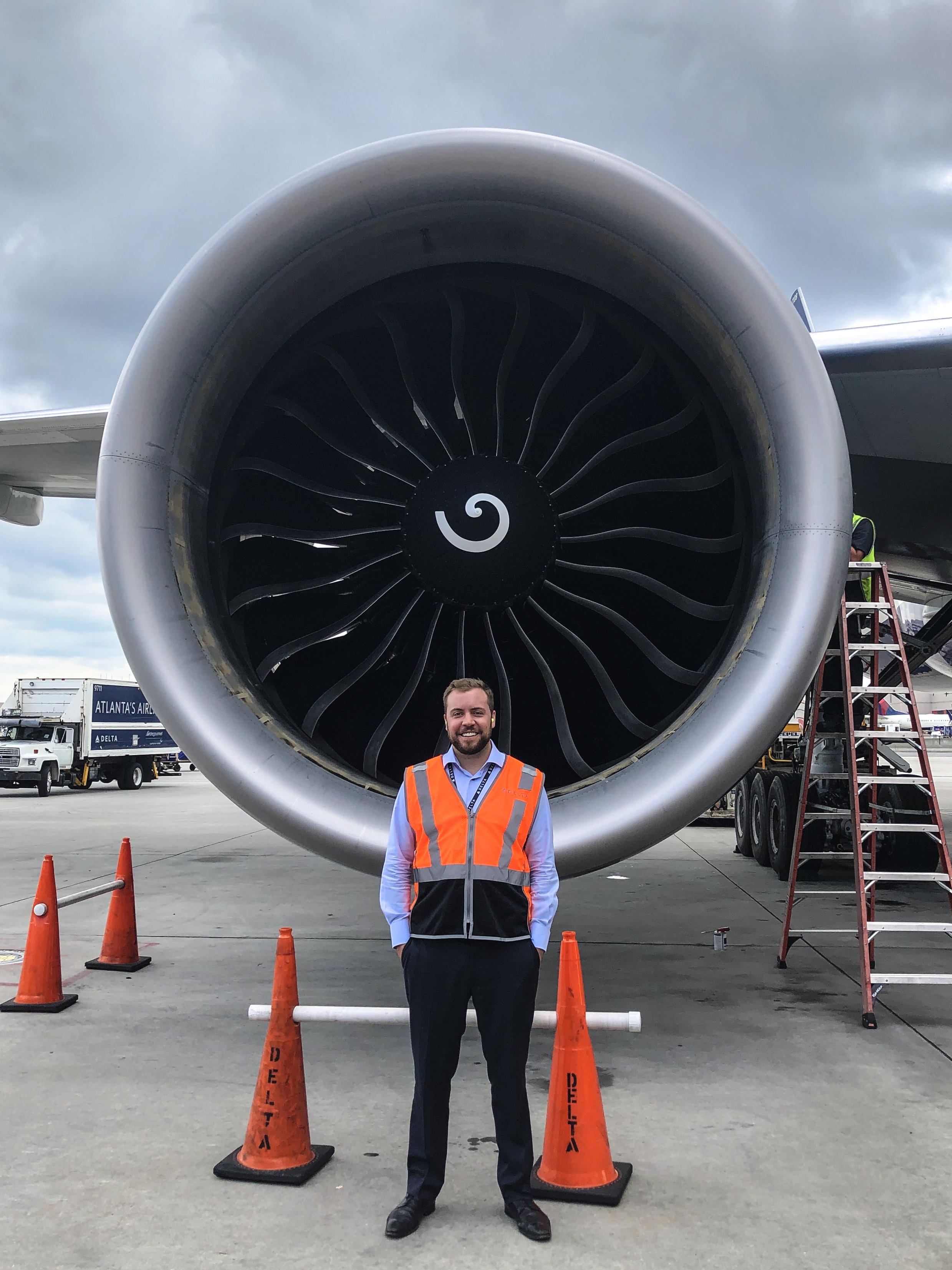
That summer I made trips to Alaska, Japan, Argentina, and Belgium among others. I spent four years at Delta which gave me an opportunity to really use those flight benefits to visit some more expensive and challenging countries like Equatorial Guinea, Turkmenistan, and Palau.
Due to personal circumstances, I left the aviation industry and the United States and moved to Nigeria which is where the next chapter of my life begins.

You now live in Lagos, Nigeria. Explain to us how this happened!
Yes I now live in Lagos, Nigeria. This was never a part of my original plan but very unique circumstances led my pivot to West Africa.My first visit to Nigeria was in early 2020 just as the pandemic was starting up. It was my final semester at Johns Hopkins at their Washington D.C. campus. I was planning to travel from Ghana to Nigeria over about 10 days for Spring Break. As I left for Ghana, there was no coronavirus in Africa. After a few days, it became very apparent that I better get home to the US now or risk getting stuck in Africa for several weeks. I made a quick decision to buy a last minute flight to Nigeria and moved up my return flight home so I could get out before the airports closed.
I ended up spending a little over 24 hours in Lagos and due to the stress of the whole situation it was not a very memorable trip. I just recall watching CNN with a massive sense of anxiety and dread shared among the hotel staff and remaining guests. Fast forward a little over a year later, I am starting work at Delta and my Nigeria visa is still valid for a few more months. It was Fourth of July Weekend, and I didn’t have any plans, but the flight to Lagos was wide open both ways. I thought I should go back and get a better experience the second time figuring this would probably be my last trip to Nigeria just to properly tick it off.
And that’s how I met my now wife, which is the main reason I’ve grown this deep connection with Nigeria. Before the trip, I had reached out to a few people on Couchsurfing to see if I could find someone to show me around for the weekend and learn a little bit more about local life in Nigeria. My wife was the first to reply and I could tell by her passion and enthusiasm for tourism in Nigeria that she was going to be an interesting person to meet. I spent the weekend with Adenike exploring Southwest Nigeria. On our first day we took a day trip to Abeokuta, a city just a couple hours from Lagos.
The second day, she took me to Tarkwa Bay beach to meet up with some of her friends. On the last day, Adenike had to work as it was Monday so I ended up visiting Tejuosho Market on Lagos Island by myself before returning to the airport for my late night flight home. My first experience in Nigeria left a major impression on me. To me, it was a very misunderstood country with friendly people, lots of things to do, but a very bad reputation internationally.
My relationship with Adenike started as friends but from the beginning there was a spark. I remember going back to Atlanta and thinking that I needed to find a girl like Adenike but rather in the US as I didn’t even consider a long-distance relationship of that magnitude to be possible. We kept in touch and I came back to Nigeria on several more trips exploring nearby countries like Benin and Togo and visiting Adenike’s grandmother at her ancestral village in Ekiti State. It was these experiences that led us to admit our feelings for each other beyond just our friendship and start dating.
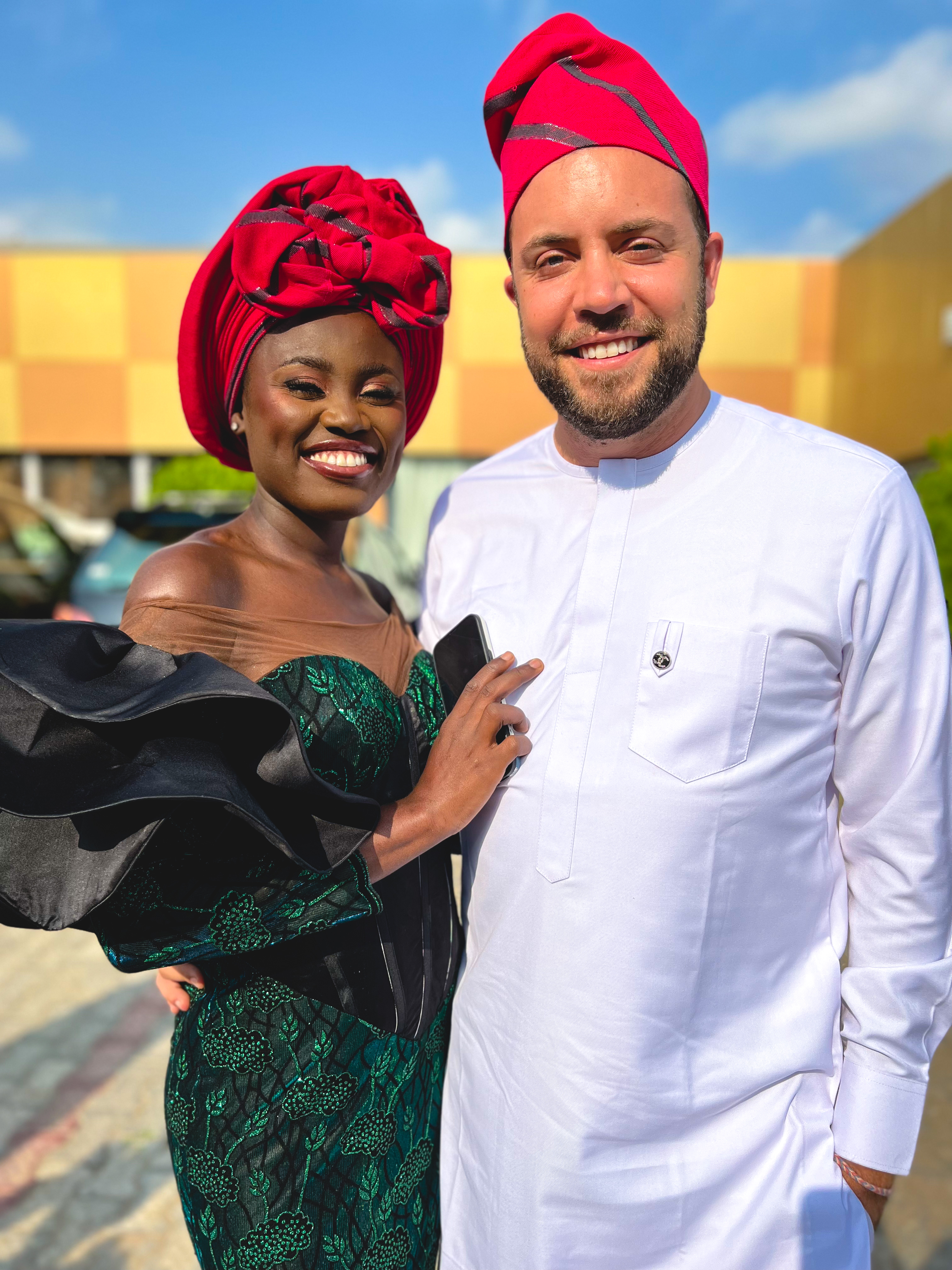
As our dating progressed, I would frequently fly to Nigeria or meet Adenike in third countries like Senegal or Spain. Adenike owns a travel company targeted at taking Nigerians abroad to countries in Africa, Europe, and Asia. She plans group and private trips for her clients so I would often make plans to meet up with her as one of her trips ends using my flight benefits to visit many of these countries for short trips.
We always wanted Adenike to come to the US and visit me, but it is very difficult for Nigerians to get a visa. Not a lot of Americans know this, but if you are in a relationship with a foreign national, it is almost impossible for them to get a tourist visa to come to the United States. The US views this as “immigrant intent” assuming that you are coming to the US to get married to your partner.
Due to all of this, our best option was to get married abroad and apply for Adenike to come to the US as my wife. This has not been easy because when we initially applied the average wait time from application to visa was approximately two years. That meant getting married and living apart for two years while we continue this lifestyle of meeting up around the world on the weekends. We waited for around a year, but it was unsustainable. I was spending 1 month a year on an airplane on average. Approximately 700 hours of flight time per year. I left my job at Delta to move to Nigeria to be with my wife while starting our tour company, Authentic Traveling Tours, focused on bringing foreigners to Nigeria for culturally-focused tours.
My wife has always been a planner and organizer helping to coordinate large groups of Nigerians abroad. I was out there promoting and selling Nigeria to the world through my social media platforms. Together we used our strengths to build this company. We have now hosted five groups in our first year and have three more planned for the remainder of the year. I handle the marketing and sales and my wife handles the logistics and planning. Perfect combo.
While we are still hopeful to one day live in the US, the door is closed for the time being. Nigerian citizens are now banned from receiving immigrant visas to the United States including spousal visas. Add to that, it has been two years and we’re likely a year if not more away from our interview at the US embassy. We don’t even have a date yet.
So, tell us what a ‘normal’ day in Lagos looks like for you.
While I am based out of Lagos, I am not actually there all the time. My wife and I are both big travellers and we spend about half of our time in Nigeria and the other half traveling abroad. Nigeria is not the cheapest place to fly into or out from so we regularly take long trips away for several months before returning.
We have an apartment in Lagos which we use as our home base. When we are around and not leading tours, we are usually at home working. I am often on calls, responding to emails, or drafting itineraries for our upcoming trips. My wife runs her company planning group and private trips for Nigerian clients as well as processing visas and booking flights for them. She has a team of two under her and is busy managing that line or work while helping with the logistics and planning side of our Nigerian tours.
When we have free time we like to go on short trips around Nigeria or within Lagos visiting different hotels for weekend staycations. We love going to the beach and intentionally take a few days to get away from work and enjoy ourselves. Working from home we can easily lead ourselves to work constantly so it is so important to take breaks as well.
What are some of the things that surprised you most about Nigeria, good and bad?
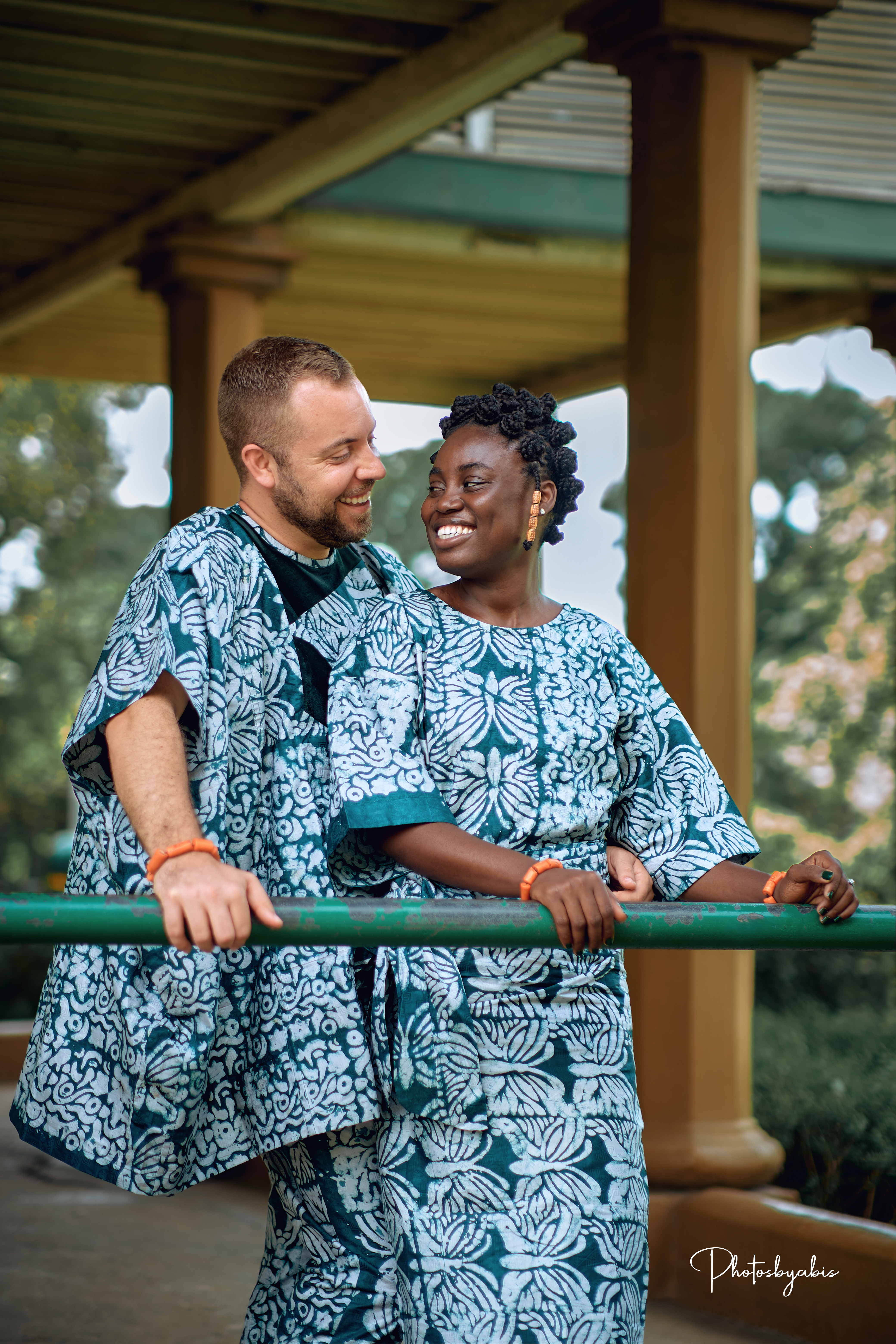
What I love about Nigeria is the country is so different from my own yet I can easily communicate with the people to gain a deeper understanding in ways I cannot do in many other places. English is the national language and spoken by almost everyone across the country. There are not many countries out there as different as Nigeria where English speakers can freely communicate adding so much more depth to social interactions with others.
When it comes to visiting Nigeria, you go for the culture. Learning about the 200+ tribes and their different customs, traditions, and food is something very unique to Nigeria. They don’t call it the “Giant of Africa” for no reason. Approximately 1 in 5 Africans is a Nigerian and Nigeria is the 6th most populous country in the world. Yet, despite these large population numbers, Nigeria rarely sees foreign visitors. That untouched feeling is something I love so much about visiting. There is a lot to see and experience, but you will often be the only foreigner there to experience it making each interaction something special, unique, and highly memorable.
Lastly what surprised me the most is just how warm and hospitable the people are, especially in smaller cities and rural areas. Nigerians are very kind to foreigners and this is something I have seen throughout the country. Whether it’s greeting you, offering a chair to sit down, or inviting you into their home, Nigerian people go out of their way to be friendly.
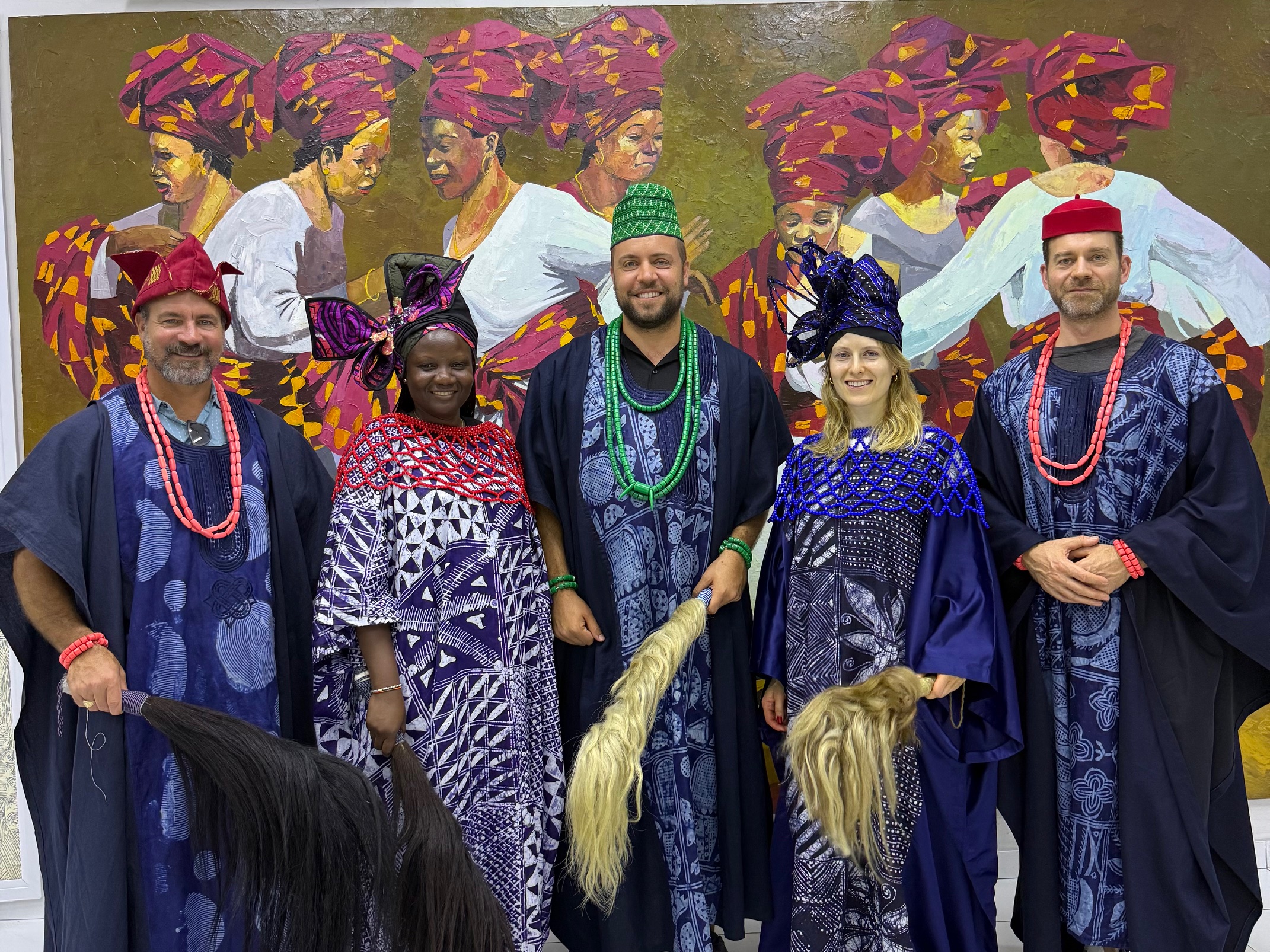
Give us some of your ‘hidden gems’ of Nigeria that not many people know about.
People have heard of the major cities like Lagos and Abuja, but I will suggest a few alternative highlights for those visiting the country.
Jos – Jos is the capital of Plateau State, the highest altitude state in Nigeria, known for its cooler weather and moderate climate. It is one of the most popular places for hiking and cycling in Nigeria as it is a mountainous region with great views, moderate days and cool nights. This also makes it an ideal place for growing various fruits and vegetables.
Jos is famous for its tomatoes and if you want to say something nice to your wife or girlfriend you can call her a “Jos Tomato” as they are so well-known across the country. We will be visiting Jos on the Nomad Mania Tour and I’m so excited for you all to get to experience it.
Ibadan – Ibadan is very well-known to Nigerians as the third most populous city in the country, but it is hardly known to outsiders. Ibadan is about 2 hours from Lagos by daily train and makes for a perfect weekend getaway from the city. Ibadan, while a large city with many tourist attractions, has a noticeably slower pace of life compared to Lagos.
People are very friendly and less concerned with always working like they are in Lagos. It is also filled with much culture and history as it served as the administrative capital of the Western Region during the British colonial era. Many people on our tours say Ibadan is one of their favourite places.
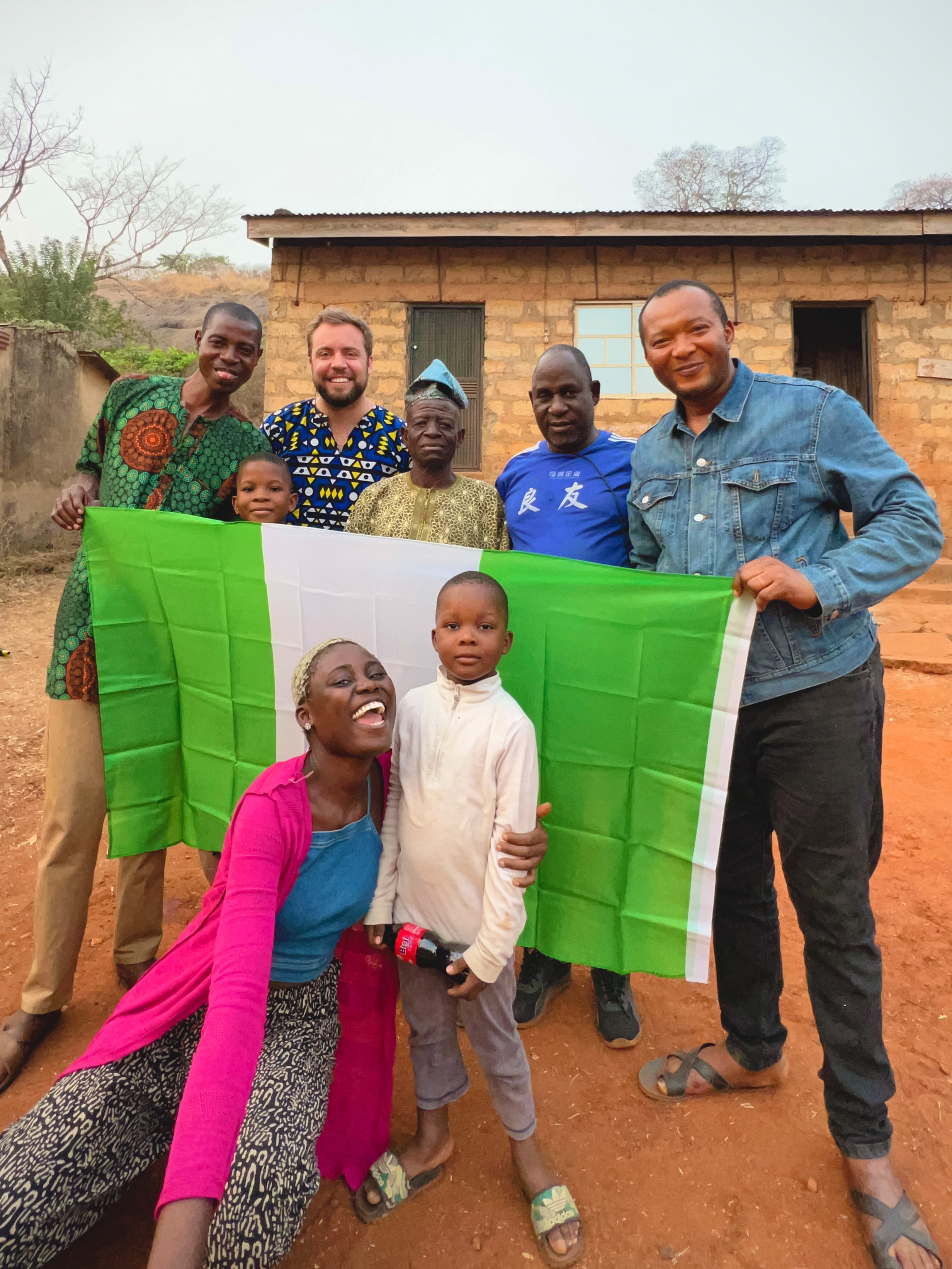
Obudu Cattle Ranch – Obudu Cattle Ranch is a resort located in Cross River State at approximately 1,700 meters above sea level on the Obudu Plateau with incredibly misty mountain views. It was originally established as a cattle ranch by Scottish ranchers in the 1950s but is now a major tourist destination in eastern Nigeria.
The government made some significant investments to grow the place in recent years but due to its remoteness the tourism numbers never really came. Some of the resort is still functional but other parts are abandoned like the cable car, making it a really unique place to visit. We will go here on the tour.
Dutse – Dutse is the capital of Jigawa State, just a short drive from Kano in northern Nigeria. It is a primarily Hausa state and hosts the UNESCO-recognised Durbar Festival with colourful horses that parade through the city. I really recommend Dutse as it is not that far from Kano, giving one an authentic Hausa city with places to visit like the Emir’s Palace. It’s proximity to Kano make it a much safer place to visit in the North than the more remote regions.
Maiduguri – Maiduguri is Nigeria’s most northeastern city. It is typically in the news for terrorism and kidnappings as it was the primary birthplace of the Boko Haram movement in Nigeria. It is the capital of Borno State, where the infamous Chibok girls kidnapping happened, leading to the international “Bring Back Our Girls” movement. While there is all this dark history hanging over the place, Maiduguri is unlike any other city in Nigeria.
The people here are primarily Kanuri, different from the Hausa. Alhaji Mai Deribe, one of the wealthiest men in Nigeria during the 1980s, lived here and you can still visit his abandoned palace if you offer something to the guards keeping watch. He was so wealthy that his palace was partially constructed with liquid gold and took ten years to build. At its height it was said to be the most expensive building in Nigeria. It was visited by the likes of George W. Bush, Prince Charles, and Princess Diana.
Nigeria has a relatively negative reputation and is off the radar of most travellers. Do you think that is deserved and to what extent do you think Nigeria can be developed into a travel destination?
I think it is deserved and there are a number of reasons for it, but I do think things are improving especially within the past few years. One of the biggest challenges in Nigeria is that it’s a country where you need to know somebody to figure out how things work there. I always tell people that if you want to travel in the country, it is best to have a Nigerian helping you out with the trip.
Nigeria used to have one of the most difficult visas to get, but in 2025 this all changed with their new eVisa platform. The platform isn’t perfect but it is so much better than the system they had before. I have been to 167 countries and Nigeria was the only country I had to physically go to an embassy or consulate to apply in-person for my visa as an American.
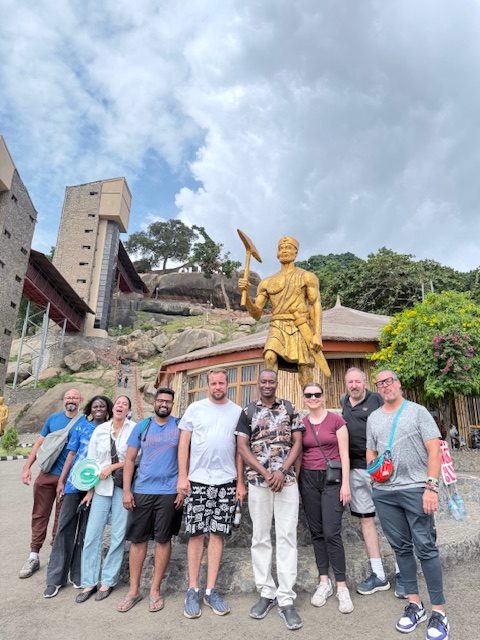
In May 2025, Nigeria introduced an eVisa system that can all be done online. Biometrics are now collected at the port of entry like all other countries. People simply need a return flight and hotel booking to apply. There is no need for letters of invitation, making it possible to apply on one’s own. This has been a huge help for Nigerian tourism and represents a broader trend across West Africa to move towards eVisas.
The second challenge for Nigeria is around money. Most places do not accept international cards and ATMs only dispense $10 per transaction meaning that people need to bring large amounts of cash to Nigeria to pay for their daily expenses. The majority of the country has also adopted mobile money and many places are going cashless but foreigners are locked out of this financial system. They need Nigerian residency to open a bank account and participate. Payments can be a real challenge and frustrating for visitors.
The third challenge is the security situation. Nigeria is often in the news for internal violence and while the source of these conflicts is highly contested both domestically and internationally, they have given the country an unsafe reputation. The truth is that all of these incidents are happening in very rural and remote areas usually in the north where there is extremely limited police and military presence. It is not in major cities or in the Southwest region where we take all our tour groups. The southwest of the country is very safe and does not suffer from instability like in the north. Nigeria is a huge country and the place where many of these incidents are happening is an over two hour flight away from Lagos.
Despite all the negative headlines, there is a lot of positive in Nigeria that continues to draw international visits. The first is Afrobeat. Nigeria is home to some of the most popular music in the world from artists like Burna Boy, Davido, and Wizz Kid. Many people want to come to hear the music, experience the nightlife, and visit iconic places like the Fela Shrine, a popular music venue where Fela Kuti’s son, Femi, plays every Sunday night.
The second would be the food. Nigeria is not generally recognized in the international food scene, but the Nigerian diaspora has brought their food around the world and made it popular. Many people come because they want to try the authentic jollof rice, suya, or egusi with pounded yam.
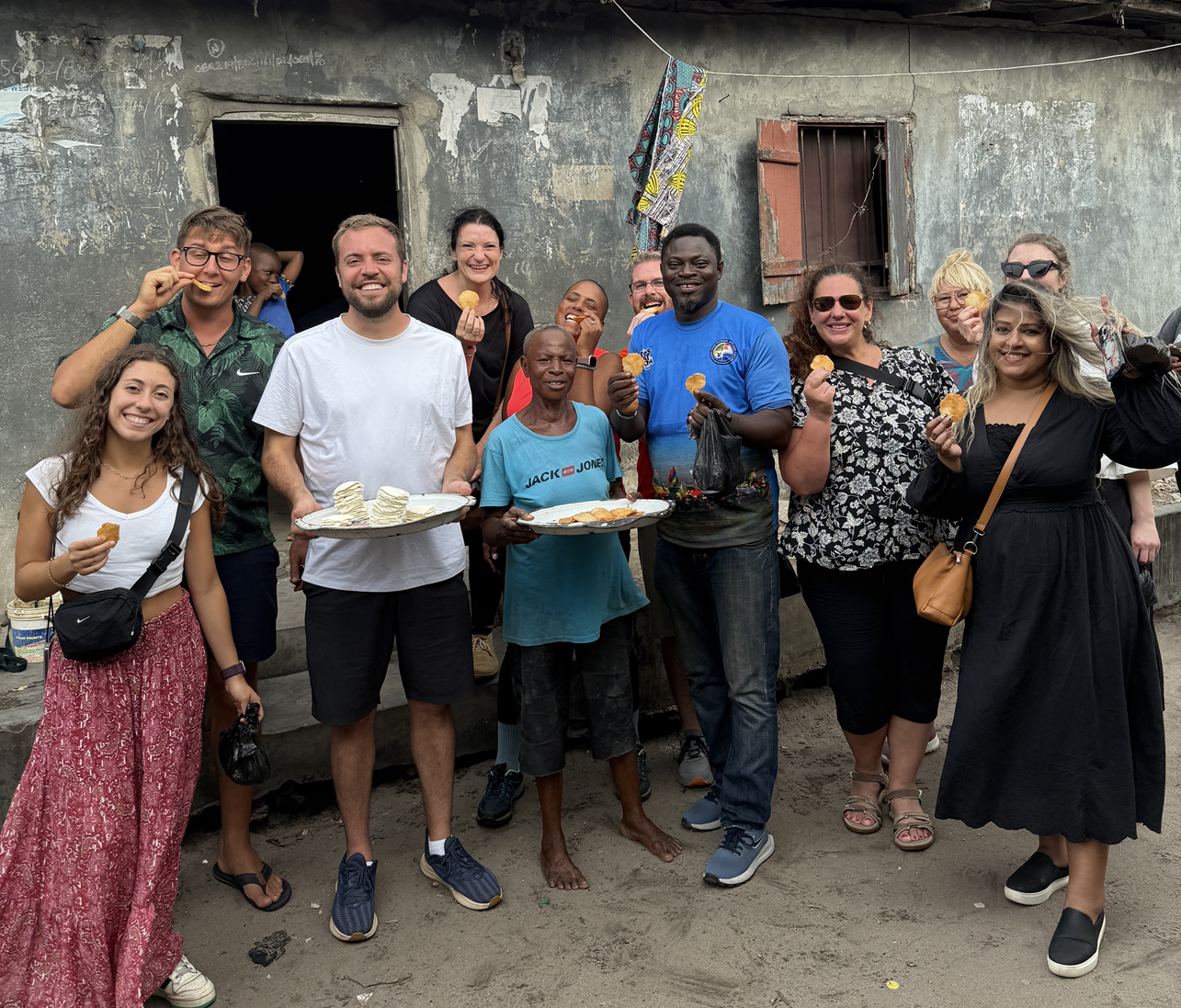
And third, the fashion and art scene is another big draw. Nigeria has so many talented artists and fashion designers at home and in the diaspora spreading Nigerian creative work around the world. Many people want to travel to Nigeria for this art scene to visit the galleries or purchase the art themselves.
I think all these things create a huge demand to visit Nigeria, but the internal infrastructure isn’t there yet to make it possible to bring in these tourists. There are opportunities around streamlining visa fees, better connectivity with the international financial system, and an improved security situation that would all lead to a growing tourism industry in the country.
Tell us about your work as a ‘fixer’ in Nigeria.
A year ago, my wife and I started a company that focuses on helping people travel to Nigeria. Our primary product is our Southwest Nigeria tour where we take groups of no more than 12 to visit Lagos and nearby states for 9 days. We also plan private groups for corporate clients, educational institutions, and travel companies that want to offer a Nigeria trip to their clientele.
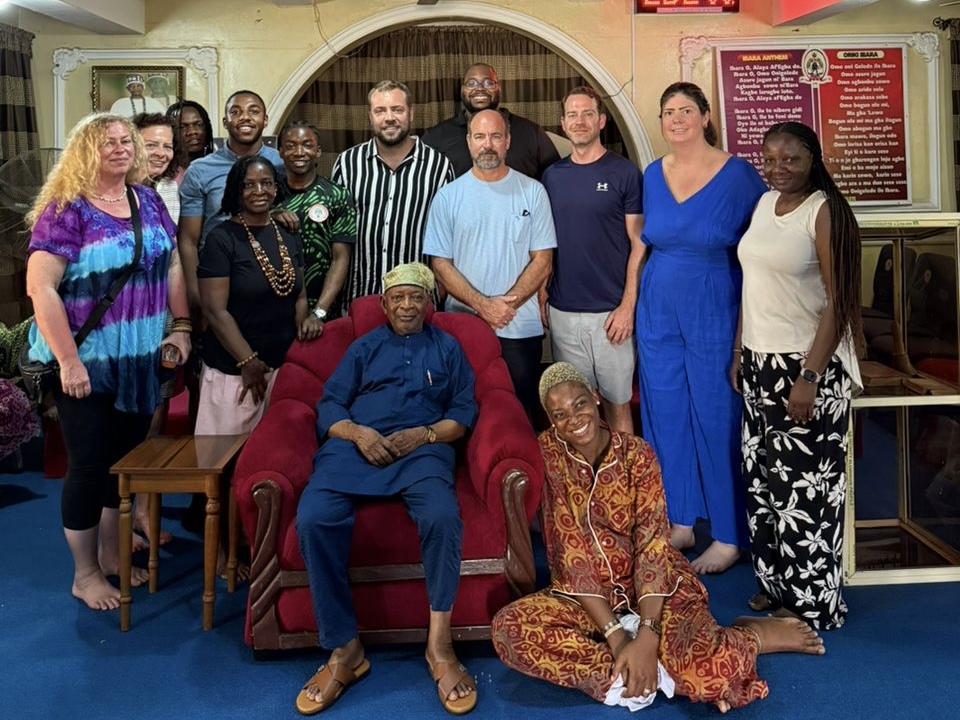
We make that process simple by making Nigeria accessible to those that normally would have no idea where to start planning their trip. Everything is taken care of from the airport pick up to the drop off at the end. And we make sure our guests get all the necessary pre-trip information so they’re coming to Nigeria ready to have a good time. I love the work as I always get to meet new and interesting people from around the world. People travel to Nigeria for so many different reasons from wanting to visit a new country to looking to connect with their ancestral heritage.
It is always such a pleasure when we can turn Nigeria from a stressful overwhelming country to visit to an extremely positive and enriching experience.If you want to stay up-to-date on our next tour dates, I suggest joining our email list for updates.
You’ll be leading NomadMania’s tour there in August. What are you most looking forward to about this and what should people know before they come?
Yes! I am so excited to join you all on this trip. I am a nerdy traveler and I love looking at maps and thinking about travel logistics so when NomadMania reached out about visiting every region in the country, I knew I had to jump at this opportunity to plan such an epic trip. There are several places on the itinerary that I have not personally visited like Enugu, Obudu Cattle Ranch, and the Yusufari Sand Dunes so I am really looking forward to the trip for personal reasons as well.
This is going to be an unforgettable trip. After you get home, you’ll need to sit down and process everything that just happened over the one or two weeks you are with us. Our trips are designed to really expose you to all the breadth and diversity in Nigeria and it can take some time to digest everything you just saw and witnessed.
We have a lot of ground to cover on this trip so expect early mornings, but we have also built in some rest and relaxation stops at some beautiful resorts in Nigeria to try and find a good balance. Come rested and ready for an unforgettable experience!
You’ve been to 167 countries yourself. What kind of traveller do you see yourself as?
As I have grown older my travel style has changed. I started out as a backpacker on a shoestring budget trying to travel as much as possible for as little as possible. Now I am someone that still travels within a budget but I value my time and comfort much more than I did in the past.
I am not a budget or a luxury traveller, rather finding a place in the middle where I have my comfort but maintain a reasonable budget to fit everything in. I tend to travel faster, but I am not the type of person visiting countries for 24 hours and moving to the next. I am someone that likes to be on the go so I like to pack my itineraries with activities to see as many places as possible. I struggle to sit still so I’m not the kind of person that could do slow travel spending weeks or months in the same place.
As an aviation guy, I am partial to flying when the itinerary makes sense for me rather than long overland trips. I love to fly new airlines and obsessively track everything in an aviation app called Flighty including every airline, route, aircraft type, and miles flown. If flying is a more convenient option, I will take that over a long overland road trip. I do sometimes enjoy a challenging road trip but I only do it for the adventure like overlanding through the Congo.
I no longer take an overnight bus to save a few dollars on a flight. I also really enjoy renting cars and driving in foreign countries. I might not seem like I am enjoying it as I curse the different drivers in some countries that seem to have no value for human life, but I really enjoy the flexibility to travel at my own pace and make stops along the way as I see fit. I recently rented a car to drive all around Southern Malawi and it was so enjoyable stopping at small roadside markets and interacting with people there. This is something you can’t do using public transportation.
I typically travel solo or with one other travel partner. While I love hosting group trips and meeting people from all over the world, I am usually making content so traveling in a group just does not work for someone like me that has very particular things I want to do and see. I love hiring guides and always look to a local guide for their expertise in a certain region.
I often seek out families on Couchsurfing to host me so I can get a real authentic look into how it is to live in that country. I have made so many friends through Couchsurfing and learned so much about the world by sharing these moments with people in places like Iraq, Barbados, Kazakhstan, Uganda, and Mali. Couchsurfing has been an incredible platform for me and I have found that the experience has been mutually beneficial. I’m looking to learn about local life and they are always fascinated to meet an American traveller that has been to so many countries.
I also frequently travel with my Dad. In 2021, my mom passed away after 30+ years of marriage to my dad. A few months after her passing I asked my dad if he “wanted to go on an adventure with me” and to my surprise he agreed to travel with me to Iraq in February 2022.
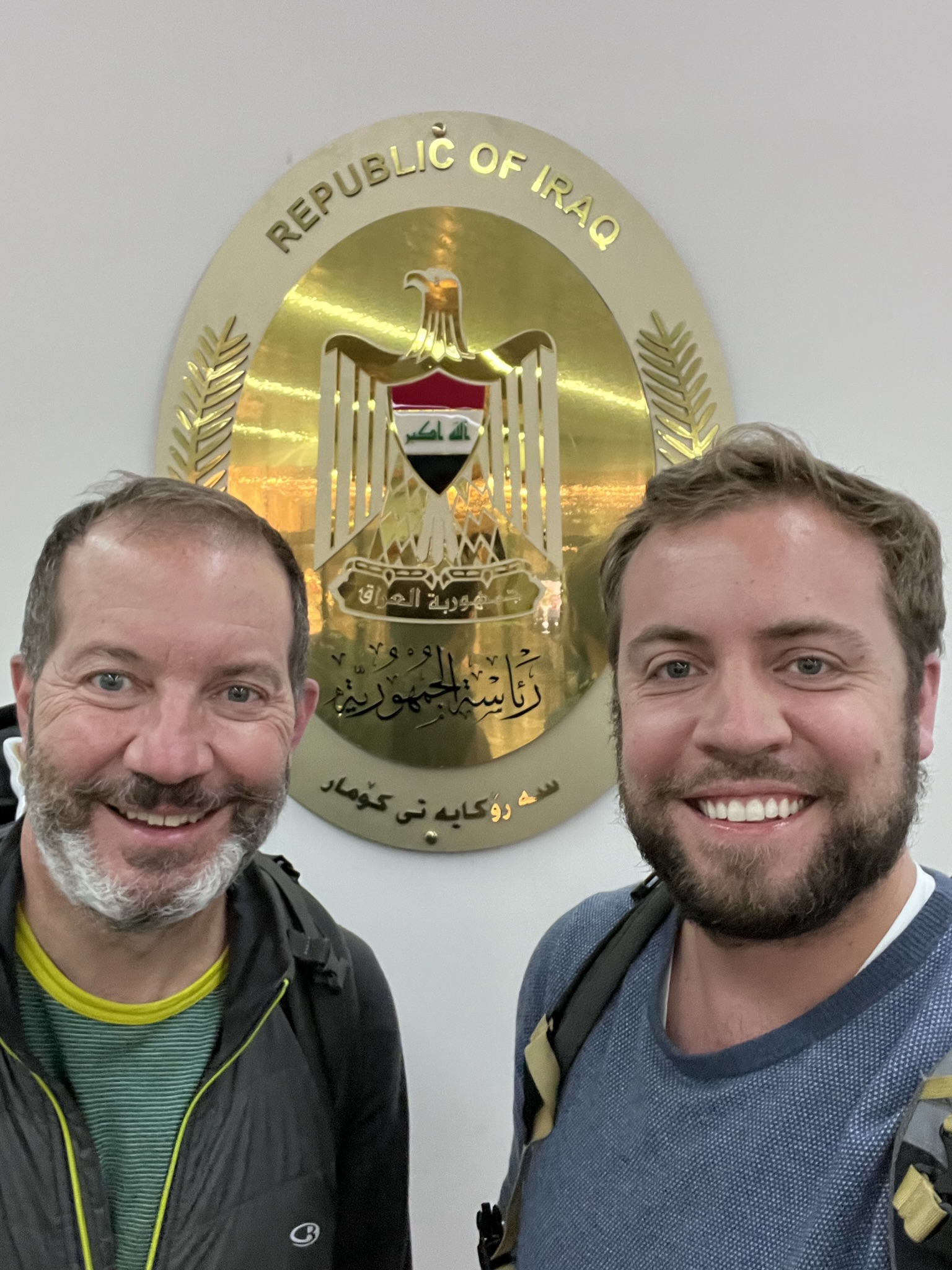
This is the kind of thing that would never have been allowed with my mom still alive. When I went to Afghanistan in 2020, I had to strategically make up a fake story about where I was to avoid her suspicion. So during this period where my dad had to really evaluate who he was after losing my mom, he came to Iraq with me and it inspired a sense of travel within him that has led him to almost 100 countries.
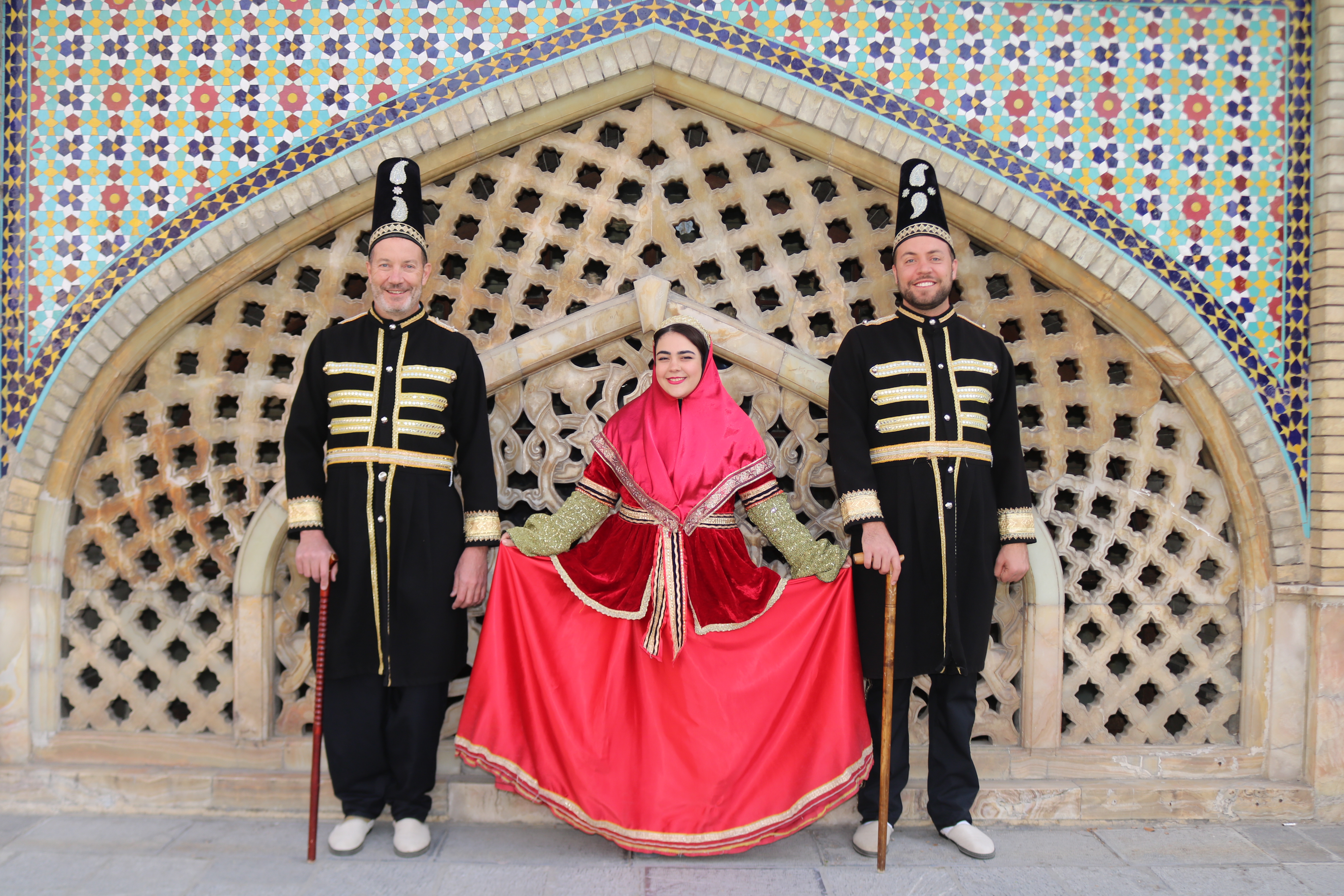
My dad travelled with me to all the “difficult countries” including Iraq, Iran, Syria, Somalia, and Yemen. We have also been to Turkmenistan, Tajikistan and Marshall Islands, Micronesia, and Palau on the United Island Hopper. I really enjoy traveling with my dad and have made so many memories with him while we still can.
And, Nigeria aside, which countries have most surprised you and why?
If there is one major lesson I’ve come away from travel is that nothing really surprises me anymore. And by that I mean I have recognized that there is so much more that I don’t know about than I do know. There are so many ways to go about one’s life that I am no longer surprised but rather always open to the unexpected. That being said, a few of my most memorable trips were to the following destinations:
Turkmenistan – many people call it the “weirdest country in the world” known for blocking almost all external internet and a capital city full of grandiose white marble buildings and barely any people around. There is something that makes me feel so uneasy visiting the country and yet infinitely fascinated by everything about it.
Adak, AK – Far out on the end of the Aleutian Island chain in Alaska, United States, is a tiny town called Adak. It is home to the western most population center and western most airport in the United States. Only a few more unpopulated islands lie west before the 180th meridian.
It was the former site of a military base during the Cold War and now the majority of the buildings sit abandoned. A small community lives there, some choosing to stay from military days, and others moving to capitalize on island as a base for the deep sea fishing industry in that part of the world. I found the place while exploring the map looking for unusual airports and the more I read about it the more I wanted to visit.
It has a twice weekly flight to Anchorage on Alaska Air which I booked relatively affordably with miles as the cash price is extremely high. It was such a beautiful, desolate, and unusual destination with so much history. One of my favourite parts was the abandoned McDonalds with prices still on the drive through menu from 1994.
US-Mexico Border – I’ve crossed the US border in every state and find this region of the US and Mexico incredibly fascinating. Through my travels I’ve crossed a lot of borders but very few have the stark differences like one can see in places like Nuevo Laredo, Cuidad Juarez, and Tijuana.
I particularly love Tijuana after visiting there several times. One of the highlights was attending a Mexican baseball game which was such a unique mash up of American and Mexican culture that you can only find in a border region like this.
Algeria – I travelled to Algeria three times and the reason I kept going back was because the people were just so kind and welcoming. I first went there in 2022 and had heard that the visa was notorious to get. Fortunately as an American the Consulate in New York was quite straightforward, but I heard so many stories of frustrated Europeans unable to visit.
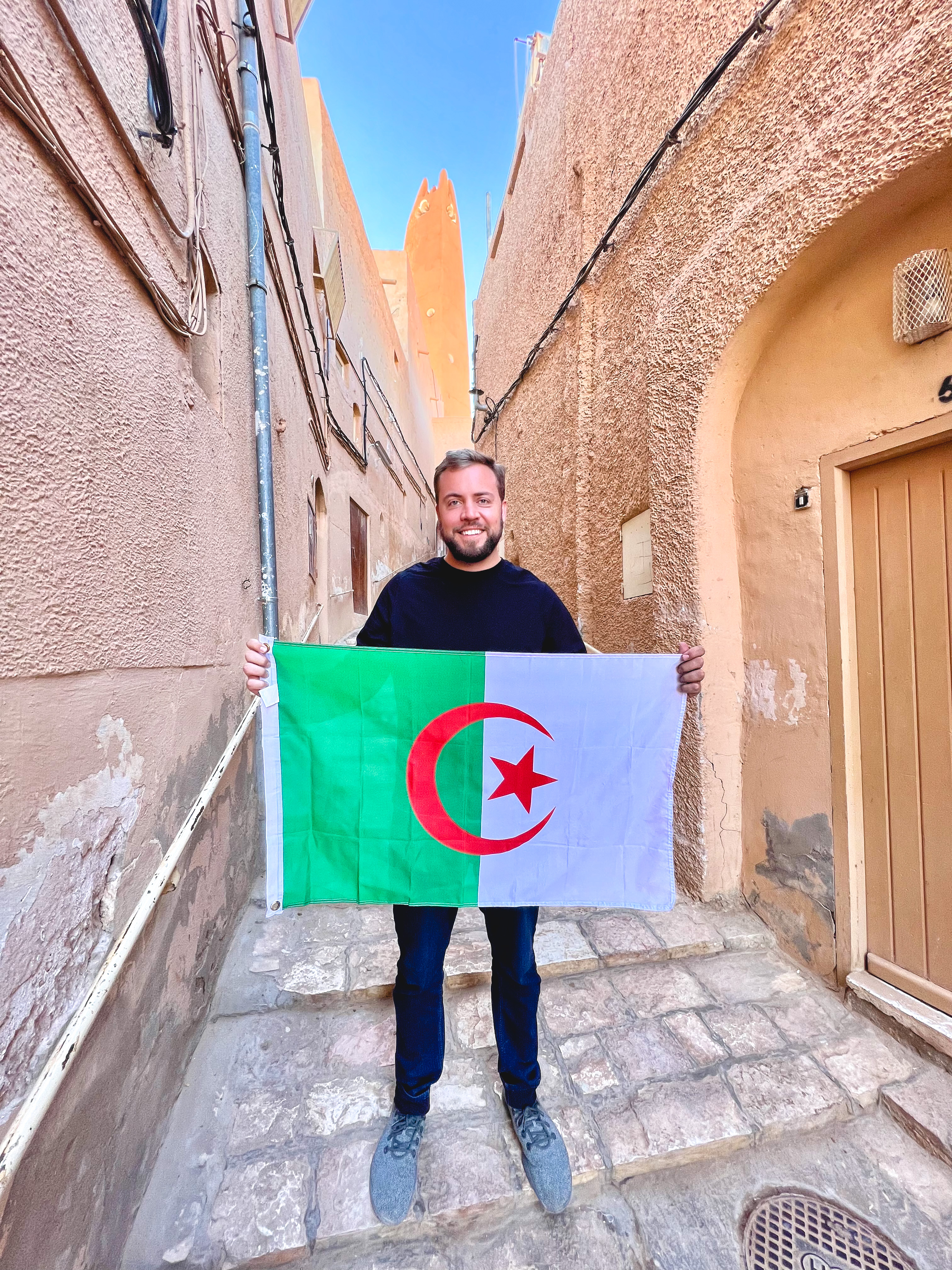
I spent a week in the country almost exclusively staying with couchsurfing hosts and met so many kind people. Algeria is an incredibly diverse country and each city feels like it could be a different country from Oran to Timimoun, Ghardaia, Constantine and Bejaia. It really is a country that rewards long and deep exploration. Due to limited tourism numbers, the country feels totally untouched yet still has great internal infrastructure and tourist sites making it a one-off-a-kind destination.
Will you be aiming for 193 anytime soon? Yes or no and why?
I’ve never been in a rush to reach 193 as I am not going to set any records so rather than try to speed race through the final ones, I am savouring the final countries ticking them off one by one. There are some political challenges that make 193 untenable at the moment namely with North Korea, but I would like to achieve it one day.
I am hoping to get to ~180 by early 2027 and leave the final few for a time that I can realistically do them all. Two countries that I have surprisingly never visited are Norway and Sweden. I want my final country to be something relatively well connected with the rest of the world that friends and family can come celebrate my accomplishment.
I don’t want to finish in North Korea, for example. I just worry that I might be on a diverted flight that lands in Scandinavia forcing me off the plane and into a hotel for the night making me count either one of the countries!
What are your longer-term plans as a traveller and in terms of your family? Do you think you’ll be staying in Lagos?
Adenike and I want to have children but with our immigration situation we are not sure the best time to do that. Due to the cost vs quality of life in Lagos we will not likely be there long-term. Lagos can be a very expensive place to achieve a decent quality of life and there are so many cities and countries in Africa and South America that offer a much higher standard of living at a fraction of the price.
We both have a strong interest in living abroad and mastering another language so we will likely pick a third country to settle for the time being. We want to continue with the tour business but rather be more intentional about the work we do to ensure it is worth our time.
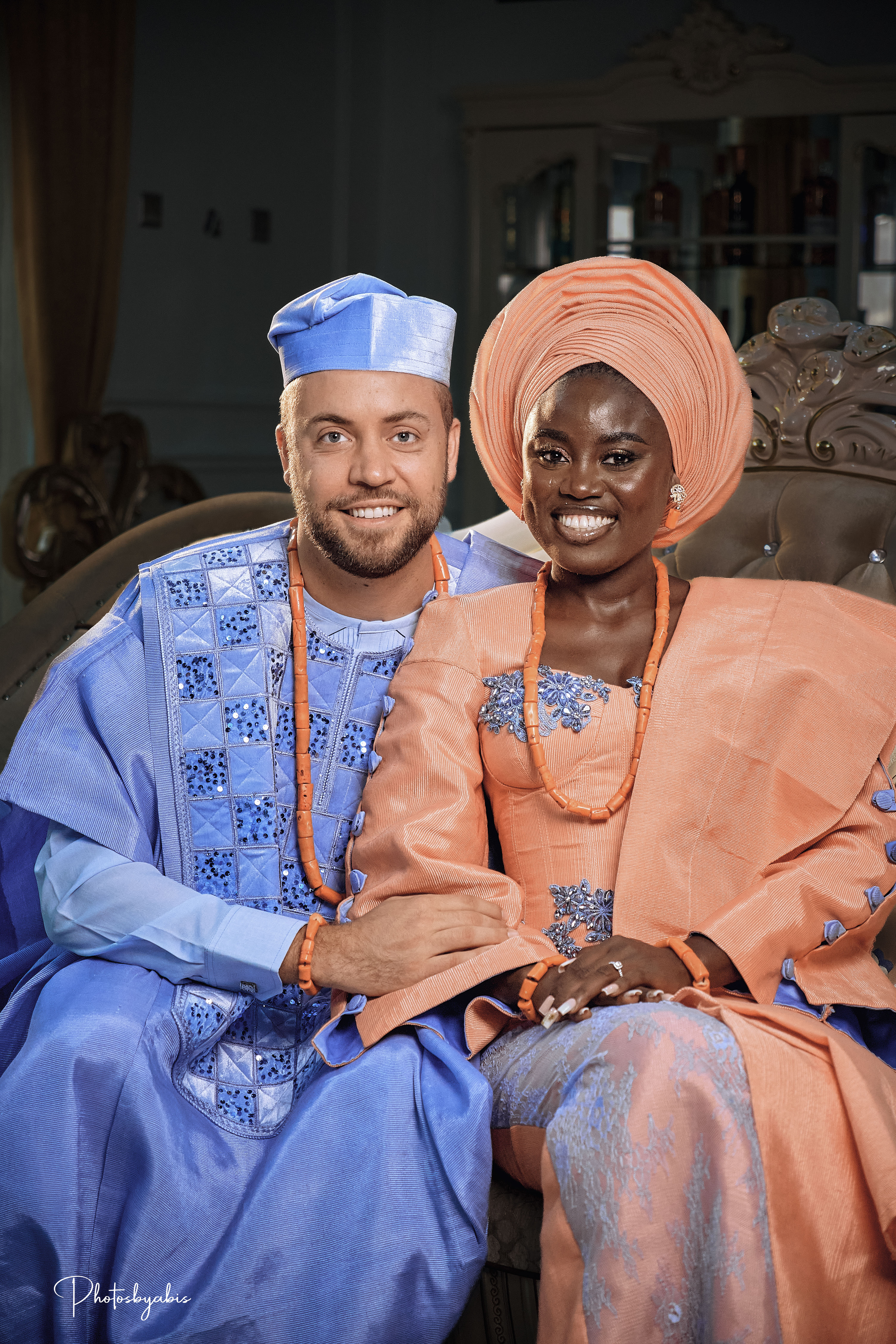
We would maintain an apartment in Lagos and travel to Nigeria as necessary for business. I’d love to host several groups over a shorter period like a few months before retreating home to organize and prepare the next set of tour groups.
Travel is a very important part of our life so we will certainly continue traveling but will now bring our kids along with us. Adenike would like to visit as many countries as possible on her Nigerian passport. She is likely one of the most travelled Nigerians in history having visited 100 countries on her Nigerian passport.
And finally, our signature question – if you could invite any four people, even fictional and from any period of history, to an imaginary dinner, who would be your guests and why?
All four of my guests are connected to Southwest Nigeria where we run our tours. We go into a lot of the history of this region, and it would be so fascinating to meet the people that have made a major impact here.
My first guest would be Funmilayo Ransome-Kuti, the activist, educator and women’s rights campaigner from Abeokuta. She fought against British colonial rule, founded the Abeokuta Women’s Union, and was the first woman to drive a car in Nigeria. She also happened to be Fela Kuti’s mother which makes her even more fascinating. Fela Kuti is the father of Afrobeat and major influence on current Nigerian music.
My second guest would be Seriki Williams Abass, the 19th century ruler of Badagry. His life story is remarkable. Born Yoruba, enslaved as a child, taken to Brazil, taught to read and write in four languages, and then returned to Nigeria where he became a powerful slave trader himself. His life is full of contradictions and moral questions that would make for an interesting discussion. We visit his barracoon on our tours in Badagry and discuss these questions.
Third would be Susanne Wenger, an Austrian artist who arrived in Osogbo in the 1950s and never left. She learned Yoruba, became an ordained Yoruba priestess, and spent sixty years restoring the Osun-Osogbo Sacred Grove which is now a UNESCO World Heritage Site we visit on our tours. As a foreigner who came to Nigeria and fell completely in love with the culture and people, I would be interested to hear her perspective.
And finally Wole Soyinka, the Nobel Prize winning playwright and the first African to win the Nobel Prize in Literature. He is one of the greatest intellectuals Africa has ever produced and given that he is now in his nineties and still sharp as ever, I think the dinner conversation would be extraordinary.