
January 07–13, 2027 (+ January 13-18, 2027)
⬇️ Going ⬇️
⬇️ Interested ⬇️









Embark on a 13-day odyssey through the spiritual and cultural heartlands of Togo, Benin, and—for those seeking deeper exploration—eastern Ghana. This journey is timed to coincide with the annual Voudon festivals, offering an unparalleled immersion into West Africa’s living traditions. Split into two modules, one 7 days traversing both Benin and Togo north to south and another 6 days one exploring Ghana, we will traverse four Nomad Mania regions (expanding to six with the Ghana extension), including Togo’s coastal plains and northern savannahs, Benin’s sacred cities and northern highlands, and Ghana’s Volta Basin and coastal forts. Discover two Nomad Mania DARE locations (four with extension), such as Benin’s beaches in the Grand Popo Panhandle and the enigmatic Portuguese Fort of Ouidah, alongside Ghana’s remote Oti region and Keta Lagoon. Stand in awe at two World Heritage Sites (three with extension): the Royal Palaces of Abomey, a testament to the Dahomey Kingdom’s might, and the Batammariba’s clay fortress-villages in Koutammakou, with Ghana’s colonial forts for those opting for the extension.
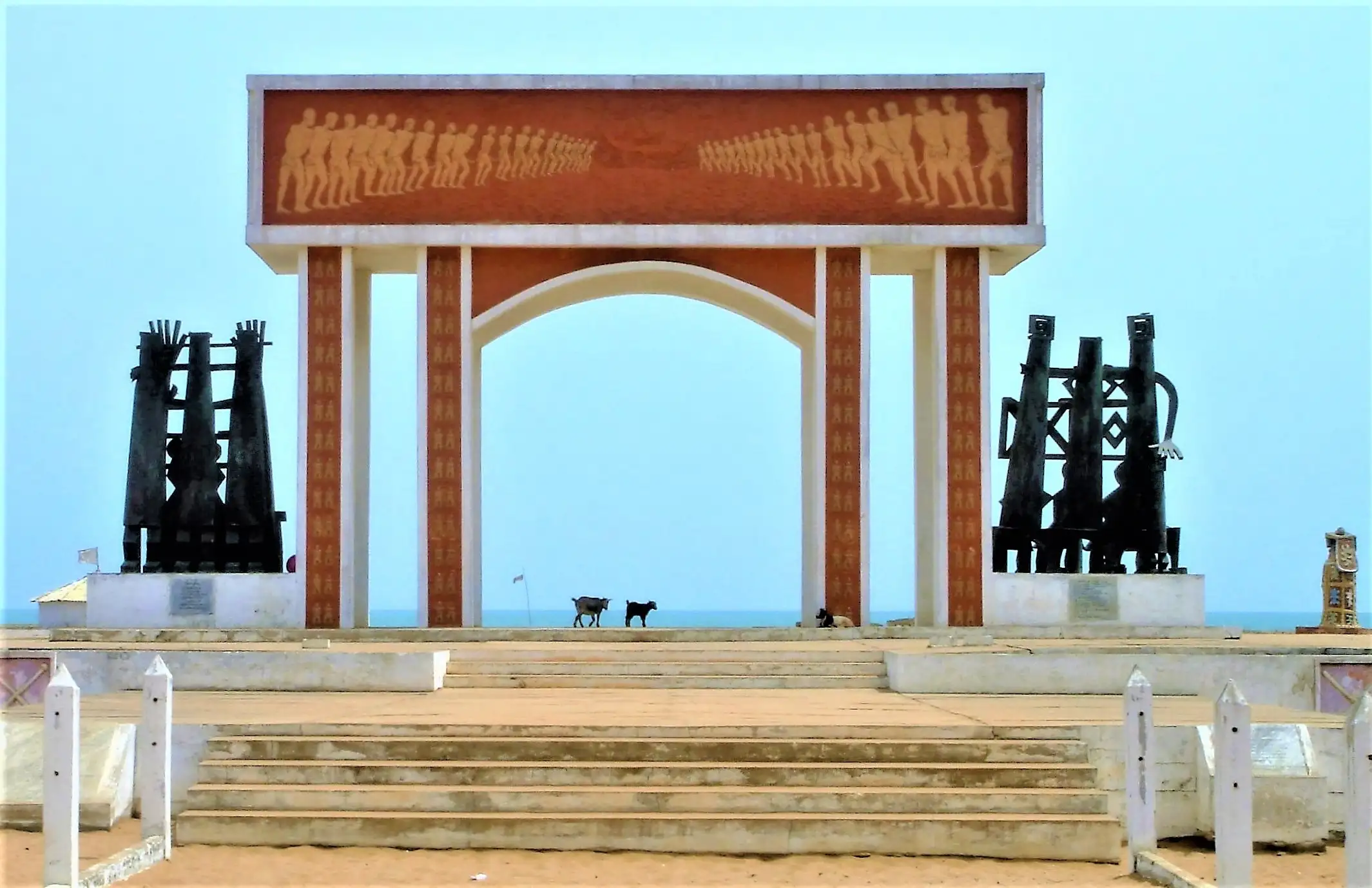 Door of Non Return of Benin – photo by Steve Newcomer
Module 1: Togo and Benin Complete Expedition
- Day 1 – January 07
- Arrival in Lomé; explore the city such as Independence Boulevard and its Gulf of Guinea beaches.
- Day 2 – January 08
- Visit Akodessewa Fetish Market; Ewe cultural immersion in Davedi Village; evening Zangbetor Mask Dance in Grand Popo (DARE).
- Day 3 – January 09
- Egungun Mask Dance in Possotomè; attend Vodoun Festival in Allada; transfer to Cotonou.
- Day 4 – January 10
- Grand Vodoun Festival in Ouidah; walk Route des Esclaves; old portuguese fort (DARE); tour Abomey’s UNESCO Royal Palaces.
- Day 5: – January 11
- Scenic drive to Natitingou; visit Dankoli Shrine; Bariba Horsemen Dance in Djougou.
- Day 6: – January 12
- Explore Somba villages in Benin; cross to Togo’s UNESCO Koutammakou Valley (Batammariba).
- Day 7a: – January 13
- Return to Lomé via Bafilo (kente weaving) and Notse (Vodoun blessing); departure for Module 1 travelers.
Module 2: East Ghana Reconnaissance
- Day 7b (cont.): – January 13
- Cross into Ghana via Nandouta canton (DARE); explore Yendi (Dagomba Kingdom).
- Day 8: – January 14
- Journey through Oti Region (DARE); visit Krache villages; overnight in Nkwanta.
- Day 9: – January 15
- Light hike near Mount Afadja (Ghana’s highest peak); visit Tagbo Falls; stay at Tagbo Falls Lodge.
- Day 10: – January 16
- Explore Wli Falls (West Africa’s tallest); Tafi Atome Monkey Sanctuary; Slave Route site in Atorkor.
- Day 11: – January 17
- Tour Fort Prinzenstein in Woe (DARE); visit Nkyinkim Museum; arrive in Accra.
- Day 12: – January 18
- Accra city tour: UNESCO forts (Ussher Fort), Jamestown; farewell lunch and airport transfer.
 Day 1: Arrival in Lomé, Togo [January 7, 2027] Begin your journey in Lomé, Togo’s coastal capital and a hub of West African commerce. After arrival at Lomé-Tokoin Airport, transfer to your hotel for a briefing. The city, once a German and French colonial outpost, blends colonial architecture with modern markets. Spend the evening exploring Independence Boulevard or the beaches of the Gulf of Guinea, which have long served as a gateway for regional trade. Lomé is also home to the Grand Marché, a sprawling market where textiles, spices, and crafts reflect Togo’s cultural diversity. This introduction sets the stage for deeper explorations of Vodoun traditions and regional history in the days ahead.
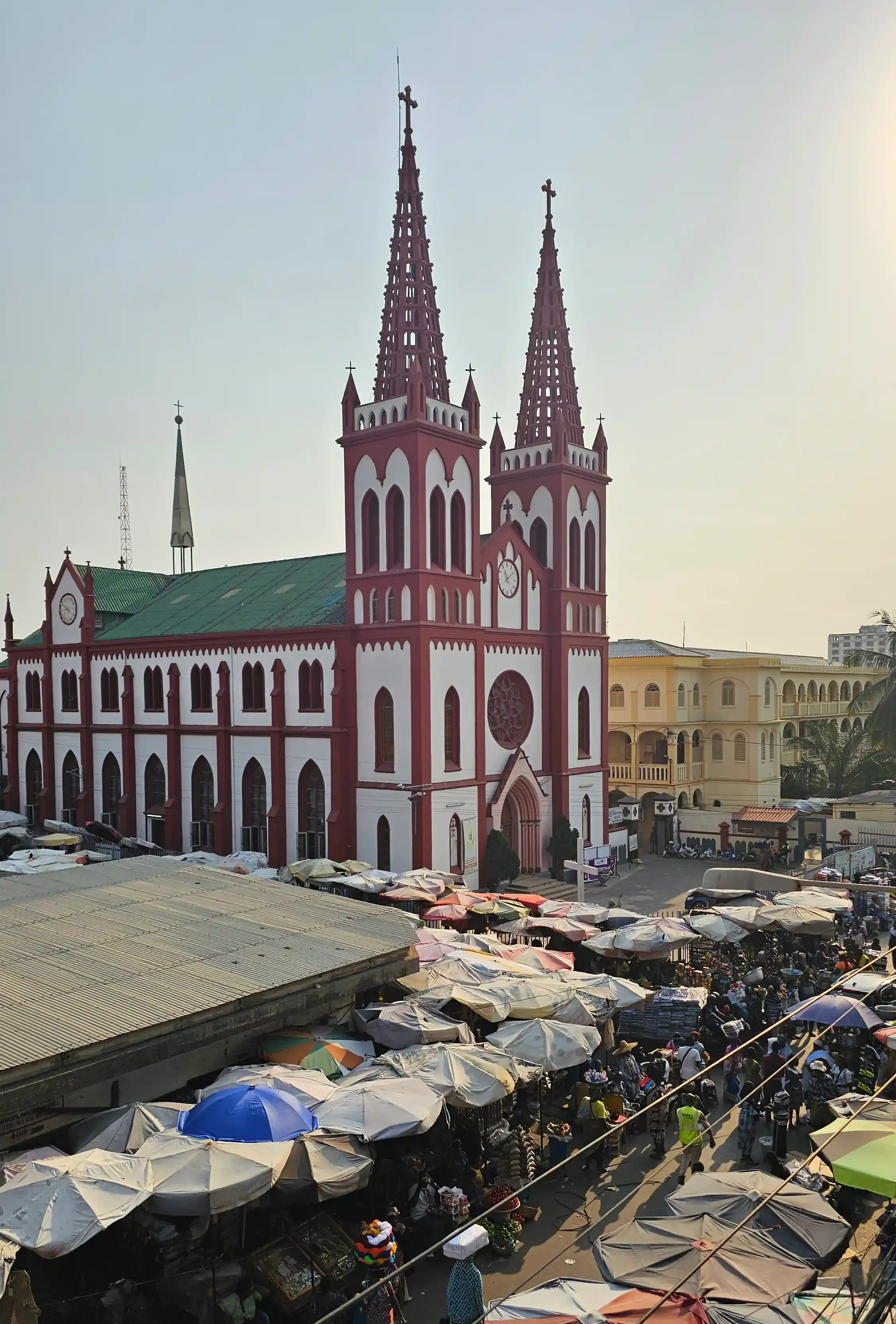 Sacred Heart Cathedral & Market, in Lomé
Day 2: Vodoun Market & Ewe Culture [January 8, 2027]
Visit Lomé’s Akodessewa Fetish Market, the largest Vodoun market globally, where priests source ritual items like animal skulls, herbs, and talismans. This market underscores Vodoun’s role as both a spiritual practice and a community institution. Later, travel to Davedi Village to engage with the Ewe people, known for their drumming traditions and oral histories preserved through generations. En route to Benin, pass the Agglomeration Aného-Glidji, a 16th-century settlement on Togo’s Tentative UNESCO list. Its mix of Afro-Brazilian architecture and indigenous traditions highlights the region’s historical ties to the transatlantic slave trade and European influences. After crossing the border we’ll head to nearby Grand Popo – a tranquil coastal town and part of NomadMania’s DARE list. As dusk falls, witness the mesmerizing Egungun Mask Dance in Possotomè, distinct from the Zangbetor in both purpose and symbolism. Egungun dancers channel specific ancestral spirits, wearing multilayered, colorful costumes that conceal their identities. The dance’s precise, rhythmic steps honor deceased lineage members, serving as a bridge between the living and the dead. . Overnight in Possotomè.
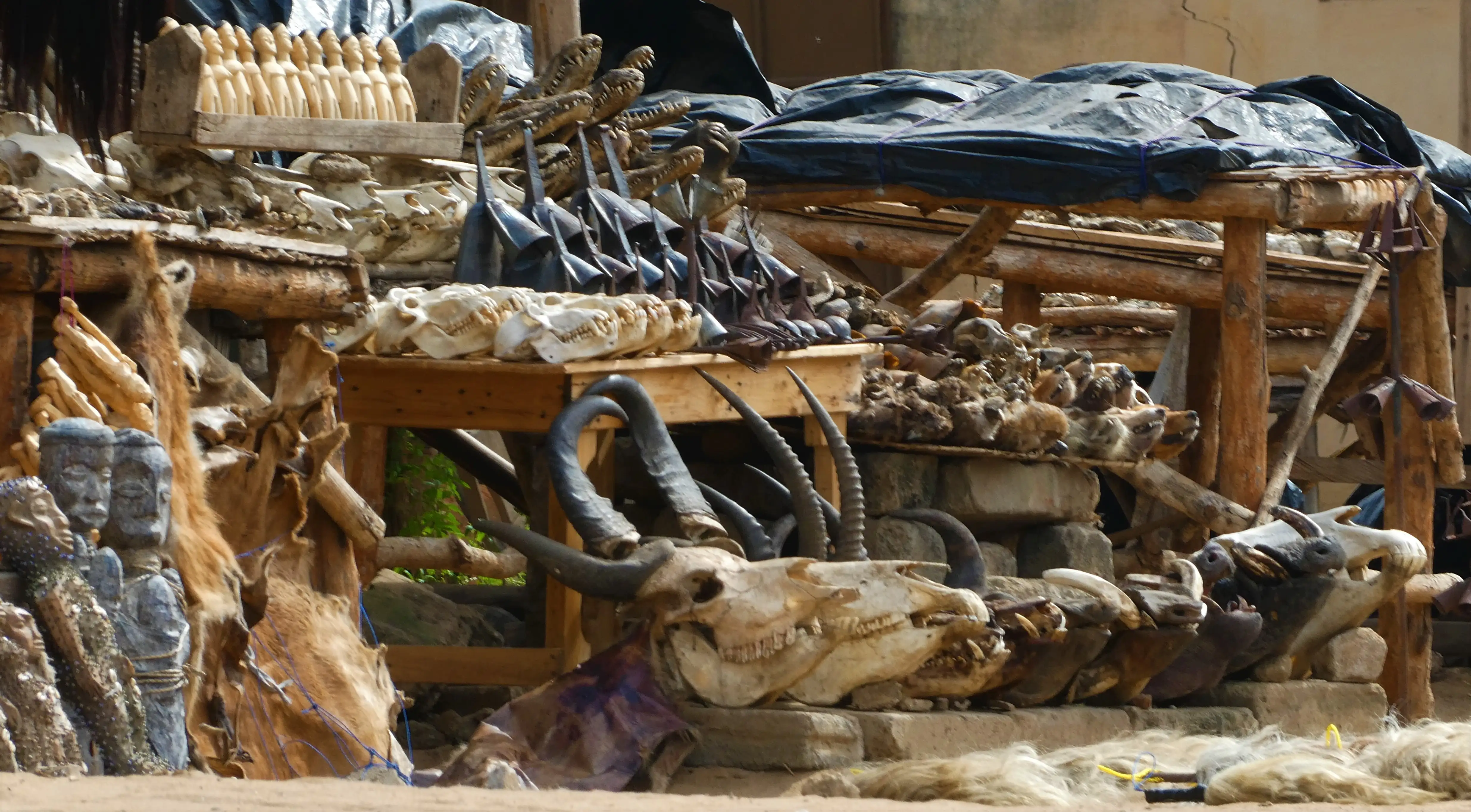 Akodessewa Fetish Market – Gene R Johnson
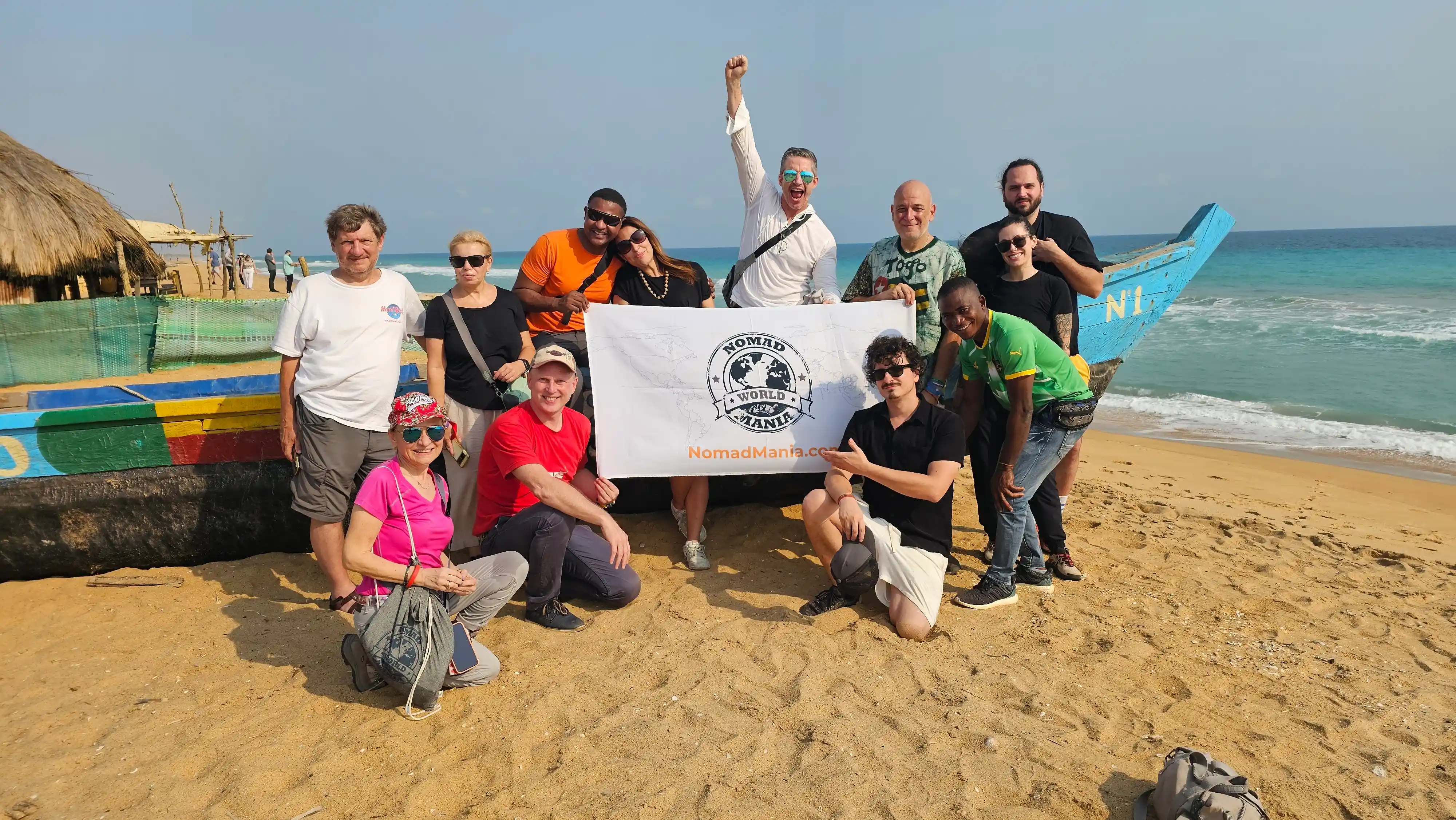 Visiting the beaches of Grand Popo
Day 3: Egungun Masks & Vodoun Festival [January 9, 2027]
We begin the day visiting a nearby village and witnessing the Zangbetor Mask Dance, a Vodoun ritual honoring the mythical guardians in Vodoun cosmology—spirits believed to patrol villages at night, ensuring safety. Proceed to Allada for Benin’s annual Vodoun Festival, where ceremonies honor deities like Sakpata (god of earth and disease). Priests lead processions with drums and chants, reaffirming Vodoun’s syncretic blend of indigenous beliefs and colonial-era adaptations. The day concludes in Cotonou, Benin’s economic capital. Note the towering statue of King Béhanzin, a symbol of resistance against French colonization, as you transition from rural traditions to urban vitality.
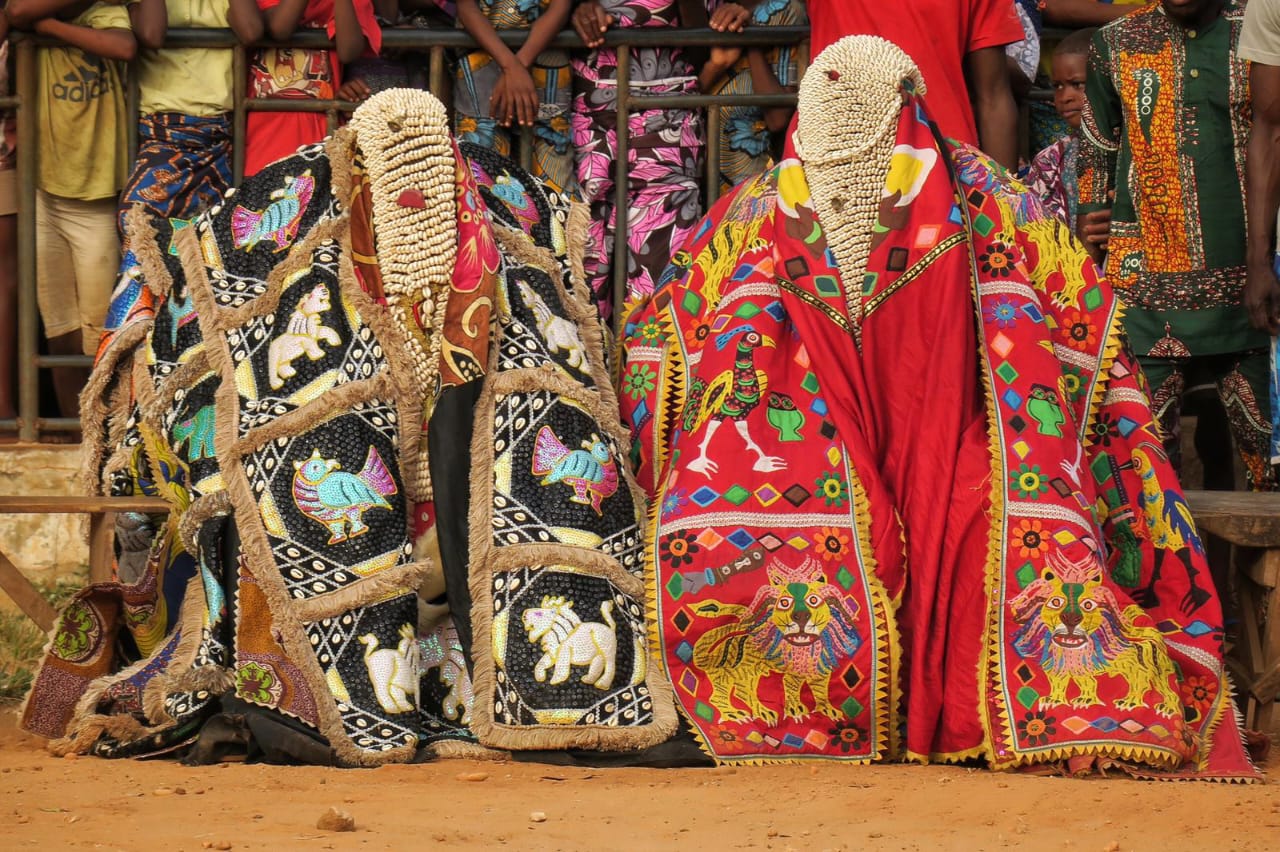 Egungun Mask Dance in Possotomè
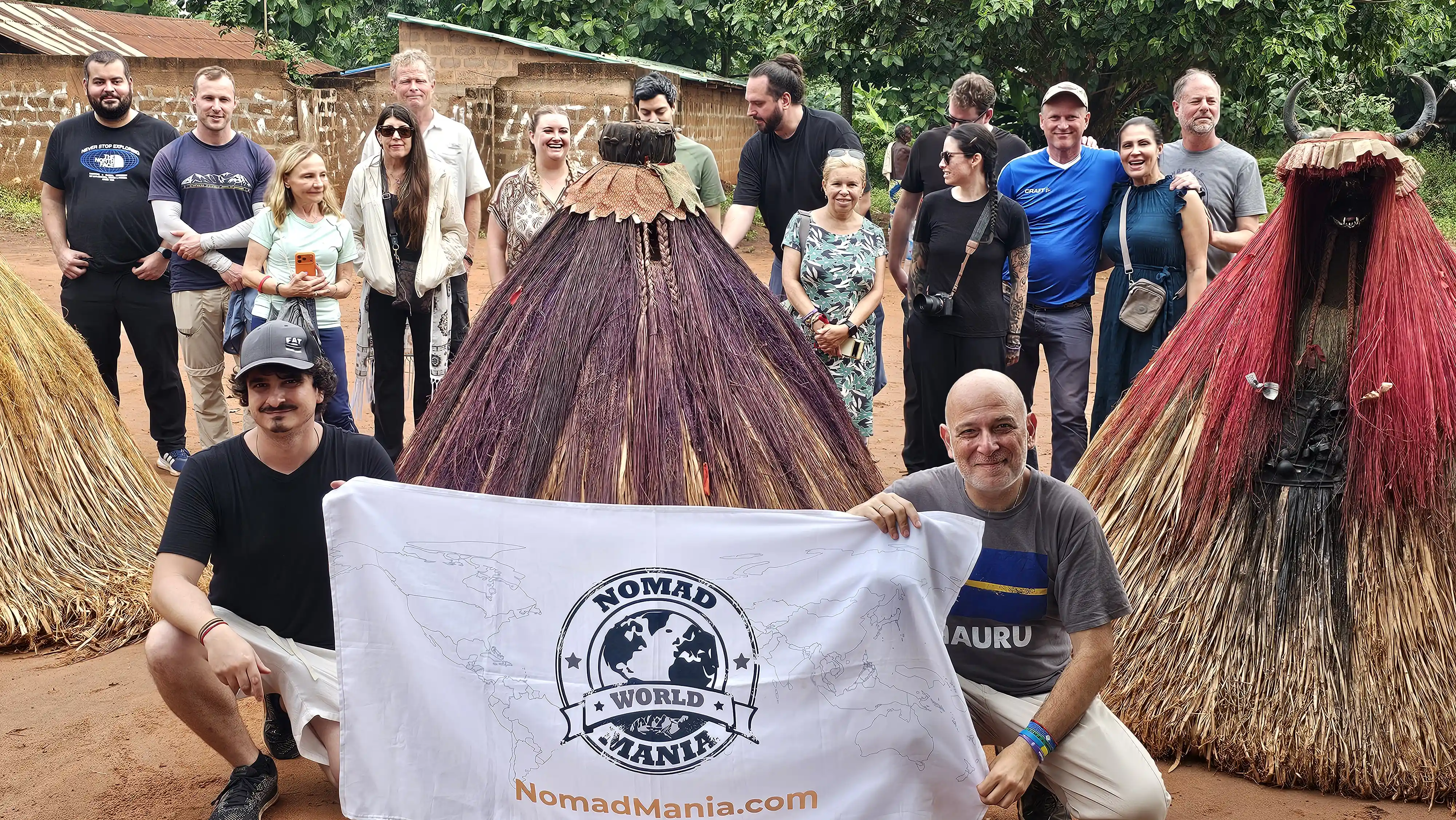 Zangbetor Mask Dance
Day 4: Ouidah’s Sacred Path & Abomey’s Palaces [January 10, 2027]
After breakfast we head to nearby Ouidah to participate in the Grand Vodoun Festival of Benin, centered at the Temple of Pythons, where priests handle sacred snakes symbolizing the deity Dan. Walk the Route des Esclaves, a 4km path leading to the Portuguese Fort of São João Baptista de Ajudá, a DARE site marking the departure point of enslaved Africans. Travel north to Abomey, capital of the Dahomey Kingdom (1625–1894). Explore its UNESCO World Heritage Site Royal Palaces, adorned with bas-reliefs depicting military conquests. Meet the Queen of Abomey herself and other members of the royal family – who still preserve oral histories of the kingdom’s famed Amazon warriors.
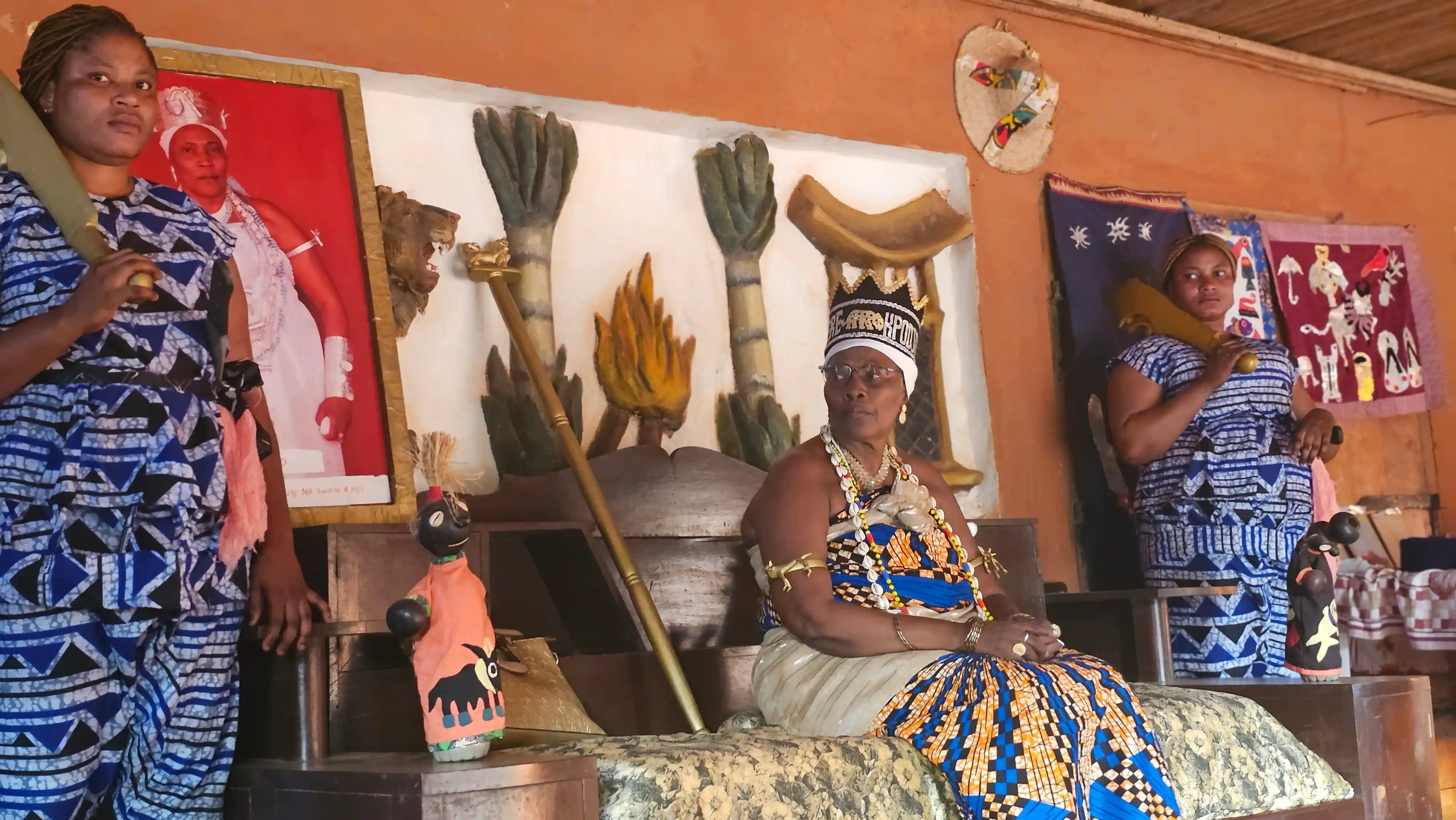 The Queen of Abomey welcomes us – by Pedro Peticov
Day 5: Natitingou’s Mysticism & Horsemen of Djougou [January 11, 2027]
Embark on a scenic drive all the way north to Natitingou, nestled in the Atakora Mountains. On the way visit the Dankoli Shrine, a cliffside Vodoun sanctuary where offerings are made to forest spirits. The shrine reflects indigenous animist beliefs that predate organized Vodoun. Continue to Djougou for the Bariba Horsemen Dance, a display of equestrian skill tied to the Bariba people’s history as cavalrymen defending the Borgu Kingdom. Traditions that highlight northern Benin’s role as a crossroads of Sahelian and forest belt cultures. Overnight in Natitingou.
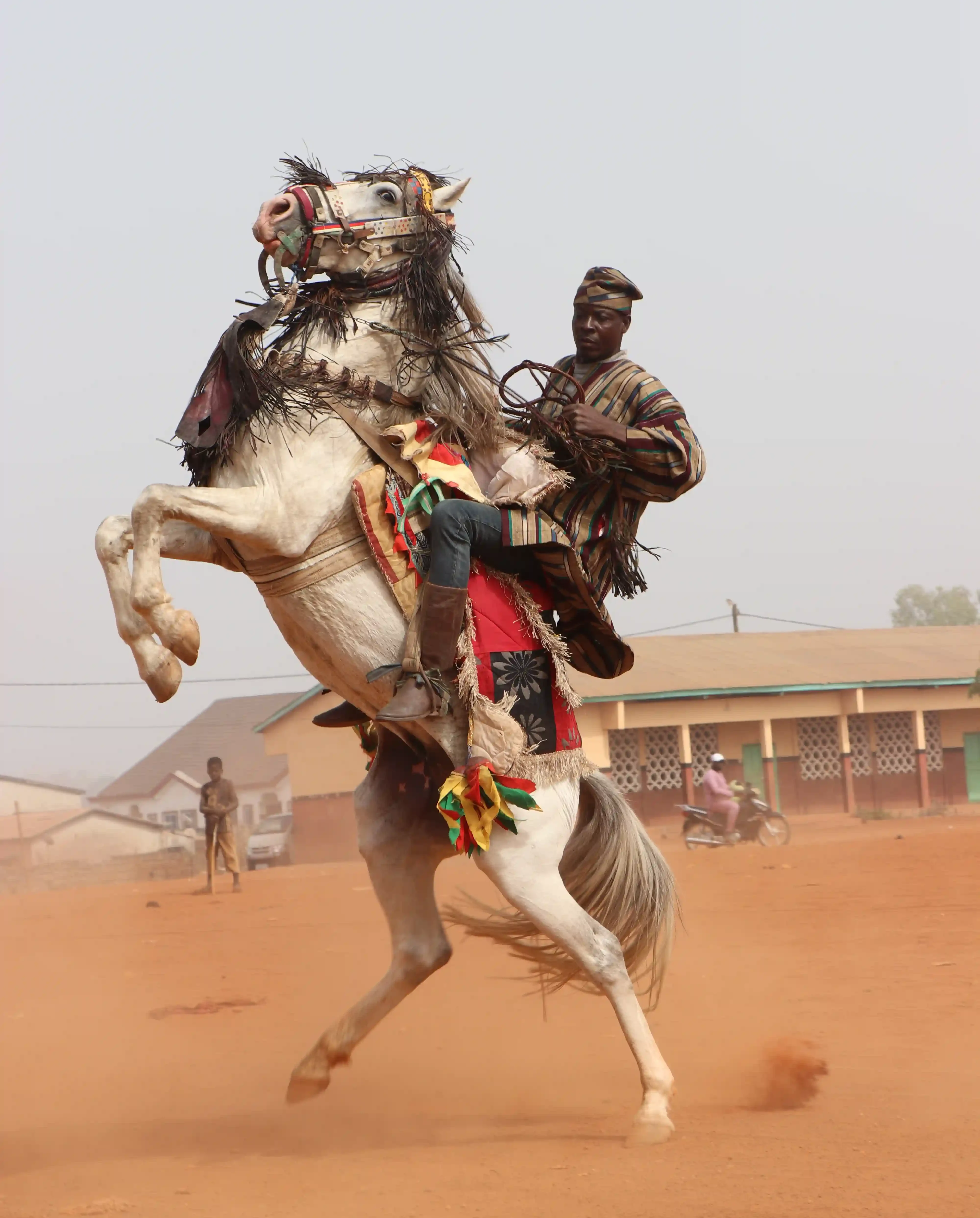 Horsemen of Djougou – by Juha Kokkonen
Day 6: Somba Villages & UNESCO Koutammakou [January 12, 2027]
Begin in northern Benin visiting the Somba people, known for their Tata Somba houses. These two-story clay structures, fortified with thick walls and rooftop granaries, were historically designed for defense against invasions. The Somba, part of the Betammaribe ethnic group, migrated to Benin from present-day Togo centuries ago. Their architecture reflects adaptations to the arid Savanes region, with communal living spaces and symbolic motifs linked to ancestral worship. Cross into Togo to explore the Koutammakou Valley, a UNESCO World Heritage Site inhabited by the Batammariba people. Their Takienta houses share similarities with the Tata Somba but are distinguished by conical thatched roofs and clan-based spatial organization. The Batammariba’s terraced farming practices and rituals tied to land stewardship illustrate their UNESCO designation as a living cultural landscape. This comparative study highlights regional variations in West African shared historical roots. Overnight in Kara.
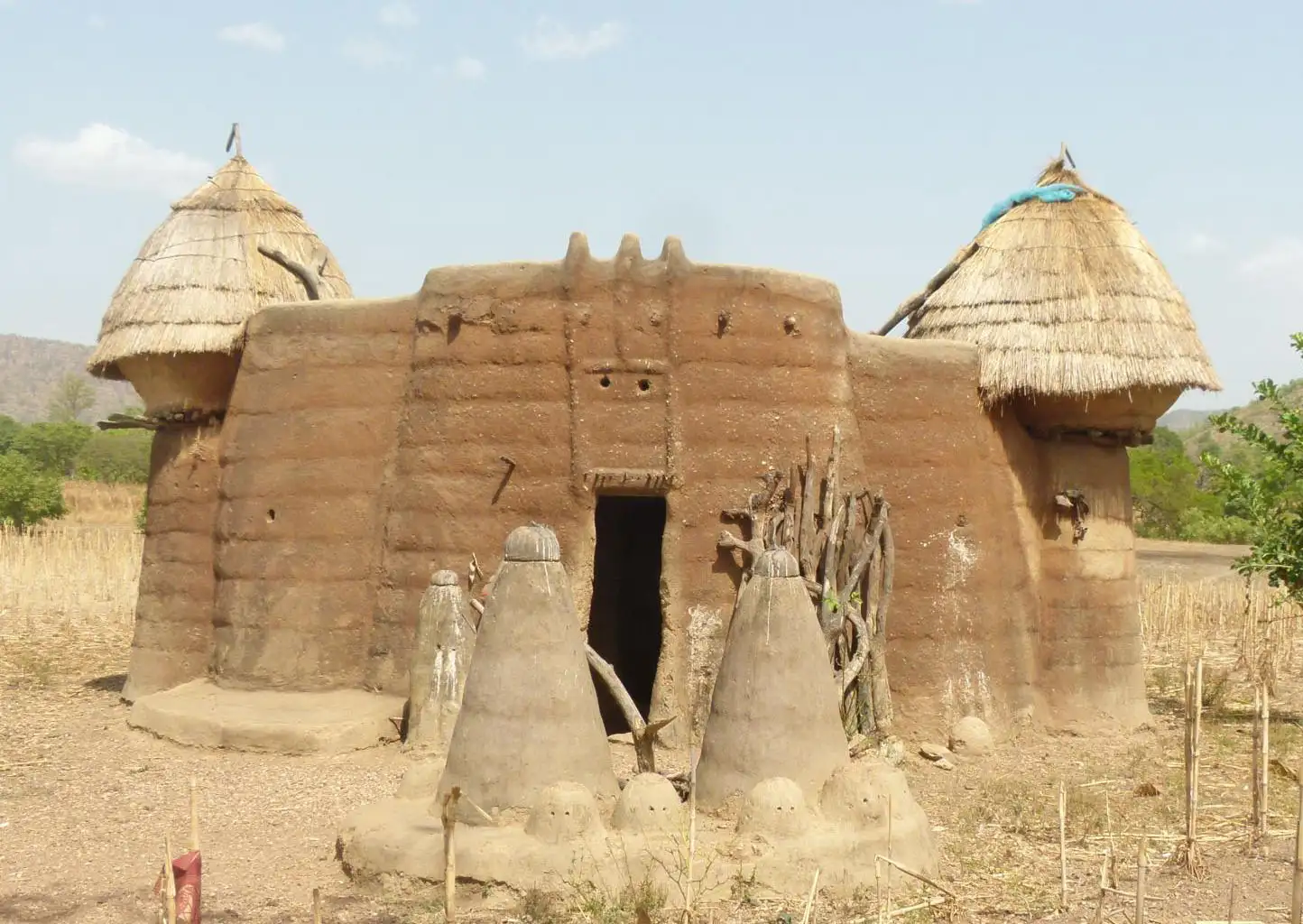 Batammariba people houses – photo by Michal Marciniak
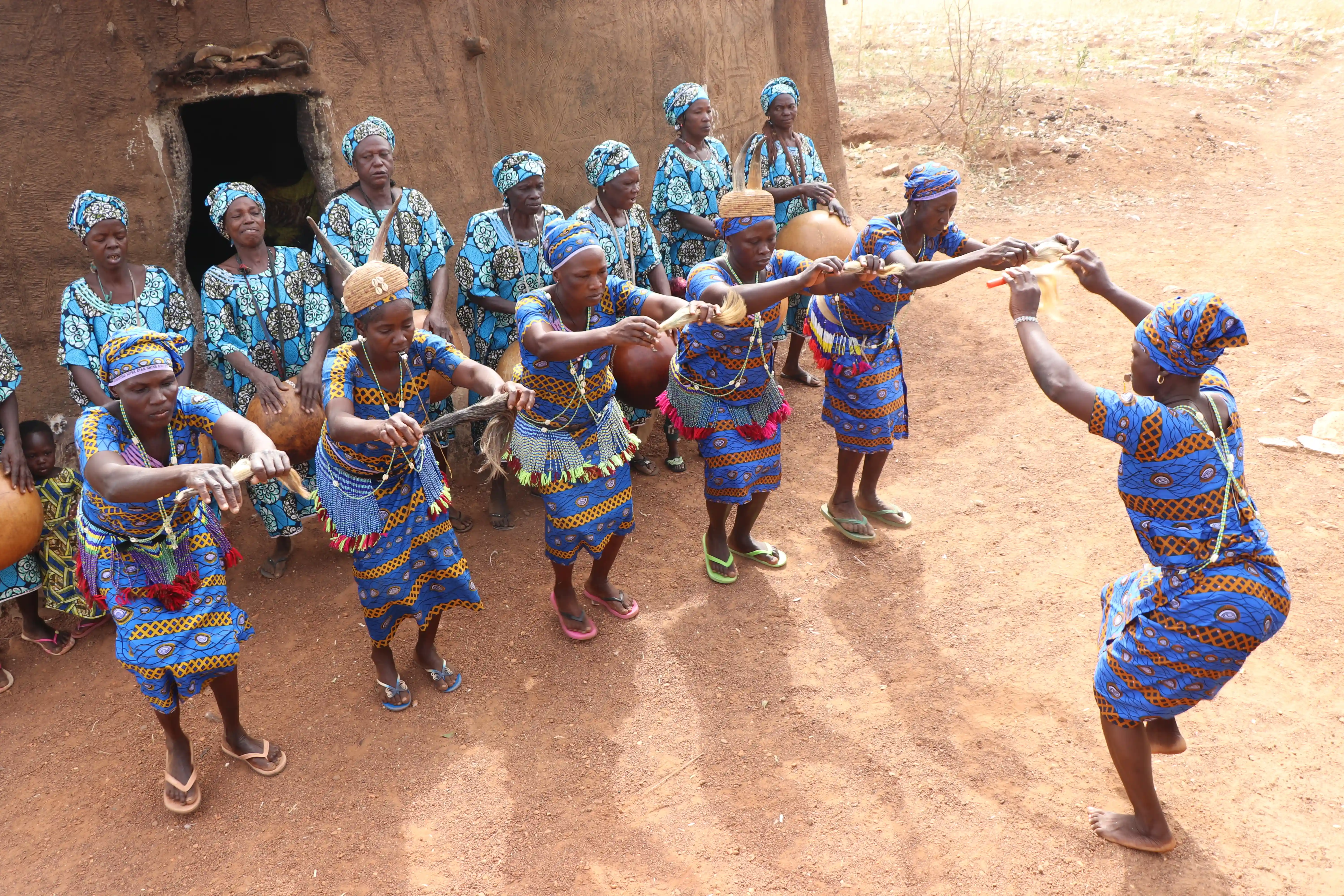 “Dance of the Virgins”, in the Koutammakou Valley – by Juha Kokkonen
Day 7: [January 13, 2027]
Module 1 participants return to Lomé, stopping in Bafilo to observe kente cloth weaving—a craft introduced by Ashanti weavers in the 18th century. In Notse, receive a blessing from a Vodoun priest at a shrine linked to the Ewe migration from present-day Ghana. Upon arrival in Lomé we say our goodbyes as our driver leave us either in Lomé International Airport or in the city center.
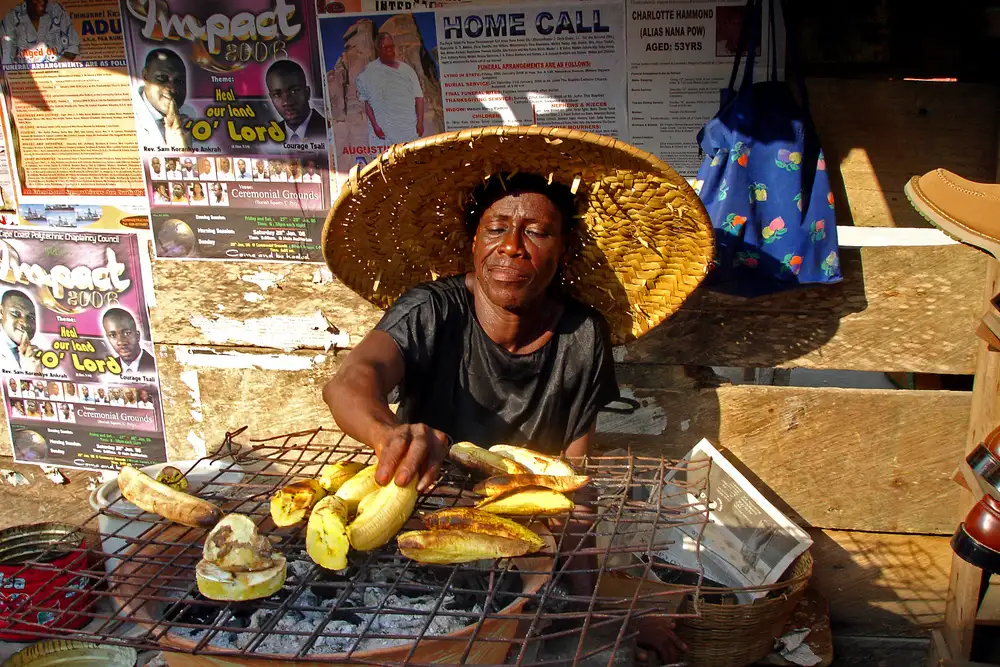 Kalouli – photo by Anthony Asael
Module 2: East Ghana Reconnaissance
Day 7 (continued): [January 13, 2027]
Module 2 travelers continue west through northern Togo, making a stop at Banjeli before the Ghanaian border. Here, we will witness the area’s traditional fire dance, one of the more striking cultural practices of this part of Togo, performed with burning embers and close contact with fire.
Afterwards, we continue toward the border and cross into Ghana. Before reaching Yendi, we will stop in a Dagomba village for a first introduction to the culture of northern Ghana. We then arrive in Yendi, once the capital of the Dagomba Kingdom, where our first evening in the country gives us a very different perspective from the coastal Ghana most visitors know
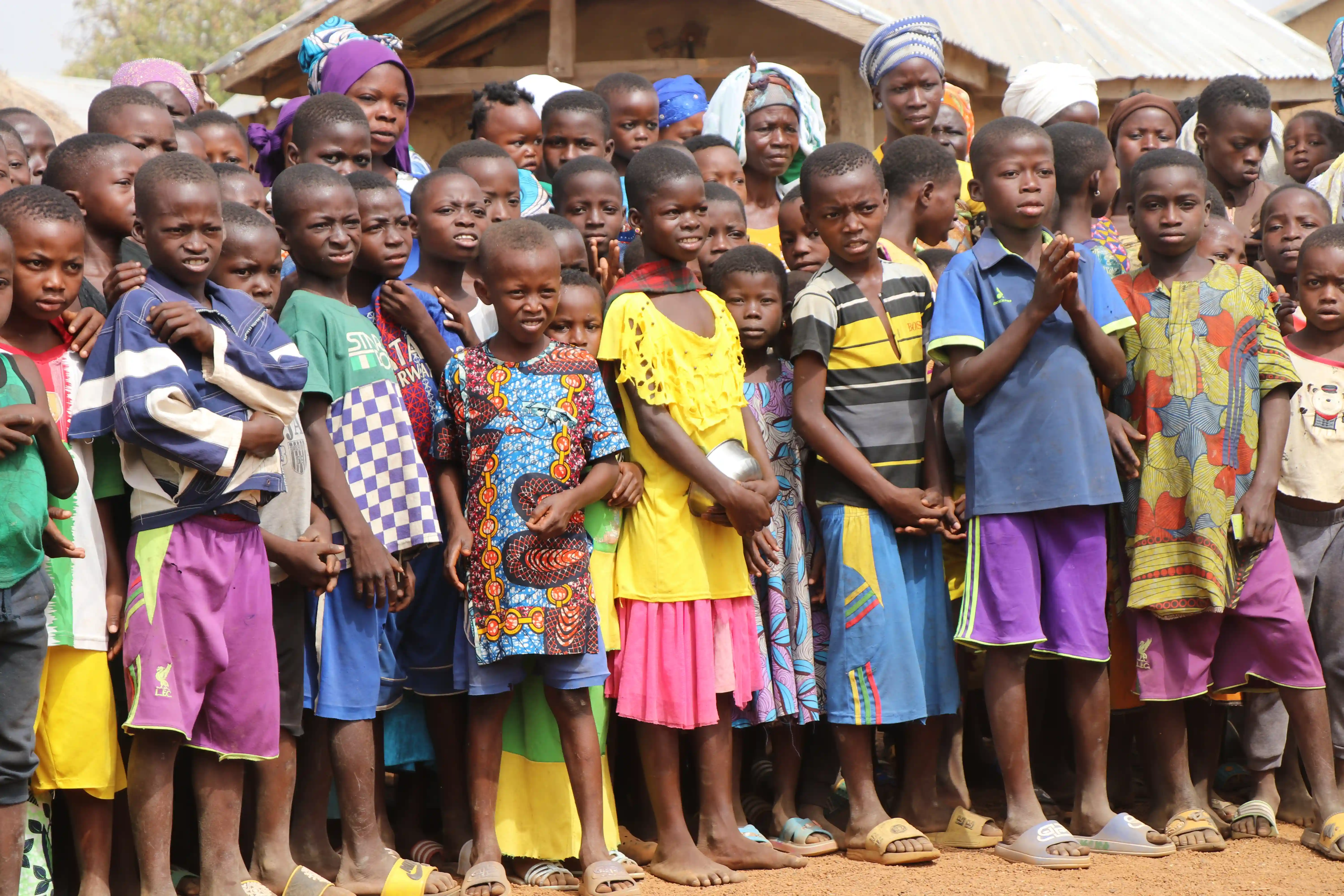 Kids watch us closely at a village near the border – by Juha Kokkonen
Day 8: [January 14, 2027]
Today we will journey south and explore the western part of Ghana’s Oti Region, a DARE area home to the Krache people. The region’s sparse infrastructure underscores its remoteness, with villages maintaining traditional governance systems. Arrive in Nkwanta, a market town where kente and locally woven textiles are traded. Spend the night in reflection on the cross-border cultural exchanges with Togo
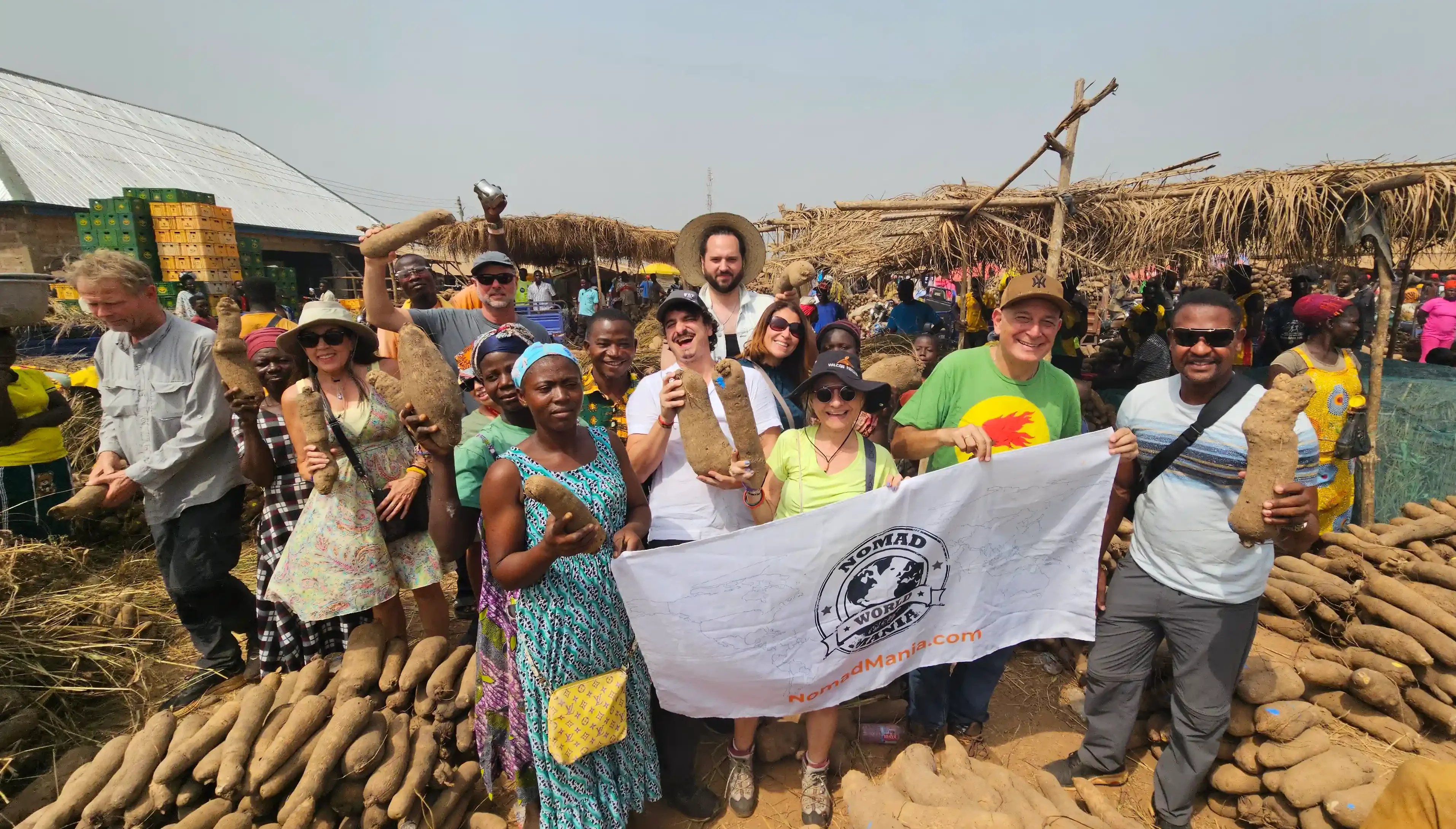 NomadMania stops at a random yam market in Ghana’s Oti Region
Day 9: [January 15, 2027]
Travel to Liati Wote, gateway to Mount Afadja (885m), Ghana’s highest peak. The mountain holds spiritual significance for the Ewe, who associate it with deities believed to control rainfall. Light hike through the forest, noting endemic plant species used in traditional medicine. Visit Wli Falls, the tallest waterfall in West Africa (143m), located in the Agumatsa Wildlife Sanctuary and right on the border with Togo. The falls’ twin cascades symbolize unity between Ghana and Togo, per local legends. Overnight in the nearby Tagbo Falls Lodge.
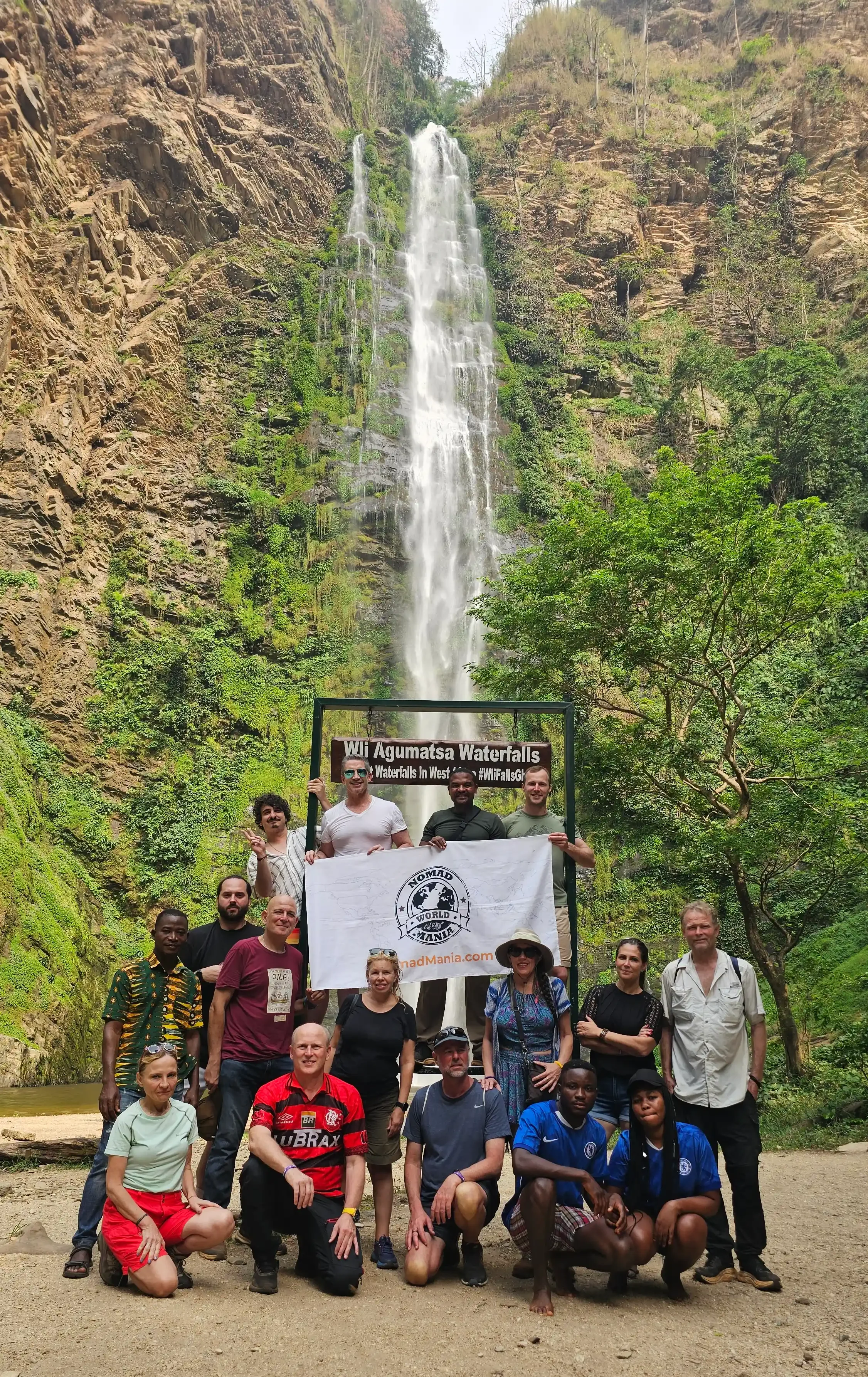 NomadMania group at the Wli Falls
Day 10: [January 16, 2027]
For those willing to wake up early they can visit Tagbo Falls, a 70m cascade fed by the Tagbo River. Local communities revere the falls as a sacred site, with rituals performed to appease spirits during droughts. After breakfast, the group proceeds to Tafi Atome Monkey Sanctuary, established in 1996 to protect mona monkeys considered ancestral kin by the Akan.
Continue to Atorkor, a somber yet vital stop on the Slave Route. Here, tour the ruins of an 18th-century Danish trading post, part of the Trans-Atlantic Slave Route. Overnight in the Keta Lagoon area.
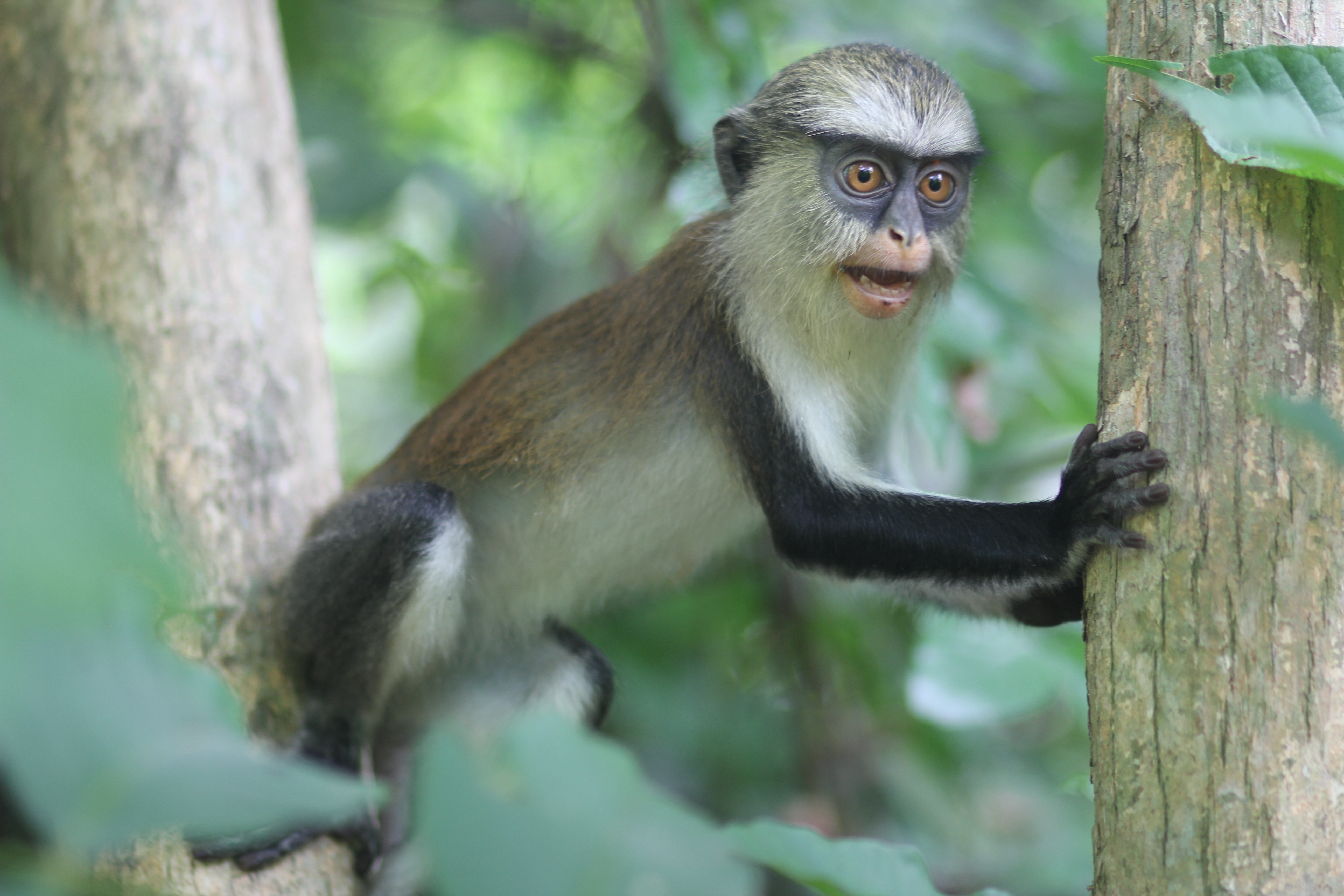 Tafi Atome Monkey Sanctuary – by Peterkwashie
Day 11: [January 17, 2027]
Explore Woe, a fishing town part of another DARE region and where we will find the crumbling walls of Fort Prinzenstein—built by Denmark-Norway in 1784 to hold enslaved Africans before shipment. Nearby, the Nkyinkim Museum displays Kwame Akoto-Bamfo’s sculptures, which critique slavery’s legacy through contemporary art. Arrive in Accra, Ghana’s capital, and visit Makola Market, a bustling hub of commerce since the early 20th century. The city’s blend of colonial-era landmarks and modern infrastructure reflects its role as a center of Pan-Africanism.
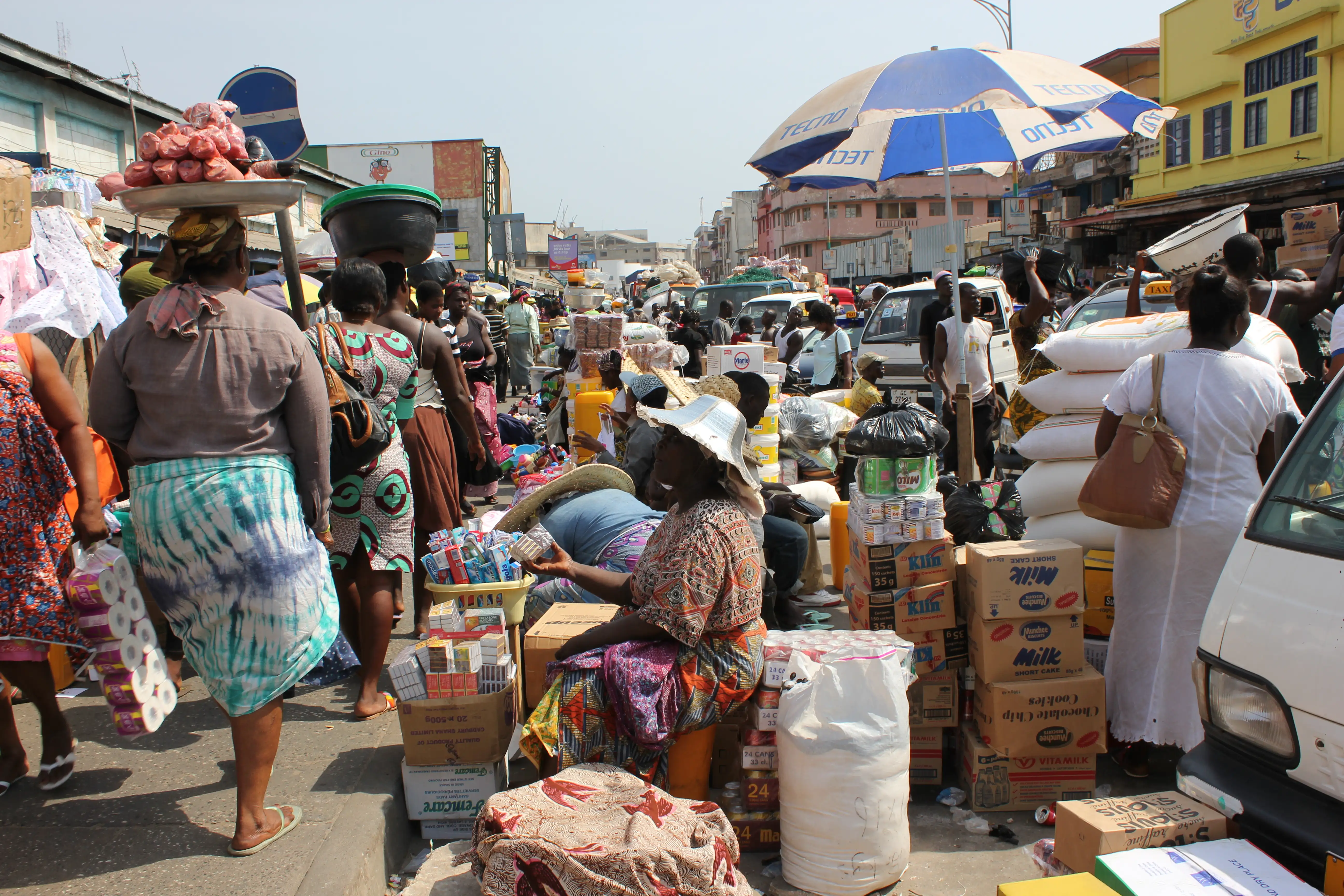 Outside Makola Market, Accra – by Benggriff
Day 12: Accra [January 18, 2027]
Tour Accra’s UNESCO-listed forts, including Ussher Fort (1649), used by the Dutch, British, and Danish. Its museum details Ghana’s transition from colonial rule to independence, emphasizing figures like Kwame Nkrumah. Stroll through Jamestown, a historic district where Portuguese, British, and Ga influences converge in architecture and daily life. After a final lunch of dishes like banku and grilled tilapia, we say our goodbyes as our driver leaves the group at the same hotel we overnighted previously. Optional transfer to the airport can be provided.
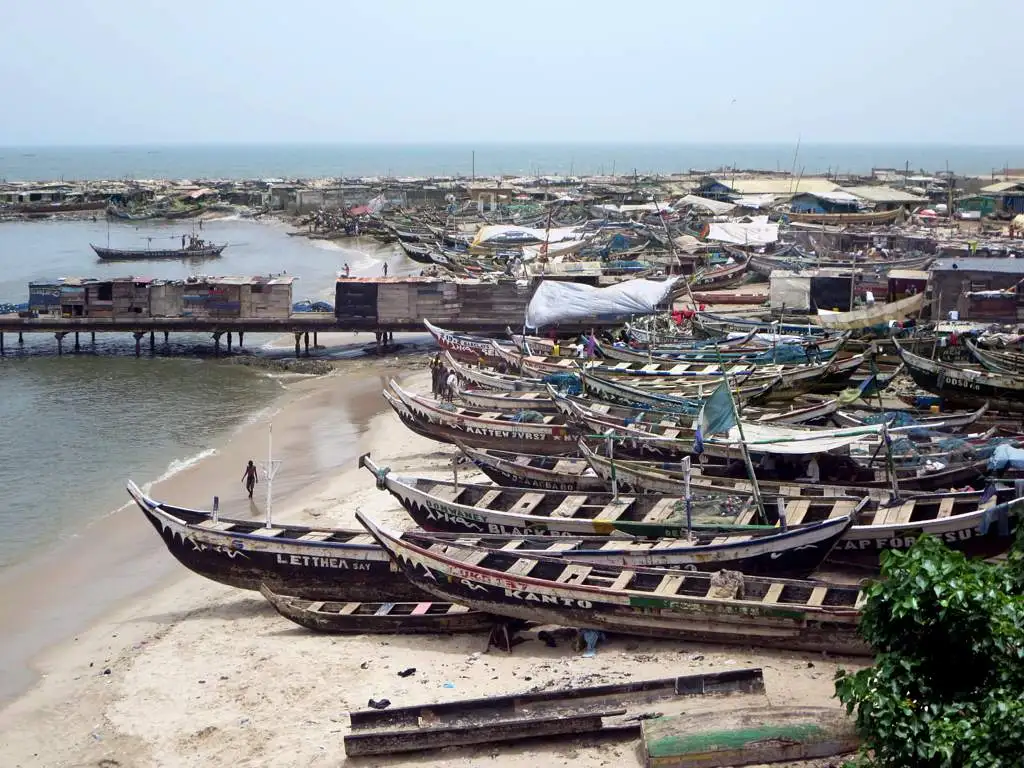 Jamestown Fishing Harbour – by David Stanley
Cost
Prices per module are:
- Module 1 (Togo+Benin): €2300
- Module 2 (Ghana extension): Due to logistics we can not offer Module 2 on its own, so it only works as an optional extension of Module 1
Entire trip: €2980
-
- Single-room supplement: EUR €250 for Togo+Benin, + EUR €70 if including Ghana
- About 25% to be sent as an advance for booking, the remainder shortly before the tour
Included
- Accommodations
- All transportation (AC vehicles)
- Guided tours, cultural activities, and permits
- Breakfast and Dinner
- Pick up from airport on day 1
- Complimentary bottled water throughout the trip
Not included
- International flights
- Visa for Togo (multiple entries, about ~$60)
- Visa for Benin (single entry, about ~$60)
- Visa for Ghana (our local fixer can arrange a Visa on Arrival for $330 USD)
- Travel insurance
- Lunch
- Drop off at airport on day 12
- Alcoholic drinks
- Tips (we recommend USD $10-20 per day of the tour, going directly to the local fixer’s team)
Payment
You can follow the link below for the deposit payment, which equals to about 25% of the total cost. The remaining payment must be fulfilled up to 30 days before the tour starts (December 08).
-
![Benin & Togo + Ghana Vodou 2027 Tour [Deposit Payment]](https://nomadmania.com/wp-content/uploads/2026/05/Square_Banner_BeninTogo_2026_v2-400x400.webp)
Benin & Togo + Ghana Vodou 2027 Tour [Deposit Payment]
Price range: 580.00 EUR through 830.00 EUR Add to cart This product has multiple variants. The options may be chosen on the product page
- Your spot is only confirmed after the deposit is done
- Deposits are refundable until October 9th, 2026, or if the trip is canceled by force majeure
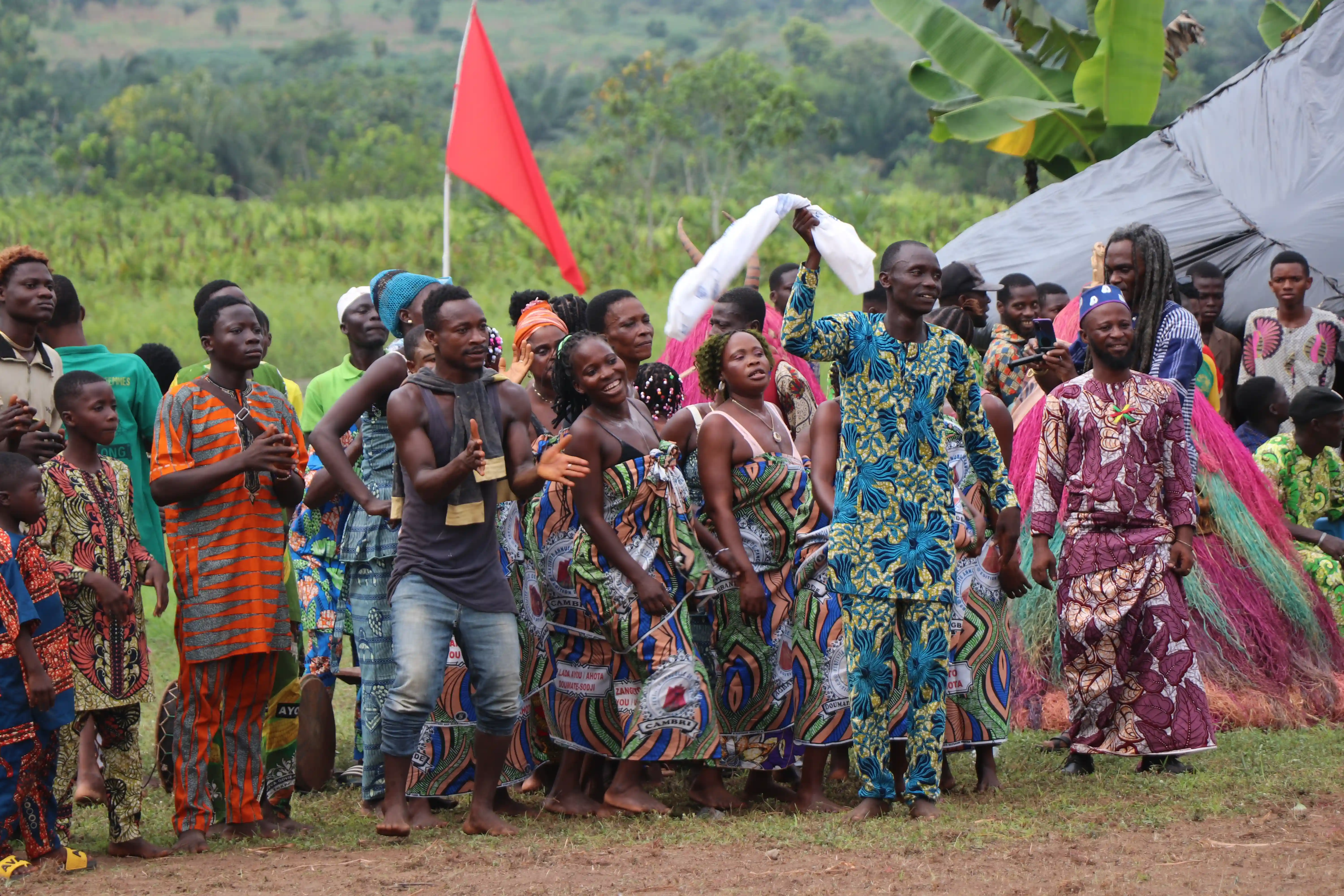 People celebrating during Ouidah’s Vodou festival
For any questions regarding this tour please feel free to reach out
Or contact us directly at pedro@nomadmania.com
🇹🇬 🇧🇯 🇬🇭 See you in Togo! 🙂 .