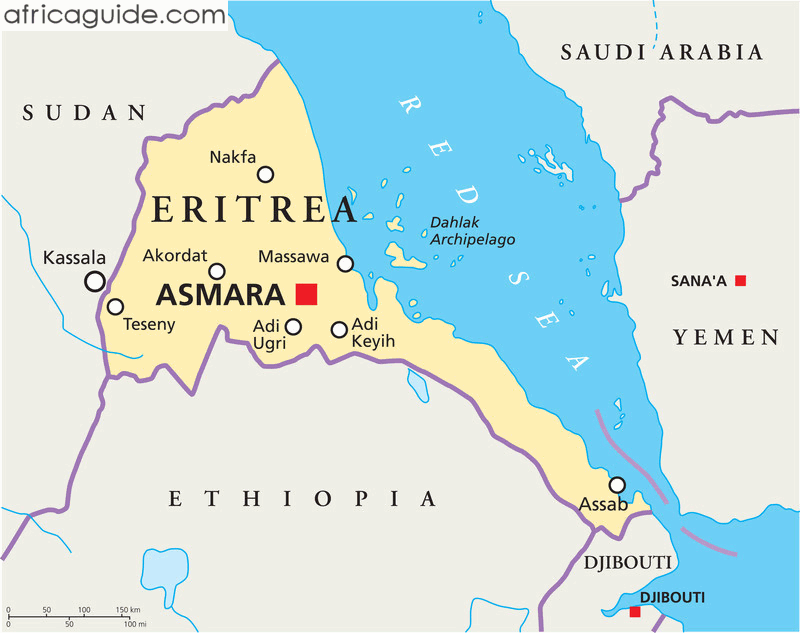
Eritrea is generally not considered as a Country to be visited, but it is a big mistake. Generally speaking, Eritrea is one of the less visited Countries in the World: the visa-process, the need to have a guide when you leave the capital Asmara discourage people to travel to Eritrea. But, again, this is a mistake! In fact, as the Italian blogger Andrea Alessandrini explains in its blog Travelsbeer, Eritrea well worth a visit. In this page Andrea describes the best places to visit in Eritrea, and he explains how to visit this amazing Country, located in the most southern part of Red Sea.
First, Eritrea’s history is interesting. It has been an Italian colony since the end of the XIX century: it was used as a base to attack Ethiopia too. Italy was, at first, defeated at Adua in 1896 (the worst defeat ever of a European army) and then invaded Ethiopia in 1936, using chemical weapons. These sentences are important to know because the bad relationship between Ethiopian and Eritrean people started from the 1935 – 36: many Eritreans got paid by Mussolini’s army and they battled against Ethiopians. They were called Ascari, meaning soldiers in Arab.
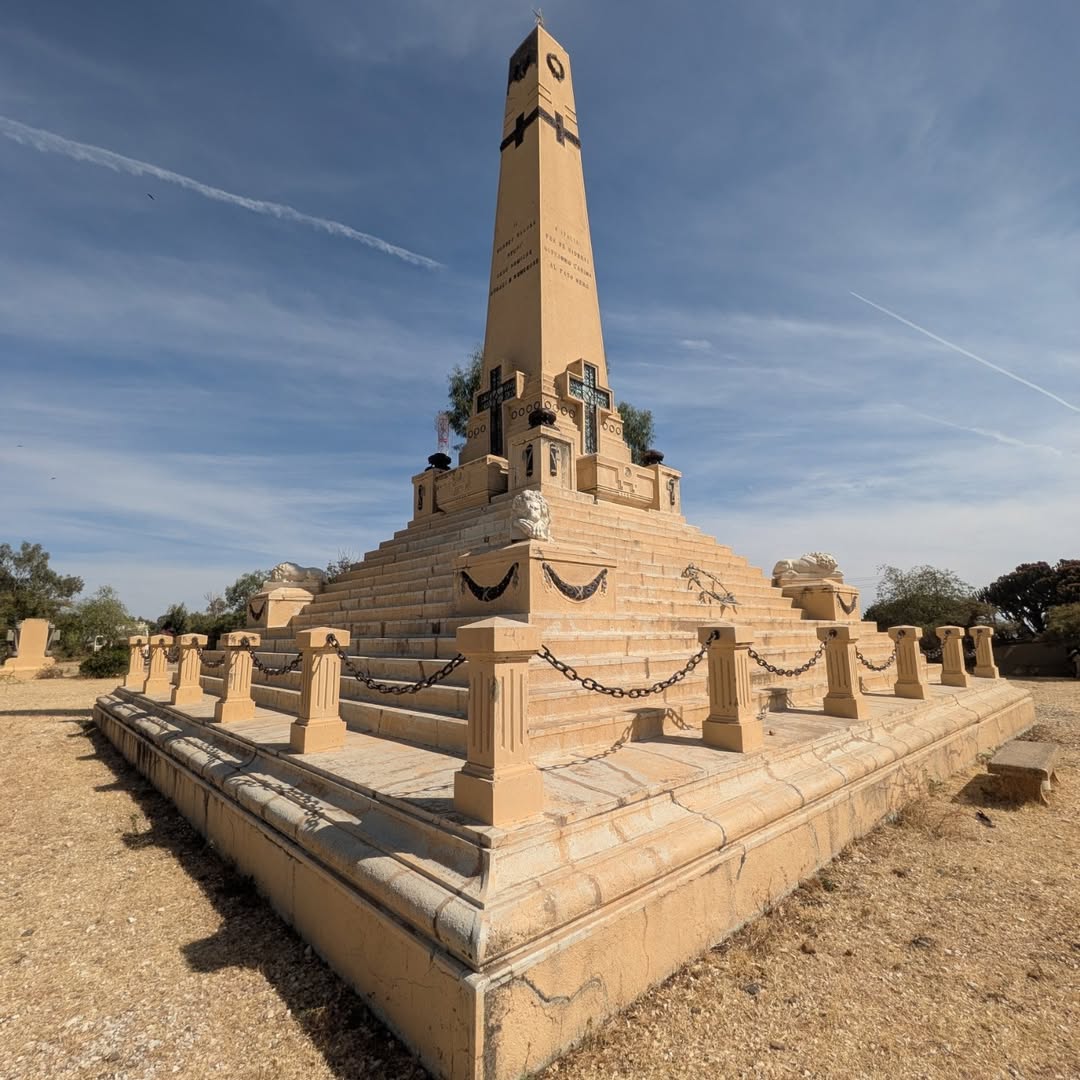
Travelling in Eritrea means discovering the colonial history. For example, in Keren it is possible to see the Italian & Ascari cemetery, and the British one too: in fact, British won against Italian armies in March 1941, and it was the end of the Italian colony.
Asmara is the beautiful capital of Eritrea, and it hosts many beautiful monuments. It seems like walking in an Italian city. There are Cinema Roma, Cinema Impero, the Cathedral, ‘la casa del Fascio’, Albergo Italia…. the feeling is like walking in an Italian city! Asmara is extremely safe and it is possible to walk, even at nighttime, alone without any problems.
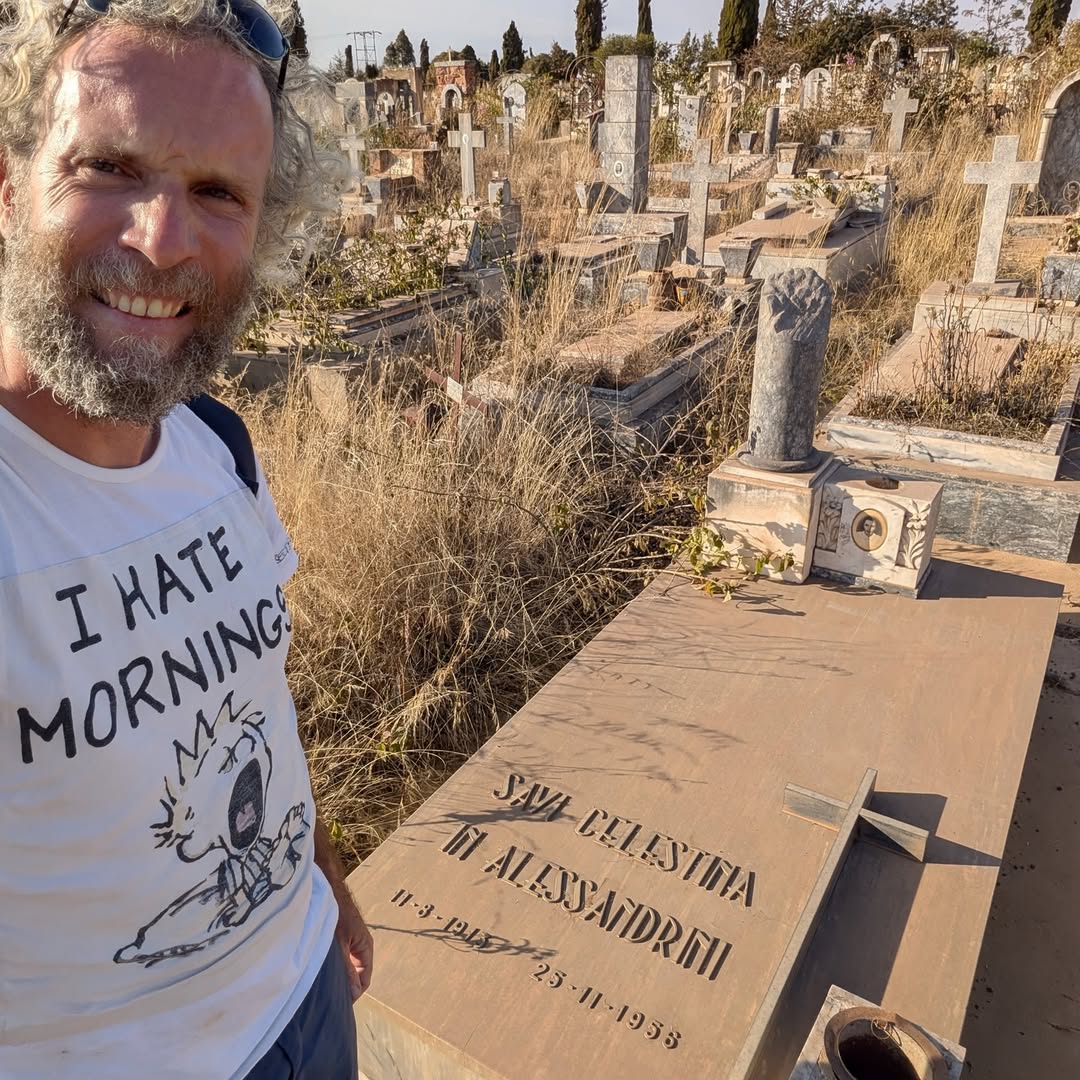
Asmara hosted many Italians during the years. Our travel blogger Andrea went to visit the cemetery, since there is the tumb of her grandmother, died there in 1956.
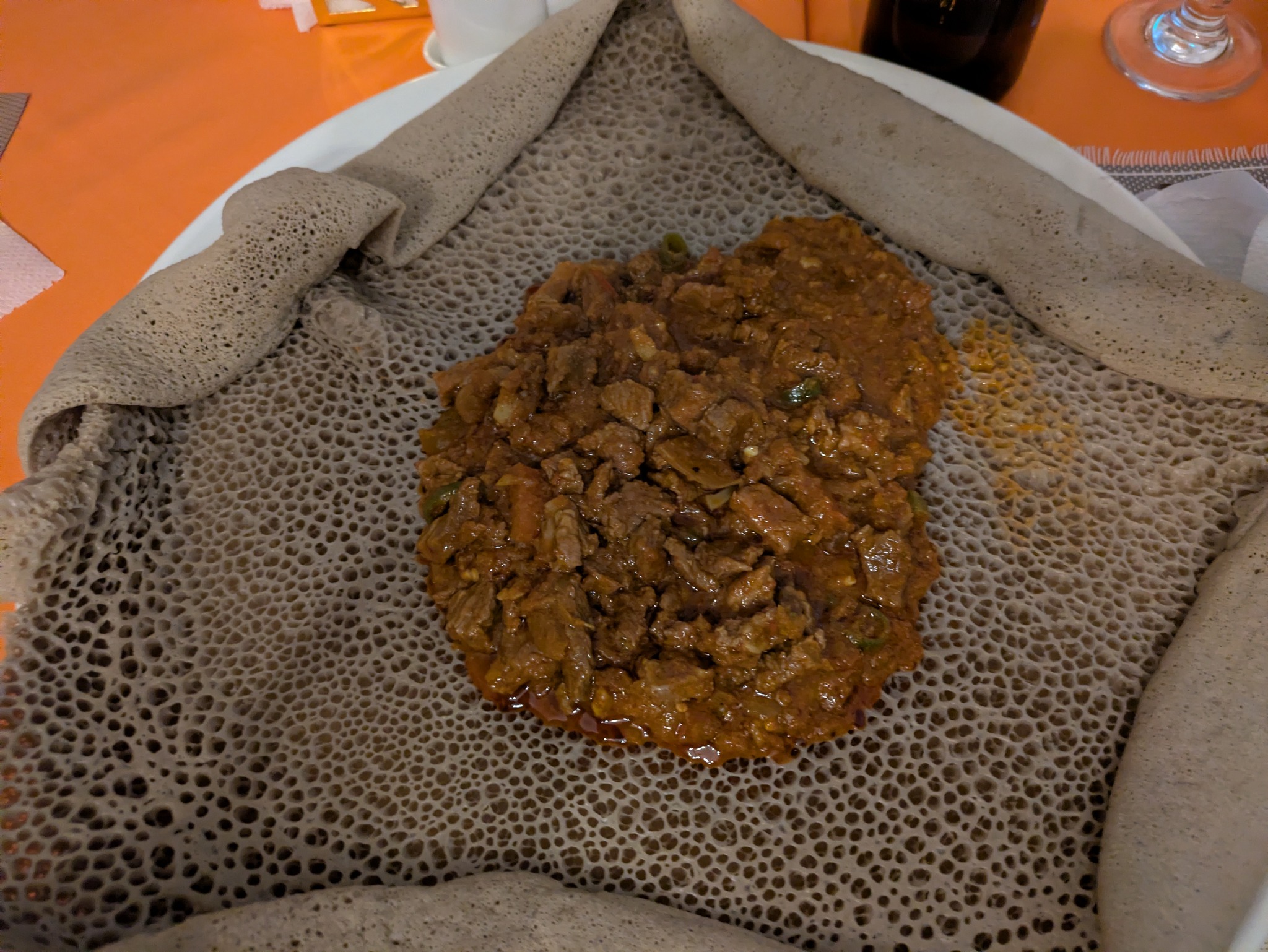
The capital of Eritrea is a paradise for food lovers too: there are many restaurants where it is possible to try the typical food, like injera and zighini. There are many cafés too: the pastries are amazing!
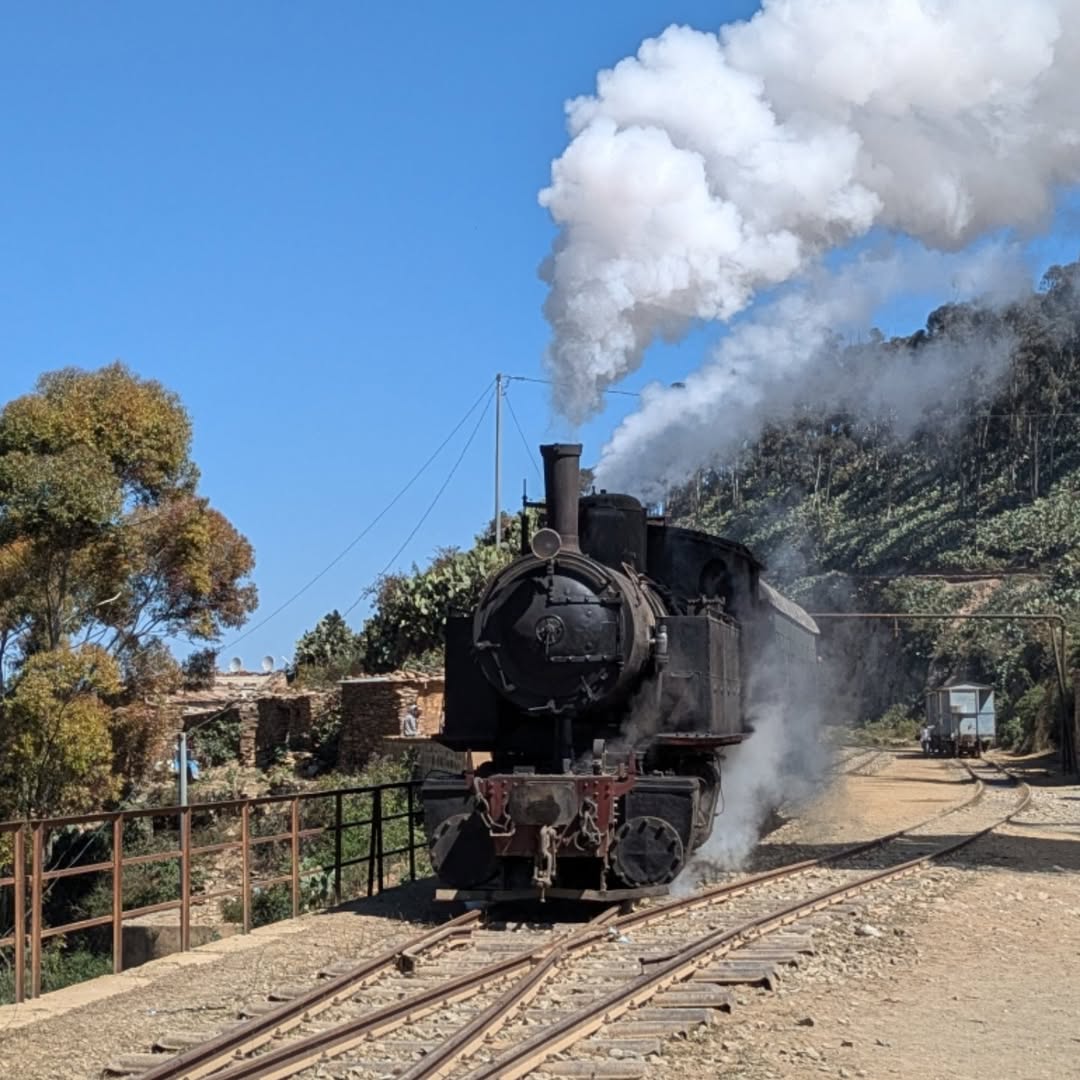
Eritrea is not only Asmara. With a local guide, it is possible to visit the sycamore valley, Keren (with its cemeteries and it is incredible camels’ market), the local market in Mendefera, and a part of the railway between Asmara and Massawa. This experience is a great way to discover history and appreciate amazing landscapes: in fact, the railway connects the 2400 meters of Asmara till the sea level, Massawa.
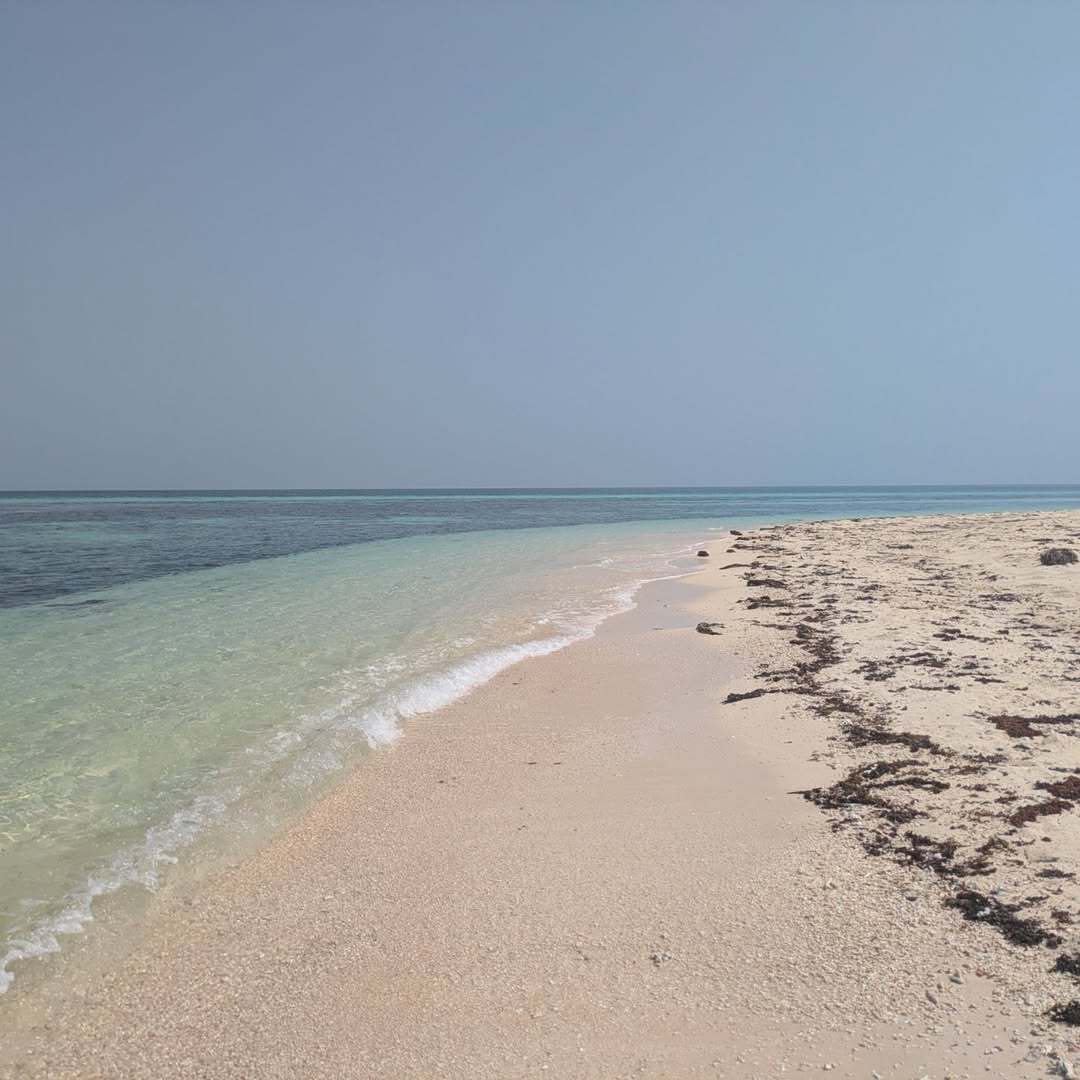
Massawa needs a proper chapter. This city was a jewel. There were many beautiful houses, dating from the Turkish occupation. Unluckily, Massawa suffered a lot by the war between Eritrea and Ethiopia in the 90’s. This war, that leaded to the independence of Eritrea, did a lot of damages to Massawa. It is still recommended to visit Massawa: this is the port to the Dahlak islands, reachable in just 90 minutes’ boat ride. Only some hundreds of people live on these islands now, and there aren’t any hotels or restaurants. It is an experience suggested to nature lovers: they need to bring tents and food with them. The reward is a pristine sea, amazing sunrises and sunsets, but don’t expect an amazing reef.
As we were saying at the beginning, it is impossible to travel in Eritrea as an individual traveller. You need to organise transfers with a local agency, or using an international agency (there are various, mostly from Italy, Spain, Uk). It is possible to visit Asmara by ourselves, but when you leave the city, you need to have a guide and proper papers.
Eritrea is not an easy place to visit. For example, there is a lack of internet connection, and it is impossible to pay by credit card. You need to exchange your euros to Eritrean Nakfa. Hotels help with this exchange. I recommend travelling with just a hand luggage: Asmara airport has a lot of problems, and, for example, Andrea waited for his luggage for five days. You can find more information in his blog, Travelsbeer, on his video, here (the video is in Italian, but there are subtitles).