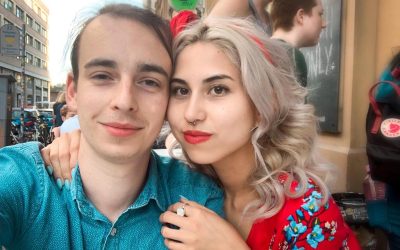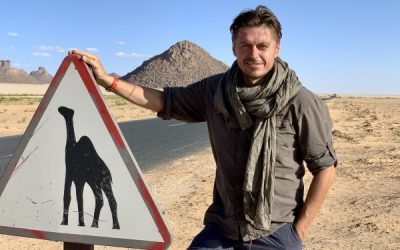
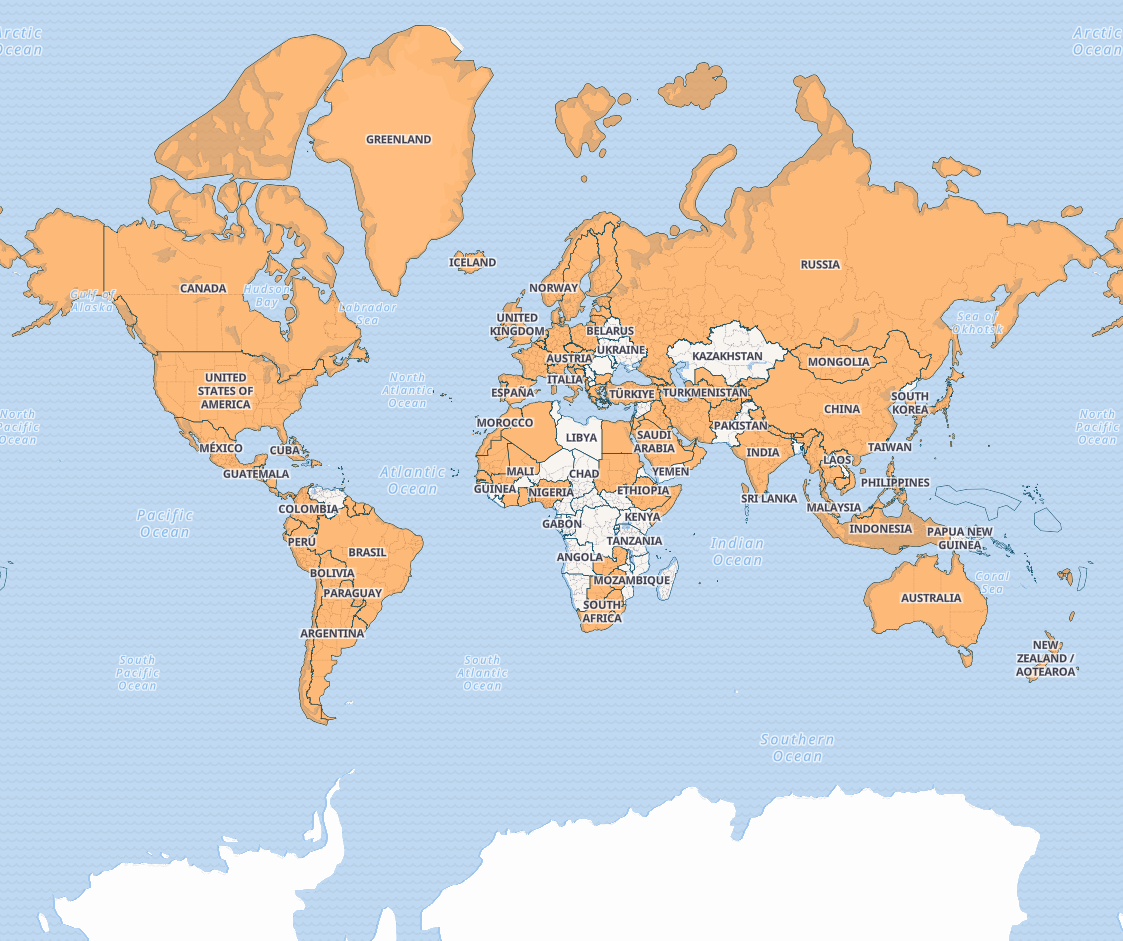
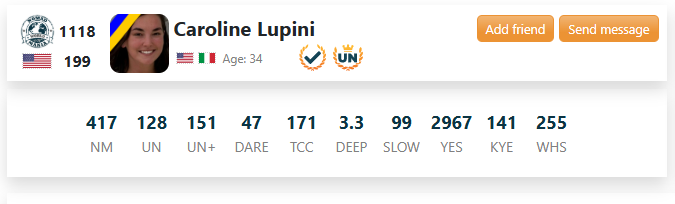
With more than 128 countries under her belt, the NomadMania Messenger Caroline Lupini has gathered a wealth of travel wisdom. In this interview, she generously shares her perspectives on slow travel, smart budgeting, and building a sustainable life of exploration offering plenty of inspiration for travellers at every stage of their journey.
As one of NomadMania’s dedicated Messengers actively connecting with travellers, sharing knowledge, and helping grow the global community, Caroline Lupini offers her unique insights, experiences, and perspectives on travel shaped by years of exploration and life on the road. Whether you’re curious about sustainable travel, smart travel hacks, or exploring destinations in depth, her story brings inspiration and practical wisdom for travellers at every stage so read on and enjoy the journey.
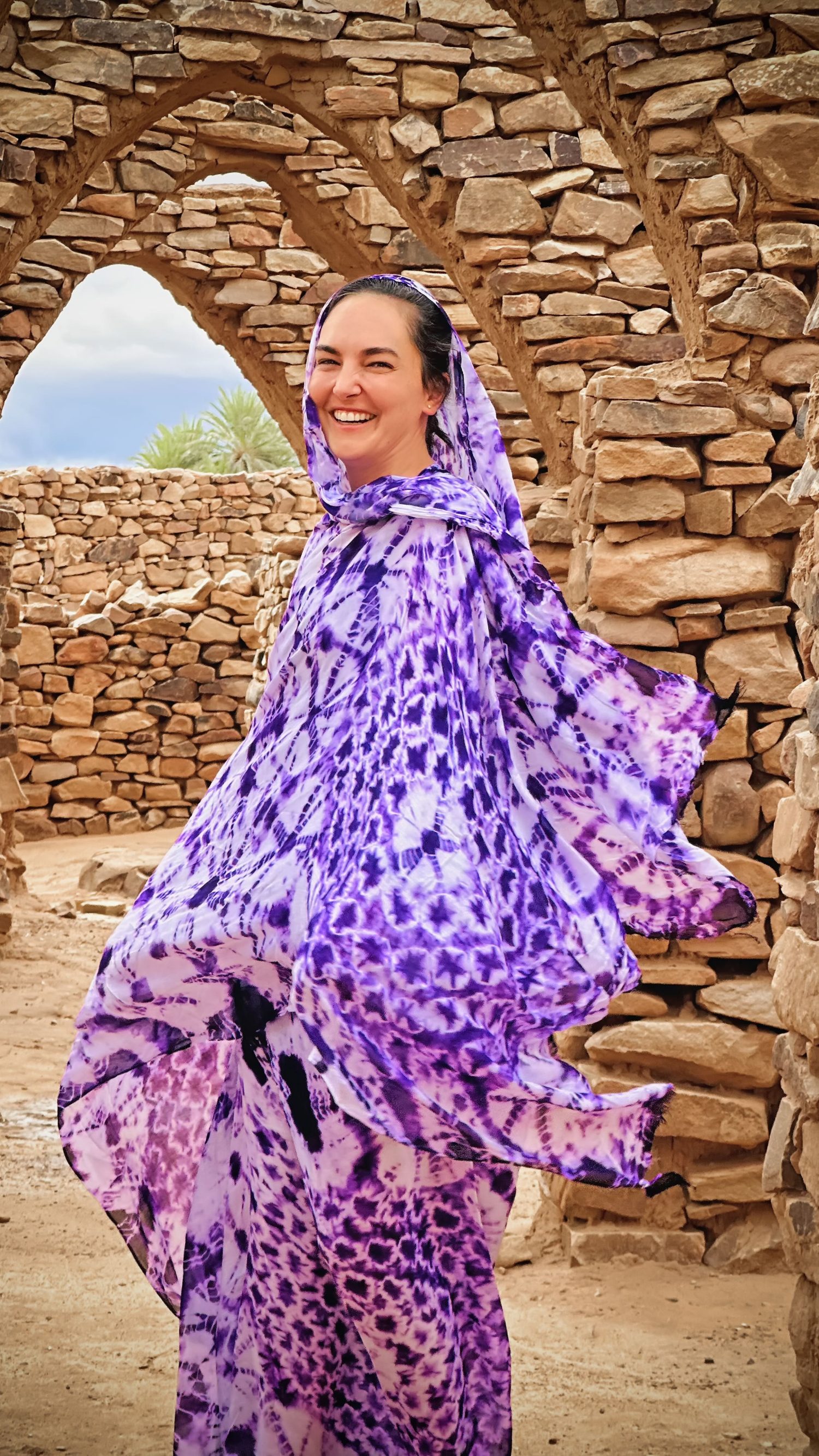
Tell us a little about yourself and how your initial interest in travel developed.
I’ve always loved traveling, but my perspective on what travel could be evolved dramatically over time. Growing up, we did typical family trips — spring break visits to Florida, Caribbean cruises, and one big European trip in high school. I loved these experiences, but they gave me the impression that travel was an expensive, occasional luxury.
Everything changed during university when I took a 4.5-week summer bus tour through Europe. It was my first time traveling without my parents and my first real experience with hostels and budget travel. That trip opened my eyes to the fact that there were completely different ways to travel than what I’d known — and planted the seed that this could be sustainable and frequent, not just occasional.
Twelve years and 128 countries later, I still feel that same excitement every time I arrive somewhere new.

What type of traveller would you consider yourself and what do you feel are the advantages of your style of travel?
My travel style has evolved a lot, and I think of myself as a flexible traveler who adapts to circumstances rather than fitting neatly into one category.
In my early days as a digital nomad, I was firmly budget — always in hostels, under $10 a night where possible. Now I travel with my partner, Kevin, and we’ve shifted to mid-range with strategic splurges. We need space to work effectively and sleep well enough to be productive. But because we’re deep into travel hacking and points and miles, we can still access luxury experiences at a fraction of the cost — business class on long-haul flights, hotel upgrades, properties we’d never pay cash for.
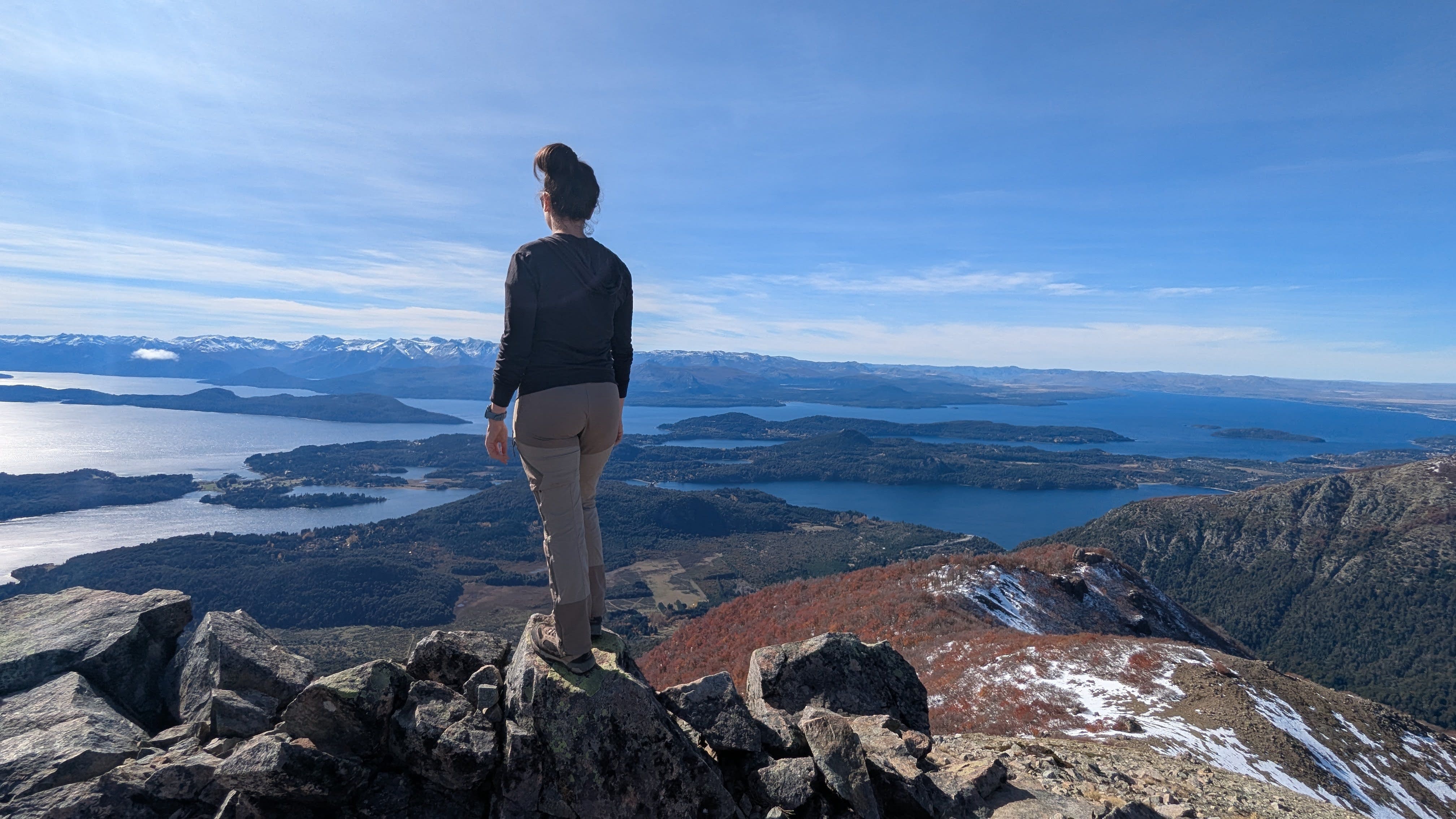
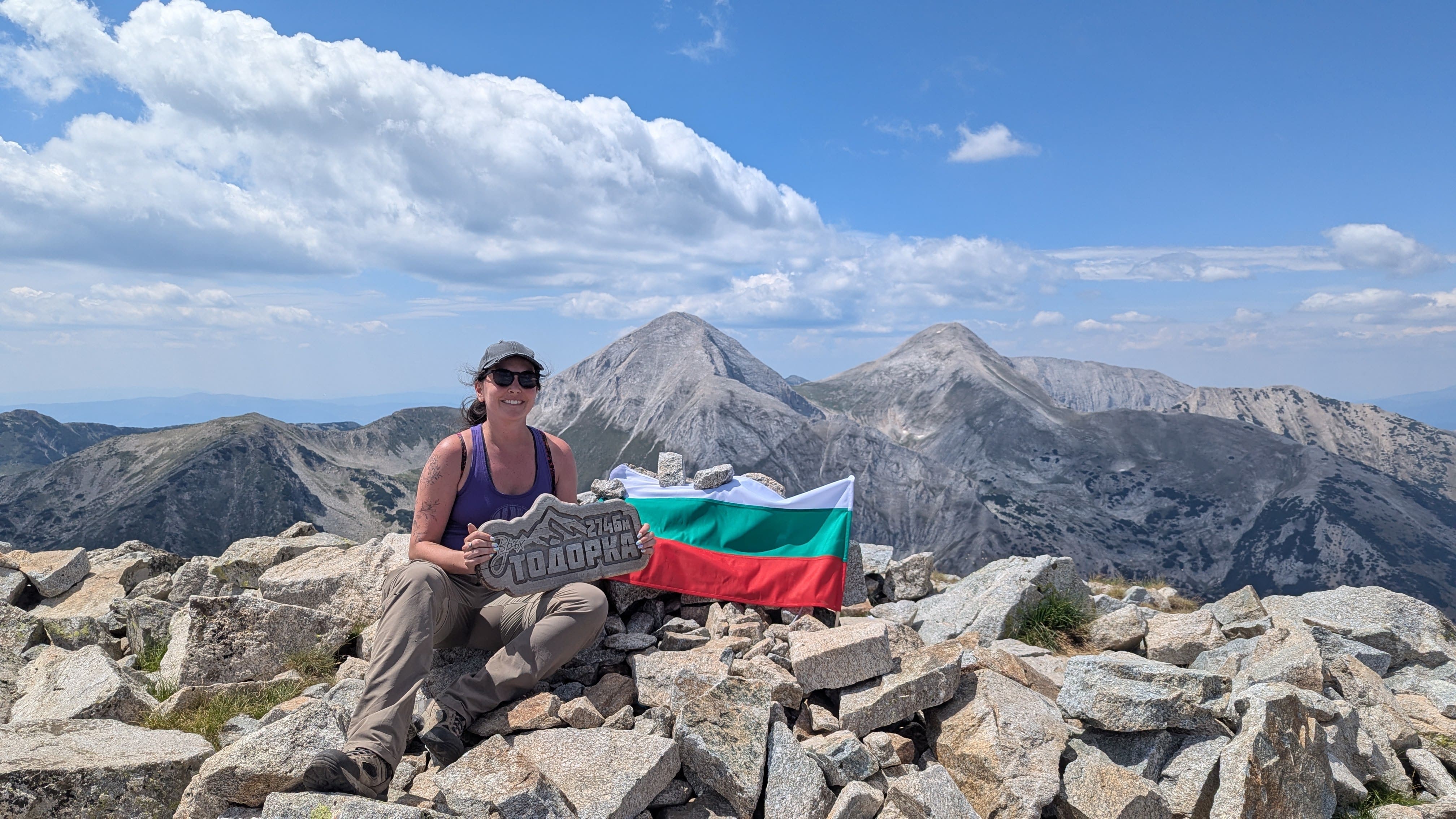
We’re mostly slow travelers (though some would say we travel fast for digital nomads). I’ve spent five months total in Bansko, Bulgaria alone, returning four summers in a row. That kind of depth lets you actually understand a place rather than just check it off a list. We also mix in off-the-beaten-path destinations, which is where most of our most memorable experiences come from.
The biggest advantage of being a digital nomad specifically is sustainability. This isn’t a gap year — it’s a lifestyle I’ve maintained for over 12 years. Working remotely means I’m never trading travel for income; they coexist.
What would you say to someone who needs advice to embrace the digital nomad lifestyle?
It’s probably more achievable than you think, and might be more affordable than wherever you’re living now.
The biggest barrier for most people is the mental leap, not the logistics. The question to ask first is: can my work be done remotely? If yes — or even maybe — that conversation with your employer is worth having. Remote work has become normalized in ways it never was before, and a lot of people are surprised by how open their companies are to it.
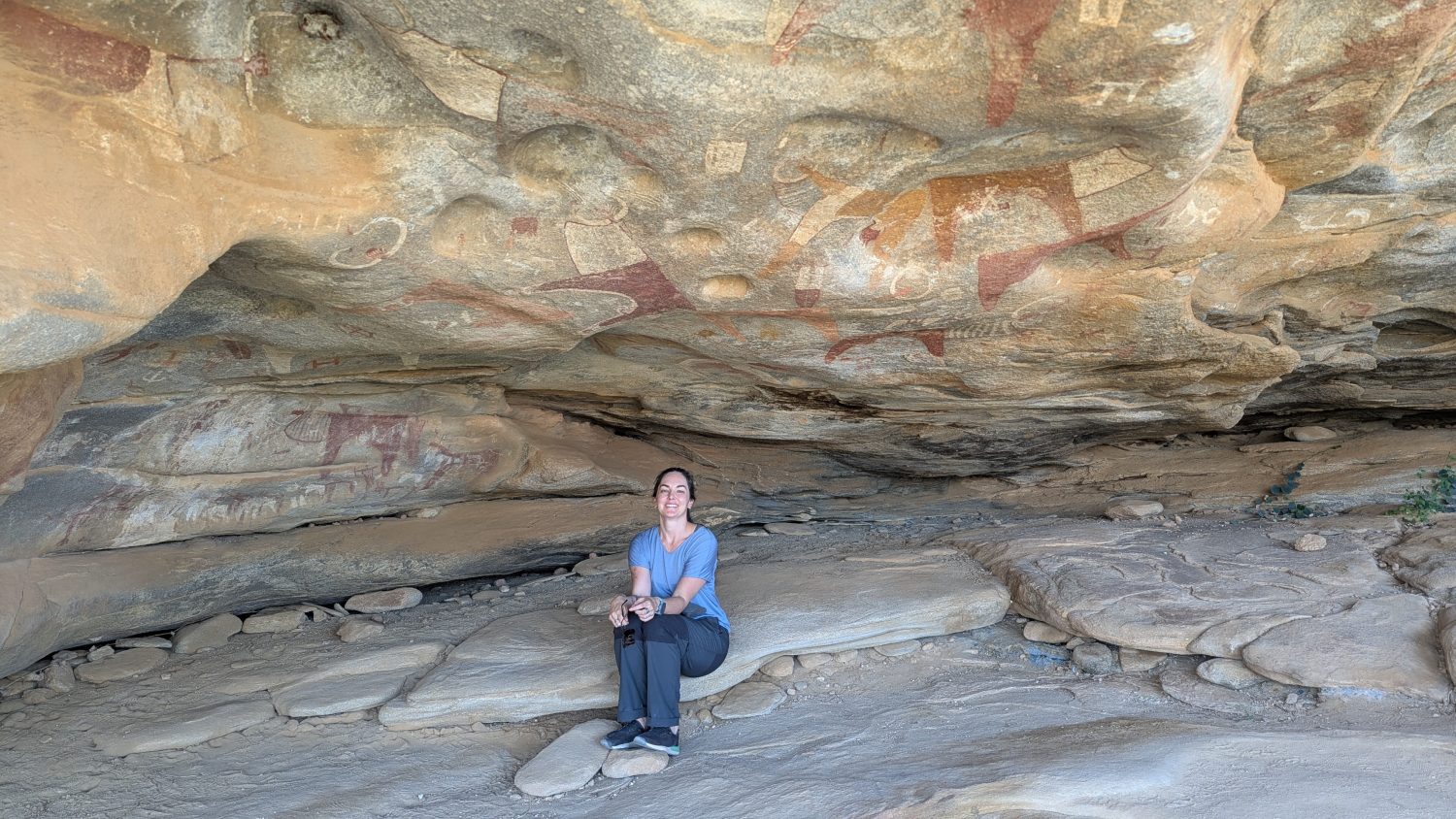
On the financial side, full-time travel is often cheaper than maintaining a home base in a Western city. You eliminate rent, utilities, car payments, and the incidental spending that comes with a fixed address, and replace them with accommodation and transport in places where costs can be dramatically lower.
My practical advice: start small. Take a month somewhere you’ve always wanted to go and see if you can work from there. You don’t have to burn your life down and commit forever — you just need to test it. And don’t rush. The people who sustain this long-term are the ones who go deep rather than fast and build routines that travel with them.
Are you aiming for 193/197 or not really? Why or why not?
Yes, I’m aiming to visit every country — but I’m not in a rush, and the “why” matters.
I use the 193-country UN member state list because it’s the most objective benchmark and avoids the debate about which territories count. But I’m very much a quality/depth-over-quantity traveler. I don’t want to land somewhere just to check a box — I want to explore different regions, seek out UNESCO World Heritage Sites, and understand the places I visit.
I also love returning to places. I’ve been back to Bansko four summers in a row and haven’t even fully explored the rest of Bulgaria yet. That depth matters to me as much as breadth. I’ll get to the remaining countries on a timeline that lets me travel in a way I’m proud of.
Of the countries you have visited so far, which one was the greatest positive surprise and why?
Timor-Leste stands out most recently. I hadn’t heard much about it from other travelers until right around the time we decided to go, and then it seemed like it was suddenly getting on people’s radar. The beaches were stunning, the people were incredibly friendly, and we spent days exploring coastal areas that felt genuinely untouched.
More broadly, the Middle East has been a consistent source of positive surprises. My first trip there — to Bahrain, Kuwait, and the UAE — completely upended assumptions I’d grown up with. Since then, Iran became one of my all-time favorite trips despite the political complexities for Americans. The warmth of the people, the depth of history, and the beauty of places like Isfahan and Shiraz were extraordinary.
And which one was a negative surprise, if any?
Qatar has been my most challenging destination — though I gave it a third chance last year and I guess the third time’s the charm as I enjoyed it much more!
The second time I visited I was sick the entire trip (this also happened to me on my only visit to Uruguay), which could have happened anywhere. The first time, I had an uncomfortable experience at a hotel where someone made an incorrect and offensive assumption about me that really soured things.
I believe every destination deserves a fair chance. Sometimes timing and circumstances just don’t align, and you end up with an unrepresentative impression of a place.
Please give us two travel stories that stand out and have stayed with you until today.
The first is really about the art of travel hacking. Emirates launched a promotional fare to promote their fifth freedom route from JFK to Milan. Some friends and I figured out the fare structure could be used for a much more creative routing — flying from Canada to LA on WestJet, then LA to Dubai to Milan on Emirates First Class. Significantly more flying, same promotional price of about $3,000. For Emirates First Class during peak summer when economy alone was expensive, that was extraordinary value.
Emirates First Class includes ground transfers to your final destination. So we were whisked from Milan airport in a chauffeur-driven car to our hostel — where we were paying about $15 a night per person.
The second is about being in the right place at an unexpectedly significant time. I’d originally planned to visit Iran with a friend, but Americans were suddenly prohibited from entering independently and the tour fell through. We were already committed to traveling and pivoted somewhere equally unusual with no advance visa required — which led us to the Kurdish region of Iraq during the Mosul offensive.
What struck me most was the complete disconnect between how the region was being portrayed internationally and what we experienced on the ground. Daily life in the Kurdish areas was largely normal. People were going about their days, welcoming visitors, living their lives. The more you travel to places the news has framed a certain way, the more you realize on-the-ground reality is almost always more nuanced than the headlines. (I’m currently in Jordan while the Israel/Iran war is going on and have a similar feeling.)
You’re also a moderator on the well-known EPS. Tell us a little about that. What do you enjoy most there and what is the hardest task?
I’ve been involved with Every Passport Stamp essentially from the beginning — I was the second member of the community. It’s grown into something really special: a group of serious travelers passionate about extreme and off-the-beaten-path destinations.
What I enjoy most is the quality of the knowledge sharing. When someone posts a trip report from a genuinely obscure destination, you know you’re getting real firsthand information that doesn’t exist anywhere else on the internet. No tourism board version — just people who’ve been there and want to help others go too.
The hardest part is maintaining the balance between keeping the community’s focus on challenging, unusual travel while being welcoming to people earlier in that journey. We want EPS to stay a place where experienced extreme travelers can have high-level conversations, while also being accessible to ambitious travelers just starting to push their boundaries. Getting that balance right takes ongoing judgment.
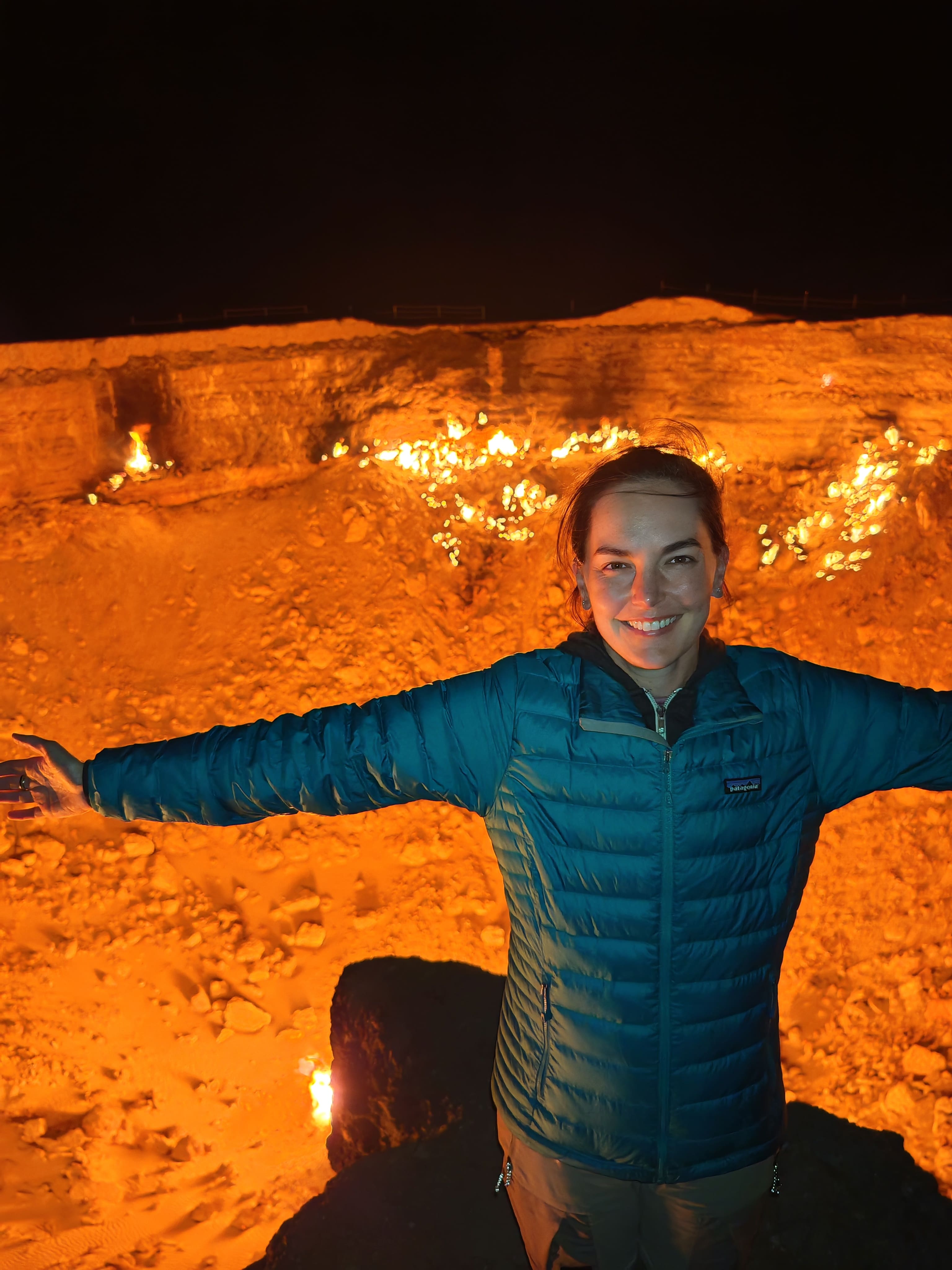
If you were told you could never travel abroad again and had to choose one country to settle in for the rest of your life, which country would you choose and why?
Honestly, no part of me wants to think about this question. But if I absolutely had to choose, I’d lean toward Argentina.
The food is extraordinary, the landscapes are wildly diverse — from Patagonia to the wine regions to Buenos Aires — and there’s enough to explore that I could spend a lifetime there and not exhaust it. Mexico would be close behind for similar reasons. Bulgaria is a dark horse; I keep going back and haven’t scratched the surface of the rest of the country.
Luckily, this lifestyle removes the need to choose!
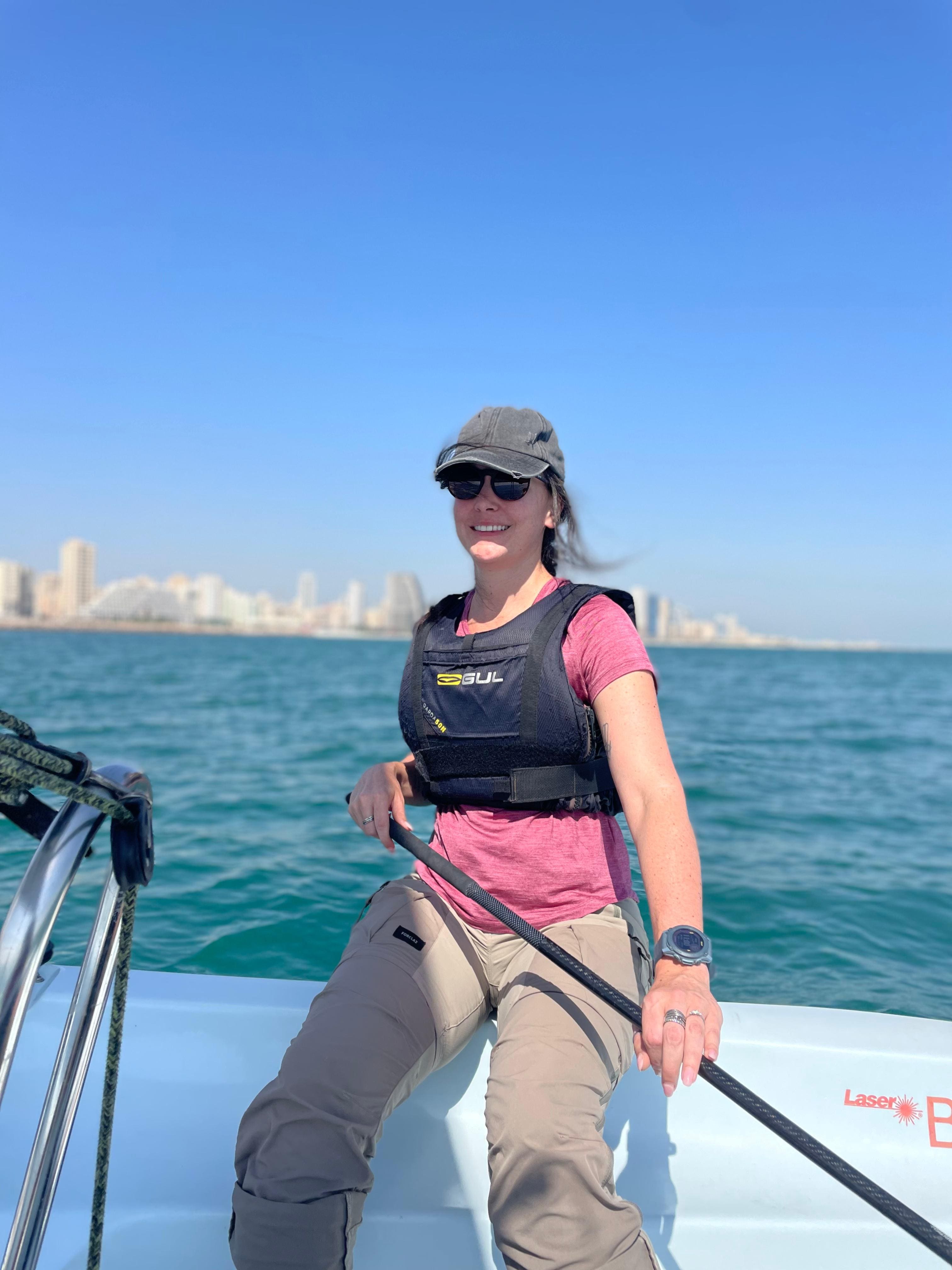
Let’s turn to NomadMania, whose Messenger you are. What are some things you especially like about NomadMania?
What I love most is the depth of ideas for things to do. When I’m planning time in a new destination, NomadMania is one of the first places I go. The way it categorizes museums, architectural highlights, urban legends, and other experiences gives you a real sense of what a place has to offer — a much better starting point than a generic travel guide.
The community is also exceptional. I’ve had so many experiences traveling off the beaten path where I meet another traveler and discover they’re already a NomadMania member. There’s an instant bond — you share a certain outlook, a certain appetite for the unusual.
The feature that lets you see nearby travelers who’ve opted in is something I use regularly. When you’re constantly moving, you often don’t know who else is in the same city, and being able to connect that way makes a real difference.
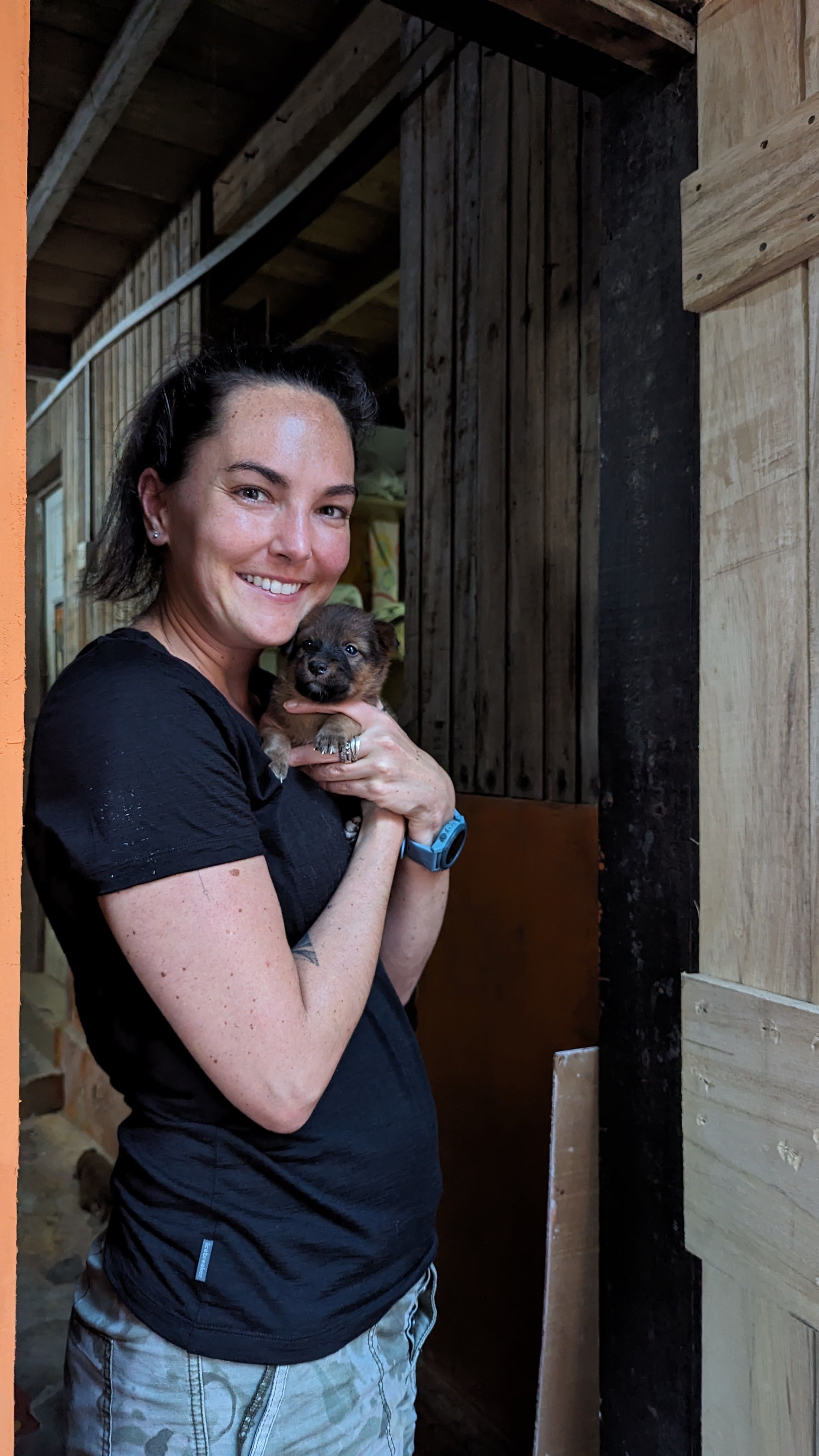
Tell us about your role as Messenger. What have you done so far and how do you envisage doing more in the future?
As a Messenger — an ambassador role for people who are constantly moving, as opposed to Envoys who are more location-based — my focus is on spreading the word and connecting the community.
In practice that means bringing up NomadMania organically when I meet fellow travelers and explaining what the platform offers. I’m also responsible for hosting two events per year. Last year I tried to host one in Montevideo but came down with dengue and was too sick to attend — Kevin went in my place, it happened to be his birthday, and by all accounts it was a great time. I’m planning to host in Kazakhstan in the first half of 2026 and in Thailand or Sri Lanka in the second half.
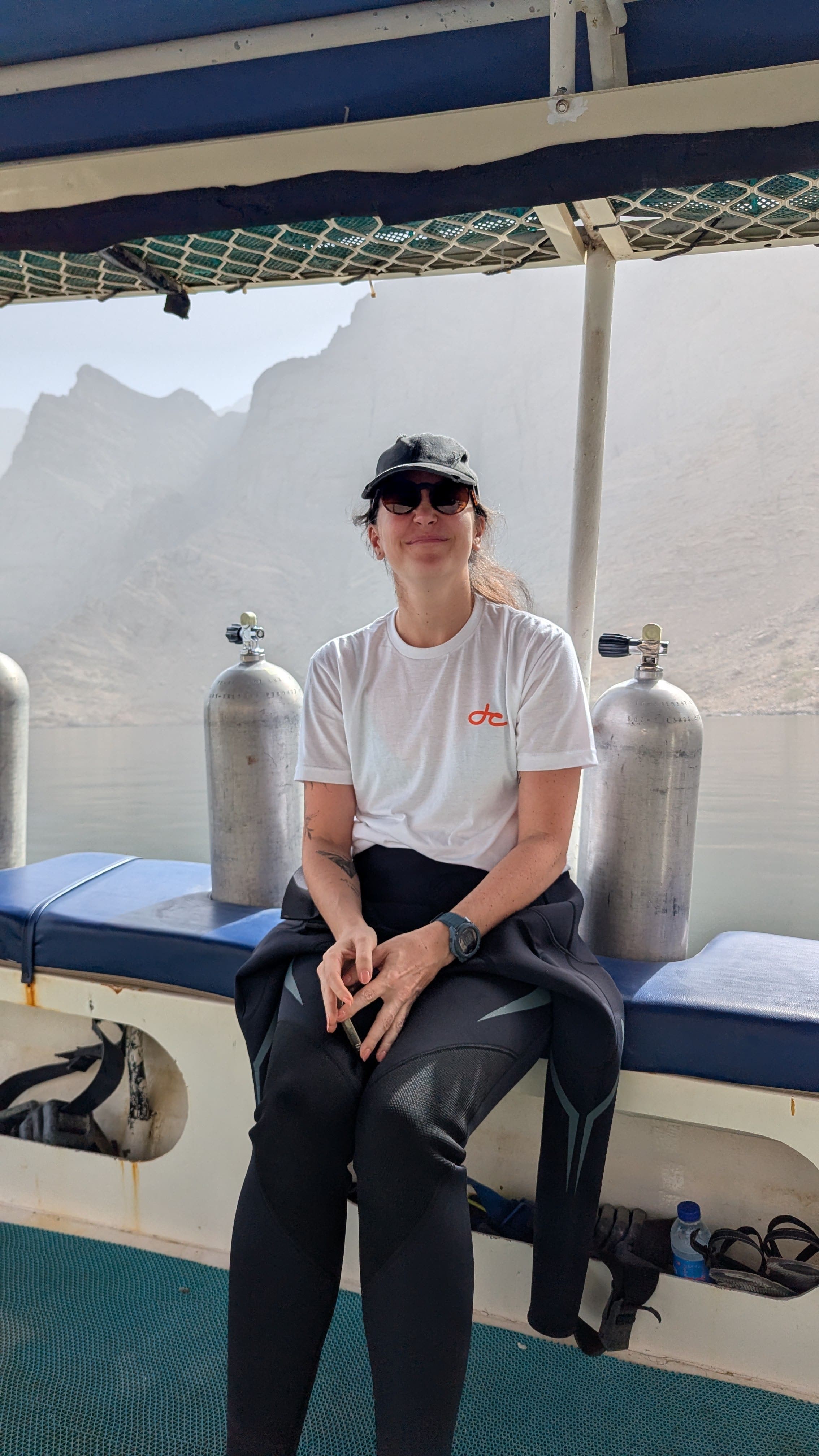
If you could change or improve one thing about NomadMania, what would it be?
The app has improved a lot in terms of stability, which was the main friction point before. If I’m thinking about what would add the most value going forward, I’d love to see the activity database expand faster — particularly for regions that are underrepresented right now, like Central Asia and parts of Africa. Those are exactly the destinations NomadMania’s community tends to visit, and deeper coverage there would make it even more useful for the people already using it most.
And finally, our signature question. If you could invite any 4 people — from any period in human history, alive or dead, even fictional characters — to an imaginary dinner, who would want to invite and why?
Anthony Bourdain would be at the top of my list. His philosophy about travel as a tool for empathy — the idea that sitting down to eat with someone dissolves barriers that politics and media create — resonates with my own experiences, especially in places like Iran and Iraq. He also had an extraordinary gift for honest storytelling: he didn’t romanticize poverty, didn’t pretend everything was beautiful, and never made travel feel like something only certain people could do. I’d want to talk with him about the places he loved that never got the attention they deserved.
Jacques Cousteau because so much of my travel (and the world in general) happens underwater. He essentially invented the world I love on liveaboards in places like Djibouti and the Galapagos. I’d want to ask him what the ocean looked like before mass tourism and climate change — he saw reefs and ecosystems that no longer exist — and talk about what it means to bring a hidden world to a mainstream audience.
Jon Krakauer because his writing sits at the exact intersection of adventure and moral complexity I find most compelling. Into Thin Air grappled honestly with the question of when ambition becomes recklessness — not just a disaster story. That tension between the drive to explore and the duty to report truthfully is something I’ve navigated in my own travel content. He doesn’t make adventure look glamorous — he makes it look real.
T.E. Lawrence because I have a deep personal connection to the Middle East that most Westerns don’t. Having been to the Kurdish region of Iraq during the Mosul offensive, having traveled in Iran as an American, I’ve experienced firsthand how different that part of the world is from how it’s portrayed.
Lawrence was a Western outsider who went all-in on understanding Arab culture at a pivotal historical moment — and then had to reckon with the political betrayal of the people he’d fought alongside. And honestly, the conversation between him and Bourdain about cultural empathy and its limits would be worth the dinner alone.