As you may know, the NomadMania Scholarship is a travel grant designed to support university students who are first-time travellers. Open to students who have completed at least one year of university and are citizens of, studying in, and living in eligible countries, the programme provides financial aid and comprehensive support to help remove the barriers that often prevent young people from experiencing international travel and exploring the world.
Muhammad Omer Ghazali from Pakistan is our most recent scholarship recipient. Based in Lahore, Muhammad is a university student balancing his studies with personal and freelance projects. Growing up in Pakistan, he has always been curious about the world beyond his city, and the scholarship gave him the opportunity to take his first international trip.
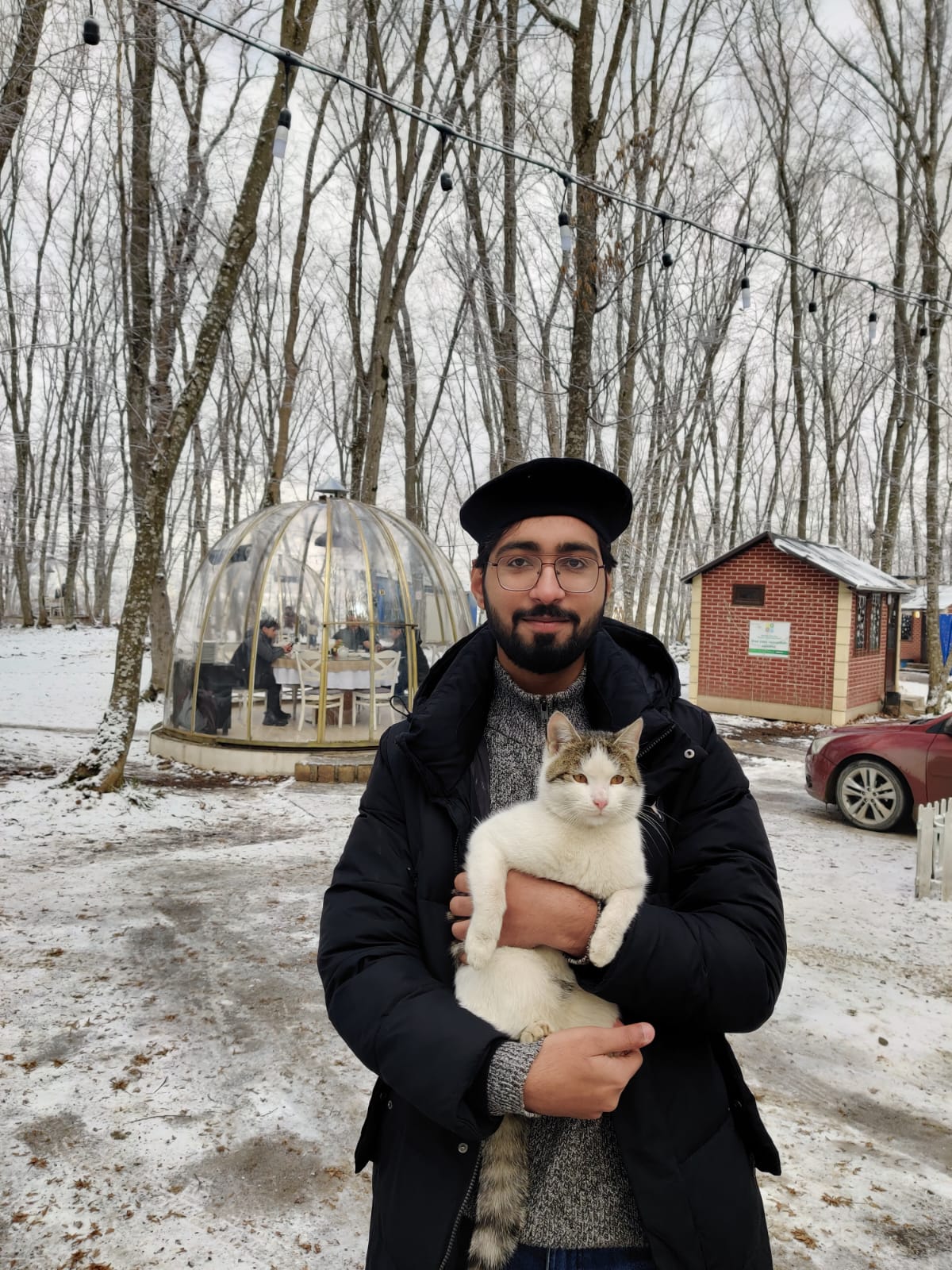
For this journey, Muhammad chose Azerbaijan as his destination and foreign country “number one.” In this interview, he shares how the scholarship enabled him to explore Baku’s Old City, navigate a new environment with confidence, and see firsthand how travel can open doors and broaden perspectives. From application to arrival, he reflects on how the scholarship transformed limitations into opportunity, encouraged him to dream bigger, and inspired others facing similar barriers to take action and apply.

Can you tell us a bit about your background, your life in Pakistan and what a typical day in Lahore looks like for you?
These days I’m a university student living in Lahore, and most of my days are spent balancing classes, studying, and the everyday rhythm of life in the city. My mornings usually begin with lectures, where the campus quickly fills with students moving between classes and catching up with friends before the day really gets going. After classes, I usually spend some time studying and occasionally working on freelance projects related to my field. Like many students here, my routine is a mix of academics, small responsibilities, and finding moments to enjoy the city around me.
Life outside the classroom in Lahore has its own unique rhythm. The streets are always full of motorcycles and rickshaws weaving through traffic, while vendors sell snacks on busy corners. On the way back from university, it’s common to pass food stalls with the smell of spicy street food, and chai being brewed in small roadside kokhas. When I have free time, I like exploring the city with friends, sometimes walking through crowded markets or trying different food spots, and other times just sitting in a corner chai shop, drinking chai and talking for hours while the noise of the city continues around us.
How did you first come across NomadMania and its scholarship programme, and what motivated you to apply?
It all happened in an hour on an ordinary call with my father . He casually mentioned that my uncle had told him about this NomadMania scholarship and thought I should apply. My laptop was already open because, well, I am a cs student – so I searched for it, half-listening to him. And then it hit me. The idea that this could actually be a ticket to the world, to places I’d only ever dreamed of.
Cities I’d only seen in photos, streets I’d never walked, flavours and faces so different from my own it all felt possible, right there, in that moment. Daydreaming, I hit submit on the application. Even now, I can’t quite believe how quickly a single call turned a daydream into the first step toward an adventure.
What went through your mind when you found out you had been selected? Can you walk us through that moment?
I honestly wasn’t expecting to get the scholarship. I’d made it through three rounds of the application, but things often fall apart at the last moment. With high expectations, there’s always that shadow of disappointment waiting. So when the email popped up confirming I’d been selected, I froze. Should I let myself get excited… or is this the prelude for the usual letdown?
Part of me wanted to jump around and scream, but another part hesitated, whispering, “Are you ready for all of this?” While my heart was racing, the urge to show off took over, and I couldn’t resist turning to my roommates: “Look at this, I got it!” I tried to act casual, but the grin on my face gave me away. Their laughter and surprise “no way!” only made it hit even harder that this was actually happening.
Before this trip, what were the main barriers that made international travel feel out of reach for you?
Before this trip, travelling felt like something from another life. As a student juggling responsibilities, it wasn’t just about effort, it was about timing. International travel seemed like a luxury for someone else, someone with more freedom, more resources, more time. It lingered quietly in the back of my mind, a dream that didn’t quite fit into this phase of my life. “Someday” was the word that kept hovering, a subtle reminder that those journeys might belong to another chapter, not this one.
How would you compare daily life in Lahore to what you experienced in Azerbaijan?What differences stood out most to you?
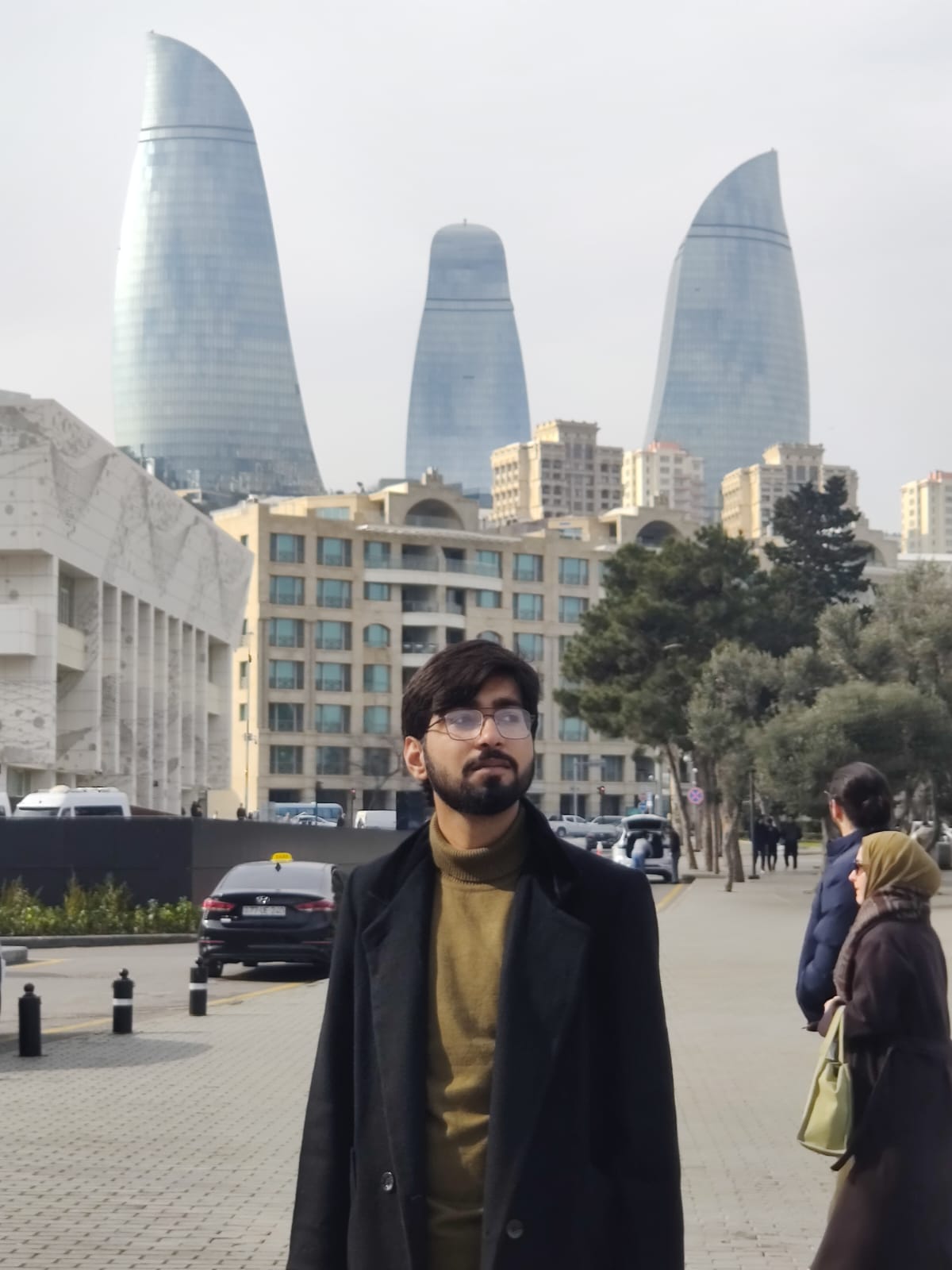
The two places are completely different. Lahore thrives in chaos, while Baku has a calm, organised rhythm. The first thing I noticed was the traffic: In Lahore, traffic rarely stops. It feels like a river flowing endlessly. In Baku, by contrast, the cars moved in neat, almost mechanical lines, like a production line in a factory, pausing in unison at lights. Even small things stood out, the people, the stunning architecture, the culture but I was especially surprised by the food.
Take the same dish in both places, and it would taste completely different. The spices, the flavours, even the way it’s served gives each city its own personality. Little details like that made me realise just how deeply the environment shapes daily life, from the pace of the streets to the way people experience something as simple as a meal.
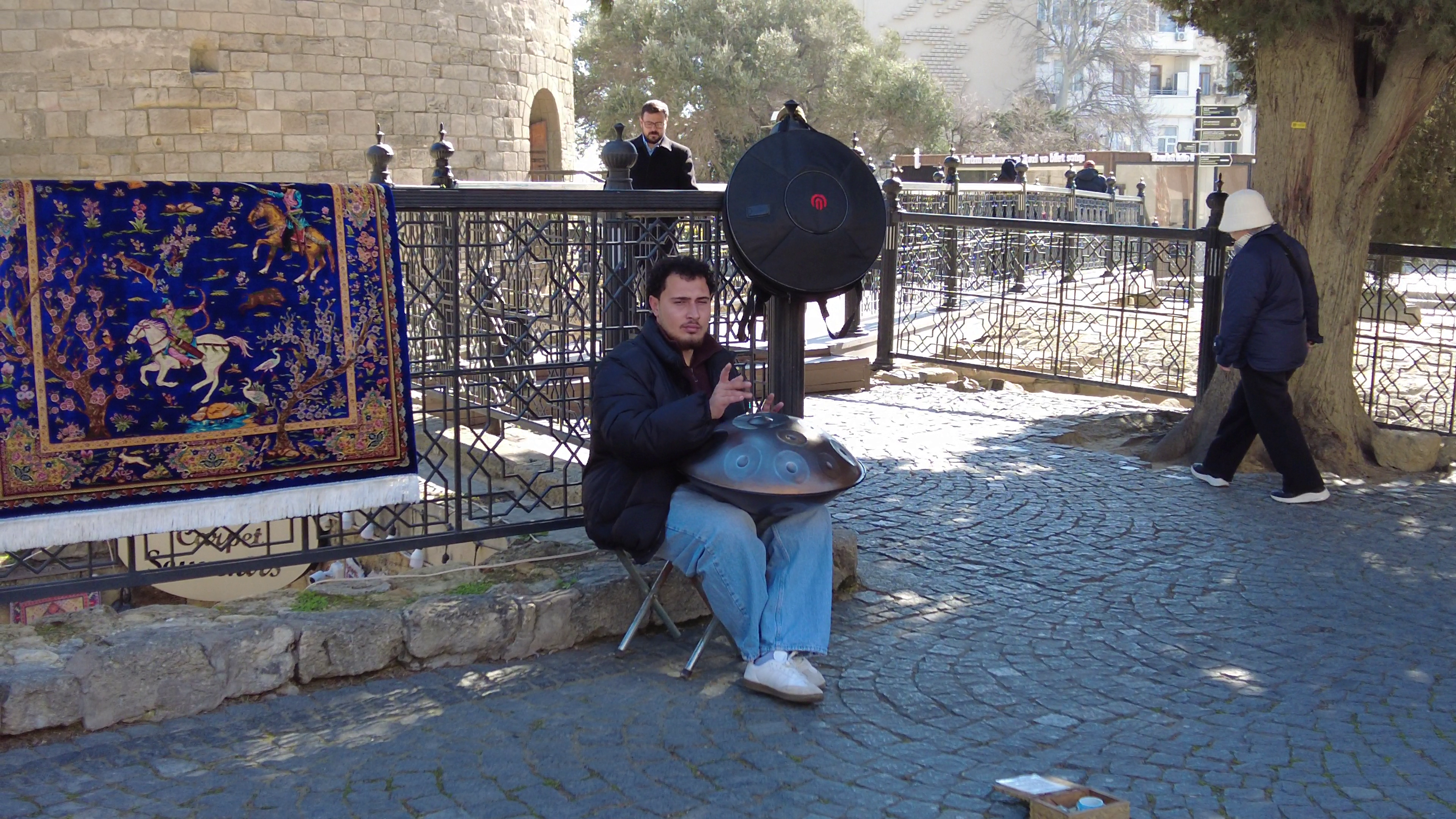
Tell us about your time in Azerbaijan, what places did you visit beyond the Old City of Baku, and what made them memorable?
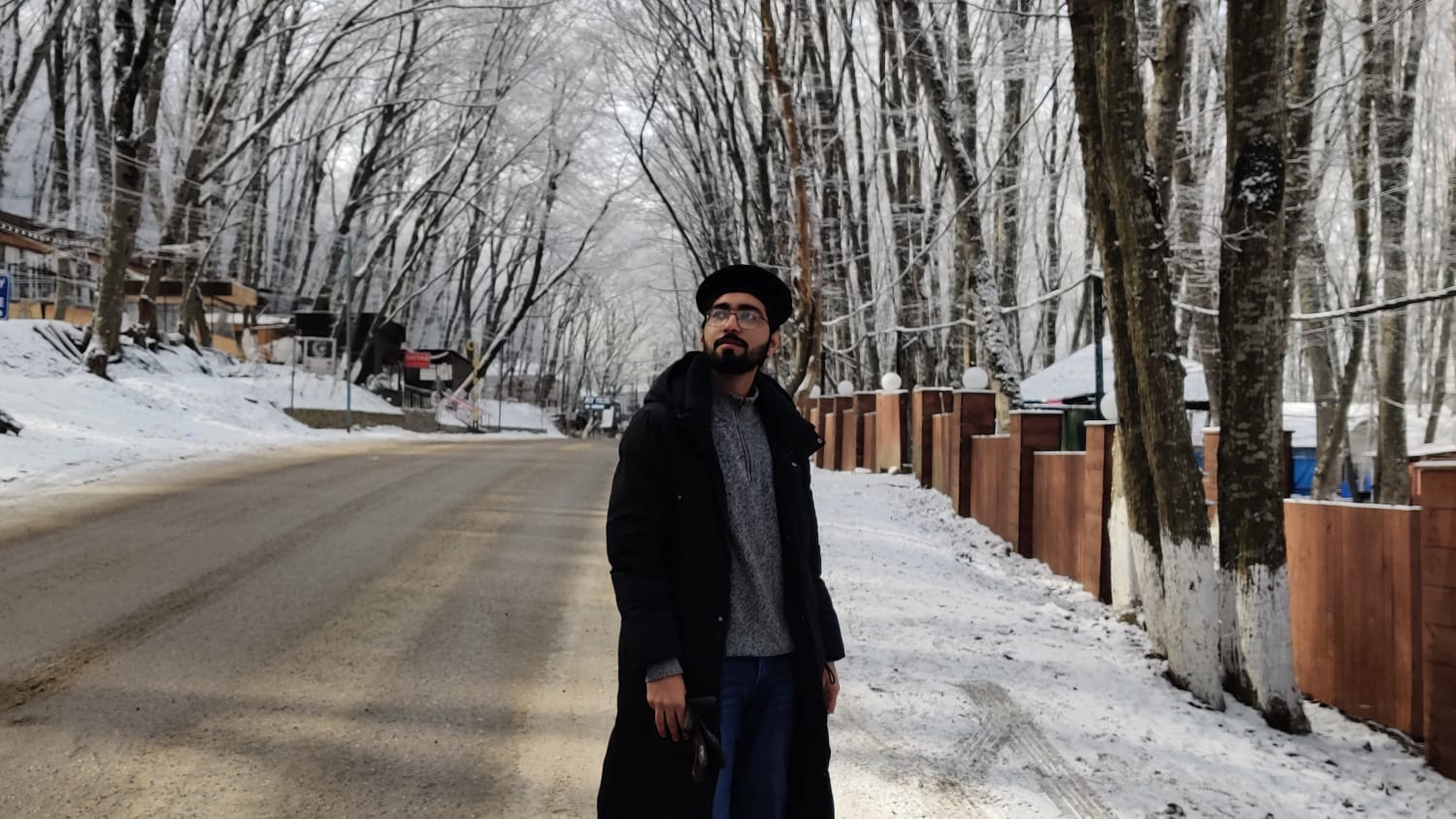
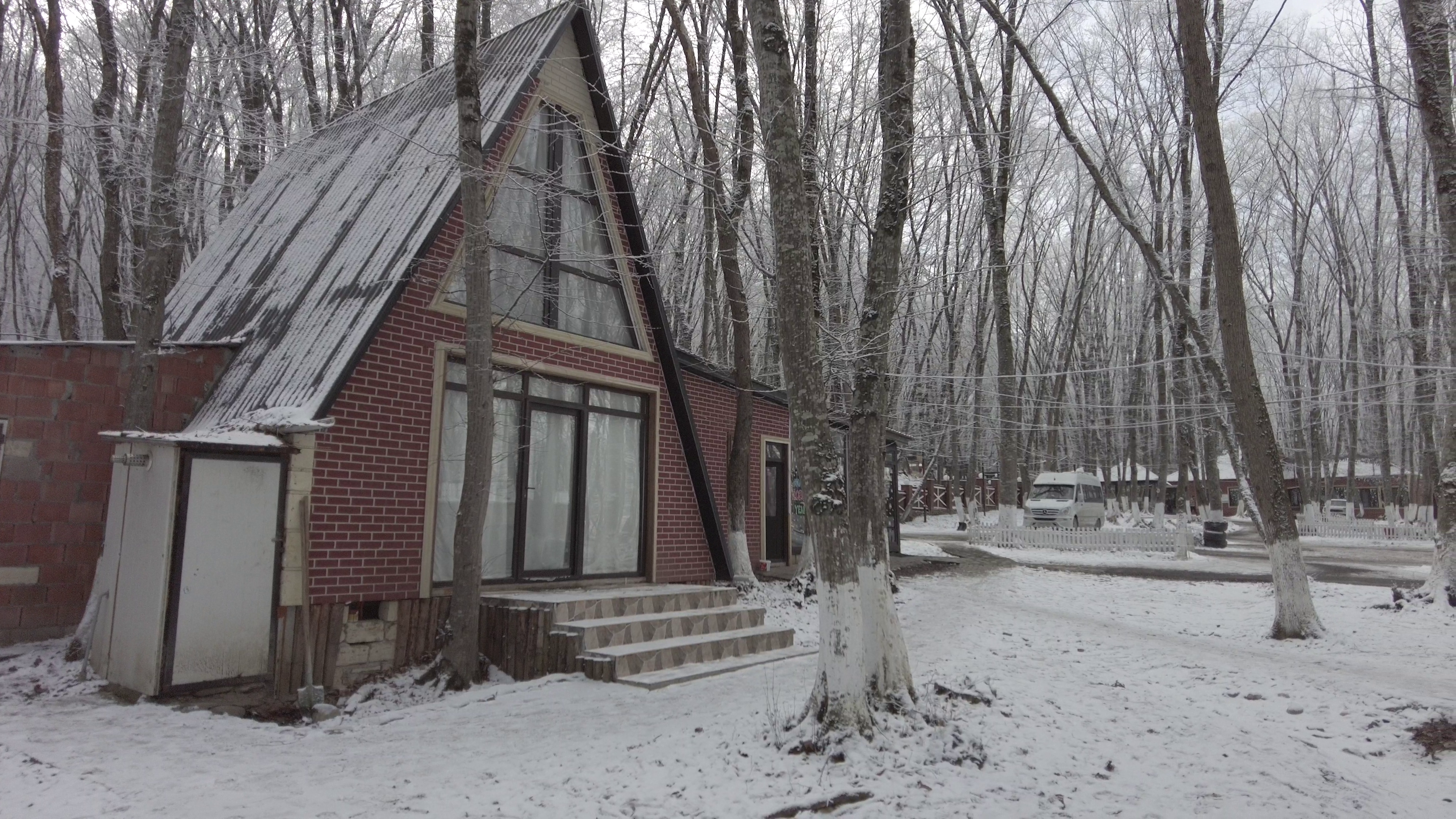
Beyond the City of Baku, I found myself in places that felt almost otherworldly. In the snowy peaks of Shadag and the woods of Quba, I finally understood why Robert Frost wrote about wanting to linger in snow covered landscapes. It was my first time seeing snow in real life, and suddenly I could see why people fall in love with it. The quiet, the cold, the way everything looks like it’s holding its breath.
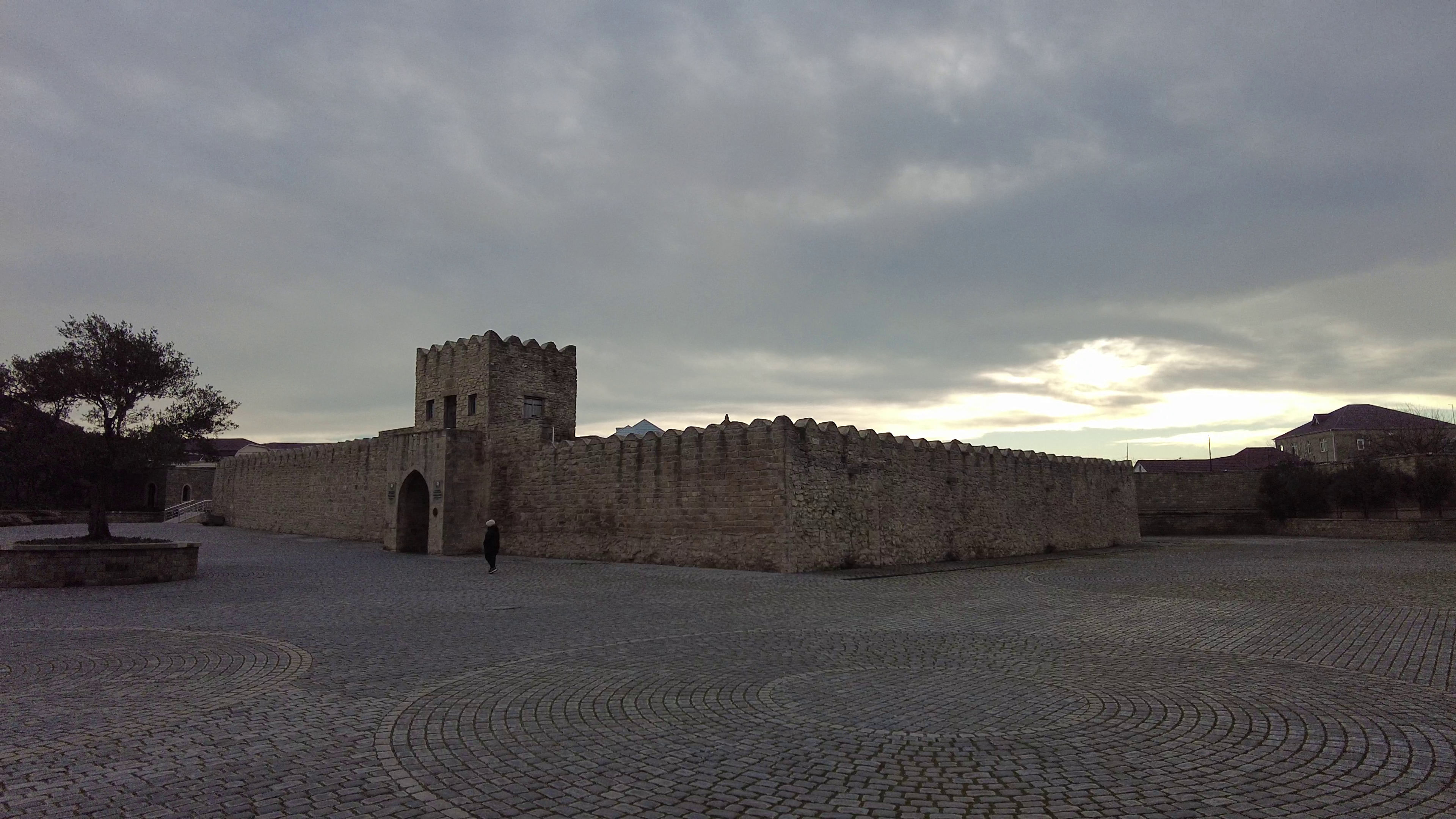
Then there were the cave paintings of Gobustan. Standing there, looking at the marks left by humans tens of thousands of years ago, I couldn’t help thinking, wow… humans are old. Some of the paintings were nearly 40,000 years old. It’s hard to imagine, but seeing them made history feel alive in a way no textbook ever could. And yes, I got lost more than once in the winding alleys of the Old City. Thankfully the tiny map on our phones kept me from wandering too far off course. Even getting lost felt like part of the adventure, each turn revealing another hidden corner or quiet courtyard I would have otherwise missed.
Can you describe a specific moment or experience from the trip that really stayed with you?
One thing that really stayed with me wasn’t a single grand landmark, but the small artistic details scattered throughout everyday life. As someone who enjoys art, I kept noticing little things most people might walk past without a second glance: tiny paintings on neighbourhood letterboxes, casual sculptures tucked into corners of the city, or rows of colourful houses in the countryside.
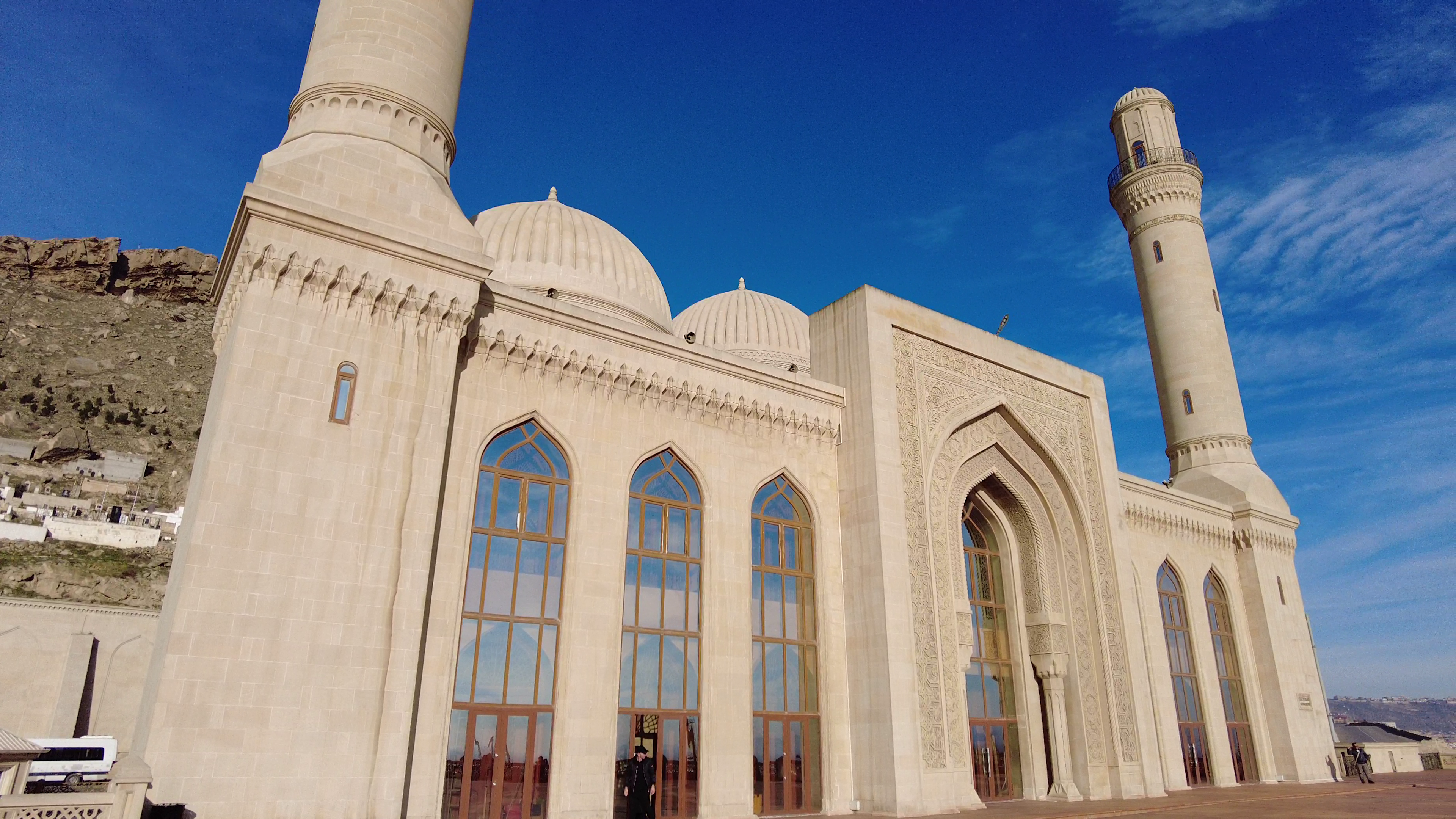
These small touches made the places feel alive and personal, like the creativity of the people living there was quietly woven into the streets. It reminded me that art doesn’t always live in museums or galleries. Sometimes it’s just part of the environment, waiting to be noticed if you slow down enough to look. It’s something I realised I rarely see back home in Lahore, which made those little discoveries feel even more special.
Did you have any meaningful interactions with locals or other travellers that left an impression on you?
One encounter in particular really stuck with me. I met an elderly local man who didn’t speak a word of English. Somehow, though, our languages had just enough overlap that we could catch every third or fourth word of each other.
Our conversations quickly turned into a playful guessing game: we’d grin, gesture wildly, and cheer when we finally understood a word or phrase. As we walked and compared cities, translating bits of our languages for each other, the irony hit me: I didn’t actually know my own language as well as I thought..
Here I was, trying to understand him, and in the process realising that my mother tongue is actually my second language. Every misstep became part of the fun, and somehow, we kept the conversation flowing. The encounter ended simply, sharing a cup of tea in a local shop. But that small moment left a lasting impression: a reminder that connection doesn’t always need perfect words, that laughter and curiosity can bridge gaps.
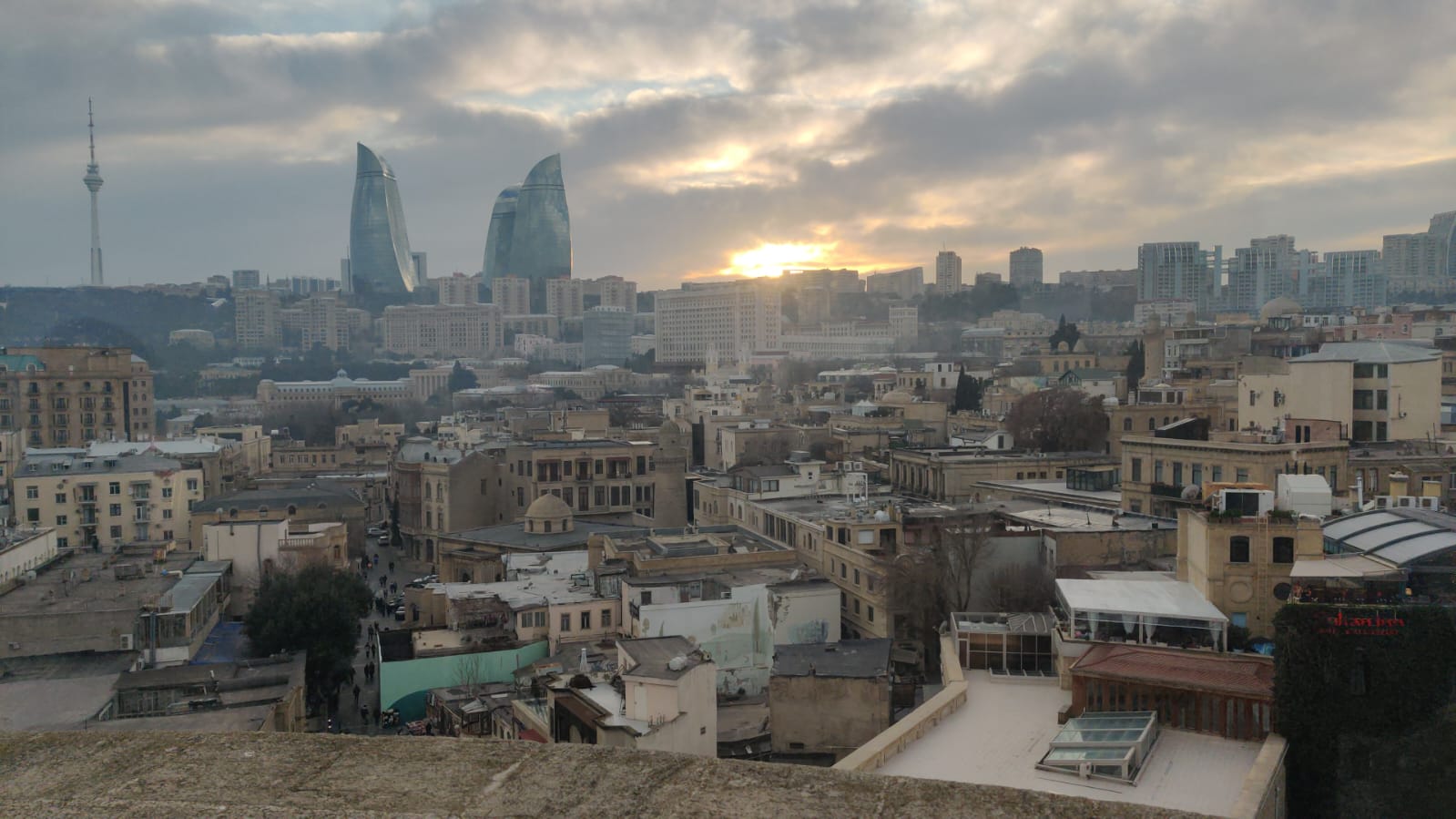
What surprised you most about Azerbaijan, and were there any challenges you had to navigate during the trip?
This was my first solo trip, and I quickly learned that travelling alone comes with a mix of freedom and unexpected challenges. The biggest hurdle was loneliness. Even though I met people along the way, our paths often diverged at the end of the day, everyone was on their own journey. But that solitude also forced me to pay closer attention, trust my instincts, and take charge of my own adventure.
Some challenges were… well, a little laughable in hindsight. I tried hailing a cab from the wrong side of the road, spent way too long trying to figure out the public bus system, and even thought Kassa was a local dish before realising it just meant tickets. Each mishap was a tiny puzzle that forced me to slow down and embrace the chaos of figuring things out on my own.
What surprised me most, though, was the warmth of the people. Strangers were often eager to help with directions, share a conversation, or just offer a smile. Even in moments of loneliness, there were sparks of connection and unexpected kindness that made me feel at home in a place so far away. By the end, I realised that the challenges, the mistakes, and even the quiet moments of being alone were just as memorable and as meaningful as the stunning sights I came to see.
How has this experience changed your confidence, perspective, or future ambitions when it comes to travel?
Absolutely. This experience turned travel from a distant dream into something real, something I could actually make happen. It made me want to explore intentionally, not just to escape routine, but to grow, learn, and see the world differently. Being somewhere completely new forces you out of autopilot: you notice things you’d usually overlook, listen more closely, and realise just how many perspectives exist beyond your own. For me, the biggest lesson was that the world is bigger than I ever imagined and that realisation is humbling, eye-opening, and quietly exhilarating.
What message would you give to others who feel that international travel is not meant for them, and how would you like to stay involved with the NomadMania community going forward?
I’d tell anyone who feels international travel isn’t meant for them that I once felt exactly the same way. It’s easy to assume that certain experiences are out of reach, that they belong to other people, not you. But opportunities do exist and sometimes the hardest part is simply believing that you deserve them. Taking that first step, even if it’s just filling out an application, can completely change everything.
I’d love to stay involved with the NomadMania community by sharing my story, cheering others on, and encouraging more people to take that leap. If my experience can make even one person realise that travel isn’t just a dream but a real possibility, it’ll be worth it.