For digital nomads, choosing a base isn’t just about finding good Wi-Fi. It’s about finding a place where you can get what you need, live your way, and work or explore without hassle.
Some islands do this better than others, offering opportunities to live for weeks or months while still feeling like you’re discovering something new every day. You don’t want a place that’s purely a tourist trap, but you also need reliable infrastructure and options for social or professional networking.
The islands on this list have become increasingly appealing for long-term stays. They each offer a slightly different flavour of life: from tropical isolation to Mediterranean convenience, and from budget-conscious spots to luxury hideaways. Each section here focuses on what life is actually like on the ground, practicalities you need to know, and some pointers for longer-term living.

Seychelles: Flexible Island-Hopping Nomad Living
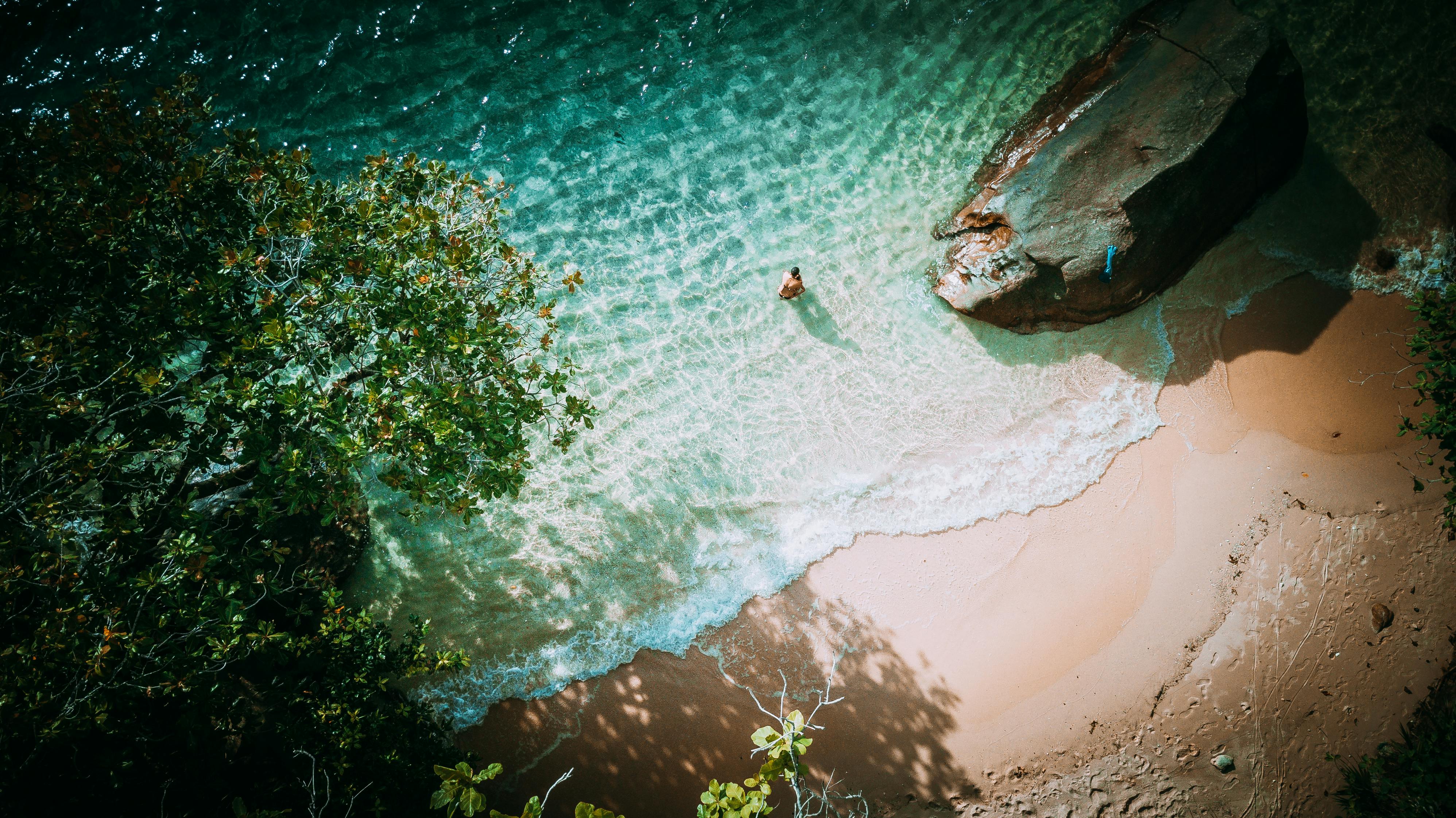
Seychelles is a cluster of islands that works well for nomads who don’t want to stay put in one spot for months. Mahé has the main airport and most of the services, but smaller islands like Praslin and La Digue give a change of pace without feeling like a different country.
Accommodation ranges from basic guesthouses to higher-end villas. If you’re planning to move around a bit, you may want to contact Seychelles specialists. They can suggest ferry schedules, local guesthouses, and even short-term rental options that aren’t always easy to find online.
Daily life is manageable if you plan for essentials. Supermarkets are available in Victoria, but local markets are where you’ll find fresh fish and produce. Wi-Fi can be patchy on smaller islands, so having a backup mobile hotspot is sensible. Cafés with reliable internet are limited, so working from your apartment or villa is often easiest.
For recreation, Seychelles offers more than beaches. Hiking trails on Morne Seychellois in Mahé or exploring the Vallée de Mai in Praslin give a taste of inland life, while island-hopping introduces you to local communities without the pressure of crowded tourist spots.
Thailand: Budget-Friendly Nomad Island Life
Thailand still works well for nomads who want to keep costs under control without feeling cut off. Islands like Koh Samui, Koh Phangan, and Koh Lanta each offer slightly different setups, but all make long stays fairly easy. Koh Samui has the most structure, with coworking spaces, cafés that don’t mind laptops, and a steady expat crowd.
Rentals are usually straightforward to arrange month by month, and it’s common to find places that already include water, internet, and cleaning. You can live simply or comfortably, depending on what you’re after.
Day-to-day life is practical rather than polished. Local markets and 7-Eleven cover most basics, and scooters are almost essential unless you’re staying right in town. Things don’t always run smoothly. Power cuts happen, the internet slows down, and repairs can take time. Most people adjust quickly and build their routines around that reality instead of fighting it.
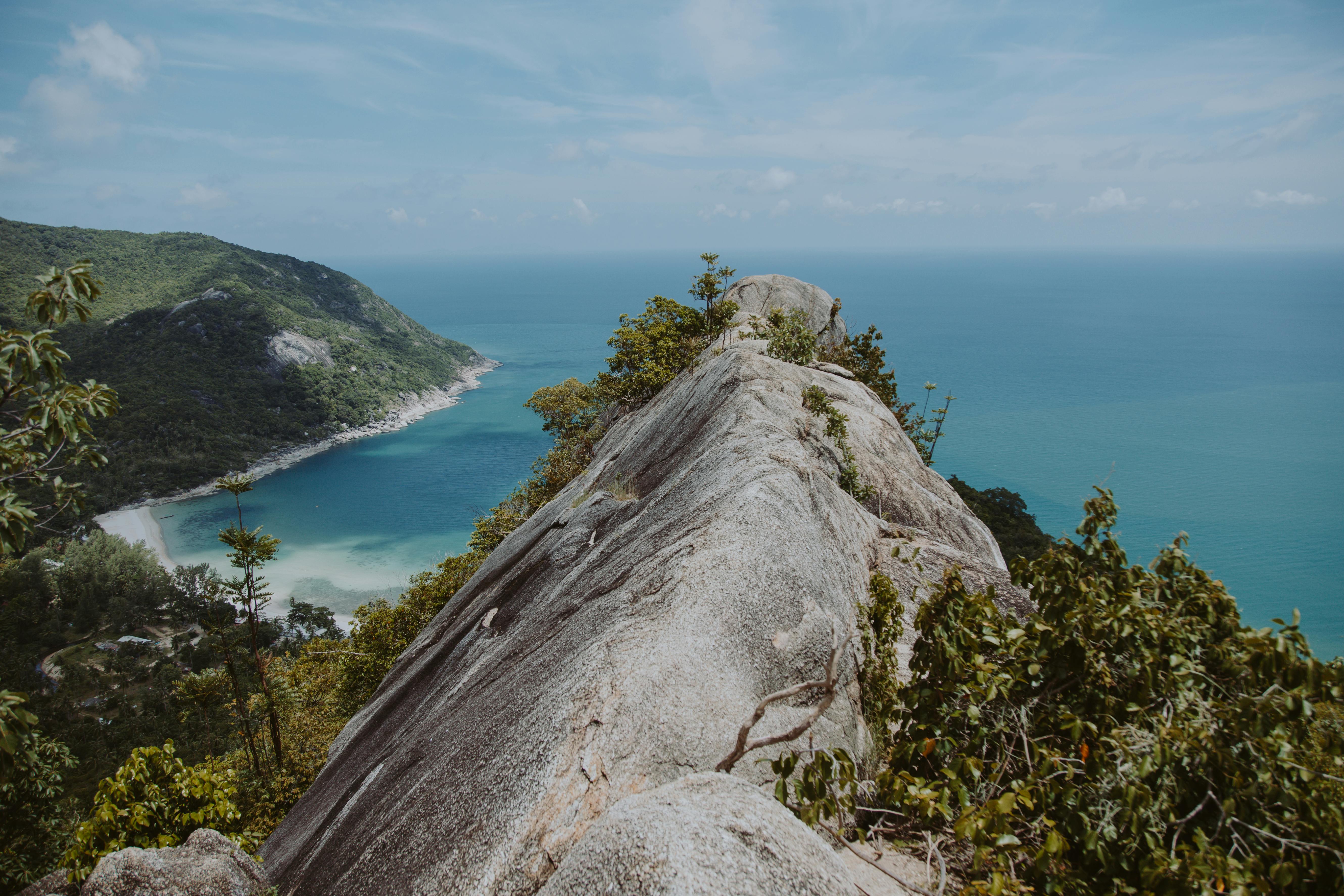
Outside work hours, there’s more going on than beach time. Koh Phangan has inland trails and waterfalls that are easy to reach, while Koh Lanta feels quieter, with small villages and local eateries scattered along the coast. Ferries between islands are cheap and frequent, which makes moving around simple without overthinking it.
St. Martin: Caribbean Long-Stay Villa Living
St. Martin offers a Caribbean experience for nomads who prefer staying put for longer periods, particularly if you travel in groups. Renting a villa can make sense for a multi-person setup, and there are plenty of options if you search for St.Martin villas to stay at. Villas often come with kitchens, pools, and spaces wide enough for groups to work from home comfortably.
Grocery shopping and essential services are accessible, especially in Marigot on the French side and Philipsburg on the Dutch side. Internet is generally reliable in more populated areas, though villas further from town may need a backup connection. Local cafés and restaurants are great for occasional changes of scenery while working.
Beyond the practicalities, there’s a lot to do. Pinel Island and Grand Case offer quiet beaches, hiking trails, and small local spots to try French pastries or Caribbean seafood. For those travelling with a group, a boat tour or a villa barbecue on the beach is easy to organise and makes longer stays feel like a proper community experience rather than isolated work weeks.
Costa Rica: Balance Between Jungle and Beach
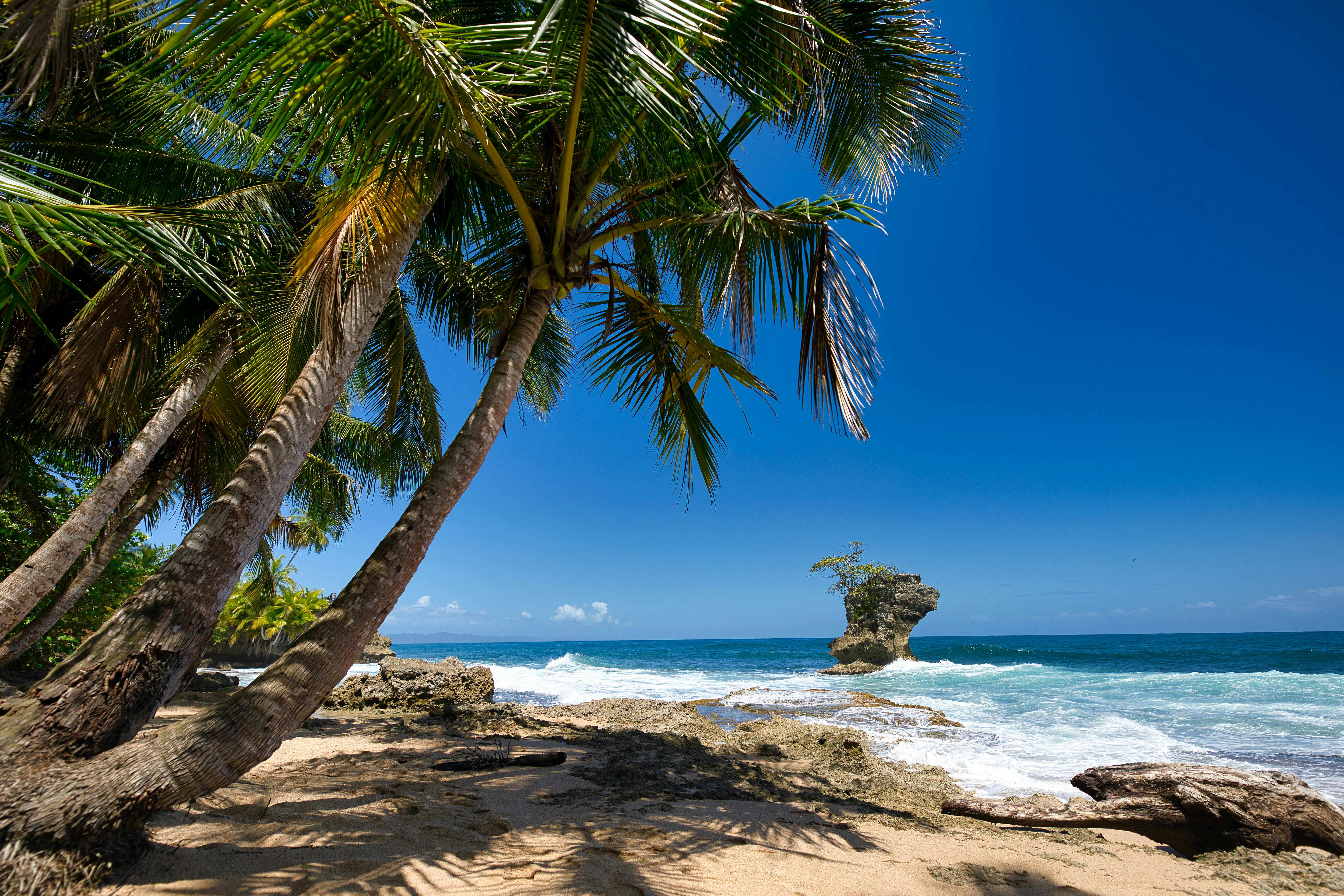
Costa Rica is a different kind of island experience. While it isn’t fully surrounded by ocean, areas like the Nicoya Peninsula provide that “island mentality” with beaches and relaxed living. Towns like Santa Teresa, Nosara, or Tamarindo combine surf culture, expat communities, and infrastructure suitable for nomads.
Rentals vary from budget apartments to villas with ocean views. The internet is generally stable in the main towns, though remote jungle retreats may require a satellite connection.
Daily life blends urban and outdoor routines. Local markets are excellent for fresh produce, and small towns are walkable with scooters or bikes for longer distances. Costa Rica’s healthcare and safety systems are decent, which matters for longer stays. Utilities are generally straightforward, though expect occasional interruptions in remote areas.
The appeal for nomads lies in the balance: mornings can start with surf or yoga, afternoons are for work, and evenings for exploring nearby waterfalls or hiking trails. Wildlife is an added bonus. Howler monkeys, iguanas, and coastal birds are part of daily life. For someone wanting to mix work with active, nature-oriented routines, Costa Rica offers flexibility and a slower pace than most city-based hubs.
Cyprus: Mediterranean Nomad Island Life
Cyprus is increasingly popular for nomads seeking a mix of Mediterranean culture and easy access to modern infrastructure. Towns like Limassol, Paphos, and Larnaca offer co-working spaces, apartments with fast internet, and good public transport.
Monthly rentals can be surprisingly affordable for Europe, and supermarkets, cafes, and pharmacies are easy to find. It’s a place where everyday life is easy, which helps when you don’t work a typical 9-to-5.
The island is well-connected, with regular flights to Europe and the Middle East, which is handy if you need to travel in and out for work. Roads are generally in good condition, and renting a car is simple if you want to explore more remote parts of the island. Cypriot towns often have small local markets that provide fresh seafood and produce.
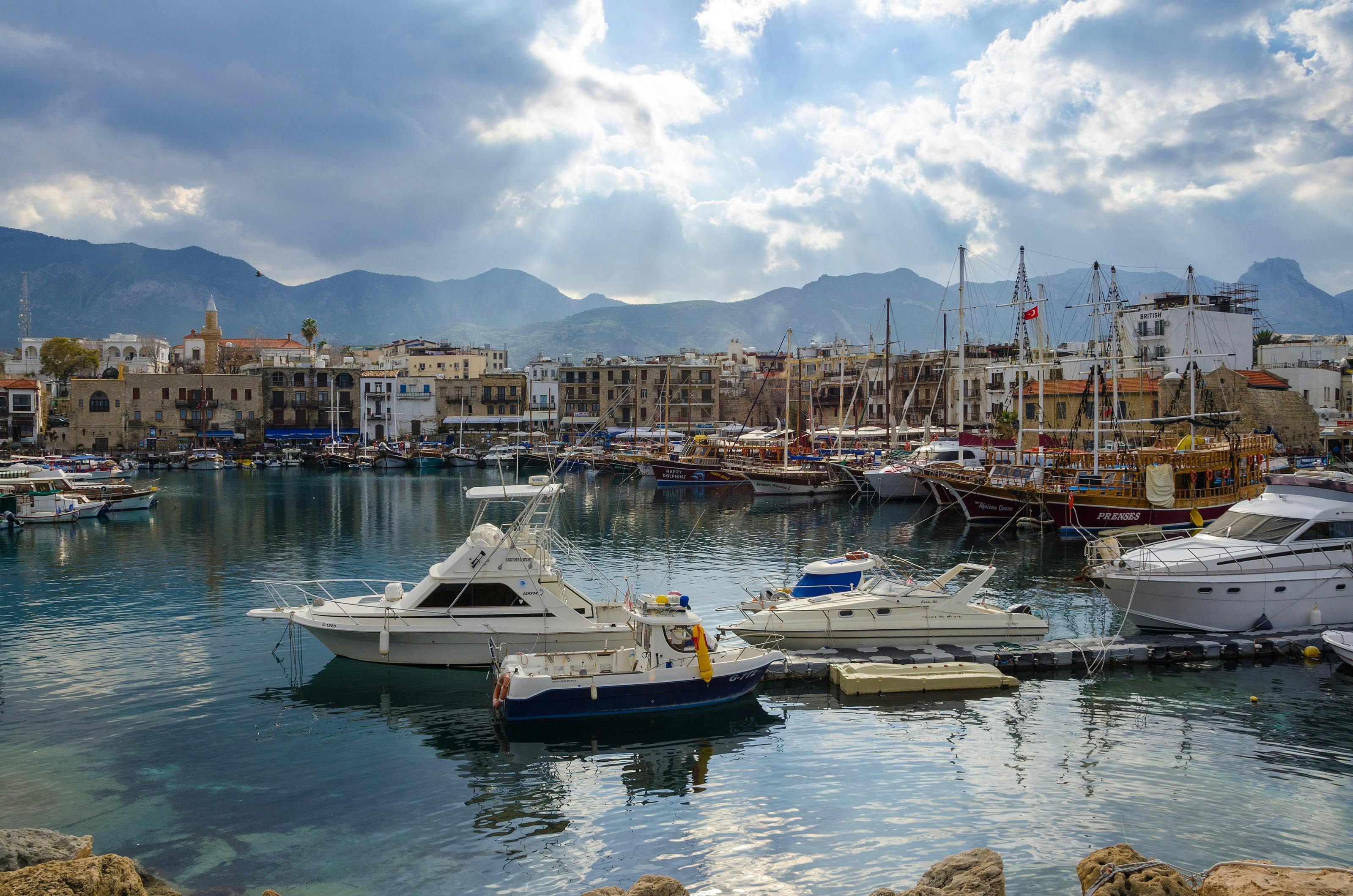
Nomads here can enjoy beaches along the south coast, mountain villages in the Troodos range, and historic sites like Kourion or Paphos mosaics. Cafés with a view of the sea are abundant, providing both a working spot and a place to socialise.
Which island could fit your work and travel routine best?
Picking an island as a base isn’t just about scenery. It’s about how life actually works day to day. Some places make it easy to get what you need, stay connected, and still enjoy downtime, while others offer a slower, more nature-focused rhythm.
Whether you value affordability, comfort, or a mix of culture and outdoor activities, these islands offer something practical for long-term living. So, which island could actually fit the way you want to work and live?