Winter offers a type of travel that goes beyond the usual sightseeing. For nomads seeking unusual experiences, the season reshapes landscapes, routines, and even the way local culture is lived. Cold, snow, and ice aren’t obstacles, but are part of the story, influencing transport, accommodation, and daily activities.
Travelling in winter often means slowing down, planning carefully, and embracing conditions rather than avoiding them. Here are five destinations where winter shapes the way you experience them. From alpine villages and Canadian Rockies to polar seas, Arctic nights, and snowy Japanese cities, each place challenges expectations and invites travellers to interact with the environment in distinctive ways.

Val d’Isère, France: High-Altitude Alpine Winter
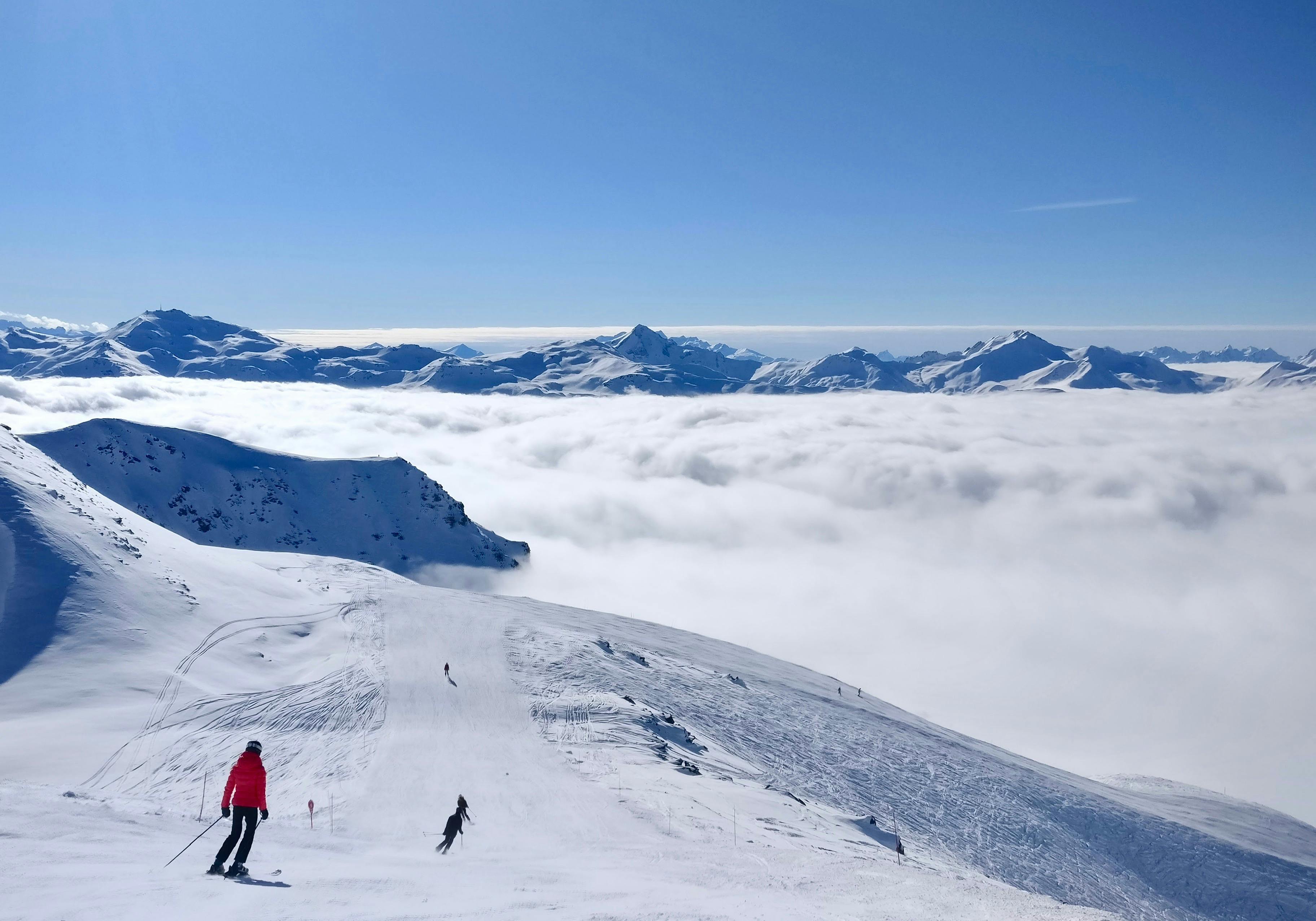
Val d’Isère sits at the heart of the French Alps and is defined by snow, altitude, and a village built around skiing. Winters here are structured around the slopes. Ski lifts open early, and piste conditions dictate when and where you move. Streets are quieter mid-afternoon, and cafés fill as skiers finish their morning runs. Daily activities are entirely winter-shaped.
Accommodation influences how people experience the area. Many travellers look into exceptional luxury ski chalets in Val d’Isère options, which offer direct access to lifts, heated interiors, and space to relax after long days outdoors. Choosing the right chalet changes how you engage with the season. Some visitors base themselves entirely on snow quality, while others focus on village proximity.
Non-skiers still find ways to engage. Snowshoeing, local markets, and village walks provide slower access to alpine life. Winter travel here isn’t just about sport; it’s about living with snow rather than escaping it. Timing, clothing, and location shape the day more than any checklist of attractions.
Banff, Canada: Mountain Winter Landscapes
Banff is defined by its mountains and winter extremes. Snow blankets the Rockies, and temperatures can drop sharply, which affects everything, from transport to sightseeing. Roads are maintained for accessibility, but icy conditions are common. Visitors quickly learn to factor in travel times and adapt to winter conditions rather than fight them.
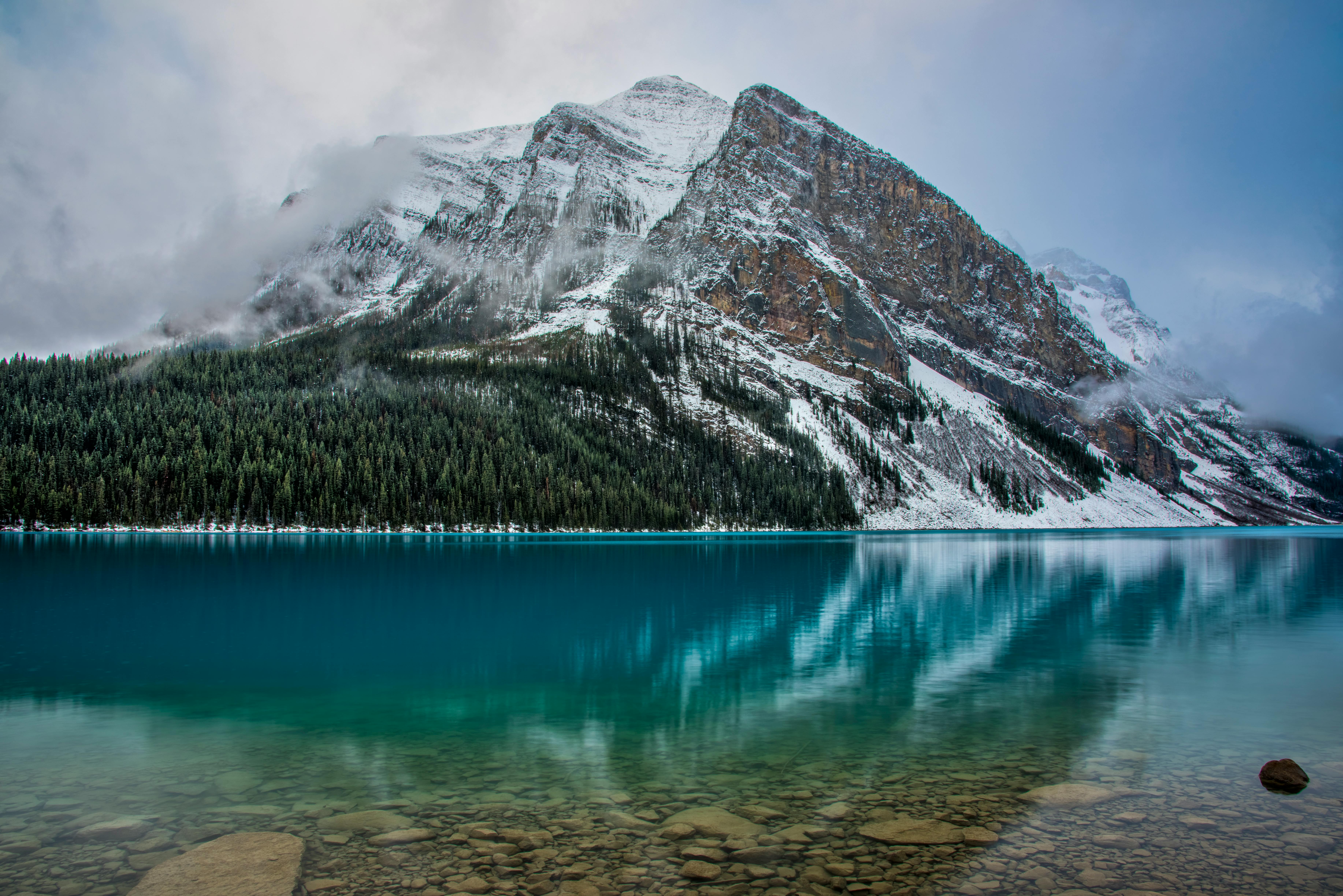
The landscapes themselves dictate activity. Frozen lakes, forested slopes, and snow-covered peaks create a playground for outdoor enthusiasts. Cross-country skiing, ice walking, and short hikes are popular, with timing and daylight dictating when excursions are feasible. Wildlife can be spotted at quieter times of day, though cold temperatures require patience and preparation.
Banff is also about village life. Streets are calm, cafés stay open late, and local culture reflects the winter season. Visitors notice the difference in routines: mornings are active, afternoons are slow, and evenings revolve around food, warmth, and conversation.
Antarctica: Ice-Dominated Polar Environment
Antarctica in winter or early summer is almost entirely ice-bound. Travel here requires flexibility and careful planning, as ice and weather conditions dictate routes and access. The continent is remote, with few permanent settlements, so trips are almost exclusively by ship.
Wildlife is a key part of the experience. Penguins, seals, and seabirds concentrate near accessible coasts, but sightings vary by season and location. Icebergs, glaciers, and open water form the backdrop to every excursion. Even brief landings require guides and strict safety protocols.
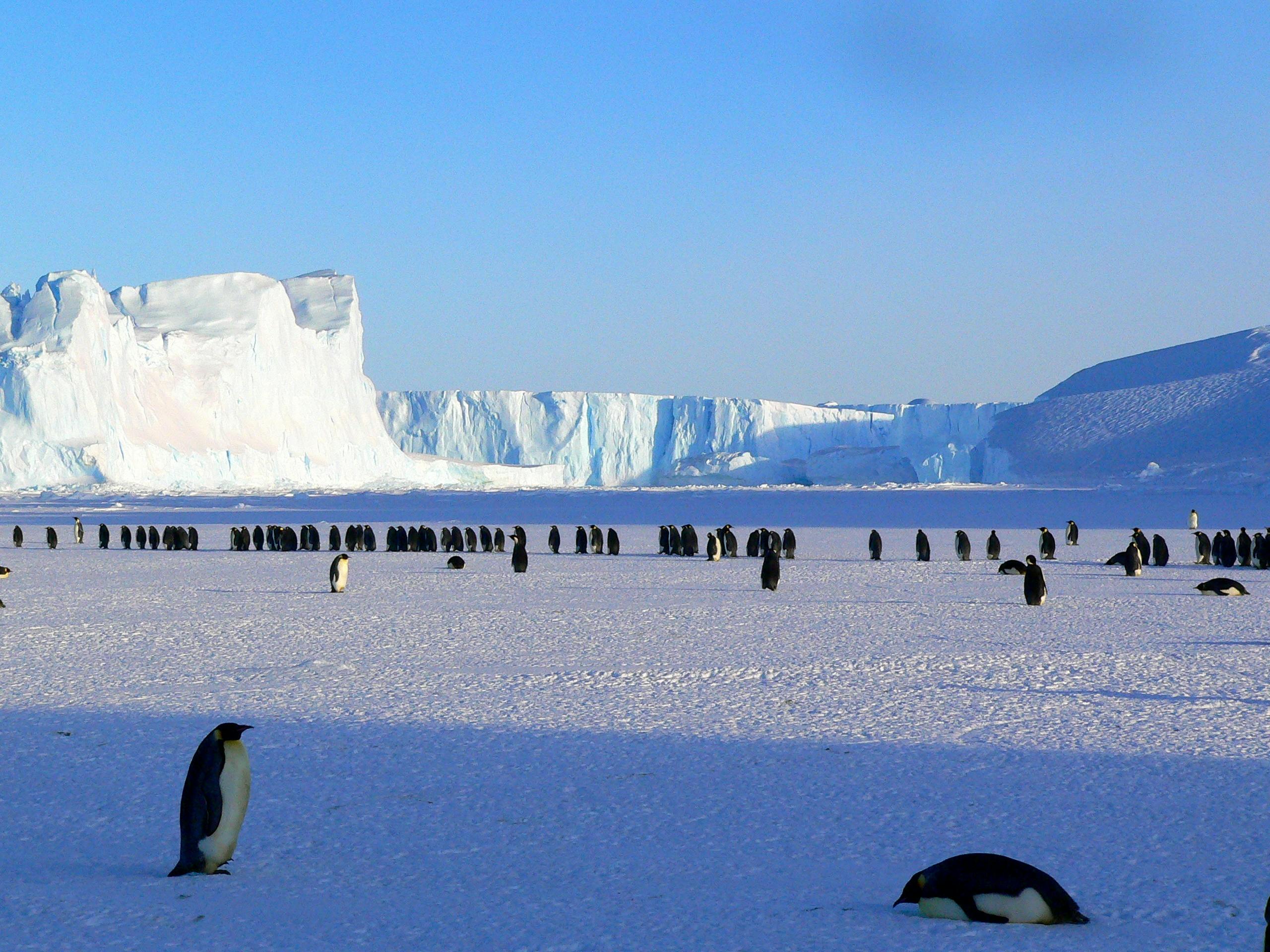
The best way to experience Antarctica cruises is with operators who follow strict environmental guidelines and adjust itineraries according to ice and weather conditions. Flexibility is essential, as plans can shift from day to day. That unpredictability is part of what makes the journey unusual and memorable for nomad travellers.
Tromsø, Norway: Polar Nights and Northern Lights
Tromsø offers one of the most distinctive winter experiences in the Arctic. In midwinter, daylight lasts just a few hours, creating long periods of twilight that influence daily routines. Temperatures are low, but the combination of coastal winds and prepared infrastructure makes movement manageable.
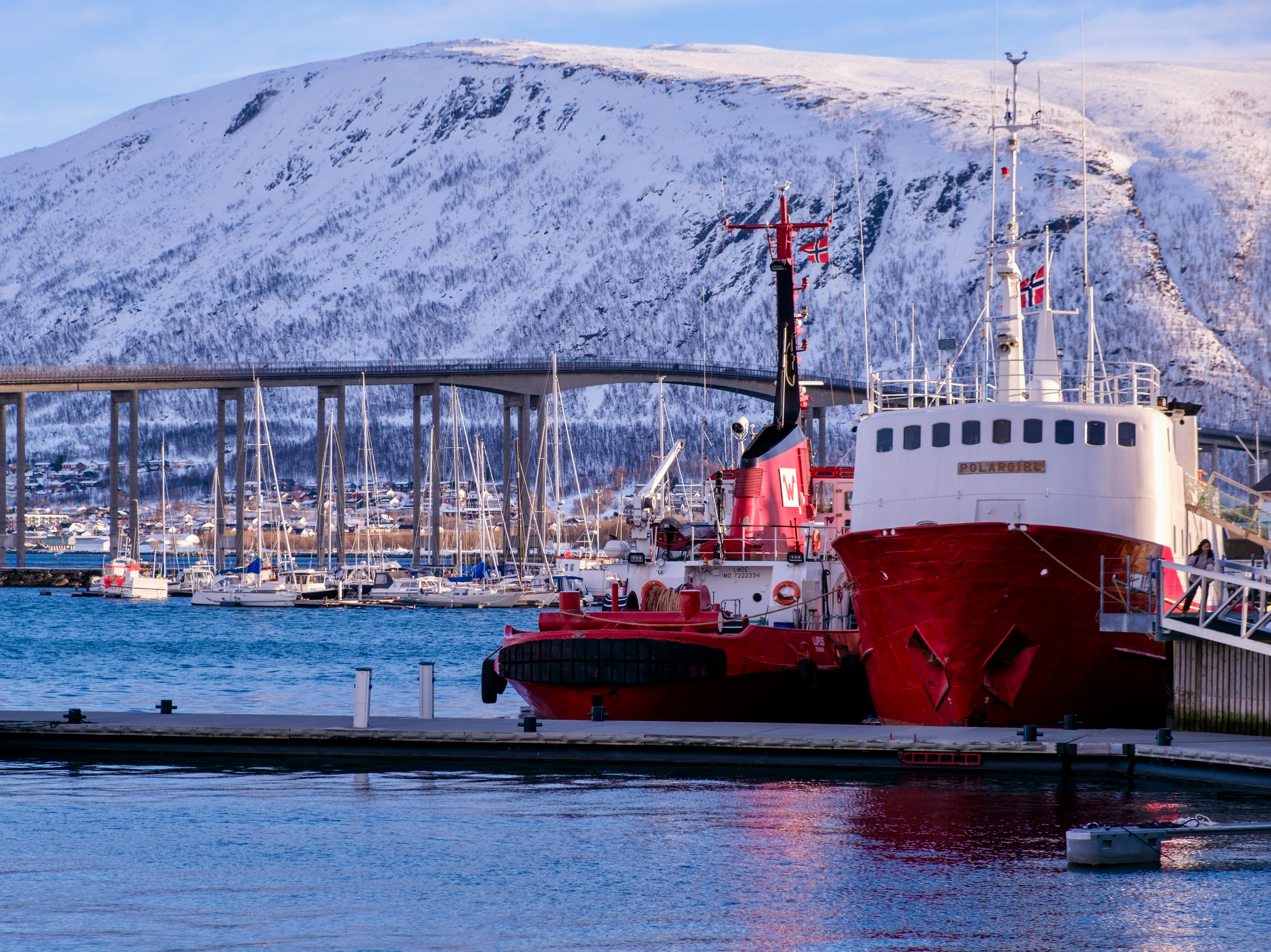
The Northern Lights are the main attraction. Best seen on clear nights away from light pollution, they often dictate how visitors structure their evenings. Photography and casual observation alike depend on adjusting schedules to the sky rather than following fixed itineraries. In between aurora chases, daytime activities include dog sledding, snowmobiling, and exploring small-town streets.
Local culture reflects winter conditions. Cafés, saunas, and heated cabins are central to daily life, and visitors quickly adopt routines of early starts, midday breaks, and late evenings.
Sapporo, Japan: Urban Life in Deep Snow
Sapporo experiences heavy snowfall that defines the city in winter. Streets, transport, and public life adjust to snow accumulation, and residents move in ways shaped by consistent cold. Sidewalks are cleared, trams run on tight schedules, and daily life continues despite the weather.
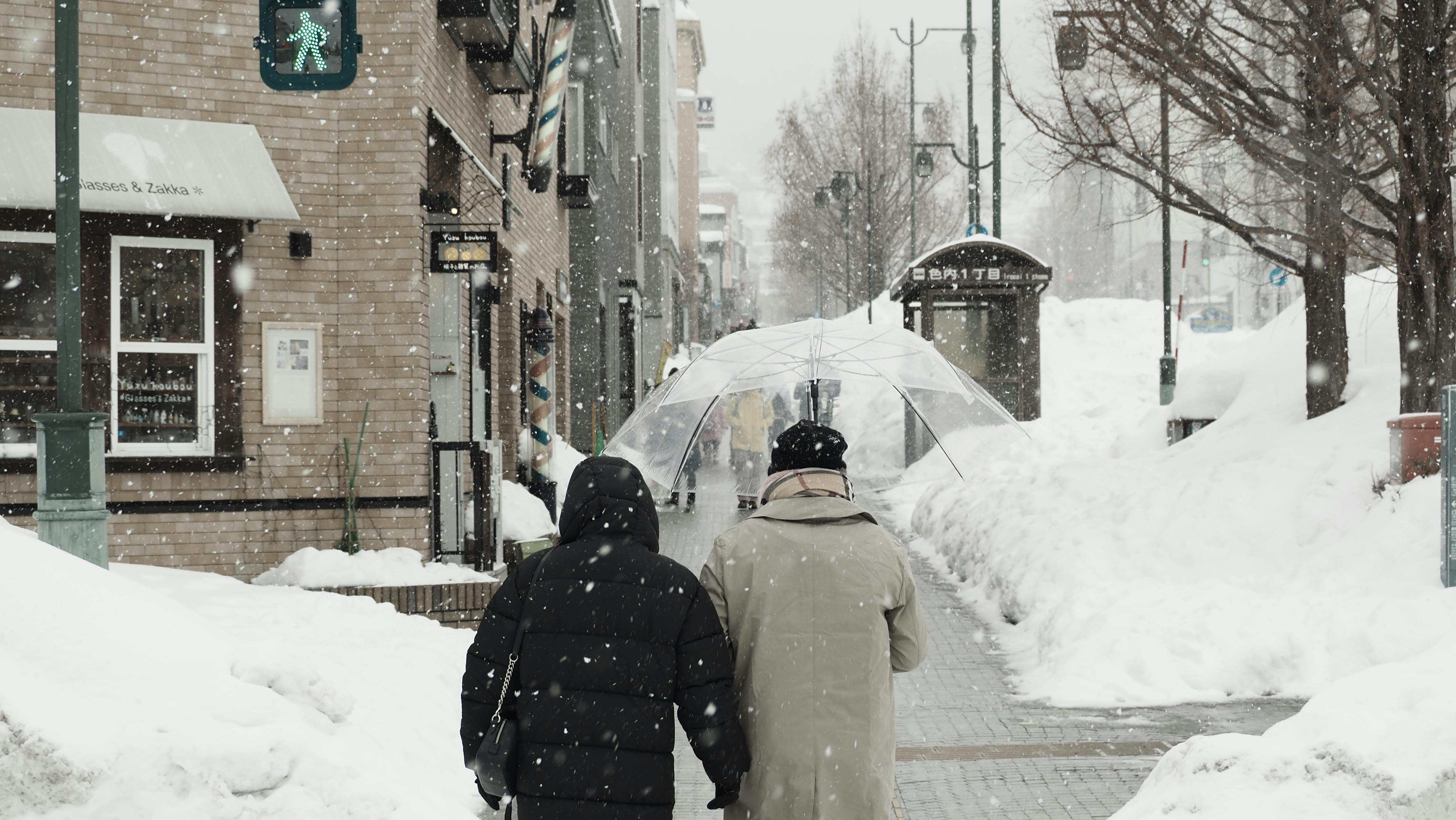
Winter also shapes cultural events. The Sapporo Snow Festival draws visitors from around the world eager to see ice sculptures and snow installations. Crowds are concentrated in certain areas, but much of the city retains a normal pace of life.
Sapporo is the perfect example of a city defined by winter. Observation and participation highlight routines, movement, and adaptations unique to deep snow environments. Urban winter travel here is about noticing patterns, adjusting to conditions, and finding unexpected corners of daily life.
Why choose winter travel?
Winter travel isn’t about enduring cold; it’s about experiencing a destination through the lens of its seasonal extremes. These five destinations reveal how landscapes, culture, and routines shift with snow and ice.
The season influences timing, activity, and interaction. Skiing in the Alps, walking frozen lakes in Canada, navigating polar seas, chasing auroras in Norway, or exploring snowy urban streets in Japan all require attention to the environment.
For nomadic travellers, winter trips provide encounters that cannot be experienced in other seasons. The cold shapes perspective, slows the day, and highlights details that might otherwise be overlooked. For those who adapt to the season rather than resist it, these places offer a deeper, distinctive, and more rewarding travel experience.