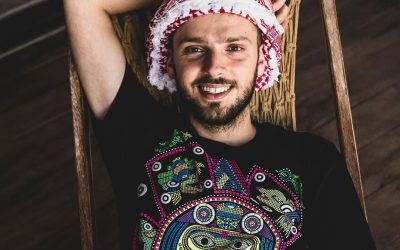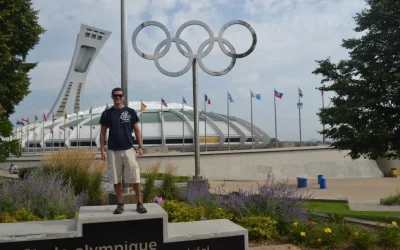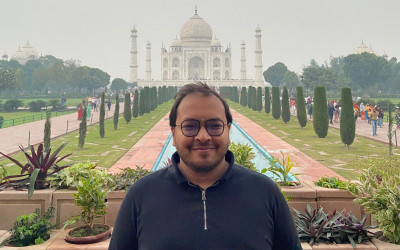
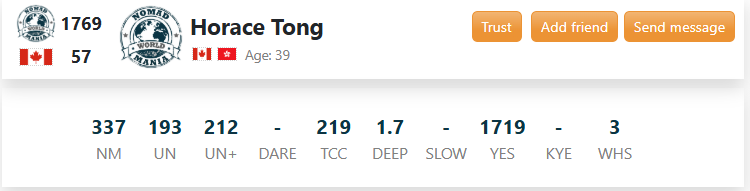
Horace Tong didn’t always love travel in fact, he once thought it was a waste of money. He didn’t know years later, he would find himself held at gunpoint, accidentally appearing on TMZ alongside a pop star and a U.S. presidential candidate, landing on Antarctica in a penguin onesie, and crossing into every country on Earth. This is the story of how a reluctant traveller became a globetrotter. A free ticket to Germany sparked a journey that would eventually take him to all 193 countries.
In this deeply personal conversation, Horace reflects on identity, privilege, fear, curiosity, and how travel shaped not just where he’s been, but who he’s become and why community platforms like NomadMania continue to matter long after the counting ends.
Horace, tell us something about your early years and how your love for travel developed.
I used to hate travelling. I thought it was a waste of money, and if you wanted to see the world, why not just look it up on the internet to save yourself the hassle and the money? When we were in University, my favourite sister was really getting into travelling, and I, being the annoying younger brother, would tease her incessantly about wasting her money and questioning if it was worth it.
One year during Reading Break (or Spring Break for some), she had a deal for me. If I just shut the hell up and stopped complaining, she would pay for my air ticket to Germany, as she and her then-boyfriend, now husband, were going to Europe for the week. This is how stupid I was. I had to think about a free ticket to Germany. After thinking about it for a while, I decided I would give it a try, as I was studying history at the time and thought it would be cool to see some of the stuff and places I had read about.
After some discussion of how to get there, my sister at one time suggested I route from Vancouver to Hong Kong to München, a route that seemed crazy at the time but seems perfectly reasonable to me now. We agreed that I would fly to Chicago by myself, meet them there, and we would all fly to Europe together.
The day came, and I arrived at O’Hare, waited, had my Chicago Hot Dog, waited, wandered the terminal, and waited. After a while, it looked like we were starting to board, but the two of them were still hopping along the East Coast and were making their way to Chicago. Suddenly, there was a call for boarding, and I texted my sister. She said they were on their way and told me to board.
As I got on the plane, I was waiting and kept glancing at the door, hoping they would pass through the threshold, and eventually the P.A. declared that boarding was completed. I texted my sister and told her that I think the doors were about to close, and she told me to stop them. Delay them. They had just landed, and they could see our plane, but they were waiting to disembark. How was I supposed to stop them?? I felt so anxious as I didn’t know what I could do, and I definitely thought I knew what I shouldn’t do.
The doors closed, and my sister said they were not going to make it, but I could go to the hotel first or wait for them at the airport. I didn’t even know what hotel we were staying at! I was so worried on the flight, and as I waited for them at the airport for minutes, hours, and what felt like days, I didn’t know what to do. I was too nervous to take a nap as I worried I would miss them, or maybe my stuff would be taken, or a host of other unfounded fears.
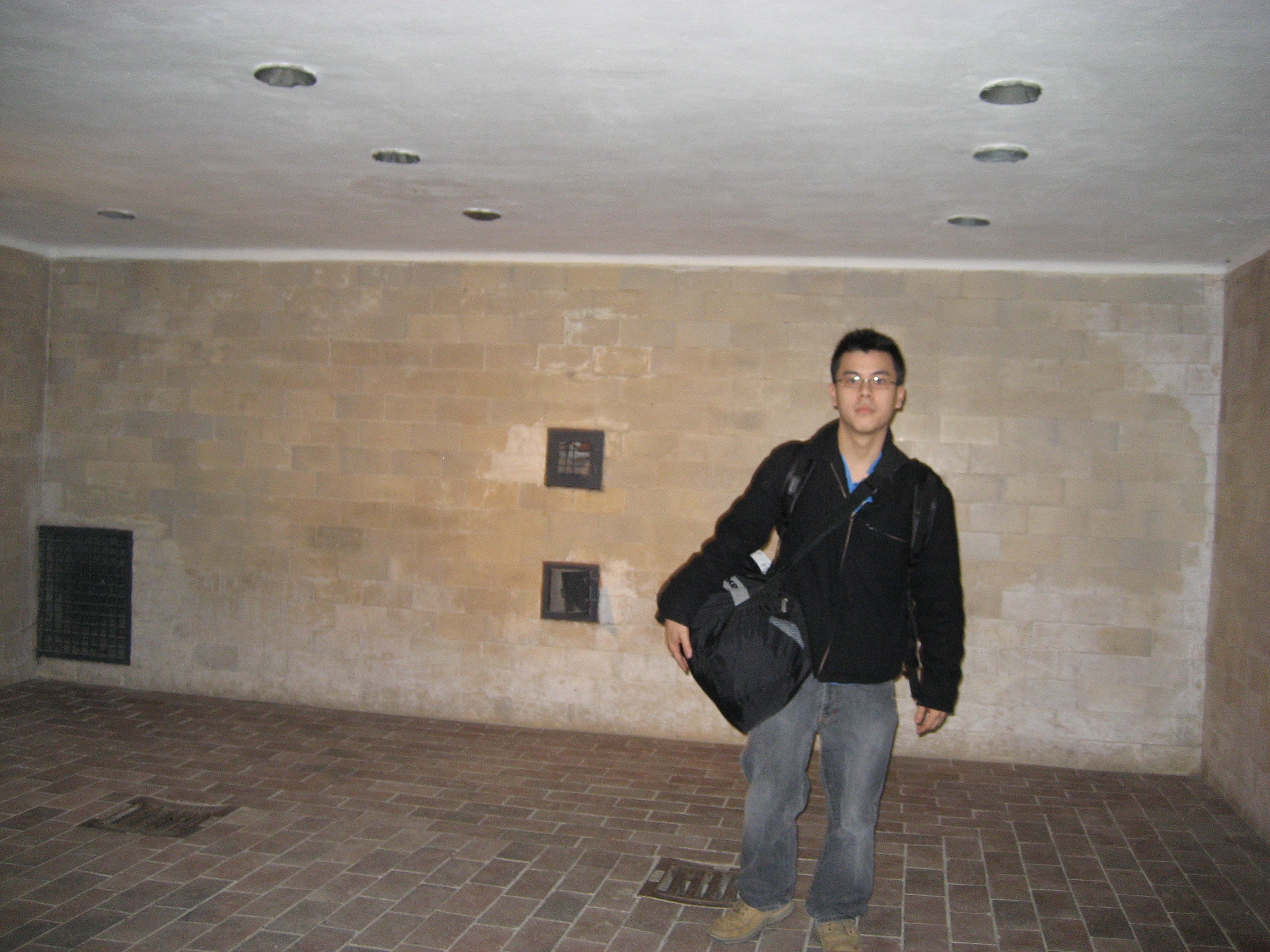
After a relatively quick 2-ish hours, they arrived! I was so happy to be reunited with them, and what did we do as our first activity in Germany? We went to the Dachau Concentration Camp Memorial. It was pre-planned, it was on the way from the airport, and as we hauled our luggage through the site, it led to another wave of emotions that would exemplify how the trip would go. Intensity, heaviness, full of meaning and history in such different ways, but also similar ones as well.
This trip didn’t make me want to go to every country in the world, but it did show me that travel could be different from what I had experienced before. It may not always be smooth, it may not be what we expect, but it can still be good and can still allow for such meaningful memories to happen.

You’re Chinese-Canadian. Tell us about these two identities, what the challenges and opportunities have been and how they have shaped you as a person and traveller.
I was born in Hong Kong, and I immigrated to Canada when I was two years old, so I identify as Canadian-Chinese. English is my first language, I grew up in the Canadian education system, worked in Canada for most of my life, and was raised with Western media and news.The duality of my two identities has shifted throughout the years as it relates to language, people, and food.
I feel that we have stereotypes and assumptions in the world to help us quickly categorize people. Usually, these are based on the differences that people have from us, but it surely becomes less useful when we admit to ourselves how different we are from even those who look like us, grew up like us, or sound like us. I think these assumptions have led me, at times, to be excluded. Sometimes externally by others, and at other times I have excluded myself as I didn’t feel part of the group, or the culture, or the “norm”.
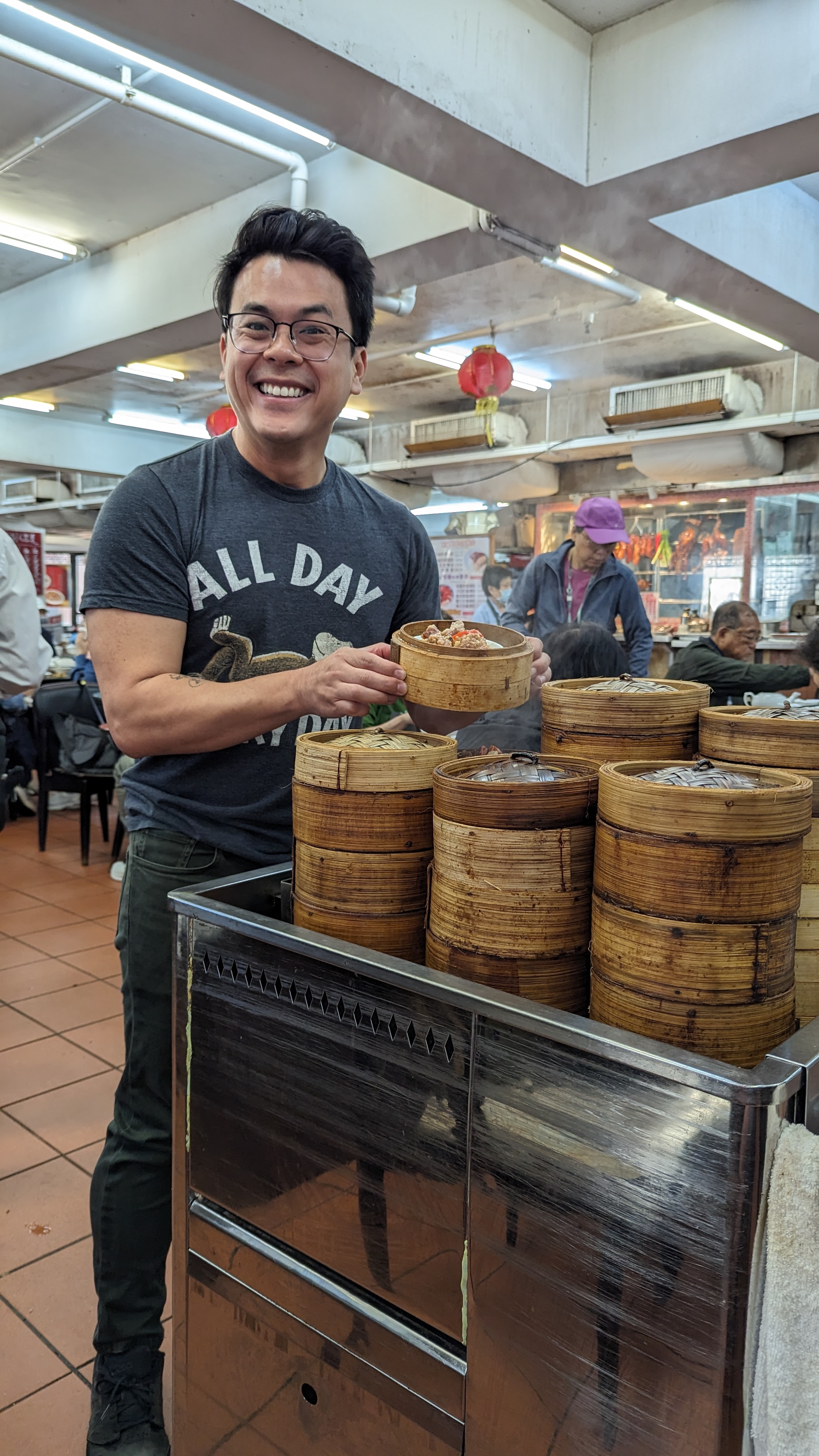
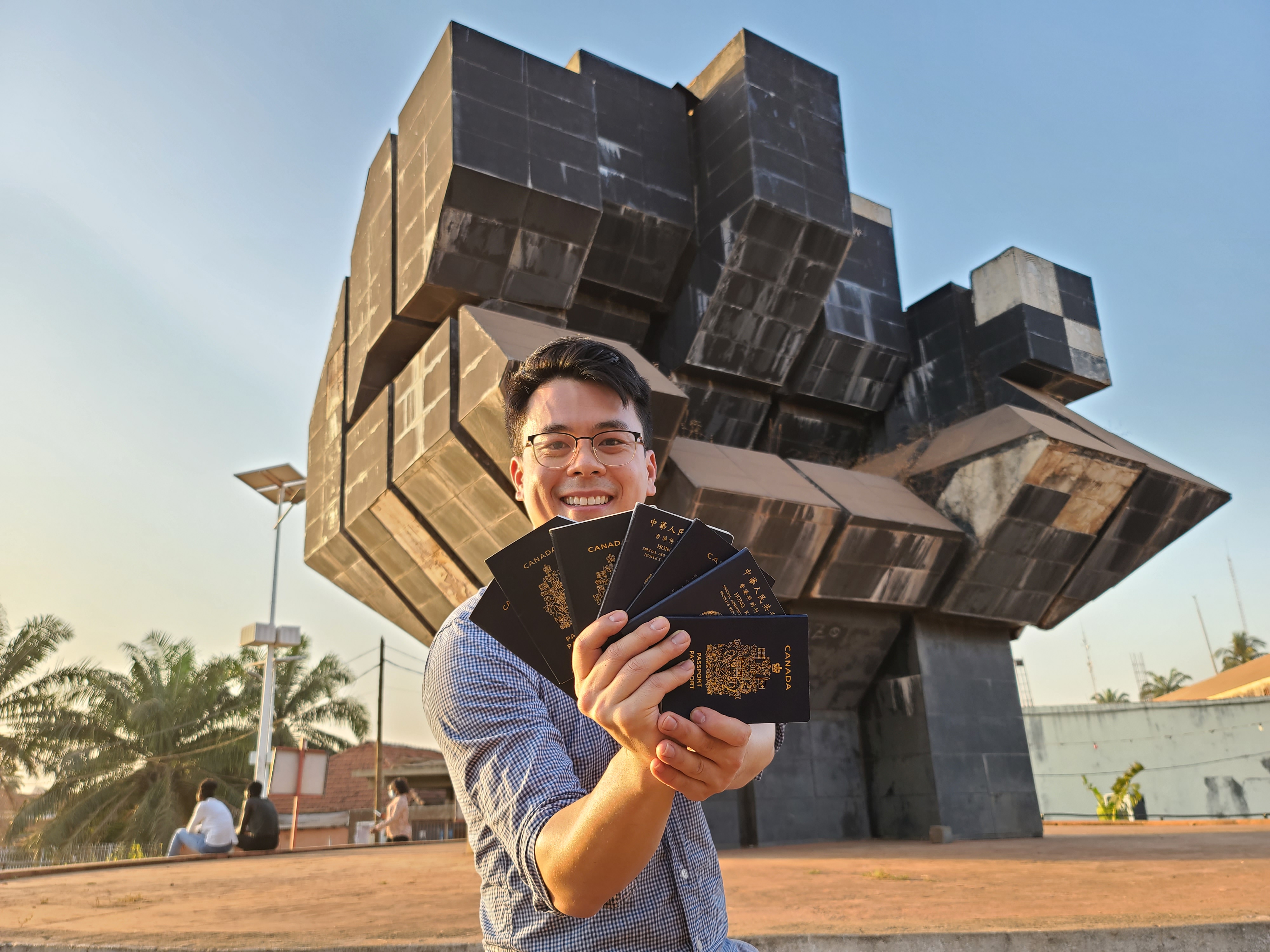
If we can let those stereotypes and assumptions go, we allow ourselves to see what may connect us across cultures. I feel this has led to so many great connections with people, regardless of culture, in any sense of the word. I have benefited from the privilege of my dual identities, as I have two very complementary passports, one from Canada and another from Hong Kong, which made my eventual goal of going to every country in the world a bit easier. It also always made sense to me to have a passport or to fly on a plane, as I had immigrated from another country.
Knowing that I was not part of a singular culture allowed me to live in a world where those who were similar to me were also different, allowed me to see that those who were different from me were also similar, and this type of assumption made me curious over time. As I experienced more, I wanted to continue doing so.
What do you specifically like about living in Canada?
I am proud to be a Canadian, a member of our cultural mosaic that does not necessitate my, or other people’s cultures to be melted down into one monolithic culture, but rather a part of the mosaic that makes up Canada. You see it in the food, you see it in the cultural celebrations, you see it in the intercultural relationships that are formed in the many different parts of our lives. That is not to say that Canada does not have a history of discrimination from exclusion acts, head taxes, internment camps, residential schools, or the denial of refugees based on ethnic and cultural lines. These stories are part of our history, and part of our shame. They are Canadian Heritage Moments that inspire us to do better, be better, and live better.
There is a certain safety that I feel when I am in Canada, admittedly, part of that is muddled with familiarity, but I feel safe having social safety nets, I feel safe in the reduction of certain threats, and I feel safe enough to let my guard down so I can put my energy into living the life I want to live.
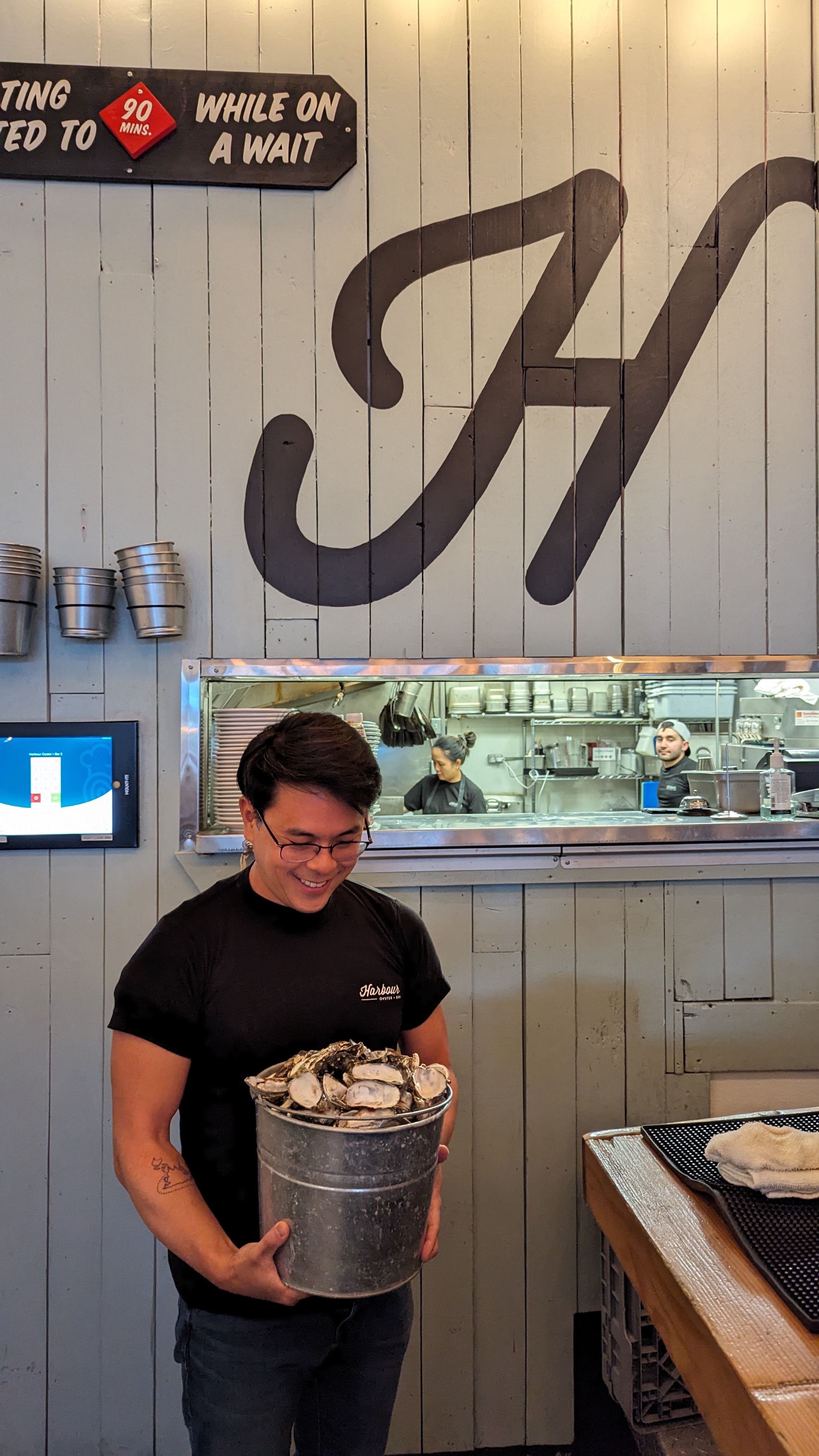
There is so much beauty in Canada that is often portrayed as amazing vistas or wildlife or nature in general, but the beauty of Canada to me is the culture. The streets that have multiple places of worship co-existing in harmony, and the breadth and depth of food available. In Vancouver, I have the privilege and burden of options. Do I want Vietnamese, or Yemeni, or Palestinian, or Trinidadian food? Do I want Chinese food? If so, from what region? Do I want to eat 141 of 224 raw oysters in order to win some t-shirts? Yes please! The breadth and depth of choices fill the breadth and depth of my stomach.
And could you give us some gems of Canada that you’ve discovered that NomadManians may not know about.
I feel a little bit guilty with this question, as I don’t feel like I have given Canada as much attention as I should and want to. I know people who have visited throughout the province of British Columbia, where I live, people who have been to many provinces in our country, or visited many of the major sites. It’s the idea of familiarity and proximity; the things in our backyard do not feel as exciting and unique sometimes, though there are plenty of people who can see the appeal and come to visit. Sometimes when we look at what other people have, we don’t see what we have or can have.
If you like dinosaurs, Drumheller in Alberta is a great place to explore. Francophone Canada, especially in Quebec and parts of Ontario are interesting areas to see the legacy influence of France and the development of a major part of Canada. The Maritimes out east have a shared, yet distinct way of life, and where the friendliness of the people is refreshing, as is the fresh seafood.
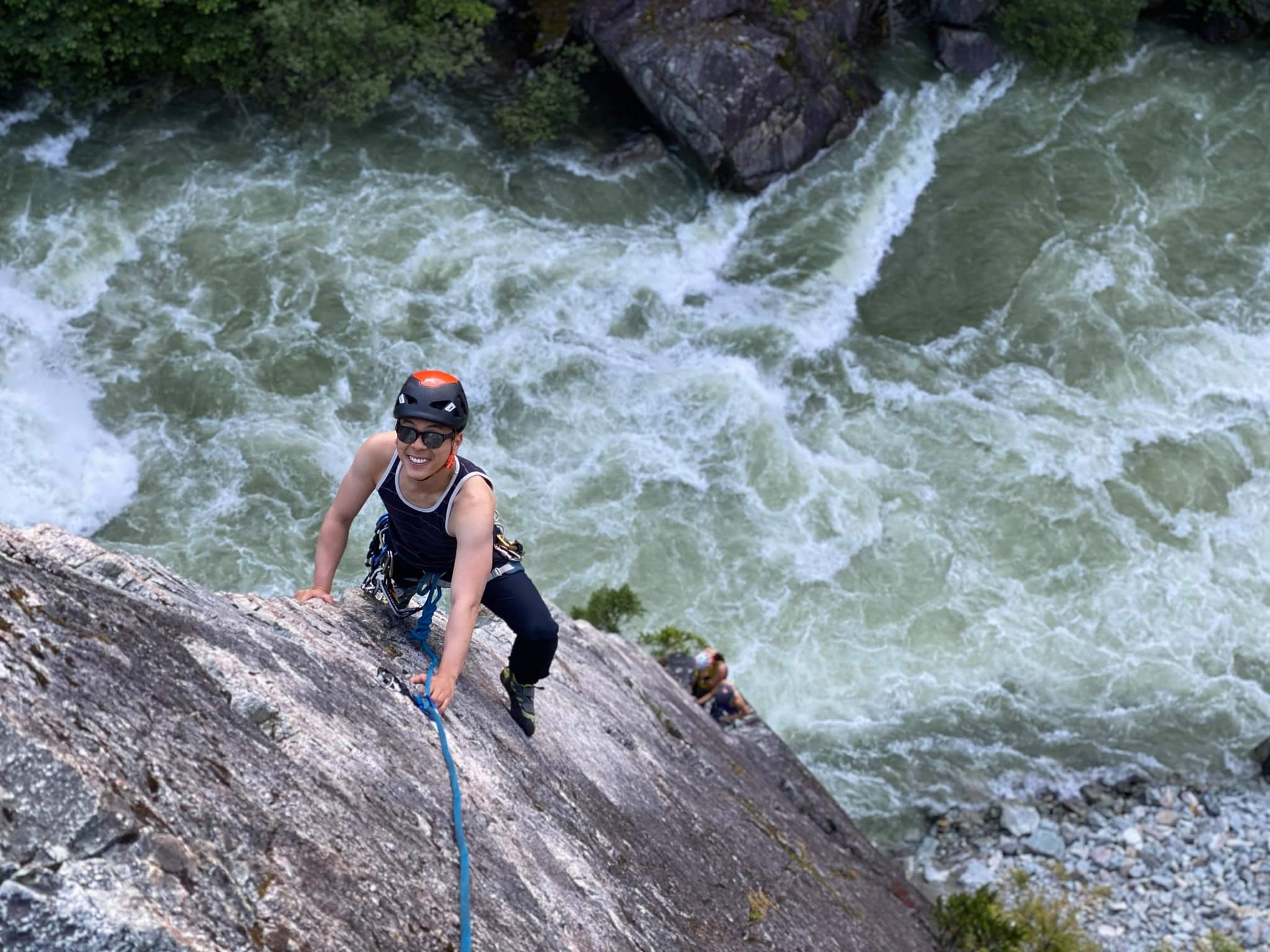
It is technically not Canada, but off the coast of Newfoundland, you can take a ferry over to St.Pierre and Miquelon, a French overseas territory, which I found fascinating. Some places on my bucket list in Canada are the drive up the Dempster Highway to visit the Arctic Ocean and have a sourtoe cocktail along the way in Dawson City, to see Polar Bears in Churchill, to visit the territories in the North, and to drive through the Prairies in the middle of the country. A trans-Canada roadtrip is on my bucket list as I devote more time to my own backyard.
What drove you to visit all 193 countries? What did your family and friends think of your endeavour?
After that life-changing trip in Germany and Austria, I did not immediately want to go to every country in the world, but it did make me more curious and open to travelling. This, combined with some personal losses, led to a combination of interest but also the feeling of if not now, then when? Or worse, maybe I wouldn’t even have that when. Slowly but surely, I was putting more time and effort and money into traveling and as I started to travel more, I decided I wanted to set a goal for myself of 7 continents and 100 countries by the time I was 30.
Antarctica was a huge hurdle for me, due to the cost, and I had read about all the different ways you could save money. From working/volunteering at a research base, hitchhiking with the Chilean navy, or getting one of those last-minute cruises from Ushuaia. I even briefly considered a cruise ship down until I realized that international treaties prevented ships of a certain size from landing in Antarctica. I stumbled on a company that would consistently run Black Friday sales.
For those not familiar with the United States ode to consumerism, Black Friday is the day after American Thanksgiving, when you chase discounts after a huge meal. After a few years of saving, the timing felt right, and the sale came back. I asked everyone I knew to go, and everyone wanted to go, but the only people who were willing to commit were my sister and my brother-in-law.
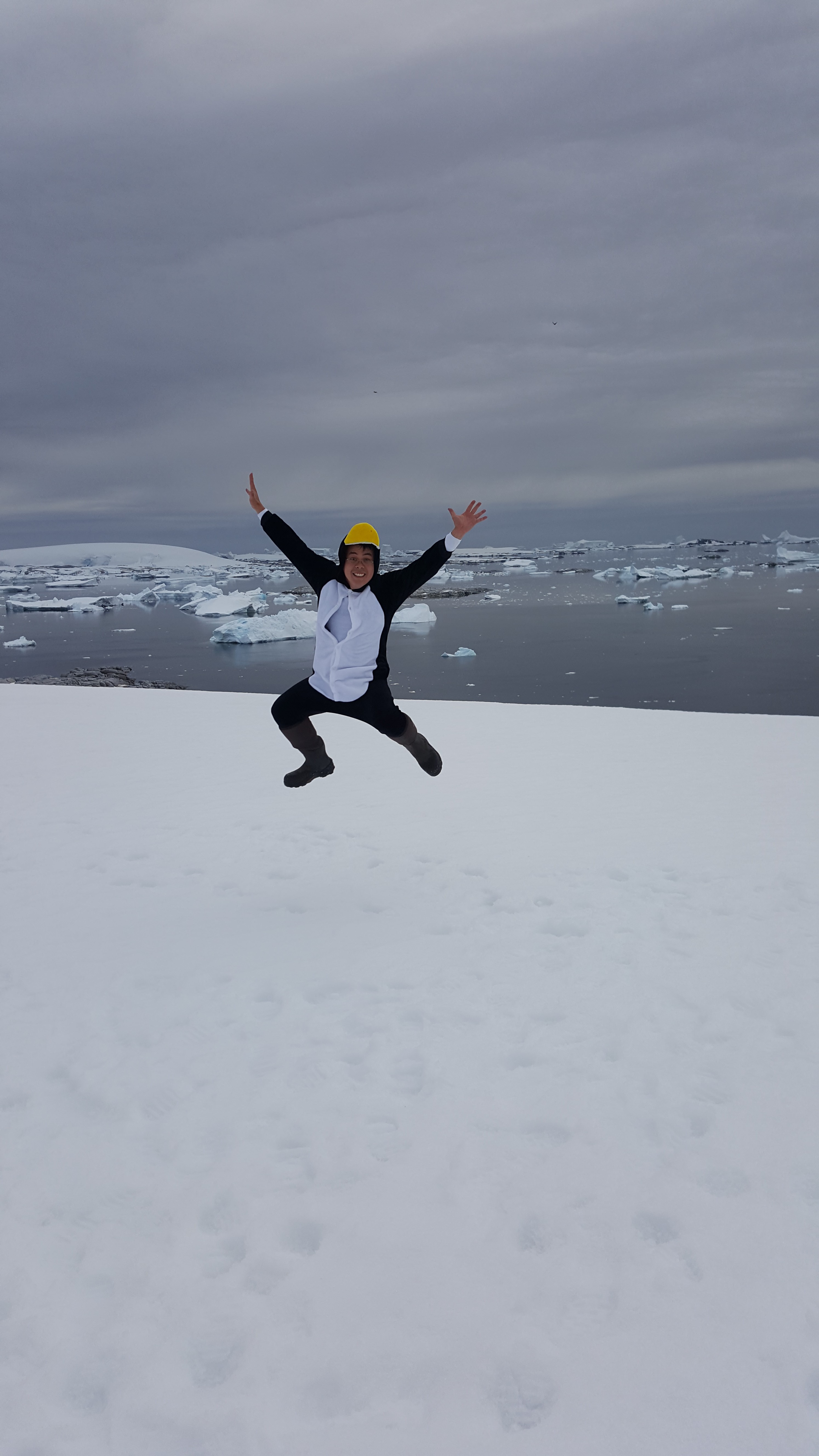
It felt appropriate that they would be there to share in this milestone, and I vividly remember as we were riding the zodiac about to land on Antarctica, my brother-in-law and I were dressed in penguin onesies over our winter kit, anticipating a huge milestone about to be achieved. My brother-in-law had a realization and turned to me, saying that he had gone to Egypt with me years ago, and this would also be his 7th continent! I was cheering him on, excited, and my sister said that this was only going to be her 6th continent, as she wasn’t able to go to Egypt with us.
So being us, we moved to either side of her and started high-fiving over her head, cheering on how this would be our 7th continent and not just our 6th. She was a good sport and has always been an inspiration to me. Once we were done teasing her, I told her we would take care of it, and immersed ourselves in the landing. It was a great trip, and though I had initially intended for the trip to hit both milestones of every continent and 100 countries, I had miscounted and was just shy of 99 countries. Sudan ended up being my 100th country a few weeks later, rather than Uruguay, and after that, I just kept travelling.
A few months later in Costa Rica, I had a realization. If I focused even more, I could do it. I could go to every country in the world by 35. And that’s what I did, I put so much time and effort and money into pursuing the goal/hobby/addiction, and at times it felt inspiring, at times it felt like an escape, at times it felt like a burden. I am so happy that I achieved this goal, and I am also so happy that it is over, as it frees me to continue to explore in ways that I feel curious and excited about, not in ways I feel like I need to.
My friends and family can be separated into 2 large groups. First, there are the naysayers. The ones who don’t understand, just like I didn’t understand all those years ago, and question why you do things. Even if you provide answers, they still question. For these people, it is never enough. If I travelled, then they would say I haven’t really travelled if I haven’t been to “X”, or did “Y”. When I wanted to go to 100 countries and 7 continents, they would ask why not the whole world. When I finished going to every country, they would then tell me now I have to go to space or some other goal that was not from me. They would warn me about the dangers, or question the value of travel, sometimes out of caution, but usually more about sharing their own fears and concerns and attempting to transfer those to me.
I can understand these people because I used to be one of them. It didn’t make sense to me. Then some are curious and support you. They may pick you up from the airport, they may show curiosity in your travels, they may share what they want to do and how important it is to them. They inspire me to pursue my goals because they make space for me and for who I am. These are the people I want in my life as we raise each other up. Our interests and goals may be different, but the love, care and support we show each other is not.
As for my sister, a few months after we got back from Antarctica, I messaged her to ask where we were going. She was confused as we didn’t have any plans that day, but I reminded her that we were going to sort it out and get her to Africa. After some discussion, we decided to go to Comoros, Mauritius, Madagascar, South Africa, and then a bit of time in Hong Kong before we headed back home. I feel very fortunate we were able to share another adventure, and to show that, I arranged for her to fly first class back home. It wasn’t about paying her back for that life-changing trip to Europe all those years ago, but to share in the wonder and excitement of travelling that she showed me is possible. Some might say her return on investment was quite good. An economy ticket to Europe became a first-class ticket in a little over a decade.\
And what were some of the biggest difficulties you faced in your aim?
I think a lot about the barriers we have in life and whether or not we are addressing the barriers that we need, or are we addressing other barriers that may not be as much of an issue, or perhaps we aren’t addressing any barriers at all and living in our status quo.
I have a lot of privilege, and I have been able to use that privilege to find work that paid enough to address the money needed for travel. I used to work at a place that had a very generous vacation policy (for North America) and am now self-employed, so I have a lot of flexibility with my schedule. I am always looking for those who support me, and also looking to deepen the relationships of those I care about, partly to address my feelings of loneliness/being an outsider/anxiety. Privilege for me has not solely been having good things happen to me, but also to have the time and space to take risks in order to figure things out.
Even with passport privilege, I have had difficulty with certain visas. Like the time when I could not get a visa for Saudi Arabia, as they did not have a tourist visa. I was ineligible for Hajj, had no family there, and did not work for a business that would sponsor me to go. I had read online that you could get a transit visa, but I was not successful, even with a fixer, at the Washington D.C. embassy that serviced Canadian requests. Luckily (in a good way) I had a chat with the consulate in Hong Kong, and they agreed to issue me a transit visa.
I shipped my Hong Kong passport to Hong Kong, but a week late,r I received a call from my uncle, who I had arranged to pick up my passport, saying that they had denied my visa. Another call to the consulate, and they denied ever agreeing to give me the visa, and so I was back to square one.Fortunately, the visa regime in Saudi Arabia underwent significant changes, and I was eligible for an e-visa years later. Though my passport privilege is multiplied, setbacks like this taught me to be creative in getting some of the other visas later on.
There have been so many barriers of which some felt like huge mountains, and others were just speed bumps. I’ve been held at gunpoint in Haiti, been rerouted so many times due to weather or industrial action, and flown into countries where there was civil unrest or recent acts of terrorism. Even those that seemed to be mountains sometimes became whittled down with actions or time, or even hindsight. The barriers and difficulties are real, and we are left to ask ourselves what, if anything, we want to do about them.
Which places genuinely surprised you and why?
For many years, I was focused on breadth, rather than depth. My goal of travelling more, and then travelling to 100 countries, and then travelling to all the countries brought me to so many different places that I had not heard of, or heard of only peripherally, or had a hard time identifying and describing to others.
Three types of surprises stay in my mind. First is the realization of the narrative and propaganda that I had been raised with. I think about how the Middle East has been categorized as an area of terrorism or religious extremism. I also think about what I refer to as the “World Vision” view of Africa, the Christian charity commercials that ran when I was a kid that portrayed Africa as a starving village, accompanied by music that tugged at one’s heartstrings, urging you to donate.
Though there may be instances where these narratives were true, the surprise to me was seeing firsthand how different things were from what I and others were told. It was surprising to see, it was surprising to reconcile what I was told with what I was experiencing, and it was surprising to see how difficult it was for others to change their mind.
Then there is the depth. Japan is my favourite country, and I have loved exploring there throughout the years. Not only going through the common golden route of Tokyo, Osaka and Kyoto, or getting wild and doing Osaka, Kyoto, and Tokyo, but I’ve been to almost every prefecture. Experiencing a country like Japan, where there is so much homogeneity in certain ways, is coupled with the fact that there are regional and local specialties.
This is the duality of Japan that I love. How people can be friendly yet distant, how it can be so modern yet so traditional, how some things can be so expensive and others so affordable.
Lastly, there are the regions that I feel attuned to, which share the commonality of the convergence of cultures and histories in ways that fascinate me to no end. I think of Central Asia and the Baltics that don’t get the same recognition as Southeast Asia or Western Europe, but have layers of history that explain the surprise of seeing a direct flight from Seoul, South Korea, to Tashkent, Uzbekistan.
My life has been an intersection of cultures, and finding places that have such similar yet different intersections leads to such great surprises.
What are some memorable travel stories from your adventures!?
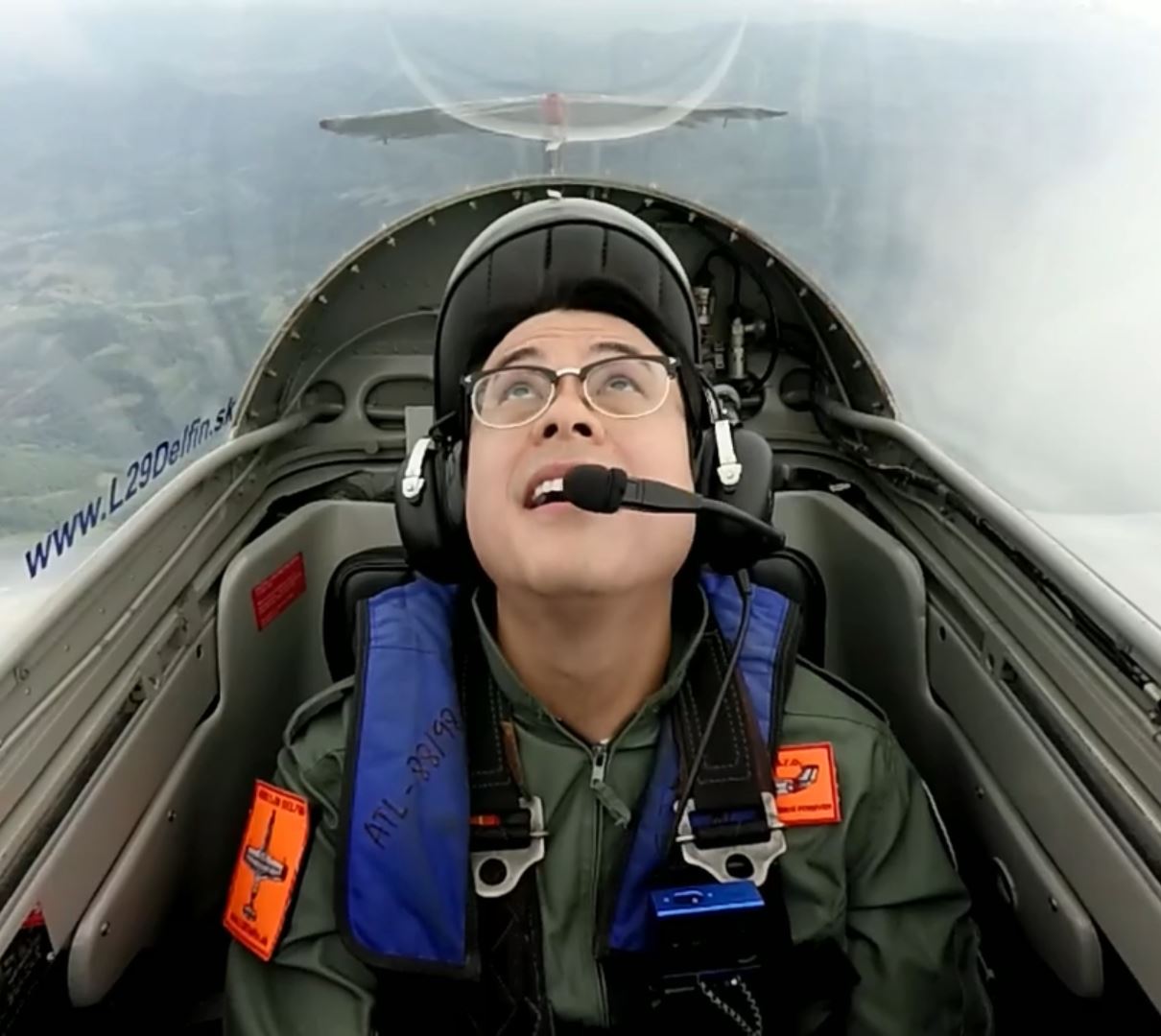
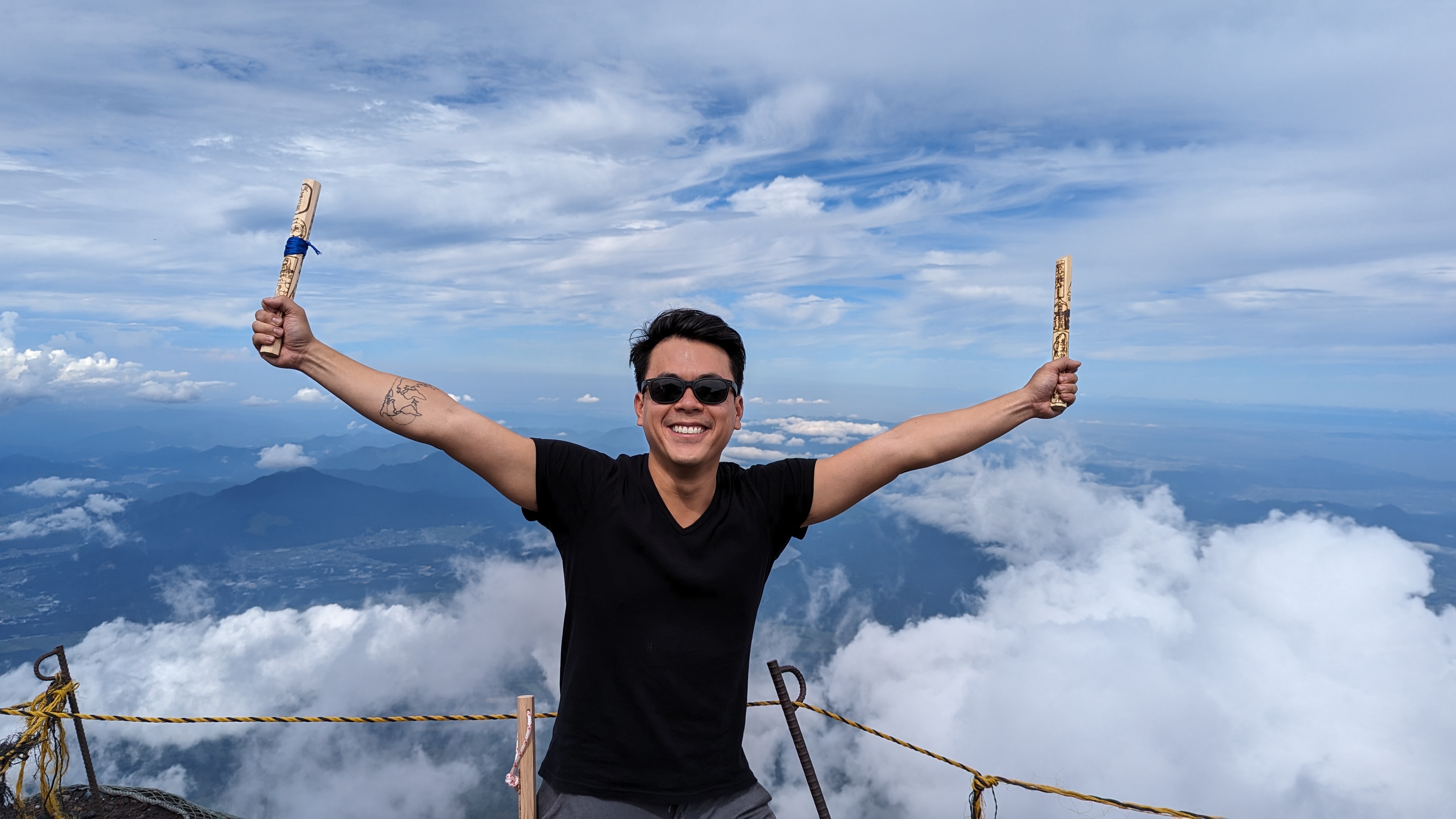
I am always on the hunt for unique experiences or for opportunities to get to know people and their stories. This has led me to experiences such as flying in a Czechoslovakian-era fighter jet, puking as we hit 7 Gs and then celebrating getting back onto the ground over moonshine with the pilot after. Visiting Mt. Athos for a pilgrimage of the heart and soul, rather than one of religion, and being welcomed with open arms by the Greek Orthodox community. Climbing Mt.Fuji, diligently collecting stamps burned into my walking sticks, only to miss the cutoff time for the road closure, necessitating an overnight stay at the station hut.
One of my favourite experiences is that I have actually been on TMZ, the entertainment news/gossip site.
Back in 2010, during the Vancouver Olympics, I decided to go against the flow and fly to Europe while everyone was flying to Vancouver for the event. As I sat in the last row of the narrowbody business class cabin, I noticed an odd and cool dude with crazy hair and snow leopard pants. Not thinking too much of it, I buckled up, and as we were taxiing, there was some commotion at the back of the plane.
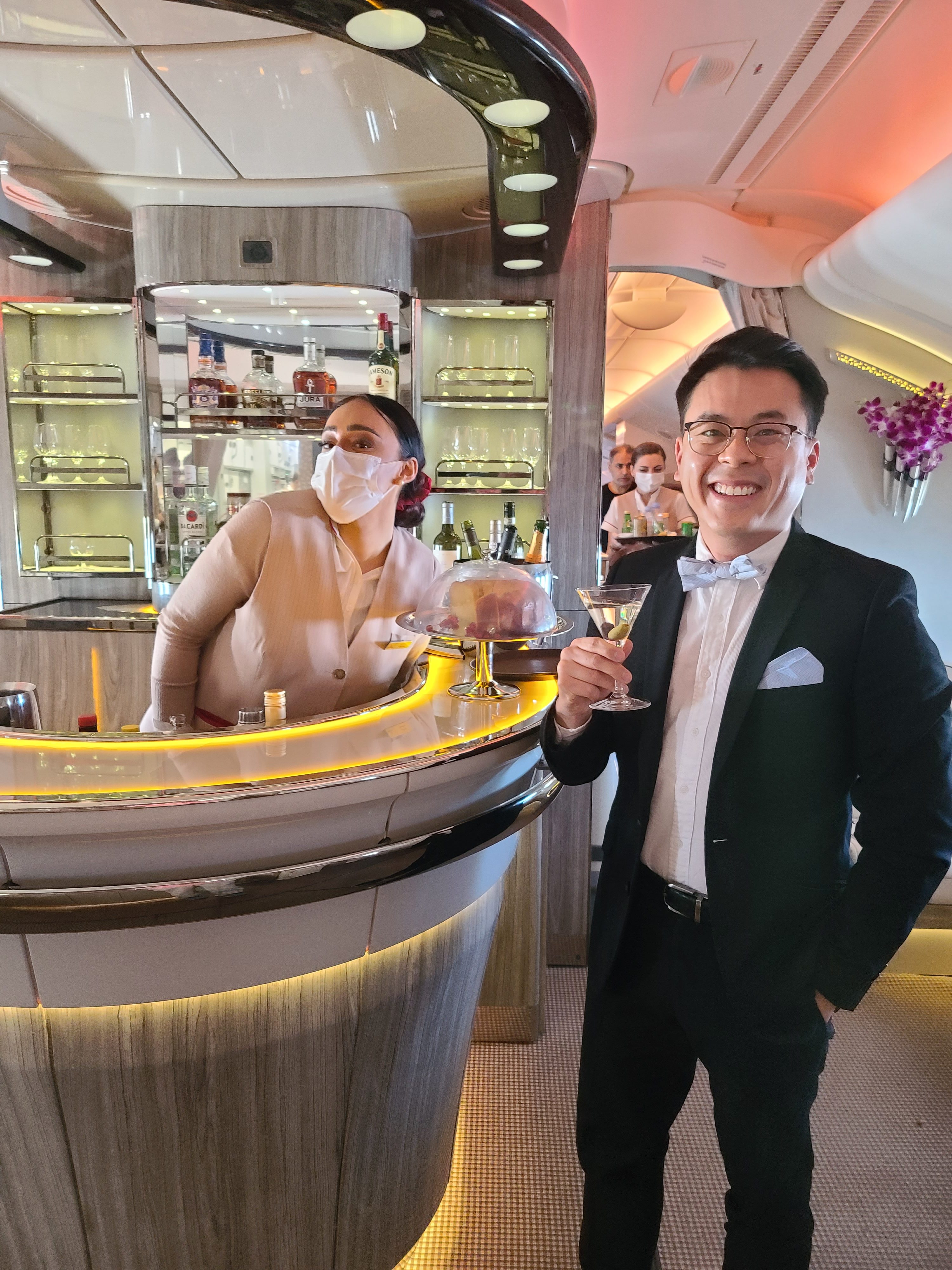
It got to the point where the flight attendant had to make an announcement, warning that if people did not calm down, then we would be forced to go back to the gate to have the authorities deal with the situation. Other passengers were pleading for them to stop as they had tight connections. The arguing stopped for a bit, and then a few moments later it resumed. The flight attendant made a call to the cockpit, and then the pilot announced we were headed back to the gate, which was followed by groans and complaints from the other passengers.
We got to the gate, and they extended the jetbridge to our plane, where 2 police officers walked on. First, they take an older guy off to talk to him. Then they take a younger fellow off to talk to him. We wait, and wait, and wait, until the younger fellow comes back, gets his stuff, talks to the dude in the snow leopard pants in front of me briefly and leaves. The older guy comes back on, and we eventually depart.
It was such a weird situation; I had texted my friends about it, but didn’t think too much of it. When I land in Los Angeles, I turn my phone off Airplane Mode, and a flood of messages comes in from my friends, telling me that I am on TMZ, sending me articles with a link to a video. It turns out that the younger fellow had reclined his seat, and the older guy told him repeatedly to return his seat to the upright position loudly multiple times and, allegedly, did a “Vulcan death grip” to tell him to do it. The younger fellow felt he was being attacked, hence the yelling and arguing.
But why would this make TMZ in the first place? It turns out the younger fellow was Sky Blu, part of the rap duo LMFAO, who sang classic hits like “Sexy and I Know It” and “Shots”. Which would make the guy in the snow leopard pants Redfoo, the other half of LMFAO.
The cherry on top of this ridiculous situation was that the guy who was yelling at him to put up his seat was former United States of America presidential candidate Mitt Romney. What a world we live in where these two had this minor altercation in economy, and a video exists where I am popping my head in and out of my business class seat, wondering what could possibly be going on back there.
How do you feel travel has changed you? What are your greatest lessons?
I’ve experienced travel in so many different ways that go beyond destinations, transport, or food. It, in turn, has affected me and changed me in a multitude of ways. Travelling early on felt like something mandatory, so I could get to do something. I needed to travel to Hong Kong so I could play at the fun arcades or see my family. I needed to travel long distances in a car so I could see dinosaur fossils or swim at the waterpark at the mall in the neighbouring province. I learned that I needed to bear it, so I could do what was fun.
Then travel changed into a curiosity. It was something that was unfamiliar, but I began to find out more about it. The more I travelled, the more there was for me to see, and the more curious I became. Travel became an ever bigger part of my life, which at times felt like excitement and adventure, and at other times felt like a coping mechanism or pressure. I began to lead two lives. There was “Travel Horace”, who felt confident and brave and excited for what was in the next country, and then there was “Local Horace”, who may have been confident and brave, but didn’t see himself in that way.
The local version of myself felt similar to how I saw travel before, that I needed to do something mandatory, in order to get to do something. I put a lot of pressure on myself to work towards and finish my goal, and at times it felt less like an uplifting goal and more like a crushing burden. In many ways, I am glad I finished my goal of visiting every country in the world.
I’ve learned, and come to terms with the fact that I am an odd duck, and that’s okay because there are people like me and also people who will accept me even if we are different. I’ve learned that there are so many things in this world to experience, and I may never see them all, but I am still curious to see what I will discover for myself. These discoveries can be from afar or can be in me. It’s where I decide to put my intention and time into. These days, I am reconciling those two previous versions of myself. I am finding excitement both locally and when I travel afar, I am intentionally choosing work and relationships that fulfil me, and am curating away that which does not. I am happy with the current version of myself and am curious where it will lead me next, both figuratively and literally.
And what is still on your bucket list of places you would like to travel to?
I feel like my bucket list is ever-growing. The more I see, the more people I meet, the more stories I hear, the more I get inspiration for where I want to go next! Some destinations that interest me are the islands throughout Europe, like the Faroe Islands or Greenland in Denmark, or the Canaries in Spain, the Azores in Portugal or Svalbard in Norway. The relative distance and isolation of these areas are fascinating to me.
Areas that are contested, such as Western Sahara, South Ossetia, and Abkhazia are also interesting to see the mix of cultures and how people survive and thrive despite the political situation. These last few years, I have been really into finding unique experiences, and I would love to participate in Songkran in Thailand, learn to wing walk on a biplane in the United States of America, and walk the Camino de Santiago in Spain and the sister Kumano Kodō route in Japan! I will never be short of ideas, but if anyone has a suggestion they want to share, I am all ears.
What do you never travel without?
I’m a light sleeper so an eye mask and earplugs are a must for me, though many years of dealing with jetlag, exhaustion, and taking drowsy anti-nausea medication have made it very easy to sleep on an air plane. Having done so much and having filled my brain with so many great memories, on top of the useless facts that were there already, I find my mind getting muddled when trying to remember details.
I can usually remember what or where, but not when. Bringing camera(s) to help me capture things helps me remember a lot easier. The act of framing and taking the photo/video burns it into my mind, it allows me to share my adventures with others, and it allows me to look things up later for reference or, better yet, to reminisce.
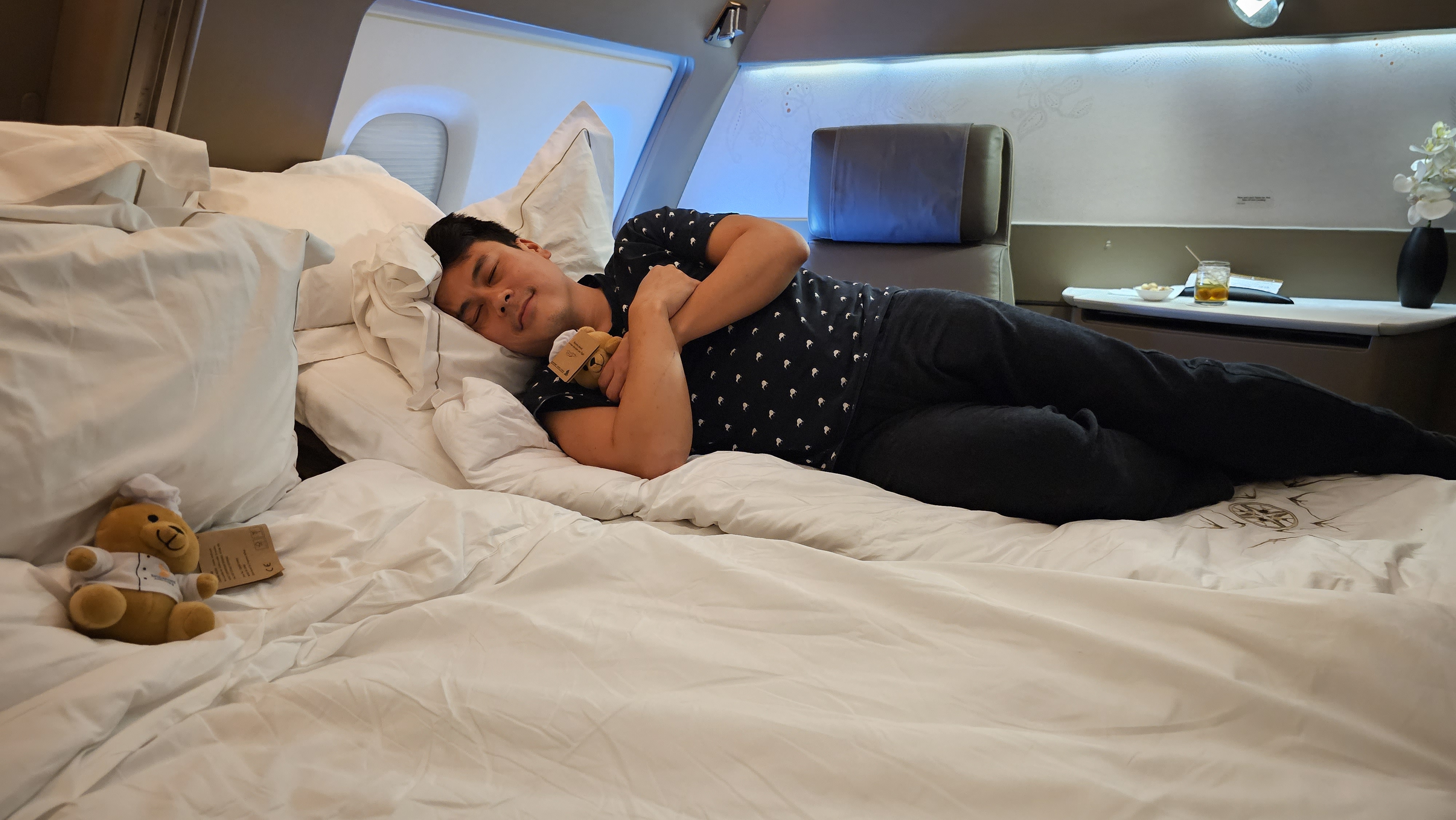
What do you like most about NomadMania?
I love the culture and community it fosters. You have all done such a great job bringing together people who may be the rare/exception/”weirdo” in their respective circles and allowing them to connect and share with people like them. It’s not just for those who have been to every country in the world, but also for those who want to travel in all its different flavours. I look at the map or the lists and feel inspired by places I may want to go. I like to see why certain areas are divided in certain ways, and what another trip to the region would be like.
I also look at the groups and communities and feel excited to meet fellow travellers, and though I have been mindful of not getting sucked into another “counting” goal, I get tempted and excited when I see what is on offer.
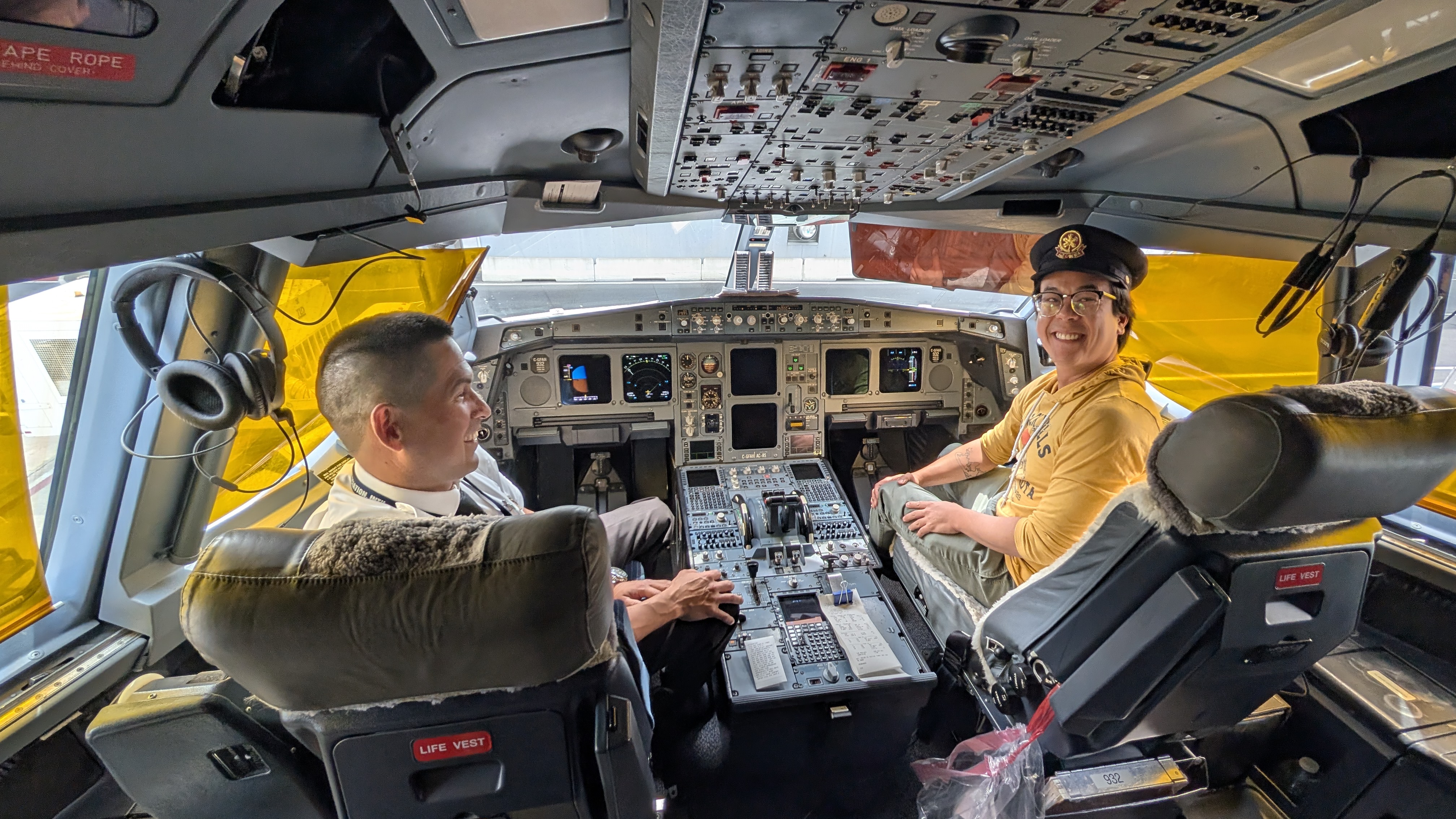
And finally our signature question – if you could invite four people from any period in human history – even fictional characters – to an imaginary dinner, who would your guests be and why?
I can see why this is the signature question, as there are so many people that I find fascinating and am curious about. I mean, even Jesus was allowed 12 guests, so 4 is tough to choose from. I think for me it would be Anthony Bourdain, Dolly Parton, Michael J.Fox, and my Mom. They have differing levels of fame, perception by others, struggles, generosity, and curiosity.
I hope Anthony Bourdain and I would share our love of travel and food, curiosity of the world and the desire to hear the stories of others, giving them a platform to share what is important to them. His struggles with mental health reveal the untold struggles that many of us face, and help remind me to be kind to myself and to see what it is that I may need to feel supported.
I admire Dolly Parton and her no-nonsense approach to life. Her approach and declaration of love and heartbreak. Her generosity in educating children all over the world, and for using her fame to do some good in this sometimes sad world.
I am inspired by Michael J. Fox, not only because he is a fellow Canadian, but because his life has changed so much with Parkinson’s. Chronic illnesses like these are such a drain on one’s health, spirit, and support structure. To witness his bravery, attempts, and progress to fight Parkinson’s is truly awe-inspiring.
My Mom is someone I respect and love, and though she passed many years ago, I think about her a lot. I feel regret that I am not able to share some of my adventures with her, but I feel grateful that she instilled in me parts of herself. Generosity, empathy, curiosity. After she passed, I discovered she travelled to different places, and she was always so amazing in her ability to connect with others. Her passing was something I struggled with for many years, and at times, I had used travel as a coping mechanism to avoid dealing with those feelings of loss and regret.
However, her generosity and kindness towards others are something that I will always look up to. She always told me, and showed me, that if we can help someone, we should. Not because we expect something in return, but because we can and it’s the right thing to do for them and for us. This way of thinking has enhanced the way I see the world, and I treasure and honour her memory by continuing to live my life in the way I want to.