Stephanie Heung, is an Asian-American who now calls Malawi home.She is a lover of history, philosophy, scuba diving and deeply passionate about strengthening health systems across Africa. She is also a NomadMania Messenger. Stephanie shares her remarkable travel story, her perspective on life, and a wealth of thoughtful insights. This is an inspiring and compelling read that goes far beyond travel.
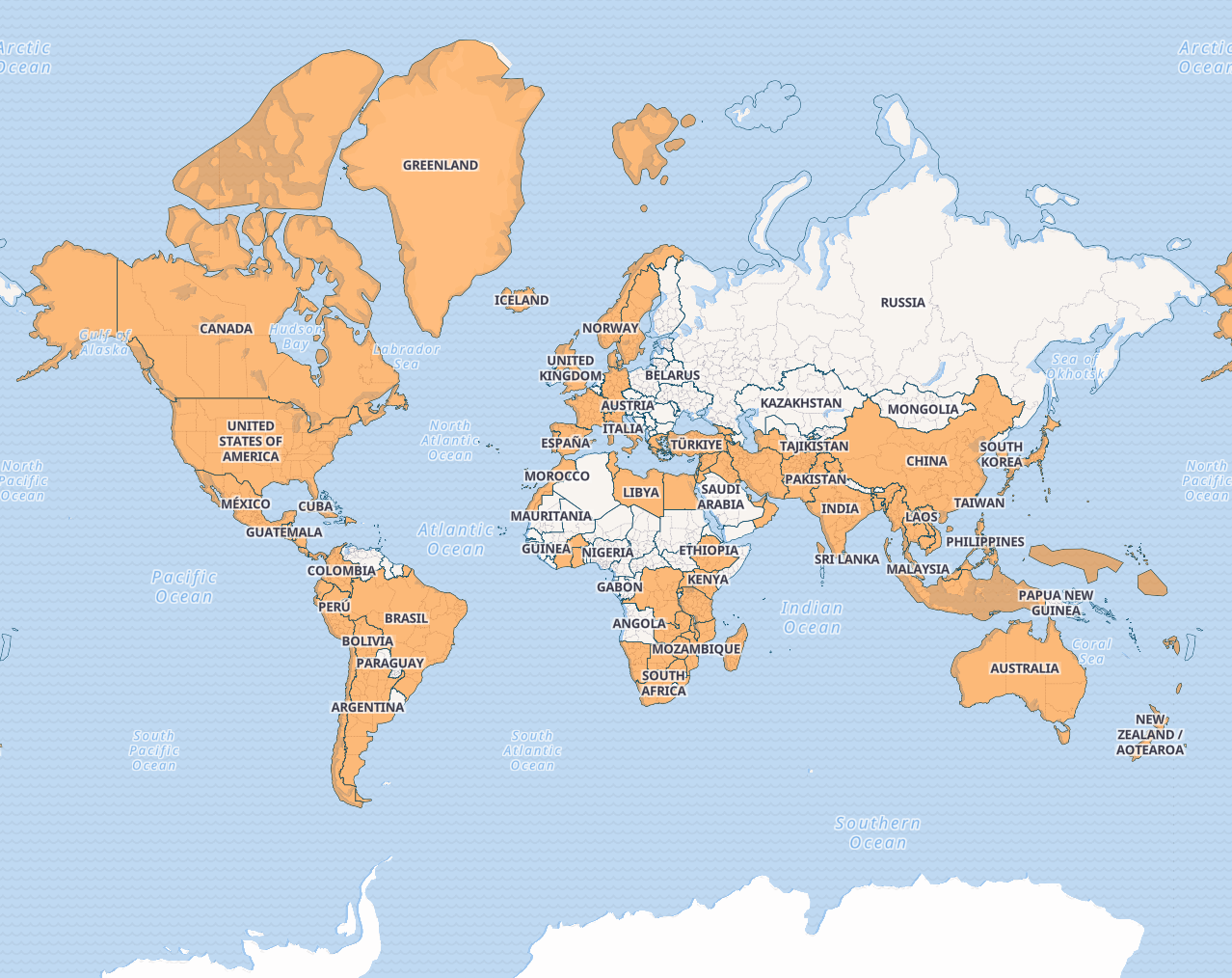
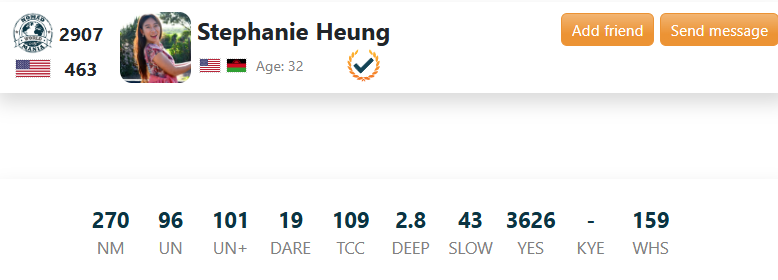
Stephanie, tell us something about your early years and how your love for travel developed.
When I was 20, I spent the summer interning at a sea turtle conservation nonprofit in Athens, Greece. Though I lived in Athens with fellow interns from my university, I still remember the thrilling first time that I realized that I could strike out on my own, without needing anybody’s approval.
I learned how to transliterate Greek so that I could board buses to spectacular ancient temples, and wandered off-course on ferries to the Mediterranean islands (Ithaca being a highlight, as I’ve always felt an affinity for Homer’s Odyssey). I loved the freedom of not needing to wait for anyone, of making my own (reckless) decisions and facing the inevitable consequences – and I’ve been chasing that sense of freedom ever since.
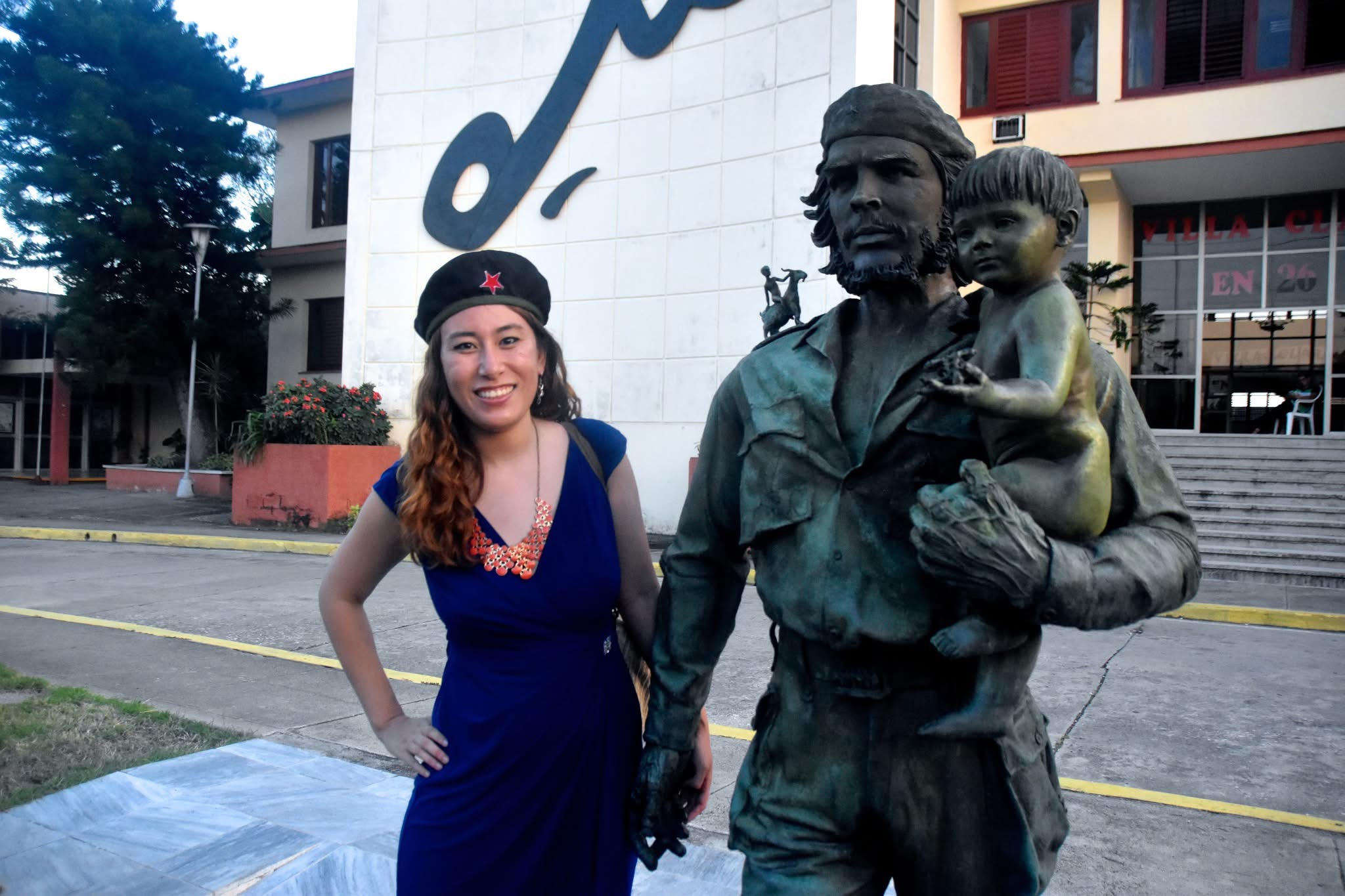
You’ve lived in Africa for many years now. As an Asian expat there, tell us about the challenges and opportunities.
I have lived for the past eight years in Malawi – the majority of my adult life. In that sense, Malawi is inextricable from who I have become. First and foremost, I feel gratitude for the opportunity to live in such a beautiful and welcoming country and for the chance to do immensely rewarding work, leading a team that supports the Malawi Ministry of Health on health financing and health systems strengthening. It is important to stay humble and recognize that though Malawi is home, I will always be a guest and a supporting player – here to empower the government and not to dictate or determine their health policy decisions.
Despite my long tenure in Malawi, I recognize that I will always be an outsider. More broadly, as an Asian-American expat living in Africa, I certainly feel the dislocation of not quite belonging anywhere and not fitting into anybody’s preconceived boxes (my life story evokes confusion from most people). But ultimately I think it is a blessing to be different, and I wouldn’t have it any other way.
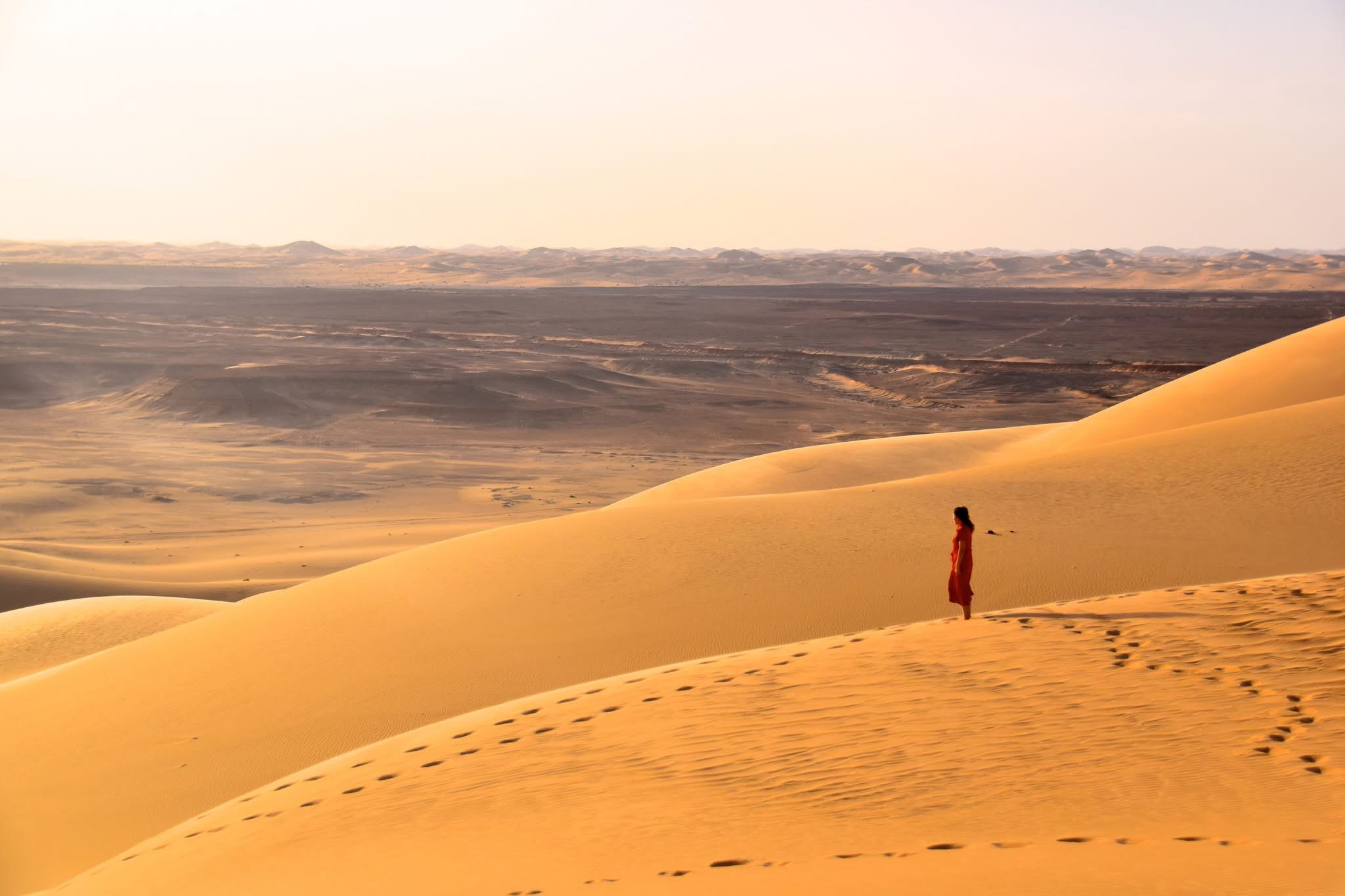
What do you specifically like about living in Malawi?
I love the slow pace of life, the friendliness of the people, and the opportunity to do rewarding and meaningful work alongside the Government of Malawi. After all, development must be led here in Africa, not in the distant halls of Washington or Geneva, and it is an honour and a privilege to serve here. And then there’s the rapture of your own backyard – I love following nature’s rhythms through the year, from the weeping of the lilac-purple jacarandas carpeting the city streets in October, to the scarlet riot of flame trees against the November cobalt sky, and the miraculous birds that appear and disappear every day of every season.
Living in Malawi is a reawakening to the simple pleasures – marvelling at a beautiful tree or a fleeting jewelled bird, and feeling gratitude to call this country home.
Many of my friends are astounded that I could happily live in Lilongwe for so many years, but I find it quite easy once you become accustomed to the minor inconveniences – and ultimately I think I have a far better quality of life in Malawi than I would in the U.S. In fact, I don’t plan to live again in the U.S. if I can help it.
And could you give us some gems of Malawi that you’ve discovered that NomadManians may not know about.
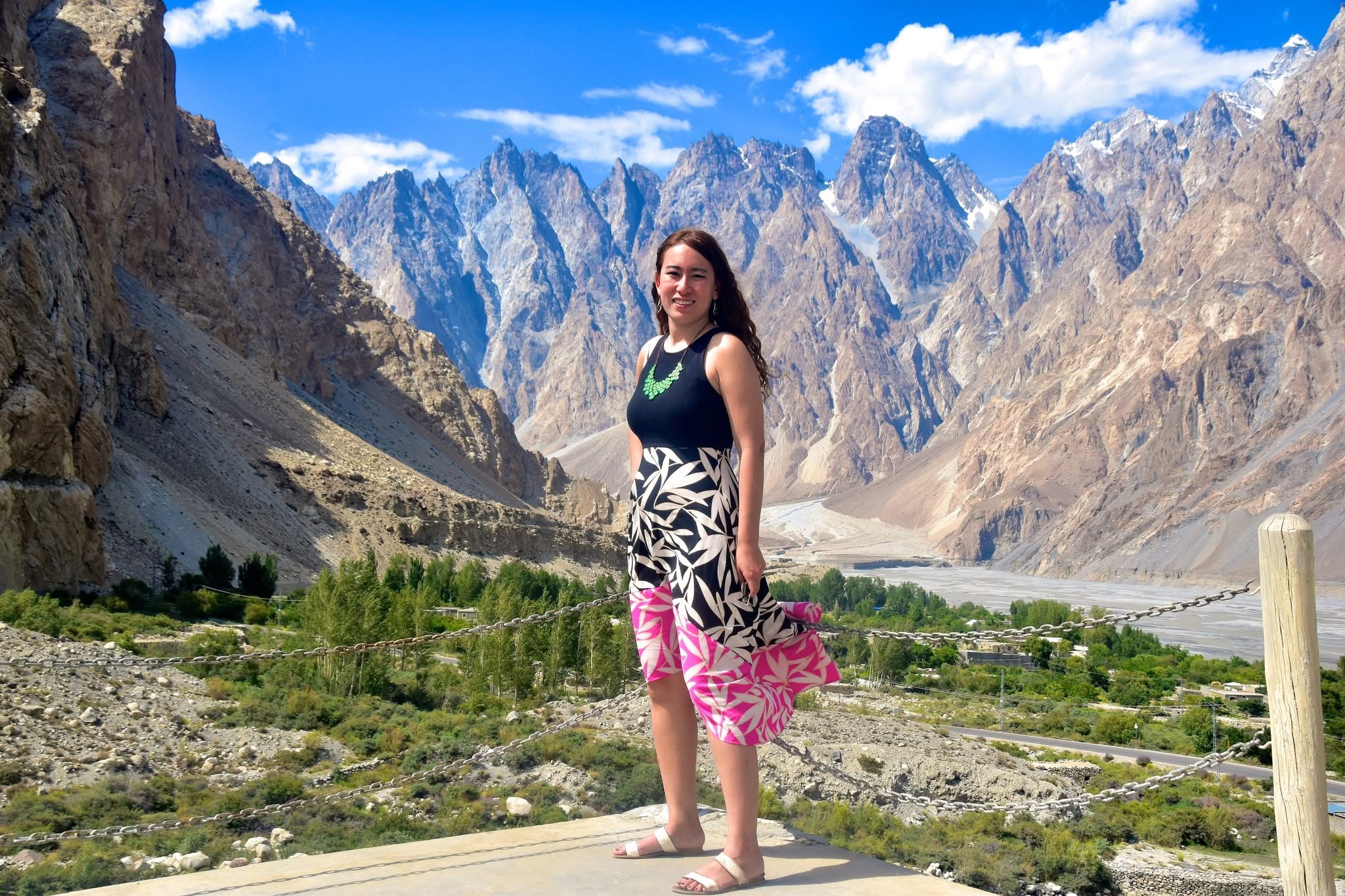
I am often dismayed when people visit Lilongwe for a day or two and call that “seeing Malawi.” There is so much to experience in this beautiful and underrated country – my personal favorites are walking the tea fields at the base of Mulanje Mountain in the setting sun; enjoying some of the best food in the country at Zomba Forest Lodge; and disconnecting along the shores of Lake Malawi at lodges such as Blue Zebra and Usisya.
You’ve travelled quite extensively. What is your personal rule-book on the dos and dont’s of travel?
Do: Eat the street food, stay curious, listen more than you speak
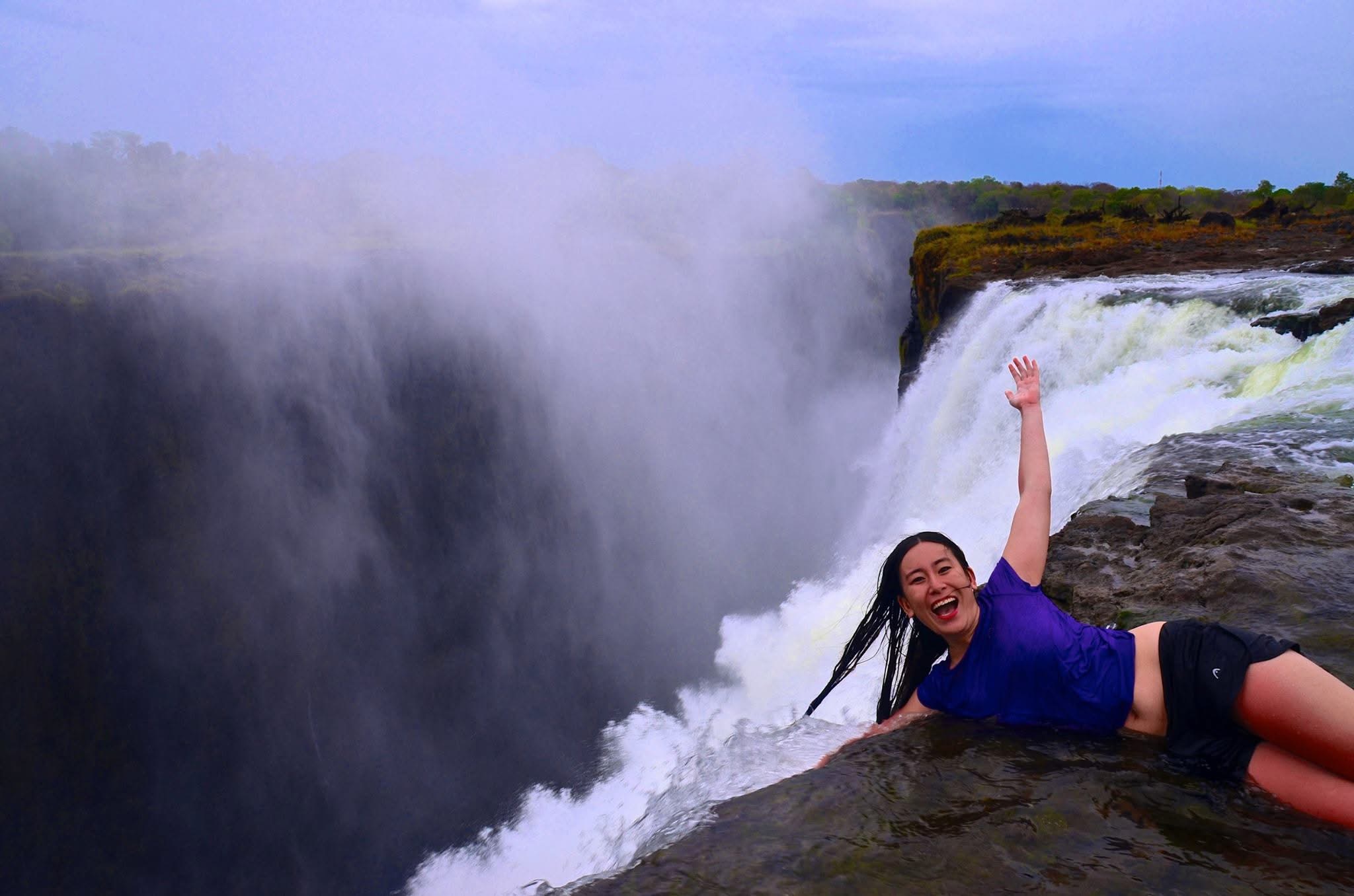
Don’t: Go on a cruise (unless it’s to Antarctica or Tristan da Cunha!) or jump off cliffs – I nearly blinded myself doing so in the Philippines and have sworn it off since.
What are some memorable positive experiences from your adventures!?
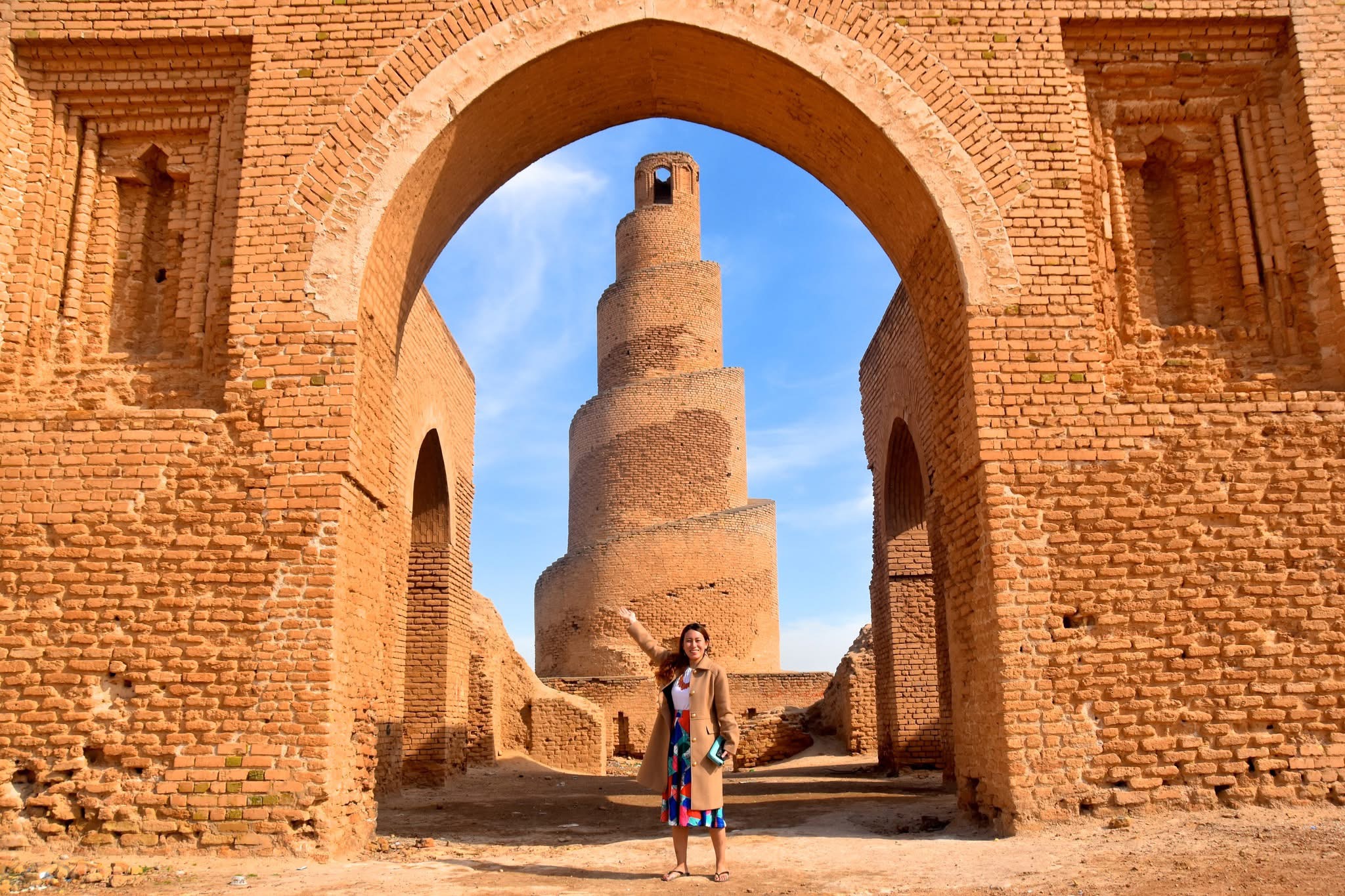
I am lucky to say that there are too many – but some of the highlights were being slapped in the face by a bull shark while scuba diving in Fiji; being inspired by the bravery of female activists as part of a women’s tour to Taliban-controlled Afghanistan; eating the world’s most delicious kebabs in Iraq; getting bizarre spa treatments at a fully operational Soviet-era sanatorium in Tajikistan; and nearly meeting the President of Timor-Leste after I brazenly strolled into the presidential palace and was mistaken for a Japanese journalist.
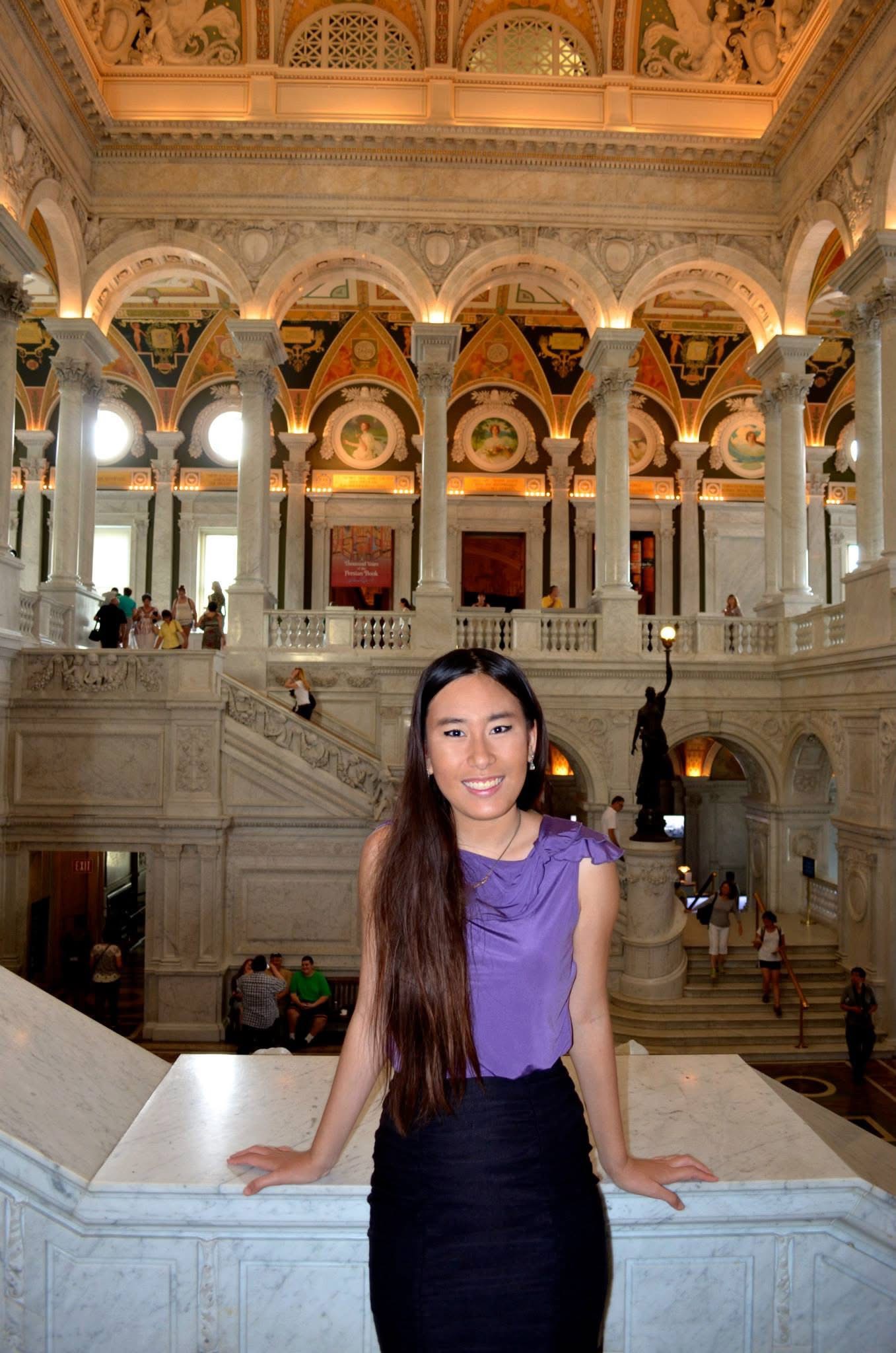
I love learning about the world through books, courses, and podcasts, as I find travel far more meaningful when you know the history behind the sights. I took a course in Roman architecture a few years ago so I am disproportionately enthusiastic about seeing Roman buildings around the world – my favorites have been Baalbek in Lebanon and Leptis Magna in Libya.
And how about a negative experience?
Even the “negative” experiences (over-tourism, horrid weather, getting lost, etc.) have either been rather funny in retrospect, or taught me more about the world and who I am.

So how have travels changed you compared to who you were, say, 15 years ago ?
Certainly I have become more flexible, adaptable, and willing to “go with the flow” – impossible to live for eight years in Malawi otherwise!I also think I have acquired a certain fearlessness (bordering on stupidity) – the faith that everything will ultimately work out, that human nature is essentially good, and that a certain level of risk is an acceptable price for a life well-lived. I once nearly died scuba diving a Japanese World War II shipwreck in Micronesia – I remember floating in the pitch-black darkness 40 meters beneath the ocean surface, knowing that I would run out of air in the next 15 minutes, but also not panicked and strangely at peace.
I think it was the knowledge that I have had the immense privilege to live a fantastic, rich, fulfilling life – I have already been lucky to live a dozen times over, and to have a wilder and stranger existence than my ancestors could have ever dreamed of. I was eventually rescued by my dive guide, but the experience has only
reinforced that I should continue making the foolish choices that make life worth living in the first place.
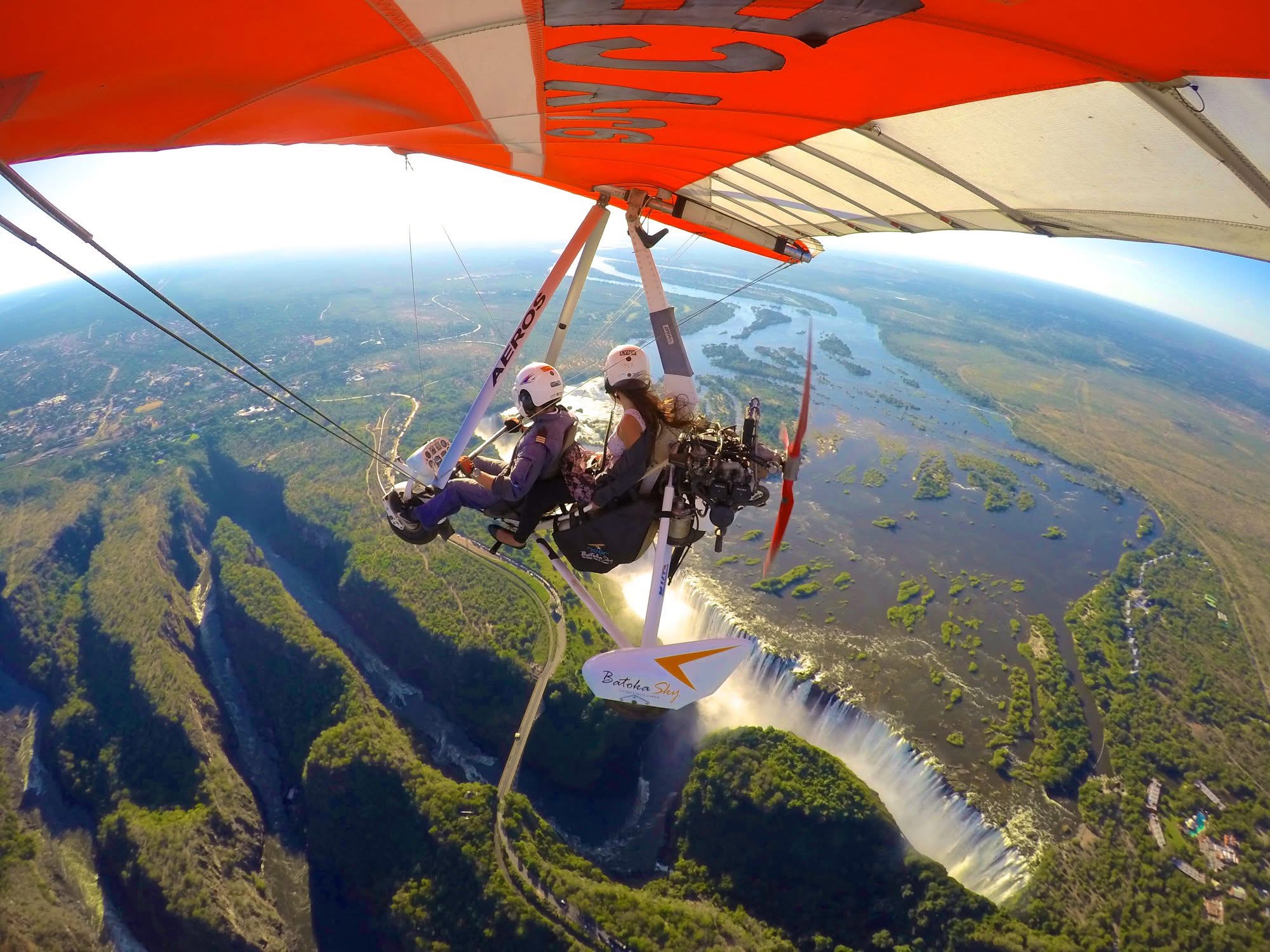
You’re a NomadMania Messenger for Southern Africa. How do you see your role?
One of the most rewarding parts of the role is supporting the democratization of travel – so often the purview of those who have the money and the passport privilege, even though travel can be a deeply transformative experience. I have greatly enjoyed working with the Malawian recipient of the NomadMania scholarship, who I am thrilled to say has just received her first passport and will be traveling to Tanzania in the coming months!
I am also keen to help plan NomadMania tours to this beautiful part of the world. Africa is so often treated as a painful slog on the journey to 193, but some of the most rewarding travel experiences can be found on the continent, especially if you travel deeply and don’t just hop from one crowded African capital city to another.
And what do you like most about NomadMania?
I love connecting with fellow travelers – there is nothing that makes me happier than when people message me to say that they are passing through Lilongwe and want to meet up. Do send me a message on NomadMania if you are traveling in Malawi – I would be happy to give travel advice or to say hello!
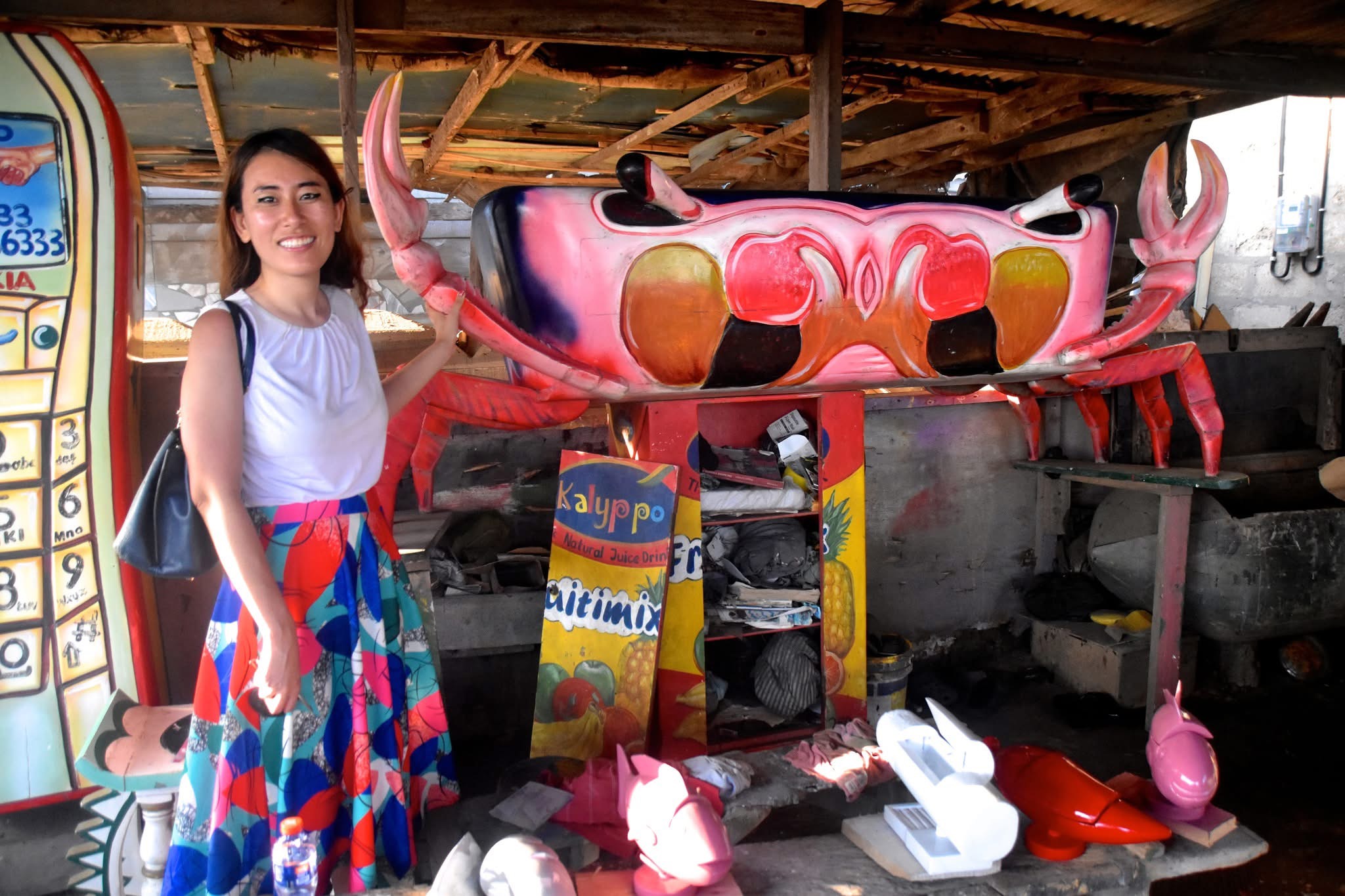
Where is your next trip and what excites you most about it?
Most likely Uzbekistan and Kazakhstan, which will be my 100th country (I am using the 197 list). Central Asia is one of my favorite parts of the world – I can’t wait to eat more plov and to hopefully have some unique Soviet-themed experiences, including seeing a rocket launch at Baikonur and exploring the abandoned Semipalatinsk nuclear test site.
And finally our signature question – if you could invite four people from any period in human history – even fictional characters – to an imaginary dinner, who would your guests be and why?
Personally, I don’t like the idea of meeting my “heroes,” since we are all fallible humans and I think idolizing any one person will eventually lead to cynicism. Instead – and this is probably not the most politically correct answer – I think I would be interested to meet the leaders of some of the “unsavoury” countries, whose ideologies I deeply disagree with. (The specific countries shall remain unnamed as I would still like to get visas in the future!).
I don’t expect my mind to be changed, but so often we demonize those with whom we disagree, rather than seeking to understand. At the end of the day, we come from profoundly different cultures and worlds – and I am curious to understand what motivates them and why they believe what they do. If nothing else, it would be a strange and fascinating conversation.