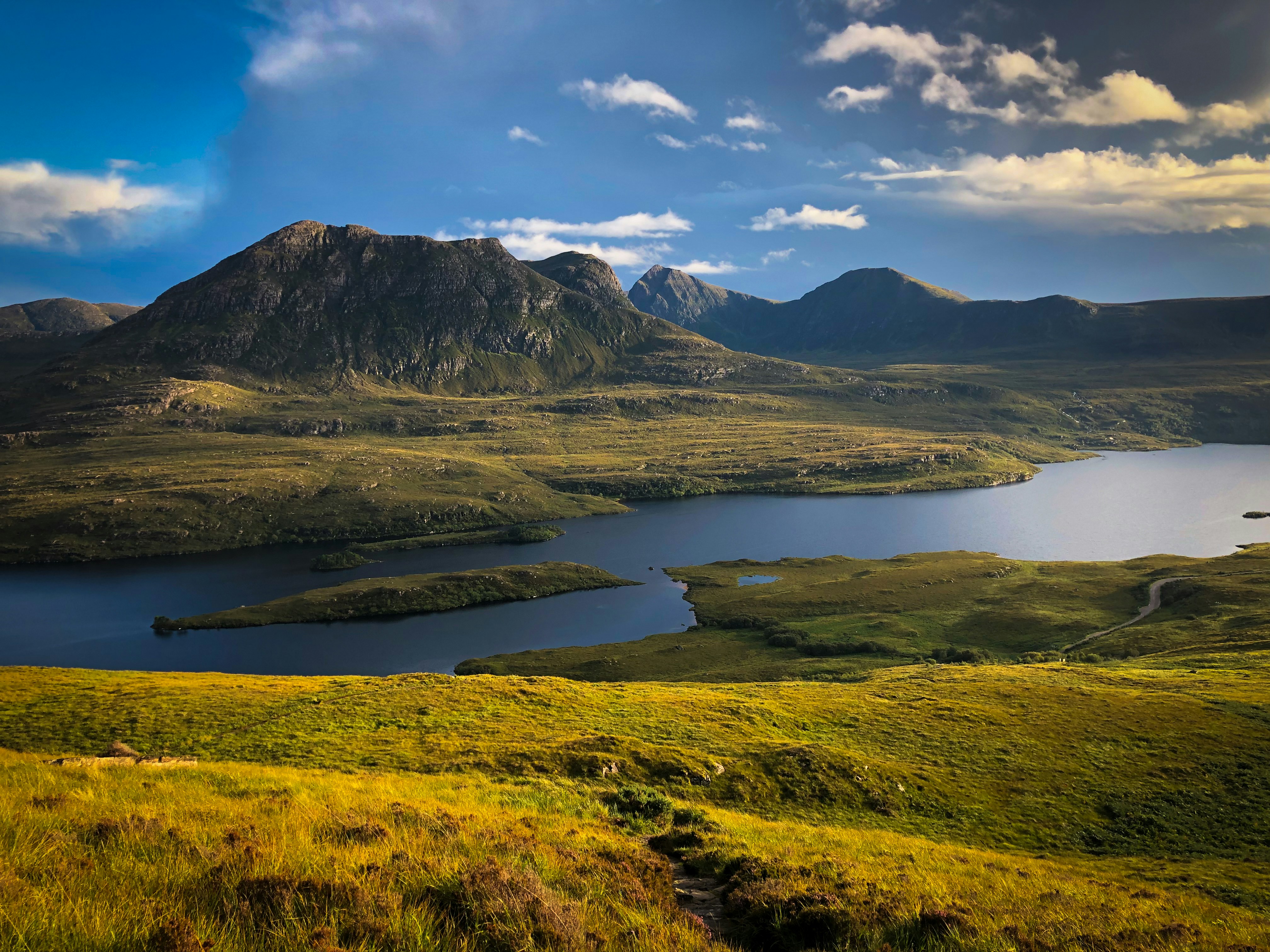
The western edges of Ireland and Scotland are shaped by dramatic coastlines, mountain landscapes, and cultural traditions that remain closely connected to Gaelic history. Travelling through these regions introduces visitors to slower-paced communities, historic towns, and changing weather patterns that define much of the North Atlantic landscape.
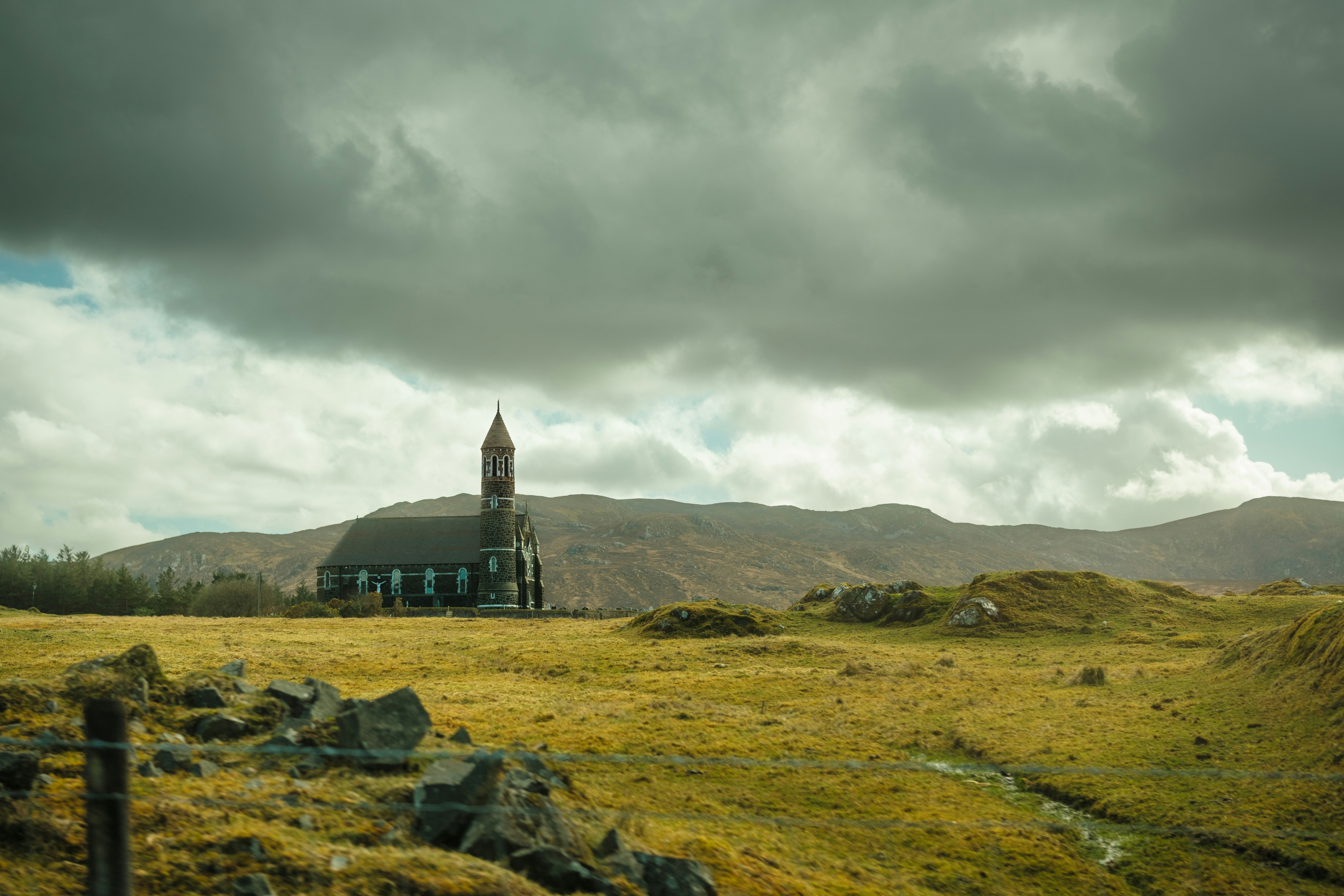

Beginning a journey through Ireland
Many first-time visitors exploring the western coast begin with organised Ireland trip packages, particularly when travelling between rural regions where public transport connections can be limited. Routes commonly connect Dublin with the country’s Atlantic coastline, passing smaller towns, green farmland, and rugged coastal scenery along the way. Organised itineraries often simplify travel across counties where roads are narrow and distances between destinations feel longer than expected.
This approach also allows travellers to combine historic sites, fishing villages, and natural landscapes without needing extensive logistical planning. The western regions of Ireland move at a noticeably slower pace than the capital. Traditional music, local markets, and coastal communities shape daily life throughout much of the area. Weather changes frequently, often transforming the atmosphere within a single day.
Travelling gradually through these regions allows visitors to experience the landscape more directly. Ireland’s western coastline is defined as much by mood and atmosphere as by individual landmarks. The journey itself becomes central to the experience.
Exploring the Highlands and Scottish islands
Travellers continuing north often include Scotland vacations focused on the Highlands and island regions shaped by Gaelic heritage and mountain landscapes. Rail routes and road journeys through Scottish Highlands reveal lochs, glens, and rugged peaks that contrast sharply with Scotland’s larger urban centres. Smaller towns such as Fort William and Portree frequently act as gateways to hiking routes and coastal areas.
Organised tours are especially common in more remote regions where ferry schedules and limited transport options require careful timing. The Highlands also introduce strong seasonal variation, with summer bringing long daylight hours and winter transforming the landscape into snow-covered terrain.
Gaelic traditions remain visible through language, music, and local festivals across many parts of western Scotland. Compared to southern Britain, the pace feels quieter and more closely tied to natural surroundings. Travelling slowly through these regions allows visitors to appreciate how geography continues to shape daily life. Scotland’s Atlantic-facing landscapes remain some of the most dramatic in Europe.
Dublin and Ireland’s eastern gateway
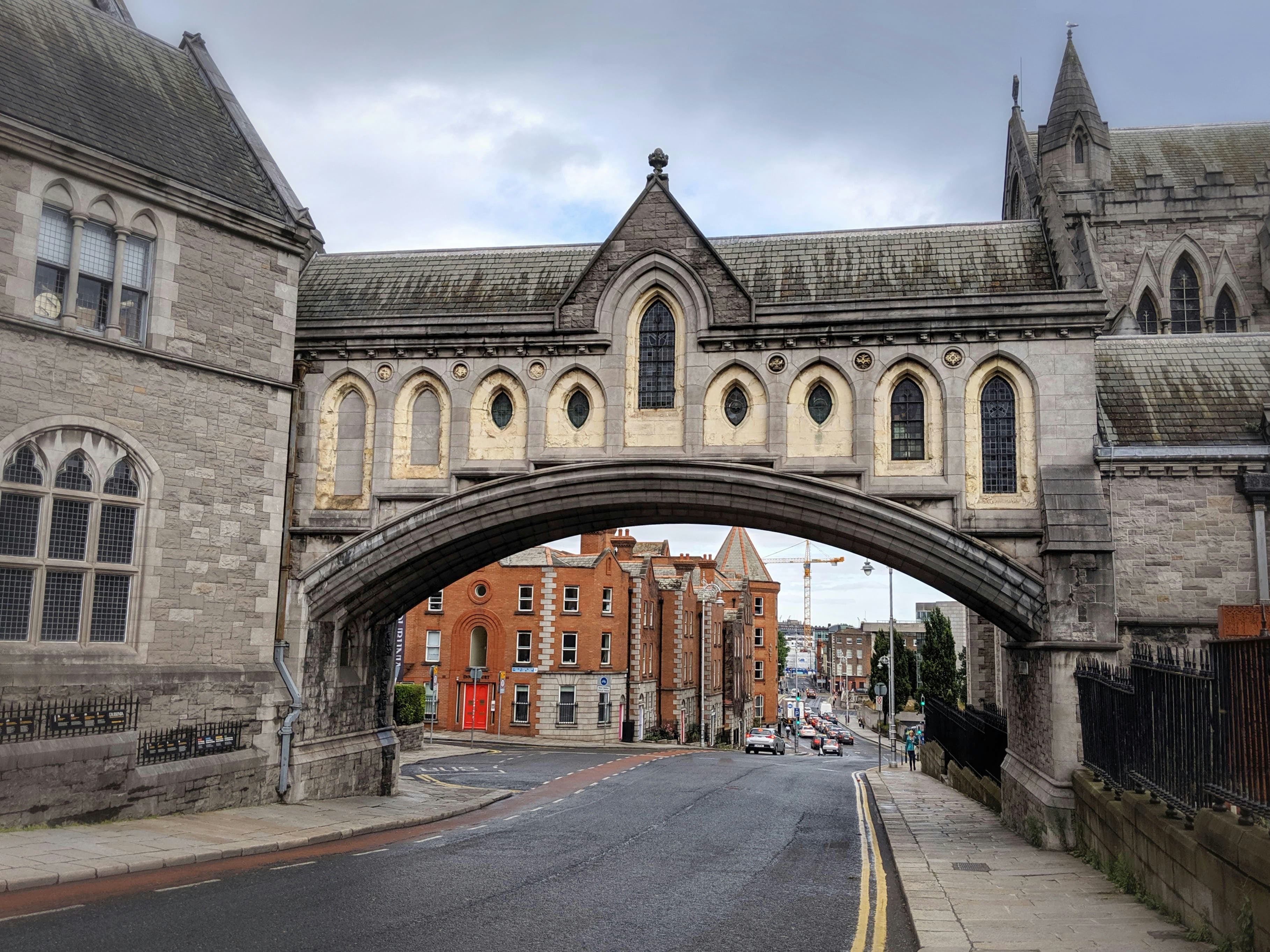
Dublin often serves as the starting point for journeys toward Ireland’s western coastline. Positioned along the River Liffey, the city combines historic architecture with active cultural districts centred around music, literature, and public gathering spaces.
Areas such as Temple Bar attract large numbers of visitors, though quieter streets and Georgian squares reveal another side of the capital beyond the busiest tourist zones.
Landmarks including Trinity College Dublin and Dublin Castle reflect the city’s historical importance while remaining integrated into modern urban life. Public transport and walkable central districts make the city relatively easy to navigate for first-time visitors. Compared to the western coast, Dublin moves at a faster pace and feels more internationally connected.
At the same time, traditional pubs and smaller neighbourhoods preserve strong local character. The city functions as both a cultural destination and a transport hub for journeys further west. Many travellers spend several days here before continuing toward coastal regions.
Galway and Atlantic traditions
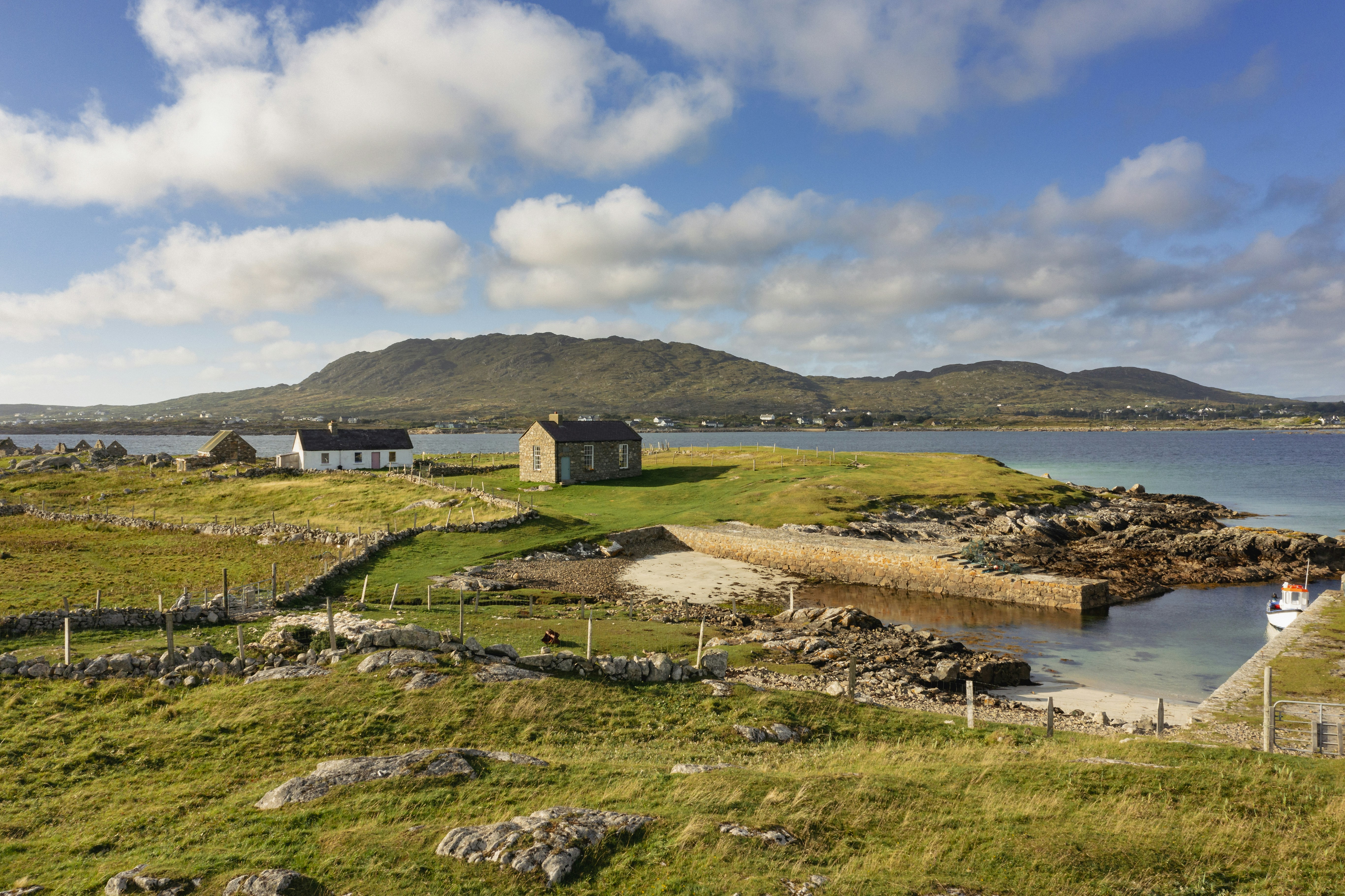
Galway introduces visitors to a different side of Ireland through its connection to the Atlantic coast and strong regional identity. Narrow streets, colourful shopfronts, and frequent live music performances shape much of the atmosphere around the city centre. Galway also acts as a gateway to Connemara and the Aran Islands, where Gaelic traditions remain especially visible.
Compared to Dublin, the city feels smaller and more community-oriented, with a slower rhythm tied closely to local events and tourism seasons. Coastal weather changes rapidly, often shifting from sunshine to rain within a short period. Public spaces remain active throughout the year despite these conditions.
The surrounding landscapes of stone walls, cliffs, and open countryside contribute strongly to the region’s identity. Galway balances tourism with everyday local life more visibly than many larger cities. The Atlantic coastline shapes much of the city’s atmosphere and cultural traditions. This connection becomes clear almost immediately upon arrival.
Edinburgh and Scotland’s historical centre
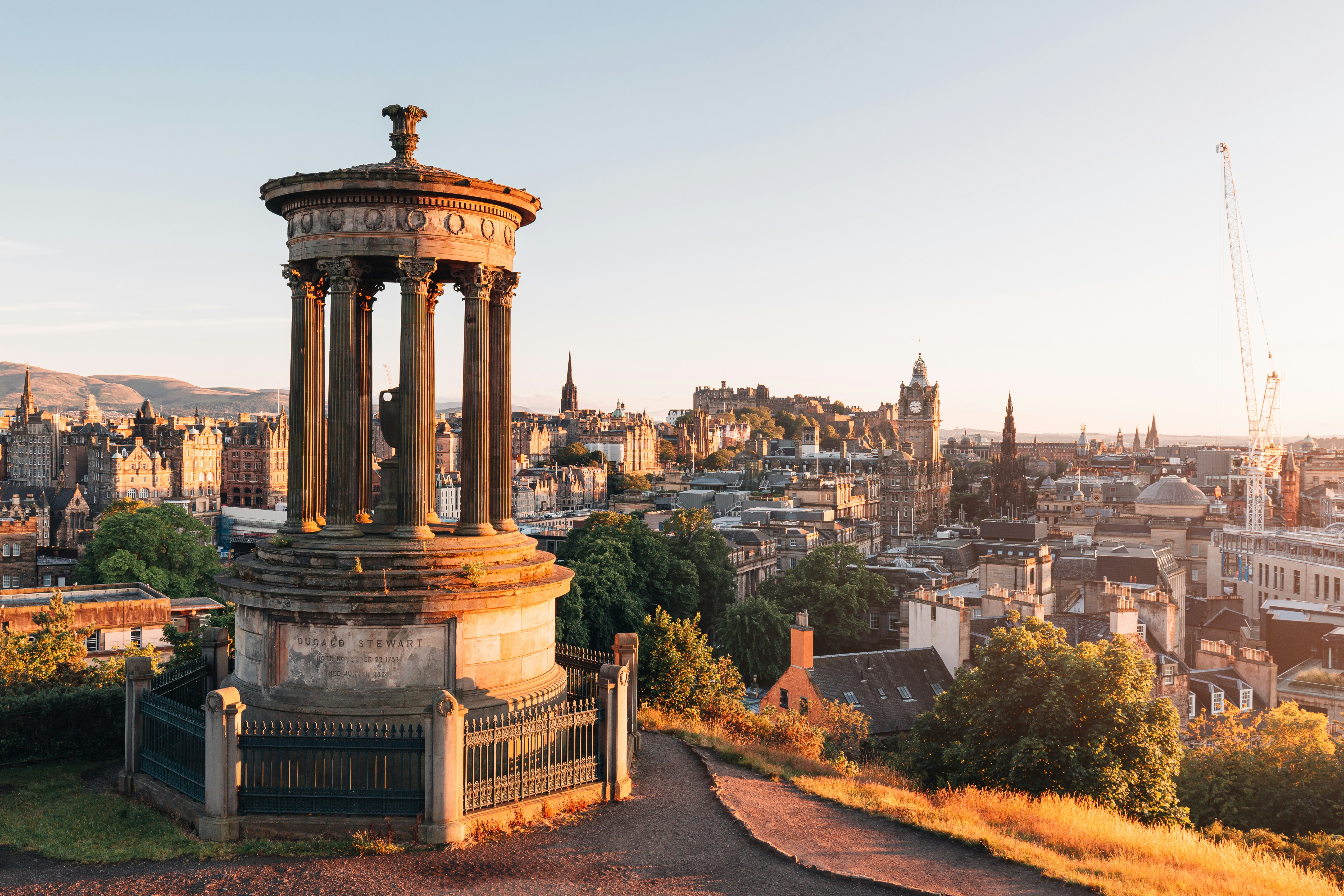
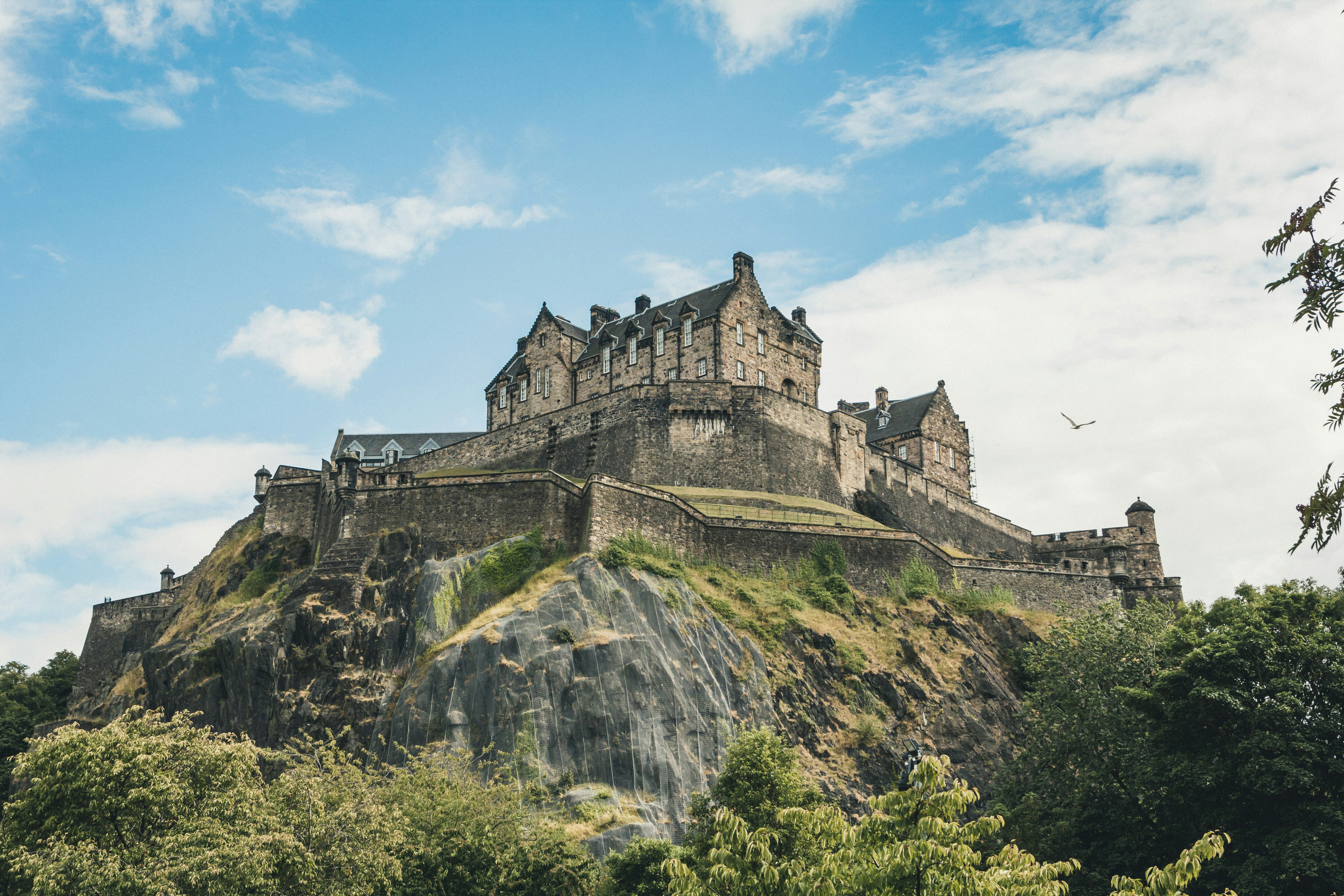
Edinburgh provides a different introduction to Gaelic regions through its historic architecture and elevated cityscape. The Old Town and Royal Mile connect major landmarks such as Edinburgh Castle with narrower medieval streets and public squares.
Although the city itself is more urban than the Highlands, Scottish cultural traditions remain highly visible through festivals, music, and historical sites. Edinburgh’s railway connections also make it an important gateway for travel toward northern and western Scotland.
Compared to Ireland’s coastal towns, Edinburgh feels more formal and architecturally dense. At the same time, surrounding hills and viewpoints create strong visual links between the city and the wider landscape.
Seasonal festivals strongly shape the atmosphere, particularly during summer months when international visitors increase significantly. The city balances tourism, history, and daily local life within a relatively compact centre. Edinburgh often serves as the transition point between urban Scotland and the more remote Highlands.
The Highlands and coastal isolation
Beyond Scotland’s larger cities, the Highlands reveal landscapes shaped by mountains, lochs, and sparsely populated valleys. Roads and railways often follow coastlines or pass through dramatic glens where settlements remain widely spaced. Areas near Loch Ness and Glencoe are among the most visited, though many travellers continue further west toward island ferry ports and remote coastal villages.
The weather changes constantly, with fog, rain, and sunlight often appearing within the same day. These conditions contribute strongly to the atmosphere associated with the Highlands. Public transport becomes less frequent outside major towns, which encourages slower and more carefully planned travel. Small communities often revolve around local tourism, fishing, and outdoor activities.
The relationship between landscape and daily life remains especially visible here. Travelling through the Highlands reveals how geography continues to influence settlement and movement across Scotland’s western regions. The scenery itself becomes one of the defining parts of the journey.
Island culture and Atlantic landscapes
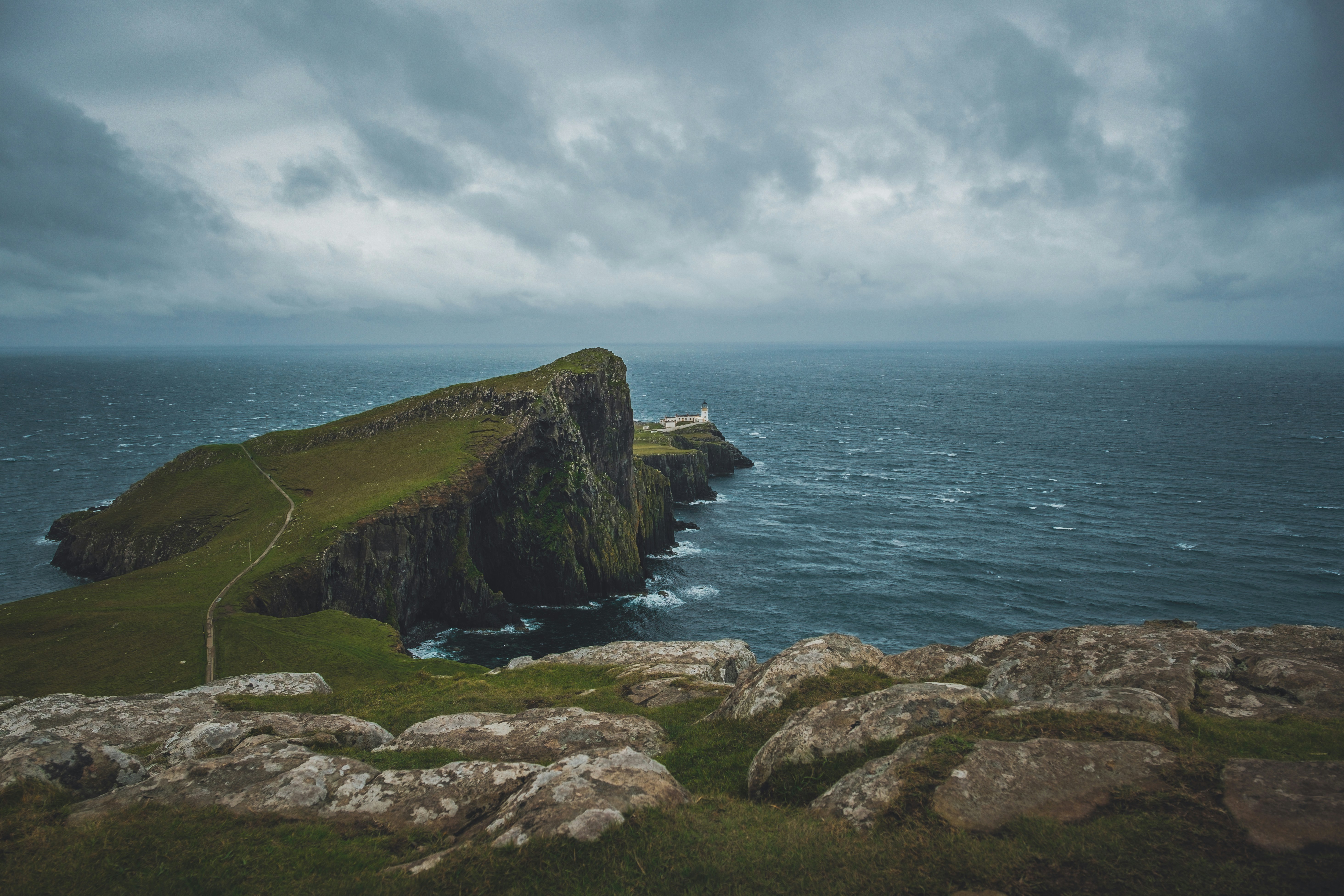
Both Ireland and Scotland include island communities where Gaelic heritage remains particularly strong. Ferry routes connect mainland regions with islands shaped by cliffs, open beaches, and small fishing villages. In Scotland, the Isle of Skye attracts visitors through its mountain scenery and coastal roads, while Ireland’s Aran Islands preserve traditional language and cultural practices more visibly than many mainland areas.
Island travel often depends heavily on weather conditions, which can delay ferries or alter schedules unexpectedly. This unpredictability becomes part of the experience rather than simply an inconvenience. Daily life on the islands moves at a slower pace, with smaller populations and limited infrastructure creating quieter environments.
Visitors travelling through these areas often spend more time outdoors due to the surrounding landscapes. The Atlantic Ocean remains a constant presence across these journeys. Coastal weather, sea views, and changing light shape the atmosphere throughout much of the Gaelic fringe.
Bringing the regions together
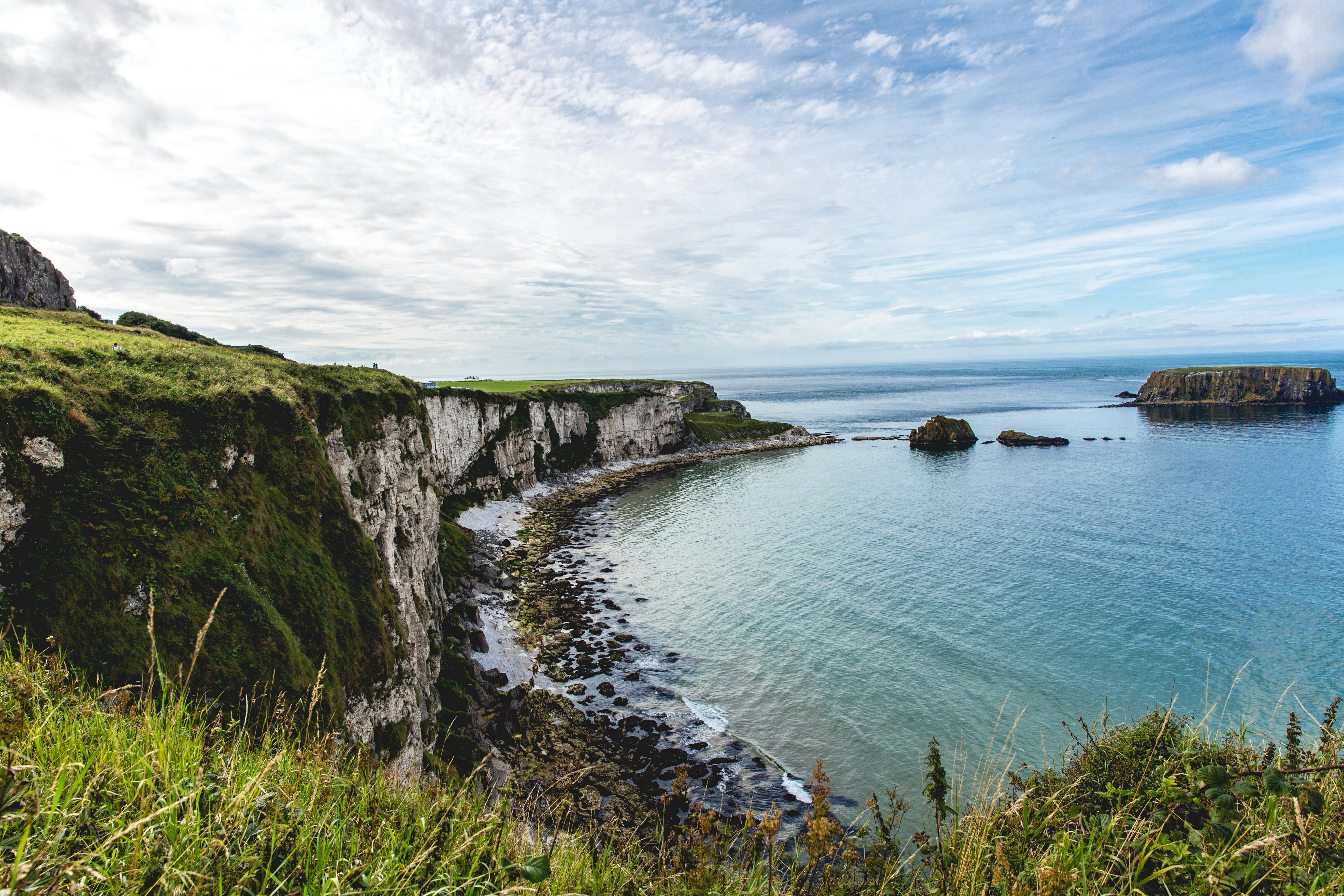
Exploring Ireland’s western coast and Scotland’s Highlands introduces travellers to landscapes and traditions shaped by centuries of Gaelic culture and Atlantic geography. From lively coastal towns to remote mountain valleys, the regions remain connected through changing scenery, slower rhythms, and strong relationships between community and landscape.