Small cities often get overlooked in favour of capitals or major tourist hubs, but for travellers who stay longer and want more than just snapshots, they can offer richer experiences.
For nomads looking for substance rather than sightseeing checklists, smaller cities provide a mix of culture, history, and everyday life that’s hard to find in bigger cities. You can wander, pause at a café, or spend an afternoon in a local market and feel connected to how people actually live.
This article highlights five smaller cities where time spent walking, eating, and observing gives a better sense of the place than ticking off standard attractions ever could.

Savannah: Walkable History and Southern Food
Savannah is the kind of city that works well on foot. Its historic district has streets lined with squares, moss-draped oaks, and restored buildings dating back to the 18th century. Walking around, it’s easy to lose track of time exploring Colonial Park Cemetery, stopping at small boutiques tucked into side streets. The scale of the city makes wandering low-stress, even on warm afternoons.
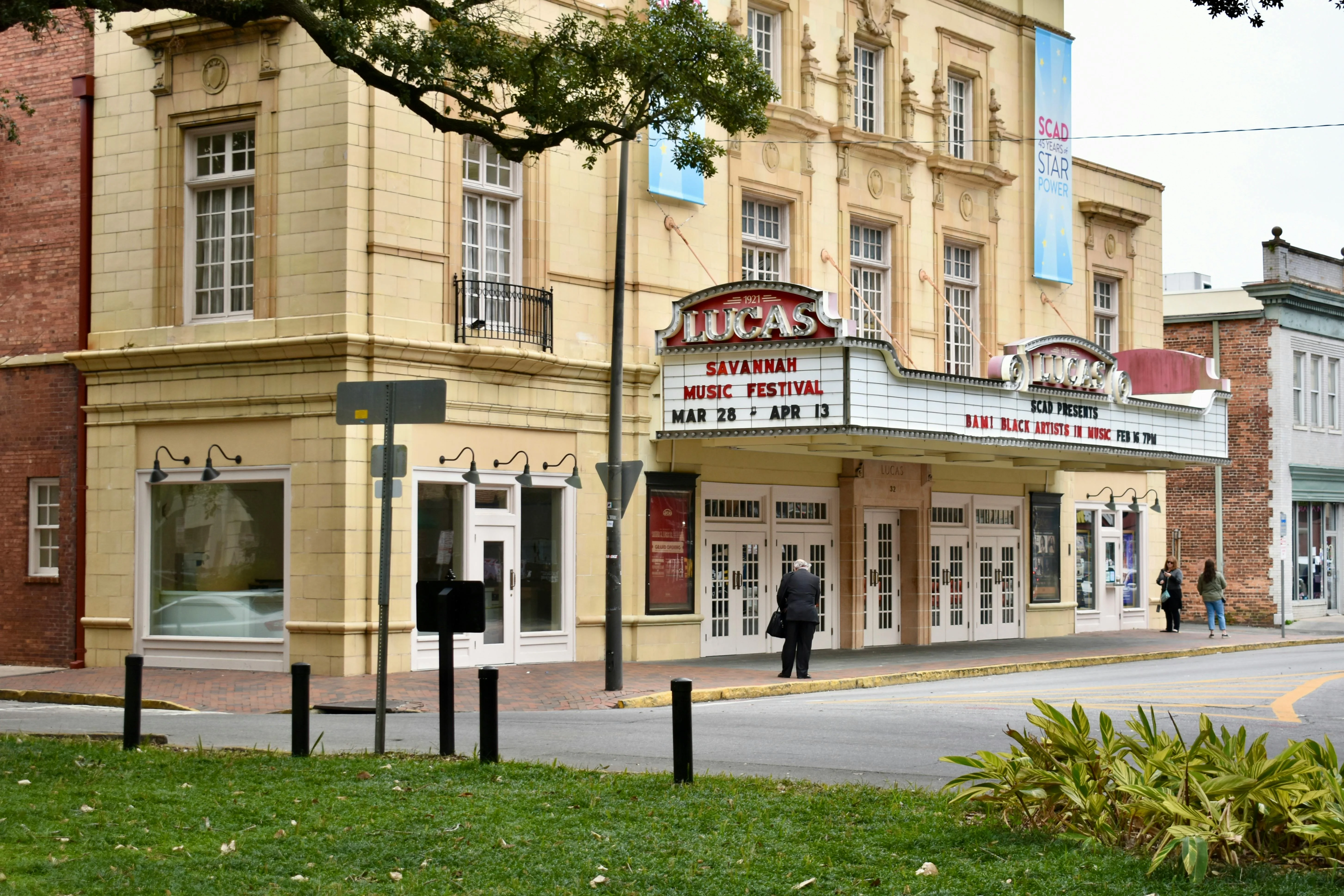
Food is a big part of what keeps people lingering. Cafés, casual diners, and small seafood joints are scattered across the historic area. You can try the best seafood in Savannah at places like The Crab Shack or The Collins Quarter, where local oysters, shrimp, and crab plates dominate menus.
Even outside the squares and main streets, neighbourhoods like Starland or Thomas Square give a sense of everyday life in Savannah. Bike rentals or short rides across the river to Hutchinson Island are simple ways to explore beyond the tourist areas.
Ghent: Medieval Streets With Modern Energy
Ghent feels alive without the crush of bigger Belgian cities. Canals, bridges, and cobbled streets dominate the centre, and most attractions are easily walkable from the main square. The architecture is well-preserved, but it doesn’t feel like a museum; locals cycle past, shop at small markets, and sit at café terraces, giving the city a continuous hum of everyday life.
History is everywhere, but not overwhelming. Gravensteen Castle sits centrally and is best approached on foot, while St Bavo’s Cathedral shows the Gothic scale without requiring a full day of museum hopping. Smaller museums and local galleries fill in the gaps for travellers who want depth without a packed schedule.
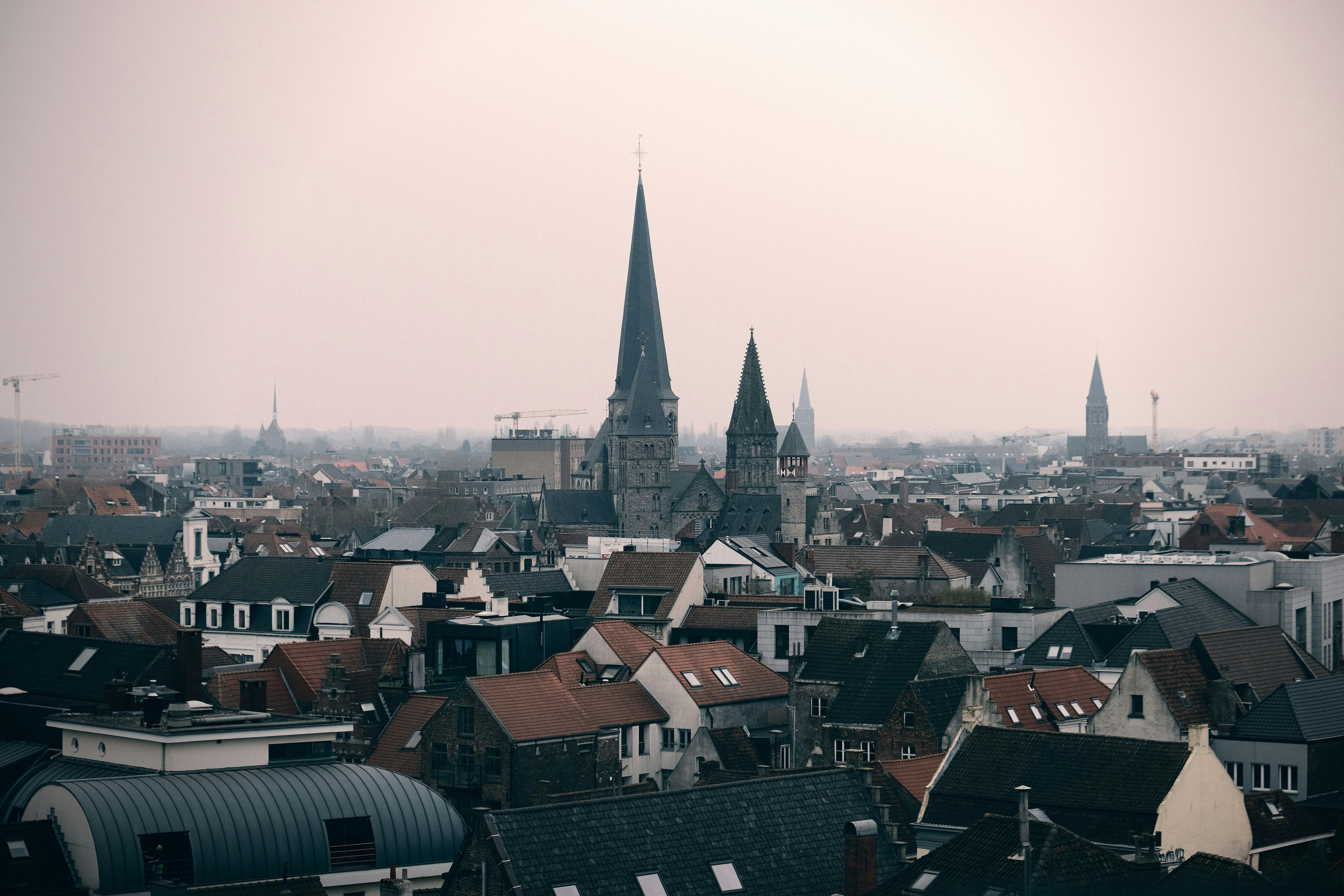
Evenings in Ghent are low-key but varied. Restaurants serve everything from traditional Flemish stews to contemporary fusion, while bars in the Patershol district are cosy and easy to reach. Night walks along canals highlight how the city’s medieval grid interacts with modern lighting and local movement, and it’s best experienced by taking your time rather than sticking to a strict plan.
Lucca: Renaissance Walls and Timeless Tuscan Streets
Hidden in the heart of Tuscany, Lucca is one of Italy’s most captivating small cities, offering a remarkably preserved glimpse into centuries of history. Encircled by massive Renaissance walls, the historic center feels like a world of its own. Unlike many defensive walls in Europe, Lucca’s have been transformed into a wide, tree-lined promenade where locals and visitors stroll, jog, and cycle while enjoying views across terracotta rooftops and church towers.
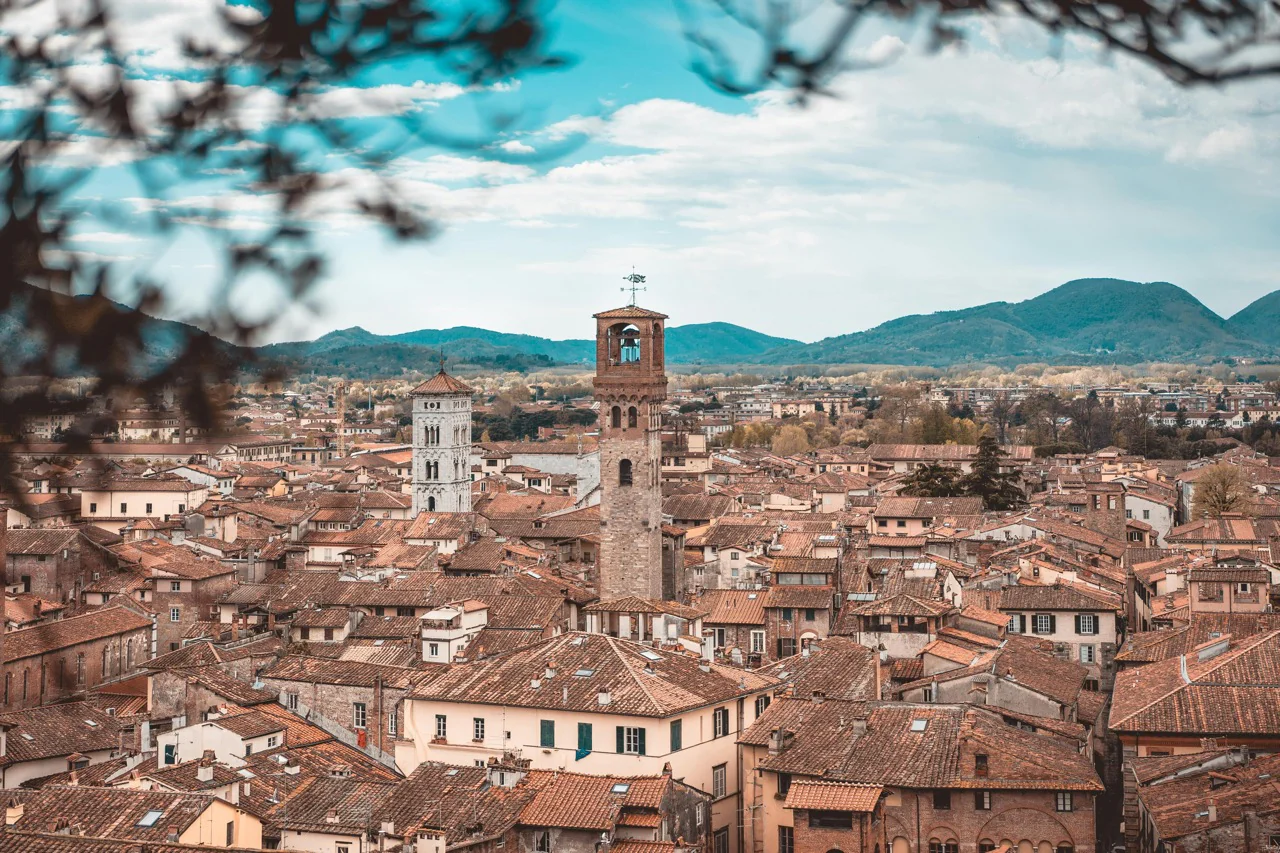
Within the walls lies a charming network of narrow streets, lively piazzas, and beautifully preserved buildings that reflect the city’s Roman and medieval past. One of the most striking spots is Piazza dell’Anfiteatro, an oval square built directly on the foundations of an ancient Roman amphitheatre, with colorful houses tracing the outline of the original arena.
Lucca is also known for its towers and musical heritage. The famous Torre Guinigi, topped with oak trees, offers sweeping views over the city, while the legacy of composer Giacomo Puccini still resonates through concerts and festivals. For travelers looking to experience memorable walking holidays in Italy, Lucca offers the perfect starting point.
Kanazawa: Tradition Without Big-City Pressure
Kanazawa is often described as a smaller alternative to Tokyo or Kyoto, but it functions differently. The city has historic districts like Higashi Chaya, where teahouses remain active, and samurai residences that are preserved without feeling like a tourist trap. Streets are quieter, and travel within the city is straightforward by bus, bike, or short walks.
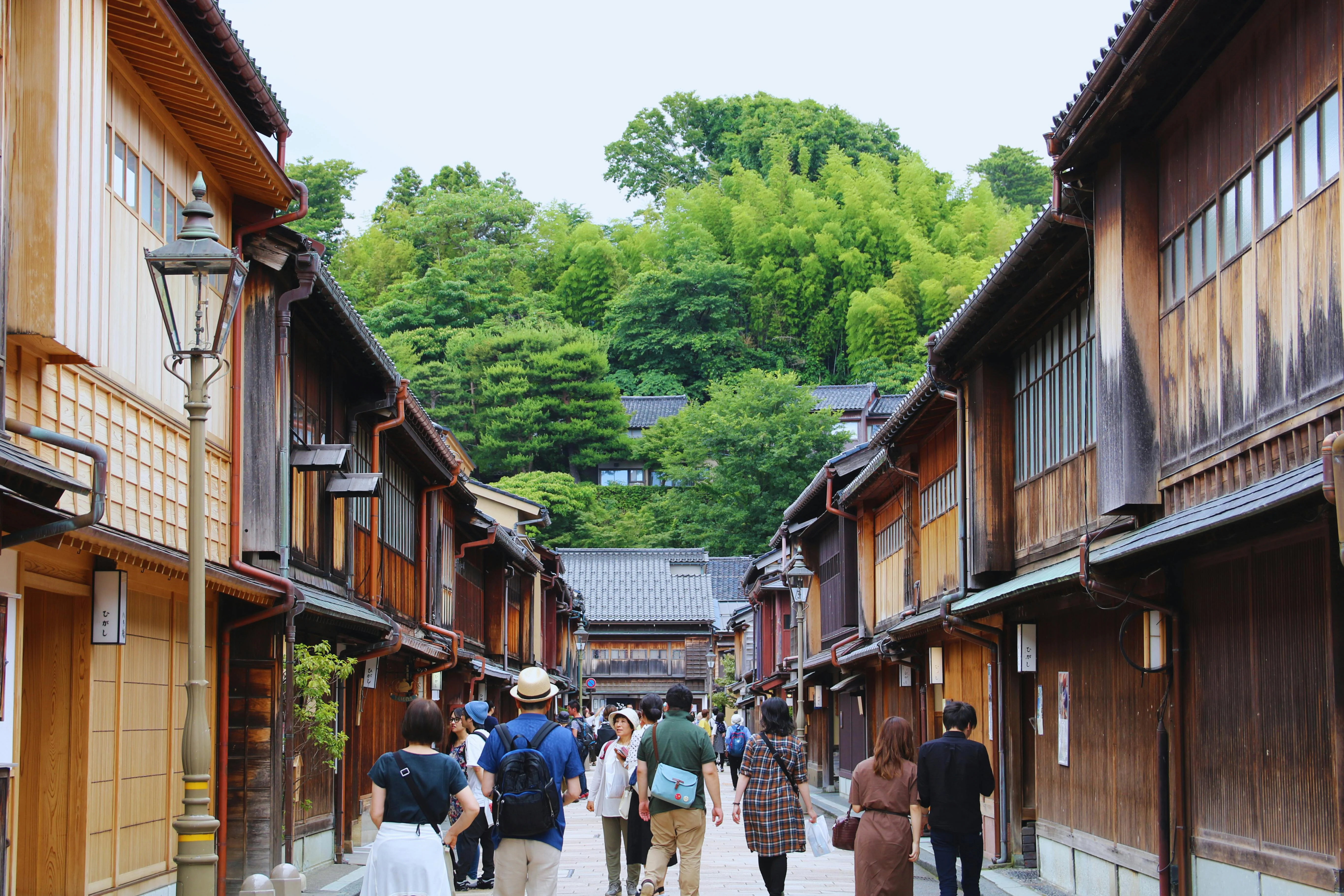
The Kenrokuen garden is a central draw, but time spent exploring nearby lanes and markets adds context. Omicho Market provides daily-life snapshots: fishmongers, fruit sellers, and casual eateries that locals frequent rather than curated tourist spots.
Cultural institutions like the 21st Century Museum of Contemporary Art or local craft workshops provide contrast to the historical districts. Travellers can switch from one to the other without a long transit or rigorous planning.
Luang Prabang: River Life and Buddhist Calm
Luang Prabang, in northern Laos, centres around the Mekong and Nam Khan rivers, with life flowing at a pace largely set by the water. Early mornings are marked by alms-giving to monks, which visitors can watch respectfully, while afternoons see markets open and cafés along the river host both locals and travellers.
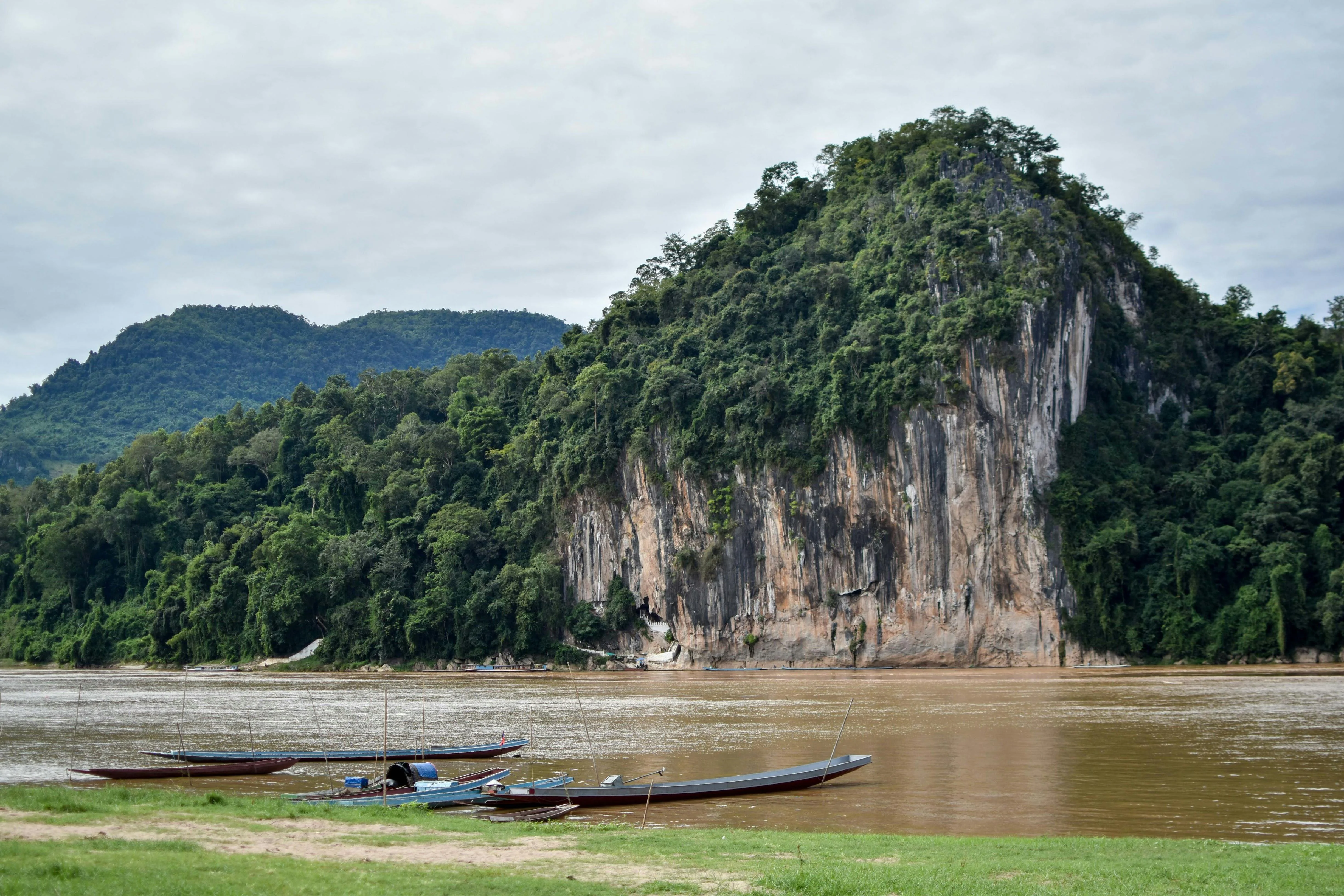
The city is walkable, and cycling is popular on quieter streets leading to temples, waterfalls, and nearby villages. Sightseeing mixes easily with observation of daily life: laundry along riverbanks, food vendors setting up for lunch, and children moving between school and home. The experience is more about rhythm than ticking off landmarks.
Night markets and riverside dining allow travellers to engage with local cuisine without structured tours. The overall sense is one of calm rather than spectacle. Even with other travellers around, the city’s size and layout make getting around feel easy and natural.
So which smaller cities should you linger in?
Smaller cities often reward time and attention in ways that major capitals cannot. Savannah shows how history and food merge into daily walking routines. Ghent balances medieval streets with local energy. York layers Roman, medieval, and everyday life into a manageable space. Kanazawa offers preserved tradition without logistical stress. Luang Prabang lets river life and Buddhist routines set the tempo.
For nomads who want more than short visits, these cities offer environments where walking, eating, and observing can be a way of understanding a place. None of them demand rigid schedules or constant planning. Spending days rather than hours in each allows travellers to see how locals live, how routines shape movement, and how slower travel can reveal more than ticking off landmarks ever will.