For travellers who like to mix a bit of adventure with deeper cultural insights, some destinations go beyond the usual sightseeing or trekking checklist. You’re not just moving from one iconic photo spot to another; you’re walking streets that tell a story, climbing paths where locals have lived for centuries, and seeing art that feels part of a living city. These trips show you a side of a place you won’t get from any guidebook.
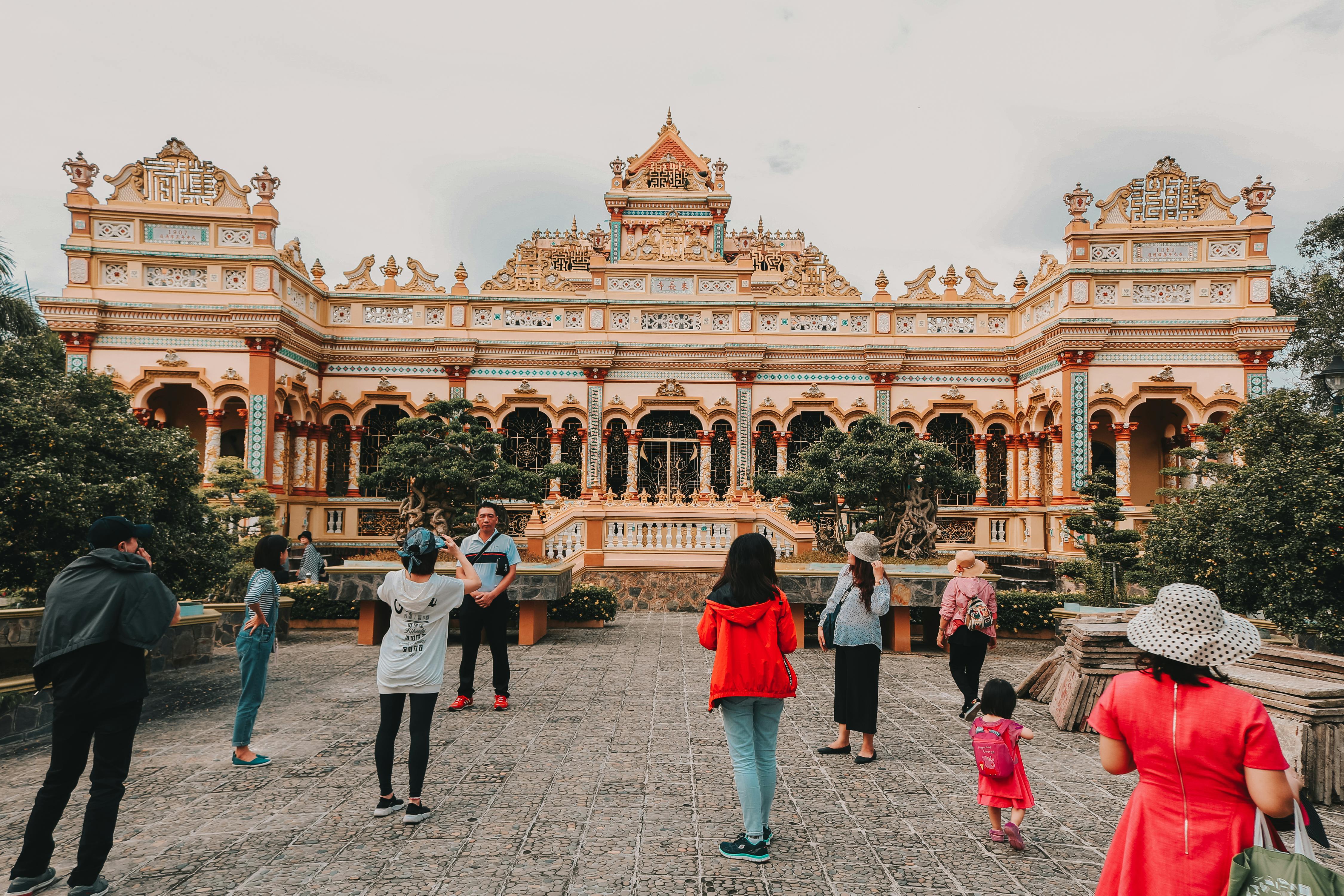
Combining outdoor exploration and cultural highlights means planning for variety. One day might be spent on a steep trail or coastal path, and the next visiting a museum, castle, or archaeological site. Timing, logistics, and local knowledge become part of the experience. For those keen on meaningful travel rather than surface-level tourism, this approach rewards effort with memorable encounters and authentic moments.
Here are five trips where you can genuinely balance adventure and culture without feeling like you’re rushing through a checklist.

Nepal: Everest-Region Trekking
The Everest region isn’t just for serious climbers. Visitors often seek an immersive trekking in Nepal experience, following routes through places like Khumbu that combine high-altitude trails with villages largely unchanged for decades. Starting from Lukla, the trail moves through forests, high valleys, and suspension bridges, each step offering a view of snow-dusted peaks. Tea houses provide basic but reliable lodging, and the rhythm of the trek is slow enough to notice daily village life, prayer flags, and yak caravans.
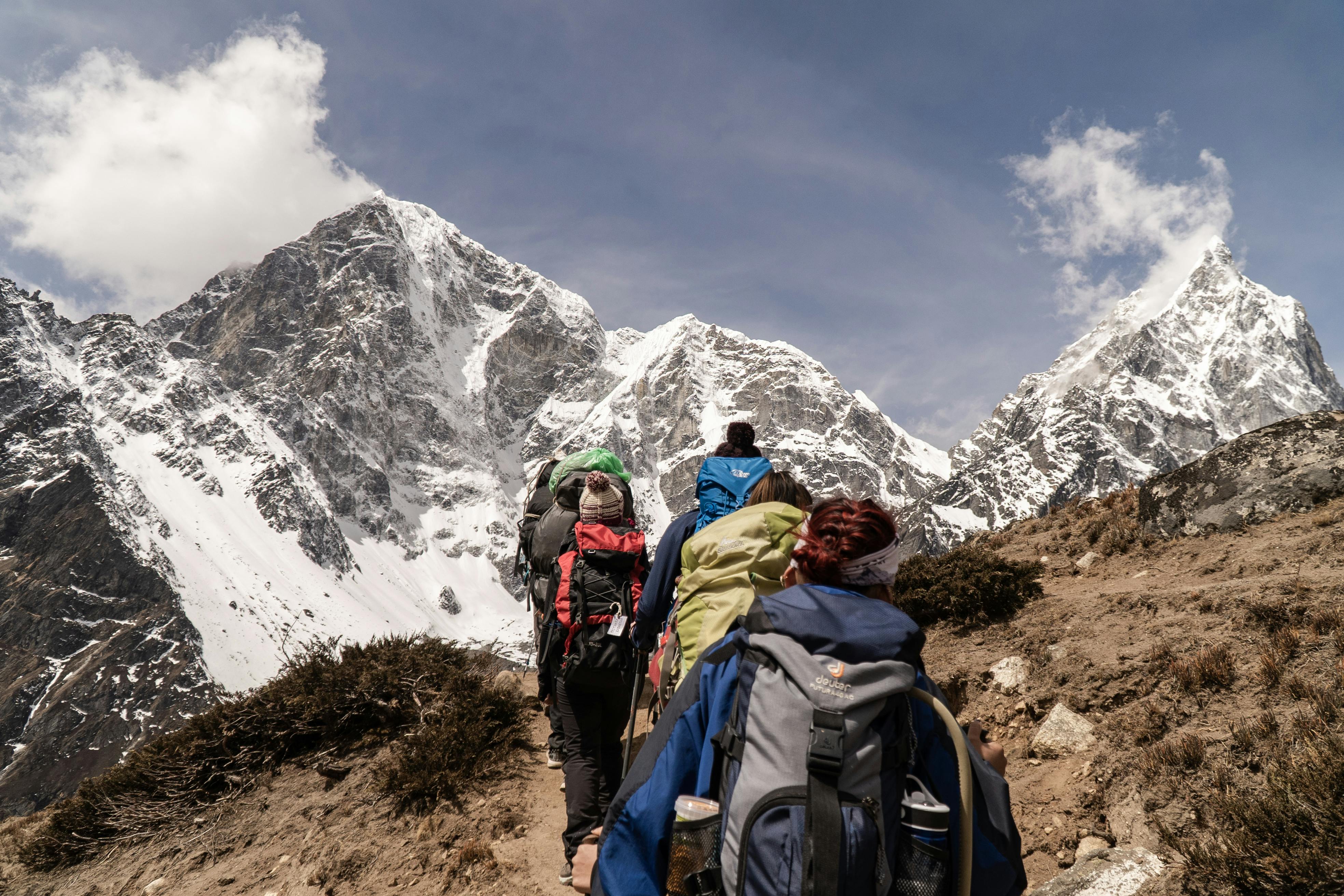
Namche Bazaar is often the first major stop. Here, trekkers can explore local markets, Buddhist monasteries, and small museums that trace Sherpa history. Villages along the route are quiet, so striking up a conversation with locals is easy if you’re curious about how they live above 3,000 metres.
If the goal is a mix of scenery and culture, the Gokyo Lakes detour adds both. You’ll pass serene glacial lakes and climb viewpoints for Everest without the crowds of the standard route. Guides often share stories about Sherpa culture, making the trek feel like more than just a series of steps and photo stops.
Scotland: Highlands Walks and Castle History Trail
The Highlands are ideal for travellers who like to stretch their legs and wander through history. Trails around Glencoe, Torridon, and the Cairngorms offer rugged walking without being too remote, while stone castles, clan houses, and battlefield sites are never far. Walking between settlements like Fort William and Inverness gives a sense of how the landscape shaped Scottish life over centuries.
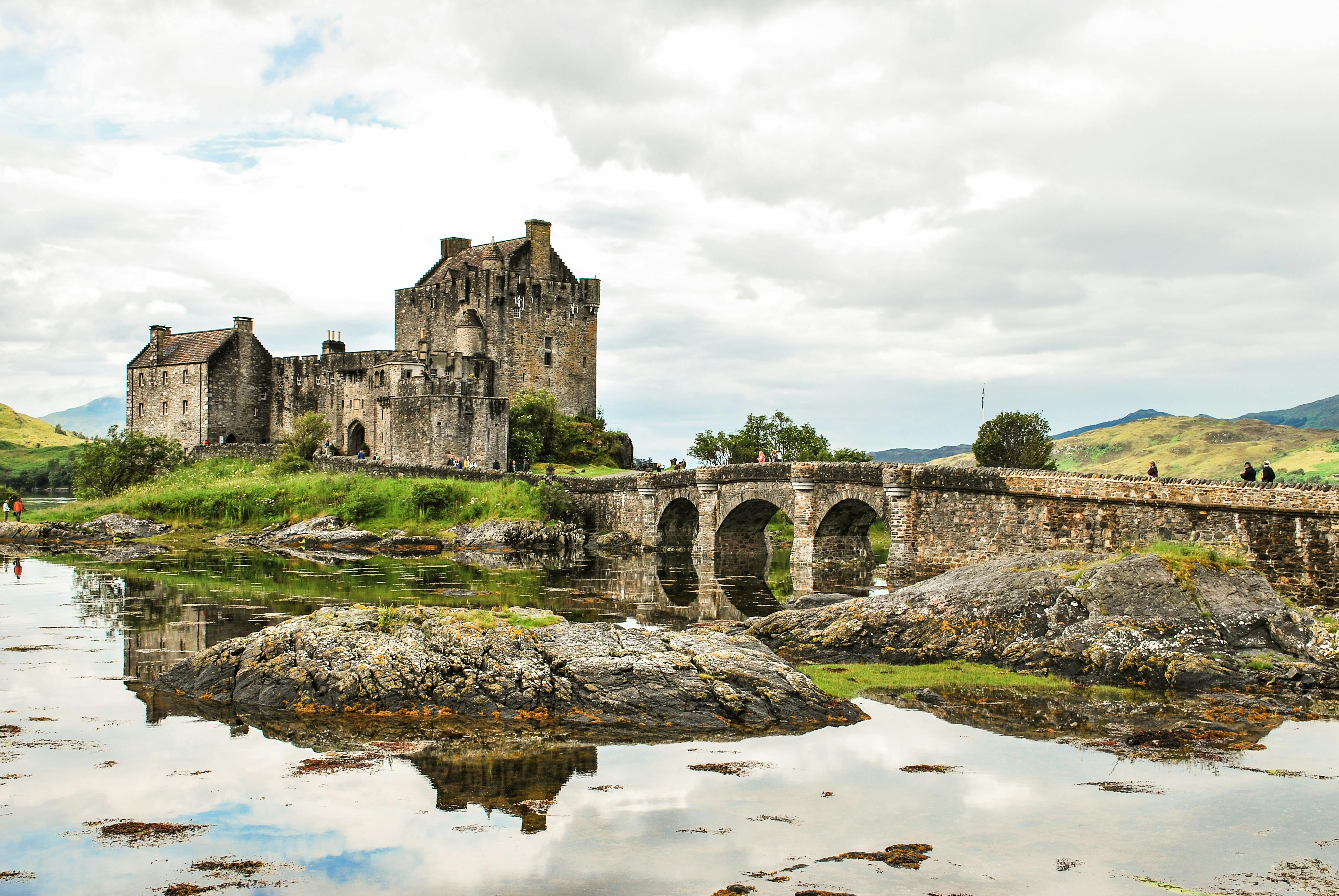
Historic sites like Urquhart Castle by Loch Ness or Eilean Donan on the western edge are worth a morning visit before heading out on longer hikes. Castles often have nearby trails that climb hillsides for views that show both the building and the surrounding geography.
Public transport is limited, so having a car or joining small local tours makes the combination of outdoor activity and cultural exploration more practical. Along the way, stopping in village pubs or market towns adds a lived-in feel. The Highlands aren’t all touristy, so there’s plenty to discover here. Perhaps, a ruined chapel or a quiet path by a loch?
Italy: Uffizi and David Culture Tour
Cultural Florence small group tours can take you on easy walks through Florence’s picturesque Renaissance streets. The Uffizi Gallery, the Accademia with Michelangelo’s David, and smaller churches like Santa Croce are all within walking distance, allowing a mix of museum time and wandering streets without relying on taxis. Even half a day can feel full if you move between galleries and piazzas at a relaxed pace.
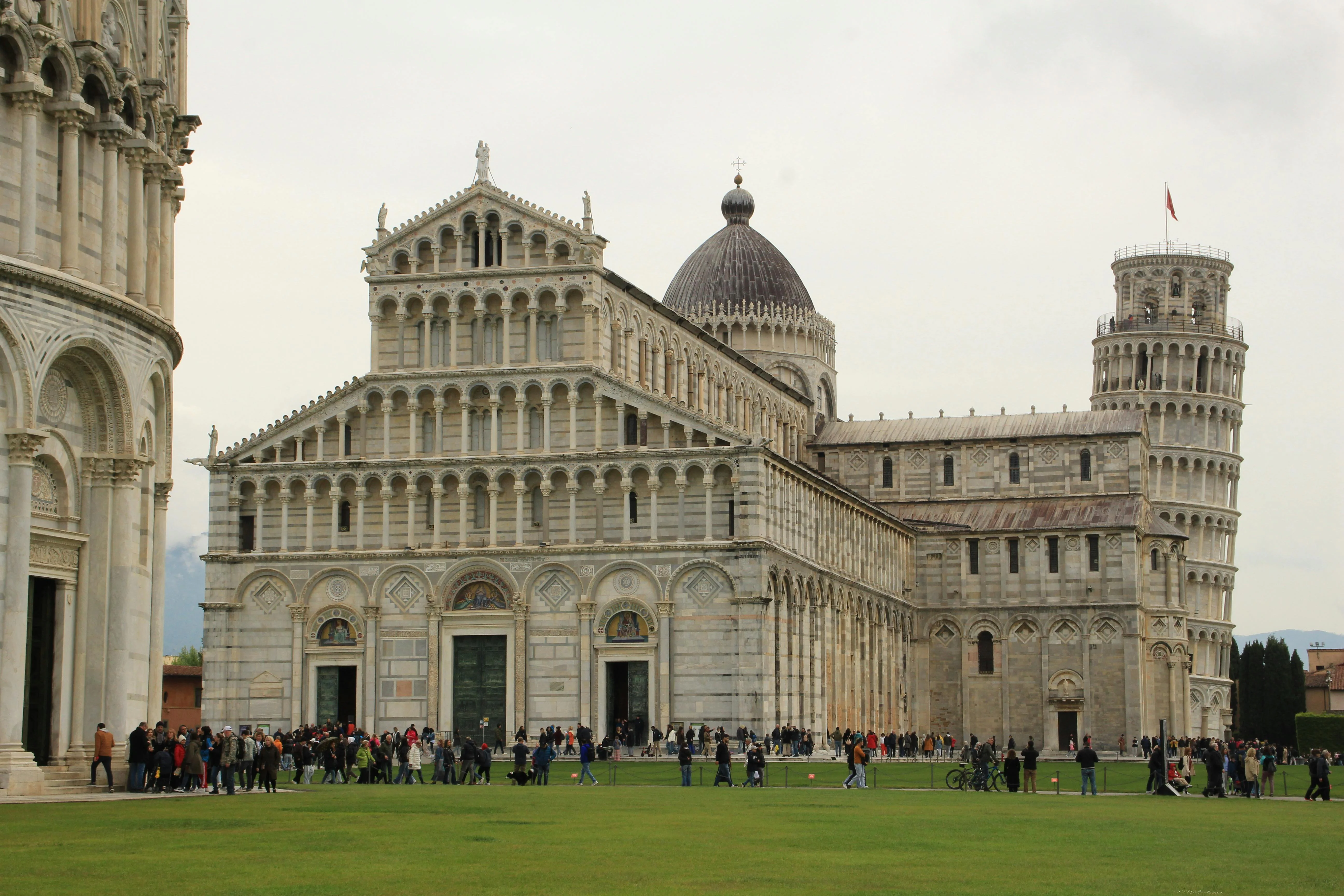
Walking from the Duomo through the Oltrarno district shows another side of the city. Craft workshops, small bakeries, and frescoed interiors of local churches give insight into daily life across centuries. You’re not just looking at famous art; you’re seeing how it fits into the city’s fabric.
For those willing to step outside Florence, a short train ride or bike trip along the Arno or into Chianti opens access to hillside villages, vineyards, and quieter churches. Combining walks with cultural stops makes Florence feel like a real city, not just a series of museums.
Jordan: Desert Hiking and Ancient City Discovery
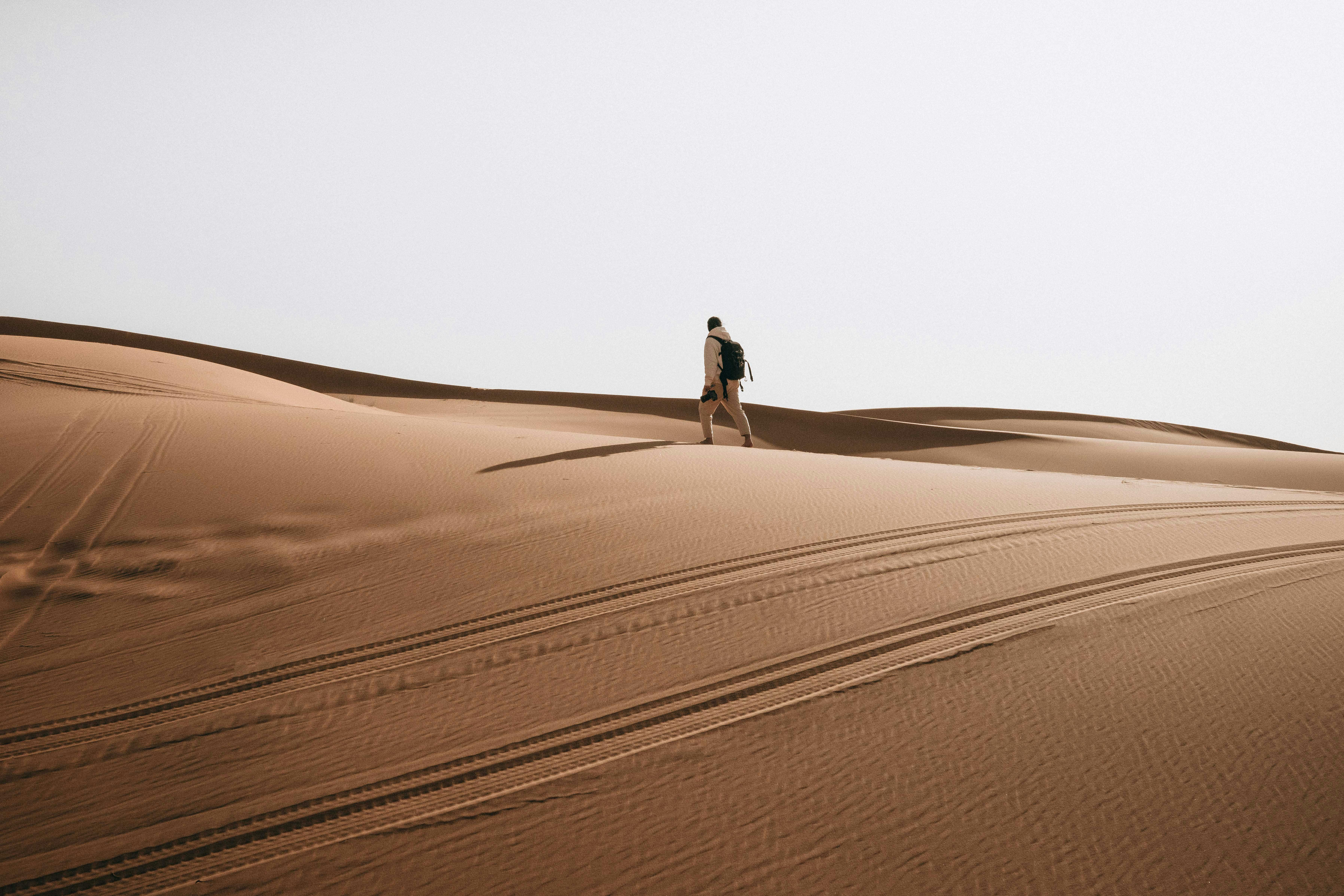
Jordan offers landscapes that are both dramatic and historically layered. Wadi Rum, with its sandstone cliffs and red sand valleys, works well for multi-day hiking or jeep-assisted treks. Trails wind past inscriptions, small caves, and natural arches, providing a physical challenge alongside unexpected history. Guides often know the desert’s Bedouin stories, adding cultural depth to otherwise stark scenery.
Petra is just a few hours from Wadi Rum, and walking through the Siq to the Treasury feels different from just looking at a map. The city spreads across gorges and cliffs, and walking in it is necessary to grasp the scale. Visiting the Roman-style theatre, royal tombs, and monasteries requires time and boots capable of uneven terrain.
Amman and Jerash give a contrast between desert and archaeological exploration. Roman columns, hilltop citadels, and local markets make it clear Jordanian history isn’t just in isolated sites. Combining outdoor hiking with urban and ancient site visits keeps the pace varied and immersive.
Portugal: Coastal Hiking and Historic Town Hopping
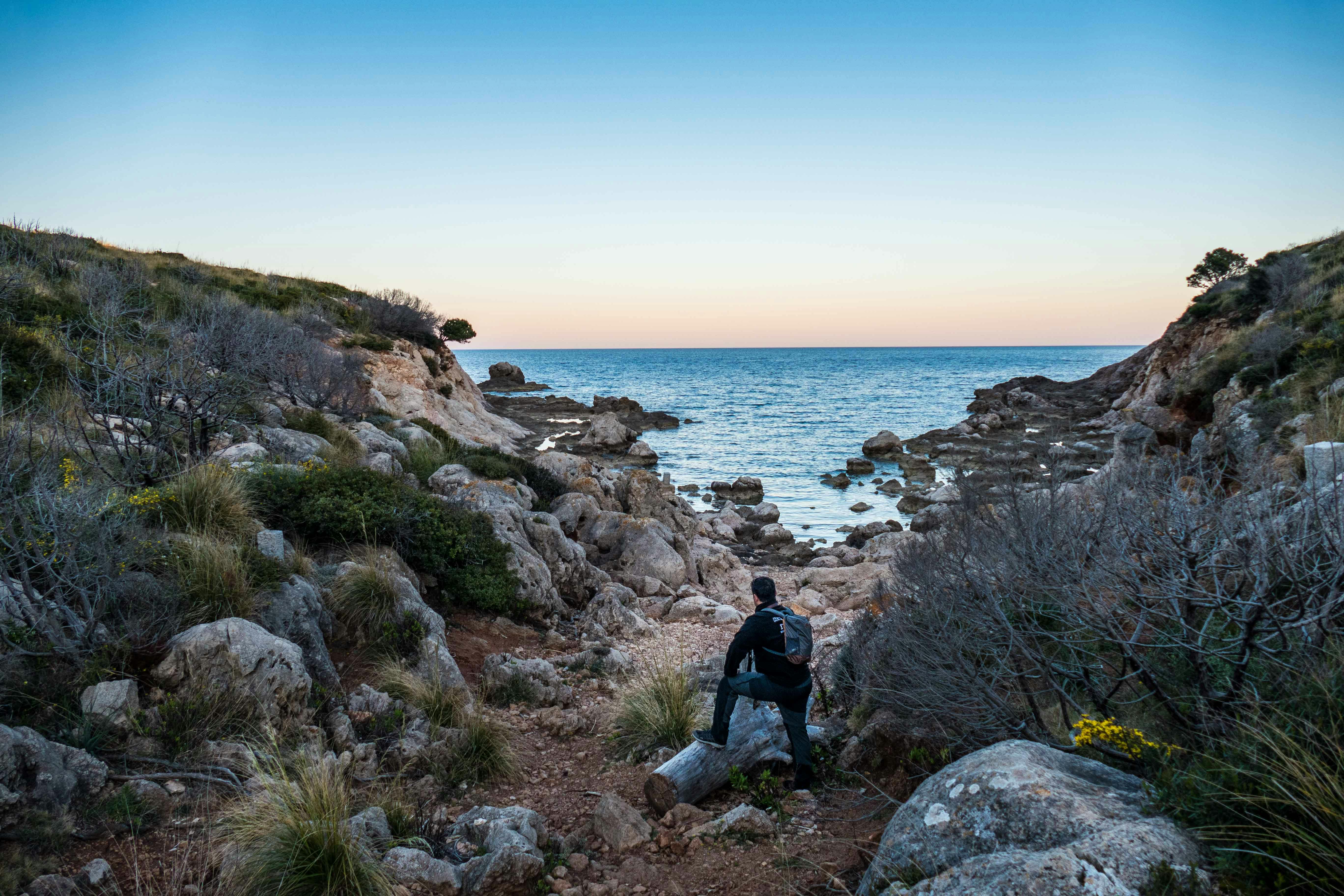
Portugal’s coastline is surprisingly walkable. The Rota Vicentina trail in the southwest Algarve winds through cliffs, beaches, and fishing villages. It’s easy to mix longer hikes with short stops in towns like Odeceixe or Aljezur, where historic streets and local cafes give context to the landscapes. The trail is straightforward but varied enough to spend several days without repeating scenery.
The northern coast around Porto has its own appeal. Trails along the Douro River and adjacent wine estates allow walking in a scenic valley while sampling centuries-old production traditions. Towns like Guimarães and Braga have historic squares, churches, and fortifications, all within reach of manageable hikes.
Public transport between towns is reasonable, and renting a small car allows even more flexibility. Combining coastal walking with time in historic towns makes Portugal a quietly diverse destination where culture and outdoors naturally intertwine.
Will combining outdoor exploration and cultural discovery change the way you see a place?
When you mix outdoor adventure with cultural discovery, travel starts to feel more like moving through a place rather than just visiting it. Trails, streets, and markets all take on new meaning when you see how people live, work, and create alongside the landscapes. Small choices, such as knowing which village to stop in or which viewpoint to climb, suddenly shape the entire experience.
These kinds of trips stick with you because they leave room for curiosity, chance encounters, and a sense of real place. In the end, it’s less about ticking boxes and more about seeing somewhere with your own eyes.